
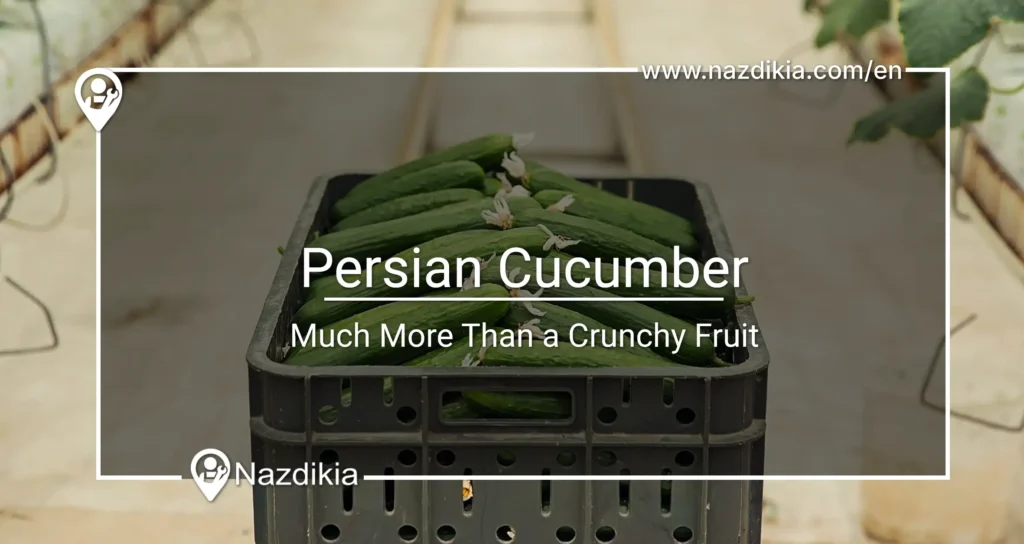
If you’re looking for a fruit you can have any time of the day, the Persian cucumber is your answer. You can eat this crisp fruit raw with breakfast or make a salad with it and eat it with lunch or dinner. The Persian cucumber is nature’s gift to you to make your food greener. Let’s see what this popular fruit has to offer so that next time you have some, you can appreciate it more than just chewing on this green, crisp fruit.
What is a Persian Cucumber?
In scientific terms, the Persian cucumber is known as the Cucumis sativus. But the Persian cucumber is sometimes informally referred to as the baby or mini cucumber. This second name is given to the Persian cucumber because of its size compared to other common types of cucumber, such as the English or regular cucumber.
The Appearance of the Persian Cucumber
Persian cucumbers are smaller and slimmer than other types of cucumber. They’re typically 4 to 6 inches tall with thin, shiny, green skin, which makes them edible without peeling. The Persian cucumber is crisp as long as it’s fresh and stored properly. But when it loses its freshness, the texture becomes elastic.
When the cucumber is growing, a yellow scentless petal grows on its head, and when the cucumber is fully grown, this petal begins to perish.
The Shape of the Persian Cucumber
The shape of the Persian cucumber is cylindrical, but you might come across a curvy one, too. The Persian cucumbers that don’t seem to be growing in a perfect shape are harvested early. The benefit of this early harvest is twofold: first, by cutting the defective cucumbers early, the plant uses its resources for the production of perfect cucumbers. Second, the harvester can use the defective cucumbers to produce pickles and increase their revenue.
The Inside of the Persian Cucumber
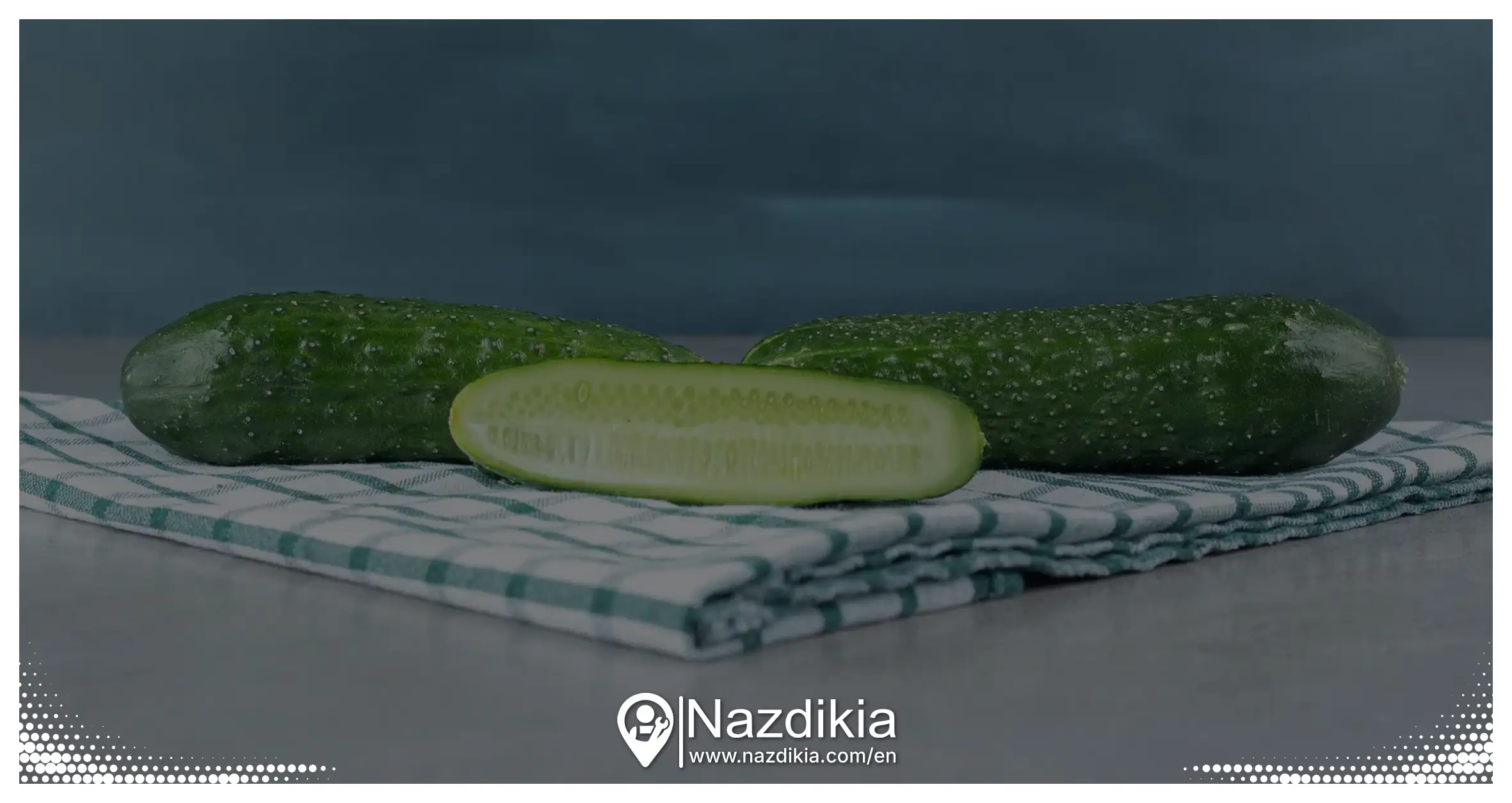
If you cut a Persian cucumber in half vertically, you can see three parts: skin, flesh, and seeds. The skin is very thin, and the flesh is around 3 mm thick. In the central part, you can see the seeds.
These are, of course, technically seeds, and you won’t taste the difference between the taste of the seeds and the flesh. However, if the Persian cucumber is overgrown, these seeds start to grow larger and taste different. The seeds of the perfect cucumbers from the perfect plants are occasionally overgrown on purpose when the plant is in its prime for reproduction.
The Persian Cucumber vs Other Similar Fruits
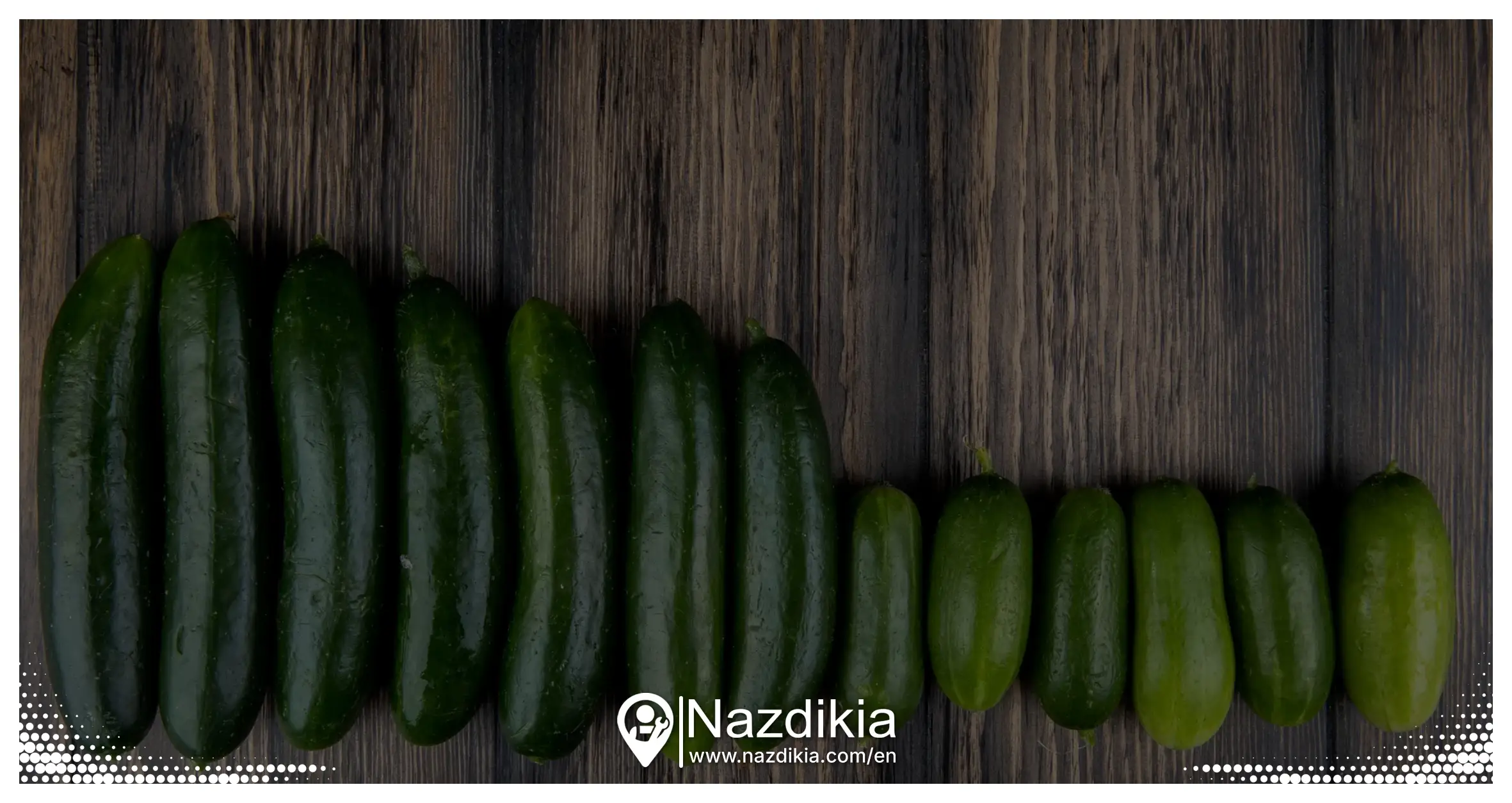
The Persian cucumber is only one of the members of the cucumber family. There are other types of cucumber with different shapes and tastes. The table below compares the Persian cucumber with other types of the cucumber family.
| Cucumber Type | Size | Skin | Seeds | Flavor | Common Uses |
| Persian | 4-6 inches | Thin, smooth, edible | Seedless/low-seed | Mild, sweet, no bitterness | Salads, dips, raw snacks |
| Slicing | 6-12 inches | Thick, often waxed | Seedy | Slightly bitter, watery | Salads, sandwiches |
| English | 10-14 inches | Thin, edible | Low-seed | Mild, slightly watery | Salads, wraps |
| Pickling (Kirby) | 3-6 inches | Bumpy, thick | Seedy | Crunchy, less sweet | Pickling, some raw uses |
| Armenian | 12-18 inches | Thin, ribbed | Moderate seeds | Mild, slightly soft | Salads, slicing |
How does the Persian Cucumber Taste?
The Persian cucumber is 95% water, but we can’t say that it tastes bland or like water. When you really try to absorb the taste of the Persian cucumber, as you do with wine in a wine tasting, you’ll taste a gentle sweetness. But more often than not, it’s crispness that steals your attention with the first bite.
Of course, like any other fruit, the Persian cucumber tastes best when it’s fresh. After a couple of days, if not stored properly, the Persian cucumber loses its crispness and begins to shrink and lose its firmness. Also, it gets less watery, and you can sense a slightly stronger sweetness.
Food Value and Health Benefits of the Persian Cucumber
The Persian cucumber is very low in calories; each 100 grams has 15kcal, which makes it the perfect fruit for those who are on a diet. Also, if you eat the Persian cucumber without peeling, the fibre in the skin adds bulk to the stool and helps the digestive process.
The Persian cucumber also contains micronutrients such as vitamin C and K, and potassium. These micronutrients promote skin health, boost the immune system, and help maintain healthy blood vessels.
The Persian cucumber isn’t just a treat for the guts. You can slice it and place it on your skin, especially on the inflamed or red spots, to facilitate the healing process.
You can read more about the health benefits and nutrition of the Persian cucumber here.
Best Way to Serve the Persian Cucumbers
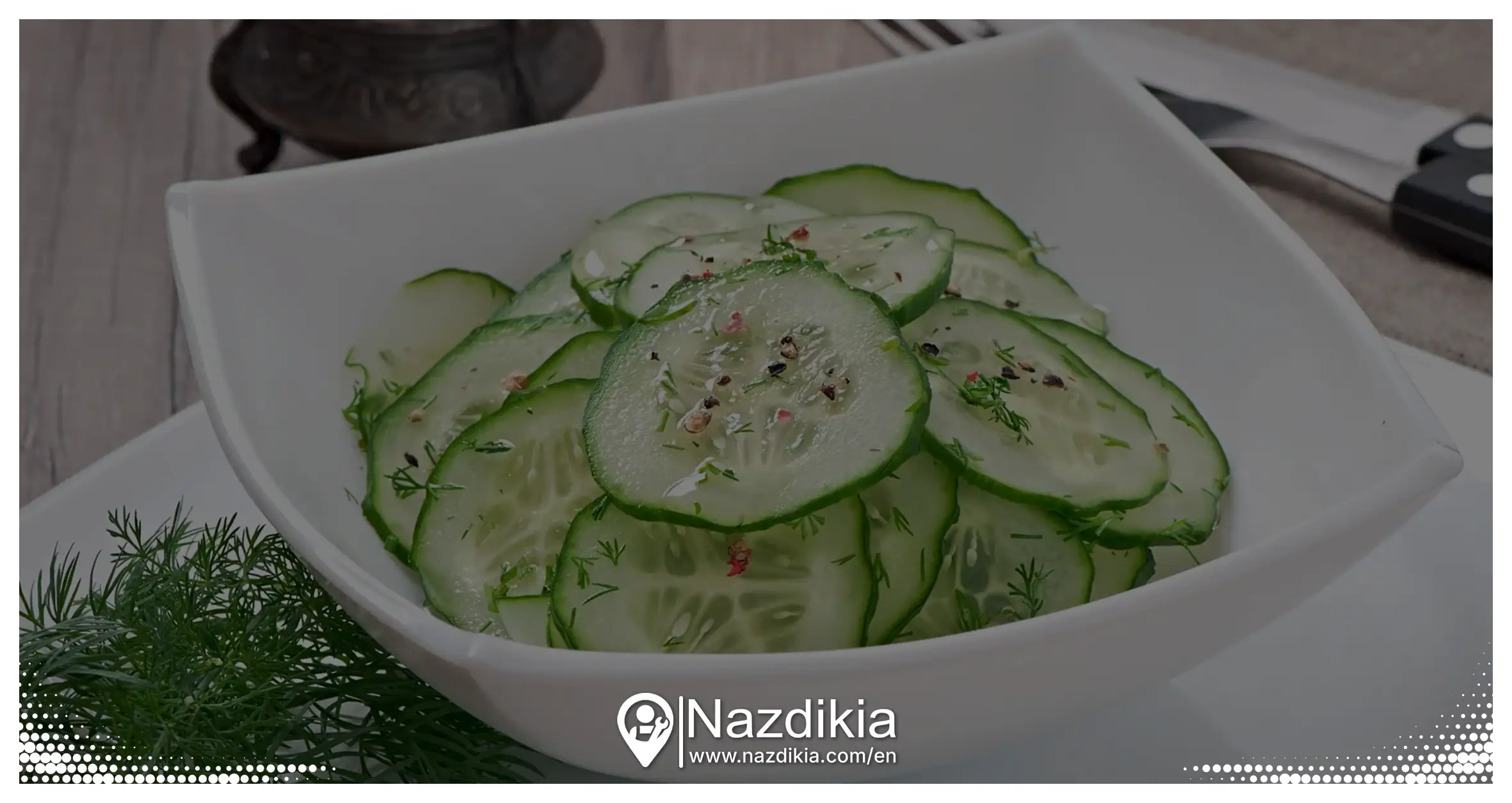
You shouldn’t make a fuss about how to serve the Persian cucumber. Just wash it carefully and have at it. The Iranians prefer to peel it, split it in half, splash some salt on each half, rub them together, and finally, eat them. It’s raw and delicious.
You can also use the Persian cucumber to make different Iranian salads, such as Shirazi salad or cucumber salad. Another memorable combination of Persian cucumber is with yogurt. You should chop the cucumber into small pieces, mix it with yogurt, and add some crushed dried mint to the mix. This can be served as a healthy snack or as Mezze, what the Iranians eat when they are having an alcoholic drink.
Grow Your Own Persian Cucumbers
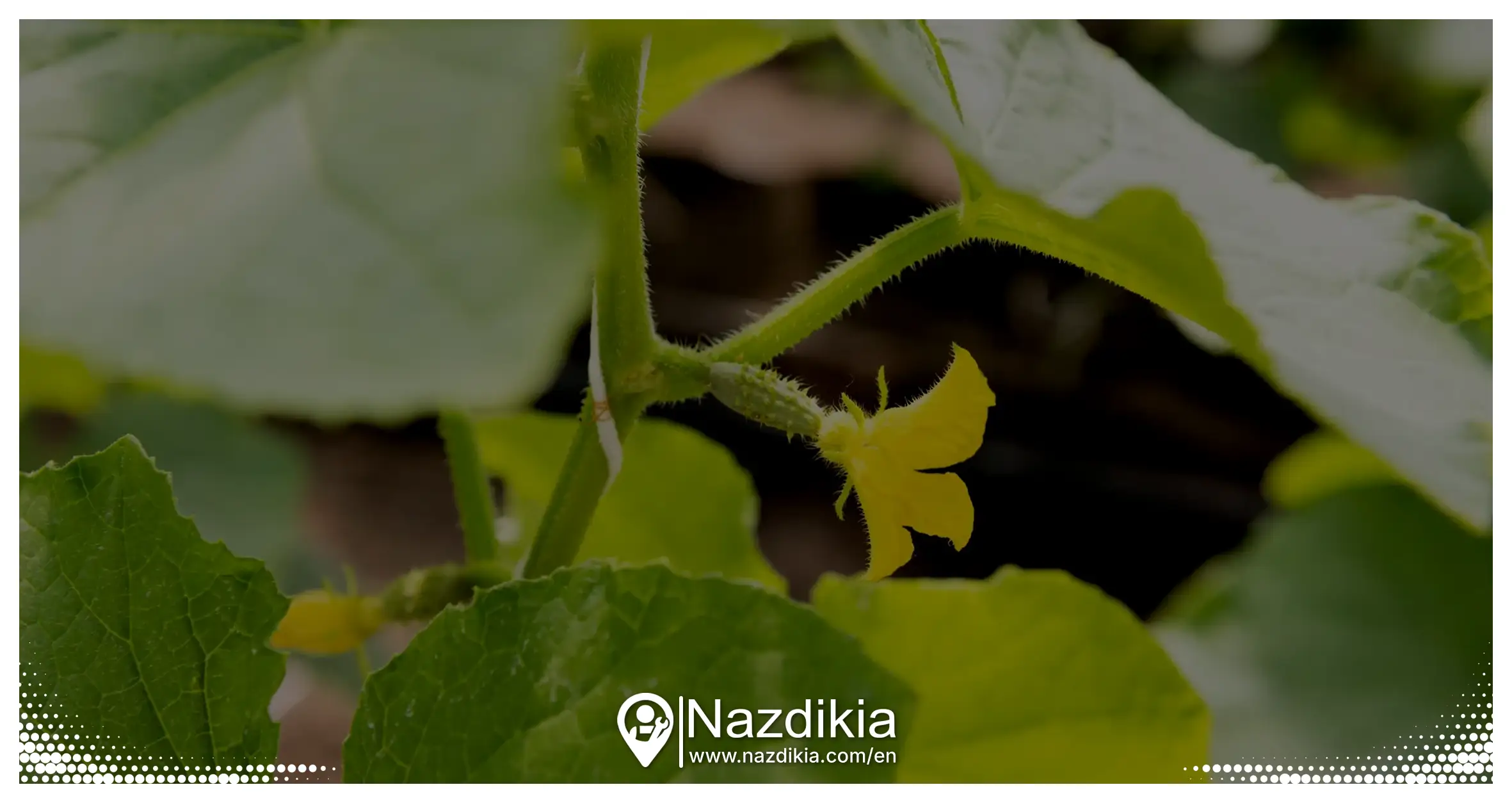
The Persian cucumber vine grows in hot temperatures (75 to 80 degrees Fahrenheit). The best time to sow Persian cucumber seeds is after the last frost in spring. You should plant the seeds 1 inch in the soil, 12 inches apart.
The Persian cucumber vine needs 6 to 8 hours of sunlight to grow properly. Also, you should build support for the vine as it grows taller. Using a trellis can fully support the weight of the vine without putting pressure on the stem, making the cucumbers easy to pick at the time of harvest.
You should water the plant once or twice a week, depending on the weather. In dry conditions, you should water the plant more frequently.
Eventually, after about two months, the plant bears cucumbers, and you can harvest them when they get 4 to 6 inches long.
Where to Buy Persian Cucumber Seeds
Persian cucumber can be planted in most climates, unless they too cold. This means you can grow this crunchy, healthy fruit even if you’re not in Iran. Nazdikia has made it easy for you to find places that sell Persian cucumber seed overseas.
- Persian cucumber seeds and fresh cucumbers in the US
Persian cucumber seeds in Chicago
Persian cucumber seeds in Houston (Texas)
Persian cucumber seeds in Los Angeles
Persian cucumber seeds in Washington
Persian cucumber seeds in New York and New Jersey
Persian cucumber seeds in San Francisco
- Persian cucumber seeds and fresh cucumbers in Canada
Persian cucumber seeds in Toronto
Persian cucumber seeds in Vancouver
- Persian cucumber seeds and fresh cucumbers in Europe
Persian cucumber seeds in London
Where to Buy Persian Cucumber Seeds in Hamburg
Persian Cucumber Storage Tips
You can keep the Persian cucumber at room temperature for two to three days. Refrigeration in plastic bags can increase the storage duration up to 10 days. You can also freeze the Persian cucumber to make smoothies or infused water, but freezing doesn’t work if you want to eat the cucumbers raw later.
You shouldn’t store the Persian cucumber with ethylene-producing fruits, such as apples, peaches, tomatoes, and bananas. The ethylene emitted from these fruits accelerates the cucumber spoilage.
Lastly, if you want to store sliced cucumbers in the refrigerator, you should put them in a jar with a lid or place them tightly in a plastic bag.
[…] hazelnuts, cashews, pistachios, and Japanese pumpkin seeds. The fruits typically include bananas, Persian cucumbers, kiwi, apples, and […]