
If you are looking for aloo bukhara in Chicago, you’re not alone. This deeply flavorful dried plum is a staple in many Persian, South Asian, and Afghan kitchens. But finding the right kind, at the right store, can feel like a bit of a hunt. The good news? Chicago’s diverse neighborhoods and nearby suburbs offer more options than you might expect. Whether you’re after the classic sun-dried variety or something organic and packaged, this Nazdikia guide will help you find aloo bukhara in Chicago.

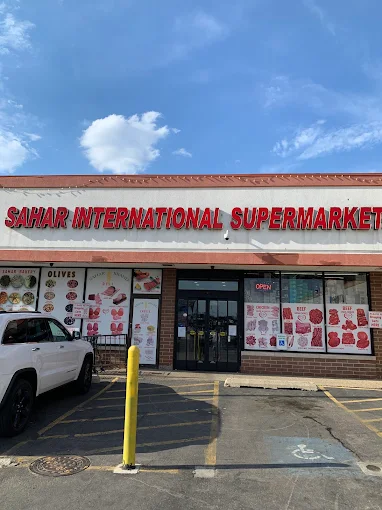
Sahar International Supermarket – Kedzie Ave
Business Description
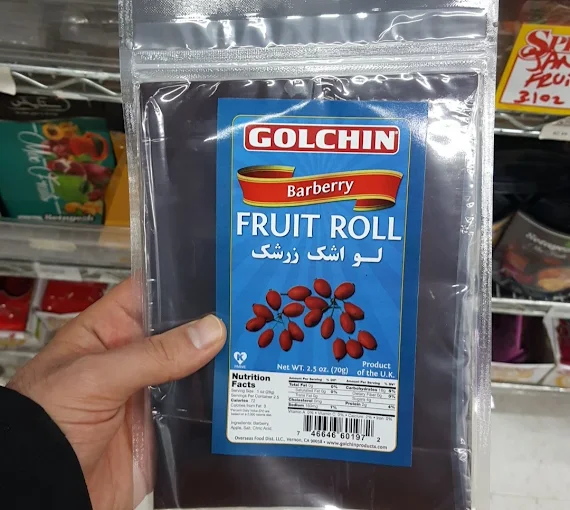
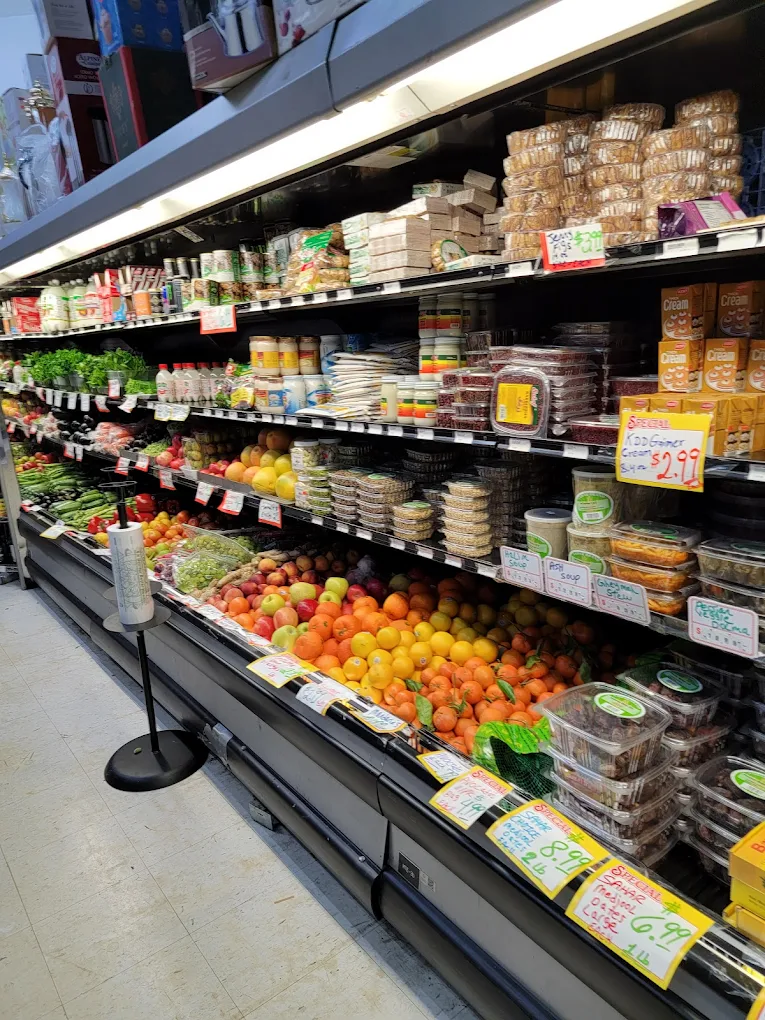
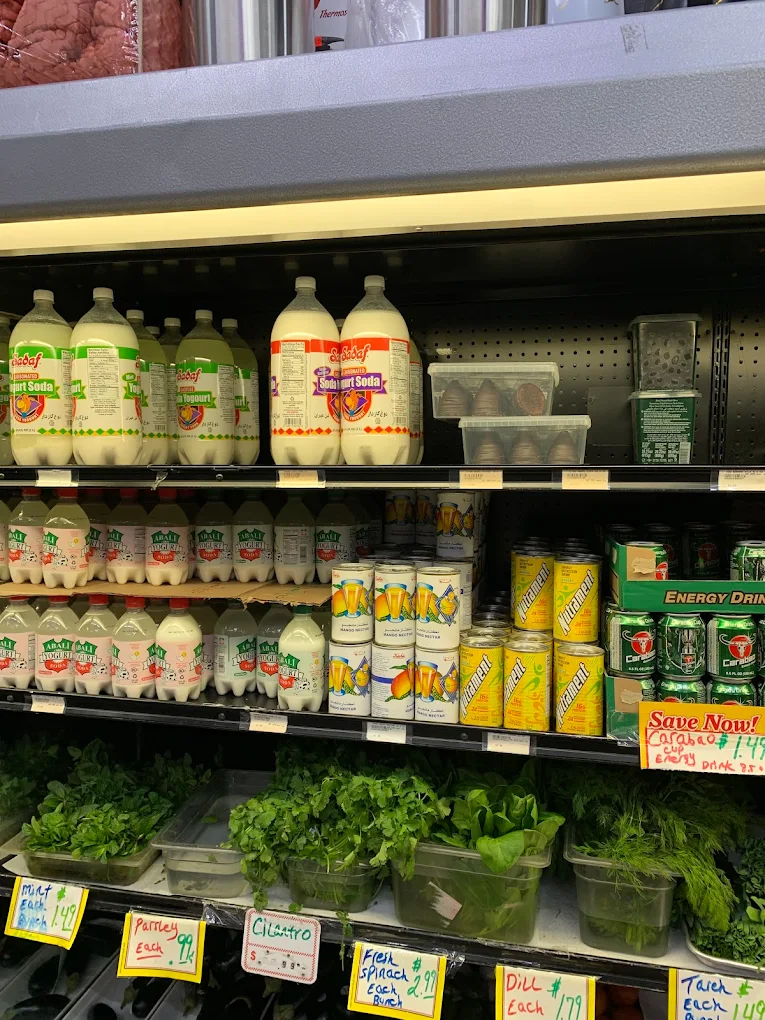
This place is filled with the stuff Persians need to have at home. There’s even an aisle where you can purchase fresh fruits and vegetables. Sahar supermarket is the perfect grocery place if you wish to do all your shopping in one stop. It’s also the go-to supermarket in Chicago if you’re a fan of authentic Persian foods and snacks like Lavashak in a wide variety of tastes, brands, and sizes and shapes.

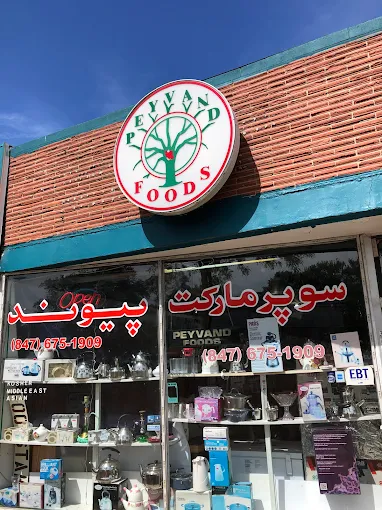
Peyvand supermarket
Business Description
Peyvand supermarket resembles authentic Persian supermarkets better than any other Persian market in Chicago. Most of the brands in this supermarket have Persian labels on them. You can find most of the ingredients you need at home, plus some practical kitchen appliances for an authentic Persian kitchen. You can even find lavashak in the Sahand supermarket. It’s not plenty, but it’s enough.
Additionally, the store owner has placed the photoshoots of some Iranian cinema and music superstars like Hayedeh in a corner of the store to fill the place with a Persian spirit.
What Is Aloo Bukhara (آلو بخارا)?
Aloo bukhara is a type of dried plum with deep roots in Persian, South Asian, and Central Asian cooking. You’ll often hear it described as a “dried prune,” but that doesn’t quite capture its character. A good aloo bukhara is sweet, tart, slightly chewy, and full of flavor that holds up in slow-simmered stews, rice dishes, and chutneys.
In Persian cuisine, it’s used to balance savory ingredients with subtle sourness. In Pakistani and Afghan recipes, it’s often added to dishes like biryani or nihari, offering a soft burst of richness in every bite.
Are Aloo Bukhara and Prunes the Same?
Not quite. While aloo bukhara and prunes both come from plums, they’re not always identical. Prunes are typically made from a specific variety of sweet plums and processed to be soft, sticky, and very sweet. Aloo bukhara, on the other hand, can be made from slightly more tart plum varieties and is often sun-dried, giving it a firmer texture and more complex, tangy flavor.
So in other words, all aloo bukhara are dried plums, but not all dried plums (or prunes) have the flavor profile you want in a Persian or South Asian dish. If you’re cooking a khoresh or biryani, reach for aloo bukhara.
Types of Aloo Bukhara You’ll See in Chicago Stores
There are different types of Allo Bukhara, and knowing the difference can help you choose the one that suits your cooking style best.
Seeded vs. Seedless
Seeded aloo bukhara tends to hold its shape better in slow-cooked dishes and often has a deeper flavor. Seedless is convenient, especially for snacking or blending into sauces, but may be softer and slightly more processed.
Sun-Dried vs. Machine-Dried
Sun-dried varieties often have a more rustic, concentrated taste, and are common in Persian or Afghan markets. Machine-dried ones are usually more uniform in color and texture, often found in larger grocery chains or organic stores.
Organic, Sulfite-Free, and Packaged Options
Some stores offer organic or sulfite-free options, which appeal to health-conscious buyers. These are usually labeled clearly, and may come in resealable packs. You’ll also see bulk bins or simple plastic bags with Persian or South Asian branding in ethnic grocery stores.
Where Can I Buy Aloo Bukhara in Chicago?
When it comes to finding aloo bukhara in Chicago, location makes all the difference. Some neighborhoods carry the rhythms of the cuisines that use it most, and that’s exactly where your search should begin.
Devon Avenue & West Ridge
If there’s one place in Chicago where you’re most likely to find aloo bukhara, it’s here. With a dense concentration of South Asian and Middle Eastern shops, Devon Avenue offers everything from traditional dried fruits to region-specific spice blends.
Albany Park
Known for its international diversity, Albany Park is another excellent area to explore. With grocers serving Persian, Middle Eastern, and Mediterranean communities, it’s a neighborhood that quietly carries the ingredients many cooks grow up with.
Edgewater & Andersonville
Tucked along the city’s North Side, these neighborhoods offer smaller, often family-run groceries with thoughtful selections. You won’t always see aloo bukhara on the shelves, but the chances are higher than in most places.
Rogers Park
This lakeside neighborhood has long been a landing point for immigrant communities, and its grocery stores reflect that. With a mix of cultures and cuisines represented, it’s another spot where aloo bukhara often turns up.
Nearby Suburbs to Keep in Mind
Outside the city, a few suburbs have built strong reputations for international groceries. Skokie, Lincolnwood, Evanston, Niles, Schaumburg, and Naperville all serve large South Asian, Persian, and Middle Eastern communities. If you don’t find what you’re looking for in the city, these areas are well worth the trip.
How Much Does Aloo Bukhara Cost in Chicago?
Prices for aloo bukhara in Chicago vary depending on where you shop, the type you choose, and how it’s packaged. In general, expect higher prices for organic, seedless, or imported varieties. Local ethnic groceries often offer better deals than larger chain stores or online marketplaces. Here’s a general breakdown to help you set expectations:
| Type | Weight | Approx. Price |
| Dried (Gazab/Deep) | 3.5 oz | $3.99 |
| Dried (Rani/Swan) | 7 oz | $6.99 – $12.99 |
| Fresh (Red/Black) | 1 lb | $2.99 – $3.50 |
| Fresh (Organic) | 1 lb | $4.50+ |
A Few Things to Keep in Mind
Bulk is often cheaper. If you’re cooking in quantity (or storing for a while), it’s worth checking stores that offer loose dried fruit by weight. Note that imported brands can vary. Some are priced for authenticity, others for presentation.
Seasonal price shifts may apply during high-demand periods like Ramadan or Nowruz. Ultimately, aloo bukhara is one of those ingredients where a slightly higher price often signals better texture, deeper flavor, and fewer additives. But even the simpler options can transform a dish when used well.
How to Tell If Aloo Bukhara Is Good Quality
Aloo bukhara may look humble, but the difference between a great one and a disappointing one is easy to spot—if you know what to check for. Here’s how to choose well, whether you’re holding it in your hand or ordering online. Look For:
Color
Look for a rich, dark purple to black hue. It should appear naturally aged, not dusty or grayish. A little unevenness is fine; it’s often a sign of sun-drying rather than heavy processing.
Texture
It should feel firm but slightly pliable, not too hard, and definitely not brittle. If it’s overly dry or rock-like, it may have been sitting too long. Good aloo bukhara has a gentle give when pressed.
Aroma
A light, tangy smell is a good sign. It should smell fruity and slightly sour, not overly sweet, musty, or stale.
Taste
You want a natural sweet-tart balance. If it’s cloyingly sweet or strangely flat, it may have added sugars or preservatives.
Packaging Clues
If it’s pre-packed, look for:
- Clear labeling (ingredient list should be short)
- Airtight or resealable packaging
- Indicators like organic, sulfite-free, or “product of Iran,
Online Ordering & Delivery in Chicago
If you can’t make it to a local store, ordering aloo bukhara online is a solid option. Chicago has a growing number of local grocers and nationwide retailers offering delivery, and with a little attention to detail, you can get high-quality dried plums without leaving home.
Local ethnic grocery stores
Some Indo-Pak or Middle Eastern stores around Chicago now offer delivery, especially through third-party services like Instacart or Mercato. It’s worth checking if your favorite shop delivers locally.
South Asian and Persian specialty websites
Online stores based in the U.S. often stock aloo bukhara labeled specifically for Persian or Pakistani cooking. These can offer more authentic varieties than general grocery sites.
Organic and health-focused platforms
If you’re looking for sulfite-free or organic dried plums, sites like Whole Foods or Thrive Market occasionally carry options that may be labeled differently but still work well in traditional dishes.
Online marketplaces
Amazon, Etsy, and similar platforms often carry bulk or branded packs of aloo bukhara. Just be mindful of where the product is shipping from, and always check customer reviews for freshness and packaging.
How to Store Aloo Bukhara So It Stays Fresh
Once you’ve found the right aloo bukhara, storing it properly can make all the difference. While dried fruit is naturally long-lasting, how you keep it will affect its flavor, texture, and shelf life.
Aloo Bukhara in Room Temperature or Fridge?
For short-term use, a cool, dark cupboard is perfectly fine as long as the packaging is sealed tightly. But if you live in a humid climate or plan to store it for several months, the fridge is a better option. Cold storage helps preserve its chewy texture and prevents unwanted moisture or spoilage.
Airtight Is Essential
Whether you’re keeping it in its original packaging or transferring it to a container, make sure it’s airtight. Exposure to air will dry out the fruit further, making it tough and bland over time.
Signs It’s Past Its Best
- Loss of flavor or aroma
- Brittle, rock-hard texture
- Visible white spots (could be sugar crystallizing or early mold)
How to Use Aloo Bukhara in Persian Cooking
In Persian cuisine, aloo bukhara is more than just a dried fruit. Its sweet-tart flavor is used not to overpower a dish, but to deepen it. Often added toward the end of cooking, it softens beautifully and gently infuses stews and rice dishes with richness and warmth.
Common Persian Dishes That Use Aloo Bukhara
Khoresh Aloo: This beloved stew features aloo bukhara simmered with meat (often chicken or lamb), onions, and spices. The dried plums soften into the sauce, adding a mellow sourness that balances the richness of the meat. Sometimes it’s paired with split yellow peas or saffron for extra depth.
Tahchin or Polo-style Rice Dishes: In some variations of tahchin or mixed rice dishes like shirin polo (sweet rice), aloo bukhara is layered with nuts, orange peel, and barberries to create moments of tang and texture with every spoonful.
Should You Soak It First?
Not always, but it depends on the dish and the dryness of the fruit. If the aloo bukhara feels very firm, soaking it in warm water for 15–20 minutes before adding it to your stew helps it rehydrate evenly and melt into the flavors around it. For softer varieties, no soaking is needed; just rinse and drop them near the end of cooking. In Persian cooking, aloo bukhara isn’t there to steal the spotlight. It’s there to round out the story of a dish.