
Haleem has always been a beloved food among Persians. Even across the seas, we still seek the authentic, wealthy flavour. With Chicago’s vibrant Persian community, it’s no surprise that the city boasts so many restaurants serving Persian haleem. This list by Nazdikia introduces 5 of the best restaurants that serve Persian haleem in Chicago.

Khatoon Restaurant
Business Description
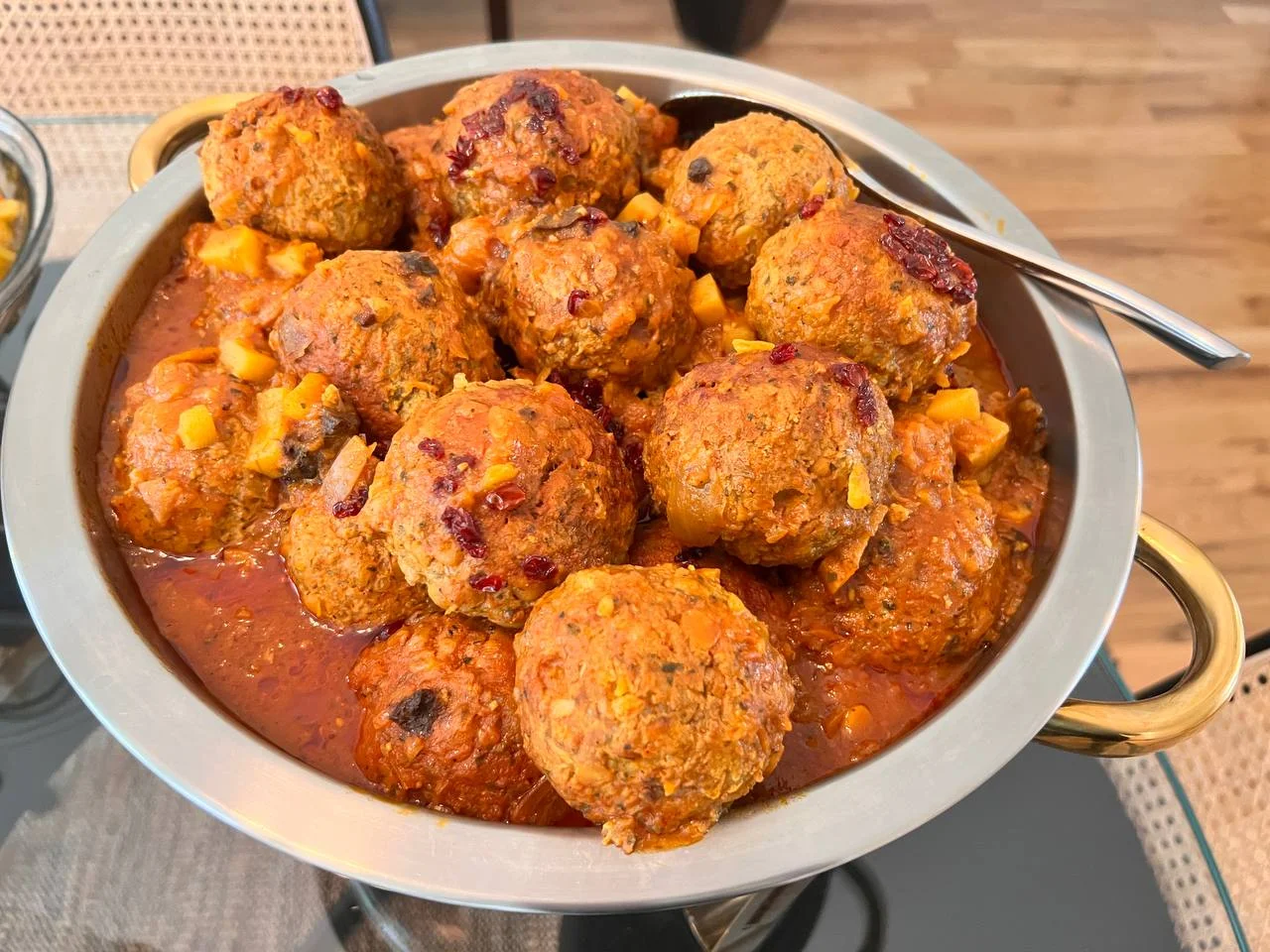
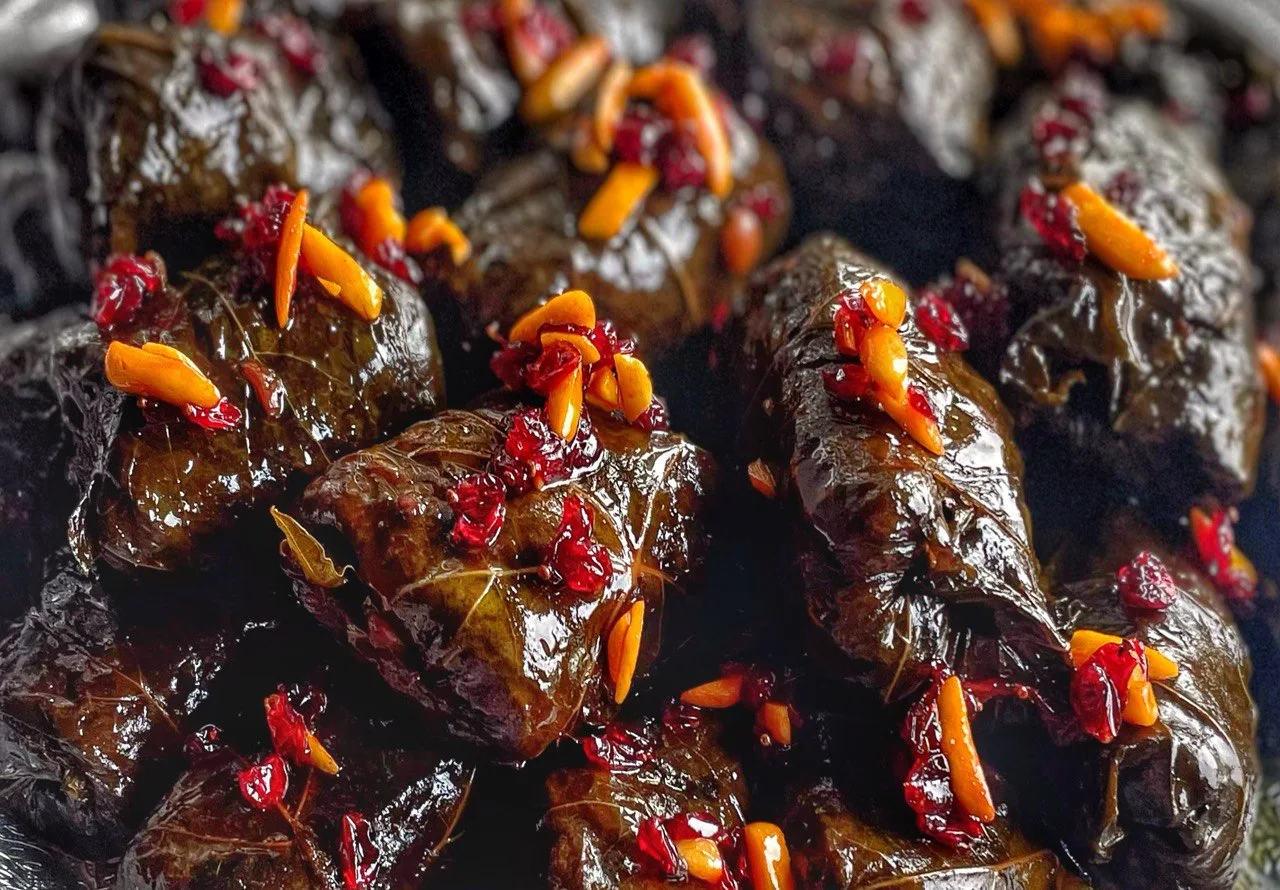
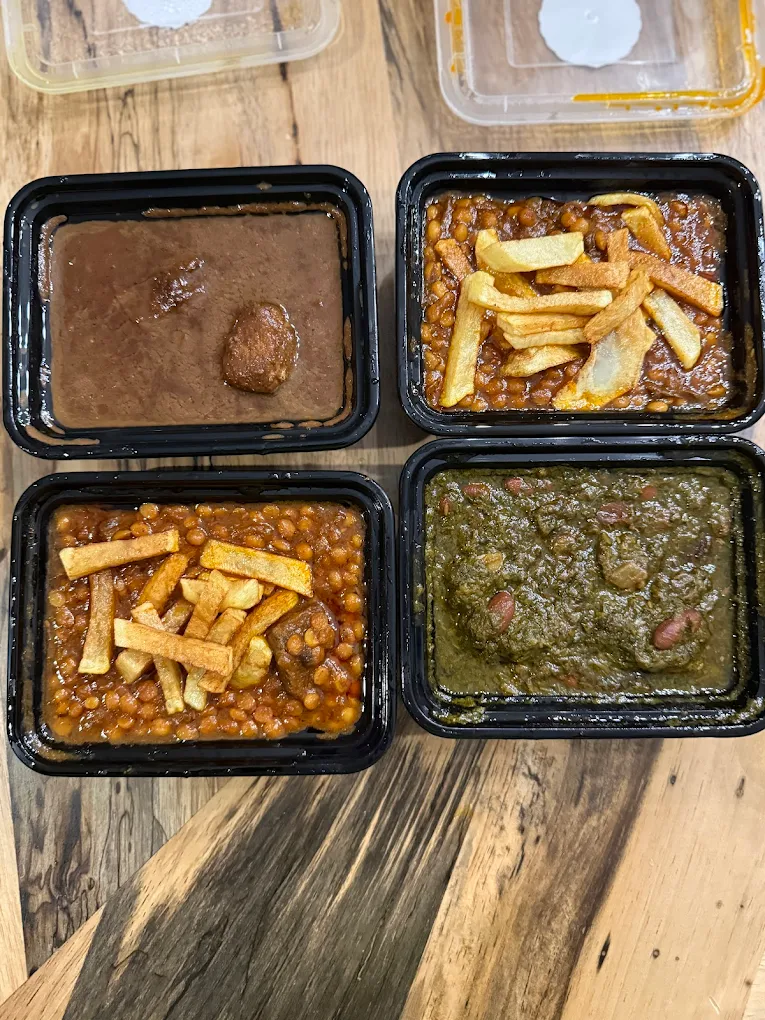
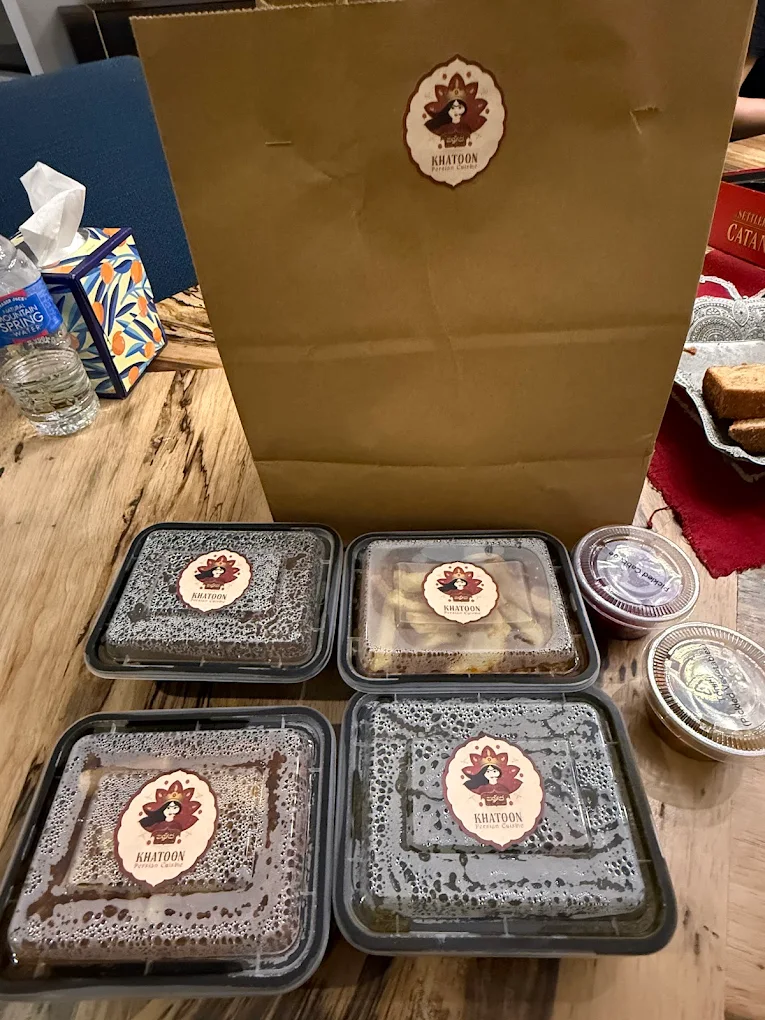
Olovieh, Dolmeh, Kabab Shami, Koofteh, and Istanbuli aren’t easy to find in Persian restaurants in Chicago, but not in Khatoon Restaurant. When you’re at Khatoon’s, you get a feeling like you’re in a restaurant in Tehran. Ghalam Kar Sofreh (= embroidered tablecloth) on the dining tables is replete with nostalgia. In short, everything is ready at Khatoon restaurant for a Persian feast. You can also ask them to bake a cream cake for your special occasions. BTW, Khatoon’s Signature Meatloaf is a must-eat at this restaurant.


Maman Zari – Albany Park
Business Description
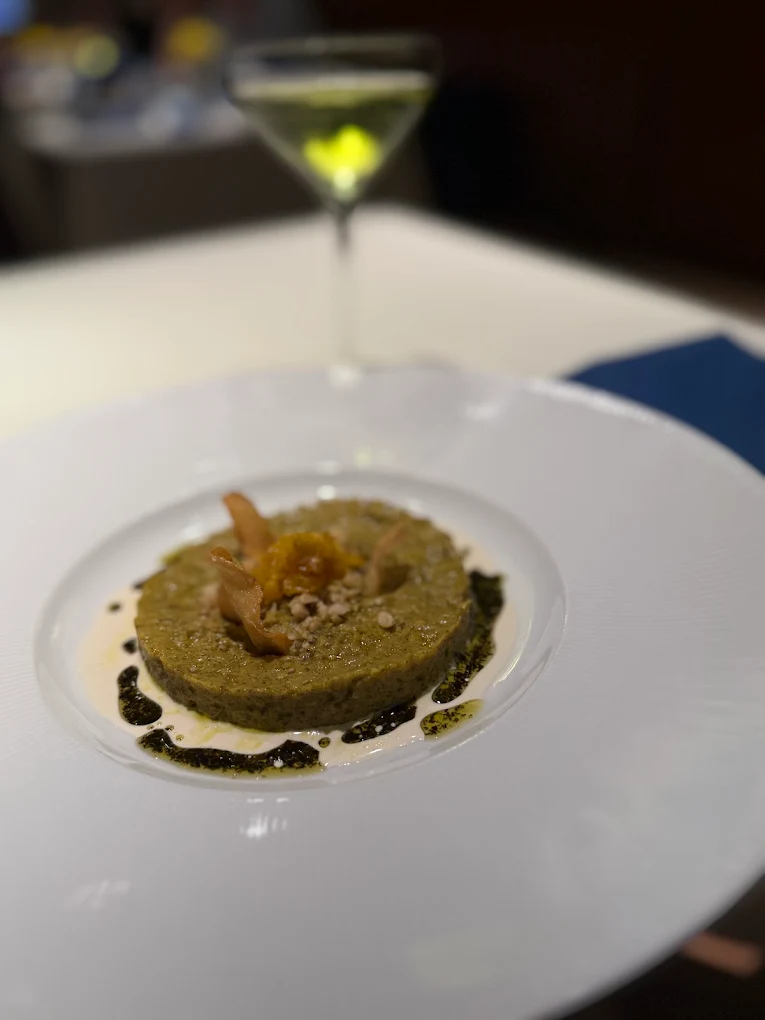
A comfy restaurant for Persian, or anyone who enjoys the food culture. What makes this place so unique is the modern twist to the traditional cuisines.





Kabobi Grill- Albany Park
Business Description
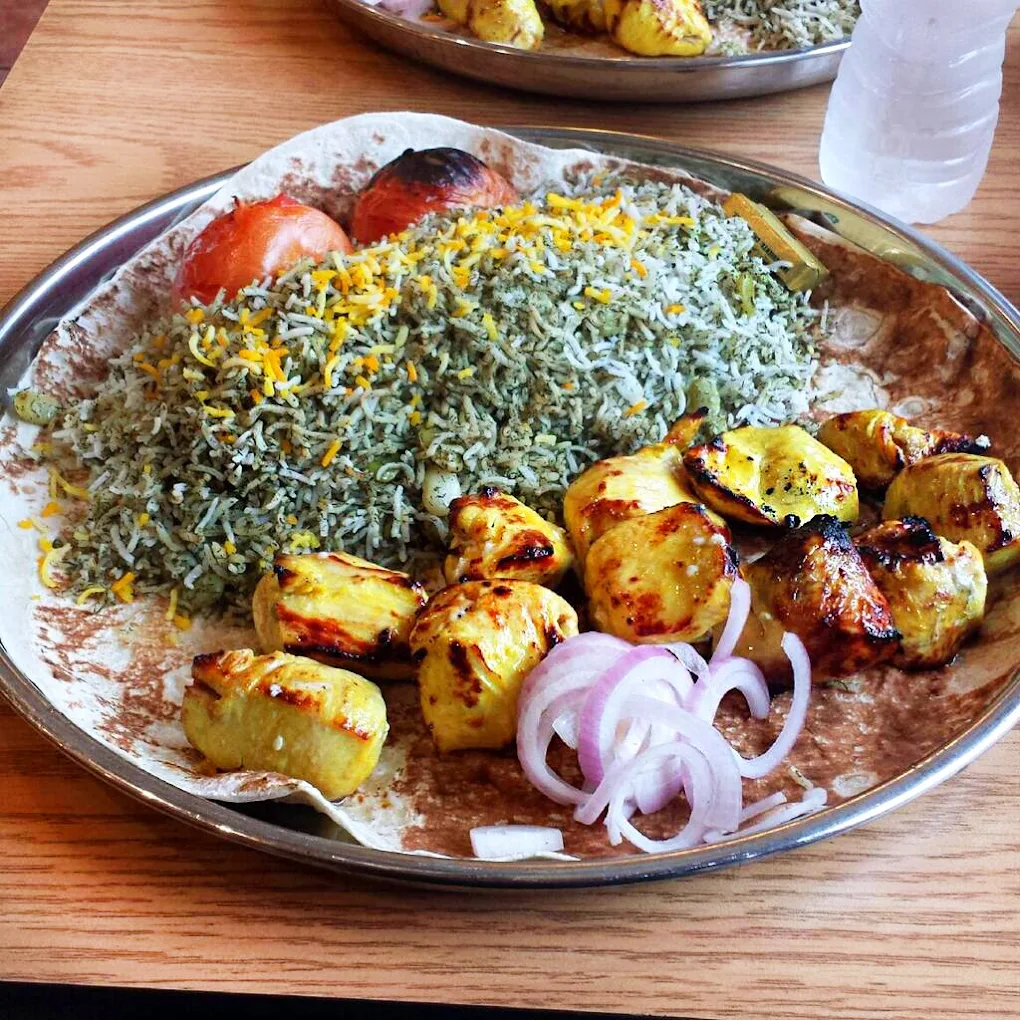
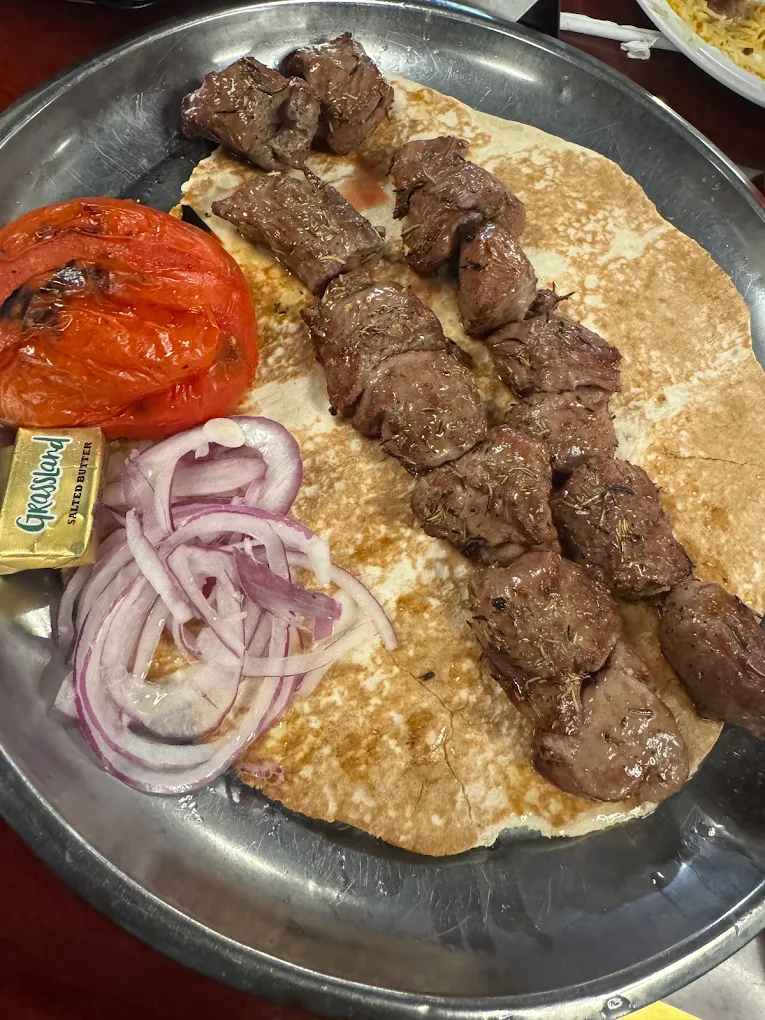
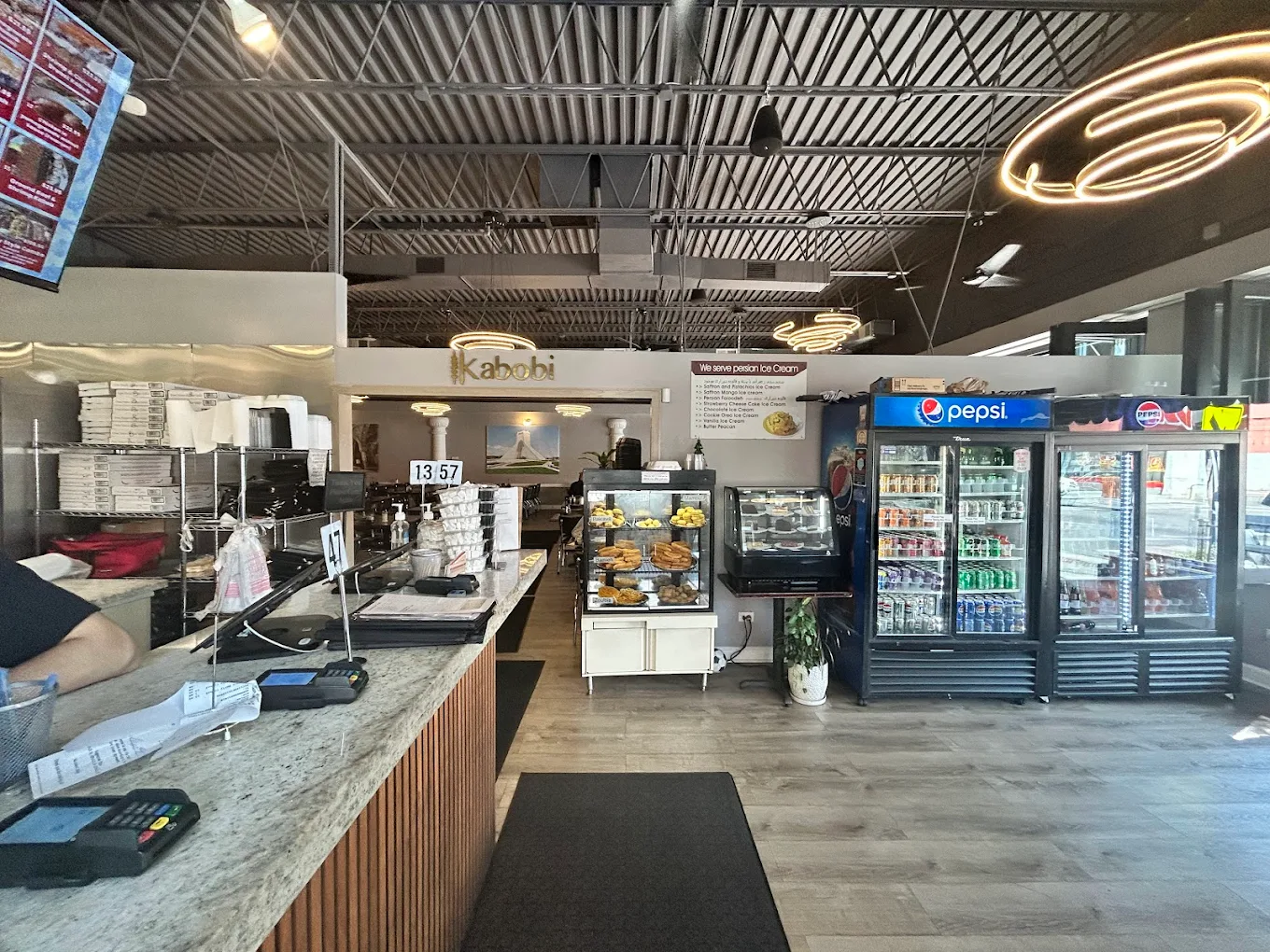
It’s challenging to find a restaurant where quality isn’t compromised for price, or vice versa. Kabobi Grill is one of those restaurants. It owes most of its popularity to its reasonable prices. For instance, lamb Koobideh is only $12.99. The menu is so extensive that you’ll need some time to choose an authentic Persian appetizer, the main dish, and the sweet desserts. Maybe order a cup of tea at the end to seal the deal.


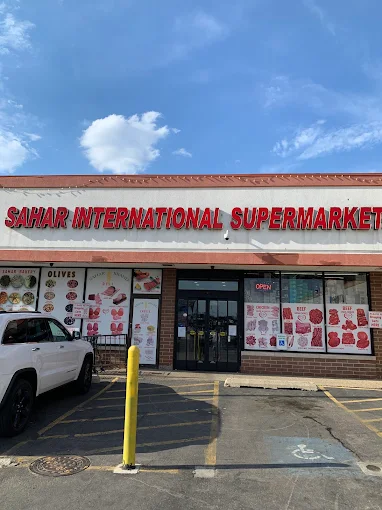
Sahar International Supermarket – Kedzie Ave
Business Description
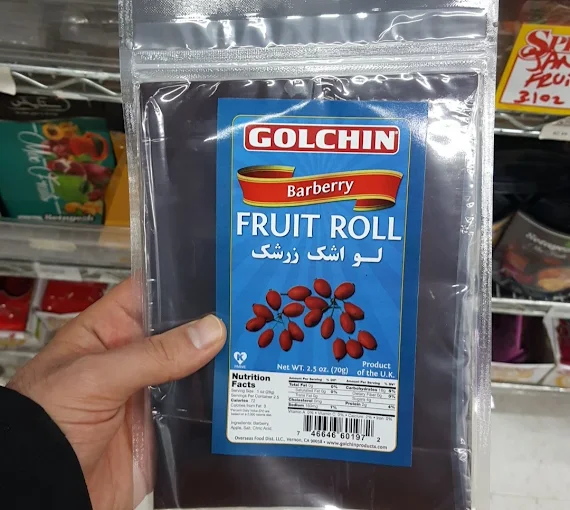
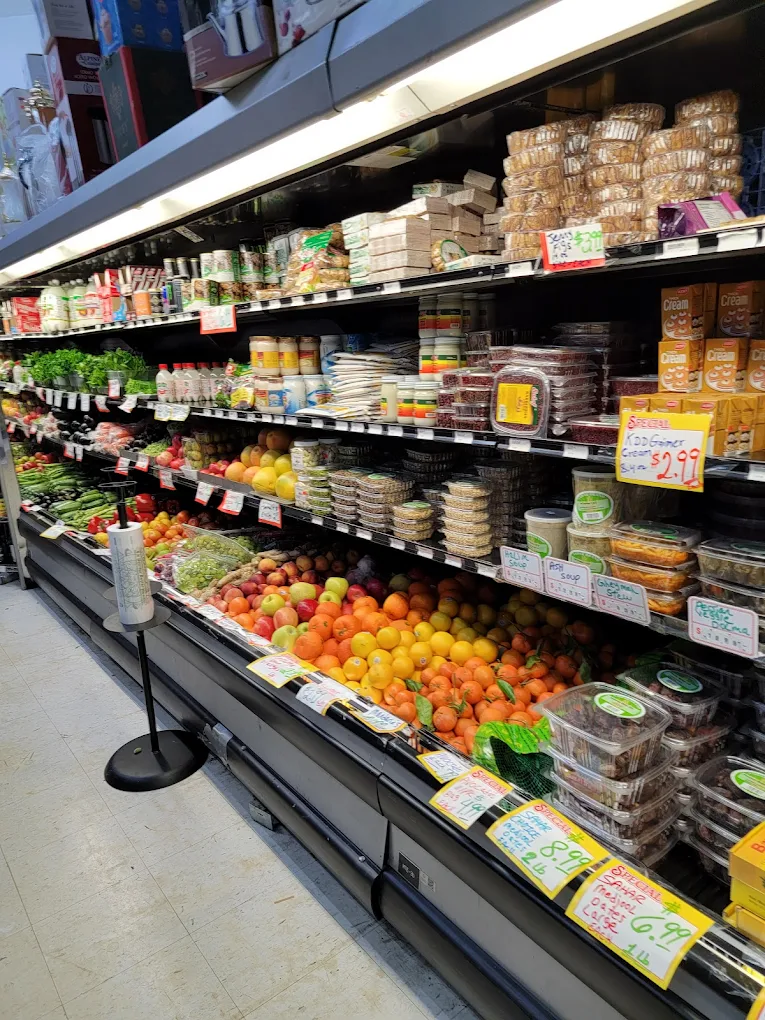
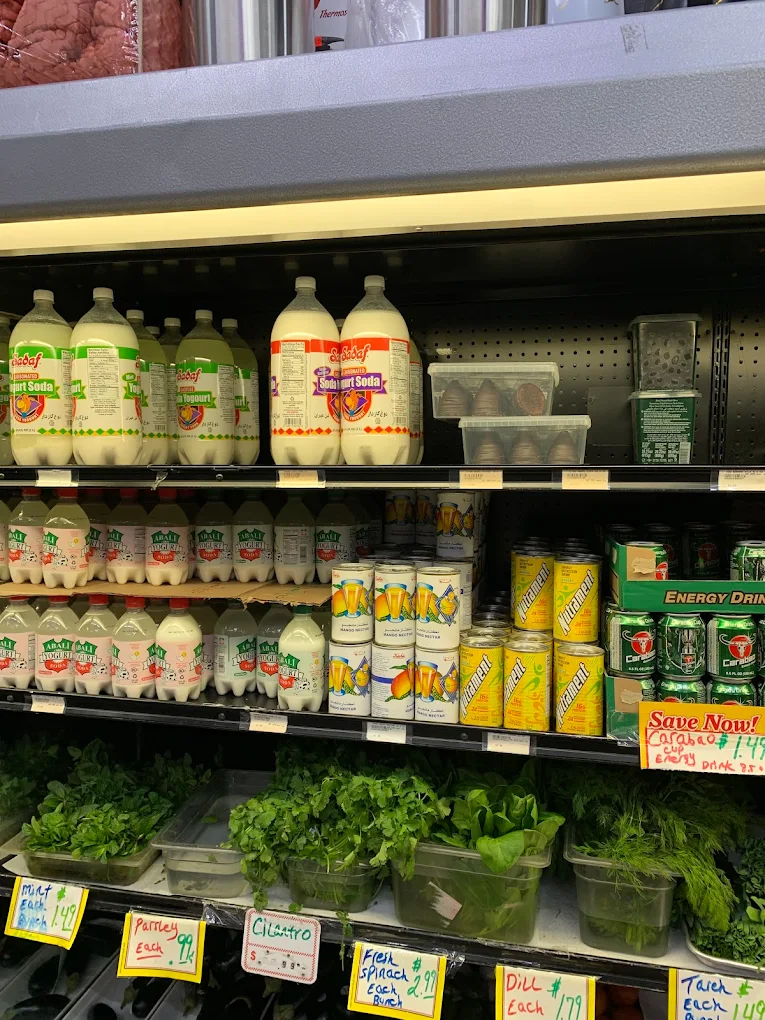
This place is filled with the stuff Persians need to have at home. There’s even an aisle where you can purchase fresh fruits and vegetables. Sahar supermarket is the perfect grocery place if you wish to do all your shopping in one stop. It’s also the go-to supermarket in Chicago if you’re a fan of authentic Persian foods and snacks like Lavashak in a wide variety of tastes, brands, and sizes and shapes.
Everything You Need to Know About Persian Haleem in Chicago
Haleem is more than just comfort food; it’s a story of patience, community, and tradition. Haleem in Chicago has become a beloved dish that bridges communities. Whether you’re craving the smooth richness of Persian haleem or the bold, spicy kick of South Asian-style haleem, Chicago has something for every palate.
What Is Haleem and Why People Love It
Haleem (also known as halim in Persian) is a hearty, slow-cooked porridge made from haleem wheat, lentils, and meat—usually chicken, beef, or mutton. The ingredients are simmered for hours until they blend into a creamy, velvety texture.
Traditional spices like cumin, ginger, cardamom, and cinnamon give haleem its signature aroma and warmth. The result is a dish that’s comforting yet full of depth—a perfect balance of flavor and texture.
In Chicago, haleem food carries deep cultural meaning.
- For the South Asian community, haleem is a centerpiece during Ramadan, often served to break the fast.
- For Persian families, halim is a nostalgic winter food—slow-cooked overnight and served hot on chilly mornings.
That shared love for this dish has turned Chicago into one of the best places in the Midwest to experience authentic haleem.
Where to Find the Best Haleem in Chicago
If you’re on a hunt for the best haleem in Chicago, start your search along Devon Avenue, the city’s unofficial hub for South Asian cuisine. Here’s what you can expect:
- Chicken haleem in Chicago is widely available at Pakistani and Indian restaurants, often topped with fried onions, lemon, and cilantro.
- Mutton haleem in Chicago is a bit rarer but worth seeking out—its deep, savory flavor is unmatched.
- Beef haleem in Chicago can be found in select Pakistani eateries, especially during weekends or festive seasons.
For a Persian haleem restaurant in Chicago, look toward neighborhoods like Albany Park or West Rogers Park, where Persian cafes and family-owned spots—such as Khatoon Cuisine—occasionally offer halim during special events or seasonal menus. Always call ahead to confirm, as Persian haleem is often made fresh and in limited batches.
Pro Tip: Many restaurants now offer haleem on delivery apps like Uber Eats, DoorDash, and Grubhub, making it easier to enjoy authentic flavors without leaving home.
How to Identify Fresh, Quality Haleem
The hallmark of great haleem is its texture—it should be thick, smooth, and silky, with the wheat and lentils completely blended into the stew. The meat should be tender and fully incorporated, not chunky or dry.
Signs of good haleem:
- Balanced spices (warm, not overly spicy)
- Freshly fried garnishes like onions or mint
- A gentle, comforting aroma of slow-cooked grains
Many of the best spots make haleem fresh each morning, especially on weekends or during Ramadan. Homemade versions, slow-cooked overnight, often have an extra depth of flavor that’s hard to replicate commercially.
Making Haleem at Home in Chicago
If you prefer a hands-on experience, making haleem at home can be incredibly rewarding. Most South Asian and Middle Eastern grocery stores in Chicago—especially those on Devon Avenue—stock haleem wheat, lentils, spice blends, and even pre-packaged mixes.
You can choose your favorite protein:
- Chicken haleem for a lighter flavor
- Beef haleem for something hearty
- Mutton haleem for an authentic, rich taste
While it takes hours to cook, the result is well worth it. The long, slow simmer allows the grains and meat to meld into the smooth, rich consistency that defines good haleem.
How to Serve, Eat, and Store Haleem
Haleem is best served hot, garnished with:
- Crispy fried onions
- Chopped cilantro
- Lemon juice
- A drizzle of ghee or butter
Leftovers should be refrigerated and consumed within two to three days. When reheating, add a splash of water or broth to restore the creamy texture—haleem thickens as it cools.
The Neighborhoods That Celebrate Haleem
Chicago’s love for haleem reflects its cultural diversity.
- Devon Avenue remains the heart of South Asian haleem, with numerous spots serving chicken, beef, and mutton versions.
- Albany Park and nearby suburbs like Skokie and Glenview feature Persian and Middle Eastern restaurants that occasionally prepare traditional halim.
- During Ramadan, pop-up kitchens and catering services often serve fresh haleem in both Persian and South Asian styles.
Eating haleem in Chicago isn’t just a culinary experience—it’s a cultural one. It’s a way to connect with communities from Tehran to Karachi to Hyderabad, all within the same city.
A Shared Taste of Tradition
From Persian haleem restaurants in Chicago to Pakistani street-style chicken haleem and rich mutton haleem, the city offers something for every taste. Whether you’re exploring Devon Avenue’s restaurants or simmering your own pot at home, haleem connects you to generations of tradition and warmth.
So next time you crave something comforting, flavorful, and deeply rooted in heritage, try haleem—it’s more than a meal, it’s a story told in every spoonful.