
Persian saffron has a reputation for a reason. Its deep aroma, strong color, and careful harvesting make it very different from the saffron most people find on supermarket shelves. That’s why many cooks, families, and chefs in Chicago actively look for real Iranian saffron rather than generic alternatives. This Nazdikia guide is here to help you find authentic Persian saffron in Chicago.

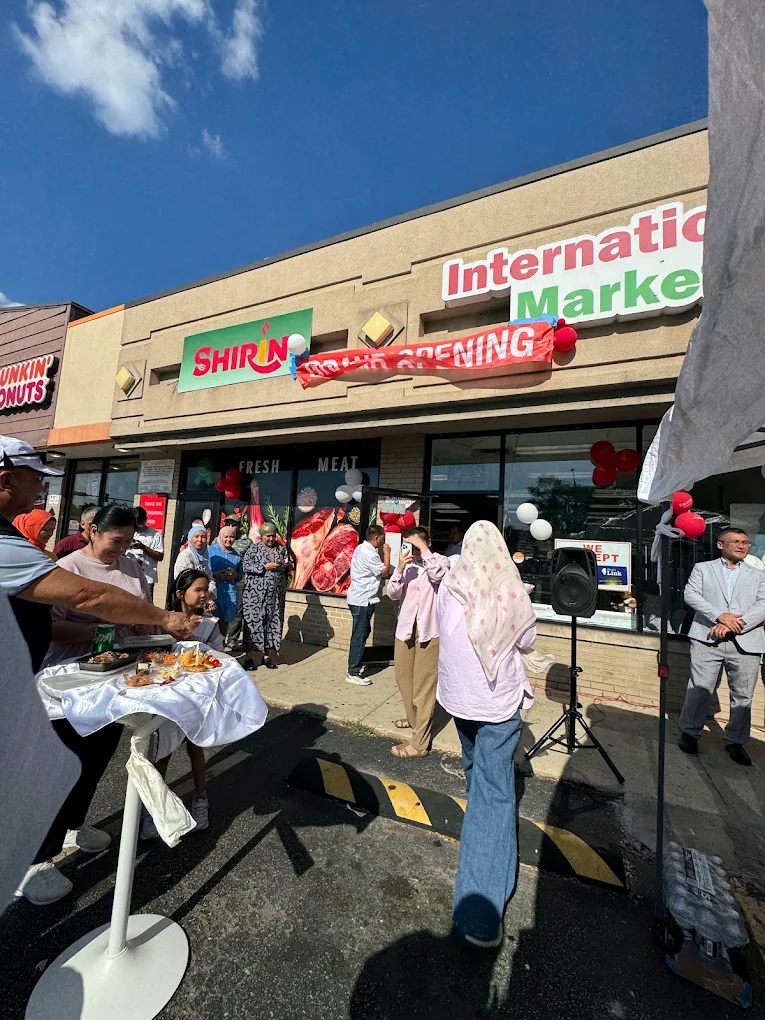
Shirin International Market
Business Description
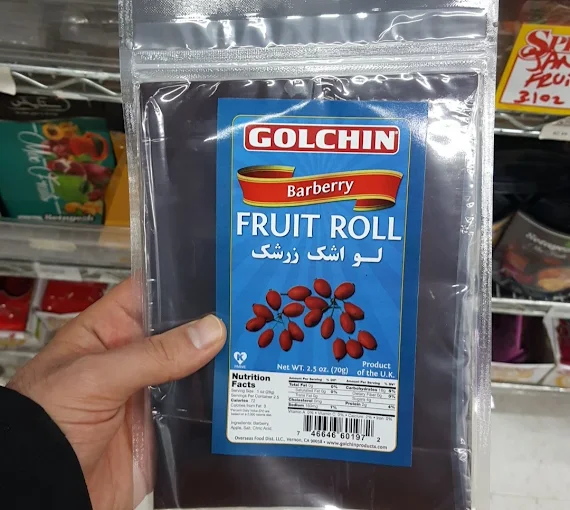
Shirin International Market is one of those locations where you’ll go seeking authentic Persian and Middle Eastern ingredients. The market is renowned for its high-quality selection and late-night accessibility. Shirin International Market is highly regarded for its top-tier Persian saffron, aromatic spices, and a vast array of imported nuts and dried fruits like barberries and slivered pistachios. Customers also go to the store for its traditional, freshly baked breads, including Sangak, and its high-quality halal meat counter.

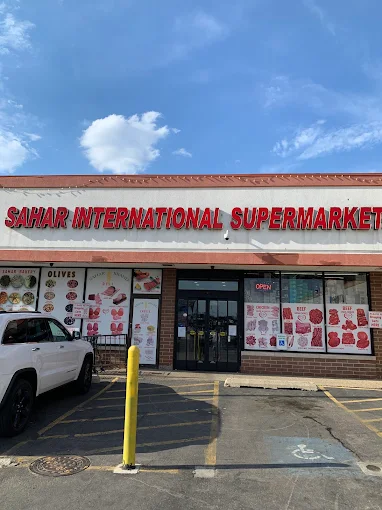
Sahar International Supermarket – Kedzie Ave
Business Description
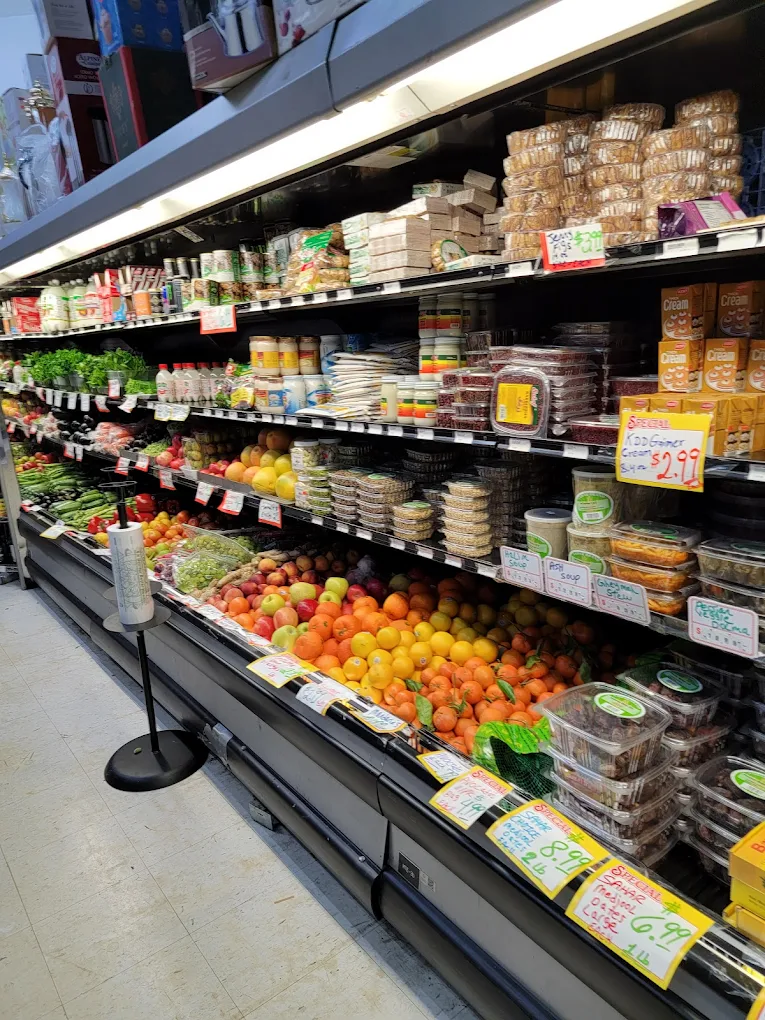
This place is filled with the stuff Persians need to have at home. There’s even an aisle where you can purchase fresh fruits and vegetables. Sahar supermarket is the perfect grocery place if you wish to do all your shopping in one stop. It’s also the go-to supermarket in Chicago if you’re a fan of authentic Persian foods and snacks like Lavashak in a wide variety of tastes, brands, and sizes and shapes.

Heray Spice
Business Description
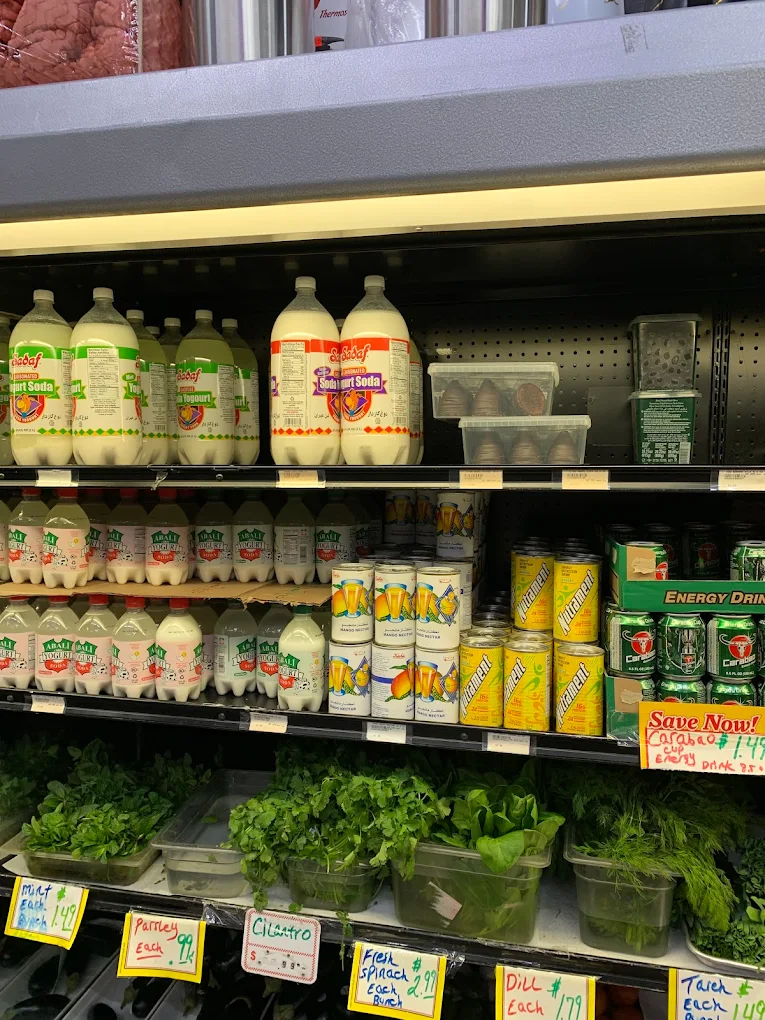
Founded by Afghan Americans and veterans, Heray Spice operates as a cooperative to provide ethically sourced, high-caliber spices while offering a sustainable alternative to opium poppy farming in Afghanistan. Beyond its flagship saffron, they offer a curated selection of rare items like wild mountain cumin, Urfa sumac, Omani za’atar, and Herati green raisins. The quality is trusted by home cooks and Michelin-starred restaurants alike, with chefs highlighting the “exceptionally bright” and “unadulterated” nature of their products compared to mass-market alternatives.



Peyvand supermarket
Business Description
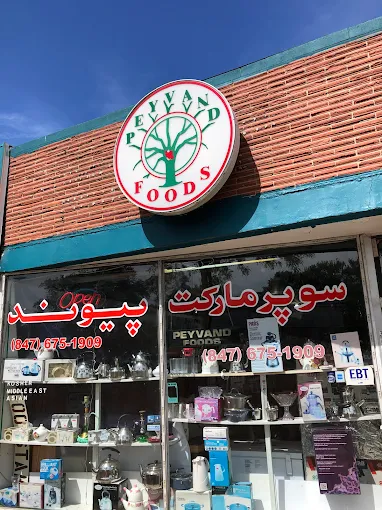
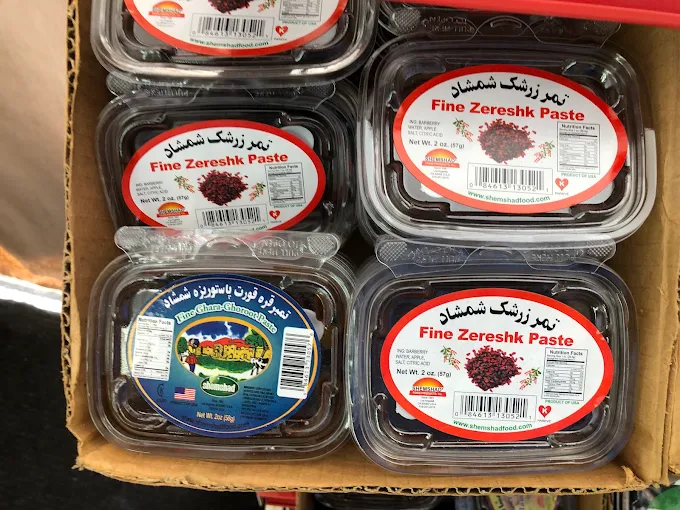
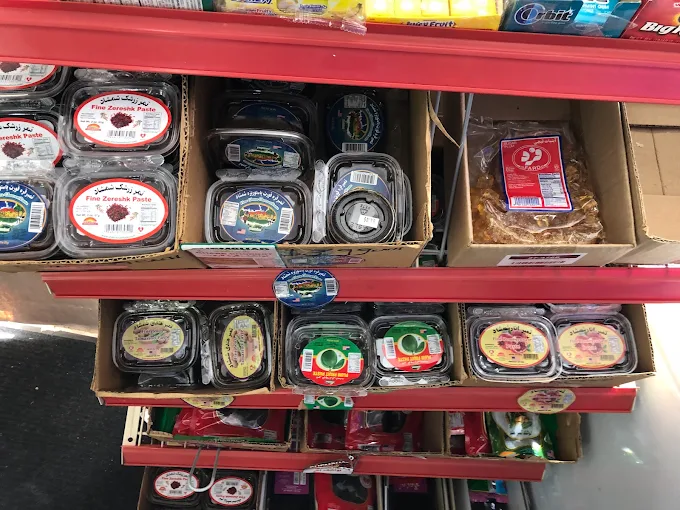
Peyvand supermarket resembles authentic Persian supermarkets better than any other Persian market in Chicago. Most of the brands in this supermarket have Persian labels on them. You can find most of the ingredients you need at home, plus some practical kitchen appliances for an authentic Persian kitchen. You can even find lavashak in the Sahand supermarket. It’s not plenty, but it’s enough.
Additionally, the store owner has placed the photoshoots of some Iranian cinema and music superstars like Hayedeh in a corner of the store to fill the place with a Persian spirit.
What Is Persian Saffron?
Persian saffron comes from the flower Crocus sativus, and it is made from the tiny red stigmas inside each bloom. These threads are hand-picked, dried, and carefully sorted. It takes tens of thousands of flowers to produce just one kilogram of saffron, which explains both its price and its value.
What truly sets Persian saffron apart is its intensity. Compared to other types, it has a deeper aroma, a richer red color, and a stronger ability to color and flavor food with just a small amount. When it blooms in warm water, real Persian saffron releases a golden hue gradually and evenly, not instantly or harshly.
There’s also a cultural layer to it. In Persian cooking, saffron isn’t just a seasoning. It’s tied to hospitality, celebrations, and everyday rituals such as brewing tea or making rice for guests. That heritage still shapes how it’s grown and prepared today, and it’s one of the reasons Iranian saffron continues to be considered the world’s benchmark for quality.
Persian saffron grades explained
Not all Persian saffron is the same. It’s traditionally sorted by how the threads look, how much aroma and color they release, and how carefully they’ve been separated during processing. Knowing the main grades makes it much easier to understand what you’re paying for. Here’s a simple overview of the most common Persian saffron grades you’ll see in Chicago stores and online:
|
Grade |
What it looks like |
Best for |
|
Negin |
Long, thick, fully red threads | Special dishes, gifting, |
| Sargol | Shorter, red stigma only |
Everyday Persian cooking |
|
Pushal |
Red threads with a bit of yellow style attached | Casual cooking, larger quantities |
| Bunch | Whole threads tied together, red and yellow |
Traditional use |
Where to buy Persian saffron in Chicago
If you’re looking for authentic Persian saffron in Chicago, it helps to start in the areas where Iranian and Middle Eastern communities are most established. These neighborhoods tend to have grocery stores that care about sourcing, freshness, and quality.
In the city itself, West Ridge and Albany Park are two important areas. Both have long been home to Persian, Middle Eastern, and South Asian families, and their markets often carry Iranian staples, including saffron.
Just outside the city, Skokie, Evanston, and Lincolnwood are especially well known among Iranians in the Chicago area. Many families regularly shop there for ingredients like saffron, barberries, dried lime, and rose water.
Further out, suburbs like Schaumburg and Naperville also have international and specialty stores where Persian saffron is sometimes available, especially in larger or more diverse shopping centers.
Starting in these areas gives you the best chance of finding saffron that’s fresh, properly labeled, and sold by people who understand its quality.
How much does Persian saffron cost in Chicago?
Saffron is often called the world’s most expensive spice, but the price can vary quite a bit depending on the grade, the packaging, and where you buy it. In Chicago, you’ll see noticeable differences between premium Persian stores, international markets, and online sellers. Here’s a general idea of how prices tend to compare:
|
Quantity |
Typical Price Range | Price Per Gram |
|
1 Gram |
$10 – $15 |
$10 – $15 |
|
2 Grams |
$17 – $25 | $8.50 – $12.50 |
| 5 Grams | $35 – $50 |
$7 – $10 |
| 1 Ounce (28g) | $140 – $220 |
$5 – $7.80 |
How to tell if Persian saffron is real
Because saffron is valuable, it’s also one of the most commonly faked spices in the world. In Chicago, as anywhere else, you’ll sometimes find products labeled “saffron” that are mixed, dyed, or simply not saffron at all. Fortunately, there are a few simple ways to tell what you’re buying.
1. Look at the threads
Real Persian saffron consists of thin, slightly curved red threads with a trumpet-like shape at one end. They should be dry, not brittle, and not perfectly uniform. If the threads are all identical, very thick, or look artificially straight, that’s a warning sign.
2. Watch the color release
When you place real saffron in warm (not boiling) water, it slowly releases a rich golden-yellow color over several minutes. If the color appears instantly bright red or orange, the threads may be dyed.
3. Smell the aroma
Authentic saffron has a complex scent, slightly floral, slightly honeyed, with a hint of earthiness. If it smells sharp, metallic, or like chemicals, it’s likely not pure.
4. Taste (very gently)
A tiny nibble of a thread should taste slightly bitter, never sweet. Sweetness often means the saffron has been adulterated.
5. Check the packaging
Trusted sellers usually provide:
- Country of origin (Iran)
- Grade (such as Negin or Sargol)
- Harvest or packaging date
- Certifications (ISO, organic, or lab-tested)
If this information is missing or vague, it’s worth being cautious.
How to use Persian saffron (blooming, storage, and cooking tips)
The best thing about good Persian saffron is that you don’t need much. A small pinch can perfume an entire pot of rice or give a dessert that signature golden finish. The key is using it in a way that lets its aroma and color fully open up.
Bloom it first (this makes a big difference).
Instead of dropping dry threads straight into food, lightly crush a few threads and steep them in a small amount of warm water. Give it 10–15 minutes. You’re not just “coloring” the liquid, you’re drawing out the fragrance and flavor so it spreads evenly through the dish.
How much should you use?
For most home cooking, a little goes a long way. For a pot of Persian rice, many cooks use just a small pinch for the whole pot, then add a stronger saffron infusion to part of the rice for topping. With saffron, it’s usually better to start light and adjust next time than to overpower the dish.
Where it shines most.
Persian saffron is especially good in:
- Rice dishes like tahchin and zereshk polo
- Persian tea and warm milk
- Desserts such as sholeh zard or saffron ice cream
- Fusion recipes where you want aroma more than heat
Storing Persian Saffron like a delicate ingredient
Saffron lasts a long time when it’s protected from light, air, and moisture. Keep it in a sealed container, in a cool cupboard, away from the stove. It won’t “spoil” quickly, but it will slowly lose strength if it sits open or exposed to heat.
Used this way, even a small purchase of high-quality saffron can last months and consistently deliver that unmistakable Persian aroma.
Persian saffron vs Spanish saffron (what’s the real difference?)
Persian and Spanish saffron are the two most well-known types on the global market, and both can be excellent. The difference is not about “good versus bad,” but about style, intensity, and tradition. Here’s a simple way to think about the difference:
|
Aspect |
Persian saffron |
Spanish saffron |
|
Aroma |
Rich, floral, honey-like | Lighter, more delicate |
| Color | Deep golden-yellow |
Softer yellow |
|
Flavor impact |
More pronounced | More subtle |
| Traditional use | Persian, Middle Eastern, South Asian cuisine |
Spanish and Mediterranean cuisine |