
Zereshk, the small, ruby-red barberries used in Persian cooking, can instantly make a dish feel more alive. Their tart, bright flavor is what gives classics like zereshk polo that signature lift. However, finding good zereshk in Chicago might be harder than you think. This Nazdikia guide is here to show you where to buy zereshk in Chicago, how to choose a good bag, and a few tips that help you store and cook it so it stays bright and delicious.

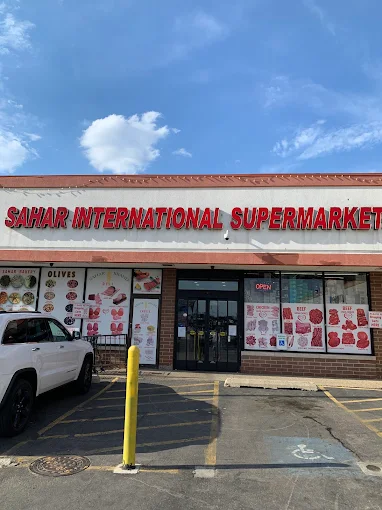
Sahar International Supermarket – Kedzie Ave
Business Description
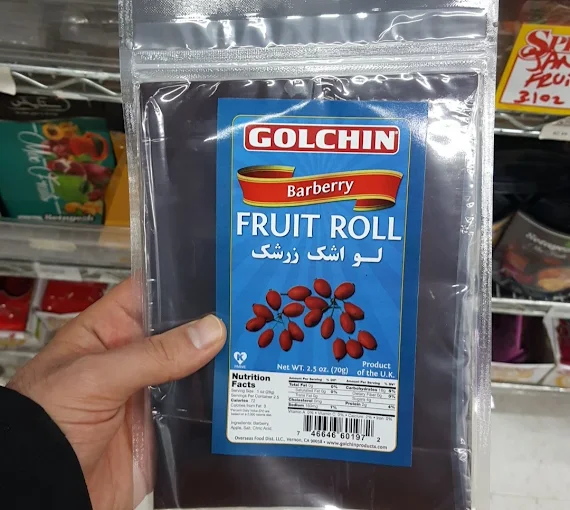
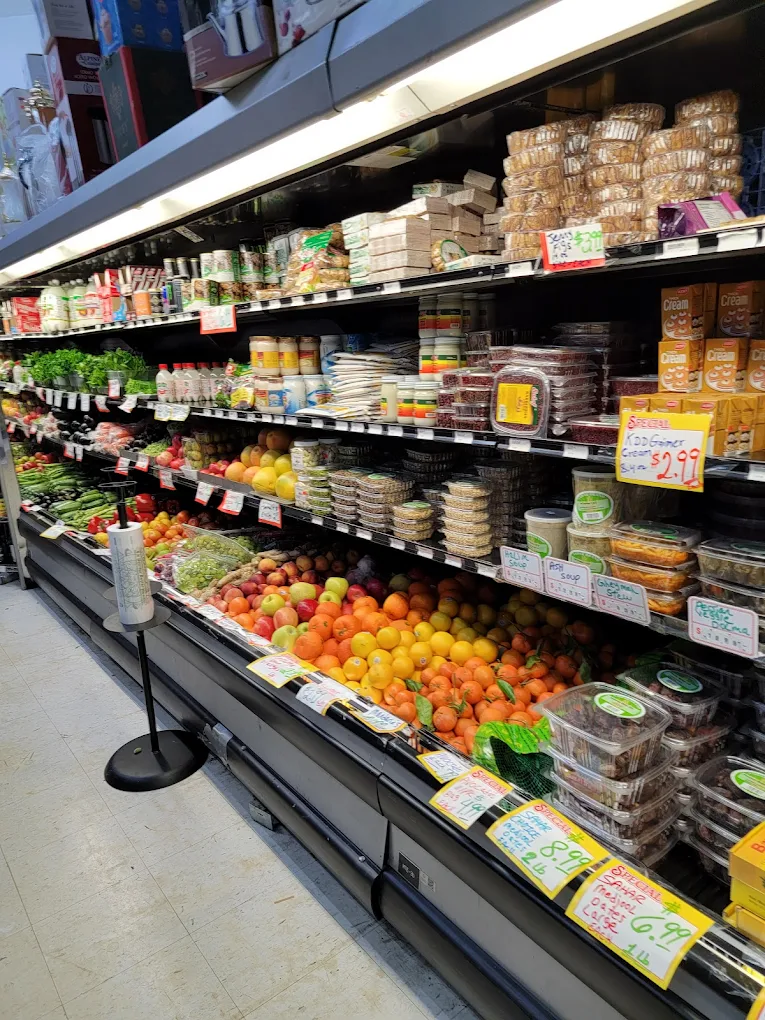
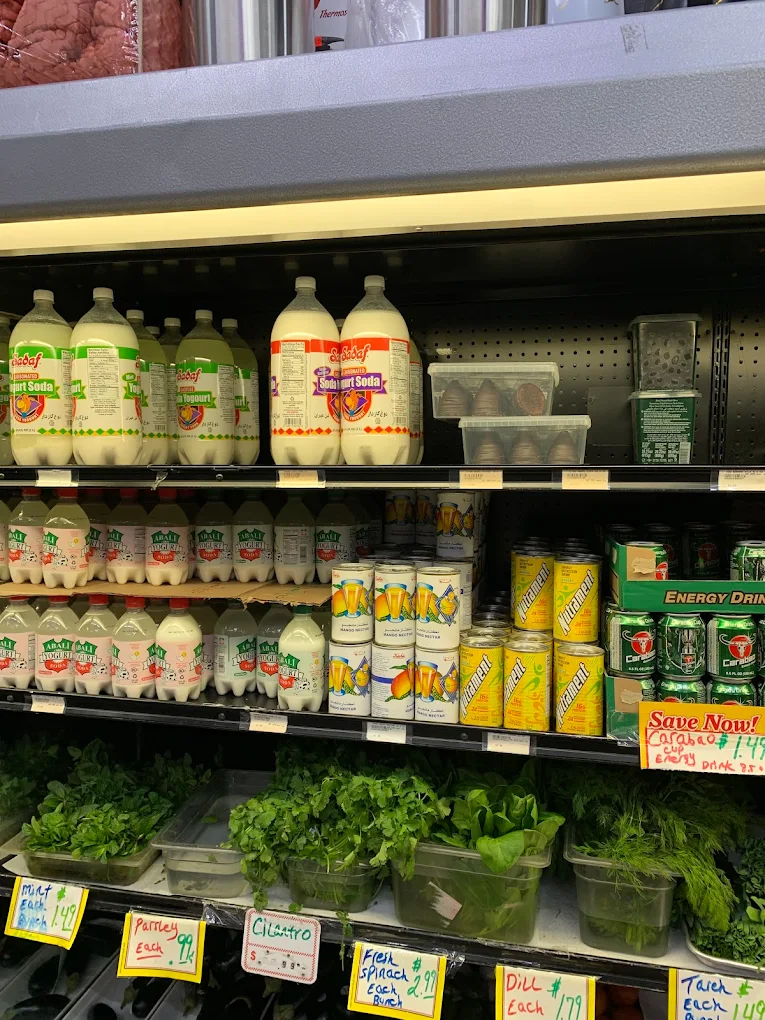
This place is filled with the stuff Persians need to have at home. There’s even an aisle where you can purchase fresh fruits and vegetables. Sahar supermarket is the perfect grocery place if you wish to do all your shopping in one stop. It’s also the go-to supermarket in Chicago if you’re a fan of authentic Persian foods and snacks like Lavashak in a wide variety of tastes, brands, and sizes and shapes.

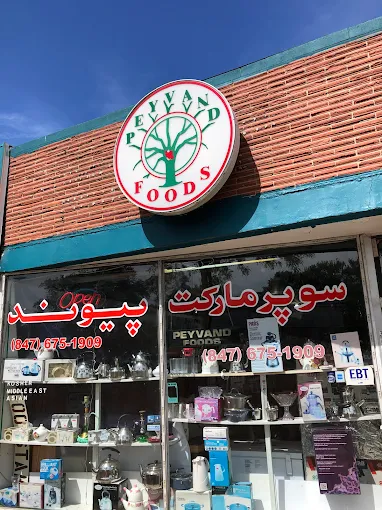
Peyvand supermarket
Business Description
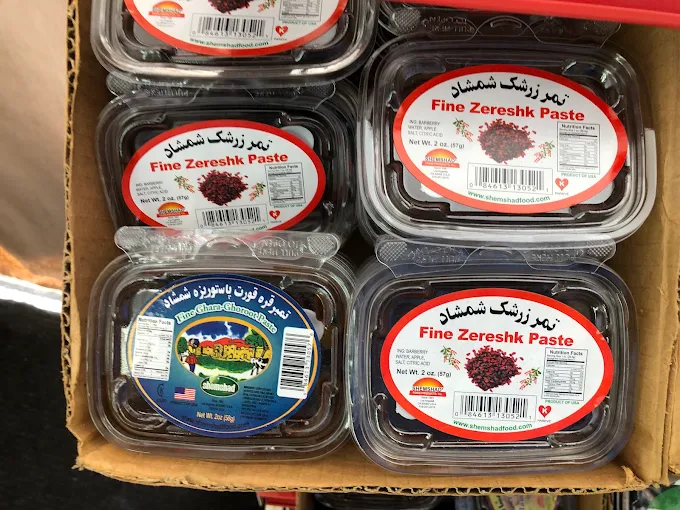
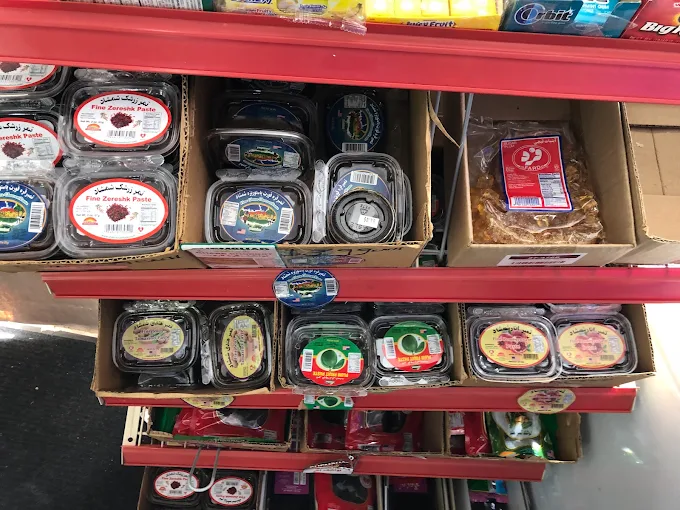
Peyvand supermarket resembles authentic Persian supermarkets better than any other Persian market in Chicago. Most of the brands in this supermarket have Persian labels on them. You can find most of the ingredients you need at home, plus some practical kitchen appliances for an authentic Persian kitchen. You can even find lavashak in the Sahand supermarket. It’s not plenty, but it’s enough.
Additionally, the store owner has placed the photoshoots of some Iranian cinema and music superstars like Hayedeh in a corner of the store to fill the place with a Persian spirit.

Middle East Bakery & Grocery – Foster Ave
Business Description
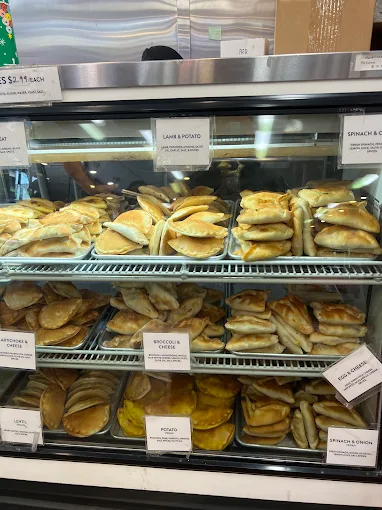
A Chicago institution since 1981, Middle East Bakery & Grocery is a beloved stop for anyone craving freshly baked Middle Eastern and Persian breads. This stone oven bakery is legendary, turning out soft pita and lavash so tender that it’s been described as a bed more than a bread. Of course, this one isn’t an exclusively Persian spot! However, it captures much of the same spirit, blending handmade craftsmanship with deep regional flavor. Beyond bread, their pistachio baklava, ma’moul cookies, and Turkish delight add a delightful sweetness to every visit.



What Exactly Is Zereshk, and Is It the Same as Cranberries?
Zereshk is the Persian name for dried barberries (زرشک). They are small, tart berries that are used more like a seasoning than a snack. In Persian cooking, zereshk is valued for what it brings to a dish in small amounts: brightness, contrast, and color.
Zereshk vs. cranberries: what’s the real difference?
People often compare zereshk to cranberries because both are red and both can be tangy. But they are not the same, and the difference matters once you taste them.
| Feature | Zereshk |
Dried cranberries |
|
Taste |
Bright, sharply tart | Tart, usually sweeter |
|
Size |
Very small | Larger |
| Texture | Delicate |
Chewy |
| Common use | Savory Persian dishes |
Sweet or snack-style uses |
Best Areas to Find Iranian Zereshk in Chicago
In Chicago, finding zereshk is less about luck and more about knowing where international grocery shopping naturally concentrates. Zereshk is a specialty ingredient, but it is not rare in the right places. Once you start looking in the neighborhoods where Middle Eastern, Iranian, and South Asian pantry staples are part of everyday shopping, it becomes much easier.
Devon Avenue and the surrounding area (West Ridge)
If you want one place to start, start here. Devon Avenue is famous for global groceries, and many stores along the corridor carry ingredients that overlap across Persian, Middle Eastern, and South Asian cooking. Even if a shop is not specifically Persian, you can often find zereshk because it is used by people who cook with similar flavor profiles and pantry basics.
When you’re scanning shelves, check the aisles that hold saffron, dried herbs, tea, and rice. Zereshk is sometimes stocked beside other small “high-impact” ingredients rather than with common dried fruit.
Albany Park, Rogers Park, and Edgewater
These areas can be surprisingly good for hard-to-find ingredients because they are built around community shopping. International markets here often carry a wider spread of pantry items than you’d expect, and it is worth checking if you prefer not to drive far north to Devon.
Skokie, Niles, Evanston, and Lincolnwood
If you are open to going just outside the city, these suburbs can be very practical for Persian groceries. Stores that cater to Iranian shoppers tend to stock zereshk more consistently, and you may have more choices in terms of quality and size. This is also where you are more likely to find better labeling, including origin and packaging details that help you choose confidently.
Oak Park and Des Plaines
These are not always the first places people think of for Persian ingredients, but they can still be worth checking, especially if you live nearby. Larger international grocers sometimes carry barberries because demand is spread across many cuisines, not just Persian cooking.
How to Choose Good-Quality Persian Zereshk in Chicago
Zereshk is small, but it has a strong personality. When it’s good, it tastes bright and pleasantly tart, and it brings color that looks almost jewel-like against rice. When it’s old or poorly stored, it can taste flat, dusty, or oddly bitter. The good news is that you can usually tell quality just by paying attention to a few details.
- Color: Look for a deep, lively red. It does not need to be perfectly uniform, but it should not look mostly brown or dull. A little natural variation is fine.
- Smell: Good zereshk has a clean, faintly fruity tart scent. If it smells stale, musty, or like old oil, skip it.
- Texture: Zereshk should look dry but not fragile like dust. If the berries look crushed into powder at the bottom of the bag, it often means rough handling or older stock.
If you can see the berries through the packaging, tilt the bag. You want berries that separate and move a little, not a clumped mass. Clumping can happen with moisture or with berries that have been stored too warm for too long.
Types of Zereshk in Chicago, and What to Buy
You might not always see “type” clearly labeled, but you will notice differences between bags.
- Puffy vs. flatter Zereshk: Some zereshk look more plump and airy, others look smaller and more compact. Plumper berries are often preferred for presentation, while smaller ones can be great for everyday cooking.
- Sun-dried vs. machine-dried Zereshk: Sun-dried versions can have a deeper, more natural look. Machine-dried may appear more consistent. Either can be excellent, but the key is freshness and proper storage.
- Oil-free vs. lightly oiled Zereshk: Some brands add a touch of oil to reduce sticking. Oil is not automatically “bad,” but it can hide staleness. If you want the cleanest flavor, look for oil-free, sealed packaging.
How much does zereshk cost in Chicago?
Zereshk often surprises people the first time they buy it. The bag is usually small, but the price can feel closer to saffron than to ordinary dried fruit. That’s not because it’s trendy. It’s because zereshk is delicate, it’s typically imported, and it needs careful drying, cleaning, and packaging to stay bright and usable. Here is what you can expect:
|
Quantity |
Estimated Price | Common Brands | Best For |
|
3 oz (85g) |
$5.50 – $7.00 | Sadaf, Almas |
Single meal (Zereshk Polo) |
|
8 oz (225g) |
$8.00 – $11.00 | Bidmeshk, Saharkhiz | Regular home cooking |
| 1 lb (450g) | $13.00 – $15.00 | Bulk/House Labels |
Frequent use or large parties |
| Bulk (5+ lbs) | $10.00 – $12.00/lb | Wholesalers |
Catering or long-term storage |
How to store zereshk so it stays fresh
Zereshk is one of those ingredients that rewards a little care. Stored well, it keeps its color and that clean, tart brightness that makes Persian dishes taste complete. Stored poorly, it can dull quickly, pick up off-smells, or turn dusty and lifeless. The good news is that storage is simple once you follow a few basics.
Keep it sealed, and keep it away from heat
Zereshk’s main enemies are air, moisture, and warmth. After opening the package, transfer it to an airtight container if the original bag does not reseal tightly. Glass jars or sturdy containers with a good seal work beautifully. Avoid leaving it near the stove or in a cabinet that gets warm. Even if it looks fine, heat speeds up the loss of flavor and can make the berries clump.
Does zereshk go bad?
Zereshk does not “spoil” quickly in the way fresh produce does, but it can absolutely become unpleasant over time. Signs it is past its best include:
- A dull brownish look that was not there before
- A stale, musty smell
- An oily or rancid aroma (especially if the berries were lightly oiled)
- A taste that feels more bitter than tart
If you notice those changes, it is usually better to replace them. Zereshk is used in small amounts, and when it’s fresh, it contributes more than you expect.
How to use zereshk in Persian cooking
Zereshk is not meant to be eaten like raisins straight from the bag. Its role is more refined than that. In Persian cooking, it is used as a bright accent that cuts through richness, lifts rice dishes, and adds a tart sparkle to foods that might otherwise taste heavy.
The most important thing to know is that zereshk is delicate. If you treat it gently, it stays vibrant and tangy. If you overcook it, it can turn bitter and dark. A small amount of care makes all the difference.
Zereshk polo, the classic
Zereshk polo is where most people fall in love with this ingredient. The berries sit on top of fragrant rice like little jewels, and the flavor wakes up every bite.
A simple and reliable way to prepare zereshk for rice is:
- Rinse briefly in a fine strainer to remove dust
- Soak for a few minutes in cool water, then drain well
- Warm gently in a pan for a short time with a little butter or oil
- Optionally add a tiny pinch of sugar to soften the sharpness (this is common and does not make the dish “sweet”)
- Keep the heat low and the timing short. The goal is to warm and glaze, not to fry.
Then you spoon it over the rice just before serving. That last step matters because it protects the color and keeps the taste clean.
Other delicious ways to use zereshk
Once you have zereshk in your pantry, you start seeing opportunities for it everywhere. A few ideas that stay true to Persian flavors:
- Tahchin: Add a little zereshk as a bright layer or garnish. It balances the richness beautifully.
- Kuku sabzi: Sprinkle it in or on top for tart contrast against herbs and eggs.
- Salads: Zereshk can replace cranberries when you want something sharper and more aromatic.
- Stews and braises: A small handful stirred in at the end can add a subtle lift, especially in dishes with warm spices.
- Garnish for roasted vegetables or chicken: Zereshk adds color and a clean tang that feels intentional, not decorative.