
If you long for the rich patterns, history-soaked craftsmanship, and nostalgia of a classic Persian rug, Dubai has some excellent spots to explore. Whether you’re furnishing a living room, bedroom, or prayer space, finding an authentic Persian rug in Dubai can connect you to centuries-old artisan traditions. From handmade wool masterpieces to simpler, more affordable designs, there’s a rug to match different tastes and budgets. Nazdikia helps you discover where to buy Persian rugs in Dubai, with emphasis on authenticity, variety, and value.

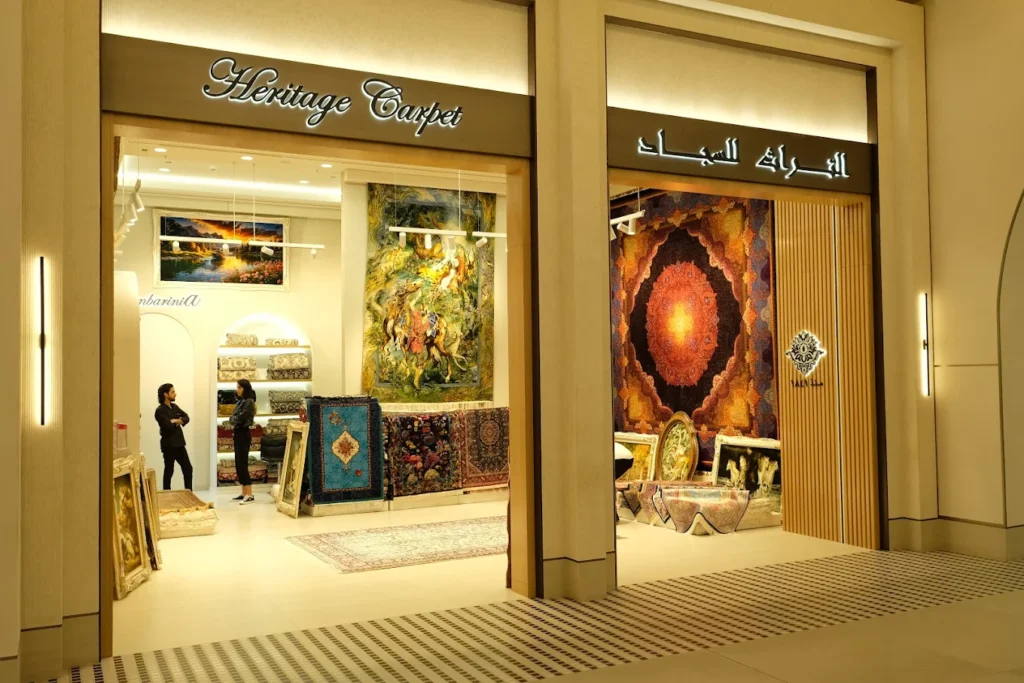
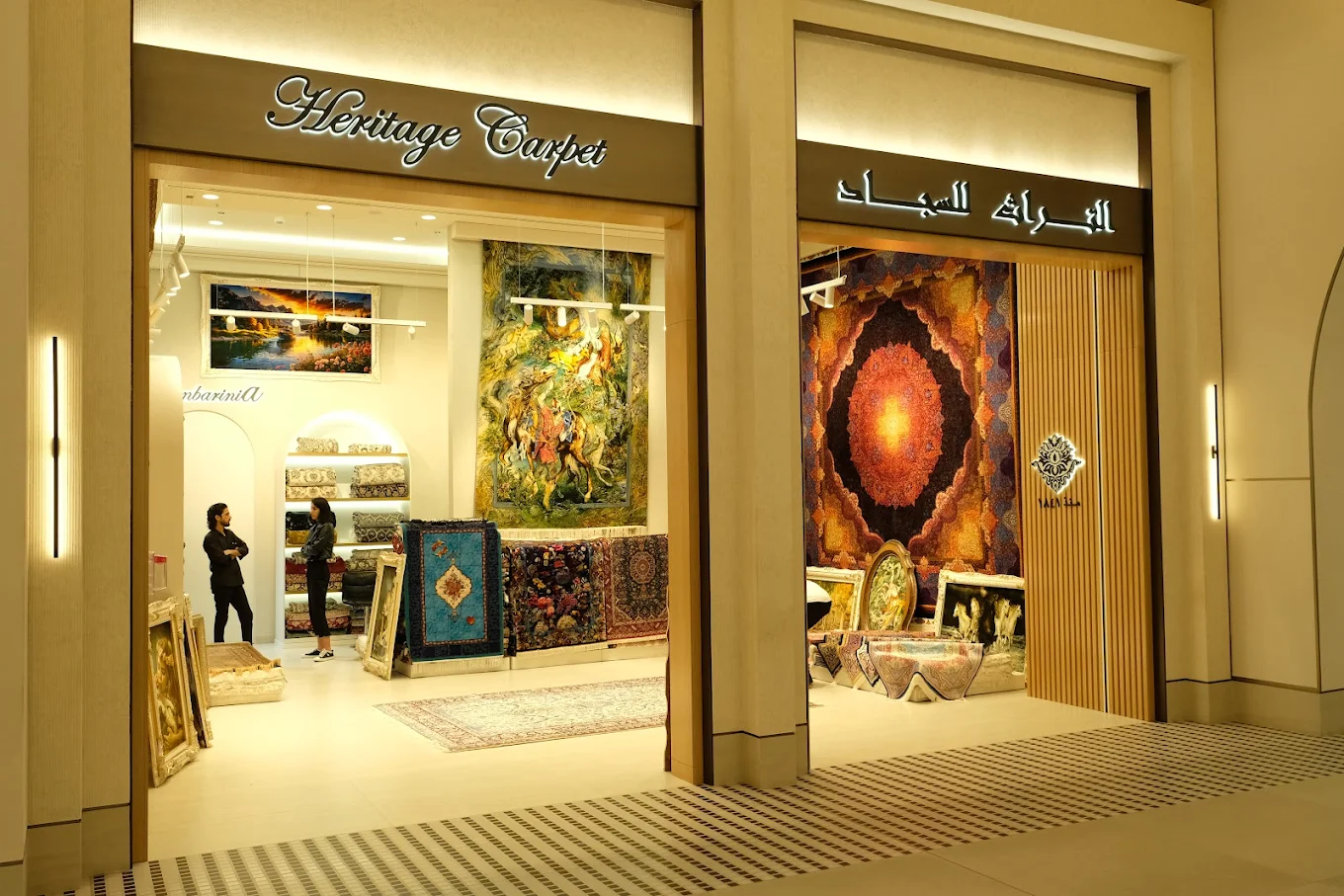
Dubai Persian Rugs – Heritage Carpets
Business Description
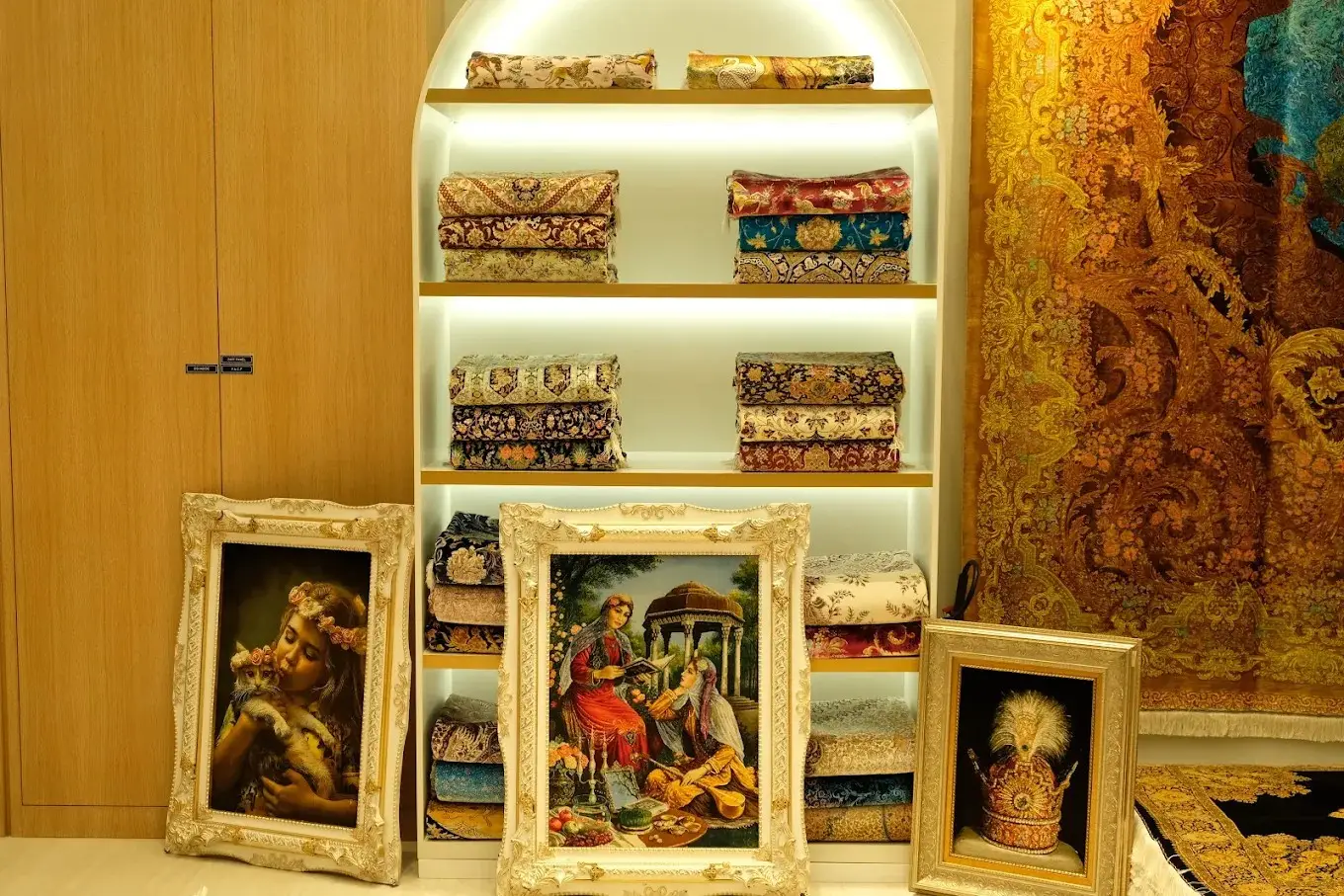
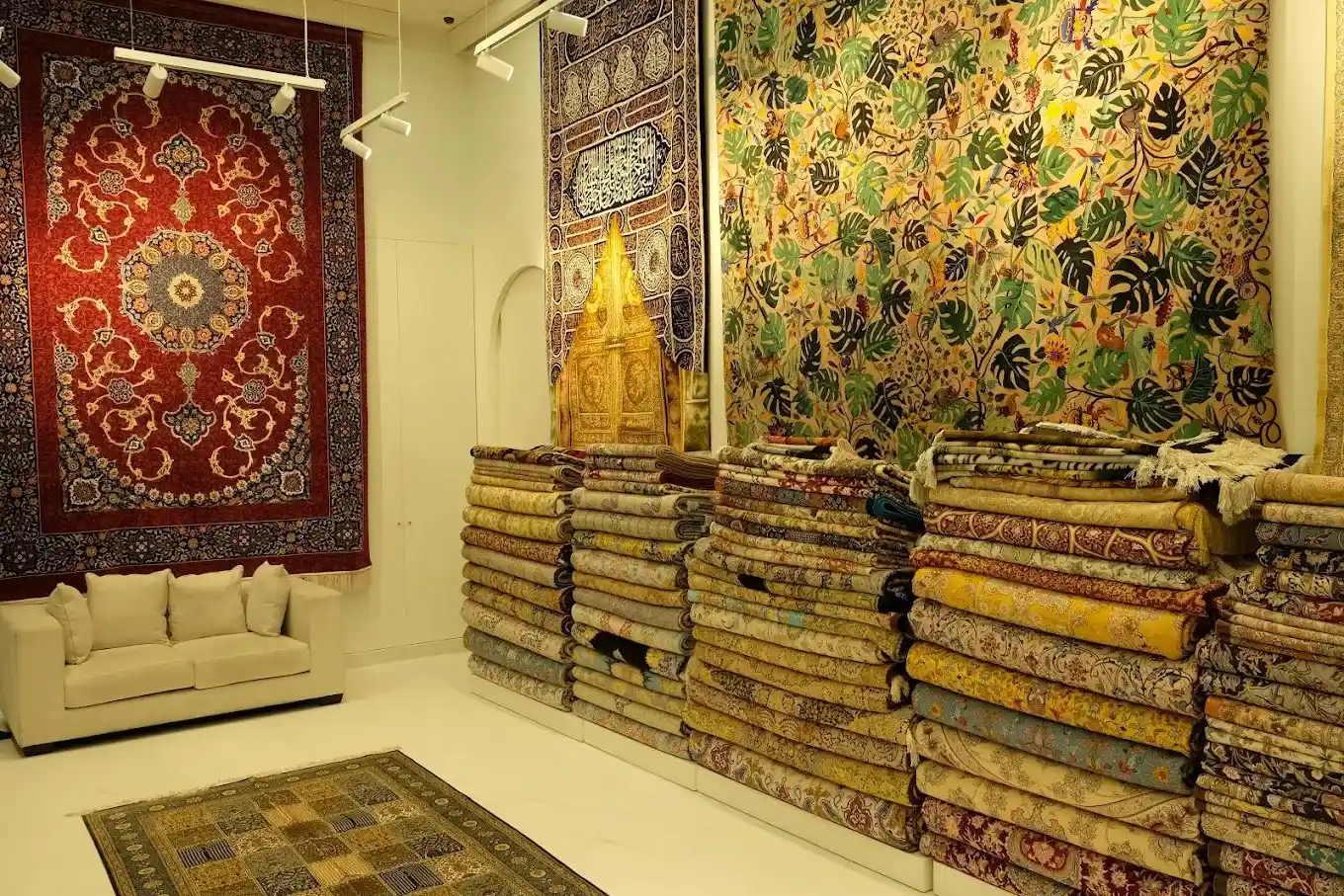
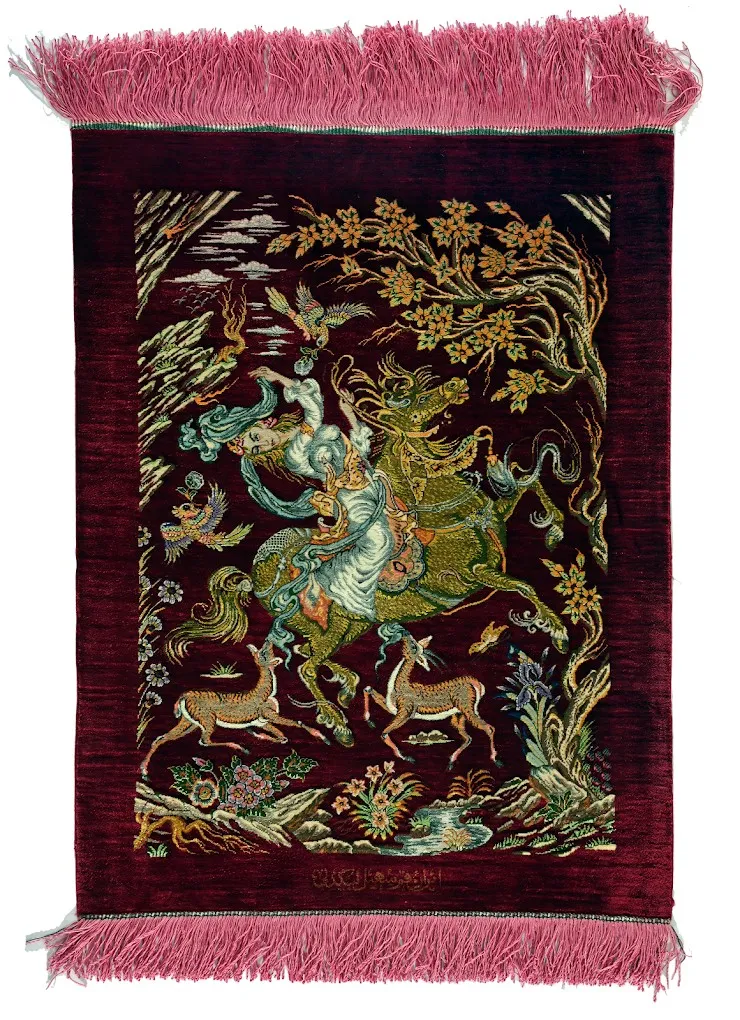
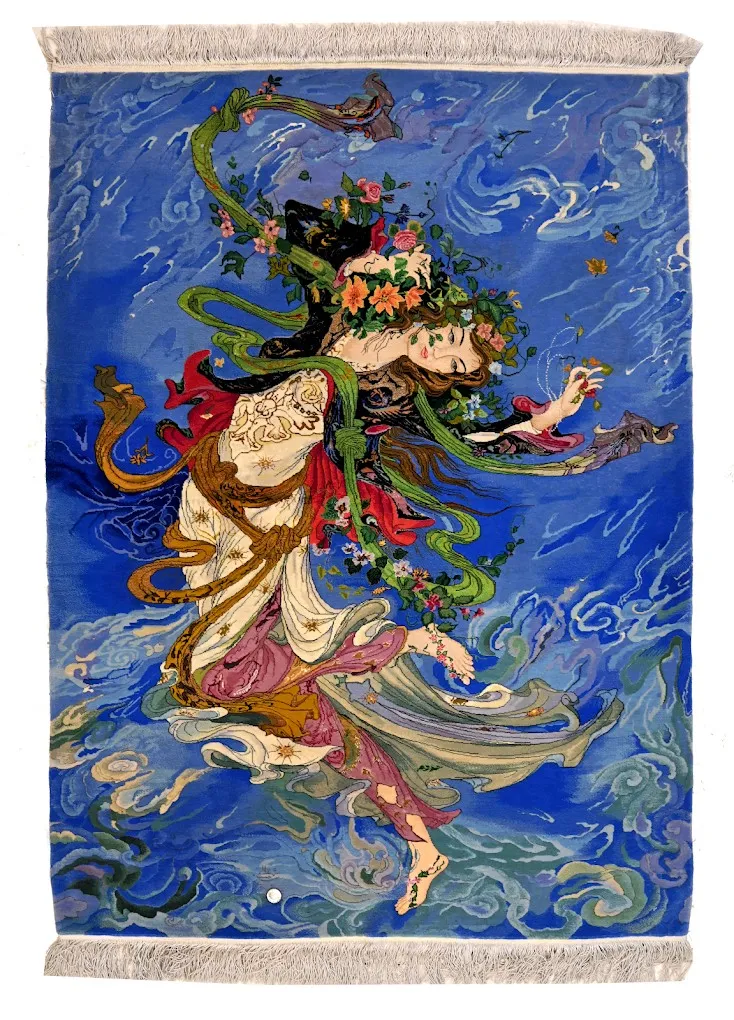
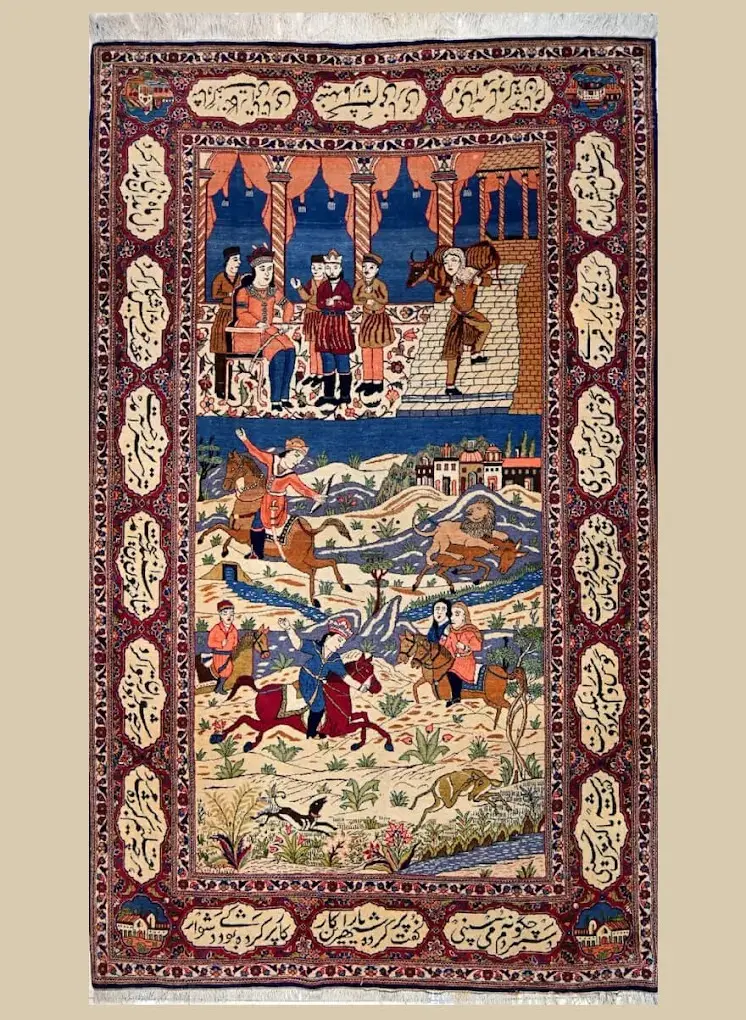
Heritage Carpets stands out as one of the largest providers of luxury, hand-woven Persian carpets in Dubai. Their collection includes antique and newly woven rugs crafted by master weavers, often using natural silk or wool and traditional dyes; ideal if you want an heirloom-quality piece that lasts decades.

Azimzadeh Carpet Trading LLC, Dubai
Business Description
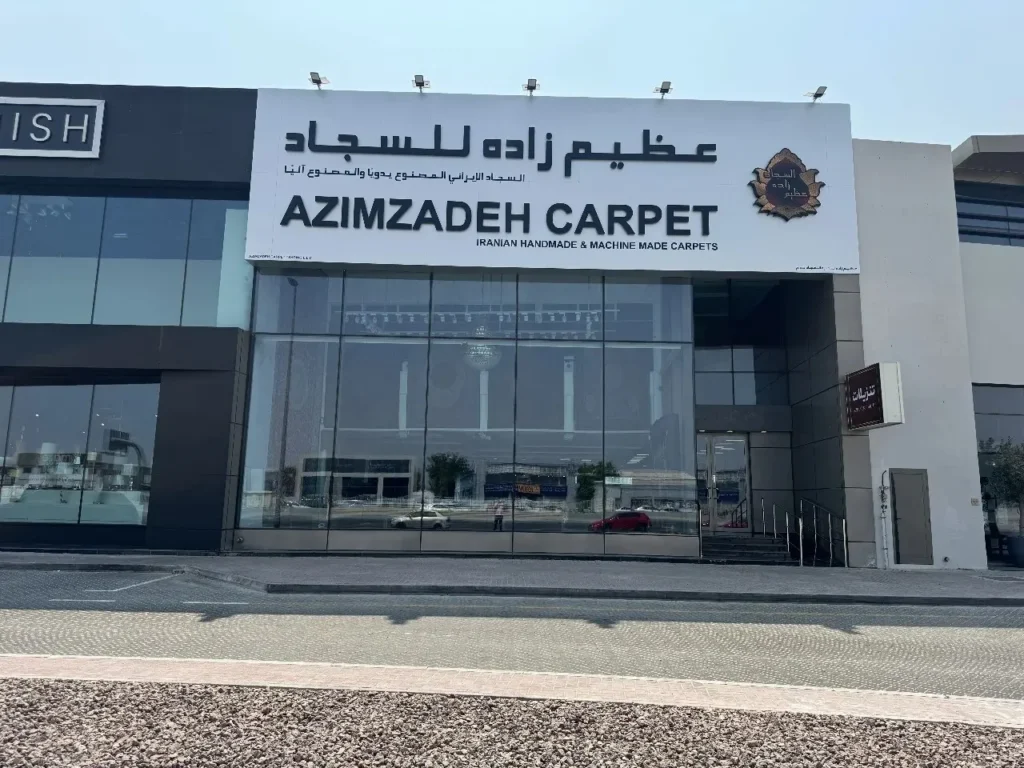
Azimzadeh offers a mix of hand-woven and machine-made carpets, blending traditional Persian craftsmanship with more accessible modern options. Their catalogue often includes rugs in a variety of sizes and styles: from classic medallion and floral motifs to simpler contemporary designs. They also provide repair services and same-day delivery.
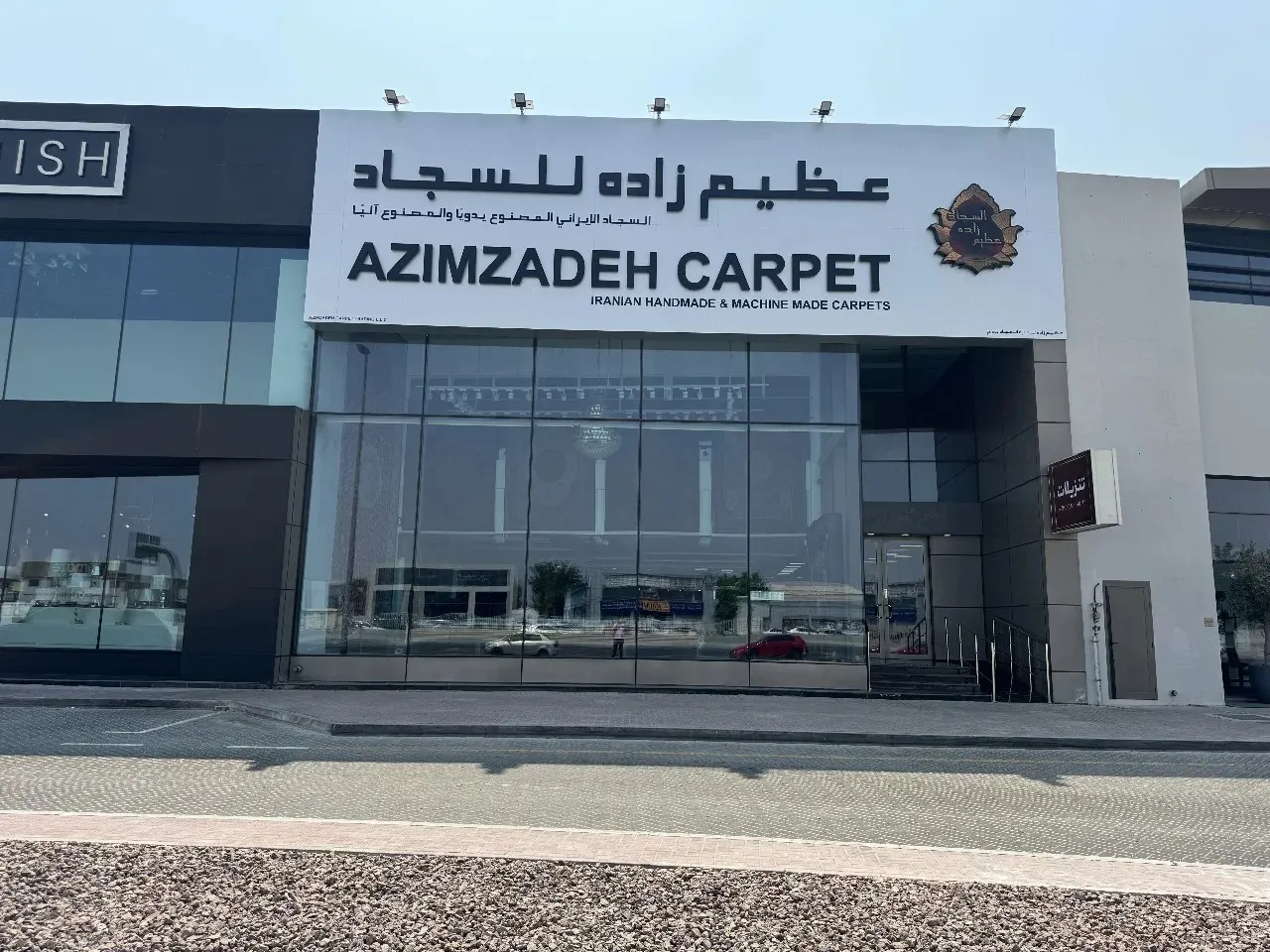
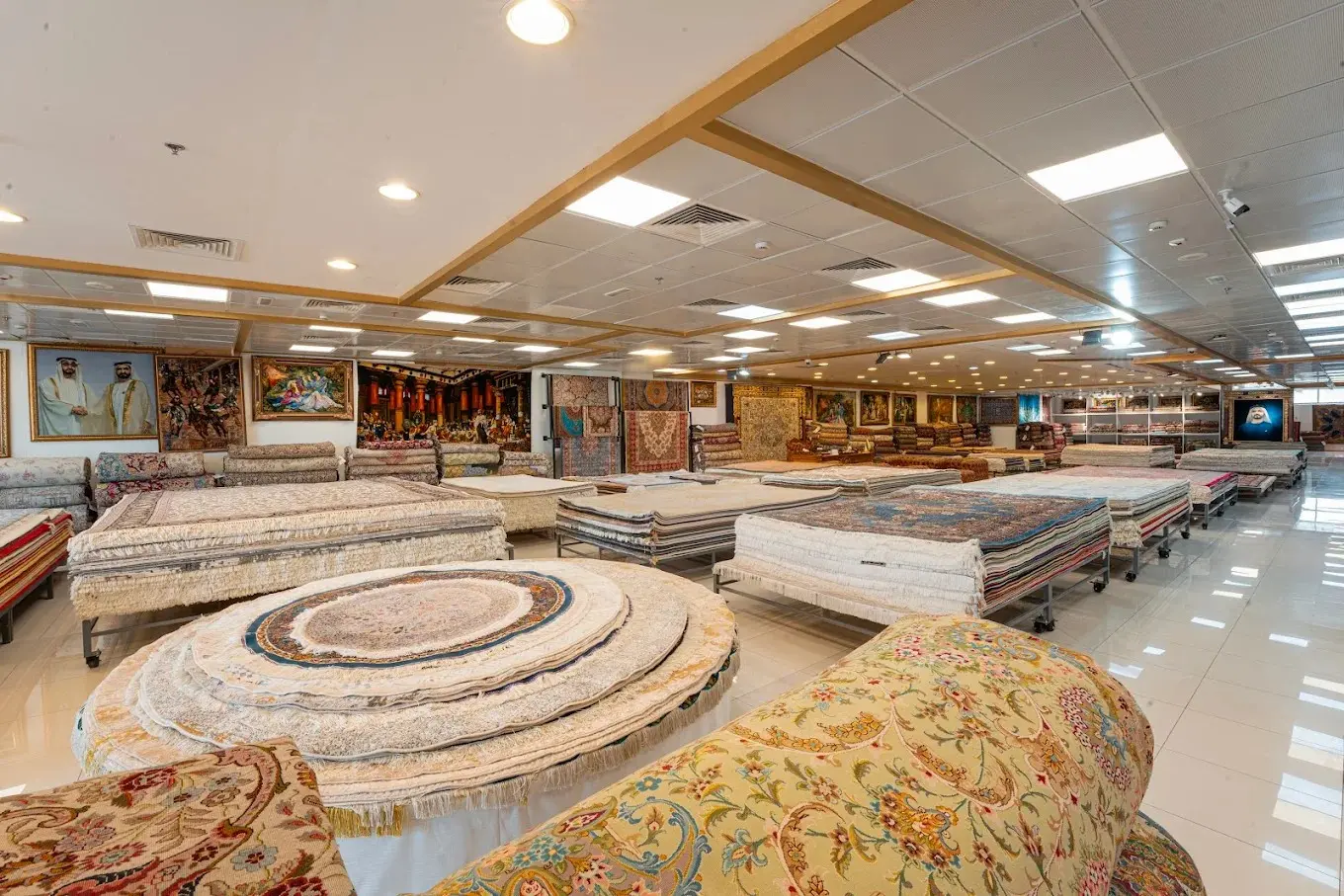
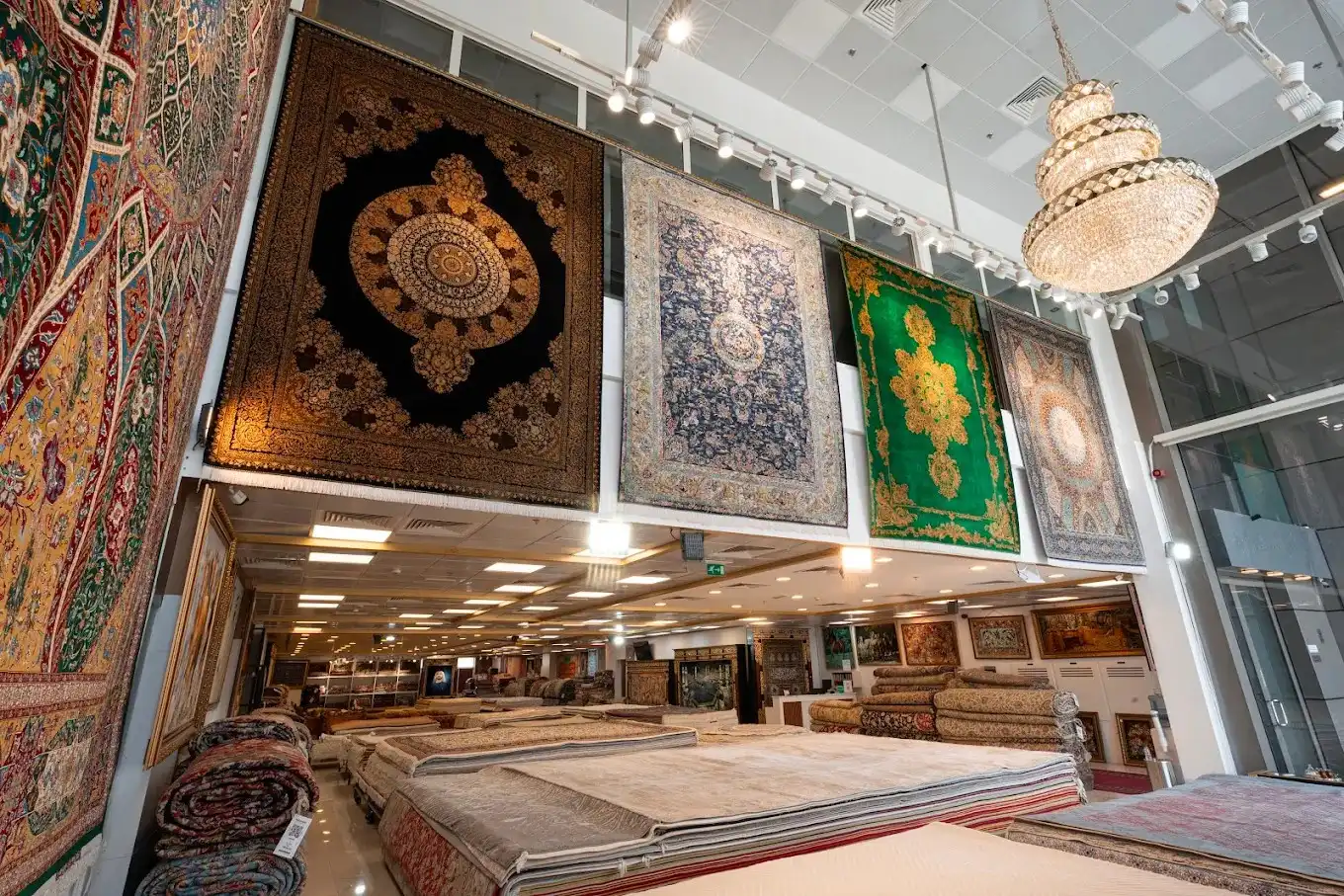
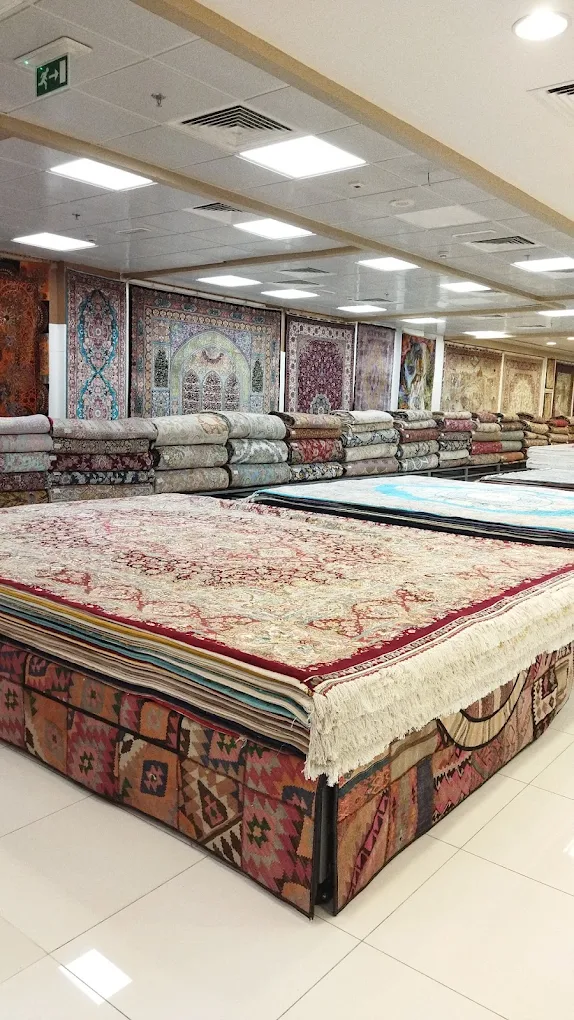

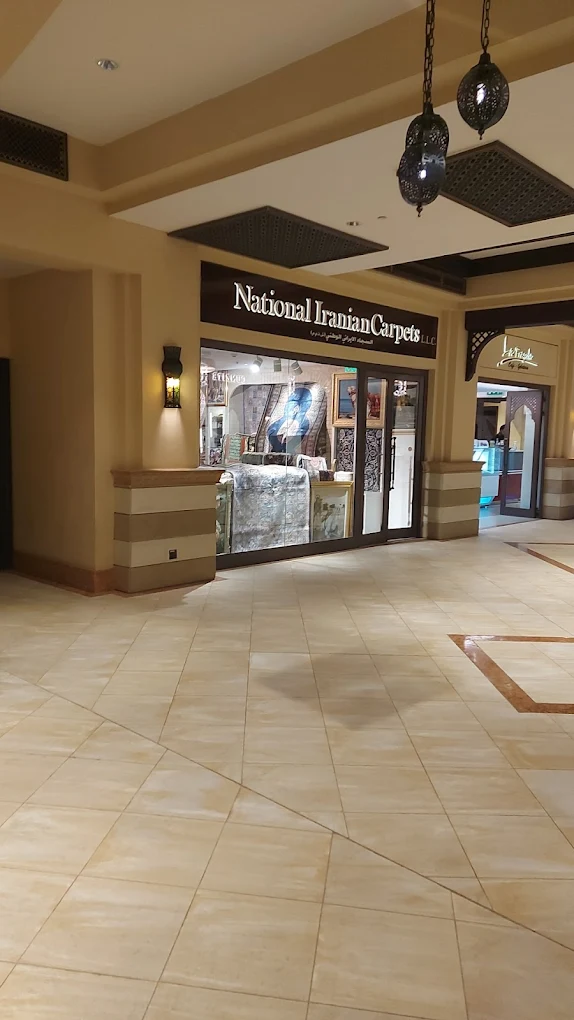
National Iranian Carpets
Business Description
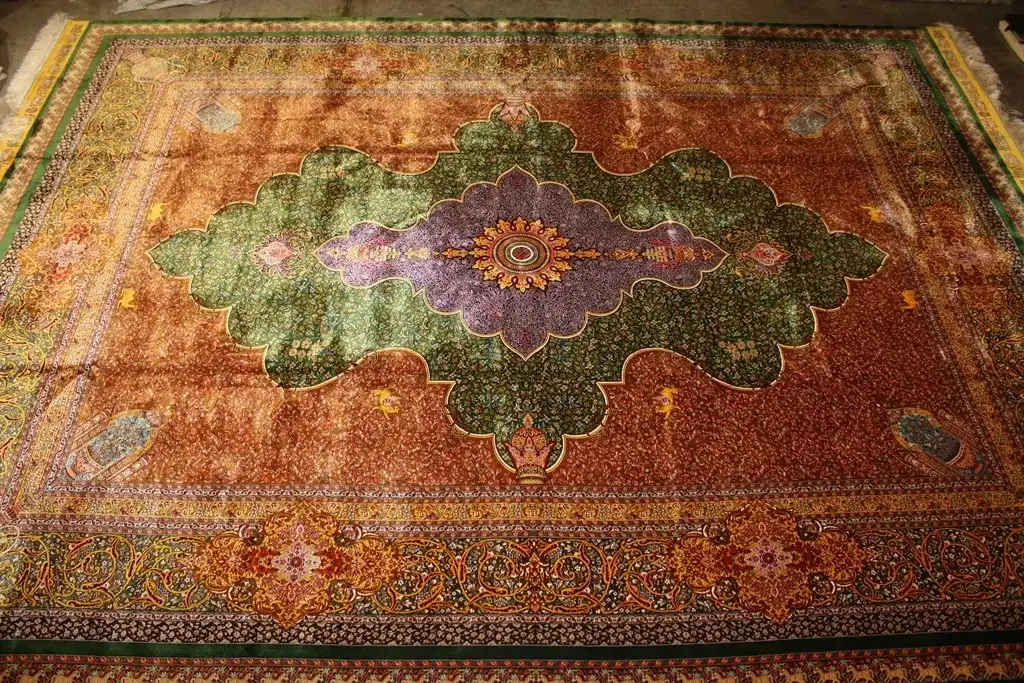
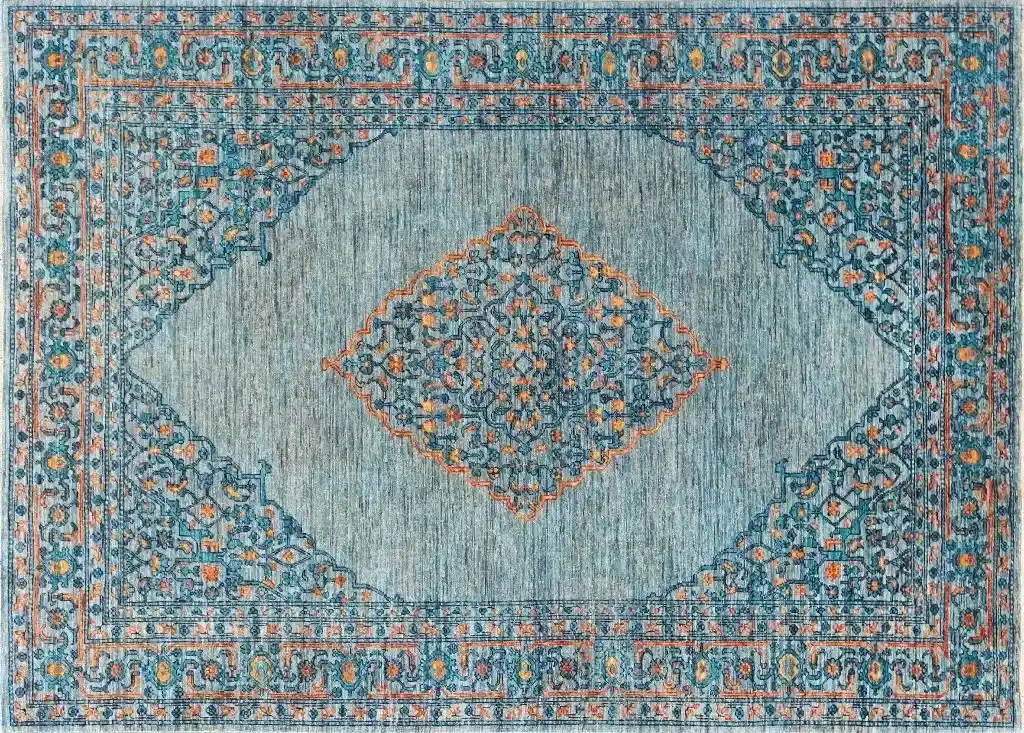
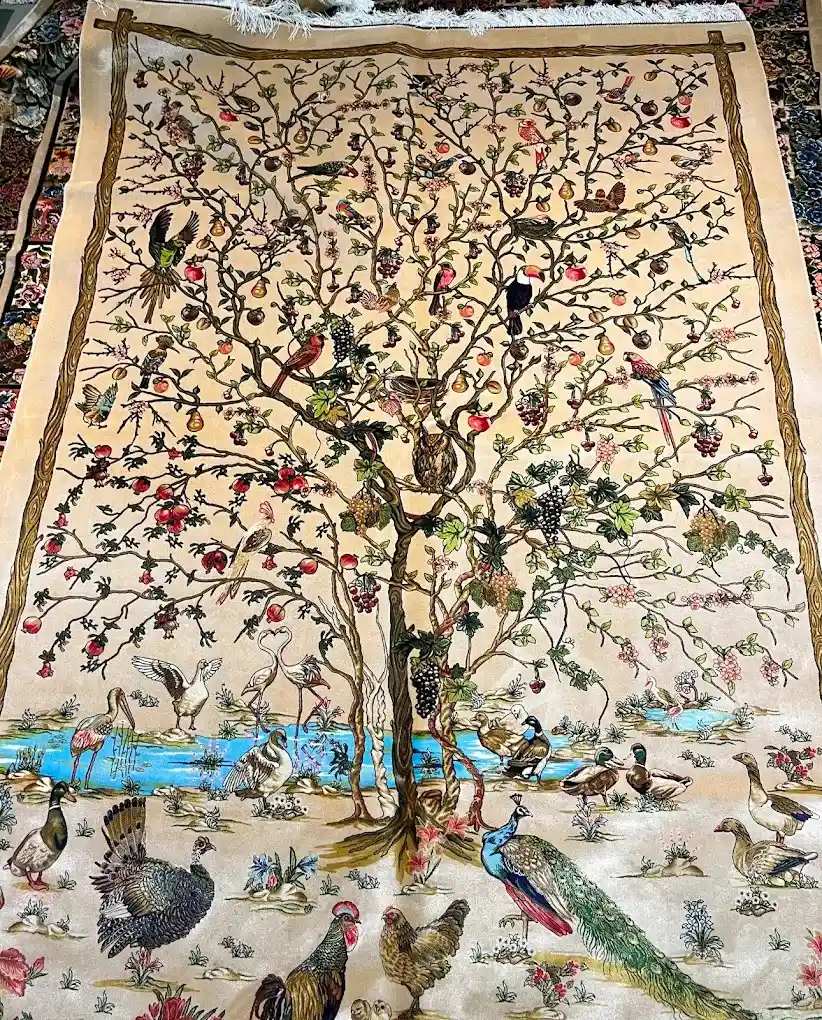
A welcoming spot for anyone looking to explore the beauty of authentic Persian rugs in Dubai. Their showroom offers a warm, relaxed atmosphere where you can browse an impressive collection, from classic hand-knotted masterpieces to modern Persian designs. The team is genuinely friendly and happy to guide you, whether you’re choosing a statement piece for your home or learning about the craftsmanship behind each rug. With their expertise, quality assurance, and thoughtful customer service, finding the perfect Persian carpet near Dubai Mall and the Burj Khalifa becomes an enjoyable, stress-free experience.
Sheba Iranian Carpets
Business Description
Although it’s technically in Sharjah, Sheba Iranian Carpets is widely known among the UAE’s Persian community shoppers for authentic hand-made rugs, including well-known Persian types like Tabriz, Heriz, Nain, Qom, Isfahan, and Kashan. They ship globally, and many Dubai-based shoppers make the short trip or order through them. They also provide cleaning and repair services.


Persian Rugs in Dubai: What Every Buyer Should Know
If you’re searching for a true Persian rug in Dubai, it helps to know what you’re looking for. Persian carpets (or “rugs”) represent centuries-old weaving traditions from Iran and surrounding regions, combining artistry, cultural heritage, and practicality.
What Makes a Rug “Persian” — Types, Quality & Feel
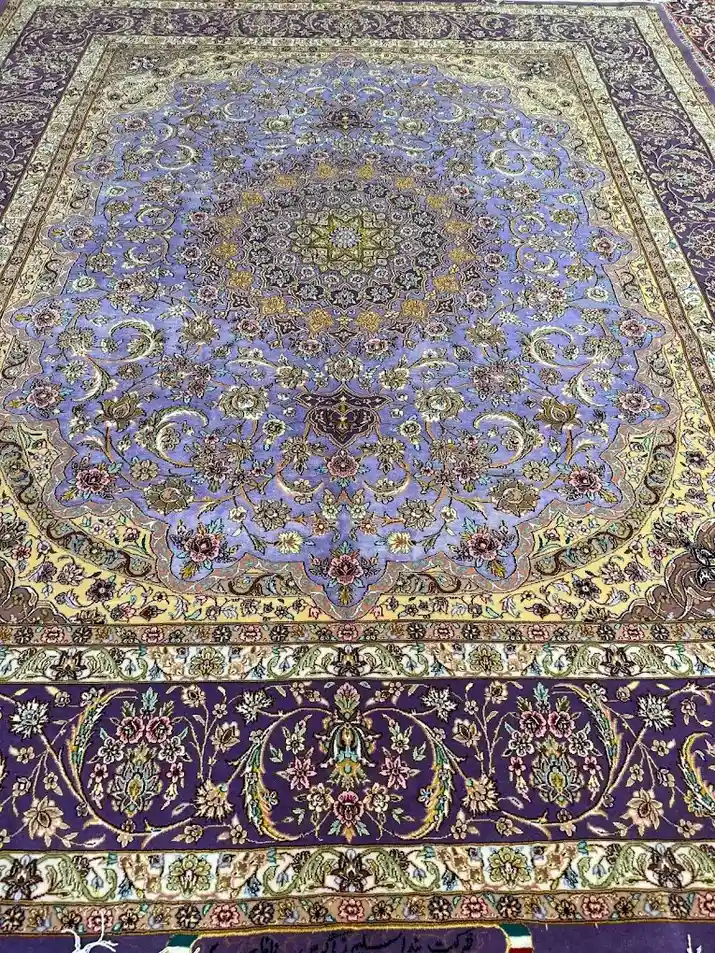
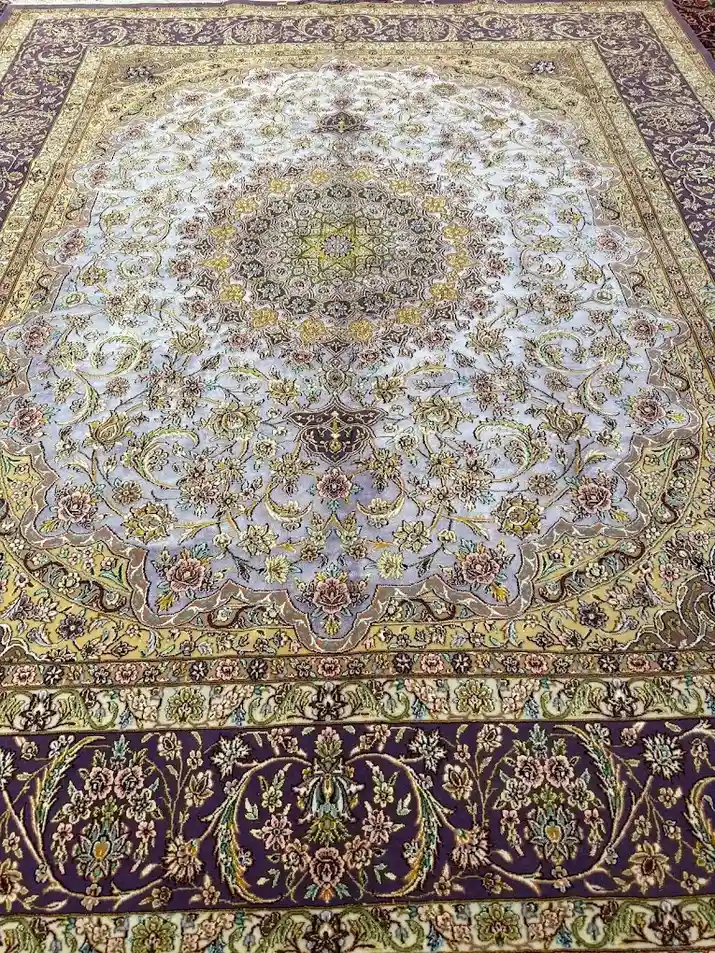
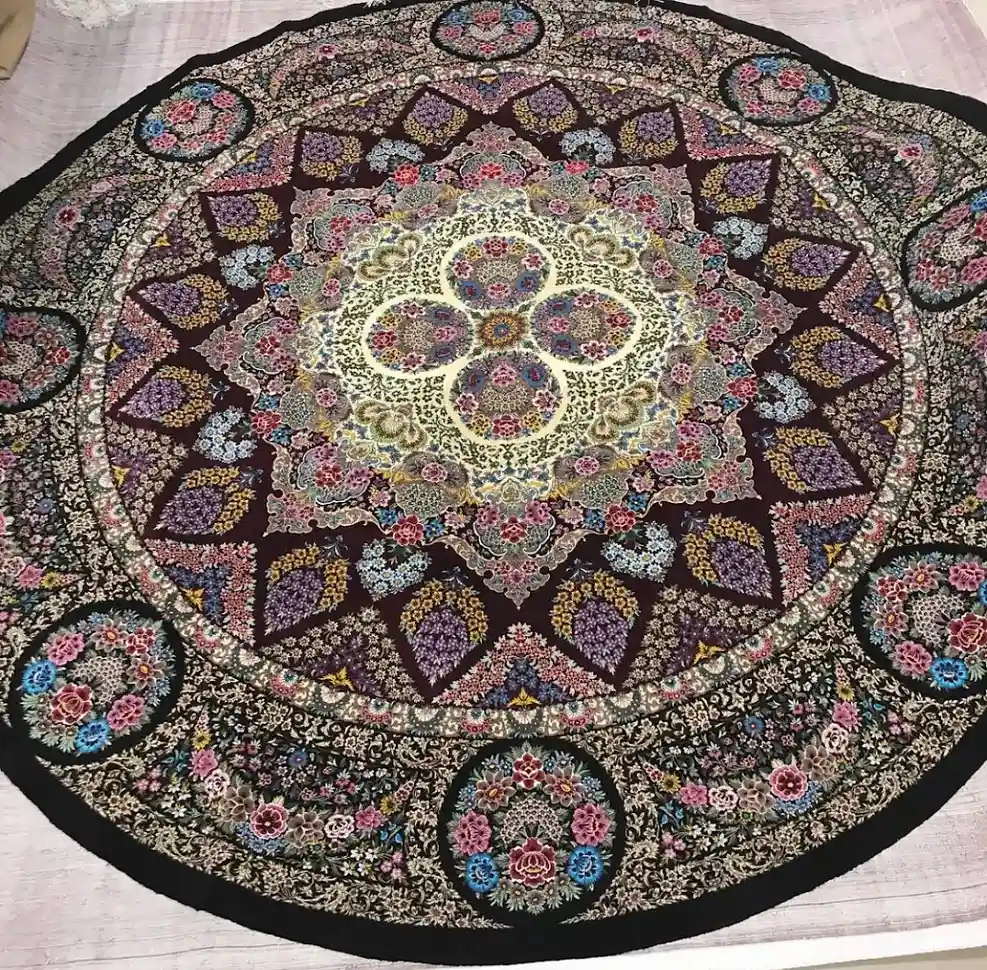
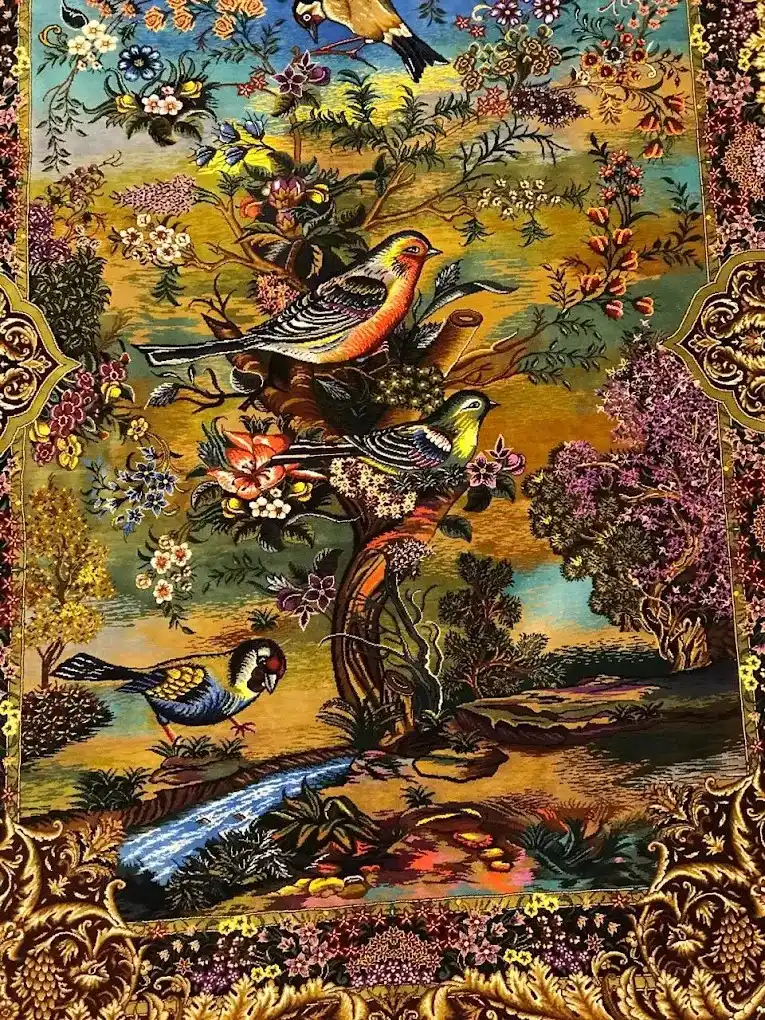
Persian rugs come in a wide variety. Some are hand-woven by artisans using natural wool or silk, often with cotton or silk warps; others are machine-made for a lower cost. Hand-woven rugs, especially from renowned regions such as Tabriz, Isfahan, or Heriz, are typically denser, more durable, and display intricate motifs ranging from medallions to floral or geometric patterns.
The experience of a handmade Persian rug is very different: underfoot it feels warm, soft, and substantial; it often has natural dyes and materials, which give it depth of color and longevity. Machine-made versions are more affordable and easier to replace, but lack some of the richness and heritage value of a hand-knotted piece.
When you walk into a store and touch a rug, you can often feel if the pile is dense, the weave is tight, and the materials are natural; these are good signs of a quality Persian rug.
Where to Buy in Dubai — What to Expect
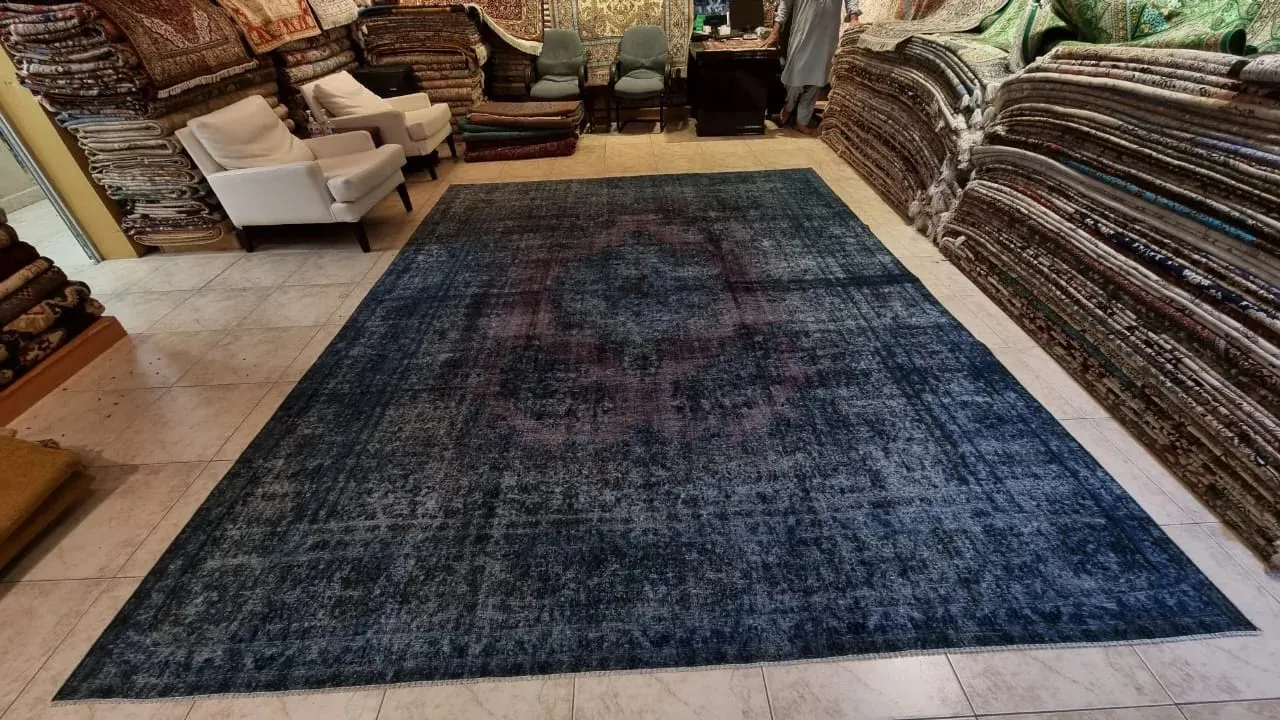
If you visit the stores above, you’ll encounter a wide spectrum of rugs, from lavish silk-and-wool masterpieces to affordable machine-made or flat-woven area rugs.
- Luxury/Authentic pieces: Shops like Heritage Carpets or Sheba Iranian Carpets often offer hand-knotted rugs from traditional Persian weaving centers. Expect higher prices, but longevity, higher craftsmanship, and designs that hold their value.
- Mid-range / Affordable options: Places like Azimzadeh Rugs provide machine-made, contemporary, or simpler Persian-style rugs. Great if you want Persian-style rugs for bedrooms, apartments, or rental homes without a huge investment.
- Custom & flexible offers: Some stores allow custom sizing or material choices (wool, cotton, synthetic blends), which is useful if you have unique space constraints or want a custom look.
Prices vary widely depending on materials, size, weave density, and whether a rug is antique or newly woven. Simple rugs might cost modestly, while large hand-woven silk or wool Persian rugs can be a significant investment.
How to Choose a Good Persian Rug — What to Look For
When shopping for a Persian rug:
- Examine the weave: hand-woven rugs have knots visible on the back, and the pile should feel dense and even.
- The design should be crisp, intricate patterns, symmetrical borders, and richness in color are hallmarks of a quality rug. Natural materials like wool or silk tend to last longer, feel better underfoot, and age gracefully.
- If you have pets or expect heavy foot traffic, consider durable weaves (like those from Heriz or classic wool rugs) rather than delicate silk ones.
- The rug’s size and function: runners for hallways, larger area rugs for living rooms, or smaller rugs for bedrooms.
Persian rugs are worth the price when you consider their longevity, craftsmanship, and aesthetic value. A well-made Persian rug can stay beautiful for decades and even become a family heirloom.
Persian Rugs & Decoration in Dubai Homes
In Dubai, many homes blend contemporary interior design with traditional touches. A Persian rug can anchor a room, adding warmth, elegance, and cultural depth. Pair a richly patterned rug with neutral furniture to let its design stand out, or choose a simpler, Persian-style area rug for a subtle nod to tradition in a modern setting.
Because many Dubai apartments are compact, smaller rugs or runners work well. For larger villas or living-dining spaces, big hand-knotted carpets, especially 100% wool or silk, bring a sense of luxury and timeless style.
Why Persian Rugs Remain Popular Among the Persian-Speaking Community in Dubai
For Iranians or Persian-speaking residents living abroad, a Persian rug isn’t just décor; it’s a connection to home and heritage. The patterns, colors, and craftsmanship echo memories of family gathering places, warm tea rooms, and traditional hospitality. In cosmopolitan Dubai, owning a Persian rug is a way to carry a piece of cultural identity with you, while also blending seamlessly with global aesthetics.
Thanks to community-focused platforms such as Nazdikia, the leading Persian directory worldwide, Persian-speaking residents in Dubai can easily discover reputable rug shops that match their style and budget.