
Authentic Persian Lavashak in Hamburg is highly accessible through a dedicated network of Iranian supermarkets and specialty ethnic retailers concentrated in districts like Wandsbek and St. Georg. This directory-driven guide helps you navigate the local retail landscape to find premium fruit leather, ranging from industrial brands to rare, homemade varieties. By focusing on store proximity and product authenticity, residents can easily locate the freshest pomegranate or sour cherry rolls across the city’s diverse Middle Eastern markets. Whether you are looking for bulk purchase options or specific artisanal flavors, this overview evaluates the best-rated Iranian stores to ensure a high-quality culinary experience.

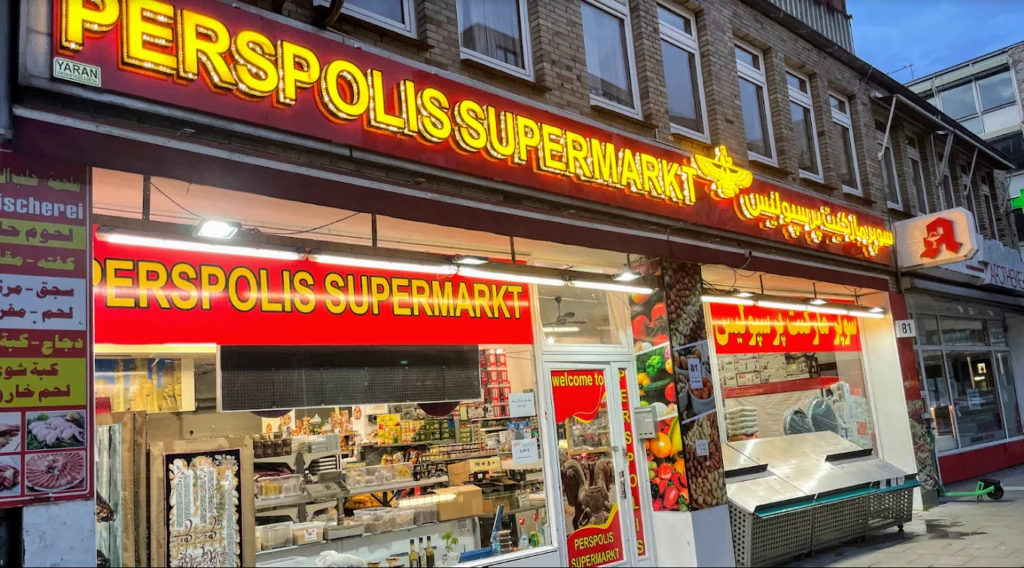
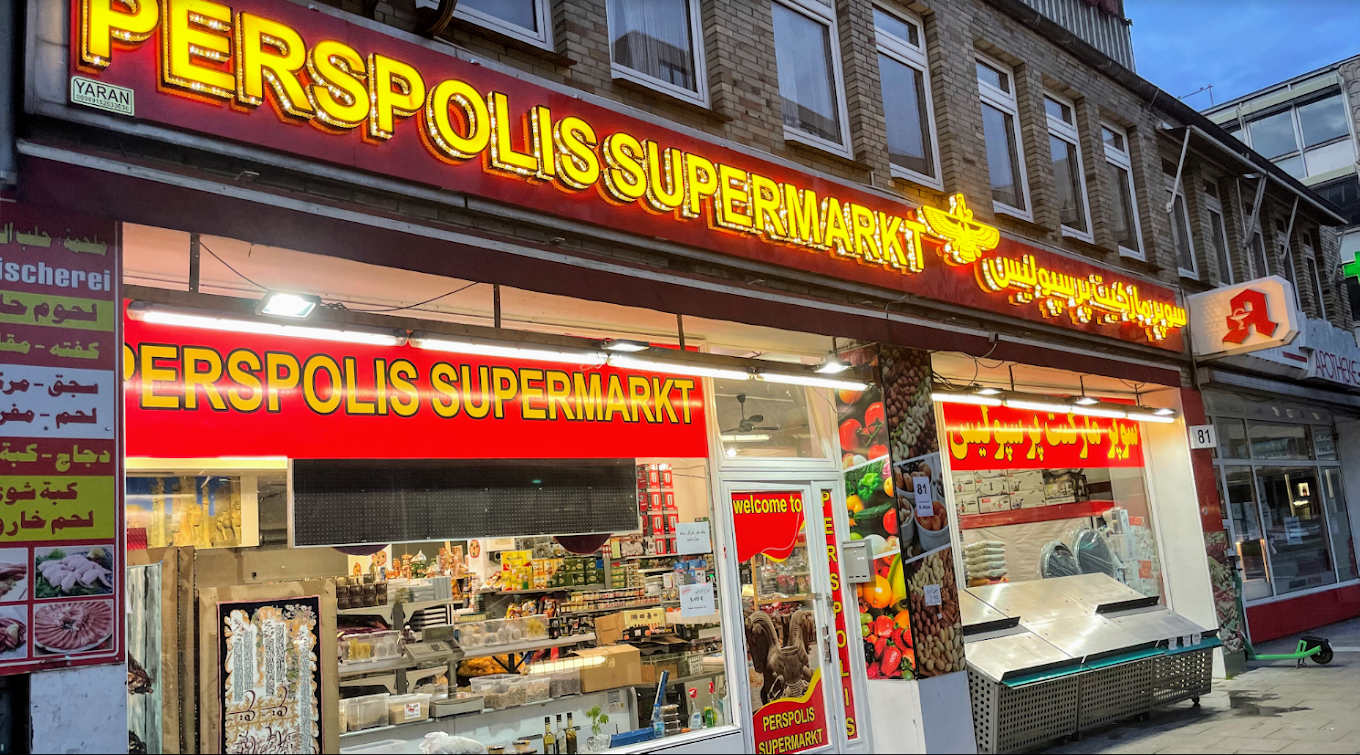
Perspolis Supermarkt – Steindamm
Business Description
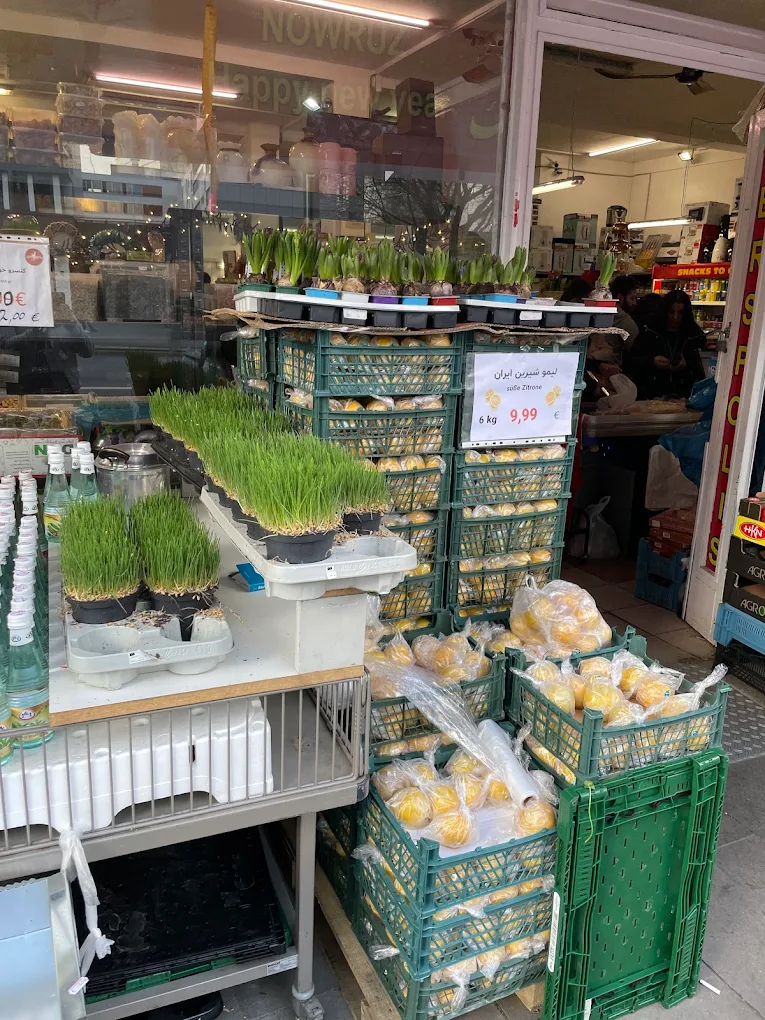
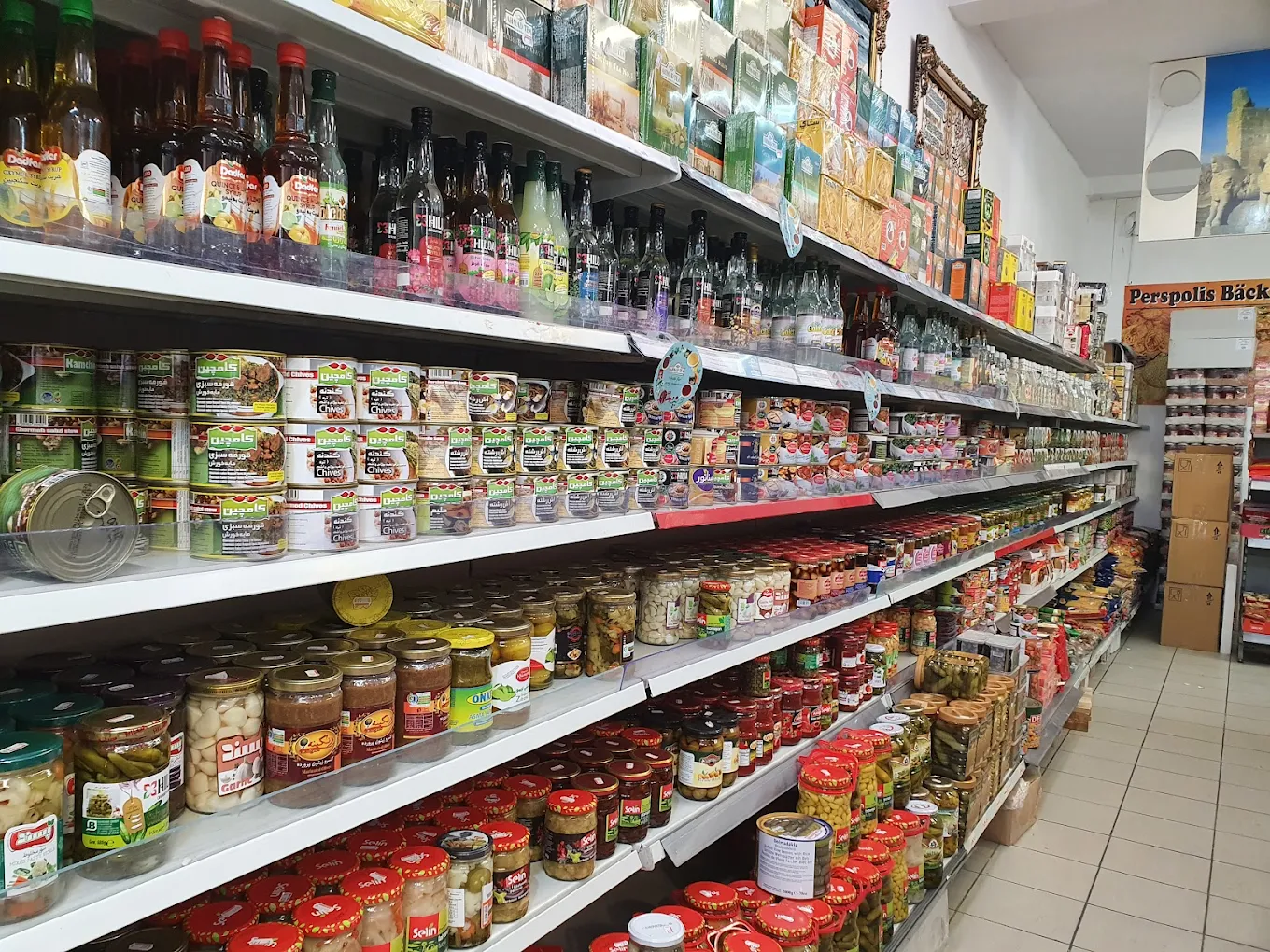
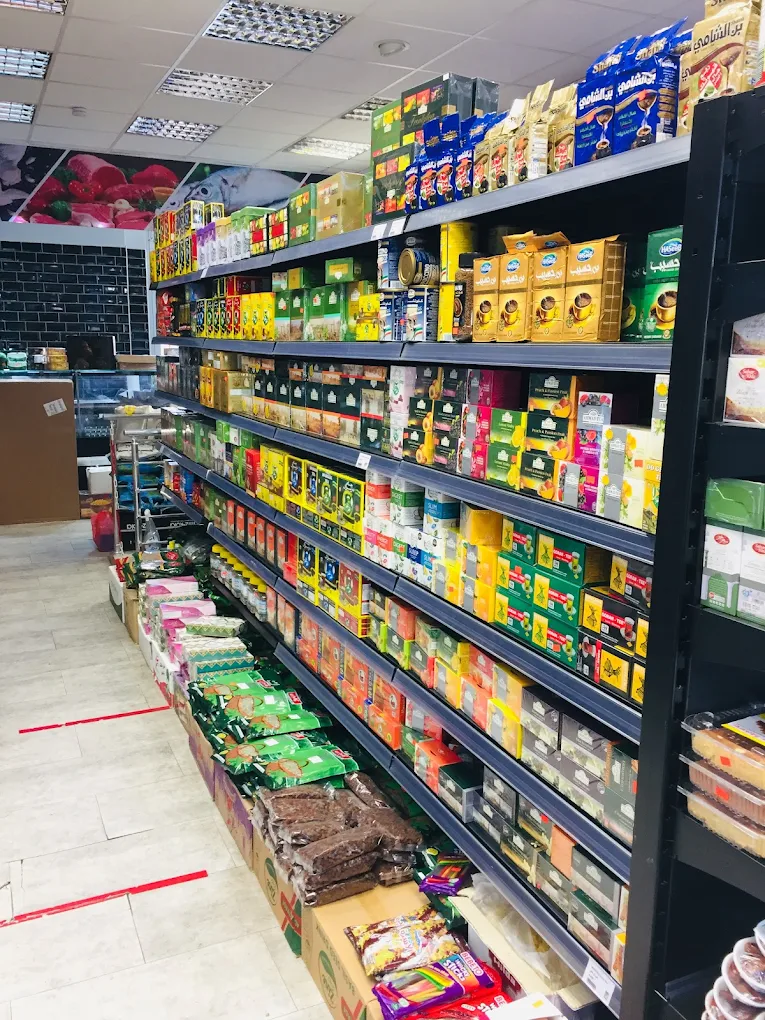
Perspolis supermarket is a large Persian supermarket where you can find any food products you need for your kitchen. There’s a small produce section in the front where you can buy some fruit, and the refrigerators in the back stock different kinds of meat. But that’s not all; you can buy many Persian snacks at the Perspolis supermarket. For instance, four shelves are dedicated to sour and tangy snacks like Lavashak and fruit rolls. Also, you can find some kitchen appliances, like pots, pans, and slow cookers, there. BTW, if you’re looking for Hookah (Ghleyoon) in Hamburg, Perspolis sells a variety of them in different designs.

Persienhaus Persische Spezialitäten
Business Description
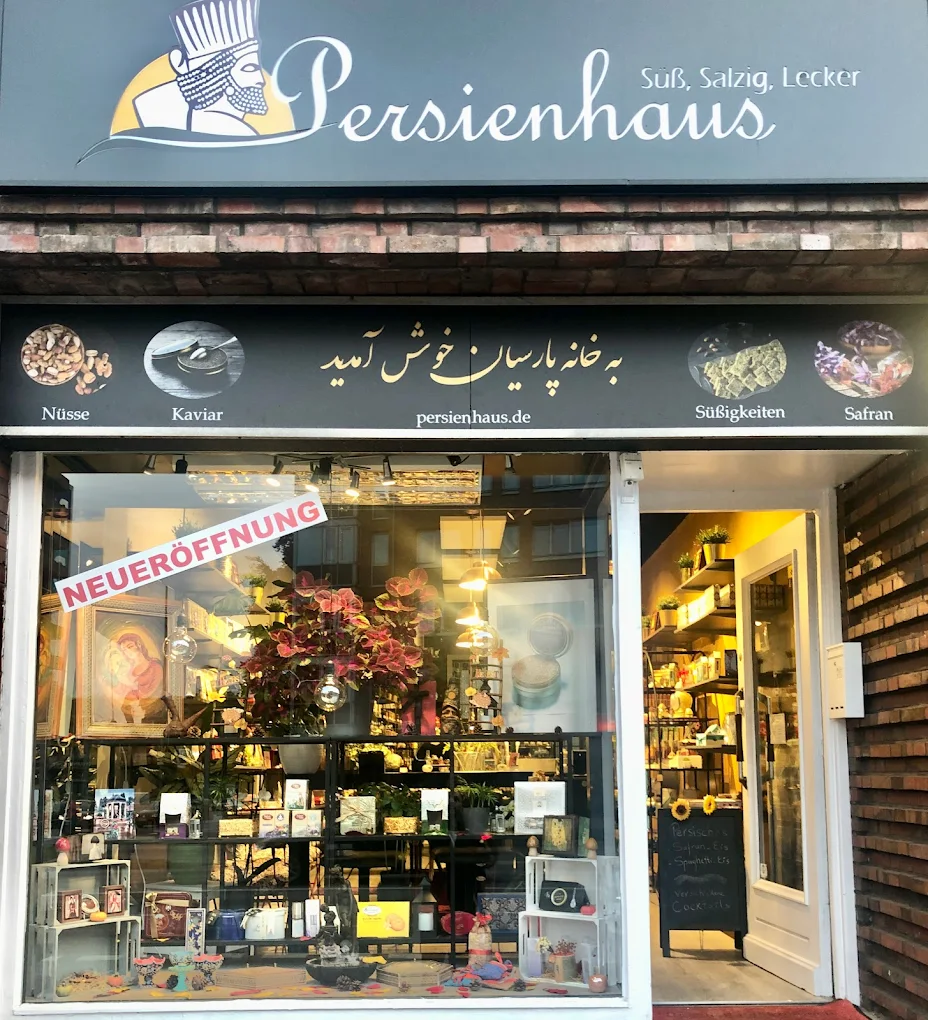
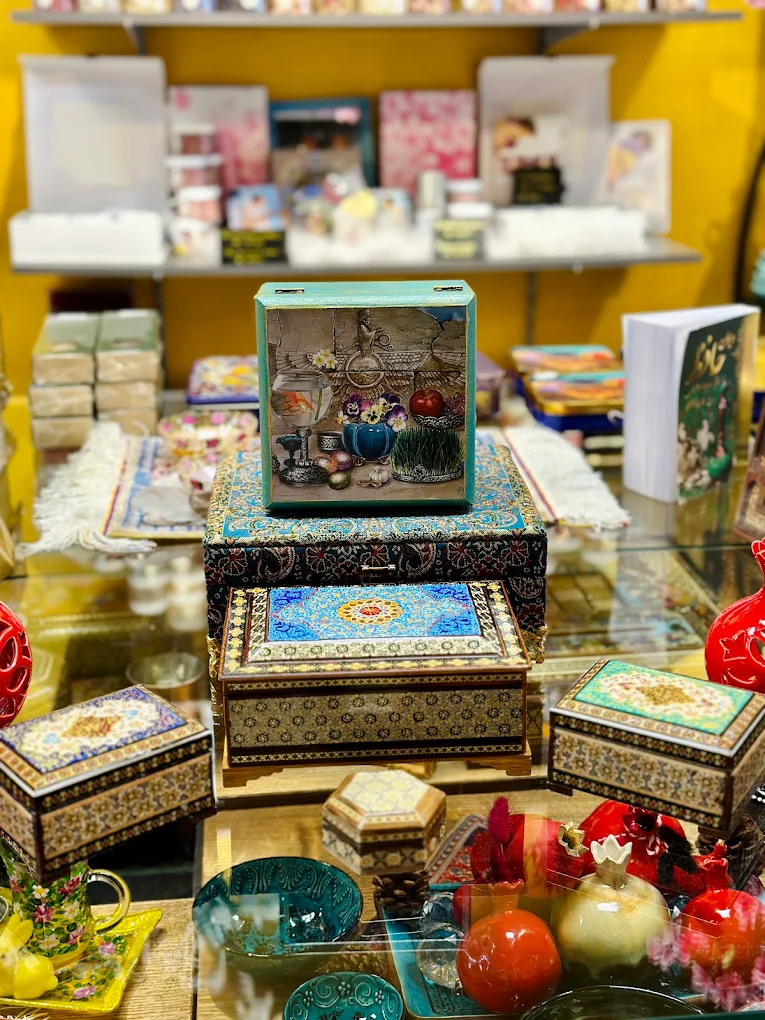
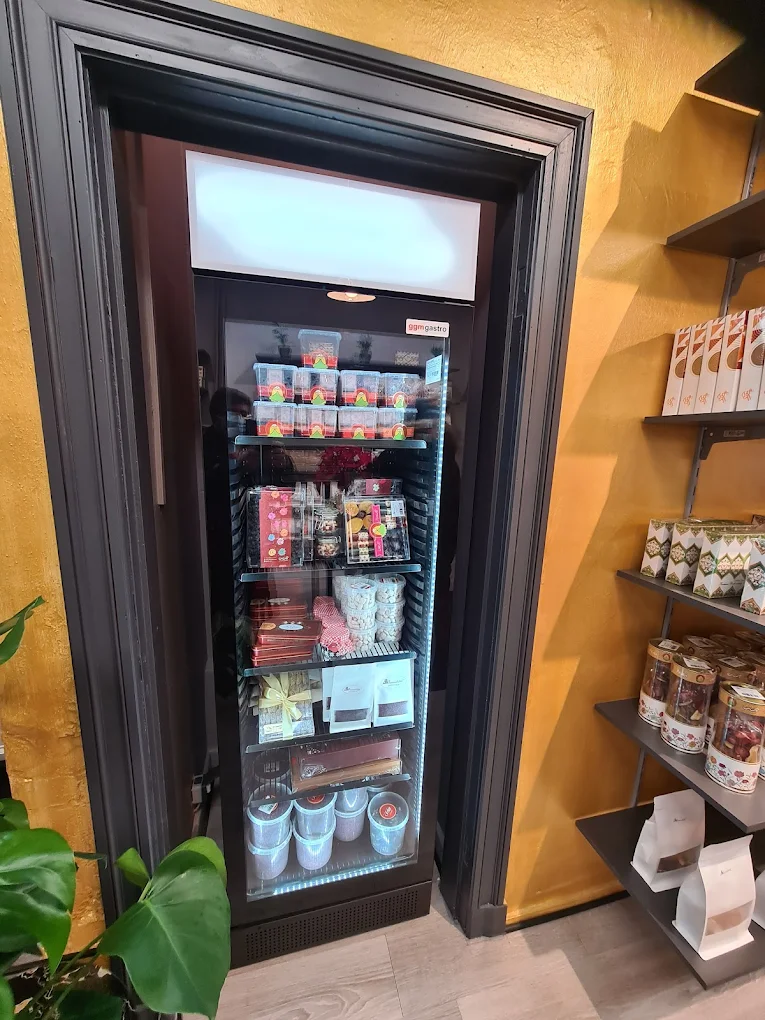
Step into Persienhaus in Lokstedt and you’re instantly transported to a Persian bazaar, brimming with vibrant colors and aromas that make your mouth water. Persuenhaus is a Persian specialty store where you can buy authentic Persian goods, including crafts, ingredients, nuts, snacks, and several others. What makes this specialty store stand out is the confectionery products made with authentic Persian ingredients like saffron. Also, for those who have a sour tooth, Persian Lavashak is in stock in several flavors. This is a great place if you want to surprise your non-Persian friends or colleagues with authentic Persian products.


Tamasha Persian specialties
Business Description
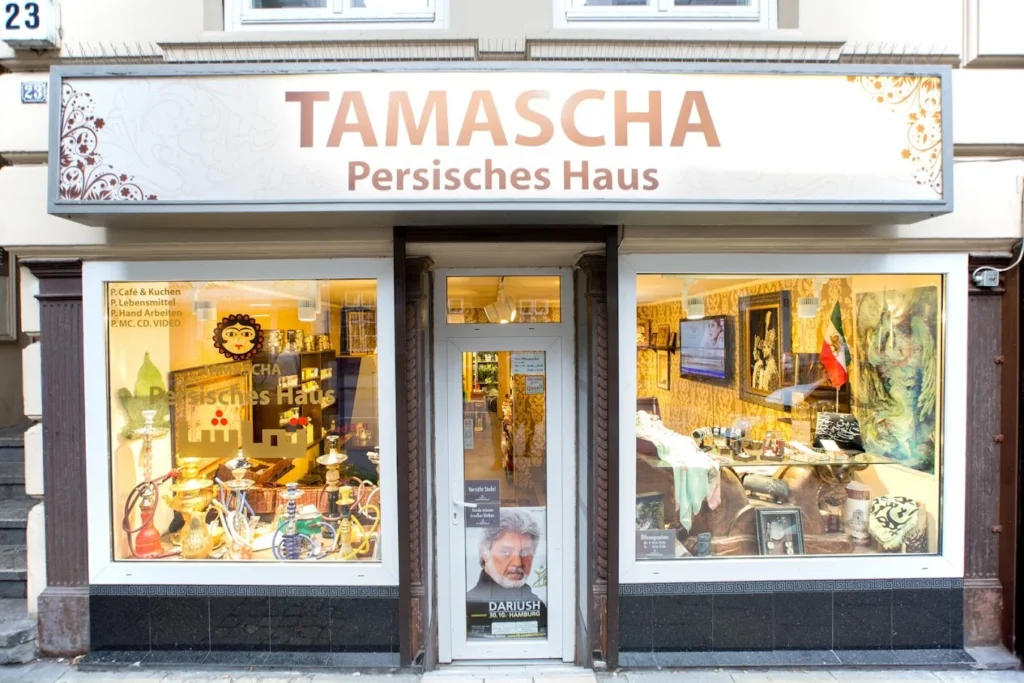
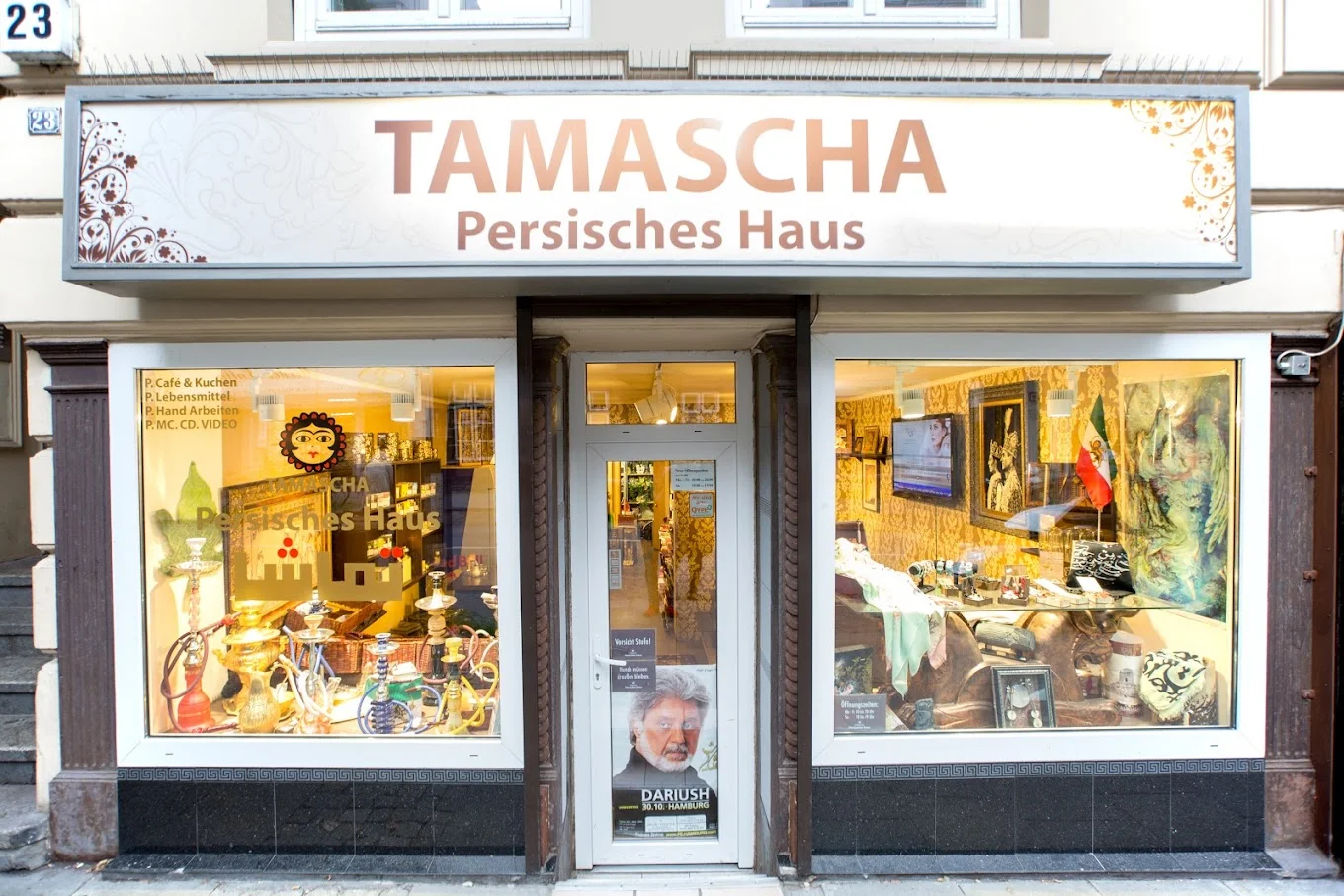
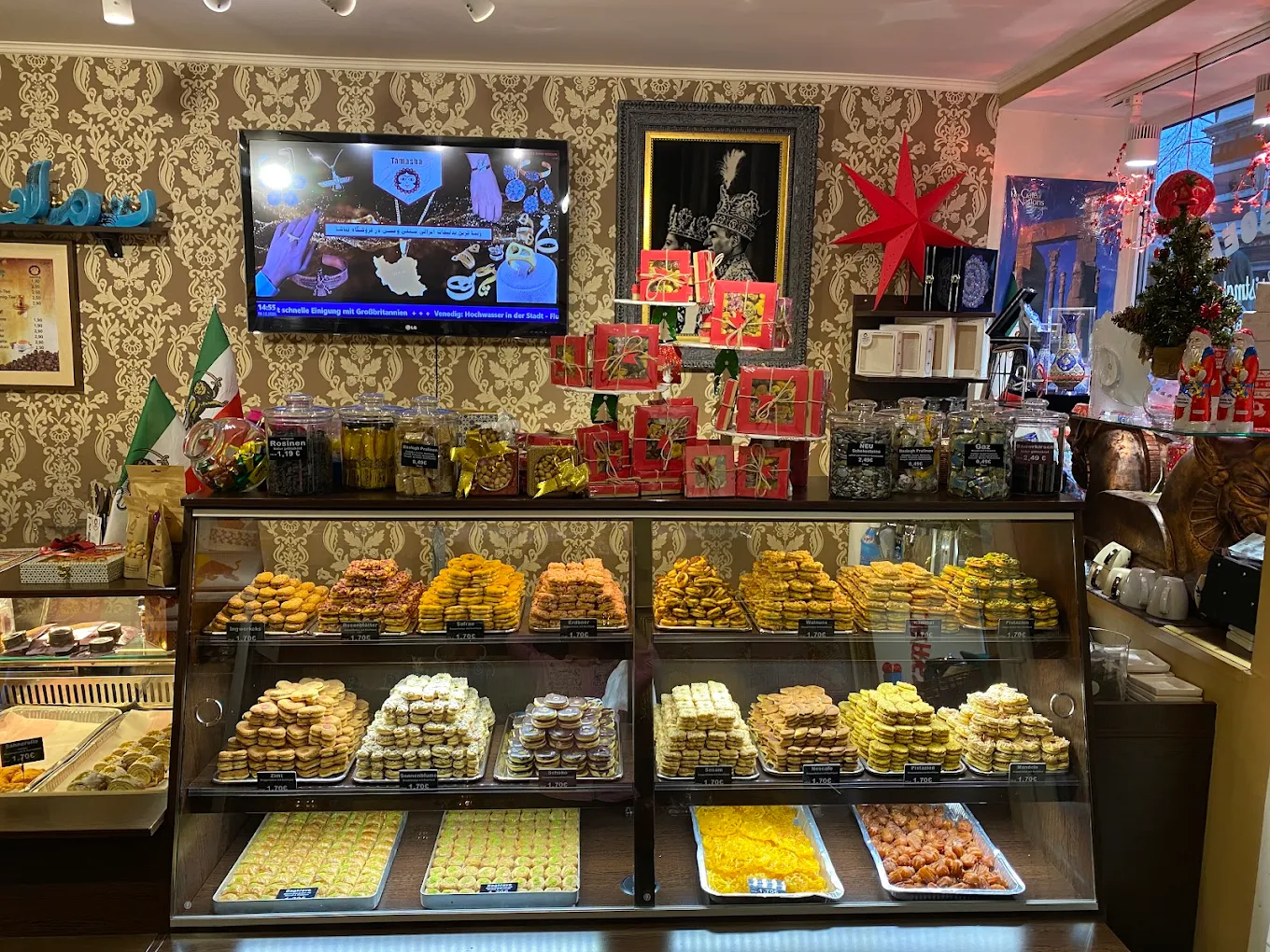
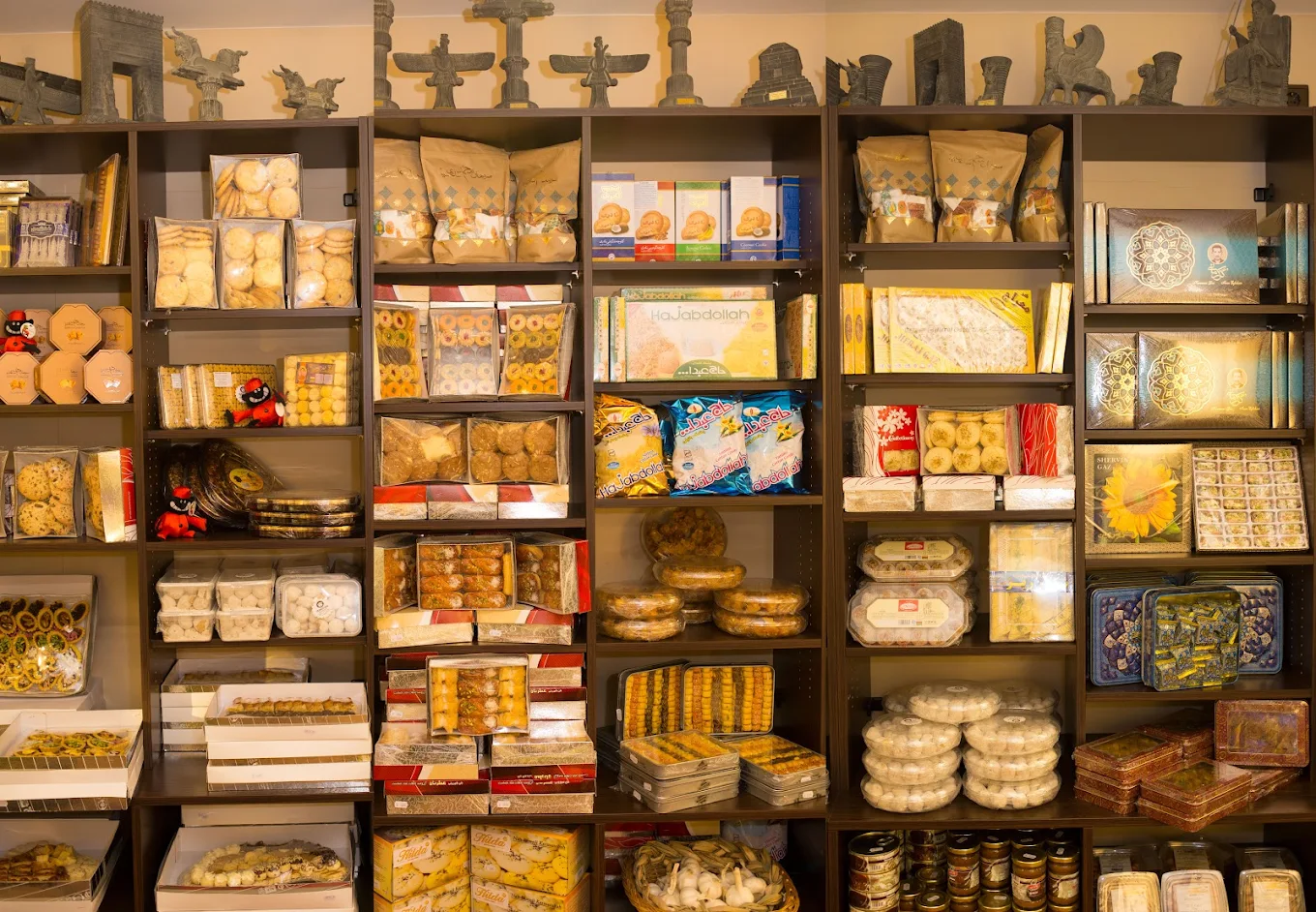
Tamsha, if not the oldest, is one of the oldest Persian bakeries in Hamburg. They have been baking since 1990 and have built a whole community around their name. The shop itself is described as beautiful, warm, and homely. You can find all sorts of Shirin Khoshk and Shirini Mashhadi in this pastry shop. Moreover, this is the best place to find fresh Gaz and Sohan. They also offer a wide selection of Persian specialties in their store. Thanks to the experience, Tamasha Persian specialties has its own online market that you can order from.
SANGAKI PAYTAKHT MARKET
Business Description
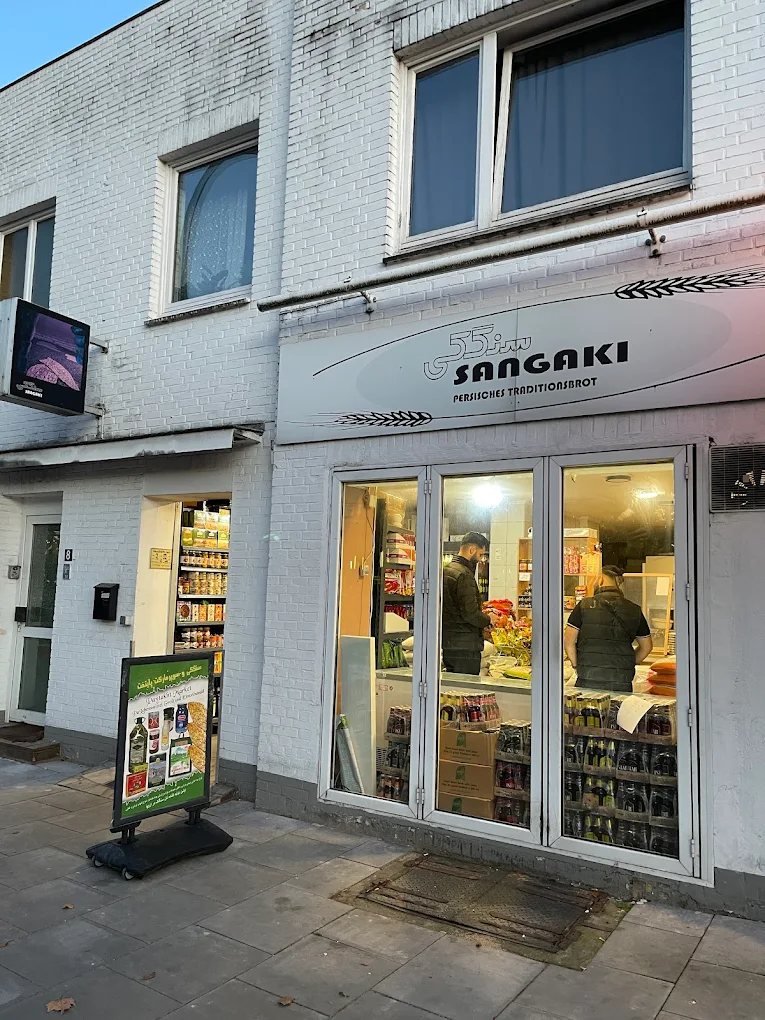
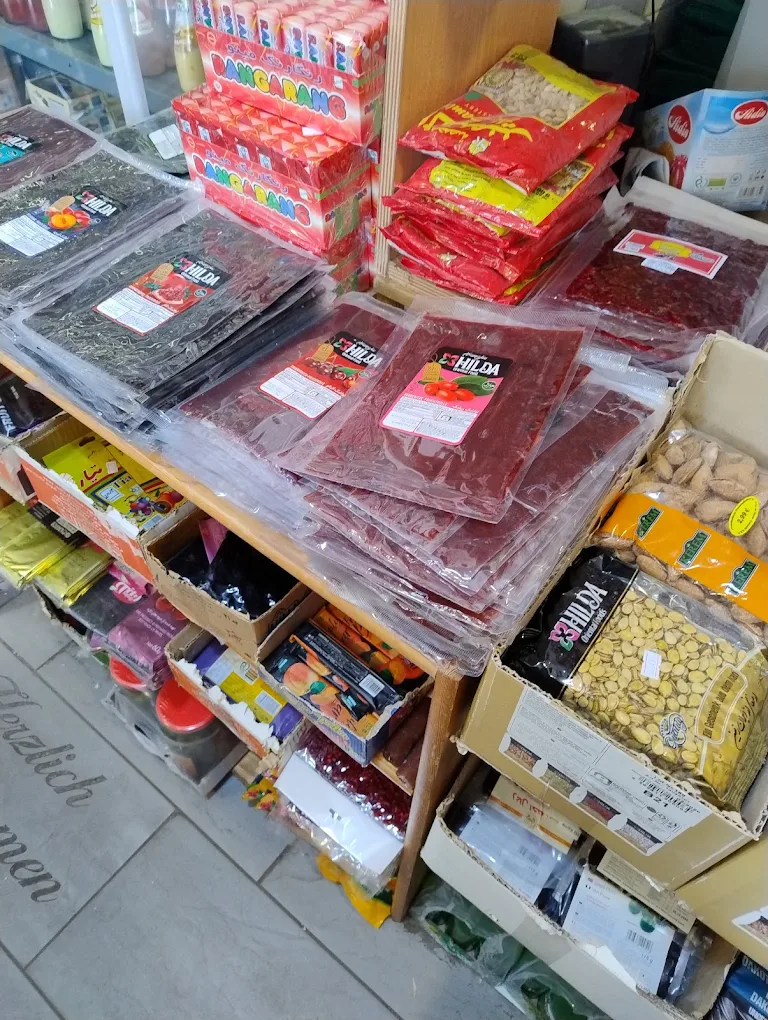
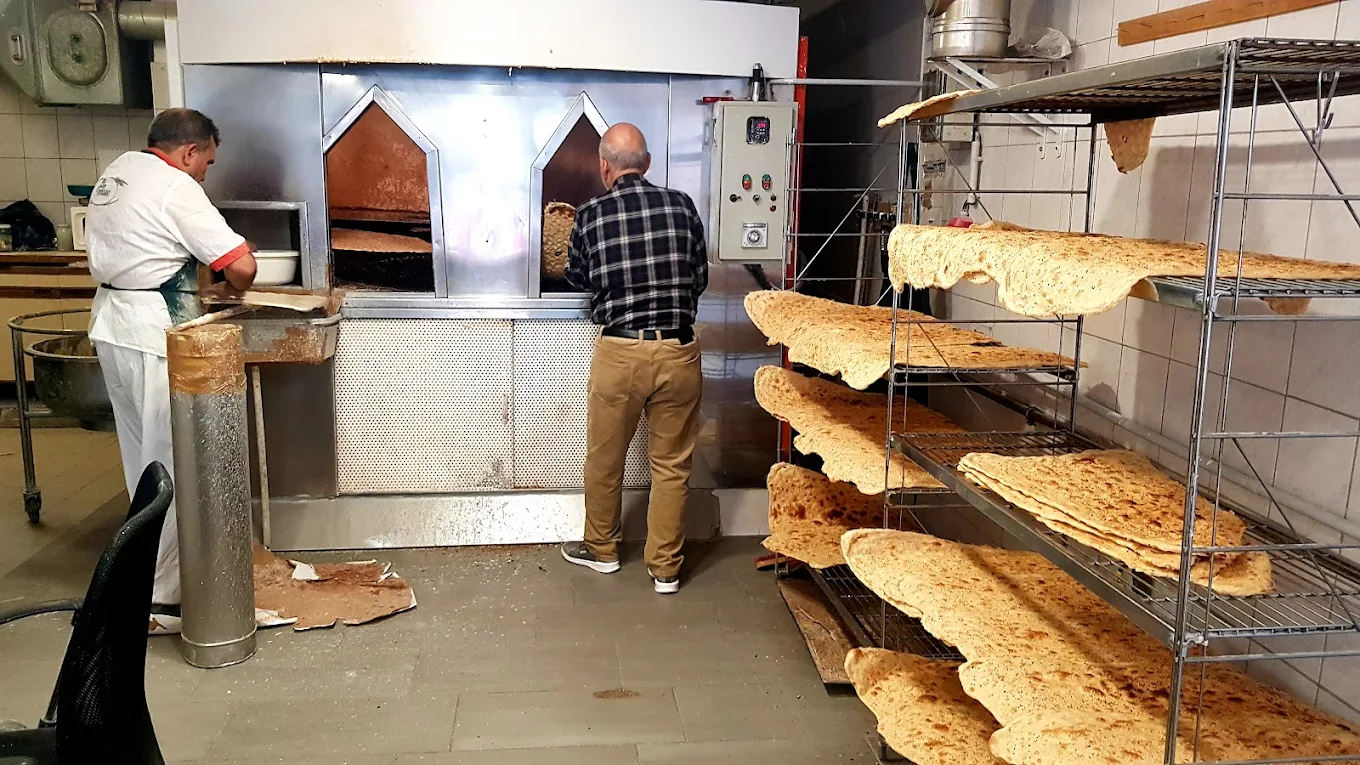
SANGAKI PAYTAKHT MARKET is more than just a bakery. Several products in this Sangaki bakery take you back to old grocery stores in Iran. Think Abali Doogh, Nadi cookies, Madar biscuits, Iranian rice and several more. Another thing this Persian shines for besides its fresh and hot Sangak bread is its variety of Lavashak fruit leaves. They sell Lavashak in more than 5 different flavors for those with a sour tooth. Make a trip to this modest Persian market and you’ll feel you’re where you belong.

Supermarkt Ahmadian – Lübecker Straße
Business Description
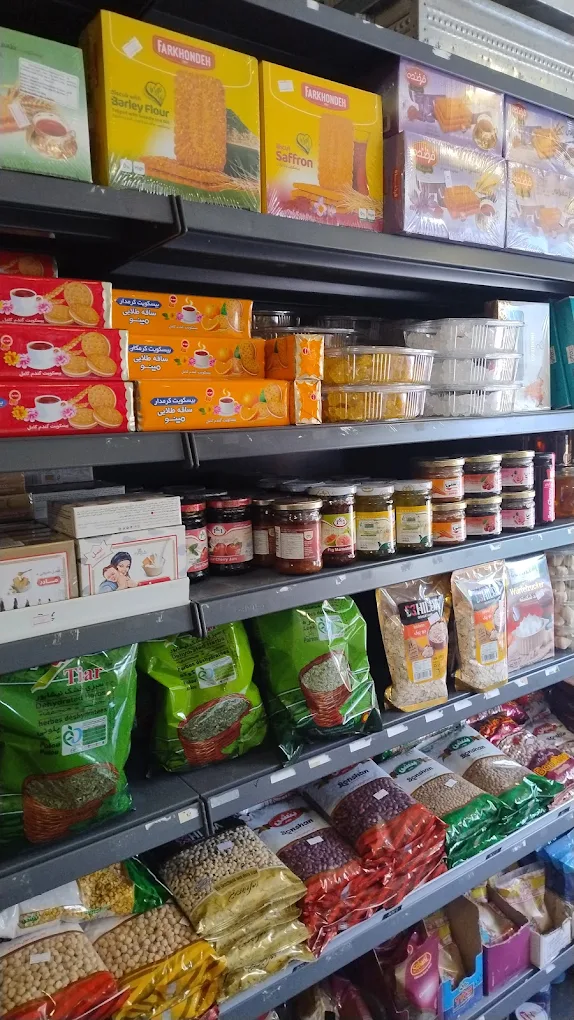
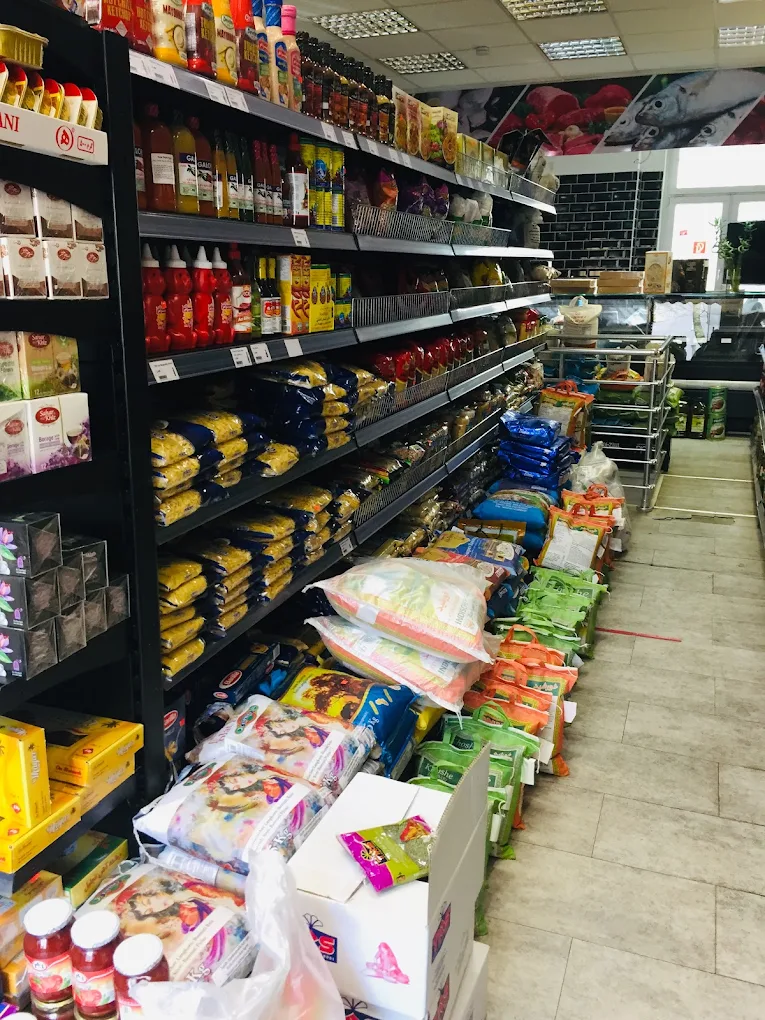
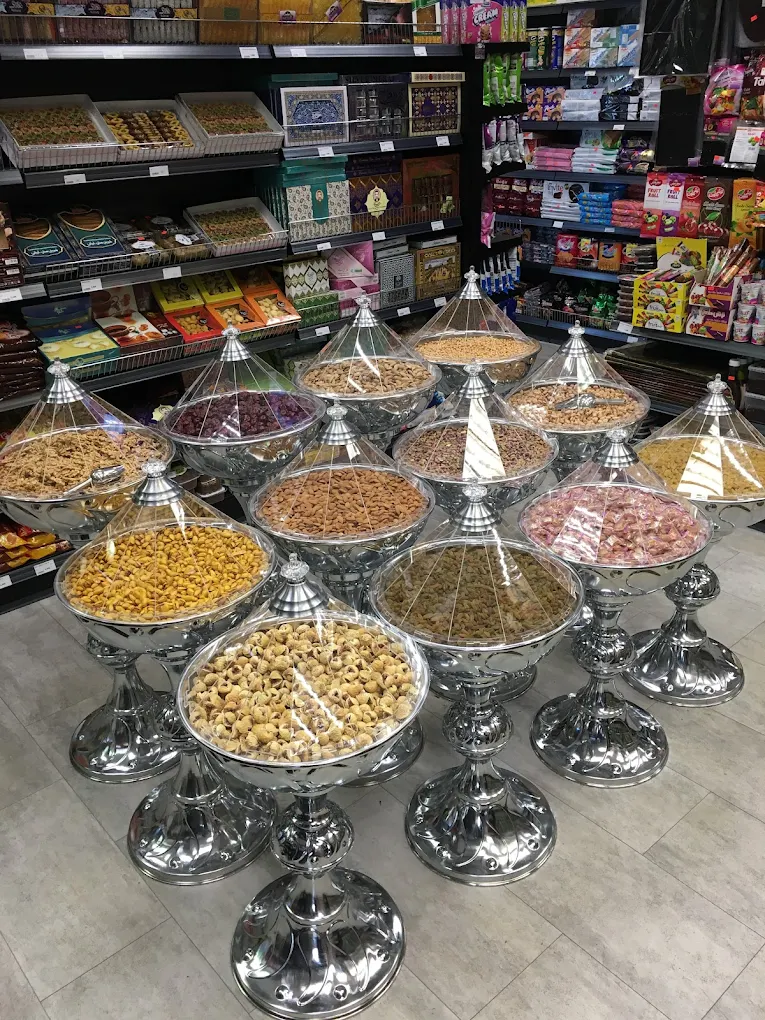
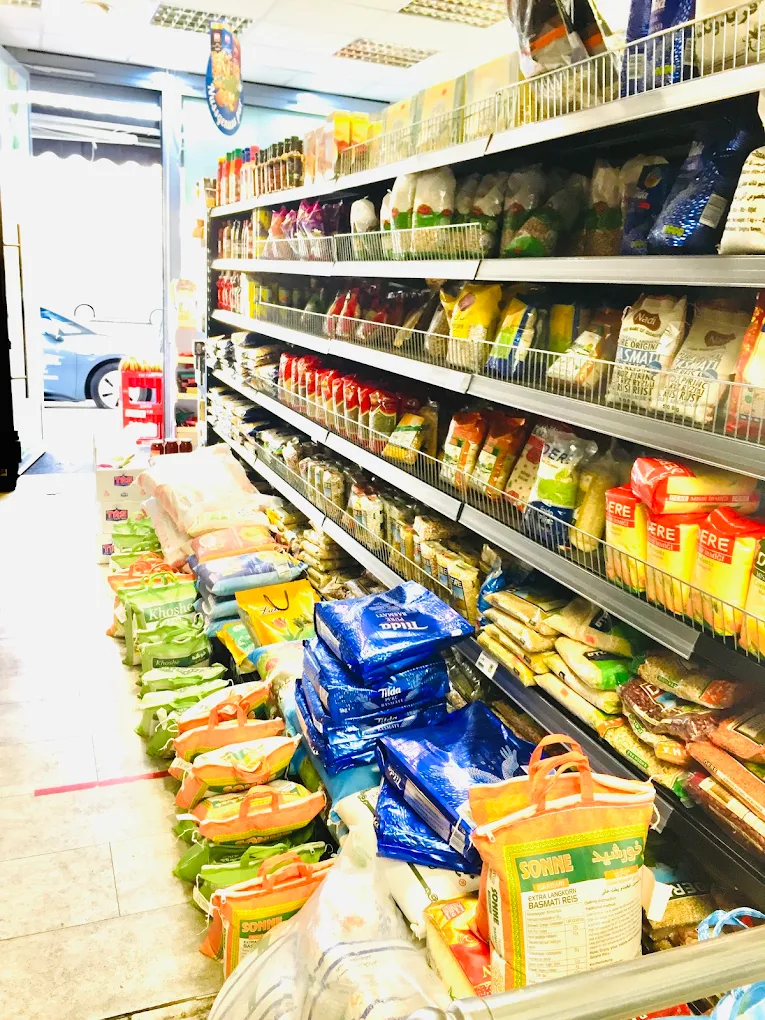
Looking for dried vegetables or original Persian basmati rice to cook an authentic Persian dish? Ahmadian supermarket on Lübecker Street is the place to go shopping. They sell a wide variety of Parisian food products and ingredients. Spices, beans, nuts, tea, and Persian snacks like Lavashak fruit leather are available in different flavors. This Persina supermarket is beloved for its central spot and vast array of oriental goodies that make meal prep a joy. Customers appreciate the no-fuss vibe and small talk with shopkeepers who know Persian and Arabic, in addition to German.
Where can I buy Persian Lavashak in Hamburg?
Persian Lavashak in Hamburg is readily available through a concentrated network of Iranian supermarkets and specialty ethnic food stores, primarily located in districts with a high density of the Persian diaspora. Finding authentic fruit leather requires visiting established retail hubs such as Wandsbek, Steindamm near the Hauptbahnhof, and parts of Altona, where Middle Eastern commerce is most vibrant. These locations serve as the primary access points for both imported premium brands and traditional, unpackaged varieties, ensuring that the root attribute of accessibility is met for the local community.
Which Persian supermarkets in Hamburg sell Lavashak?
The retail landscape for Iranian snacks in Hamburg is anchored by several large-scale Persian supermarkets that dedicate significant shelf space to confectionery and dried fruits. Major establishments such as Supermarkt Persepolis in the Steindamm area, Sahan Markt, and Kaspian Supermarkt are the most reliable sources for a diverse selection. These stores typically stock everything from industrial rolls to high-end artisanal pieces. Additionally, Aria Markt and Shiraz Supermarkt in the Wandsbek district provide consistent access to authentic Iranian fruit leather for residents in the eastern parts of the city. These supermarkets act as the primary distribution points, but the density of these shops varies significantly across different city zones.
Which areas in Hamburg have the most Lavashak shops?
The spatial distribution of Lavashak retailers in Hamburg follows the historical settlement patterns of the Iranian community, with the highest concentration found in the St. Georg and Wandsbek districts. Steindamm is recognized as the central corridor for Middle Eastern trade, offering the highest store proximity for those searching for ethnic snacks in a single walking trip. Wandsbek serves as a secondary hub, characterized by larger supermarkets that cater to weekly family shopping needs. While these central hubs offer the widest variety, many consumers also seek out smaller, local options closer to their own homes.
How do I locate Persian grocery stores near Hamburg’s residential areas?
Locating a Persian grocery store near specific residential quarters in Hamburg is most efficiently managed through digital business directories and location-based platforms. Utilizing a dedicated directory like Nazdikia allows users to filter Iranian businesses by city and service type, providing updated contact details and addresses for shops in 13 global cities, including Hamburg. By accessing such specialized platforms, residents can identify nearby retailers without traveling to the central hubs, ensuring quick access to their favorite sour treats. This ease of discovery is particularly important when searching for specific, high-quality varieties like homemade products.
Where can I find homemade Lavashak in Hamburg?
Homemade Lavashak in Hamburg represents the pinnacle of authenticity, often produced using traditional Iranian methods that prioritize pure fruit pulp over industrial additives. Unlike mass-produced versions, artisanal fruit leather is frequently found in smaller Persian delis or specialized confectionery shops where the focus is on small-batch quality and regional recipes. These products are distinguished by their irregular shapes, varying thicknesses, and the absence of artificial glazes, appealing to consumers who value the cultural heritage of Persian gastronomy. Finding these unique items often involves exploring the diverse inventory of traditional fruit leather varieties available in the market.
What types of traditional Persian fruit leather are sold in Hamburg?
Traditional Persian fruit leather in Hamburg is generally categorized by its moisture content and the specific fruits used in the simmering process. Consumers can typically find three distinct formats:
- Thin-Sheet Lavashak: The most common form, often translucent and highly pliable, ideal for layering.
- Double-Layered Rolls: Often stuffed with chopped dried fruits or soaked in fruit molasses for added texture.
- Pulp-Rich Blocks: Thicker, denser varieties that retain more of the original fruit fiber and offer a more substantial chew.
Understanding these physical formats helps in choosing the right product, though the flavor profile remains the most significant factor for most buyers.
What flavors of Lavashak can I find in Hamburg?
The flavor spectrum of Lavashak in Hamburg ranges from intensely sour to pleasantly tart, reflecting the seasonal availability of Iranian fruits. The most authentic profiles include Albaloo (sour cherry), Zoghal Akhteh (cornelian cherry), and Holo (peach) for those who prefer a milder, sweeter undertone. During the summer months, shops may also carry varieties made from green plums (Goje Sabz), which provide an unmatched level of acidity prized by connoisseurs. While a wide array of mixed fruit flavors exists, certain classic tastes remain the most sought-after by the local community.
Where to find sour pomegranate Lavashak in Hamburg?
Sour pomegranate Lavashak is the most requested variety in Hamburg’s Iranian stores due to its iconic deep red color and balanced astringency. Most premium Persian supermarkets in the Altona and Wandsbek districts keep this specific flavor in constant supply, often sourcing it from reputable Malayeri producers. To find the highest quality pomegranate leather, shoppers should look for products that list concentrated pomegranate juice or arils as the primary ingredient, ensuring a sharp, authentic taste. Finding the right flavor is only the first step, as discerning shoppers also look for signs of overall product excellence.
What is the best Lavashak in Hamburg?
The best Lavashak in Hamburg is defined by its purity of ingredients, the absence of excessive citric acid, and a supple texture that indicates freshness. High-quality fruit leather should possess a natural aroma of the fruit it was derived from and a consistent color that hasn’t darkened due to over-oxidation or poor storage. Evaluating “premium” status involves checking for transparency in the sheet and a lack of sandy residue, which can sometimes occur in lower-quality traditional drying processes. To ensure a superior purchase, consumers should follow specific selection criteria:
- Ingredient Transparency: Preference for 100% fruit content without added flour or thickeners.
- Texture Pliability: The leather should be flexible and not brittle or overly sticky.
- Source Authenticity: Products imported from known Iranian regions like Maragheh or Malayer often carry higher prestige.
- Packaging Integrity: Vacuum-sealed or properly wrapped sheets that protect the product from Hamburg’s humidity.
Identifying these traits is easier when you know exactly what to look for on the labels and in the store displays.
How can I identify high-quality authentic Lavashak in Hamburg?
Identifying high-quality Lavashak requires a technical assessment of its physical properties and ingredient list. Authentic Persian fruit leather should have a matte to semi-glossy finish; an overly shiny surface often indicates the addition of paraffin or excessive glucose syrup. When held up to light, the sheet should show a uniform distribution of fruit fibers without large air bubbles or foreign particles. Furthermore, the scent should be immediately recognizable as fermented or dried fruit rather than chemicals. This level of quality is most frequently found among the market’s most established and trusted brands.
What are the most popular Lavashak brands found in Hamburg?
The Hamburg market features a mix of well-known industrial brands and smaller, boutique labels that have gained a loyal following among the diaspora. Brands such as Takdis and Shams are frequently stocked due to their consistent quality and standardized packaging, making them a safe choice for many. However, for those seeking a more traditional experience, unbranded “Khomegi” (homemade) style packs from local Iranian bakeries in Hamburg are often considered superior in flavor. These popular choices set the standard for what consumers expect, but community trust often points toward specific retailers.
Which Iranian stores in Hamburg have the best reviews for Lavashak?
Consumer feedback and community ratings on platforms like Nazdikia highlight specific stores that excel in freshness and variety. Retailers in the Steindamm area often receive high praise for their high turnover rates, which ensures that the Lavashak on the shelves hasn’t been sitting for extended periods. User reviews frequently mention the helpfulness of staff in describing the sourness levels of different batches, which is a key trust signal for the Iranian community. Beyond quality and reviews, the practical aspect of cost and accessibility remains a deciding factor for many shoppers.
What is the price of Lavashak in Hamburg?
The price of Lavashak in Hamburg is influenced by its production method, fruit rarity, and whether it is an imported brand or locally made. On average, industrial packaged fruit leather is more affordable, while artisanal, pure pomegranate or cornelian cherry varieties command a higher price point due to the labor-intensive drying process and import logistics from Iran. Prices are typically calculated per pack for branded items, whereas traditional shops often sell the product by weight, allowing for more flexible purchasing. To navigate the market effectively, buyers should consider the following cost factors:
- Import Duties: Prices fluctuate based on the cost of shipping specialty goods from the Middle East.
- Fruit Type: Apricot-based leathers are generally cheaper than those made from premium berries or pomegranates.
- Retail Location: Stores in high-rent districts like the city center may have slightly higher markups.
Comparing these prices across different neighborhoods can lead to significant savings for frequent buyers.
How does the cost of Lavashak in Hamburg compare between shops?
Price variance for Lavashak in Hamburg is most noticeable when comparing large supermarkets to smaller specialty boutiques. Large Iranian grocers in Wandsbek often offer competitive pricing on bulk-buy industrial rolls, whereas artisanal shops in the city center may charge a premium for “exclusive” or sugar-free varieties. On average, a standard 100g pack may vary by 20% to 30% depending on the store’s overhead and the specific brand’s market positioning. For those who cannot visit these shops in person, delivery services offer an alternative, albeit often at a higher total cost.
Which shops offer Lavashak delivery in Hamburg?
Several Persian supermarkets in Hamburg have integrated with local delivery apps or maintain their own online storefronts to serve the wider metropolitan area. Online ordering is particularly prevalent among larger retailers who ship shelf-stable goods across Germany, providing an essential service for those living outside the main Iranian hubs. While delivery fees apply, the convenience of having authentic Persian snacks delivered to one’s doorstep is a significant benefit for the busy diaspora. This digital accessibility also makes it easier to coordinate large-scale purchases for events or family gatherings.
How to buy bulk Lavashak in Hamburg?
Buying Lavashak in bulk is a common practice for Iranian families in Hamburg, particularly before cultural celebrations like Yalda or Nowruz. To secure wholesale pricing or “per kilo” rates, shoppers should visit the larger distributors in the Billbrook or Wandsbek industrial zones, where bulk imports are processed.
- Identify a wholesaler or large-scale Persian supermarket.
- Inquire about “Falleh” (bulk/unpackaged) options usually kept in large containers.
- Check for discounts on full cartons of branded rolls.
Purchasing in bulk is often the best way to ensure value for money, especially when comparing these traditional treats to local German alternatives.
How does Lavashak compare to other fruit snacks in Hamburg?
Lavashak occupies a unique niche in the Hamburg snack market, standing apart from local German “Fruchtleder” or industrial fruit gums due to its intense acidity and traditional sun-dried processing. While many Western fruit snacks are marketed as sweet treats for children, Persian Lavashak is a sophisticated, sour culinary item enjoyed by all ages, often serving as a palate cleanser or a healthy alternative to processed candy. Understanding the boundaries between these products helps consumers appreciate the cultural and nutritional value of authentic Persian varieties.
Decision Matrix for Fruit Snacks in Hamburg
|
Feature |
Persian Lavashak | German Fruchtleder | Turkish Pestil |
Industrial Fruit Gums |
| Primary Ingredient | 100% Fruit Pulp/Puree | Mixed Organic Fruits | Grape/Mulberry/Nut | Sugar/Gelatin/Juice |
| Flavor Profile | Intense Sour/Tart | Mildly Sweet/Natural | Sweet & Nutty | Artificial Sweet |
| Texture | Thin, chewy, pliable | Thick, leathery | Dense, often coated | Soft, rubbery |
| Preservation | Sun-dried (Traditional) | Dehydrated (Low Temp) | Air-dried with starch | Chemical Preservatives |
What is the difference between Lavashak and fruit leather in Hamburg?
The primary difference between Persian Lavashak and generic fruit leather sold in Hamburg’s health food stores lies in the flavor intent and the thickening agents used. German fruit leather is typically aimed at the “bio” market, focusing on natural sweetness and a thick, uniform texture achieved through low-temperature dehydration. Lavashak, conversely, is intentionally fermented and dried to achieve a sharp sourness, often using traditional acidifiers like lemon juice or barberry water to enhance the profile. This distinction is vital for those seeking a specific taste experience.
What distinguishes Persian Lavashak from other regional fruit leather in Hamburg?
Beyond the German varieties, Hamburg’s international markets also stock Turkish and Arabic fruit leathers, which differ from the Persian version in their use of additives. Turkish “Pestil” frequently incorporates nuts like walnuts or hazelnuts and uses starch to create a thicker, more opaque sheet. Persian Lavashak remains focused on the purity of the fruit pulp alone, rarely featuring nuts or starches, which results in a more concentrated fruit flavor and a thinner, more flexible sheet. These regional differences reflect the diverse culinary heritages found within Hamburg’s Middle Eastern districts.
What is the difference between industrial and traditional Lavashak in Hamburg?
In the Hamburg retail environment, the contrast between industrial and traditional Lavashak is mostly seen in the texture and the ingredient label. Industrial versions often contain added citric acid and food coloring to maintain a consistent look and a longer shelf life, resulting in a very smooth, standardized sheet. Traditional Lavashak, often found in Iranian specialty shops, may have a more “rustic” appearance with visible fruit fibers and a more complex, naturally fermented sourness that evolves over time. These differences in production lead to a variety of choices for the health-conscious consumer.