
Finding real Noon Sangak in Hamburg can be a little overwhelming. If you’ve moved here from Iran or from cities like London, Toronto, or Los Angeles, you already know how difficult it is to replace the comfort of that long, warm, stone-baked bread we grew up with. No need to worry, though! Nazdikia has already searched for Sangak bread in Hamburg and created this guide for you.
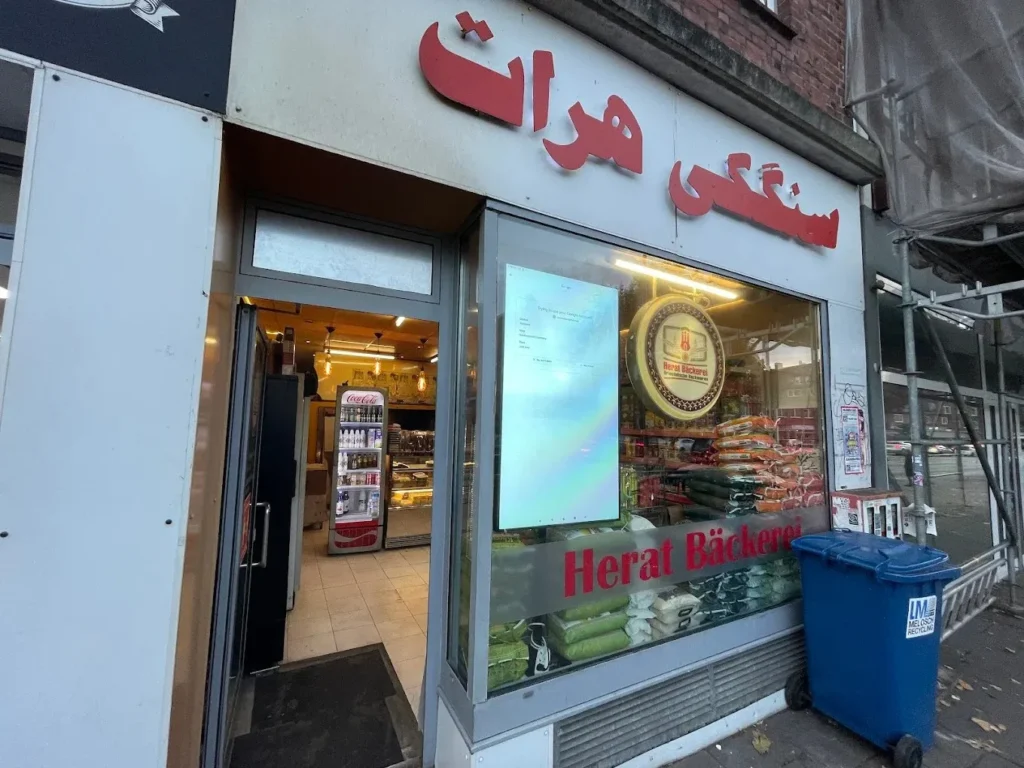
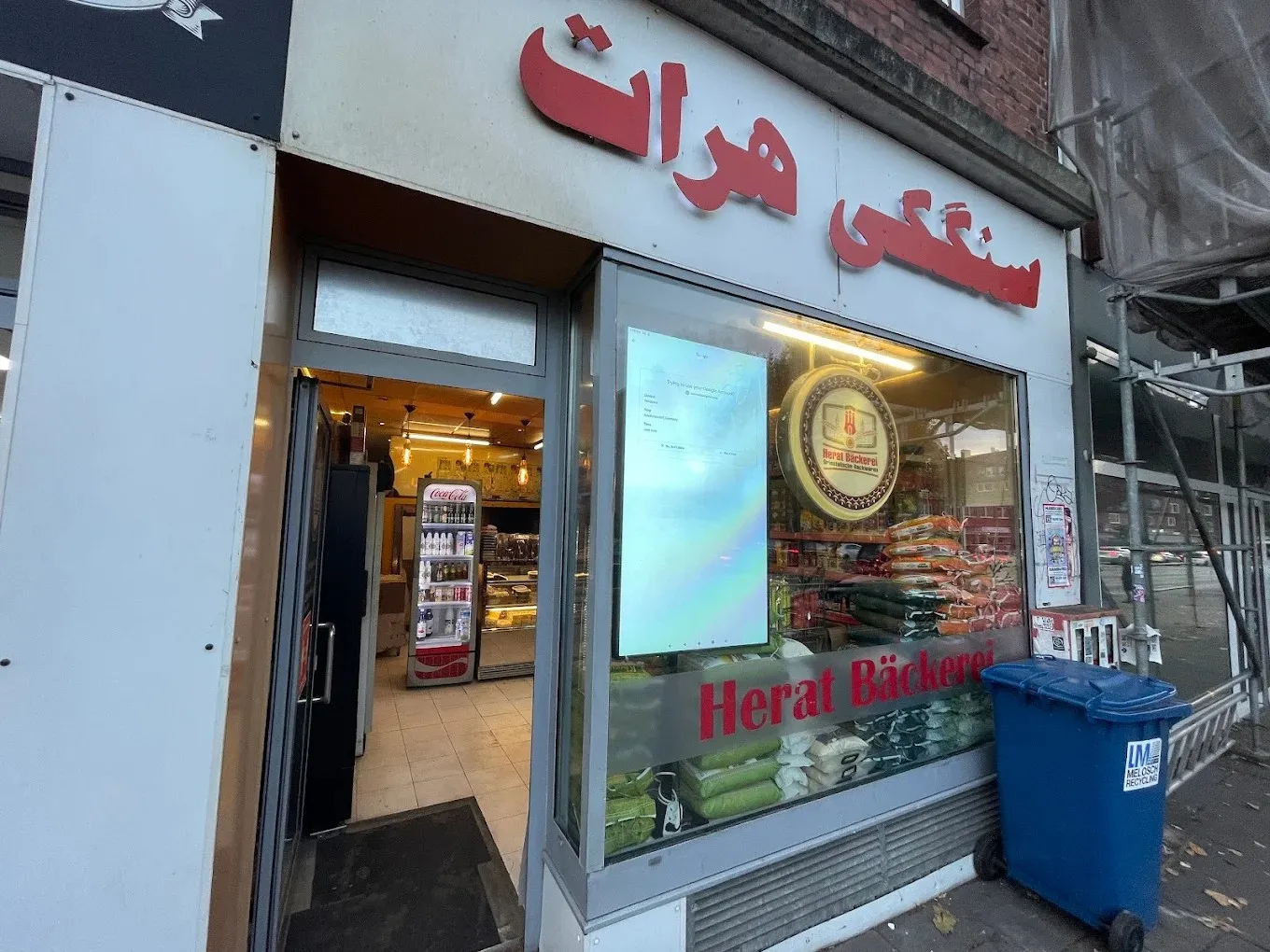
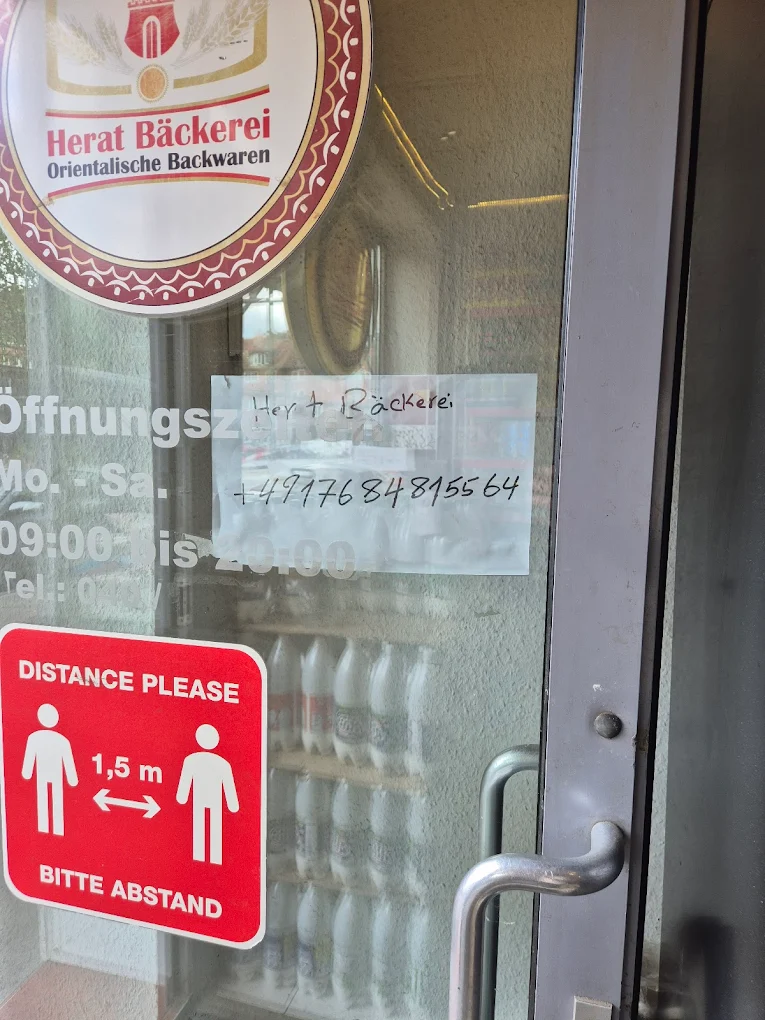
Herat Bäckerei – Wandsbeker Chaussee
Business Description
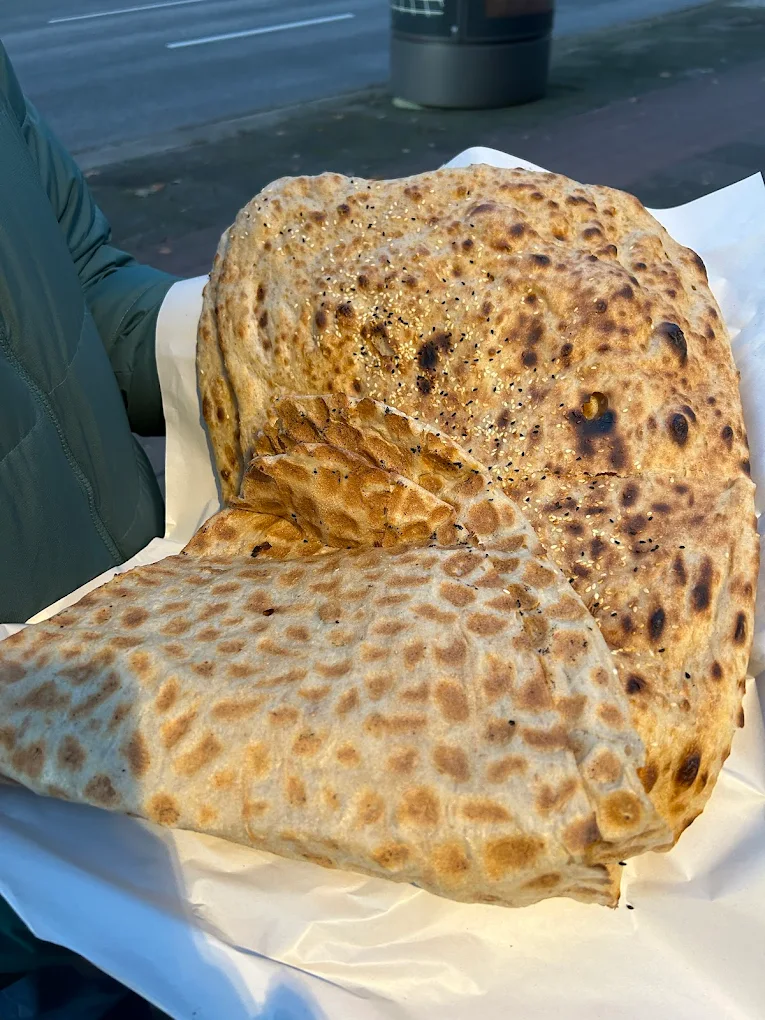
Herat Bäckerei is another lovely bakery that bakes both Iranian and Afghan bread. The bakery is a family-run business with over 100 years of baking experience, using traditional methods, including a patented oven, to produce “delicious” and high-quality products. You can find Sangak and Naan in this bakery. The atmosphere is described as nostalgic and authentic.

Baastan Sangak – Fuhlsbüttler Str
Business Description
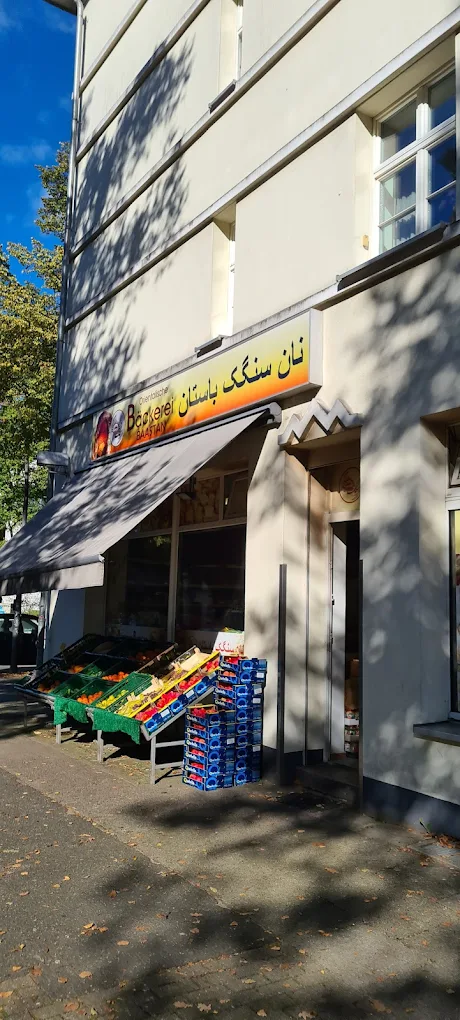
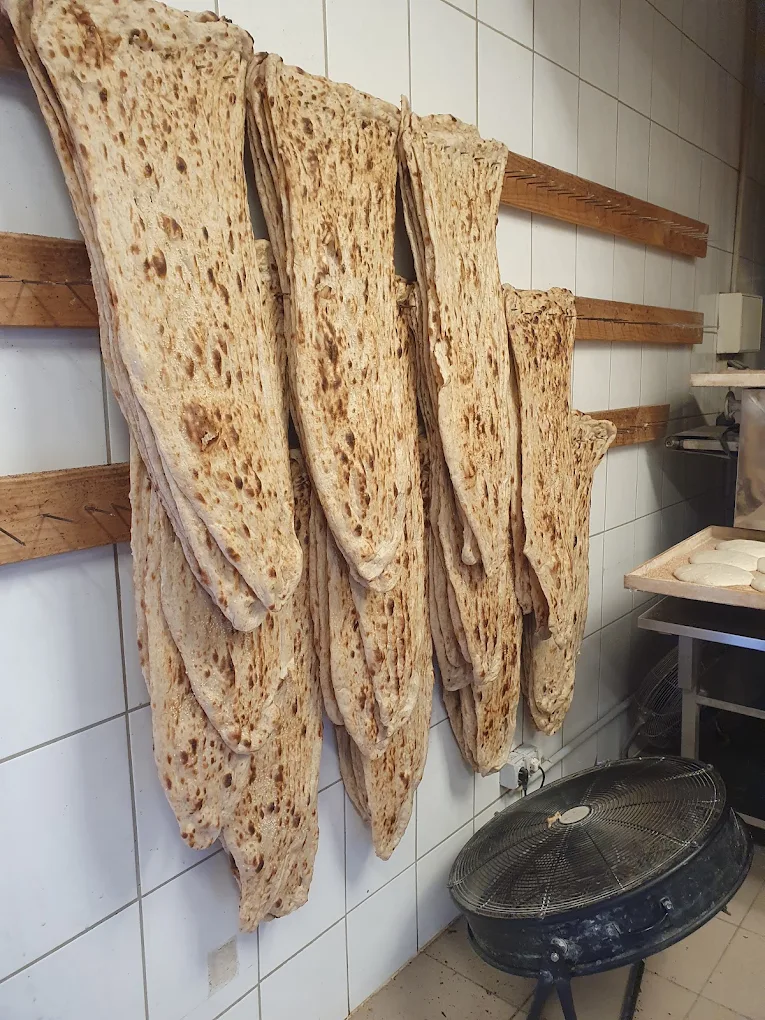
Baastan Sangak is another Persian bakery for Sangak lovers. They bake their Sangak traditionally on a hot river of stones. The bakery is known for the quality and the freshness of its breads. Customers describe Baastan Sangak’s atmosphere as warm and welcoming, highlighting their staff and the whole nostalgic look of the bakery.
Sangaki Paytakht Market – Pappelallee
Business Description
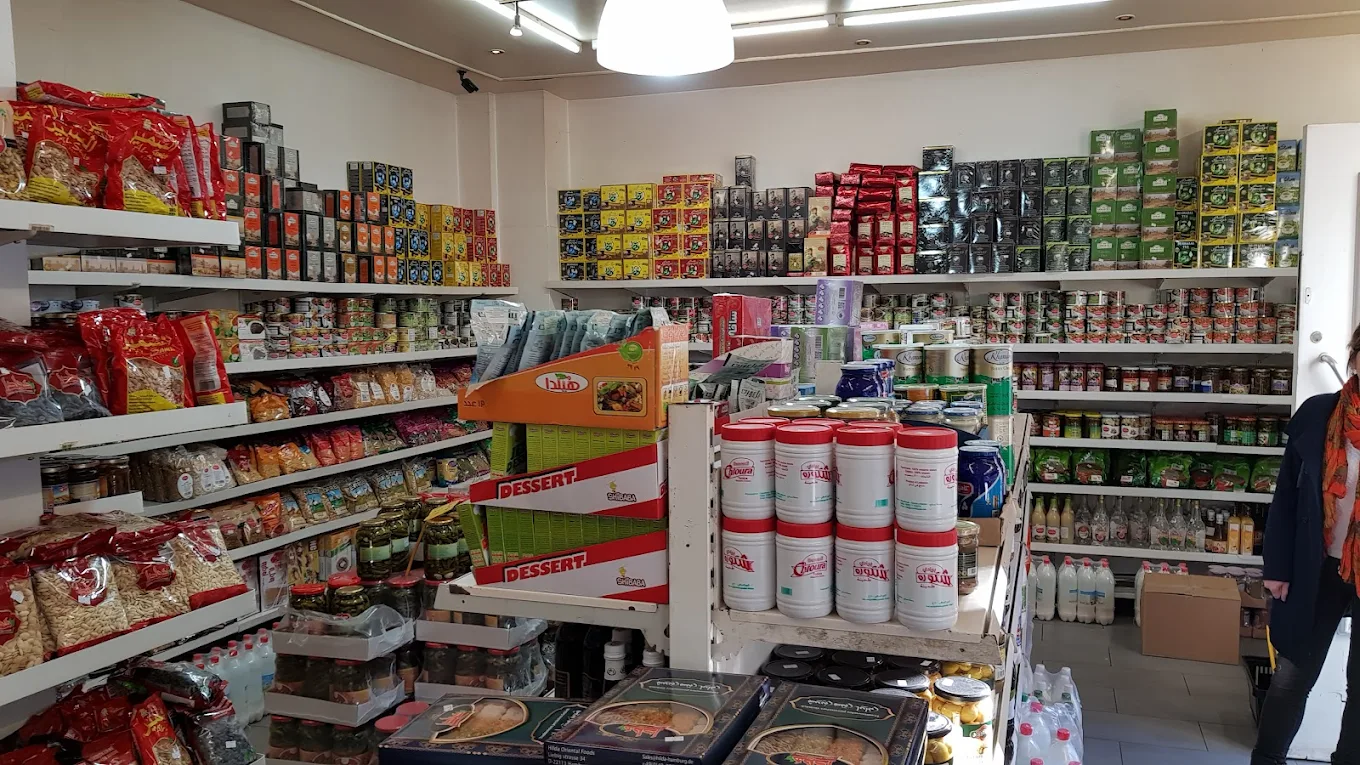
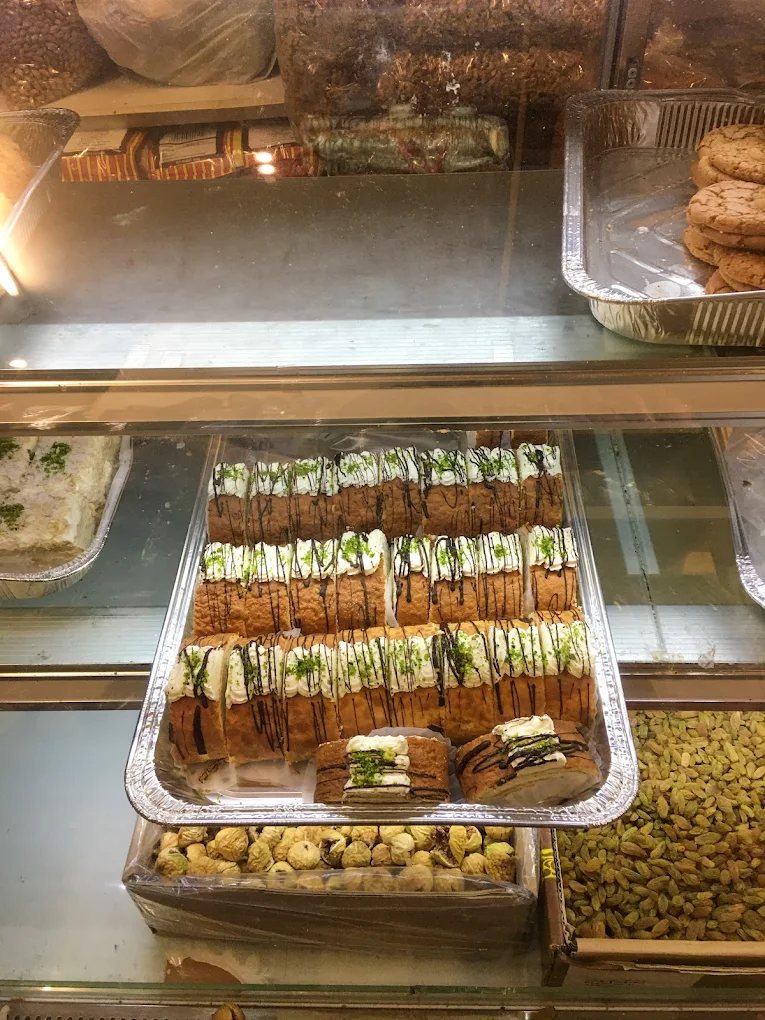
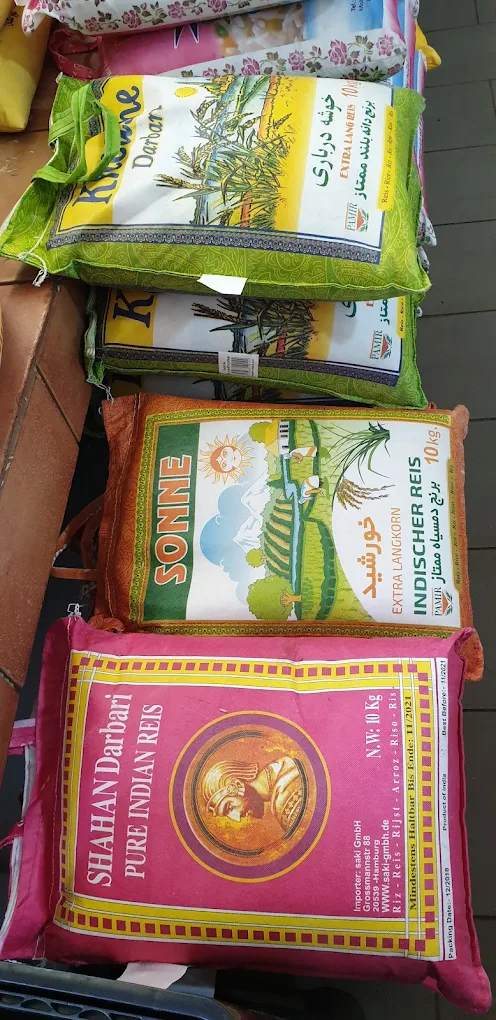
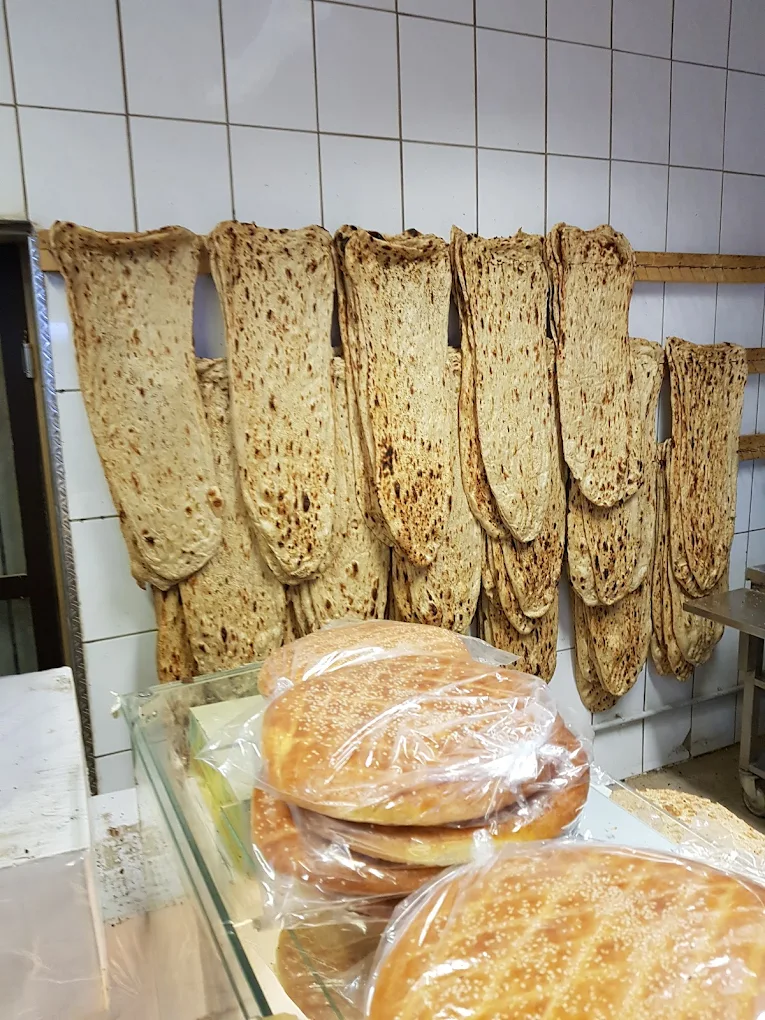
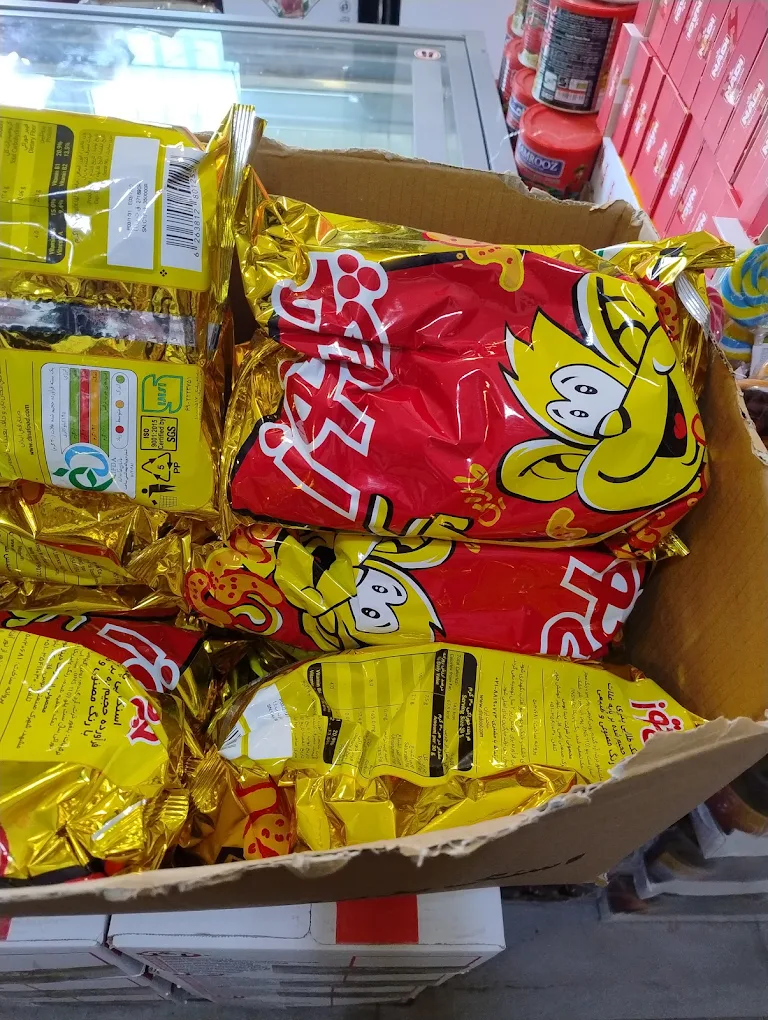
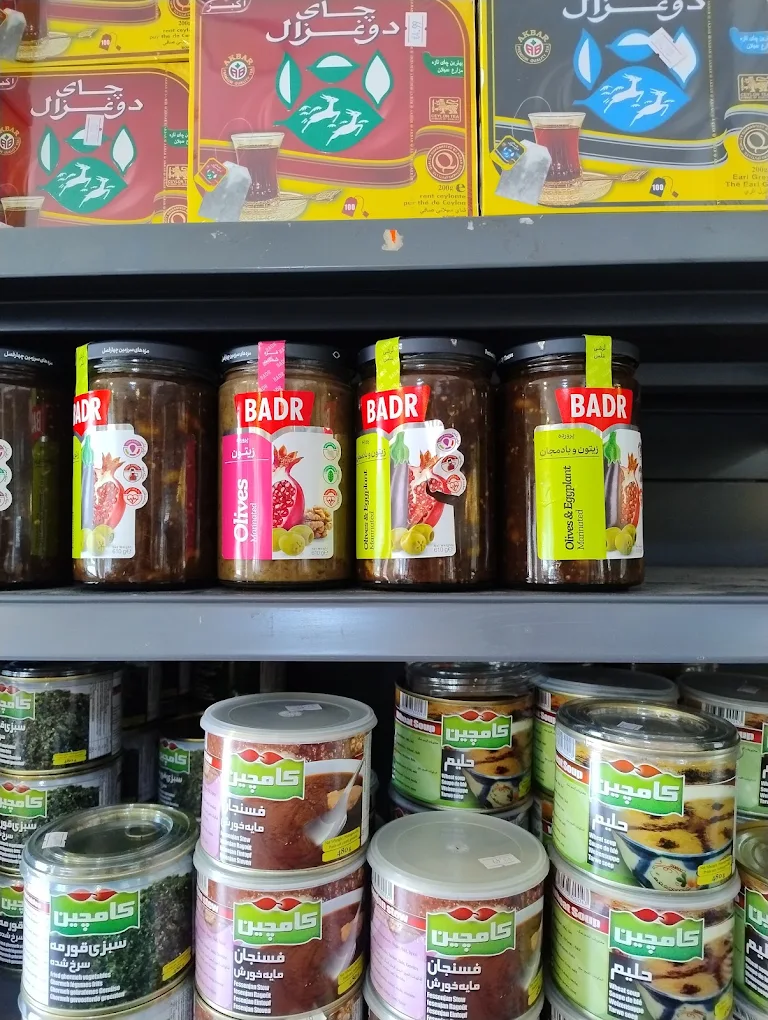
Sangaki Paytakht Market is a Persian market that features a bakery within its premises. The Market itself is filled with authentic Persian grocery items. You can find Iranian brands that are straight from home. This bakery is renowned for its Sangak bread, which customers describe as a taste of home. The atmosphere of this market bakery is cozy and warm. Moreover, if you are new and want to experience Persian food culture, you can ask any questions you have from their super-friendly staff.




What Makes Sangak So Special in Persian Culture?
As we’ve always said in Nazdikia, noon Sangak is more than bread. In Iran, bakeries start working before sunrise, and people line up outside with small cloth bags, waiting for the first batch to slide off the hot stones.
What makes Sangak truly unique is its simplicity paired with its craftsmanship. Just whole-wheat flour, water, salt, and yeast. Yet the way it’s handled transforms it into something extraordinary. The dough is stretched by hand into a long, uneven sheet, then laid over a bed of scorching river stones.
The taste is earthy, slightly nutty, soft at the center, and crisp around the edges. It’s the kind of bread that makes even a simple breakfast feel full—served with feta, herbs, and walnuts; wrapped around koobideh; or torn into pieces to dip into ghormeh sabzi or gheimeh.
How to Tell If the Sangak You’re Buying Is Authentic in Hamburg
In a city like Hamburg, where Persian, Afghan, Turkish, and Arab bakeries sit side by side, it’s easy for flatbreads to get mixed up. Many shops label anything long and thin as “Persian bread,” but real Sangak has a character you can’t mistake once you know what to look for. Here are the signs that the loaf in your hands is genuinely Sangak:
- Stone marks: Authentic Sangak carries tiny dimples on its underside
- The shape: long, rustic, and uneven
- Whole-wheat aroma: The scent is nutty, warm, and earthy
- The texture: Crispy at the edges, Soft and flexible at the center
Once you learn these signs, you’ll never accidentally buy the wrong bread again.
Can You Order Sangak for Delivery in Hamburg?
Delivery culture in Hamburg is strong, but when it comes to fresh Persian Sangak, things work a little differently. Unlike cities with large Persian bakery networks, Hamburg’s Sangak options are limited. Fortunately, there are ways to get Sangak without leaving home:
Check delivery apps early in the day
Some Persian or Middle Eastern shops occasionally list Sangak on Lieferando, Wolt, or smaller local delivery services. But availability changes hour by hour. If you’re lucky, you’ll catch it right after the morning batch.
Call the bakery directly
This is the most reliable method. Many places like Baastan Sangak or Herat Bäckerei will hold a loaf for you, set aside multiple pieces for gatherings, or at least tell you the exact time fresh bread is coming out.
How to Store and Reheat Sangak at Home
Sangak is one of those breads that tastes best when it’s fresh from the oven. However, if you live in Hamburg, you know you don’t always have the luxury of picking up a hot loaf every morning. Thankfully, Sangak freezes beautifully and reheats even better, as long as you treat it the right way. Here’s how to keep it soft, fragrant, and close to fresh-baked:
Storing Sangak
Persian families in Hamburg almost all freeze Sangak, especially when they get lucky and find a really fresh batch. To freeze Sangak properly:
- Cut the loaf into hand-sized sections.
- Place the pieces in airtight freezer bags.
- Press out as much air as possible.
- Freeze for up to 1–2 months.
Sangak’s whole-wheat structure holds up very well, so it won’t crumble or lose flavor.
How to Reheat Sangak
This is where the magic happens. A good reheat can make yesterday’s Sangak taste like it just came off hot stones.
| Skillet (Best Flavor) | Oven (Great for Larger Pieces) | Air Fryer (Quickest) |
| Heat: Medium–high | Heat: 180–200°C | Heat: 160°C |
| 1. Lightly mist the bread with water. | 1. Lightly mist the surface of the bread. | 1. Place bread in the air fryer basket. |
| 2. Heat a clean, dry skillet. | 2. Warm for 2–4 minutes. | 2. Heat for 1–2 minutes. |
| 3. Warm each side for 30–45 seconds. | ||
| Result: Soft center + crispy edges | Result: Warm, flexible bread | Result: Fast, crisp reheat |
Sangak vs. Afghan or Turkish Bread in Hamburg
In Hamburg’s multicultural neighborhoods, it’s easy to find Afghan, Turkish, and Arab flatbreads—but that also means Sangak often gets mixed up with similar-looking breads. While these breads share some traits, the differences matter, especially if you grew up with true Persian Sangak and know its texture by heart. Here’s how to tell them apart, and why they’re not interchangeable:
| Feature | Persian Sangak | Afghan Bread (Naan) |
Turkish Bread (Pide / Lavaş) |
|
Flour Type |
Whole wheat | White or mixed flour |
White flour |
|
Baking Method |
Baked on hot river stones | Baked in a tandoor oven |
Baked in a standard oven or stone deck |
|
Shape |
Long, rustic, uneven | Long but more uniform |
Round, oval, or thin sheets |
|
Texture |
Crispy edges, soft center; flexible | Soft, thicker, slightly chewy |
Soft, fluffy, airy |
|
Flavor |
Nutty, earthy, whole-wheat aroma | Mild wheat flavor |
Light, neutral flavor |
How Much Does Noon Sangak Cost in Hamburg?
The price of Sangak in Hamburg depends on where you buy it, whether it’s baked fresh on-site, and how large or seeded the loaf is. Because Sangak is still a specialty bread in the city, prices can vary slightly more than they do for Afghan or Turkish flatbreads.
Bakeries like Baastan Sangak or Herat Bäckerei typically sell fresh, stone-baked Sangak for around €3.50 – €5.50 per loaf. If you find Sangak topped with sesame, nigella, or other seeds, expect a small increase like + €0.50 – €1.00, depending on the bakery.