
For most people around the globe, saffron is one of the most expensive spices. For Persians, saffron is more than a spice; it’s the soul of the dish. From Persian Chelow rice to delicate desserts and tea, Iranian saffron brings depth, color, and unmistakable fragrance that no substitute can match. The good news is that you can find real Iranian saffron in London if you know where to look. In this guide, Nazdikia helps you discover those places, learn how to choose high-quality threads, and what to expect when shopping locally or online.

Asal Supermarket – Edgware Road
Business Description
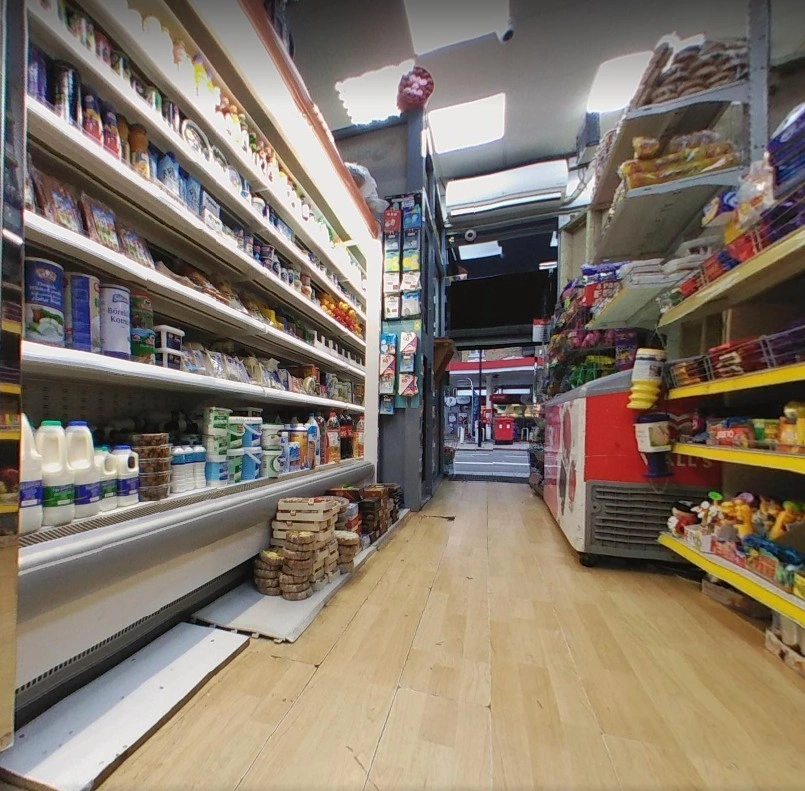
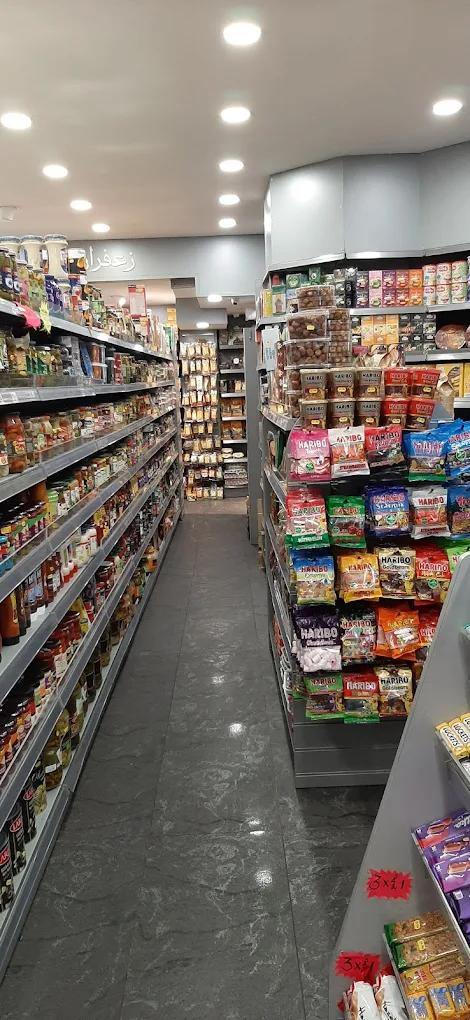
Asal Supermarket is a lively Iranian supermarket in London. Almost all the Iranian community on Edgware Road is familiar with this supermarket. The shop offers a wide range of Persian, Arabic, and Lebanese staples, making it an excellent choice when you need everything from fragrant saffron to fresh vegetables or halal meat. Many shoppers also mentioned that Asal frequently stocks Iranian sweets and pastries, turning a routine grocery trip into a nostalgic treat. The energy in this market reflects its central location: busy, lively, and convenient for both locals and visitors.



Asa Market – Online
Business Description
For those seeking a Persian supermarket online in the UK, Asa Market might be your best option. Customers consistently praise the freshness of products, quick delivery, and professional packaging of this supermarket. Asa Market is known for its premium-quality Persian items such as saffron, Persian rice, dried herbs, nuts, sweets, and ready-made stews. It’s especially helpful for Londoners who want reliable Persian groceries delivered to their door without sacrificing authenticity.


Saffron – Online Seller
Business Description
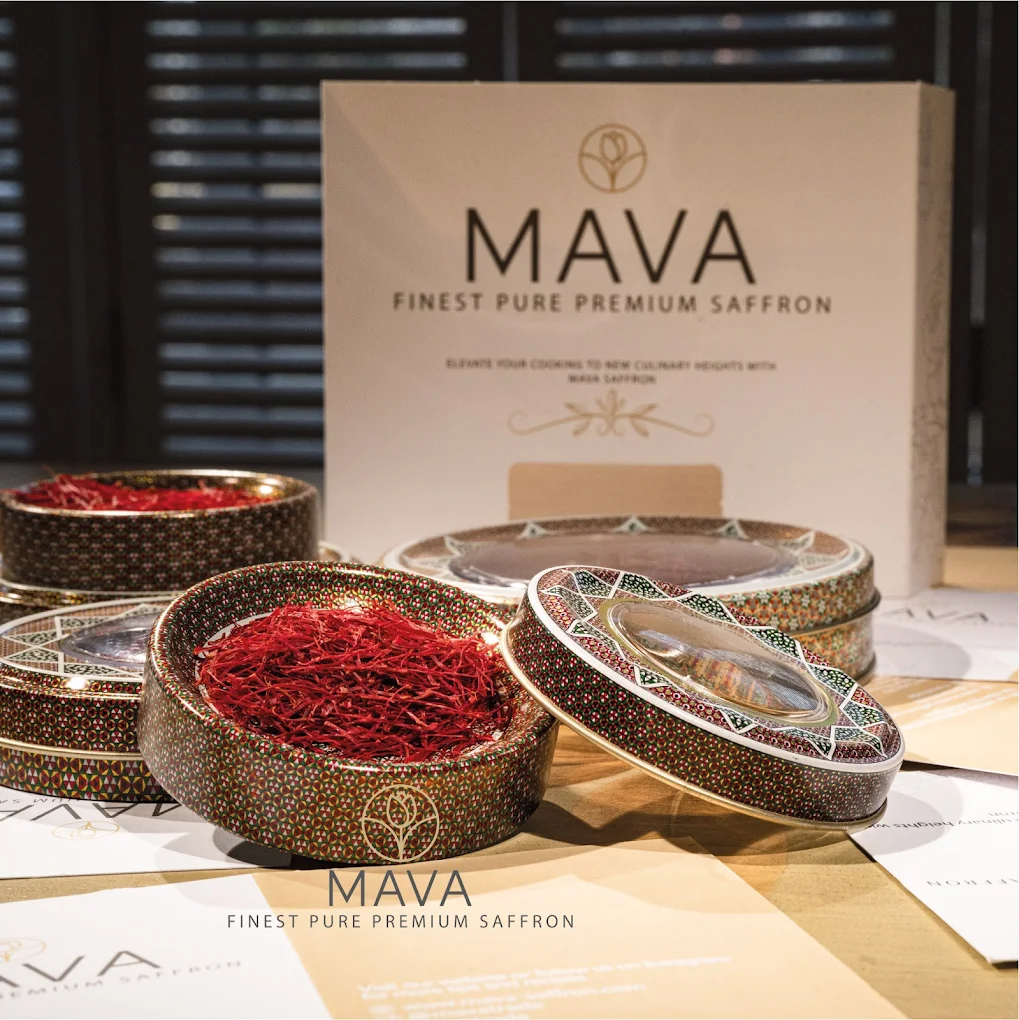
Saffron is a highly rated saffron seller in North London. However, it’s essential to understand that the nature of this business is online. The address operates within a large commercial property used for offices, storage units, and small e-commerce businesses. The high rating is still a positive signal, especially for online orders or direct inquiries, but shoppers should plan to contact the business in advance to confirm purchasing options, saffron origin, and delivery details.
Saffron Supermarket – Hammersmith
Business Description
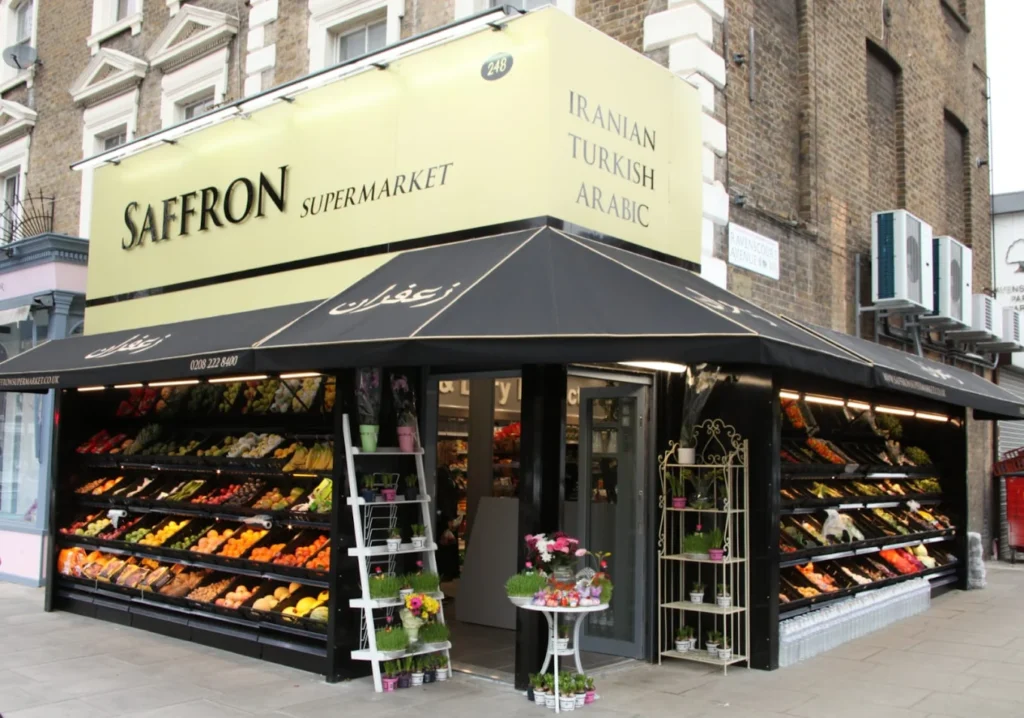
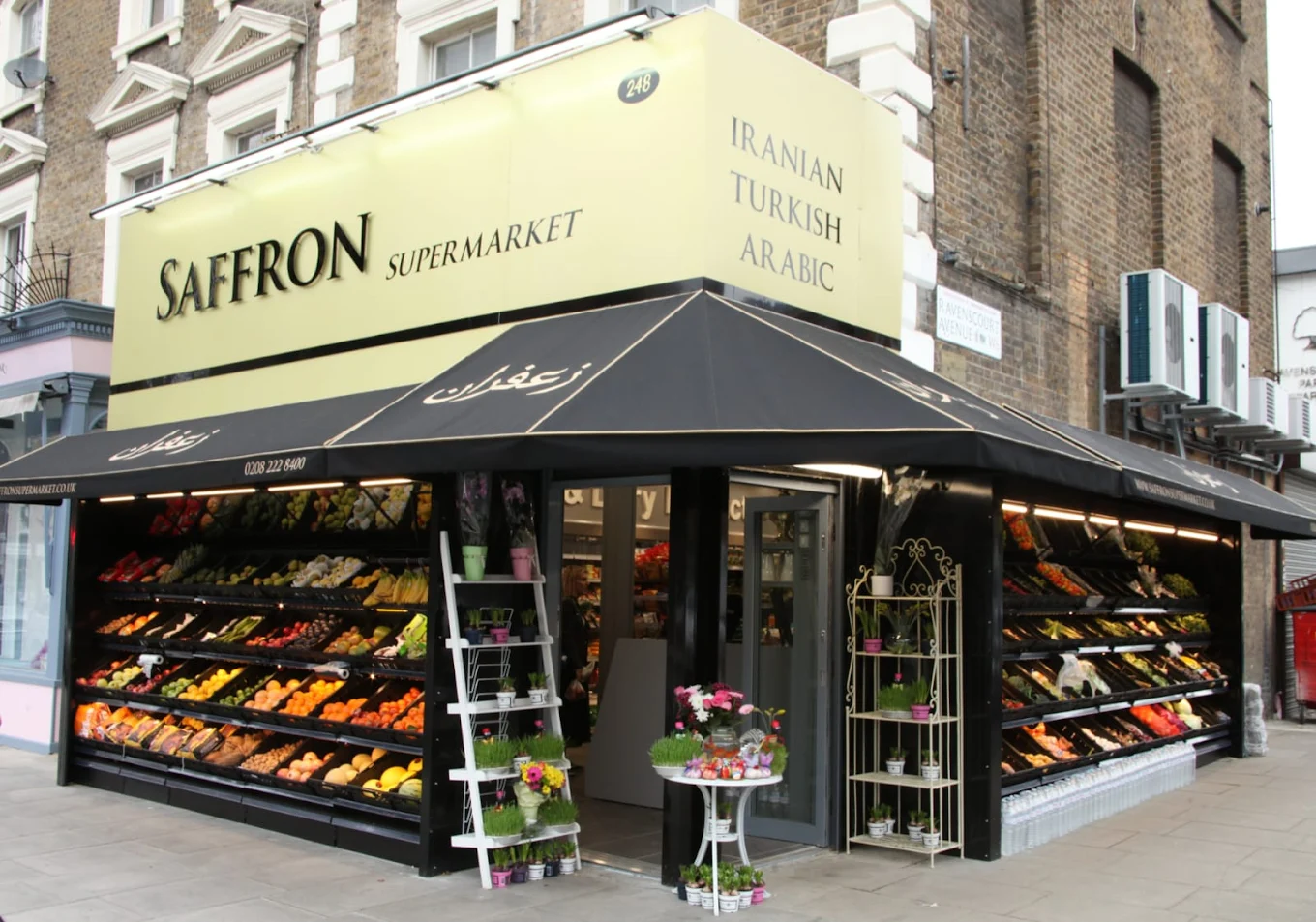
Saffron Supermarket is a well-known Persian and Middle Eastern grocery store in West London, loved by locals for its lively atmosphere and strong sense of community. Located near Ravenscourt Park, this shop feels like a neighborhood staple rather than a generic supermarket. Shelves are packed with fresh herbs, spices, dried fruits, sweets, and Iranian pantry essentials that are often hard to find elsewhere. For those specifically looking to buy authentic Iranian saffron in London, Saffron Supermarket is a reliable option. Customers and online listings frequently mention trusted brands such as Saharkhiz and Anjoman, making it a popular stop for Persian home cooks.
Why Iranian Saffron Is Considered the Best in the World
Iranian saffron has earned its reputation not through marketing, but through centuries of cultivation, craftsmanship, and consistency. Iran produces the majority of the world’s saffron, and the country’s climate — dry air, hot summers, and cold winters — creates ideal conditions for growing saffron crocus flowers with intense aroma and color.
What truly sets Iranian saffron apart is its strength and purity. High-quality threads release a deep golden color when bloomed, along with a rich, honey-like fragrance that fills the kitchen almost instantly. Unlike lower-grade saffron, Iranian saffron doesn’t rely on volume; a few strands are enough to transform rice, tea, or desserts.
Types of Iranian Saffron (Negin, Sargol, Pushal)
Not all Iranian saffron is the same. When buying saffron in London, you’ll often see terms like Negin, Sargol, or Pushal on packaging. These names refer to how the saffron threads are separated, processed, and graded, not to different plants. Understanding the difference helps you choose the right saffron for cooking, gifting, or everyday use.
Negin Saffron – The Premium Choice
Negin is considered the highest grade of Iranian saffron. The threads are long, thick, deep red, and completely unbroken, with no yellow or white parts attached. This grade offers the strongest aroma and coloring power, which is why it’s often sold in small, elegant jars. Negin saffron is ideal for special dishes, celebrations, or as a gift, and it’s usually the most expensive option you’ll find in London.
Sargol Saffron – Pure and Practical
Sargol is the most popular choice for home cooking. It consists only of the red tips of the saffron stigma, carefully separated from the yellow base. While the threads are shorter than Negin’s, the flavor, aroma, and color are still excellent. Many Persian households prefer Sargol because it offers high quality at a more reasonable price, making it perfect for everyday rice dishes, stews, and tea.
Pushal Saffron – Traditional and Aromatic
Pushal saffron includes both the red stigma and a small portion of the yellow style. This gives it a more traditional look, though slightly less coloring strength than Negin or Sargol. Pushal is often chosen by those who want a classic, old-style saffron and a more affordable option. When fresh and authentic, it still delivers a beautiful aroma and flavor.
How to Tell If Iranian Saffron in London Is Real or Fake
Because saffron is the world’s most expensive spice, it’s also one of the most commonly adulterated. In London, where saffron is sold through supermarkets, specialty shops, and online sellers, knowing how to spot real Iranian saffron can save you money and trouble.
Look at the Threads, Not the Label
Real Iranian saffron comes as dry, deep red threads, not bright orange or overly uniform strands. The threads should look slightly curved and natural, not perfectly straight or glossy. If you see lots of yellow or white pieces, it may be a lower grade or mixed saffron.
Try the Color Test (Slow Is Good)
Place a few strands in warm (not boiling) water. Real saffron releases color slowly, turning the water golden-yellow over several minutes while the threads keep their red color. If the water turns dark red immediately and the threads lose their color, that’s a red flag — it may be dyed or fake.
Smell Matters More Than Taste
Authentic saffron has a complex aroma, slightly sweet, floral, and earthy, often compared to honey or hay. Fake saffron usually smells weak, metallic, or like nothing at all. A strong smell without bitterness is a good sign.
Be Careful with Powdered Saffron
Saffron powder is much easier to fake or dilute with turmeric, paprika, or food coloring. If you want purity and control, always buy saffron threads, especially from Persian stores. If you do buy powder:
- Check for sealed packaging
- Look for origin details (Iran)
- Buy from trusted sellers only
Price Can Tell You a Lot
Real Iranian saffron is never cheap. If the price feels too good to be true, it usually is. In London, authentic saffron is typically sold in very small quantities (0.5g or 1g). Large amounts at low prices should raise questions.
Packaging & Origin Transparency
Trusted sellers clearly mention:
- Country of origin (Iran)
- Saffron grade (Negin, Sargol, Pushal)
- Brand name and sealed packaging
Some premium sellers also mention ISO grading or lab testing, which adds another layer of trust.
How to Use Iranian Saffron at Home
Iranian saffron is powerful, so a small amount goes a long way. In Persian cooking, it’s used with care, not quantity. The key to getting the best flavor and color is blooming the saffron before use. Gently crush a few strands and steep them in hot (not boiling) water for several minutes until the liquid turns a deep golden color. This step releases saffron’s full aroma.
For a family-sized pot of Persian rice, around ten to fifteen strands are usually enough. The bloomed saffron is often added at the end, especially over rice or tahdig, where its color and fragrance stand out. In stews, saffron works best when added near the final stages of cooking so its aroma stays delicate.
Saffron is also widely used in tea and desserts. Just a few strands can add a subtle floral warmth to black tea, milk-based sweets, or traditional dishes like sholeh zard. To preserve its quality, store saffron in an airtight container away from light, heat, and moisture. When stored properly, high-quality Iranian saffron can stay fragrant for years.
How Much Does Real Iranian Saffron Cost in London?
The price of real Iranian saffron in London can vary, but one thing is consistent: authentic saffron is sold in small quantities and is never extremely cheap. Because saffron is harvested by hand and requires thousands of flowers to produce just one gram, its price reflects both labor and quality.
In London, most shoppers buy saffron from Persian supermarkets, specialty shops, or reputable online sellers. Prices usually depend on the grade (Negin, Sargol, Pushal), packaging, and whether you’re buying a small retail jar or a larger quantity. Smaller packages often cost more per gram, while larger sizes offer better overall value if you cook with saffron regularly.
Below is a realistic overview of what you can expect to pay for high-quality Iranian saffron in London.
| Quantity | Price Range |
| Per Gram (1g) | £3.00 – £8.00 |
| Small Package (0.5g) | £3.99 – £5.50 |
| Bulk Purchase (5g) | £24.00 – £35.00 |
Persian Saffron Brands to Know
When buying Iranian saffron in London or online, the brand matters. Trusted brands help ensure you’re getting authentic, high-quality saffron — not dyed or diluted substitutes. These brands are commonly stocked in Persian supermarkets and recommended by experienced home cooks.
Anjoman Saffron
Anjoman is known for its rich aroma and deep color, often favored by home cooks and chefs alike. This brand typically offers saffron in small, sealed tins or glass jars, and you’ll find both Sargol and Negin grades. Its reputation for consistency makes it a good first choice if you’re exploring Iranian saffron for the first time.
Saharkhiz Saffron
Saharkhiz is one of the most recognizable Iranian saffron brands internationally. Often available in specialty shops and online stores, Saharkhiz saffron is prized for its well-balanced flavor and color strength, especially in rice dishes and desserts. It’s a brand that many Persian households turn to again and again.
Golestan Saffron
Golestan is a well-established Iranian brand that covers a range of food products, including saffron. Its saffron usually comes in clear, sealed packaging with clear labeling and origin information — a helpful detail when you’re comparing products. Golestan offers good quality across different grades, making it a reliable everyday option.
Mehr Saffron
Mehr Saffron focuses on premium hand-sorted threads with a clean cut and strong fragrance. It’s often chosen by cooks who want slightly more refined presentation and aroma, especially for special occasions. You’ll find Mehr in some Persian groceries and online markets.
Comparing Persian Saffron Brands Available in London
| Brand | Aroma & Color | Available Grades |
Packaging |
| Anjoman Saffron | Strong, deep aroma and rich golden color | Sargol, Negin |
Sealed jars/tins |
|
Saharkhiz Saffron |
Balanced aroma and color | Sargol, Negin |
Clear sealed packaging |
| Golestan Saffron | Medium–strong aroma | Sargol, Pushal, Negin |
Standard retail jars |
|
Mehr Saffron |
Refined fragrance & color clarity | Negin | Premium sealed jars |
| Artisan / Boutique Imports | Varies (often rich) | Depends on batch |
Small-batch packaging |