
Finding the best Persian rugs in London requires navigating a specialized network of high-end galleries and warehouse districts that define local store availability and accessibility. This historic market serves as a global hub where collectors can connect with vetted Iranian businesses abroad to source everything from nomadic tribal weaves to intricate city workshop masterpieces. Beyond mere aesthetics, the London market excels in product type diversity, offering a curated selection of handmade craftsmanship, investment-grade antiques, and various size dimensions like 8×10 formats. Whether you are prioritizing authenticity verification or seeking a specific regional weave like Tabriz or Isfahan, understanding the geographic distribution of these showrooms is essential. Explore our evaluation of the city’s premier textile hubs, pricing tiers, and expert identification tips to secure a genuine artistic investment for your home.
London Persian Rug Company
Business Description
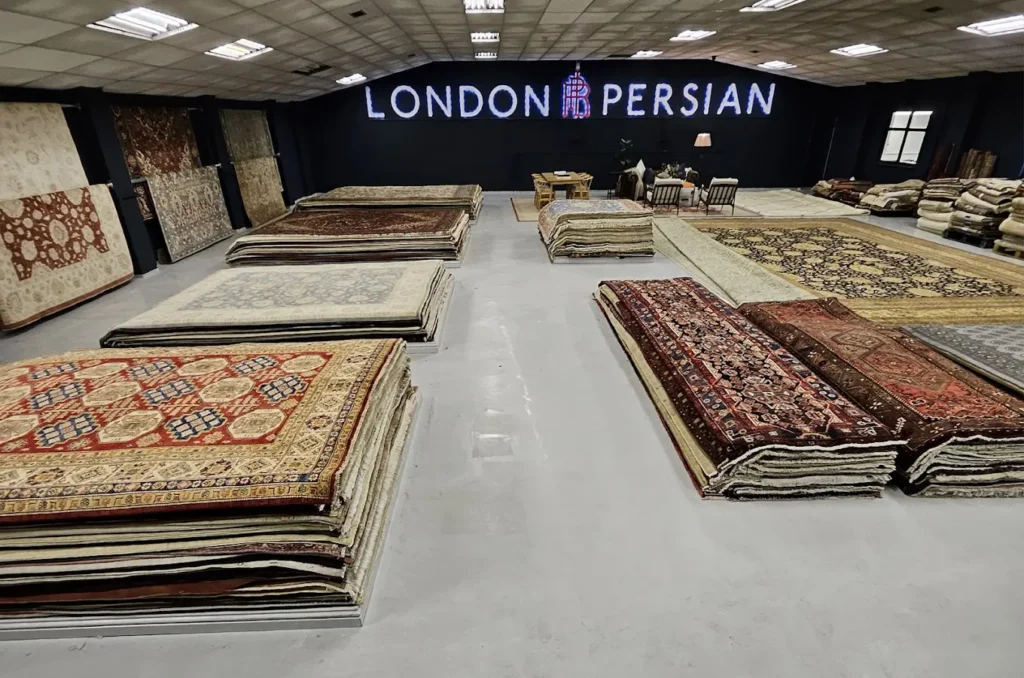
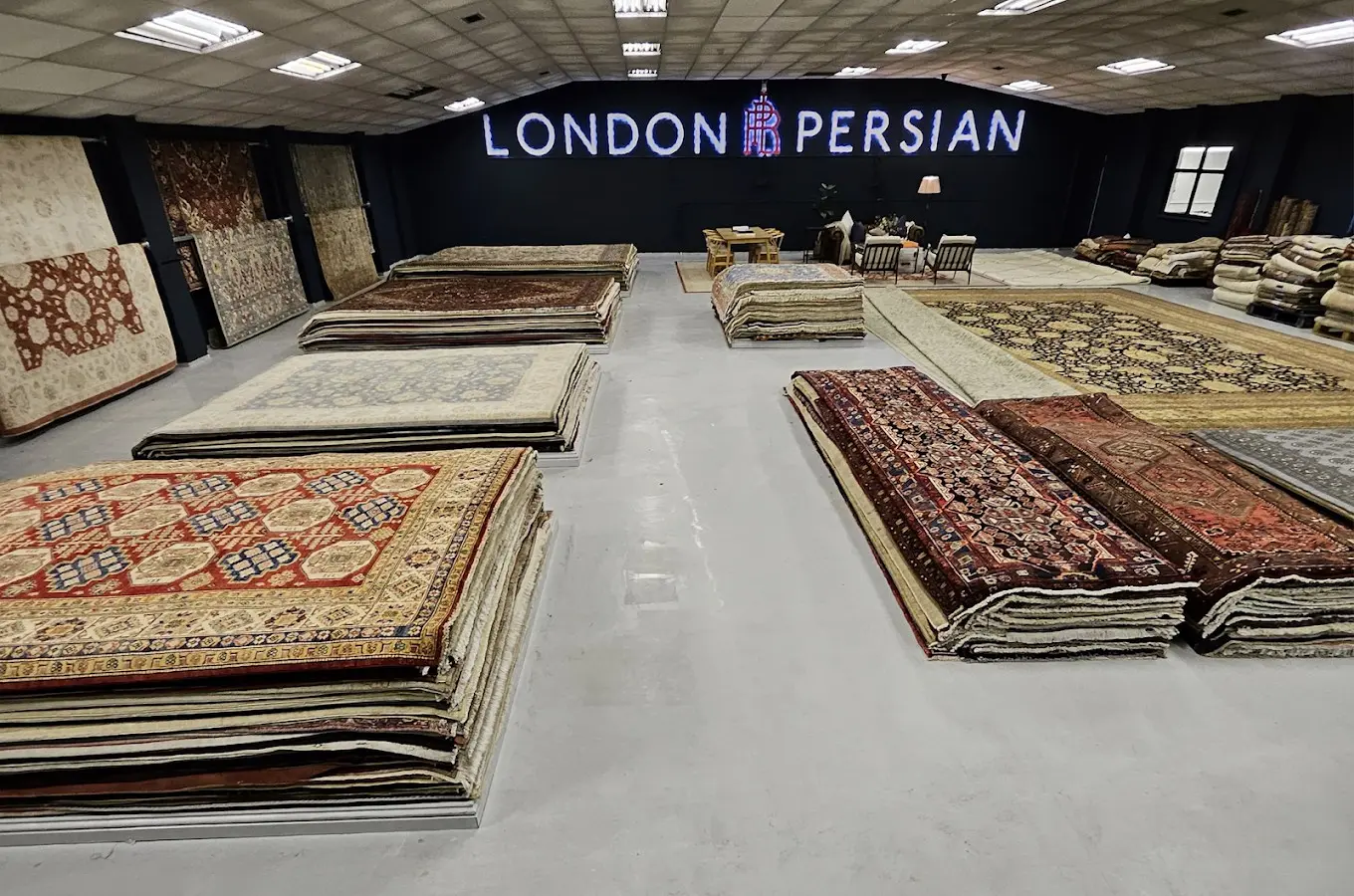
A large, family-run showroom near Battersea Power Station housing over 4,000 unique rugs, carpets, and runners, from antique Persian pieces to contemporary and decorative styles. They offer free home trial, measuring services, style consultancy, and even bespoke weaving or resizing if you have specific space requirements.
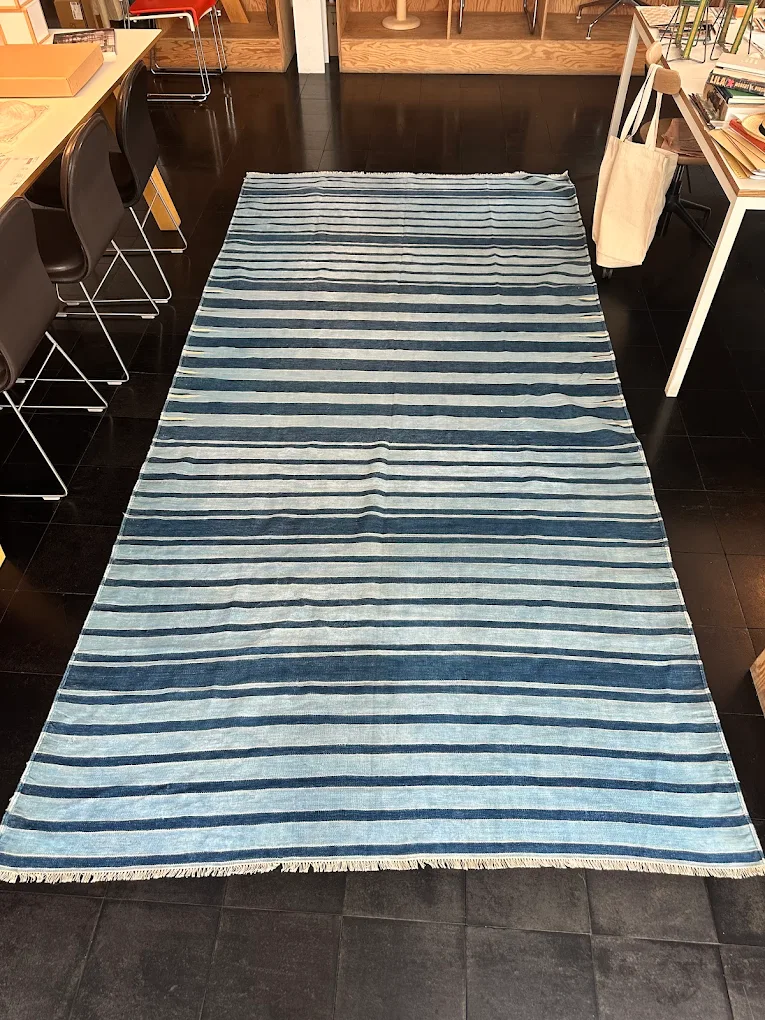
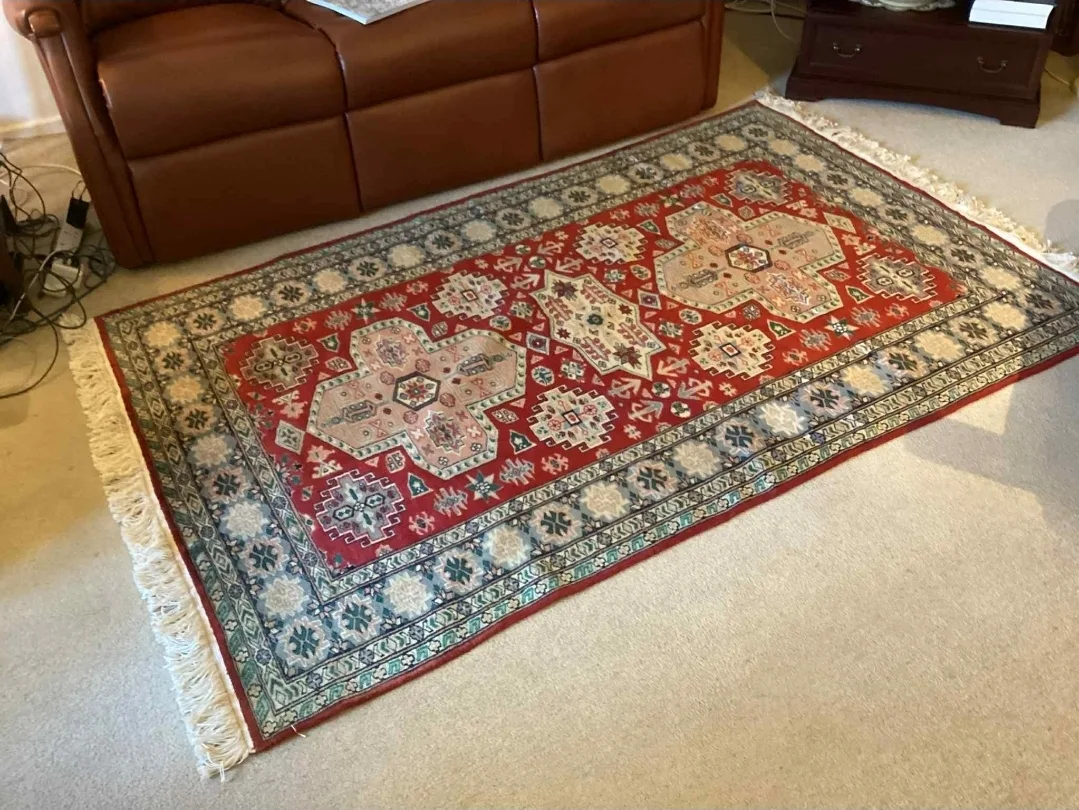
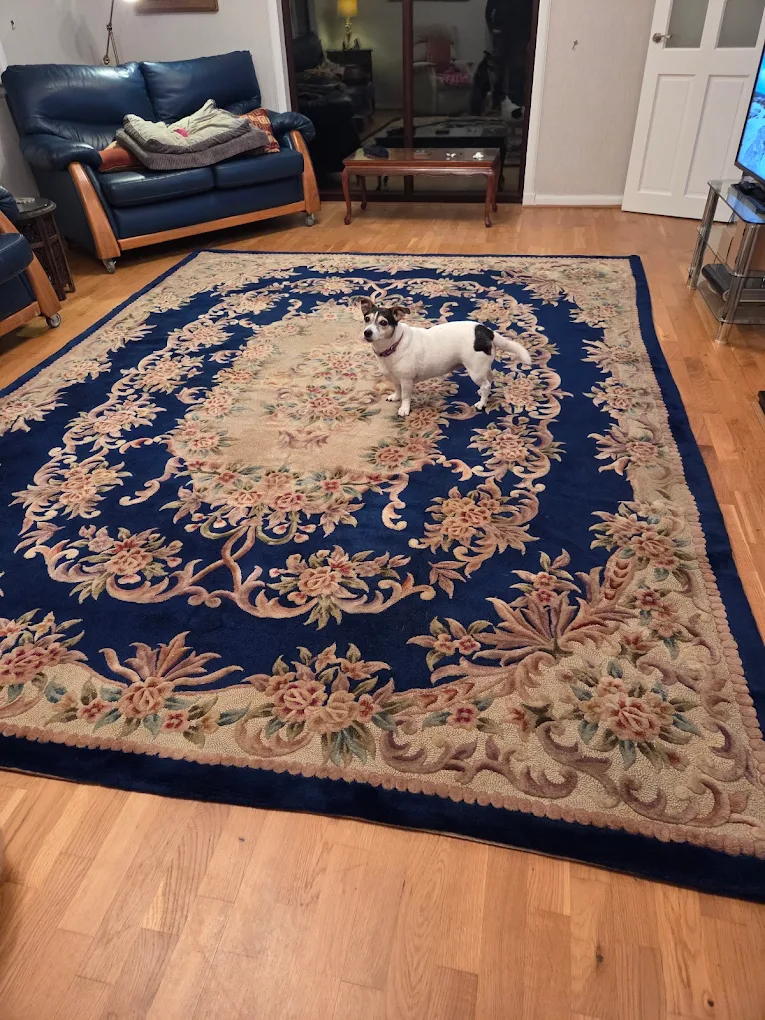
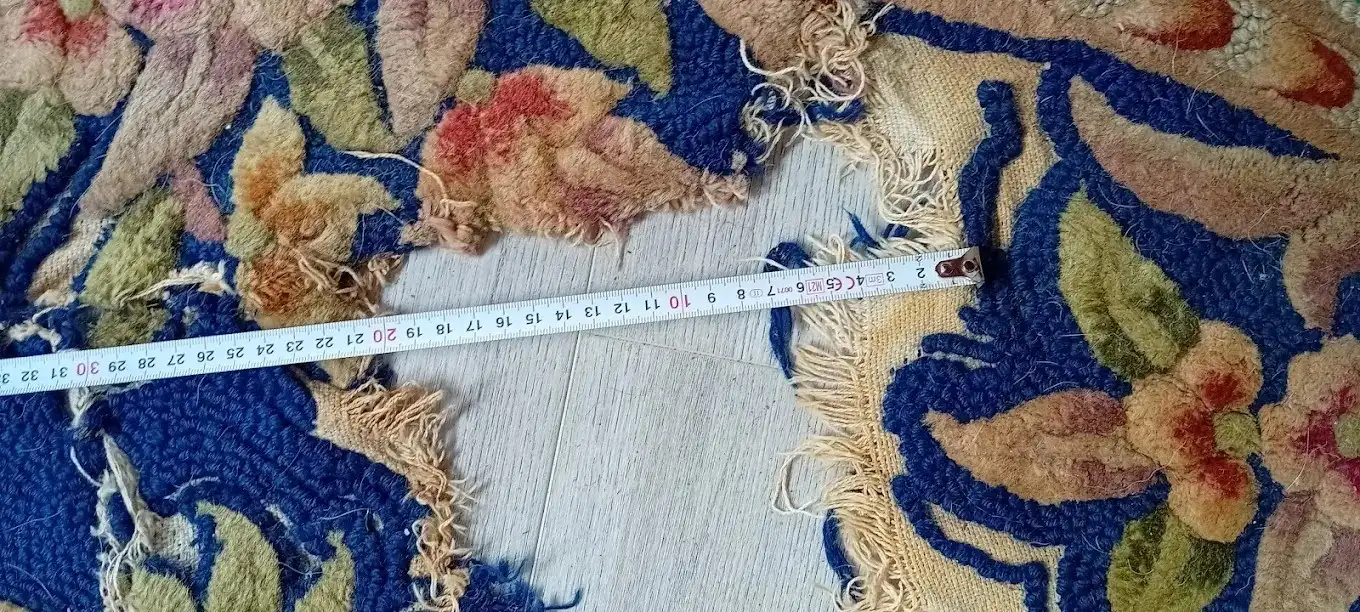

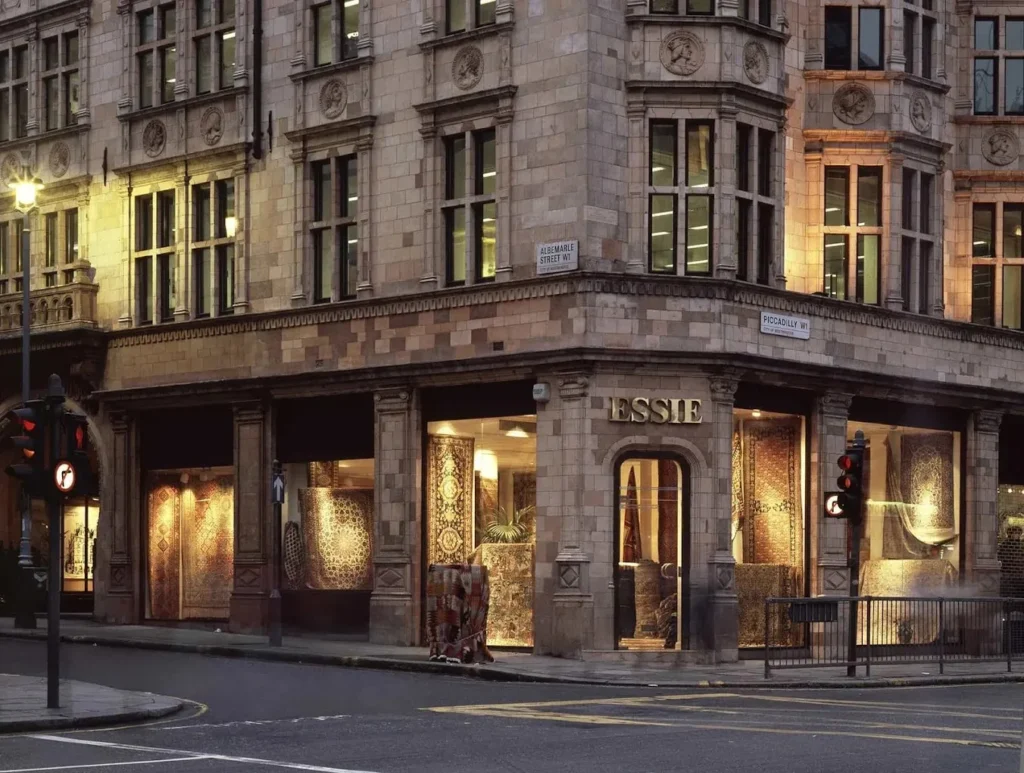
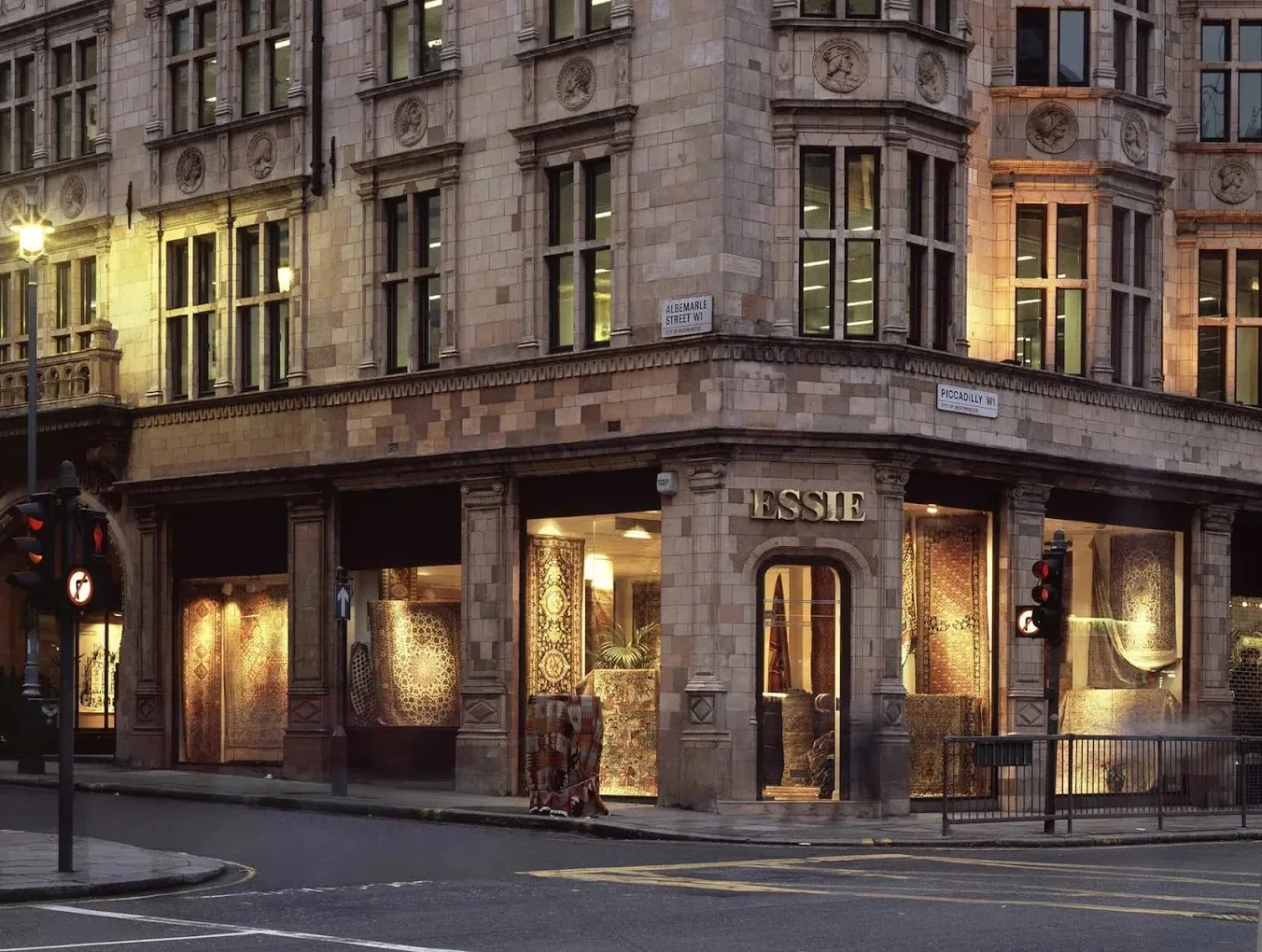
Essie Carpets – Fine Persian Rugs
Business Description
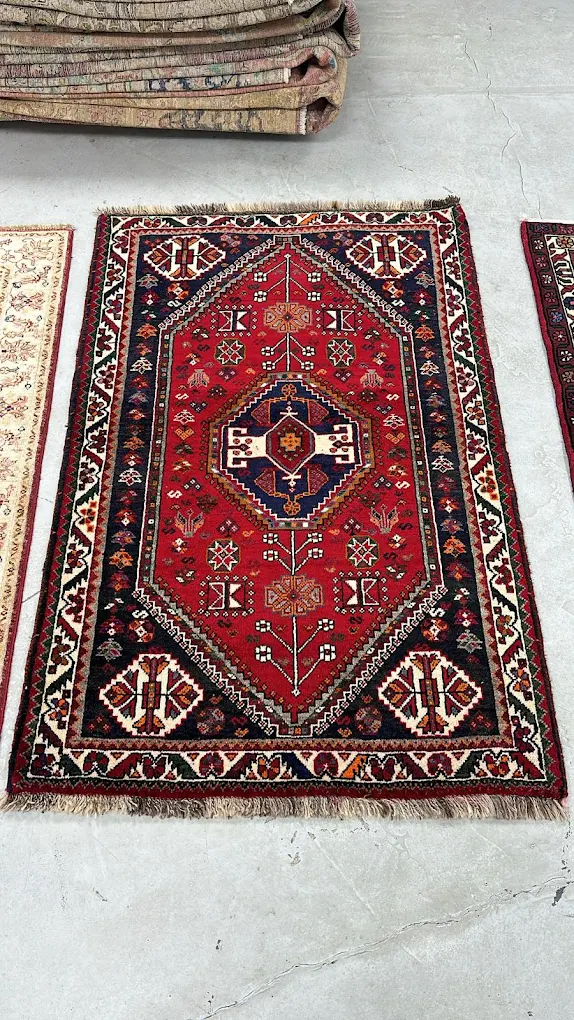
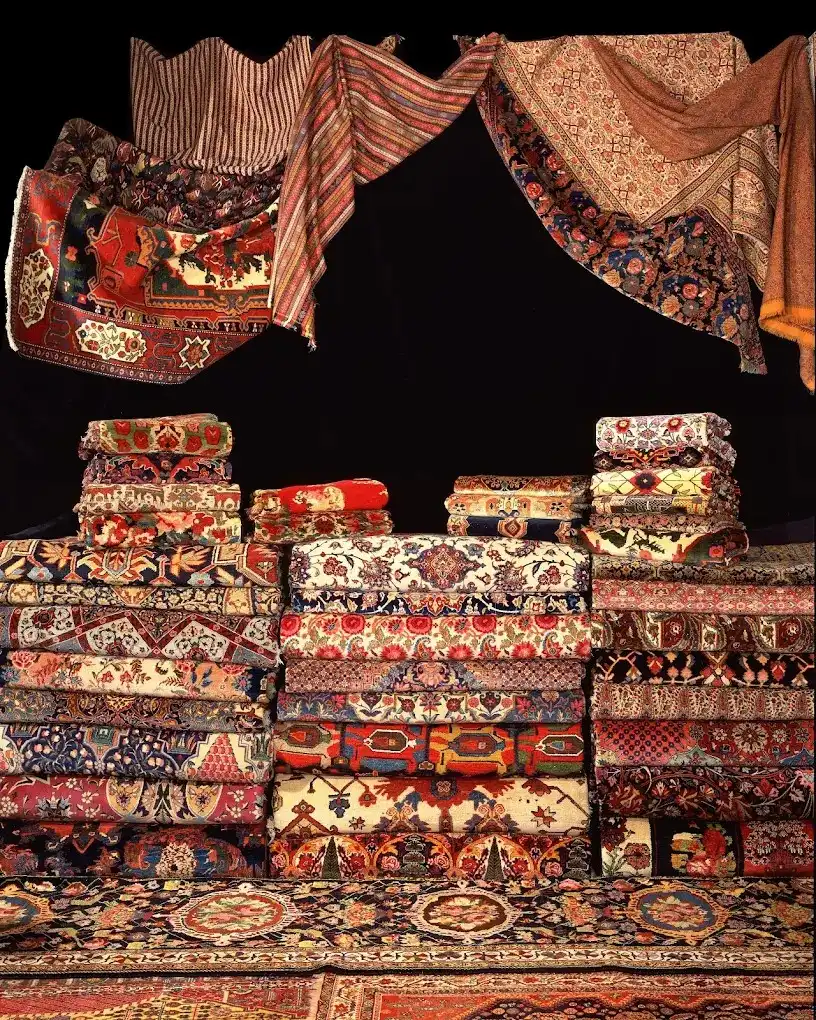
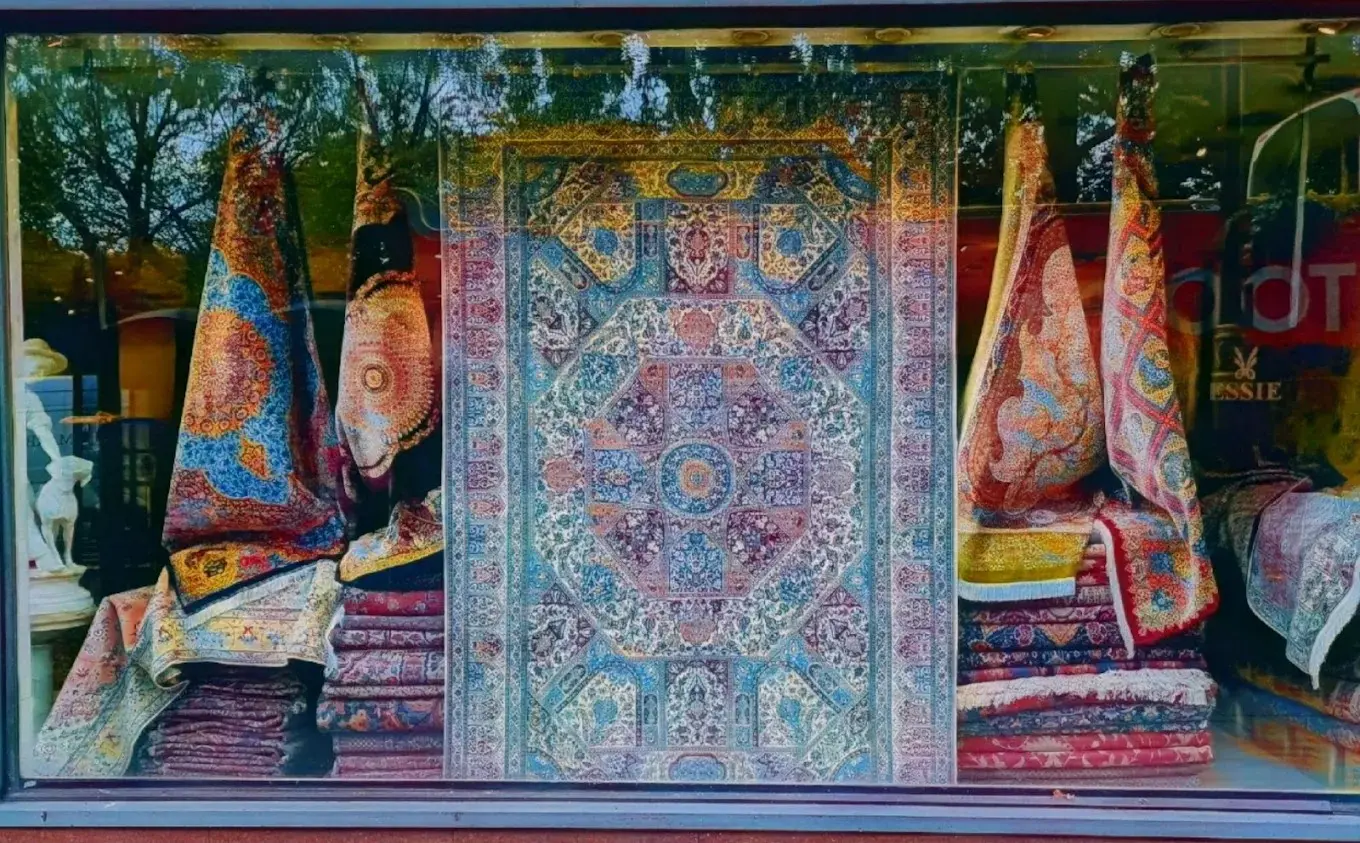
A prestigious gallery in Mayfair, known worldwide for its high-end Persian and Oriental carpets, many classic rugs from places like Tabriz, Qum, Nain, and Kerman. Their collection appeals to those seeking fine handmade rugs, antique or contemporary, often considered investment pieces as well as interior accents.
They also provide repair services and same-day delivery.
Rugs of London
Business Description
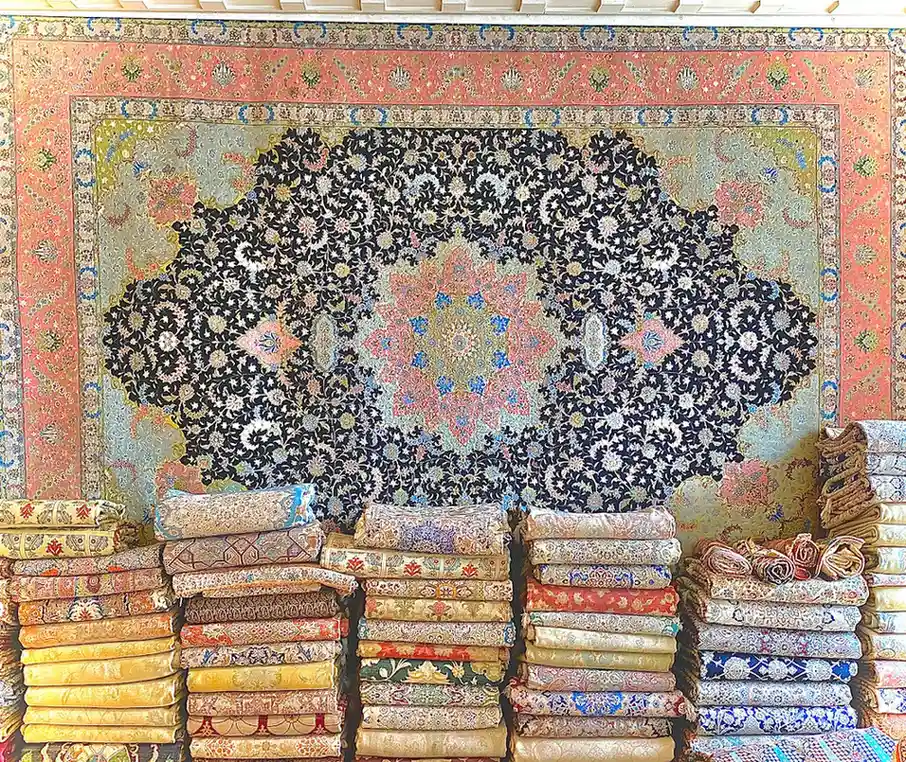
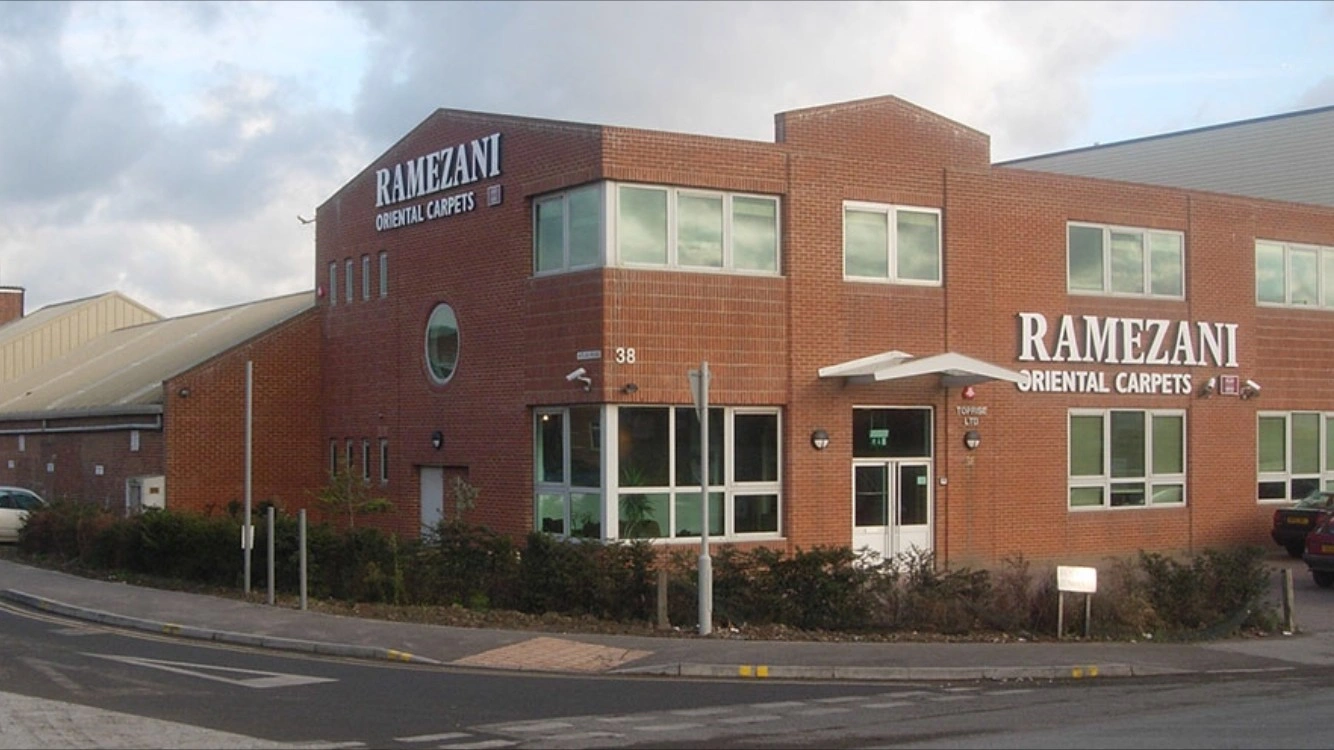
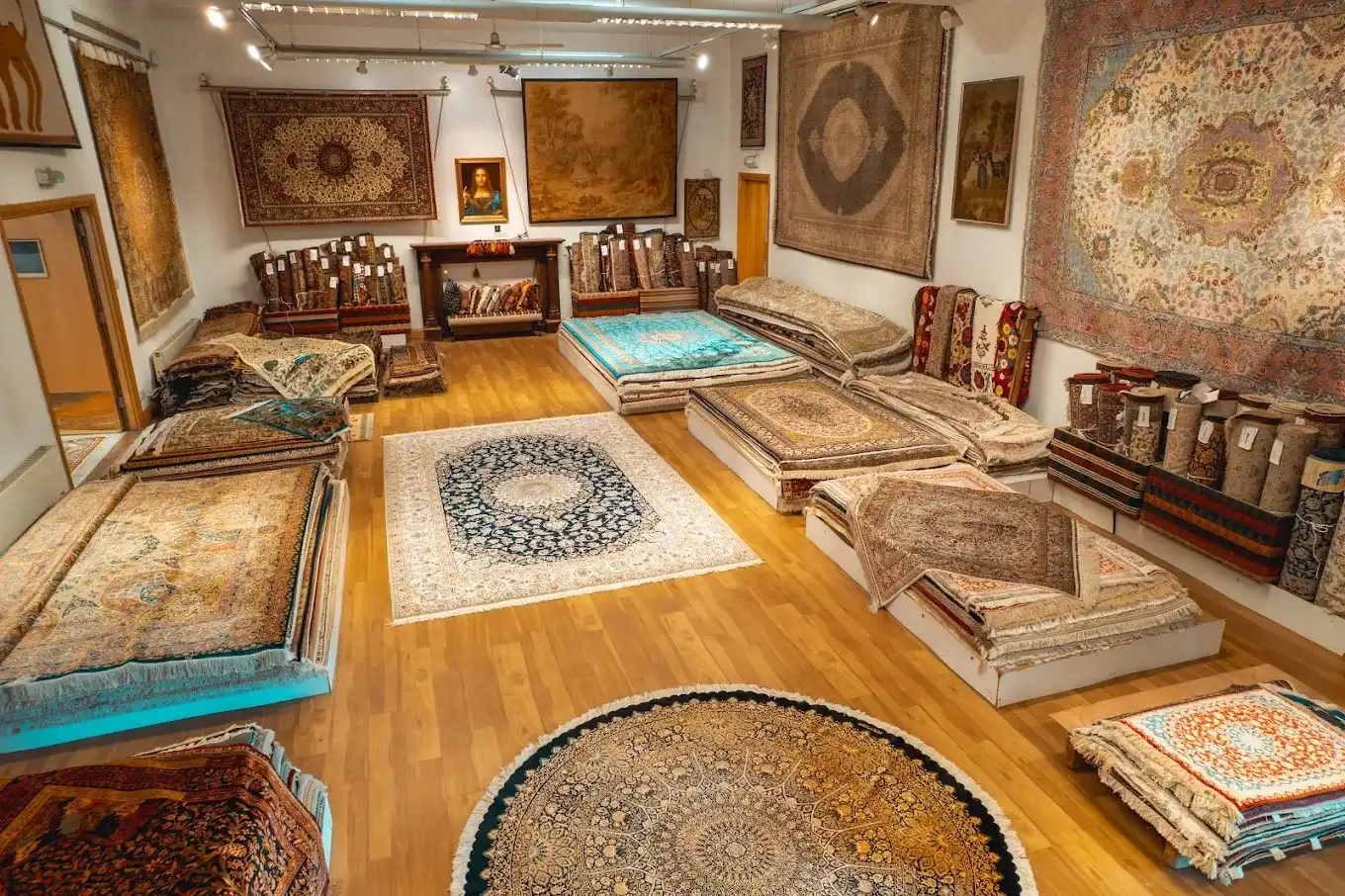
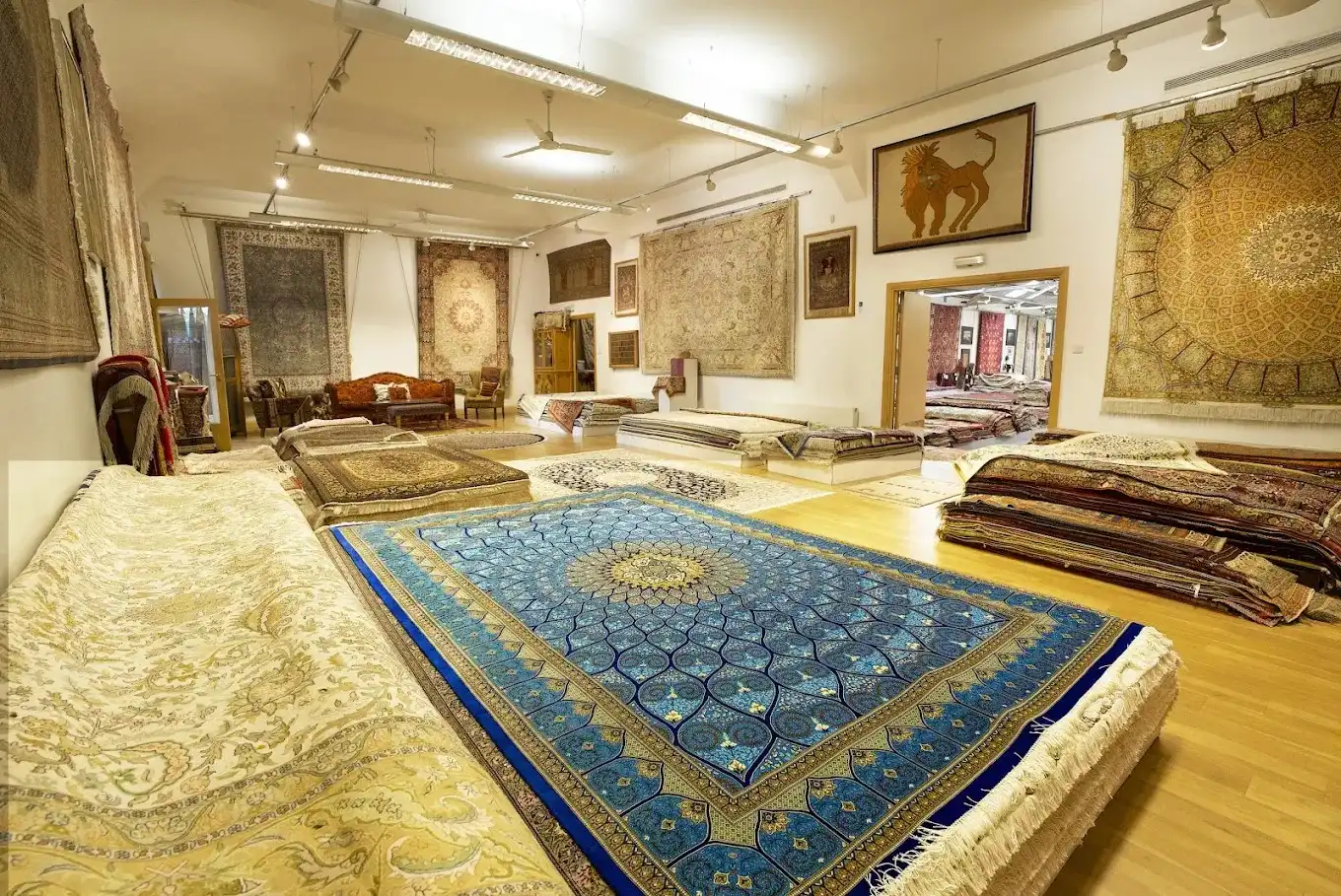
A showroom offering a wide selection of Persian, Oriental, and traditional rugs, including silk carpets, nomadic designs, Garous rugs, and more. With thousands of rugs to choose from, you’ll likely find rugs in various sizes, styles, and budgets. They also provide repair services.
Sharafi & Co
Bakhtiyar London Warehouse
Business Description
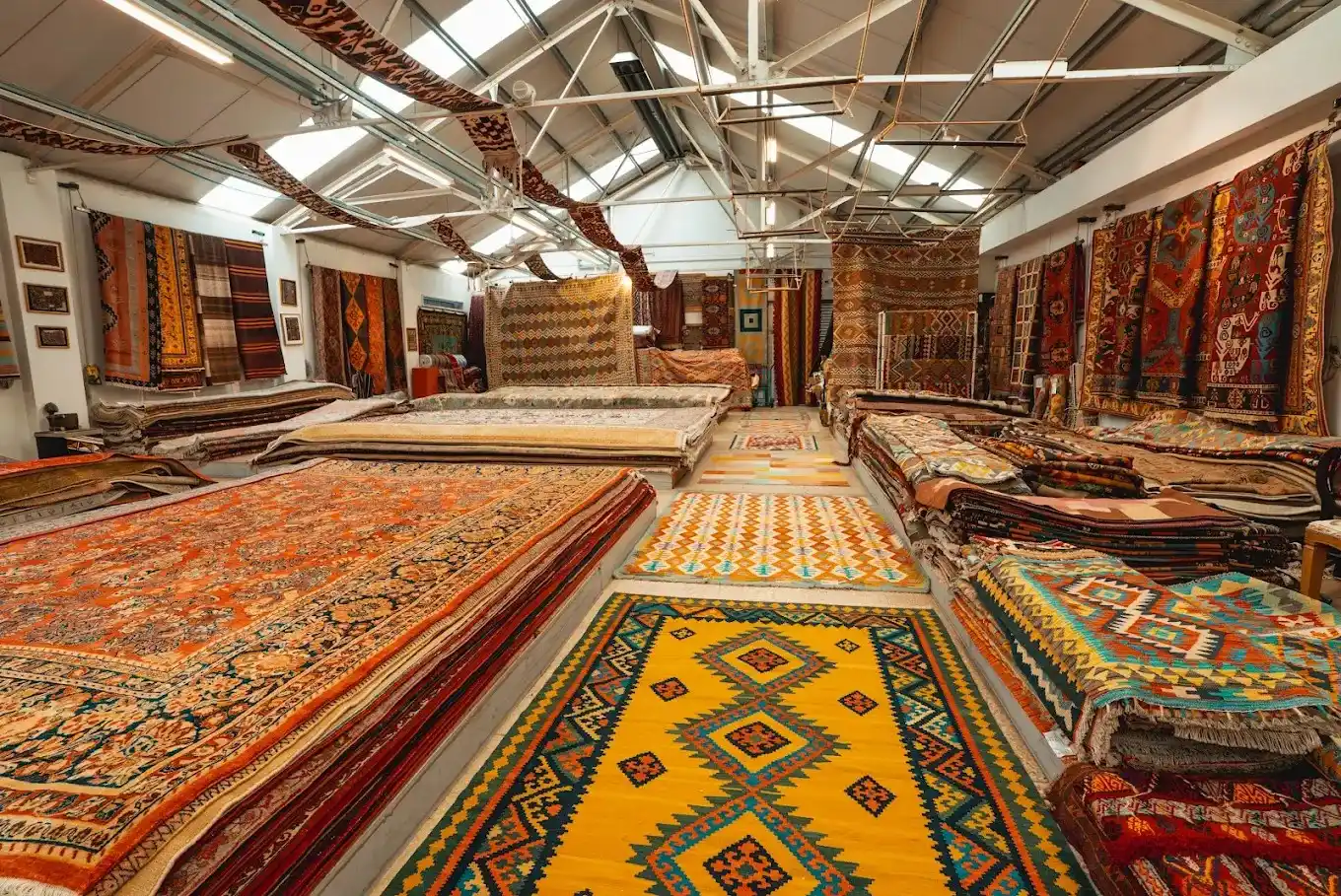
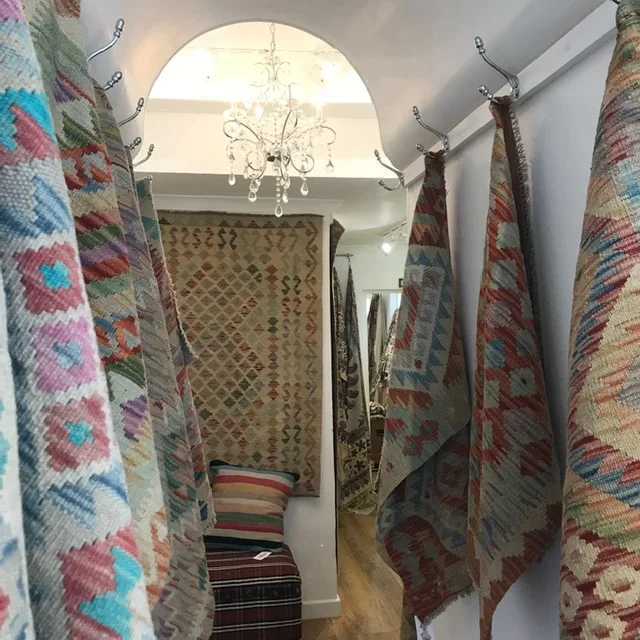
Although originating in the UK’s broader rug trade, Bakhtiyar maintains a London warehouse with several thousand Persian rugs, kilims, runners, and carpets, from affordable pieces to high-end traditional rugs. Because of their volume and variety, they are a good option if you want more choice in size, design, or budget range.
They also provide Persian rug cleaning and repair services.
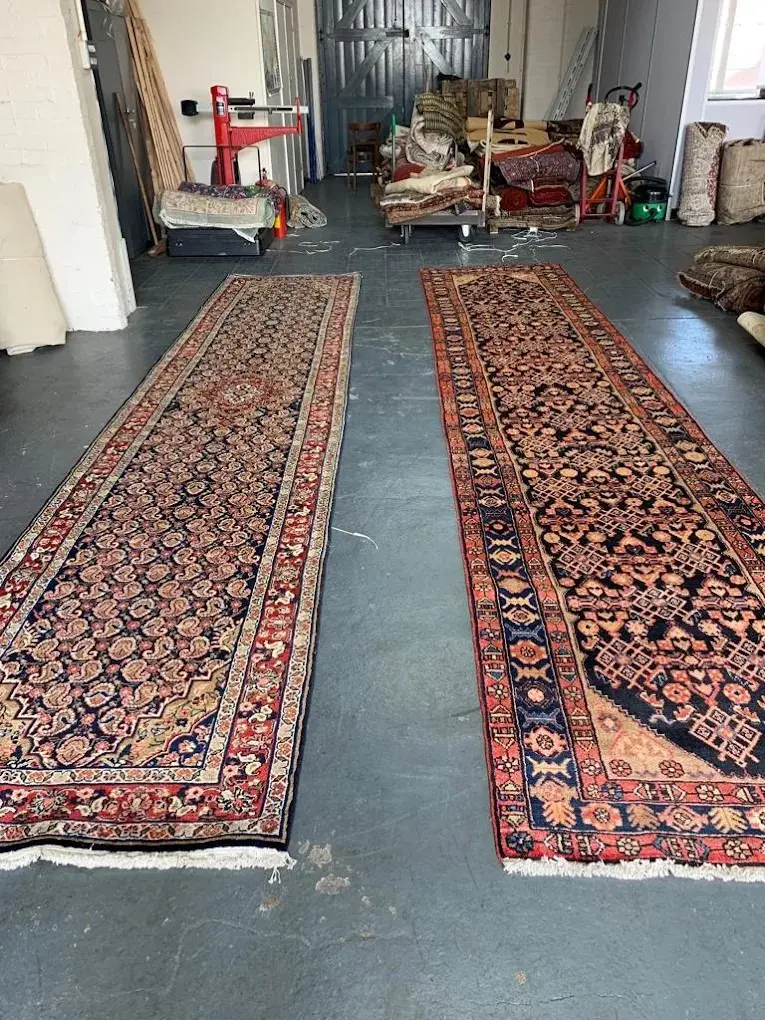
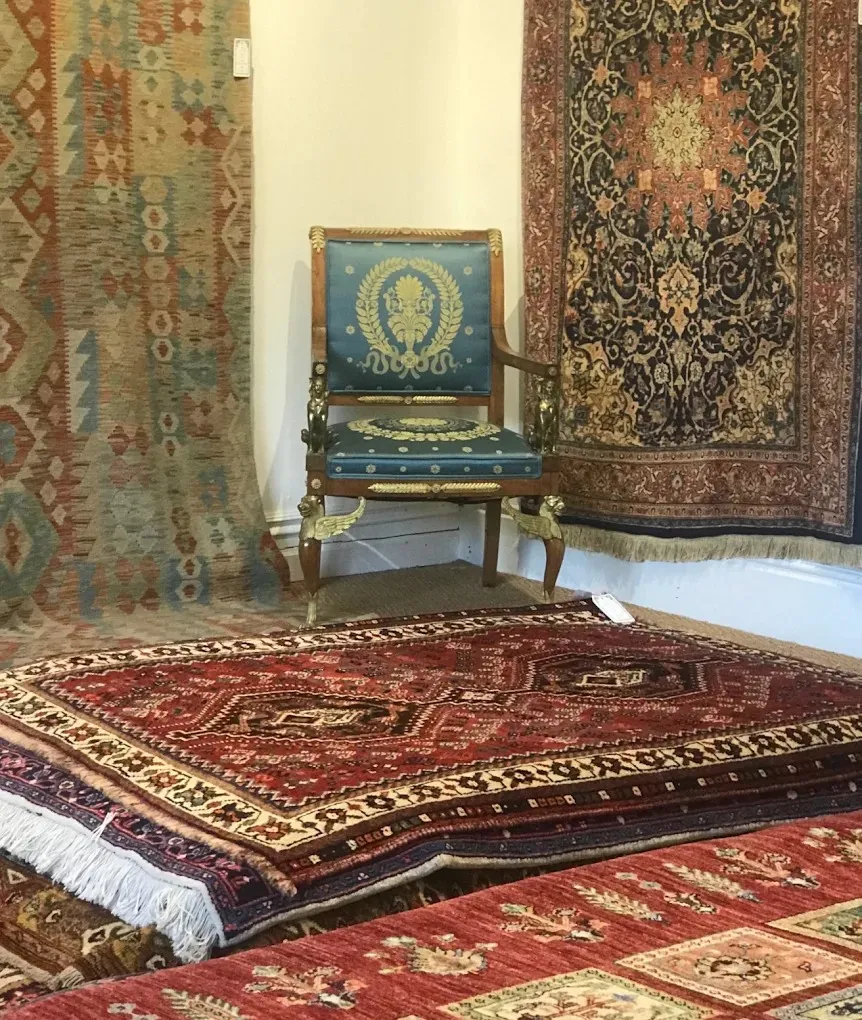
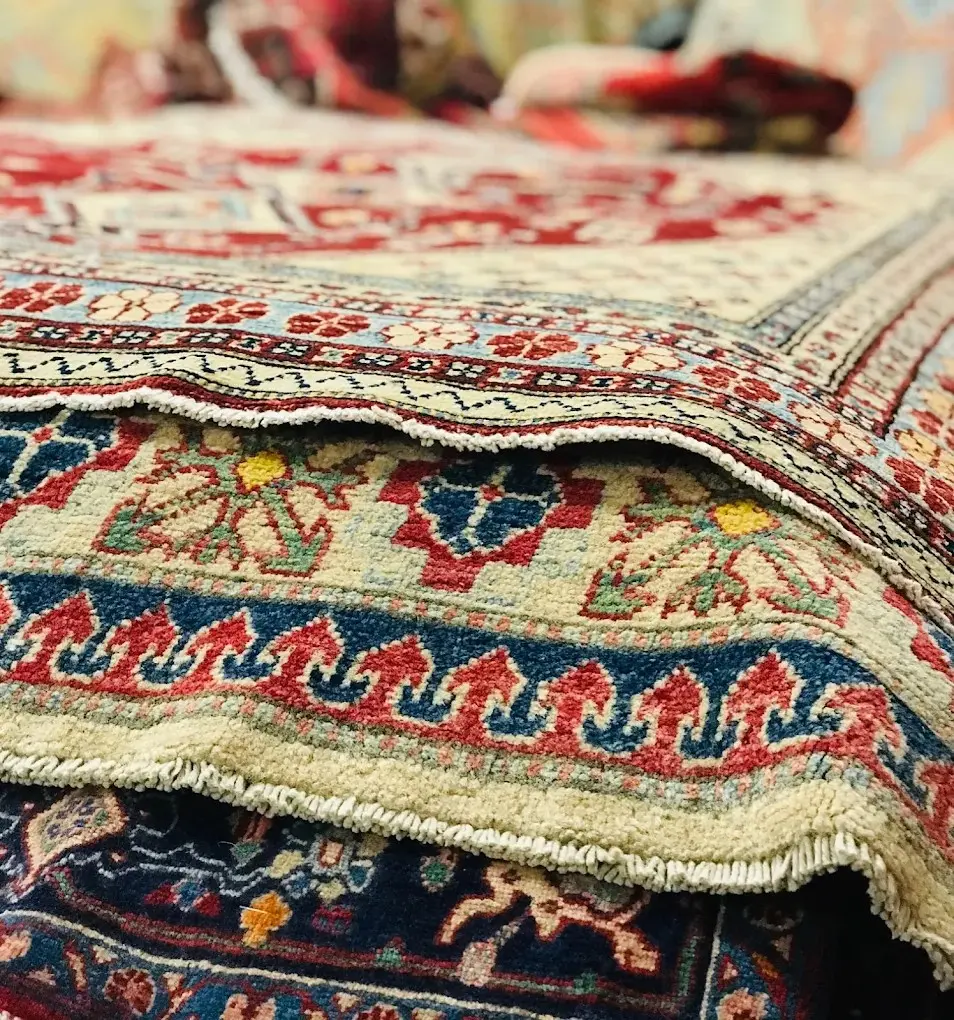
Where to buy Persian rugs in London?
Finding an authentic Persian rug in London requires navigating a sophisticated network of specialized galleries, high-end showrooms, and dedicated Iranian carpet districts. As a global hub for the antique textile trade, London offers unparalleled access to genuine Iranian floor coverings, ranging from nomadic tribal weaves to intricate city workshop masterpieces. Most reputable dealers are concentrated in areas like Marylebone, Mayfair, and the specialized warehouse clusters in North London, providing collectors with a diverse inventory of handmade Persian rugs in London. For those looking to browse Persian rug in London listings efficiently, digital directories and platforms like Nazdikia serve as a vital bridge, connecting buyers with vetted Iranian-owned businesses that maintain the cultural integrity of these textiles.
The primary hubs for sourcing these artistic investments include:
- The North London Warehouse District: Ideal for wholesale prices and vast inventories of diverse regional styles.
- Mayfair and St. James’s: Home to premier galleries specializing in investment-grade antique Persian rugs in London.
- Marylebone High Street: A destination for boutique showrooms focusing on contemporary interior design integration.
- Online Iranian Directories: Platforms that facilitate the ability to locate Persian rug dealers with verified customer reviews.
By visiting these concentrated market zones, buyers can experience the tactile quality of various wool and silk compositions firsthand. This physical accessibility is often complemented by specialized showrooms that define the city’s reputation for textile excellence.
Where is the largest Persian rug showroom in London?
The largest concentration of Persian rug inventory in London is typically found in the specialized commercial warehouses of North London, particularly around the OCIL (Oriental Carpet Centre). These expansive spaces function as both wholesale hubs and retail galleries, allowing visitors to explore thousands of options ranging from a classic red Persian rug to rare oversized palace carpets. Unlike smaller boutique shops, these massive showrooms provide the physical space necessary to display 8×10 Persian rugs or even larger formats, ensuring that interior designers and homeowners can compare hundreds of patterns in a single visit. This logistical centralization makes it significantly easier for consumers to navigate London Persian rug listings without traveling between disparate parts of the city.
Where to find Persian rugs for sale in London?
Acquiring a Persian rug for sale in London involves choosing between the tactile experience of a physical showroom and the convenience of an expansive online inventory. Physical stores remain the gold standard for high-value purchases, as they allow buyers to verify the rug’s handle, pile height, and true color under natural light. However, digital listings have become increasingly essential for preliminary research, allowing users to view Persian rugs in London listings and compare price points before visiting a gallery. Many established Iranian businesses now integrate their physical stock with digital catalogs, providing a hybrid shopping experience that caters to both traditional collectors and modern convenience-seekers. This dual-channel approach ensures that whether you seek a blue Persian rug or a specific tribal runner in London, the market remains highly accessible.
Which stores specialize in specific regional weaves like Tabriz or Isfahan?
London’s elite carpet dealers often distinguish themselves by specializing in specific Iranian provinces, such as the floral precision of Isfahan or the robust, herati patterns of Tabriz. Specialist galleries in West London frequently curate collections that focus exclusively on these high-knot-density city weaves, often featuring silk-inlaid masterpieces that represent the pinnacle of Iranian artistry. Collectors searching for a green Persian rug or a specific Mahi design from Tabriz will find that these specialized stores provide deep provenance documentation and historical context for each piece. By focusing on regional niches, these dealers offer a level of expertise that goes beyond general retail, catering to those who view their purchase as a long-term artistic investment. Understanding these regional distinctions is the first step toward verifying the true origin of a carpet.
Where can I buy authentic Persian rugs in London?
Authenticity is guaranteed when purchasing from established Iranian-owned businesses that provide certificates of origin and detailed appraisal documents. To buy authentic Persian rugs in London, consumers should prioritize dealers with long-standing reputations in the Iranian diaspora community, as these sellers maintain direct links to weaving centers in Iran. Genuine pieces are characterized by their natural dyes and hand-knotted construction, features that are easily verified by experts in reputable London showrooms. Utilizing a directory like Nazdikia helps buyers identify Iranian businesses abroad that have been reviewed by the community for their transparency and quality of service. This layer of trust is essential when transitioning from simply browsing to making a significant investment in a handmade textile.
Where to buy handmade Persian rugs in London?
The market for handmade Persian rugs in London is defined by a strict adherence to traditional craftsmanship, distinguishing genuine hand-knotted art from machine-made imitations. Authentic Iranian carpets are produced on vertical or horizontal looms where every single knot is tied by hand, a process that can take months or even years depending on the complexity of the design. In London, the demand for these labor-intensive pieces remains high among interior designers who value the “abrash” (natural color variation) and structural durability that only hand-weaving can provide. When you search Persian rugs in London, the distinction of “handmade” is the primary driver of value, reflecting the material science of hand-spun wool and organic vegetable dyes.
To ensure you are selecting a genuine handmade piece, use the following authentication checklist:
- Check the Back: The pattern should be as visible on the back as it is on the front, with slight irregularities in the knots.
- Flexible Foundation: Handmade rugs can be easily folded or rolled; machine-made rugs often have a stiff, plastic-like backing.
- Fringe Integrity: The fringe must be an extension of the rug’s internal warp threads, not sewn on as a decorative afterthought.
- Color Depth: Look for subtle variations in shade (abrash), which indicate the use of natural, small-batch dyes.
Distinguishing these technical elements allows a buyer to appreciate the vast taxonomic variety found within the local market.
What types of Persian rugs are sold in London?
The London market hosts a comprehensive taxonomy of Iranian weaves, categorized primarily into City, Village, and Tribal styles. City rugs, such as those from Mashhad or Nain, are known for their high knot density and sophisticated curvilinear patterns, often available as premium Persian rugs in London. Village rugs offer a middle ground with charming geometric motifs, while Tribal rugs—like those from the Qashqai or Bakhtiari nomads—feature bold, symbolic designs and more robust wool foundations. Whether a customer is looking for a pink Persian rug for a modern nursery or a somber black Persian rug for a minimalist study, the diversity of these categories ensures a match for every architectural requirement.
Are there handmade Persian rugs for sale in London?
There is a consistent and plentiful supply of handmade Persian rugs for sale in London, ranging from newly woven contemporary pieces to rare antique finds. Local galleries maintain deep inventories that are replenished through international trade networks, ensuring that London remains a primary destination for the Iranian carpet trade in Europe. Buyers can easily find handmade Persian rugs in London across all price brackets, from small tribal bags and cushions to massive room-sized carpets. This availability is supported by a network of professional dealers who specialize in importing authentic pieces directly from the weaving heartlands of Iran.
What is the difference between handmade and machine Persian rugs in London?
The fundamental difference between handmade and machine-made rugs lies in their construction, longevity, and investment value. A handmade Persian rug is a unique piece of art where each knot is individually tied, allowing the rug to last for generations and often appreciate in value. In contrast, machine-made “Persian style” rugs are produced on power looms using synthetic fibers like polyester or polypropylene, resulting in a uniform but less durable product. While a machine-made rug might offer an affordable alternative for high-traffic areas, it lacks the soul, texture, and cultural heritage of an authentic Iranian rug. This technical divide is a crucial consideration for those looking to define the quality of their home environment.
What are the best Persian rugs in London?
Determining the “best” Persian rug in London involves a balance between technical specifications, aesthetic appeal, and investment potential. High-quality Persian rugs are typically measured by their KPSI (knots per square inch), the purity of their materials—such as Kork wool or silk—and the renown of the workshop or master weaver who designed them. In the London market, the most sought-after pieces often come from the “Big Five” weaving centers: Tabriz, Isfahan, Kashan, Nain, and Qum. For a collector, the best rug might be a fine silk Qum with over 600 KPSI, while for a homeowner, the best choice may be a durable, vegetable-dyed Heriz that can withstand decades of daily use in a busy living room.
When evaluating the quality of Persian carpets in London, consider these primary selection criteria:
- Material Composition: Pure silk and high-grade “Kork” wool from the neck of the sheep offer the highest durability and sheen.
- Knot Density: Higher KPSI generally indicates a more detailed pattern and a more labor-intensive production process.
- Dye Quality: Natural, vegetable-based dyes provide a depth of color and a graceful aging process that synthetic dyes cannot replicate.
- Structural Integrity: The rug should lie flat on the floor without “waves” or uneven tension in the foundation.
High technical standards are the foundation of a rug’s value, but identifying these features requires a keen eye for detail.
What defines high quality Persian rugs in London?
High quality Persian rugs in London are defined by the harmony of their technical execution and the excellence of their raw materials. A premium carpet will utilize hand-spun wool, which retains the natural lanolin, making the rug stain-resistant and exceptionally soft. Furthermore, the complexity of the “Kashan” or “Isfahan” design—how well the corners are resolved and the symmetry of the central medallion—serves as a testament to the weaver’s skill. In the London market, these quality indicators are often backed by a documented provenance, ensuring that the piece is an authentic representation of its stated origin.
How do I identify genuine Iranian carpets in the London market?
To identify genuine Iranian carpets in the London market, one must look beyond the surface pattern and examine the “architecture” of the rug. A genuine piece will have a certain level of “charming imperfection” in its weave, which is the hallmark of human labor, as opposed to the sterile perfection of a machine. Turning the rug over to inspect the back is the most reliable method; in a genuine Persian rug, the design is clearly visible on the underside, and the individual knots can be counted. Additionally, genuine rugs will have a soft, flexible handle, whereas imitations often feel stiff due to the adhesives used in their construction. This expert vetting process is crucial when shopping for high-value items.
Where to find antique Persian rugs in London?
Antique Persian rugs in London, defined as those over 100 years old, are primarily found in specialized auction houses and elite galleries in Central London. These pieces are highly prized for their historical significance, soft “patina” colors, and the rare weaving techniques that may no longer be in practice. Areas like Kensington and Chelsea are home to dealers who curate investment-grade antique Persian rugs in London, offering pieces that have survived for over a century. These rugs are not just floor coverings but are considered movable pieces of history that can anchor an entire interior design scheme.
Can I find 8×10 Persian rugs in London stores?
Finding 8×10 Persian rugs in London stores is quite common, as this is a standard “room size” favored by many UK homeowners for dining rooms and large lounges. Most major showrooms in the London Persian rug directory stock a wide range of these dimensions, particularly in popular styles like Tabriz or Bijar. Because an 8×10 carpet represents a significant surface area, dealers often display them on large vertical racks or stacks, allowing customers to view the full impact of the medallion and borders. This size is ideal for defining a space while showcasing the intricate hand-work of the Iranian artisans.
What colors of Persian rugs are available in London?
The palette of Persian rugs available reflects both the traditional heritage of Iranian dyeing and the evolving tastes of modern interior design. Historically, the red Persian rug in London has been the most iconic choice, utilizing dyes derived from madder root to create deep, warm tones that symbolize wealth and joy. However, the contemporary market has expanded significantly, with high demand for a blue Persian rug—often using natural indigo—and more neutral or pastel palettes like a pink Persian rug or a green Persian rug. These colors are chosen not just for their beauty, but for their ability to harmonize with the light conditions and architectural styles common in British homes.
To integrate these colors effectively into your home, follow this interior design checklist:
- Contrast with Flooring: A dark blue or black Persian rug provides a stunning contrast against light oak or limestone floors.
- Mood Setting: Use deep reds and oranges for dining rooms to create a warm, inviting atmosphere for guests.
- Space Perception: Lighter tones, such as creams or soft greens, can make smaller London apartments feel more spacious and airy.
- Focal Point: Choose a rug with a bold central medallion to anchor a room with high ceilings and minimal furniture.
Selecting the right color and pattern is essential for creating a cohesive environment, particularly in private spaces like bedrooms.
Which Persian rugs are suitable for bedrooms in London?
For bedrooms, the best Persian rugs are those with a high wool content and a soft, plush pile that provides comfort underfoot. A round Persian rug can be an excellent choice for placing partially under a bed or in a reading nook to break up the linear lines of the room. Many homeowners prefer calmer palettes for the bedroom, such as muted blues or earthy “Sultanabad” styles, which promote a sense of tranquility. The natural materials of a handmade Persian rug also help with sound insulation and temperature regulation, making them a practical yet luxurious addition to any sleeping area.
What interior design styles in London homes pair best with Persian carpets?
Persian carpets are remarkably versatile, pairing seamlessly with everything from traditional Victorian architecture to sleek, modern “Industrial” lofts. In a classic London townhouse, an antique Persian rug adds a layer of historical depth and color that complements period features like cornicing and fireplaces. Conversely, in a modern minimalist setting, a bold, geometric tribal rug serves as a piece of “floor art,” providing texture and organic warmth to a space dominated by glass and steel. This ability to bridge different eras is why Persian rugs remain a staple of London’s elite interior design scene.
What is the availability of round Persian rugs for London dining rooms?
The availability of round Persian rugs for London dining rooms is specialized but growing, as they are the perfect geometric match for circular dining tables. While the majority of Persian rugs are rectangular, master weavers in Tabriz and Isfahan do produce round formats that feature exquisite radial symmetry. Finding a round Persian rug in London often requires visiting larger showrooms or specialized Iranian business listings, as these pieces are more rare than their rectangular counterparts. They offer a unique way to define a dining area, ensuring the carpet’s borders are perfectly aligned with the room’s flow.
What are the current Persian rug prices in London?
The pricing of Persian rugs in London is determined by a complex matrix of age, material, knot density, and regional provenance. Generally, the market is divided into three tiers: entry-level tribal rugs, mid-range city workshop pieces, and high-end investment-grade antiques or silk carpets. Because each piece is handmade, no two rugs are priced exactly the same, making it essential for buyers to understand the value drivers. For instance, the cost of handmade Persian rugs will always be higher than machine-made alternatives due to the hundreds of hours of skilled labor involved in the weaving process.
London Persian Rug Market Comparison Matrix
|
Rug Category |
Price Range (£ per sqm) | Primary Characteristics |
Value Drivers |
| Tribal / Nomadic | £150 – £450 | Geometric, bold colors, robust wool | Authenticity, wool quality, age |
| City Workshop | £500 – £1,500 | Floral, high KPSI, sophisticated | Knot density, design complexity |
| Pure Silk / Fine Qum | £2,000 – £7,000+ | High sheen, intricate detail | Silk purity, master weaver signature |
| Antique (100+ years) | Variable | Patina, rare dyes, historical | Rarity, condition, provenance |
This economic landscape is further influenced by the specific terminology used in the trade, which can sometimes confuse new buyers.
What is the difference between Persian and Oriental rugs in London?
In the London market, the term “Oriental rug” is a broad category that includes carpets from Turkey, India, China, and the Caucasus, whereas a “Persian rug” refers specifically to carpets woven within the borders of modern-day Iran. While all Persian rugs are Oriental rugs, not all Oriental rugs are Persian. Persian rugs are generally considered the “gold standard” of the industry due to their superior knotting techniques and the historical significance of their designs. Distinguishing between the two is vital for understanding why a true Iranian piece often commands a higher market price than a similar-looking rug from another region.
How do London rug prices differ between nomadic and city-weave styles?
Prices in London vary significantly between nomadic and city weaves due to the different production environments and materials used. Nomadic rugs are often woven on portable looms using coarser wool, resulting in lower knot densities but high artistic expression, making them more affordable for those seeking “ethnic” decor. City rugs, such as those from Isfahan or Nain, are woven in permanent workshops on fixed looms, allowing for incredible precision and much higher knot counts. Consequently, city rugs are more expensive as they represent a more formalized and time-consuming level of craftsmanship.
Where to find affordable Persian rugs in London?
Finding affordable Persian rugs in London is best achieved by looking at “village” weaves or contemporary nomadic pieces in the warehouse districts of North London. These areas offer competitive pricing by cutting out the overhead costs of high-street galleries. Additionally, many Iranian-owned businesses listed on Nazdikia offer seasonal sales or “end of line” discounts on specific regional styles. Choosing a rug with a slightly lower knot density or a smaller “runner” size for a hallway is another effective way to acquire an authentic handmade piece without the investment required for a large-scale palace carpet.