
Aloo bukhara is one of those ingredients that can quietly transform a dish, adding a gentle sweet-sour depth that’s especially loved in Persian cooking, and familiar across many Indian and Pakistani recipes as well. In Los Angeles, it’s easier to find than many people expect, especially in areas like Westwood, Glendale, and the San Fernando Valley. If you’re searching for aloo bukhara in Los Angeles, this Nazdikia guide will help you choose the right type, spot good quality, and know where to look—online or in-store.

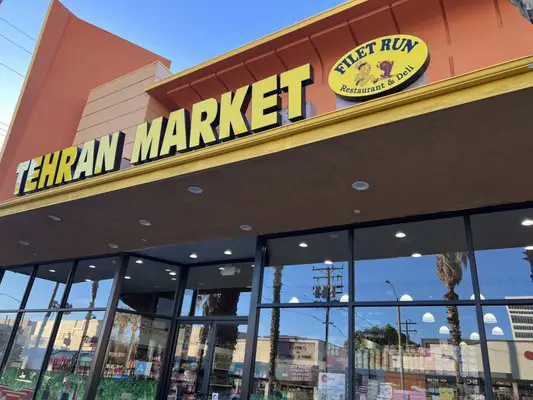
Tehran Market – Wilshire Blvd
Business Description
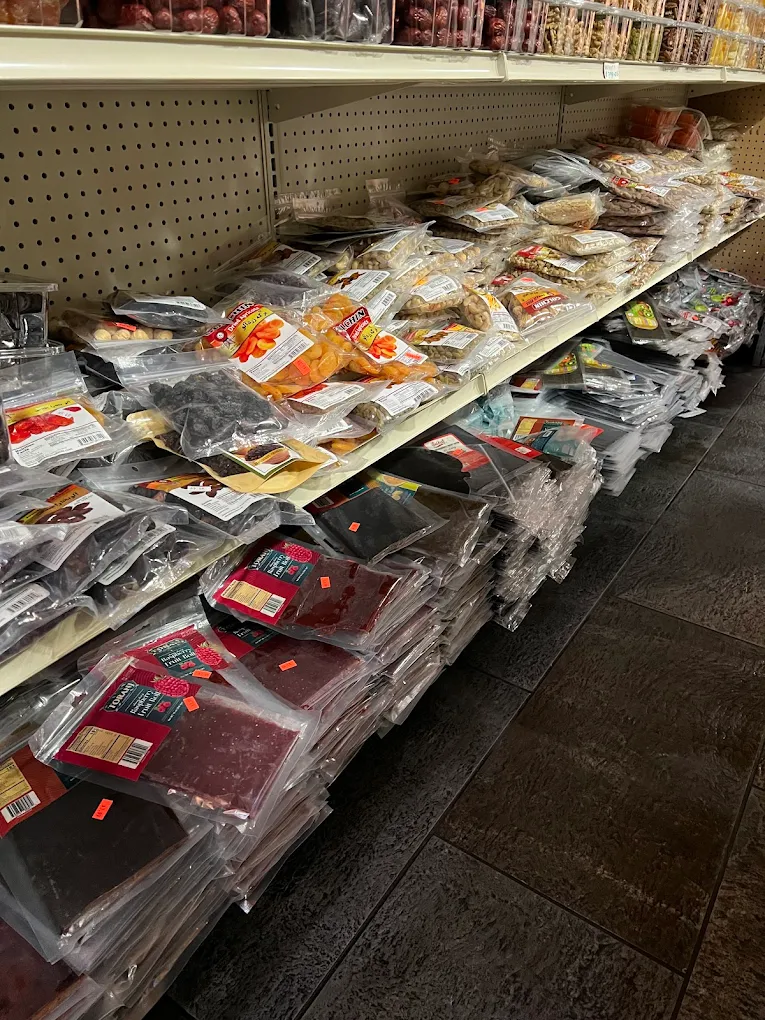
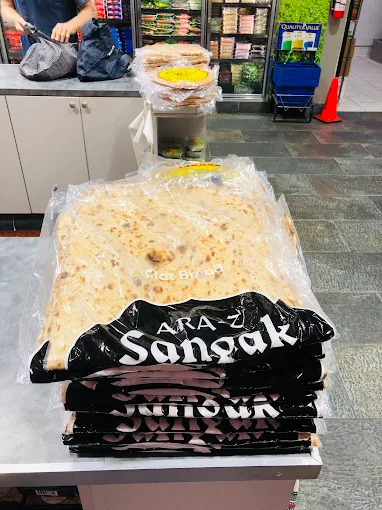
Another place you can go to fill your kitchen with Persian food products and snacks like the delicious Lavashak rolls. But it’s not just a market where you can buy pantry items. You can also order authentic Persian dishes like Kebab, Koobideh, and Joojeh. Fresh Noon Sangak is also in stock for your Iranian breakfast table.

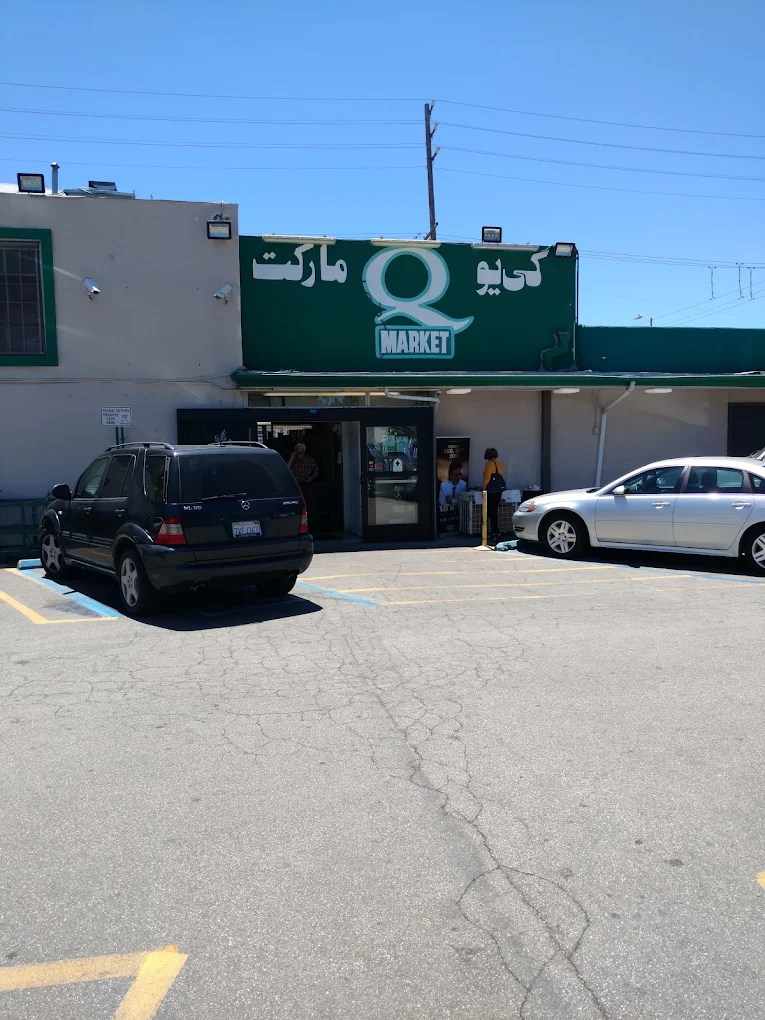
Q Market
Business Description
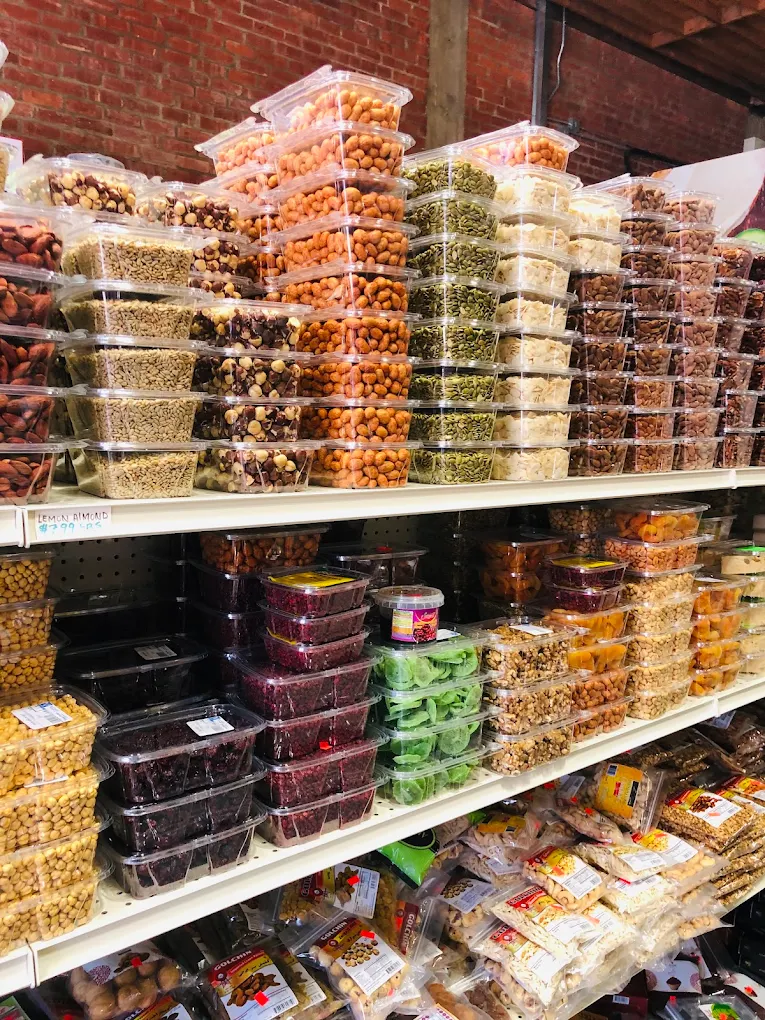
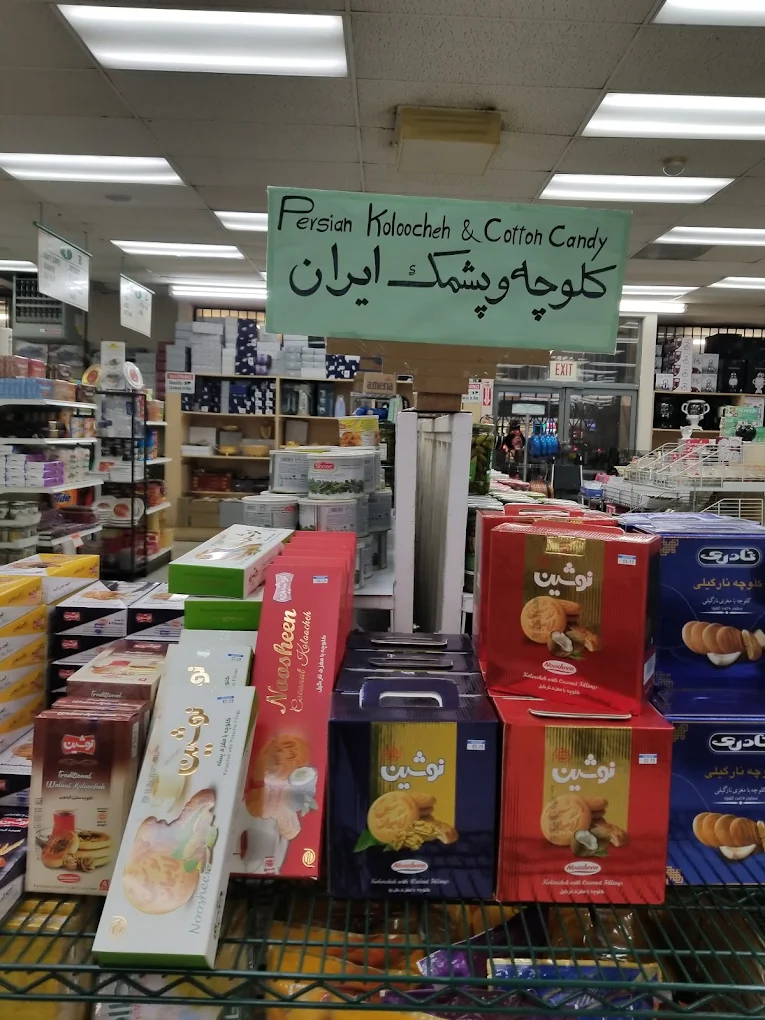
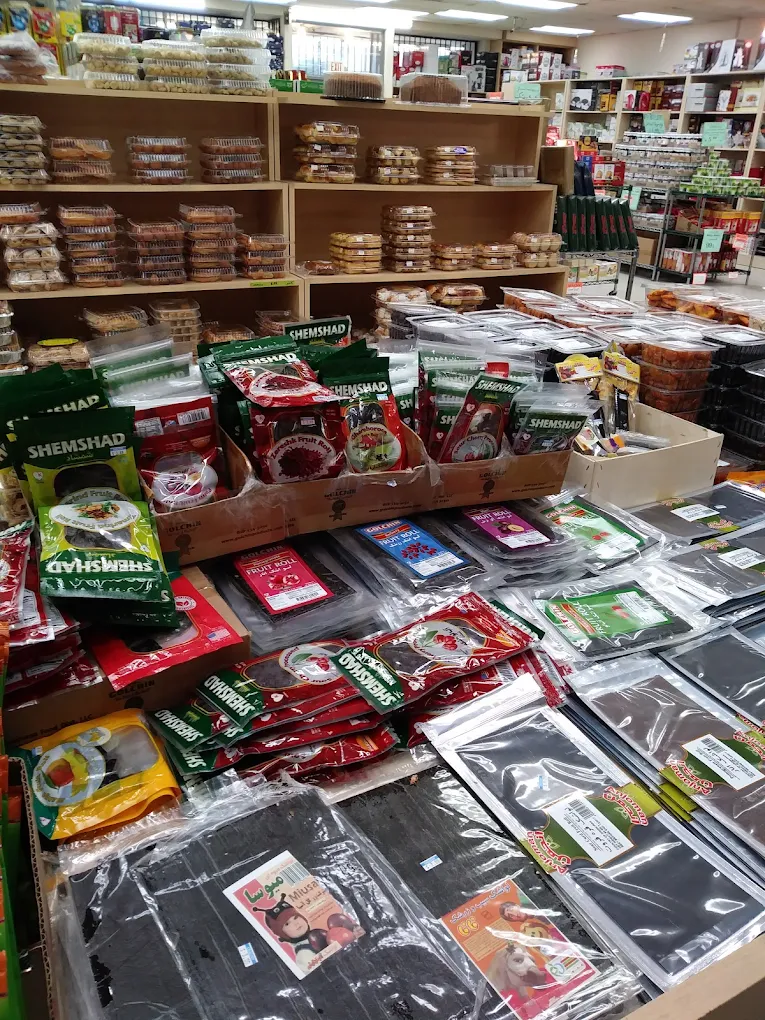
In Q market, three shelves in a row is dedicated to Lavashak and other sour snacks. If you don’t find your favorite flavor of Lavashak in Q Market in Los Angeles, you probably won’t find it anywhere else. In a word, the range of Persian products in Q market is wider than an average supermarket in Iran.

Elat Market – W Pico Blvd
Business Description
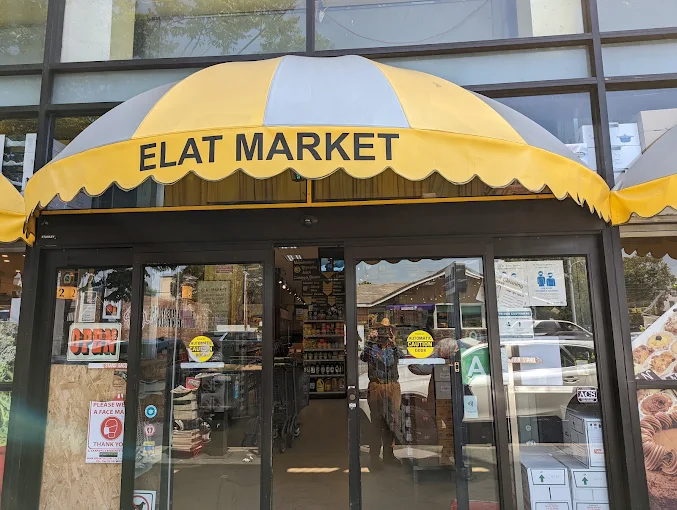
Elat Market is a lively supermarket in the Pico-Robertson area. This is another one-stop supermarket that sells staples every Persian cook needs as well as fresh fruit and vegetables. You can find authentic Persian snacks like Lavashak and traditional Iranian bread loaves like Sangak that come fresh and hot from the Tannor at Elat Market. The helpful staff and convenient location make it a community favorite for stocking up on everyday essentials.

Sabzee Market
Business Description
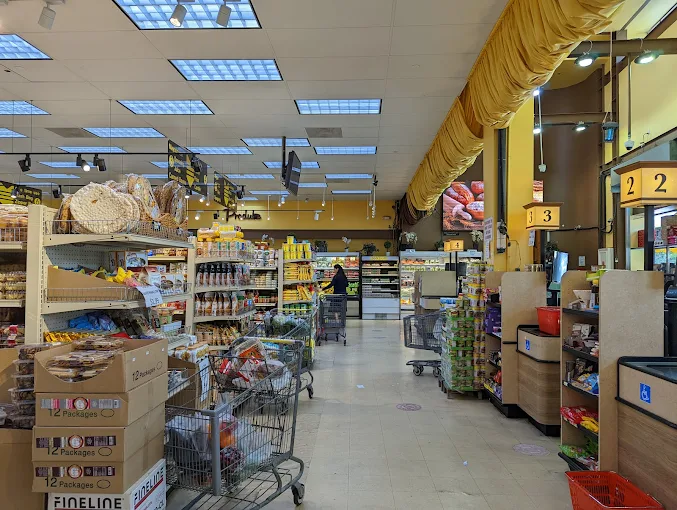
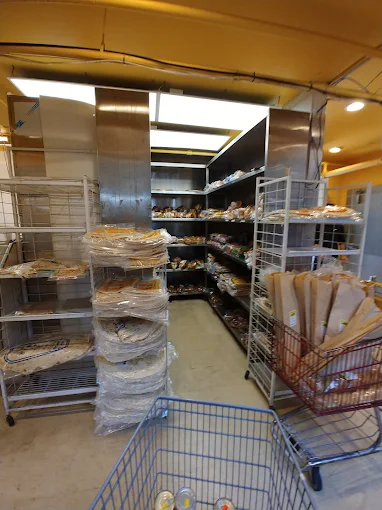
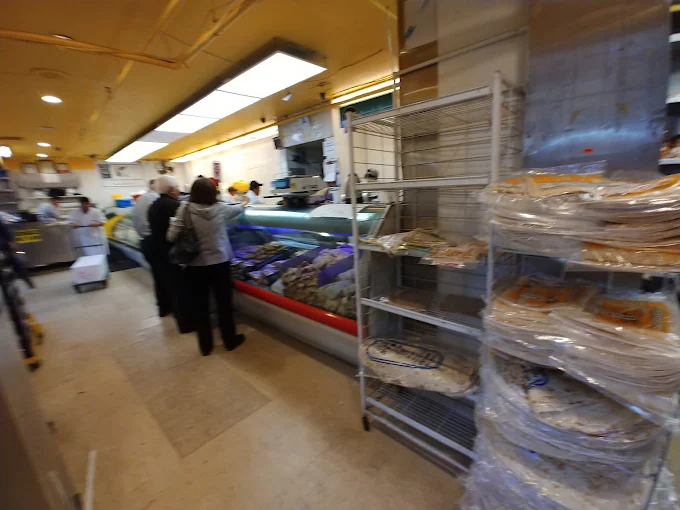
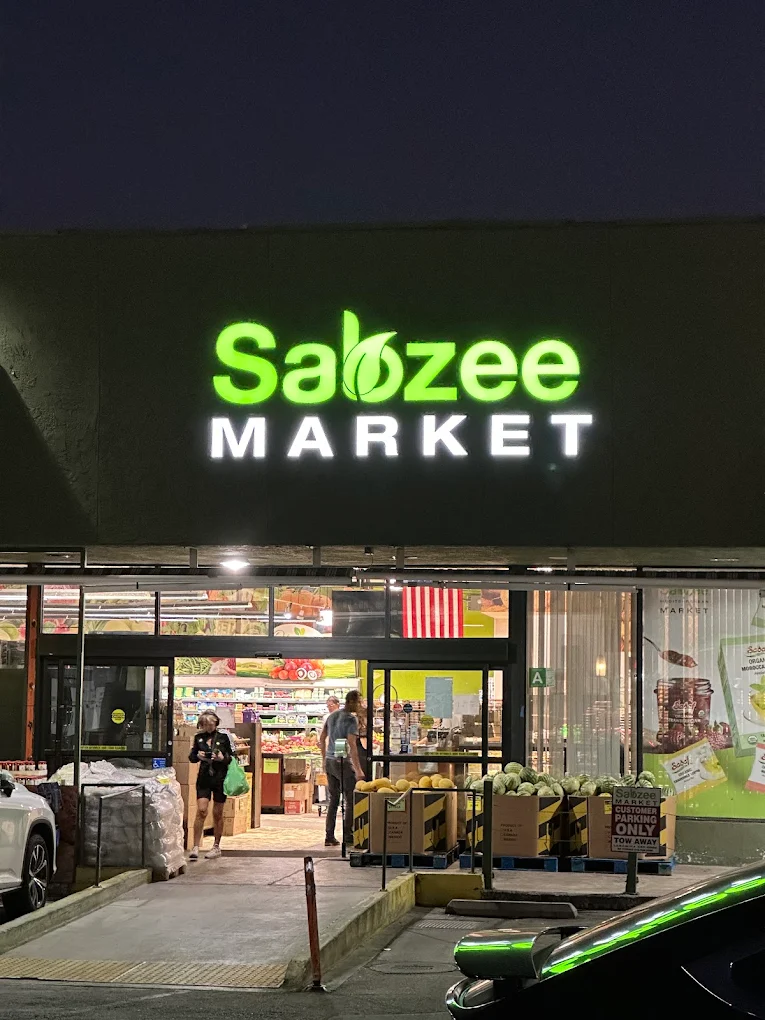
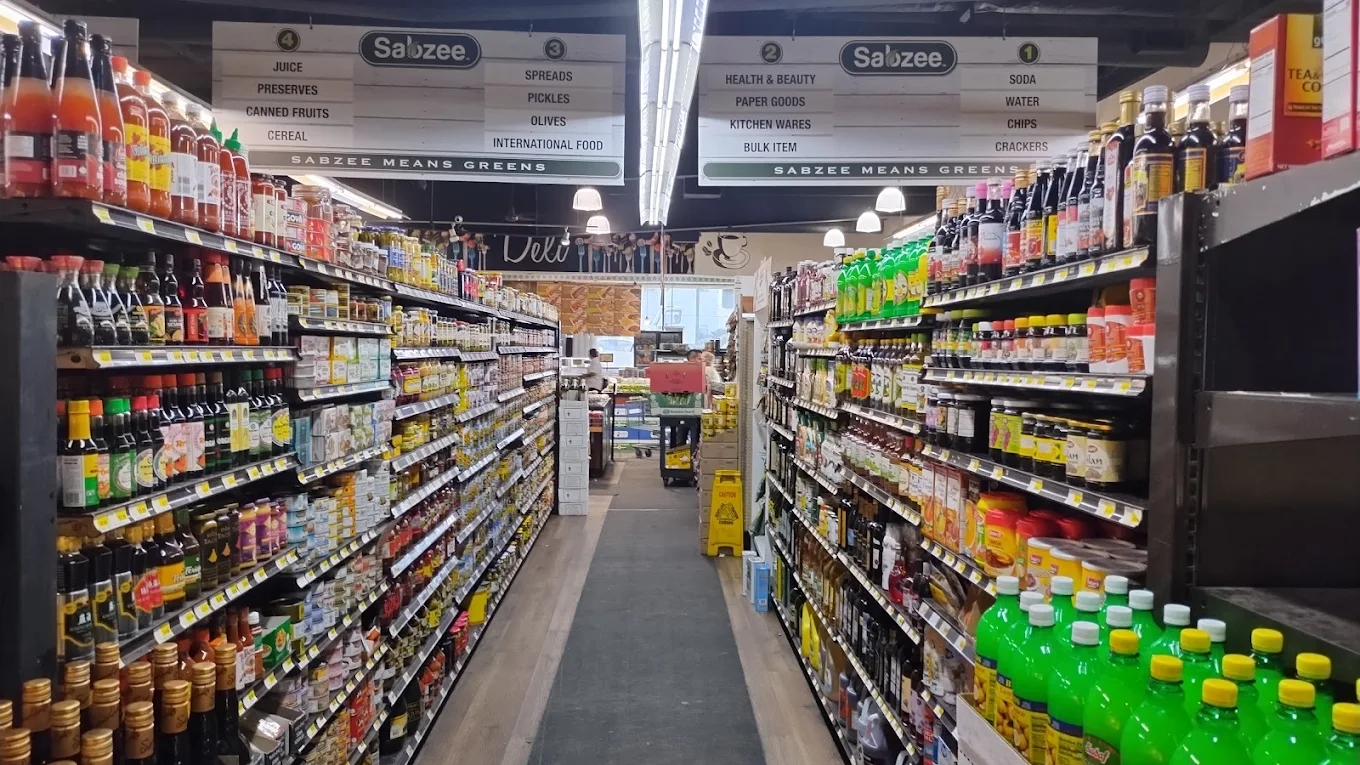
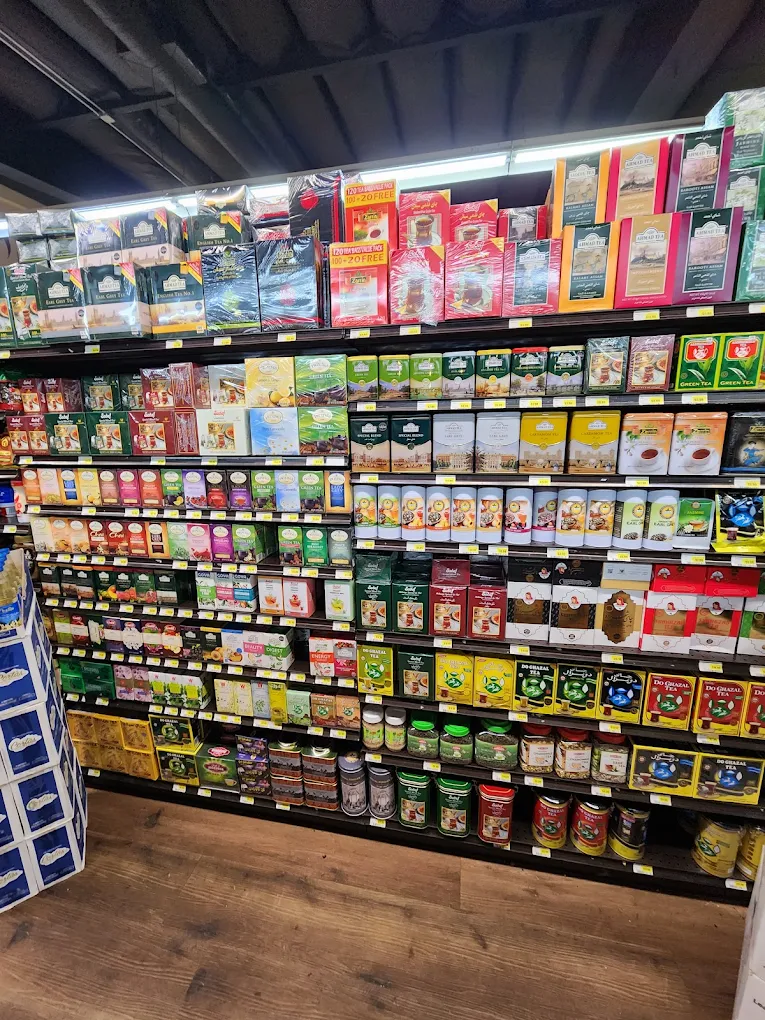
Sabzee supermarket is the whole package. Meats, fruits, vegetables, spices, pastries, you name it. When you go there, don’t forget to try some of the fresh and mouth-watering Lavashak rolls or sheets. It’s a supermarket you won’t mind traveling a long way to get to.

Super Sun Market – West Los Angeles
Business Description
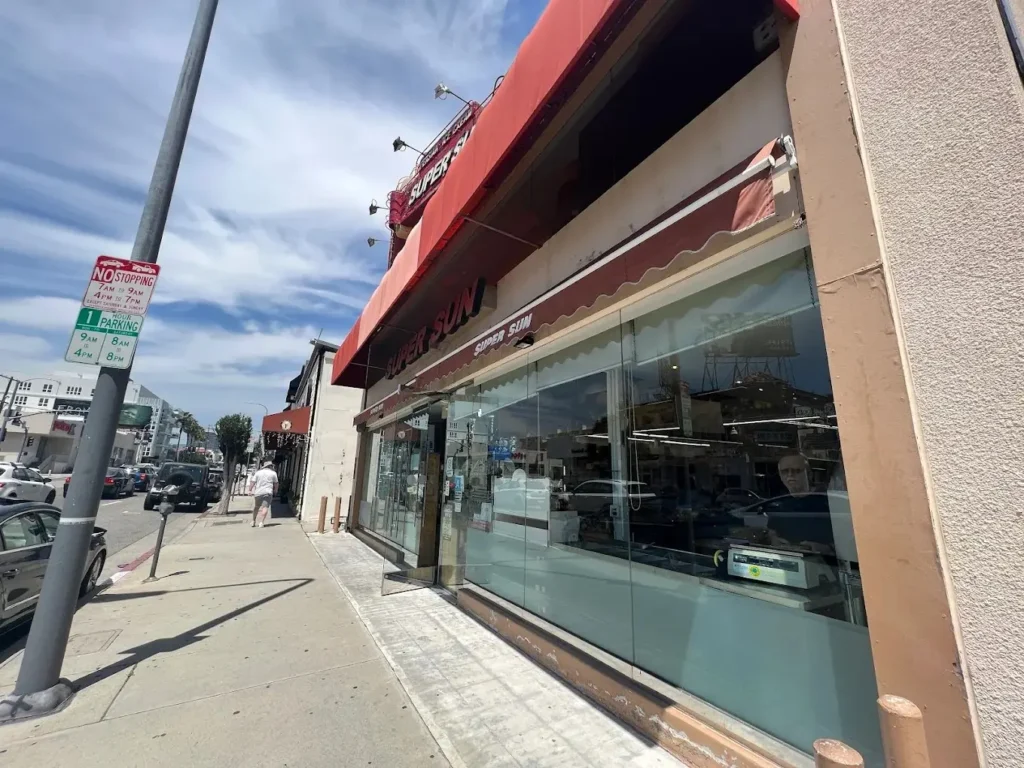
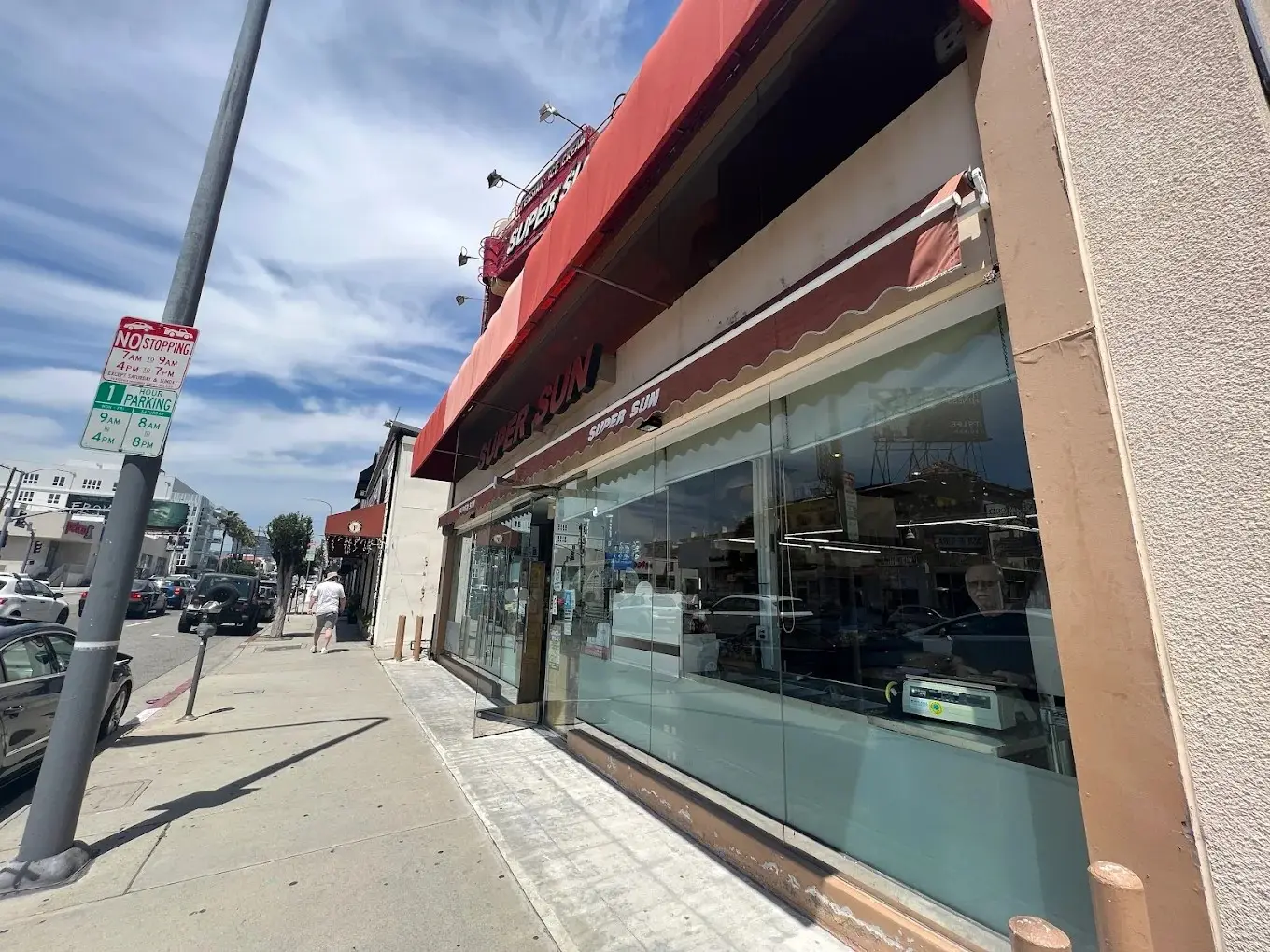
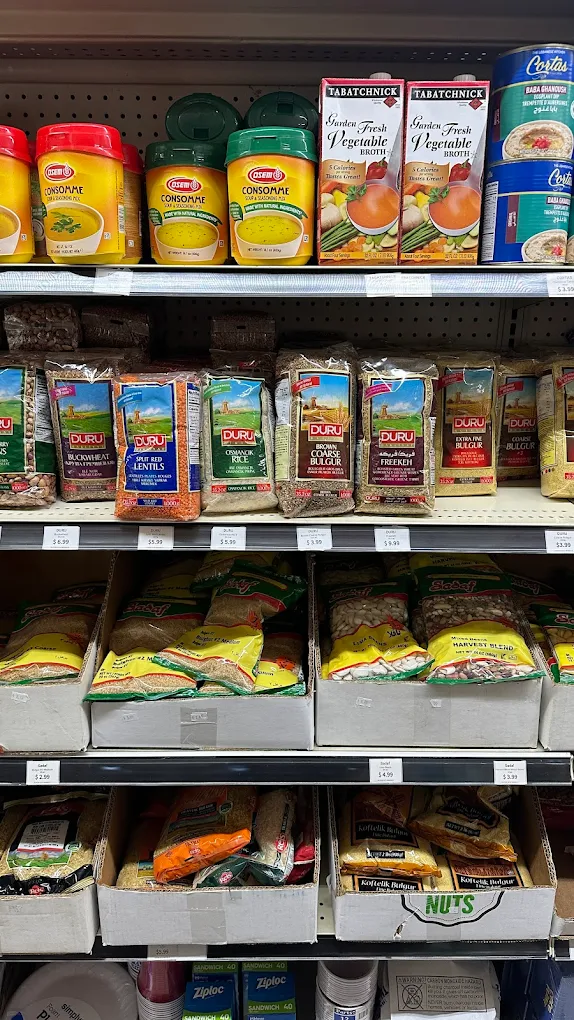
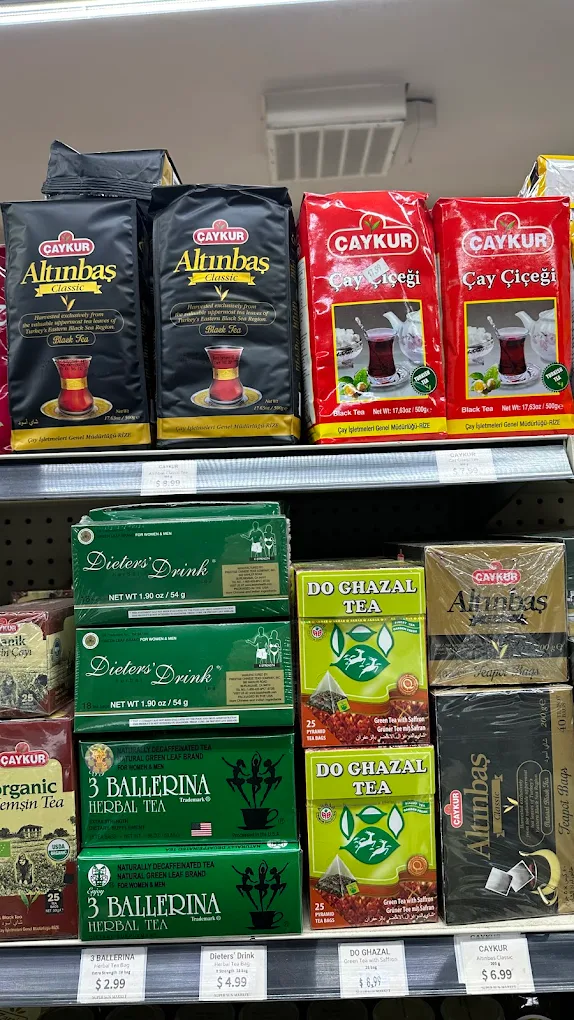
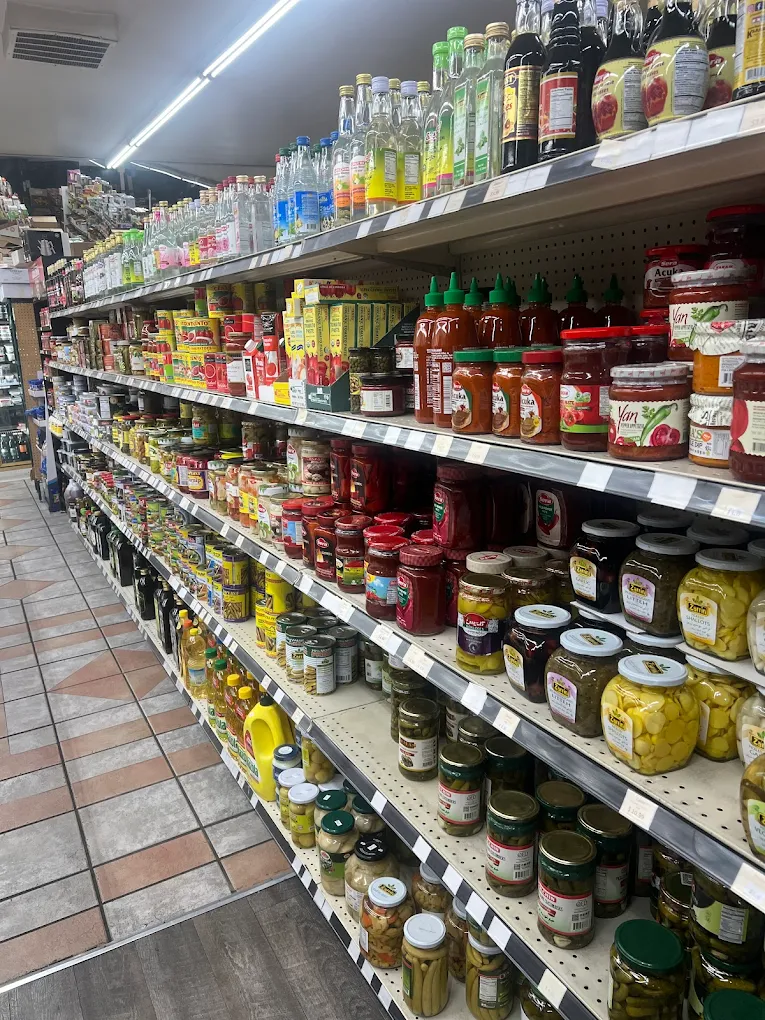
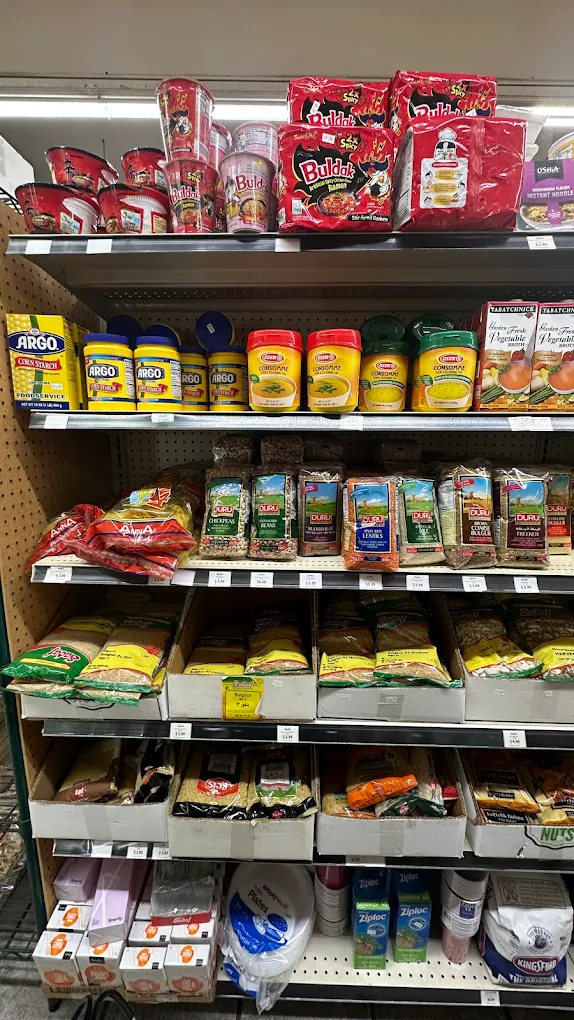
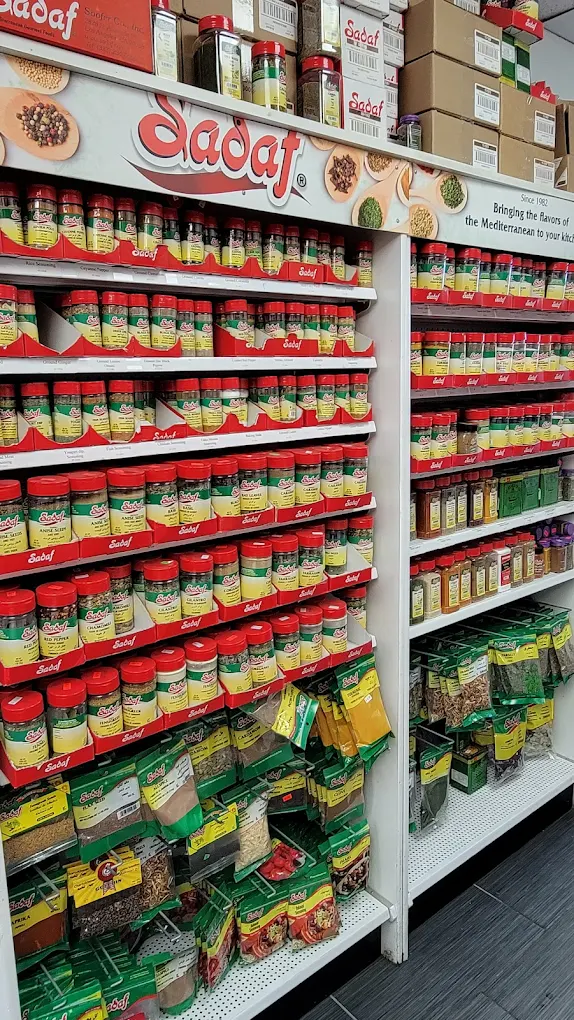
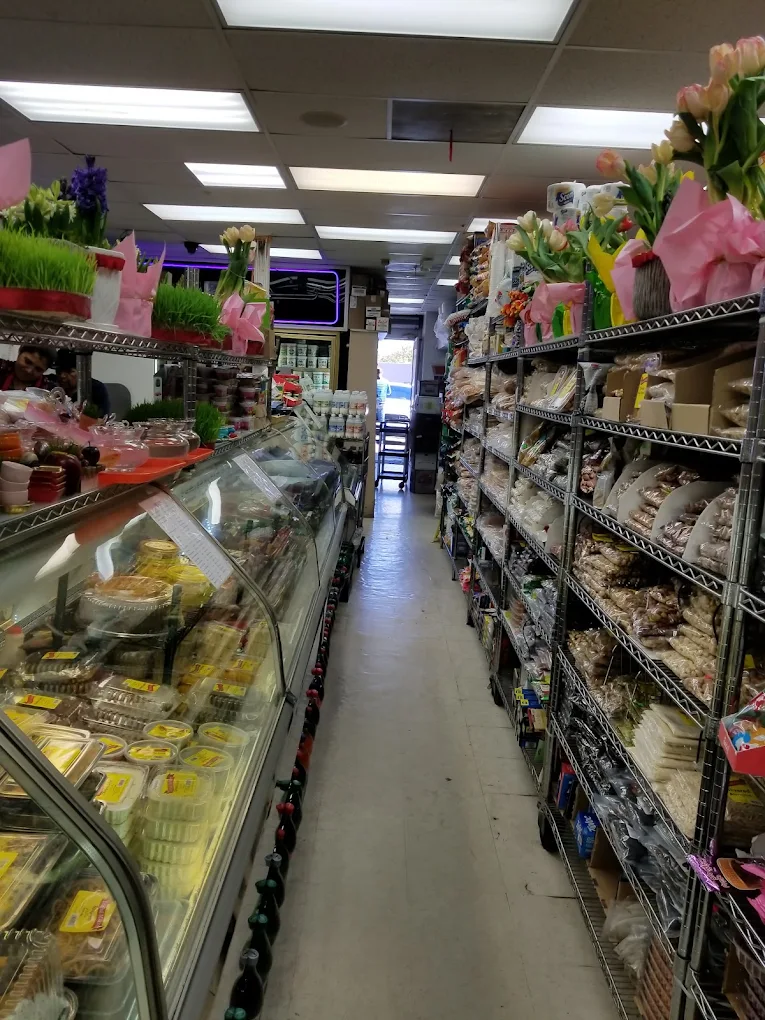
Super Sun Market is where you can find Middle Eastern and Mediterranean products in West Los Angeles. This family-owned grocery store is highly regarded for its clean, well-organized environment and its commitment to offering authentic culinary staples at reasonable prices. The market features a dedicated deli section that serves freshly prepared kebabs and a variety of traditional Iranian dishes. Visitors often highlight the extensive selection of authentic Persian sweets like baklava and Turkish delights, alongside a robust “Nuts & Dry Fruits” section where you can find seasonal imports and pantry essentials.
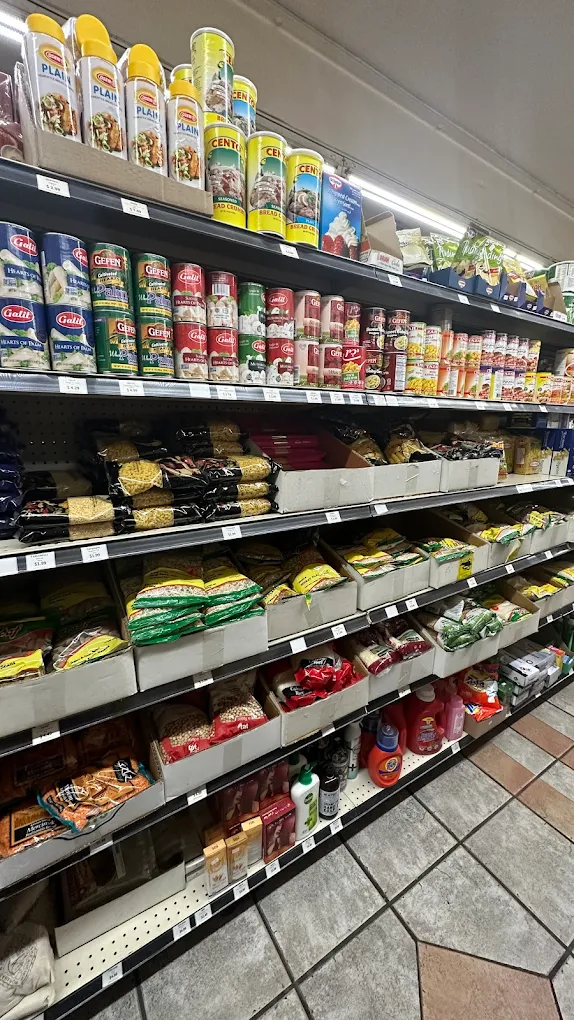
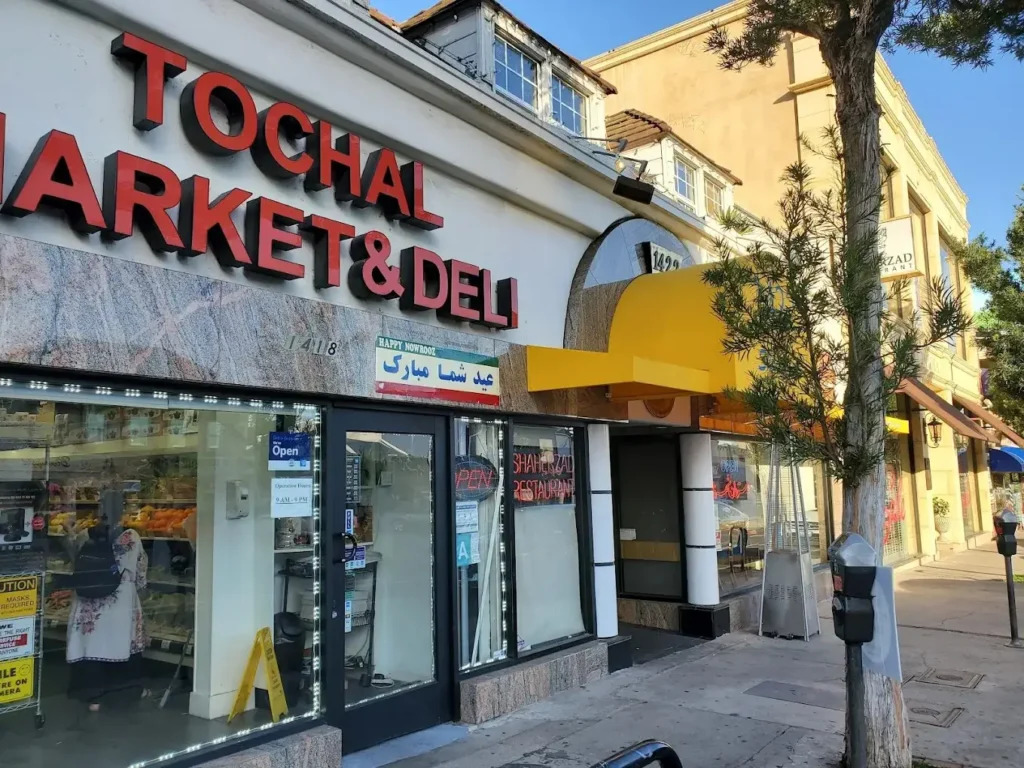
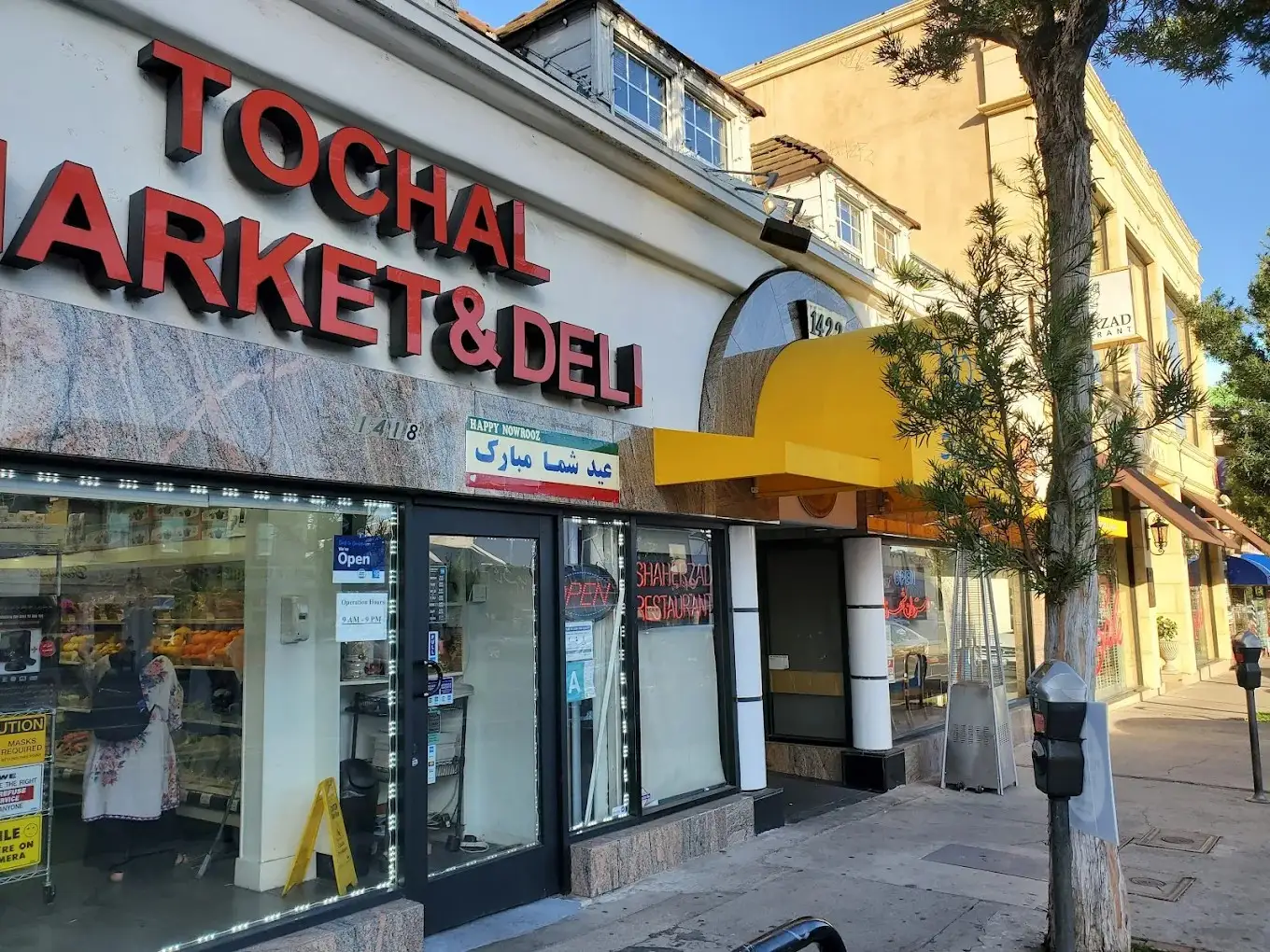
Tochal Market – Westwood
Business Description
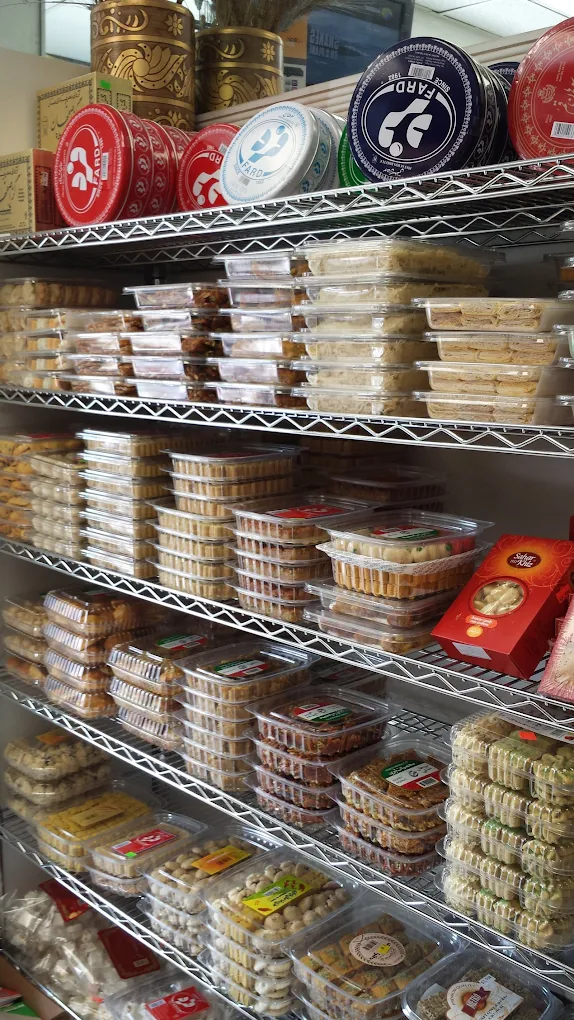
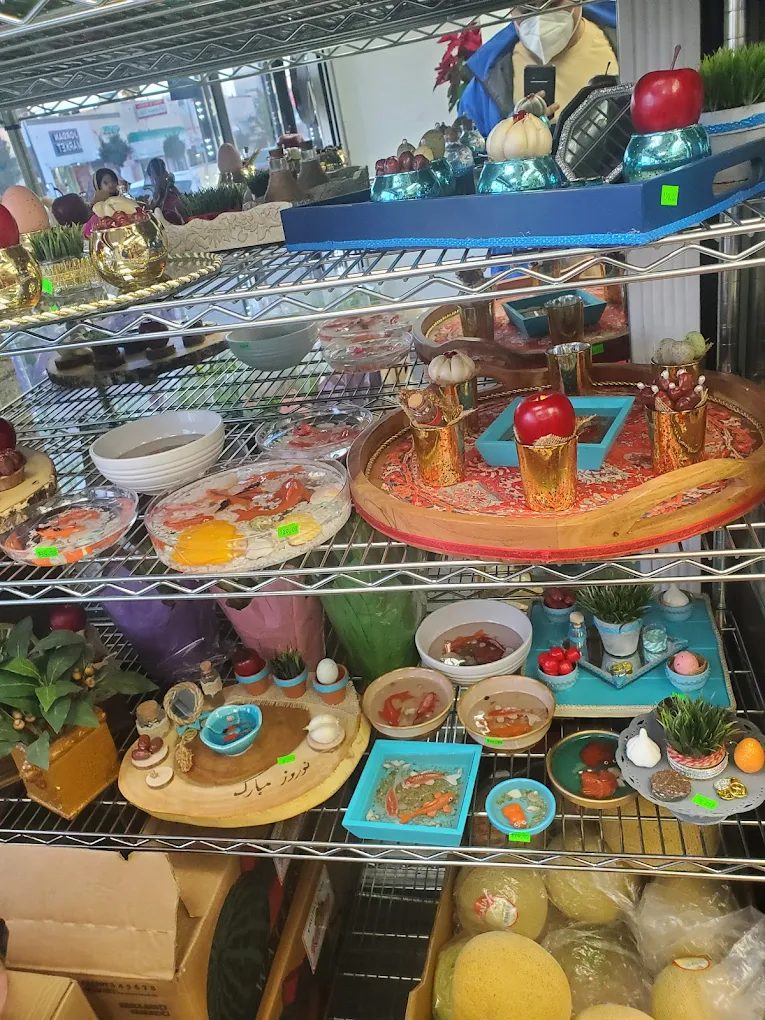
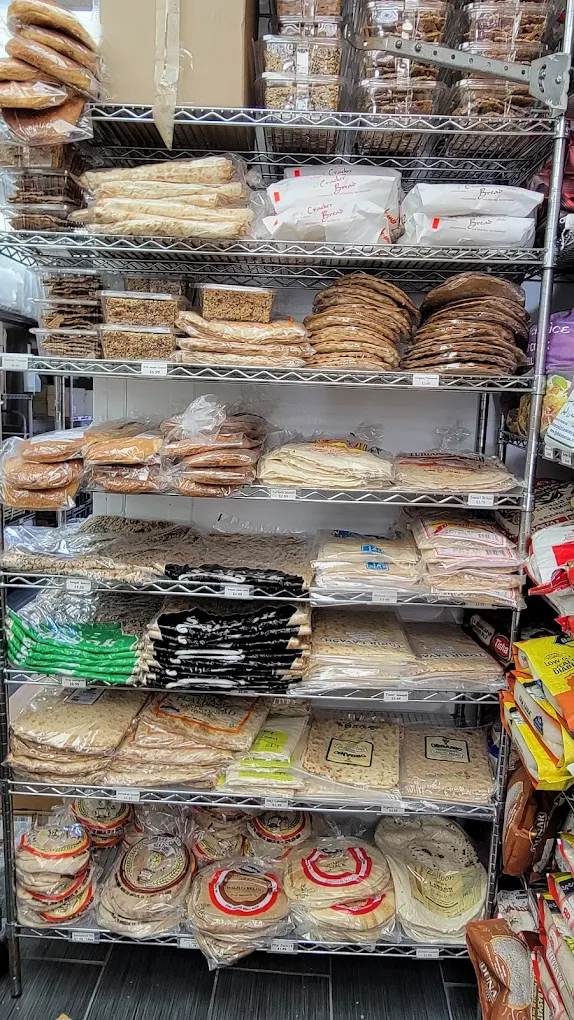
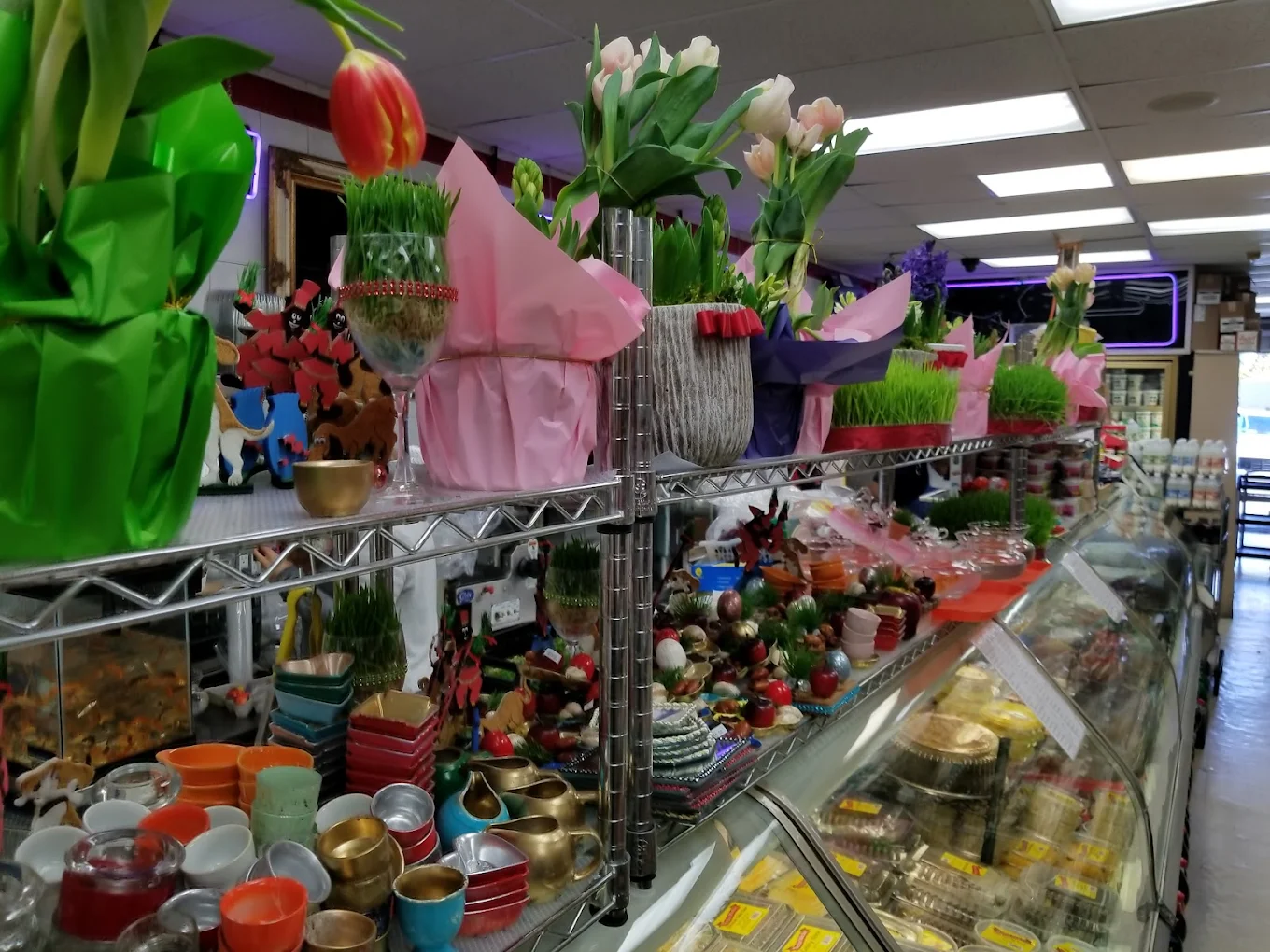
Tochal Market is a well-established Middle Eastern grocery store located in the heart of “Tehrangeles” on Westwood Boulevard. It is popular among locals for providing a wide variety of Persian specialty items and authentic ingredients that can be hard to find in standard supermarkets. The atmosphere is that of a bustling neighborhood market, offering a functional and authentic shopping experience. The market is known for its selection of fresh herbs, traditional Persian breads, and a well-stocked deli counter featuring various meats and cheeses.
What Is Aloo Bukhara?
Aloo bukhara (آلو بخارا) is most commonly known as dried plum, a fruit that becomes deeper, slightly chewy, and wonderfully complex once it’s dried. In many Persian households, it’s treated less like a snack and more like an ingredient: something you keep around because it can bring balance to a pot of stew or add a gentle sweetness to a rice dish.
If you’re shopping in Los Angeles, you’ll notice the name isn’t always written the same way. Depending on the store and the label, it might appear as alu bukhara, aloo bokhara, or even “al bukhara fruit.” These are usually just spelling variations useful to recognize when you’re searching online or scanning shelves.
Different Types of Aloo Bukhara You’ll Find in Los Angeles
One of the reasons aloo bukhara is so useful is that it doesn’t come in just one “taste.” In Los Angeles markets, you’ll typically see both sweet and sour varieties—and choosing the right one makes the difference between a dish that feels balanced and one that tastes slightly off.
Sweet aloo bukhara
Sweet versions are the most familiar to people who think of it as dried fruit. They’re pleasantly fruity, often softer, and easy to snack on. In cooking, sweet aloo bukhara tends to shine in recipes where you want warmth and roundness—think rice dishes with dried fruits and nuts, or meals where you want just a gentle sweetness rather than a sharp tang.
Sour aloo bukhara
Sour aloo bukhara is a favorite for savory cooking, especially in Persian-style stews. It adds a bright, tart note that cuts through rich flavors and brings everything into focus. If you’ve eaten a khoresh that had that subtle mouthwatering “pull,” sour aloo bukhara is often part of what created it.
Seeded vs. seedless, bulk vs. packaged
You may also notice practical differences. While seeded varieties feel more traditional and are common for slow-cooked dishes, Seedless Aloo bukhara is convenient if you plan to chop, snack, or cook quickly.
Where Can You Buy Aloo Bukhara in Los Angeles? (By Neighborhood)
Los Angeles is one of those cities where finding specialty ingredients often comes down to knowing which neighborhoods “speak the language” of that ingredient. With aloo bukhara, you’re in luck: it’s widely carried in Persian and Middle Eastern grocery stores, and it also shows up in many South Asian markets. Here’s what you can expect in different neighborhoods:
|
Neighborhood |
What You’re Most Likely to Find |
|
Westwood / Little Persia (Tehrangeles) |
Sour + sweet options from Persian brands |
|
Glendale |
Good variety; often easier to compare types side by side |
| San Fernando Valley |
Usually available; sometimes more packaged than bulk |
| Other LA areas |
Less consistent; may be closer to “prune-like” dried plums |
Can You Order Aloo Bukhara Online in Los Angeles?
For many people in Los Angeles, ordering online is actually the easiest way to get the exact type of aloo bukhara they want. If your priority is getting aloo bukhara today or tomorrow, local ordering through grocery delivery platforms can work well. The key is search language: try a few spellings like “aloo bukhara,” “alu bukhara,” or “aloo bokhara” so you don’t miss it due to labeling differences.
On the other hand, if you’re buying for cooking over time or you want a specific variety, ordering from a dedicated seller is often the more reliable choice. You’re more likely to get:
- clearer product labeling
- consistent taste (sweet vs. sour)
- better packaging for freshness and storage
This approach is especially useful if you’re stocking a pantry, sending a gift, or you simply don’t want to gamble on whatever happens to be in a bulk bin that week.
How Much Does Aloo Bukhara Cost in Los Angeles?
In Los Angeles, aloo bukhara prices usually fall somewhere between $3 and $12, but the “right” number depends on what you mean by aloo bukhara. In everyday cooking, many people mean the dried version used in biryani or stews. Others mean the fresh seasonal fruit that shows up in Persian or Afghan markets at certain times of year. Here’s a practical 2025 price breakdown to help you shop with confidence:
|
Product Type |
100g | 200g | 400g | 1,000g (1kg) |
|
Dried Aloo Bukhara (Standard) |
$2.50 – $4.00 | $3.99 – $5.50 | $6.50 – $8.99 | $14.00 – $18.00 |
| Golden Iranian Prunes (Premium) | $3.50 – $5.00 | $5.50 – $7.50 | $10.00 – $12.50 |
$22.00 – $28.00 |
| Fresh Aloo Bukhara (Seasonal) | N/A | N/A | $5.25 – $7.50 |
$13.00 – $19.00 |
How to Tell If Aloo Bukhara Is Good Quality
Aloo bukhara is one of those ingredients where quality shows up quickly. A Aloo softens beautifully, adds depth without tasting sugary, and brings that pleasant sweet-sour balance that makes people return to the dish. A poor one can taste flat, overly sweet, or slightly stale in a way you can’t “cook out.” Here are the simplest cues to look for when you’re buying—whether it’s in a packet or from a bulk bin:
Look for a natural, clean appearance
Good aloo bukhara generally looks plump and intact, not crushed into small fragments. A little wrinkling is normal (it’s dried fruit), but it shouldn’t look dusty or overly dull.
Check the texture (without needing to overthink it)
It should feel firm but not rock-hard. Avoid fruits that feel wet-sticky or syrupy unless the label clearly indicates it’s been sweetened or treated. If it’s extremely dry and brittle, it may be old or poorly stored.
Smell matters more than people realize
Aloo bukhara should smell fruity and mildly tart. If you notice anything musty, “old pantry,” or fermented, it’s a sign to skip it—especially for bulk options.
Professional note: An unnatural gloss can sometimes mean the fruit has been heavily treated or sweetened. That doesn’t automatically make it “bad,” but it can change how it behaves in cooking and push a dish toward a more candy-like sweetness.
How to Store Aloo Bukhara So It Stays Fresh
Aloo bukhara is fairly forgiving, but like most dried fruits, it has two quiet enemies: air and moisture. Store it well, and it stays flavorful and tender for a long time. Store it poorly, and it can dry out, lose aroma, or pick up that slightly stale taste that shows up the moment you start cooking.
Keep it airtight, always
Once opened, transfer aloo bukhara to an airtight container (glass jar or a well-sealed food container works beautifully). This protects it from drying out and from absorbing other odors in your pantry.
Pantry vs. fridge: which is better?
If you go through it regularly, a cool, dark pantry is usually enough. If you bought a larger amount (especially bulk) or your kitchen runs warm, the refrigerator is a safer choice to maintain texture and prevent moisture issues. Either way, the goal is the same: steady temperature and low humidity.
How to Use Aloo Bukhara in Persian Cooking
In Persian cuisine, Aloo Bukhara (dried golden plums) is a prized ingredient used to create the signature sweet and sour profile (malas) that defines many classic stews. Unlike in South Asian cooking, where it is often a background spice in Biryani, in Persian food, the plum is often a centerpiece. Follow these steps if you want to use Al Bukhara fruit in the Persian style:
- Soaking: If your Aloo Bukhara are very firm or dry, soak them in cold water for 15–20 minutes before adding them to the pot. This prevents them from absorbing too much of your stew’s liquid.
- Timing: Add them during the last 30–45 minutes of cooking. If you add them too early, they will disintegrate; if too late, they won’t soften enough to release their tartness.
- The Pits: Most Aloo Bukhara sold in LA markets contain pits. Warn your guests, or gently squeeze the softened plums to remove the pits before serving (though many prefer them whole for presentation).
Famous Persian Recipes
If you are looking for Persian dishes with Aloo Bukhara, here is a list of them:
|
Dish Name |
Description |
Key Ingredients |
| Khoresh-e-Aloo Esfenaj | The most famous plum dish; it’s a rich, velvety green stew. |
Spinach, lamb (or chicken), onions, turmeric, and plenty of Aloo Bukhara. |
|
Khoresh-e-Beh |
A seasonal autumn/winter favorite with a floral aroma. | Quince fruit, yellow split peas, meat, and Aloo Bukhara for tang. |
| Khoresh-e-Havij | A vibrant, orange-hued stew from the Azeri region of Iran. |
Julienned carrots, tomato paste, saffron, lemon juice, and plums. |
|
Morgh-o-Aloo |
A simpler, one-pot chicken braise is often made for family dinners. |
Chicken thighs, potatoes, tomato paste, and Aloo Bukhara. |