
Persian expats in Los Angeles are among the lucky Iranian immigrants because whatever they used to have in their home country is also available in LA. For instance, if you crave hot and fresh Noon Sangak in Los Angeles to have a Persian breakfast, there are many places you can go to. Nazdikia has handpicked the best of them here.
Naan Hut – Santa Monica
Business Description
As the name suggests, the bread is the star at this casual West LA eatery. Naan Hut is a counter-service spot that specializes in kabobs, but its main draw is the fresh, hot Sangak bread. This traditional Persian whole-wheat sourdough flatbread is baked on-site and is famously long, thin, and often pebbled from the hot stones it’s baked on. They also get creative, using the Sangak as a delicious, crispy base for their “Persian Pizzas.” While it’s more of a kabob restaurant than a pastry shop, it’s one of the best places to get this specific and beloved type of Persian bread, which is a true bakery staple.


Asal Bakery – Woodland Hills
Business Description
Asal Bakery and Kabob is a warm family kitchen serving up authentic Persian comfort food with a smile. Asal Bakery is where you can find the most authentic flavors of Persian cuisine. Their kebabs with fresh Sangak, which is soaked with the natural fat from the lamb meat, are irresistible. Asal Bakery also sells nuts, pastries, and some Persian food products like Torshi and Zeytoon Parvardeh, which Iranians are used to having on their dinner tables. In short, if you’re feeling homesick, a meal at Asal Bakery will cheer you up with the aroma of fresh Sangak and Barbari bread.


Sangak Express – Vanowen
Business Description
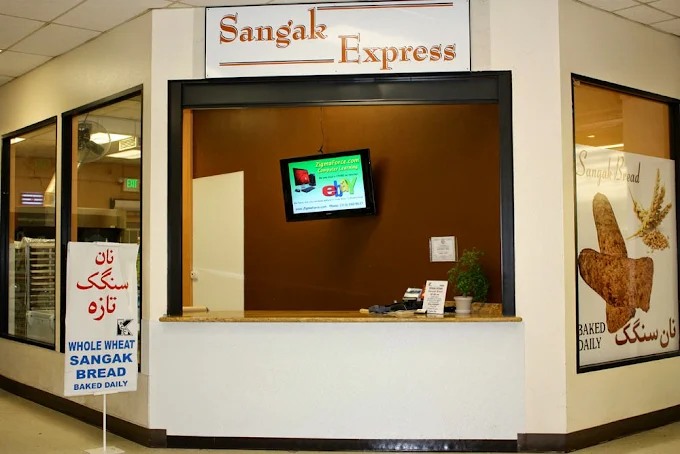
Sangak Express in Reseda is a no-frills bakery that’s all about delivering that perfect, fresh-baked Persian sangak bread straight to your table. If you don’t want to stand in line, you can call them and place an order. Sangak Express is all about efficiency in baking Iran’s authentic bread in Los Angeles. Reviews show satisfaction with the quality of Noon Sangak as well as the “very good behavior of the staff.”

Tehran Market – Wilshire Blvd
Business Description
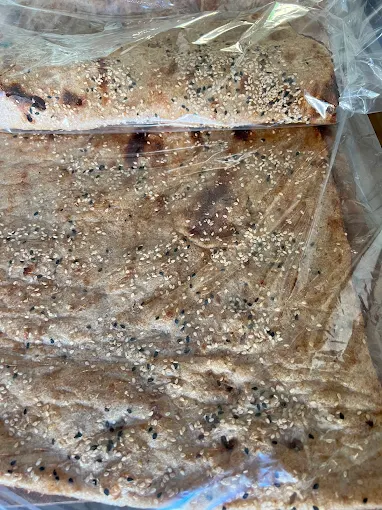
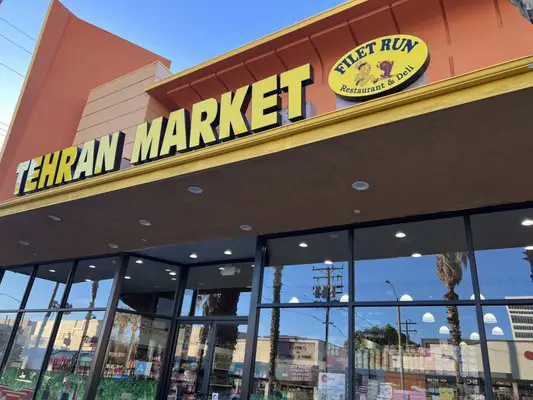
Another place you can go to fill your kitchen with Persian food products and snacks like the delicious Lavashak rolls. But it’s not just a market where you can buy pantry items. You can also order authentic Persian dishes like Kebab, Koobideh, and Joojeh. Fresh Noon Sangak is also in stock for your Iranian breakfast table.

Elat Market – W Pico Blvd
Business Description
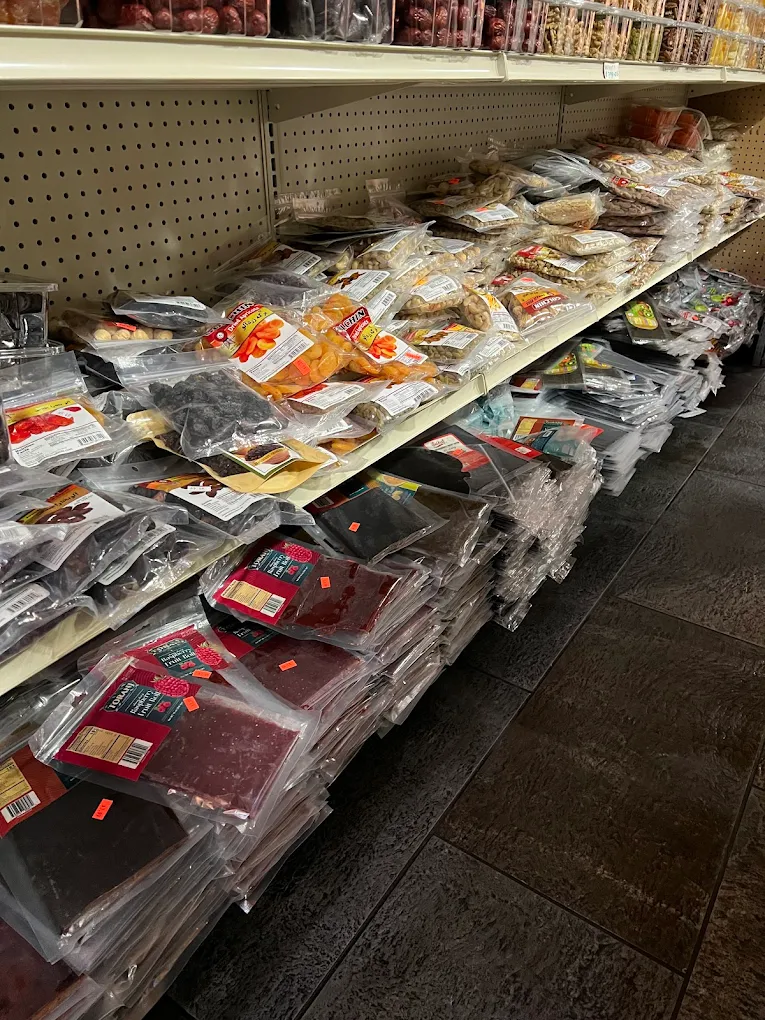
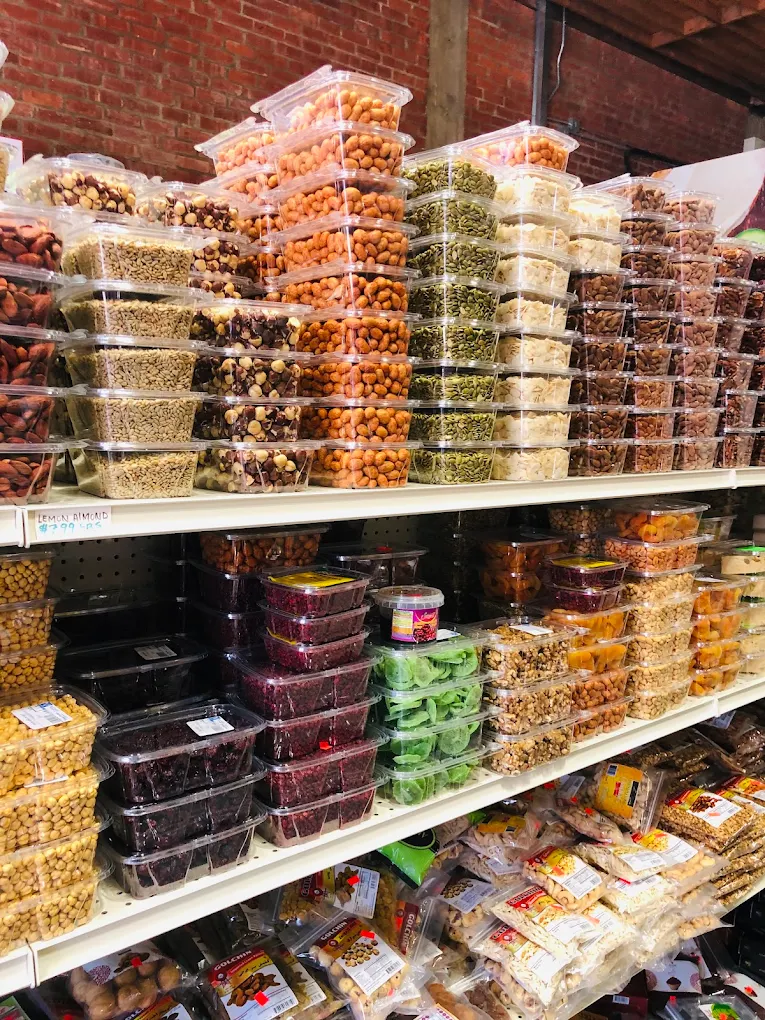
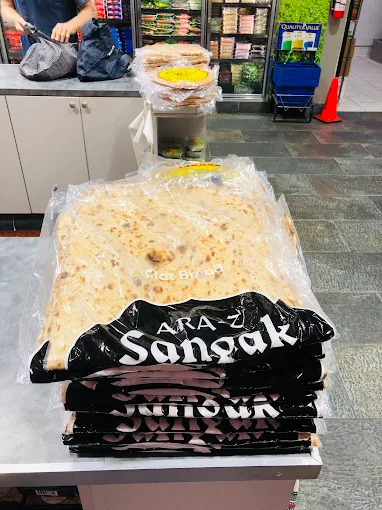
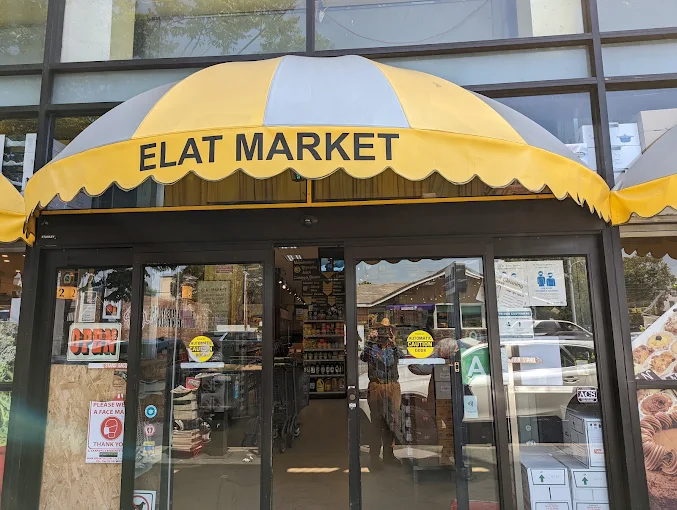
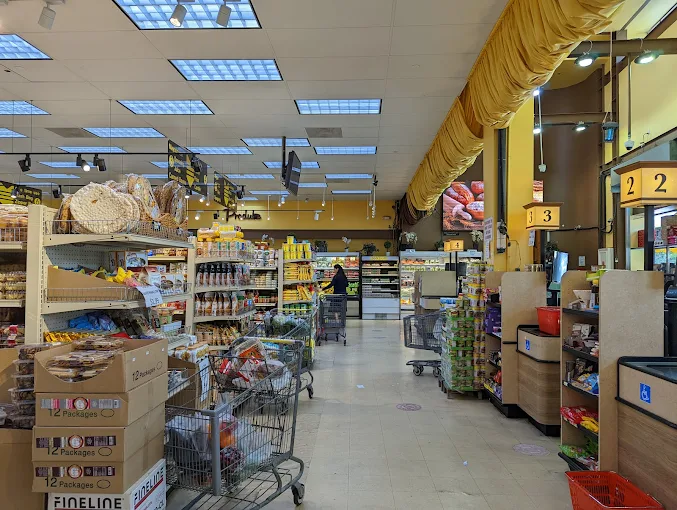
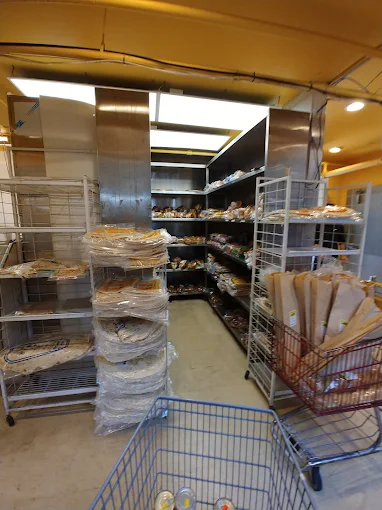
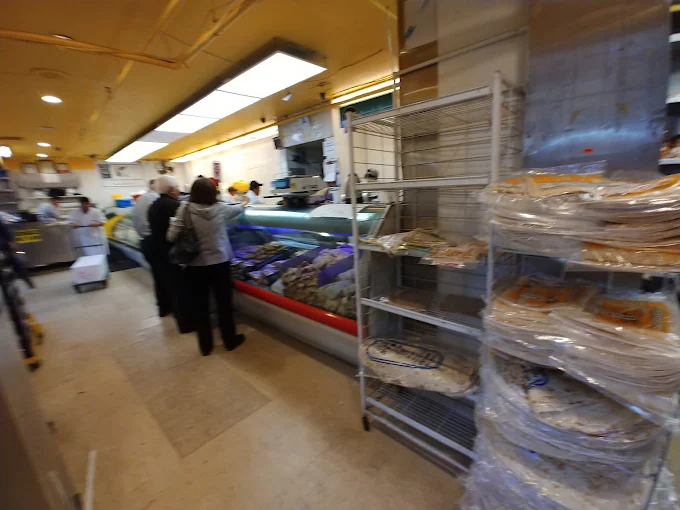
Elat Market is a lively supermarket in the Pico-Robertson area. This is another one-stop supermarket that sells staples every Persian cook needs as well as fresh fruit and vegetables. You can find authentic Persian snacks like Lavashak and traditional Iranian bread loaves like Sangak that come fresh and hot from the Tannor at Elat Market. The helpful staff and convenient location make it a community favorite for stocking up on everyday essentials.
Best Places to Buy Fresh Noon Sangak in Los Angeles
If you’re craving the warm, authentic taste of Iran in the city, fresh Sangak bread is a must-try staple that brings comfort and tradition to every meal. Nazdikia’s has made it easy for you to find Persian bakeries and restaurants that sell and serve fresh Noon Sangak with Its unique texture and versatile pairings make it special. This guide covers everything you need to know about finding and enjoying the best Sangak bread in Los Angeles
What Goes Into Making Sangak Bread and Is It Fermented?
Sangak bread starts with simple, wholesome ingredients that give it a hearty flavor and chewy bite. Typically, it’s made from whole wheat flour, water, salt, and a leavening agent like yeast or sourdough starter. Some versions add sesame or poppy seeds for extra crunch and a nutty taste. The flour often combines whole wheat and all-purpose to balance texture, while a touch of oil or butter might be added for softness.
What sets it apart is its traditional fermentation process, which uses sourdough for natural leavening. This fermentation usually lasts several hours or overnight. It helps the dough rise, improves digestibility, and adds a subtle tang. Many Persian bakeries allow the dough to ferment slowly to develop deeper flavors, making it a healthier choice compared to quicker breads. If you’re exploring Persian Bakery Sangak in Los Angeles, places like Asal Bakery emphasize this authentic method, ensuring each loaf captures that homemade essence.
The Art of Baking Sangak Bread
Baking Sangak requires a special technique rooted in ancient Persian traditions, creating its distinctive dimpled surface and crisp edges. The process begins with kneading the dough until smooth, followed by resting and rising for optimal fluffiness. Once ready, bakers stretch the dough thinly and place it on a bed of hot pebbles or stones in a convex oven, called a Tanoor. The heat from the stones, around 500-600 degrees Fahrenheit, cooks the bread quickly, usually in just a few minutes. The pebbles create those characteristic holes and uneven texture. This method ensures a crispy outside while keeping the inside soft and chewy.
For home bakers, you can mimic this using a pizza stone or a baking sheet preheated in the oven, though nothing beats the real thing from professionals. When seeking Sangak in Los Angeles, head to Sangak Express, where they bake it fresh daily using time-honored methods that keep the tradition alive.
How to Keep Sangak Bread Fresh for Longer
Nothing beats biting into warm Sangak straight from the bakery. With a few smart tips, you can maintain that freshness at home for days. If you’re not eating it right away, wrap the bread in a clean cloth or paper bag to let it breathe and avoid moisture buildup that leads to sogginess. For short-term storage, keep it at room temperature in a cool, dry spot for up to two days. To extend its life, slice the loaf into manageable pieces, place them in airtight freezer bags, and freeze; this way, it stays good for up to a month. When ready to enjoy, thaw at room temperature or reheat in a toaster oven with a damp paper towel wrapped around it to restore softness without drying out.
Avoid the fridge, as it can make the bread stale faster due to starch changes. These tips work wonders for Persian bread sangak in Los Angeles, especially if you’ve picked up a large loaf from Naan Hut and want to savor it over multiple meals.
Delicious Ways to Enjoy Sangak Bread
Sangak’s versatility makes it a perfect companion for many Persian dishes, turning simple ingredients into memorable feasts. Tear off a piece and pair it with kebabs like juicy koobideh or barg, allowing the bread to soak up the savory juices and grilled flavors.
For breakfast, spread it with feta cheese, fresh herbs like mint and basil, sliced cucumbers, tomatoes, and walnuts for a refreshing start. Add a drizzle of honey or jam for sweetness. It shines in stews like ghormeh sabzi or fesenjan, acting as a scoop to mop up the rich sauces.
Don’t forget dips like hummus, yogurt-based Mast O Khiar, or olive oil with za’atar for a quick snack. Vegetarians love it with eggplant-based borani or lentil soups, while a simple butter and radish topping keeps things light. No matter the pairing, fresh Naan Sangak in Los Angeles from spots like Tehran Market makes everyday eating special.
Nutritional Perks of Sangak Bread
As a whole wheat-based bread, Sangak is nutritious and supports a balanced diet without skimping on taste. A typical 3-ounce serving has about 240 calories, with around 45 grams of carbohydrates for sustained energy, 8 grams of protein for muscle repair, and just 1-2 grams of fat, keeping it low in unhealthy elements. Its high fiber content, usually 5-7 grams per serving from the whole grains, aids digestion and helps you feel full longer. It’s also a good source of B vitamins, iron, and magnesium for overall health.
Compared to refined breads, Sangak’s lower glycemic index means steadier blood sugar levels, fitting into many diets. Traditional versions with sesame seeds add healthy fats and antioxidants. When enjoying Sangak bread in Los Angeles from Elat Market, you’re not just treating your taste buds; you’re choosing a nutritious option that supports healthy eating.
Pricing and What Customers Are Saying About LA’s Top Sangak Spots
Sangak bread is an affordable delight in Los Angeles, with prices typically ranging from $5 to $10 per large loaf, depending on size, toppings like sesame, and the bakery. A standard plain loaf might cost around $5.29 at some markets, while fresh-baked specialty versions with seeds go for $7.99 to $8.99. Always check for deals or bulk options if you’re stocking up.
If you’re interested in finding more markets, stores, and restaurants that remind you of home, and access business owners who speak your language, visit Nazdikia frequently.