
Melbourne is a city where cultures naturally weave into everyday life, and Persian food has quietly become an integral part of that tapestry. Yet among all the flavours this city embraces, few things spark as much nostalgia for Iranians as a warm sheet of noon sangak. That’s where Nazdikia helps. With the city’s Persian and Middle Eastern communities spread across the north, east, and south-east, this guide shows you exactly where to buy authentic sangak in Melbourne.

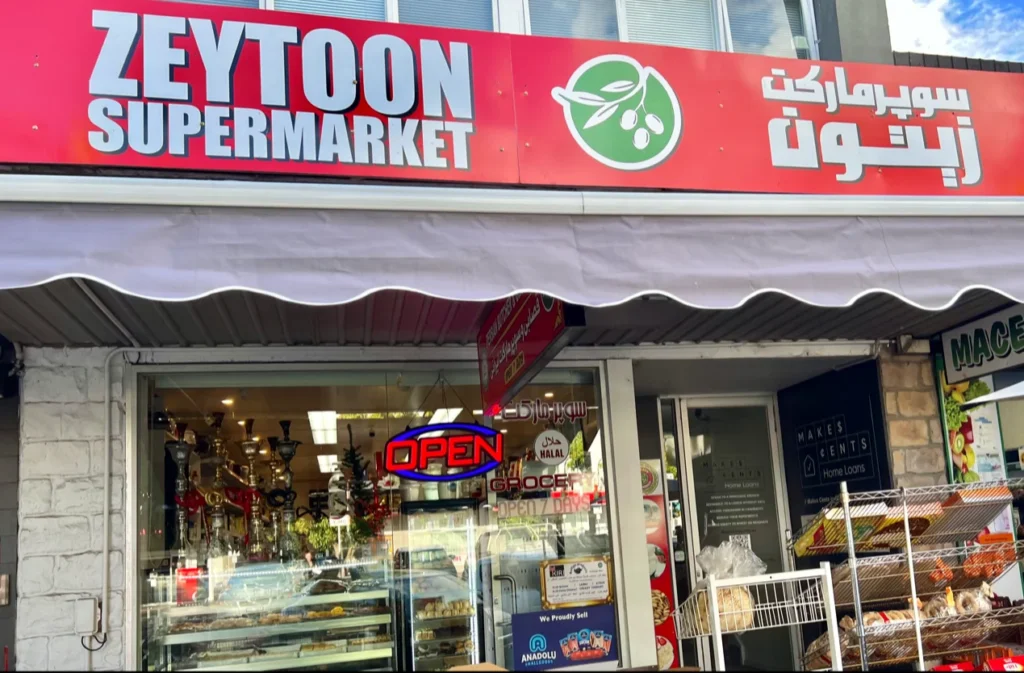
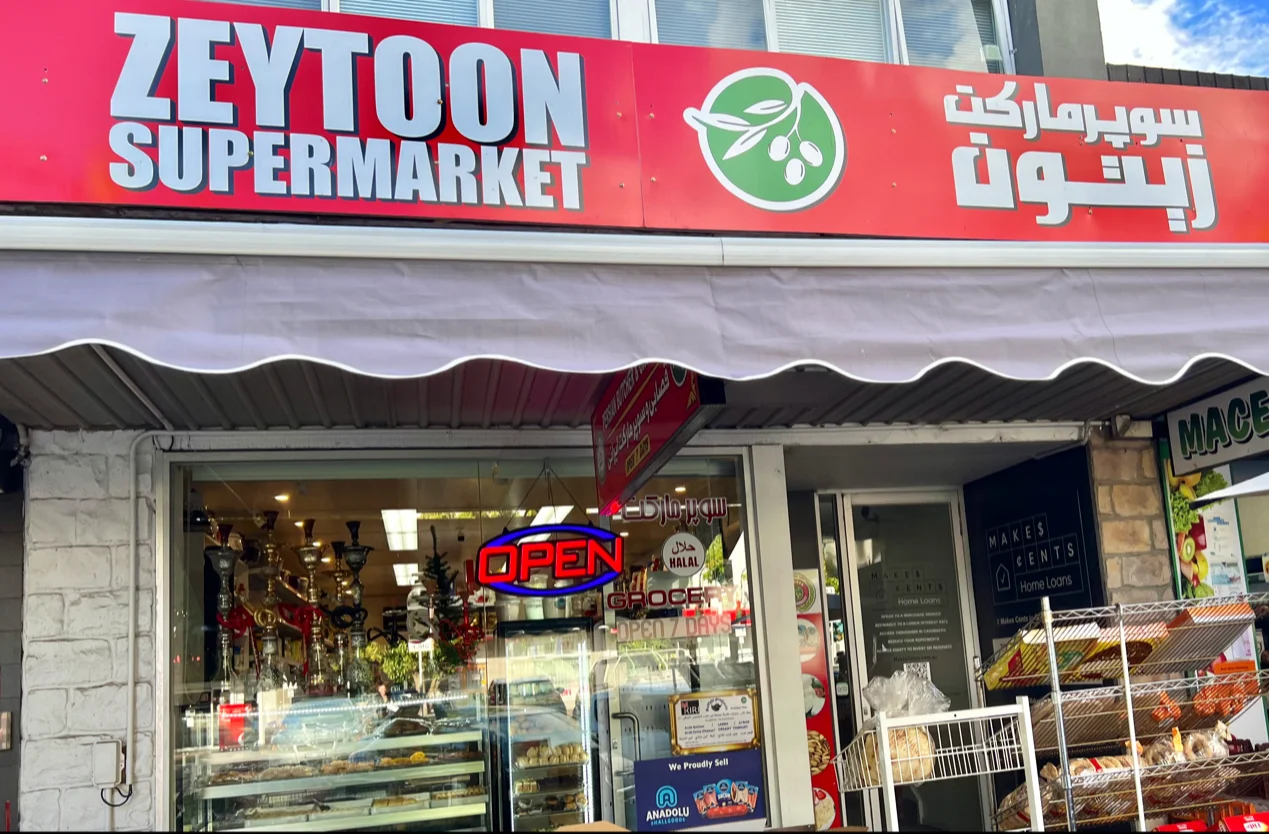
Zeytoon Persian Supermarket
Business Description
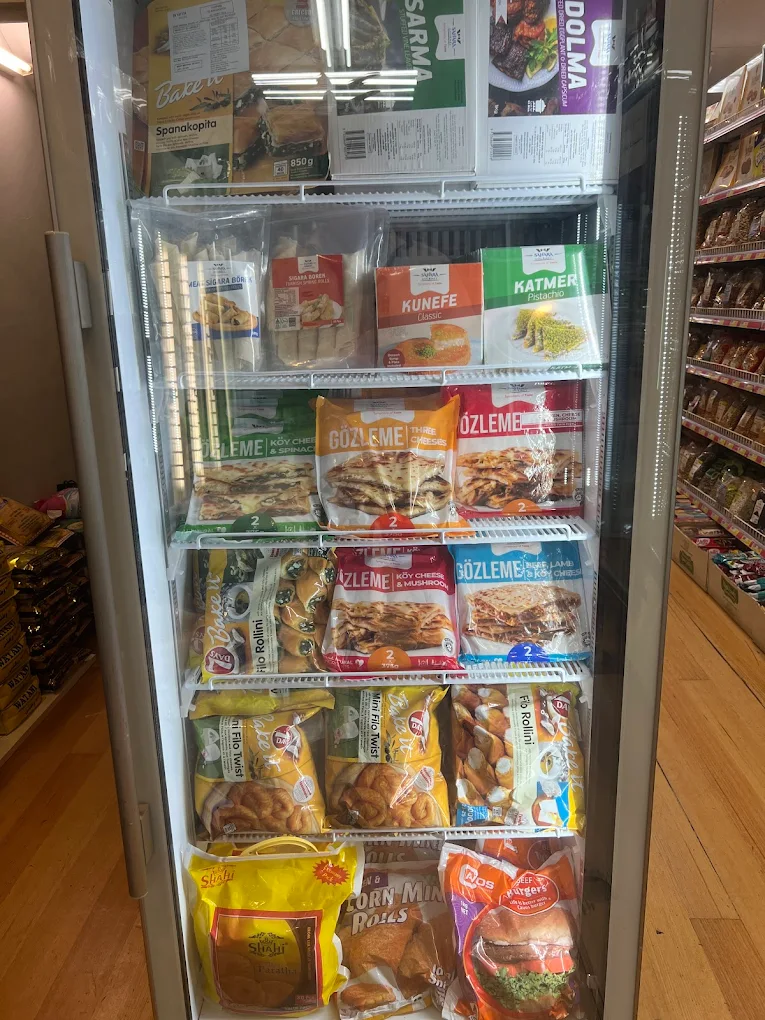
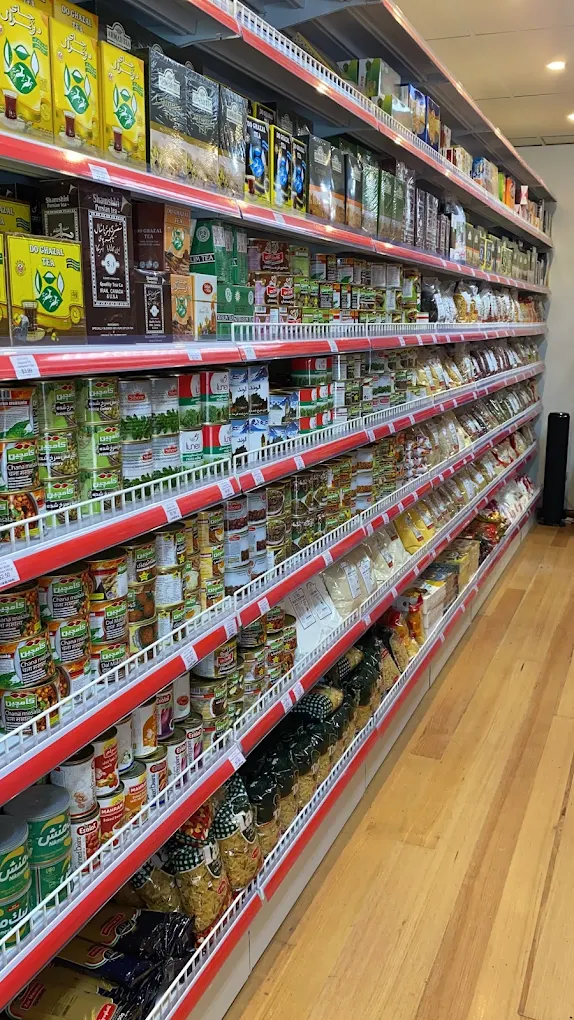
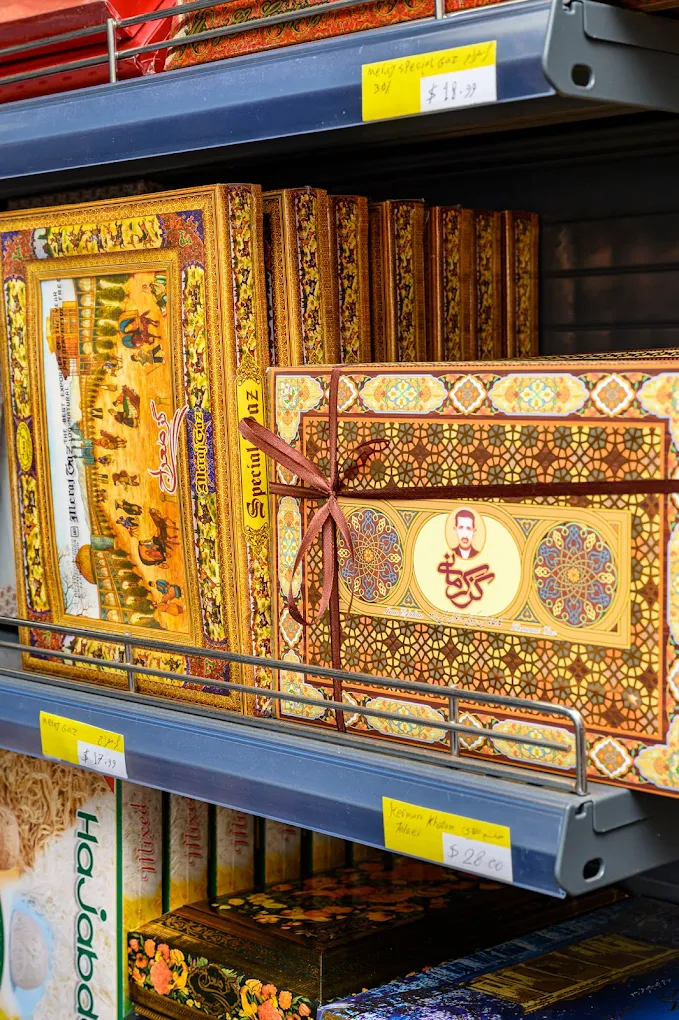
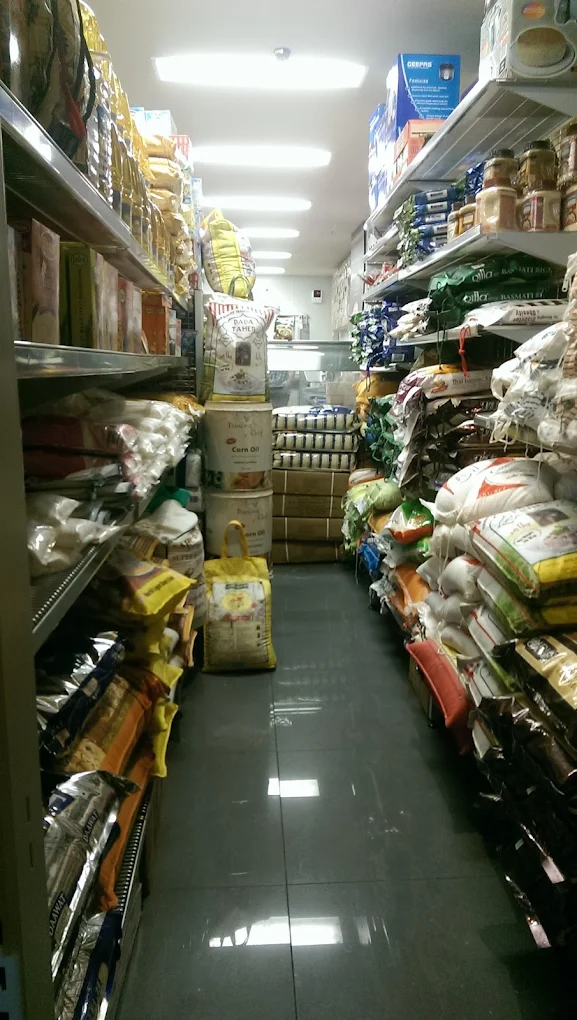
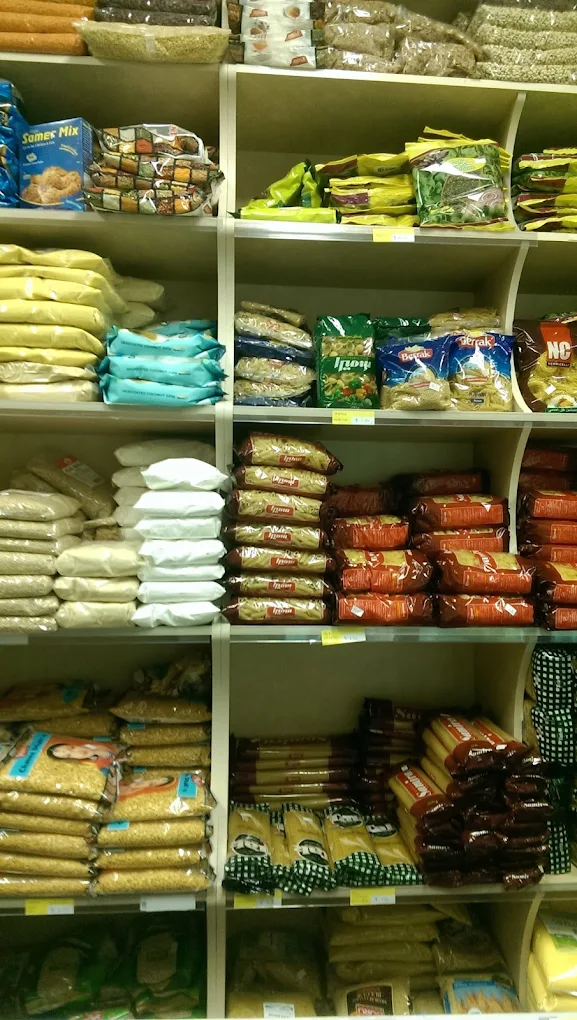
Zeytoon Persian Supermarket buzzes with the energy of a bustling Tehran bazaar, but in the cozy confines of Melbourne. Zeytoon is a typical supermarket, but what makes it special for the Persian community in Melbourne is the confectionery goods like Shirini Khosk. That aside, you can buy that tangy Persian snack that any Persian speaker loves: Lavashak. Also, if you’re concerned about Halal food, you can buy meat here without any worries.
You can also find authentic Noon Sangak in this grocery store. Just call ahead to make sure they have stocked enough.
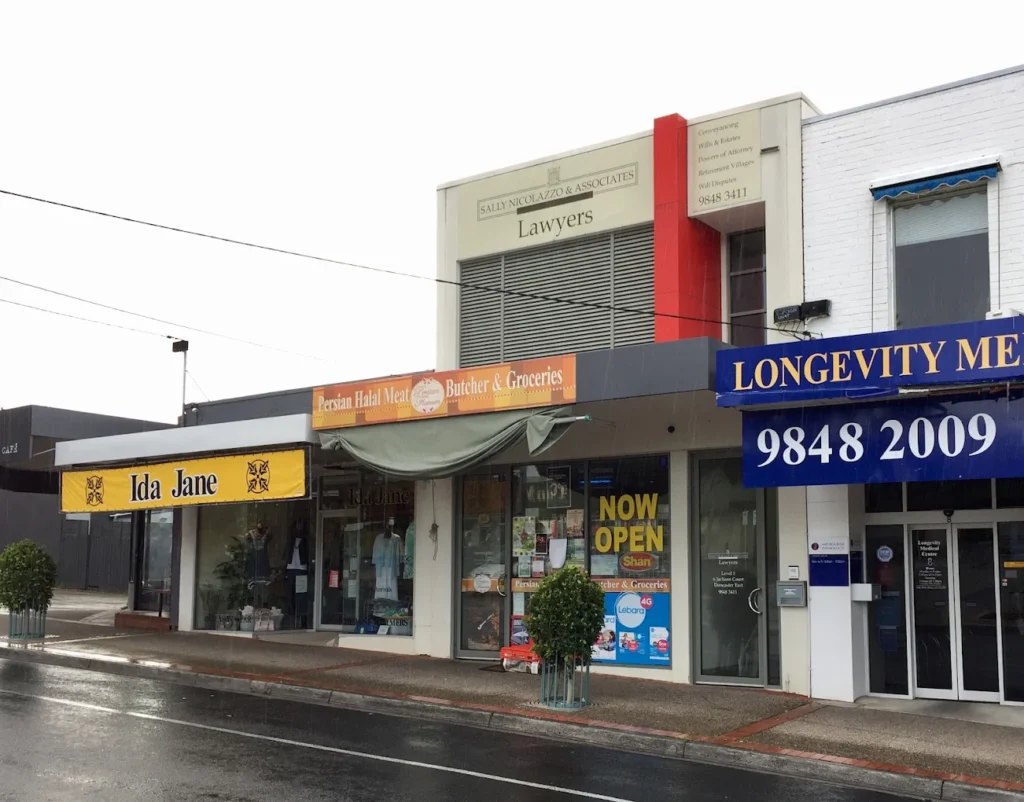
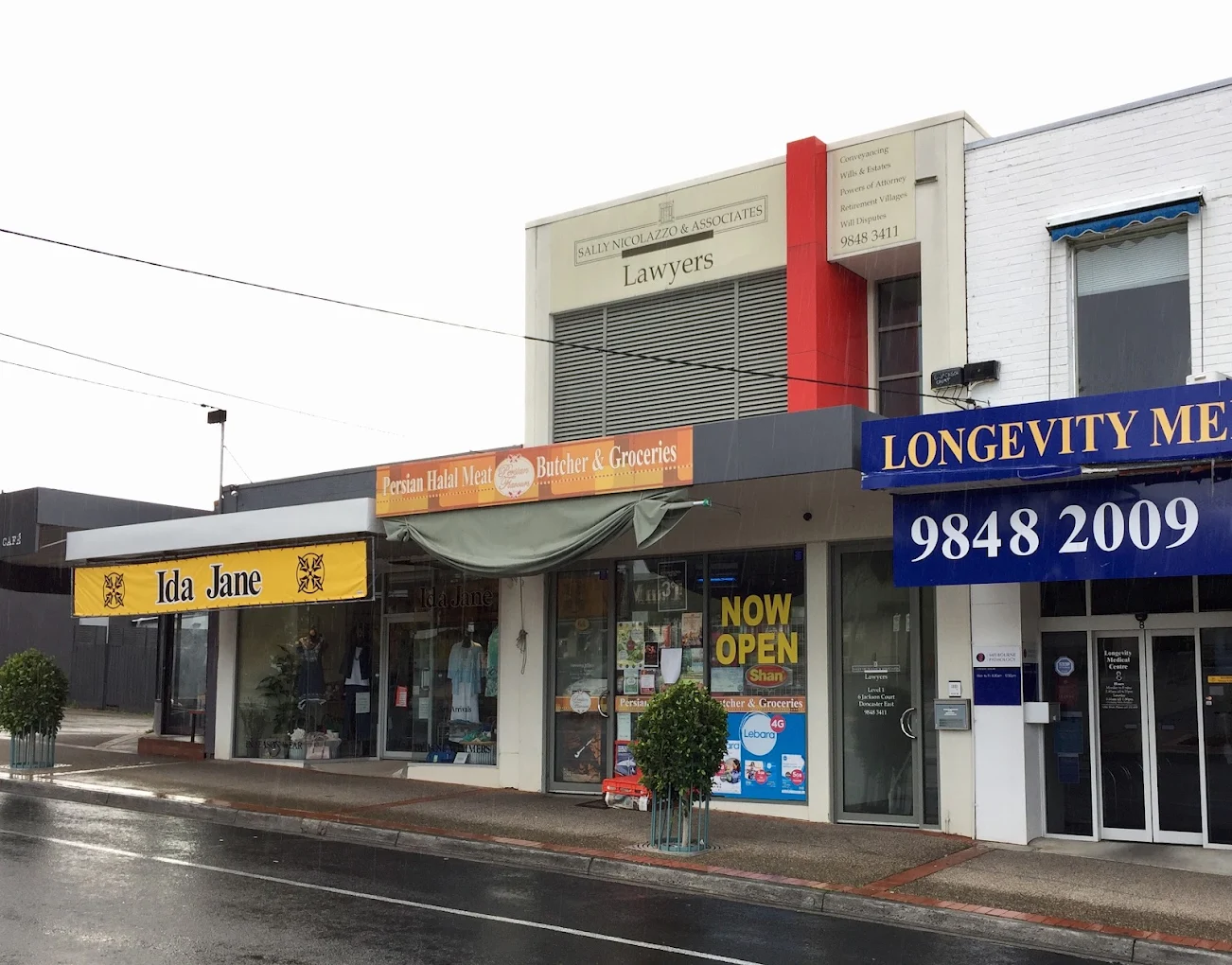
Persian Halal Butchery & Grocery Store – Doncaster East
Business Description
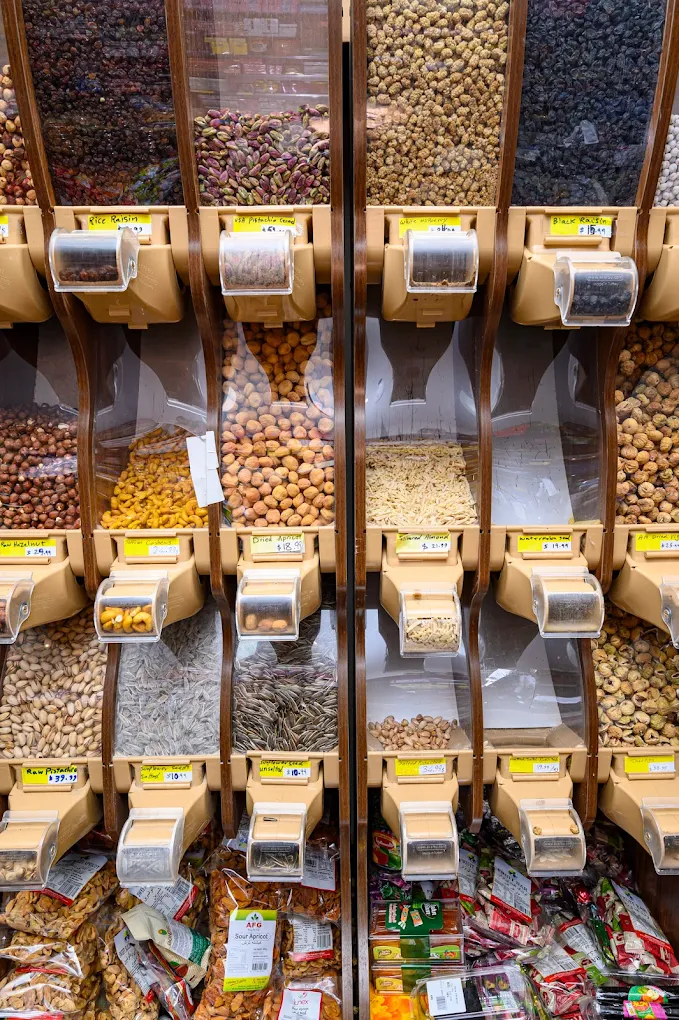
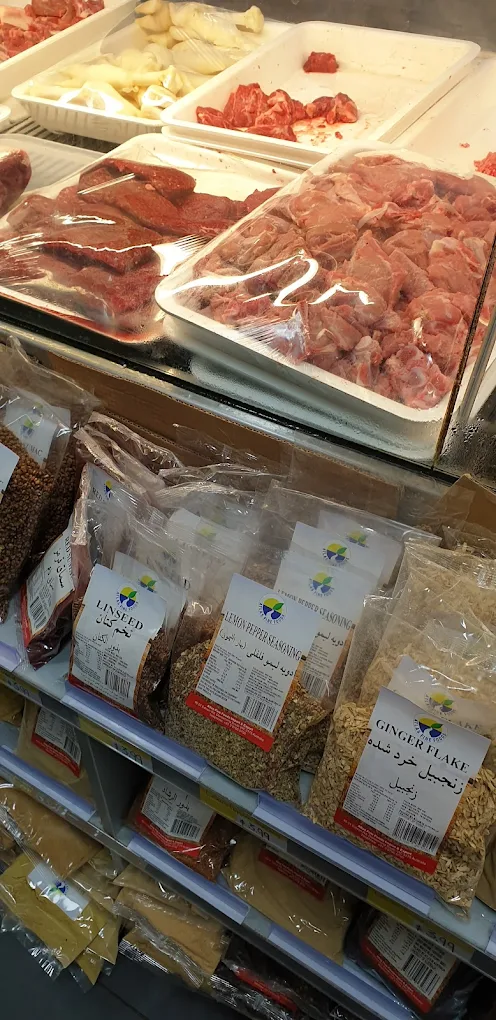
Persian Halal Butchery & Grocery Store is primarily recognized for its halal butchery, which offers fresh, high-quality lamb, chicken, beef, and marinated cuts. The butchery is exceptionally clean and provides helpful recommendations for cooking. However, beyond the meat section, there is a store that stocks Persian spices, fresh bread, nuts, snacks, dairy, and pantry staples. Persian Halal Butchery & Grocery Stores’ fair pricing and warm service make it a reliable stop for households that want both Persian ingredients and high-end halal meats.
Although there is nothing named Sangak in this store’s menu, customers often mention that they were able to buy Sangak, Barbari, and taftoon from Persian Halal Butchery & Grocery Store.
A Complete Guide to Noon Sangak in Melbourne
If you grew up with Persian bread, you already know that sangak isn’t just something you pick up for dinner. The warmth, the smell, the uneven shape, even the way the baker slides it across the stones… every detail carries memory. And when you move somewhere new, like Melbourne, that memory becomes something you crave. Many Iranians here find themselves asking the same questions: “Can I find real sangak in Melbourne?” or “Does any bakery actually bake it fresh?” The search is as emotional as it is practical.
The Role of Sangak in Persian Cuisine
Sangak has always held a special place in Persian cuisine, not just as bread, but as a symbol of comfort, hospitality, and the simplicity of everyday meals. In Iran, you’ll find sangak at breakfast tables, family gatherings, kebab houses, and even street-side bakeries that have served neighborhoods for generations. Its whole-wheat aroma, crisp-soft texture, and gentle nutty flavour make it the kind of bread that never needs anything fancy to shine.
A Foundation for Everyday Persian Meals
At home, sangak is often served with the most classic Persian pairings such as Feta cheese, walnuts, and fresh herbs (sabzi khordan) or Butter and honey, especially at breakfast. This lovely bread is also served with dishes like kashk-e bademjan, Persian-style omelette, and simple morning spreads.
The Perfect Companion for Kebab
In traditional kebab restaurants across Iran, sangak isn’t optional; it’s essential. A long, warm piece of sangak becomes the foundation for koobideh or joojeh, absorbing the juices while staying crisp around the edges. The bread practically becomes part of the dish itself. Even Persian restaurants in Melbourne sometimes serve sangak as a side for kebab platters, though availability varies.
A Healthier Traditional Choice
Made traditionally from whole-wheat flour, water, yeast, and a bit of salt, sangak offers:
- High fibre
- A natural, nutty taste
- Low oil content
- No preservatives
Where the Community Usually Looks for Sangak in Melbourne
Even though we’re not listing specific stores, Persian shoppers know the pattern: if sangak shows up in Melbourne, it almost always appears in places where the community gathers. These areas include:
- Doncaster & Doncaster East (a well-known Persian hub)
- Dandenong & Noble Park
- Glen Waverley / Mount Waverley
- Brunswick & Coburg
- Epping / South Morang
Stores in these suburbs often stock frozen or imported sangak because these areas have consistent demand. It’s not unusual to see Persian families asking the same question you’re writing about: “Do you have sangak today?”
This is why calling ahead is always recommended. Availability changes weekly, sometimes daily, because the bread goes fast.
What Sangak Bread Pairs Best With
Even if you’re eating frozen or imported sangak, the traditional pairings bring the whole experience back:
- Feta, walnuts, and fresh herbs (sabzi khordan)
- Kashk-based dips
- Kebab koobideh or joojeh
- Eggplant dishes like Mirza Ghasemi
- Butter and honey for breakfast
These pairings are deeply rooted in Persian food culture and give readers simple ways to enjoy sangak the authentic way.
How to Know If It’s Authentic Sangak Bread in Melbourne
Sangak isn’t just any flatbread — it has a personality. When you’ve grown up with it, you can spot the real thing instantly. But when you’re searching in a city like Melbourne, where sangak is rare, it helps to know exactly what makes it authentic. Whether you find it fresh, frozen, or imported, these markers tell you you’re holding the real Persian bread and not a generic imitation.
Long, Uneven Shape
Authentic sangak is never a perfect rectangle or a neat oval. It’s long, irregular, slightly floppy, and often full of subtle curves. Why? Because it’s hand-stretched and placed directly onto a bed of hot stones. If the bread looks machine-stamped or perfectly symmetrical, it’s not true sangak.
Pebble Marks
This is the easiest test. Real sangak has tiny, uneven dents underneath where the dough rested on river stones during baking. This is the biggest difference between sangak and other Persian flatbreads like barbari or taftoon.
The Aroma
Sangak is traditionally made from whole-wheat flour, and you can smell it immediately. It should smell warm, nutty, slightly earthy, and Toasty when reheated. If the bread has no aroma or smells like generic white flatbread, that’s a sign it’s not authentic.
The Texture
Sangak has a unique dual texture; it’s crisp, with lightly blistered edges and soft, chewy centre. Fake or low-quality versions feel stiff, papery, or overly soft without structure.
Optional Seeds
Many bakeries offer plain Sangak, sesame Sangak, and poppy seed Sangak. If the seeds are pressed in too evenly or glued on post-bake, it’s not traditional.
How Much Does Sangak Bread Cost in Melbourne?
Sangak may be harder to find in Melbourne, but its price is fairly consistent whenever it appears, whether as a frozen loaf, an imported option, or a warm side served in a restaurant. Based on current listings and typical Melbourne market prices, sangak usually ranges between $4.99 and $8.99 AUD per loaf, depending on the store and the style you buy.
- $4.99 AUD — Most common price for a standard loaf.
- $8.99 AUD — Higher-end or specialty sangak, often frozen or imported.
- $2.50 AUD — When served as a side portion in restaurants.