
In Persian cuisine, Aloo Bukhara is more than just a pantry item. For many, it’s a flavor tied to memory; the hint of tang in a stew, the sweet-sour balance in a biryani, the quiet presence in a grandmother’s kitchen. If you’re in New York or New Jersey and looking to find real, good-quality aloo bukhara, you’re in the right place. Whether you’re stocking up for cooking, snacking, or tradition, this Nazdikia guide will help you find the best aloo bukhara in New York–New Jersey.

Caspian Market – Ridgewood
Business Description
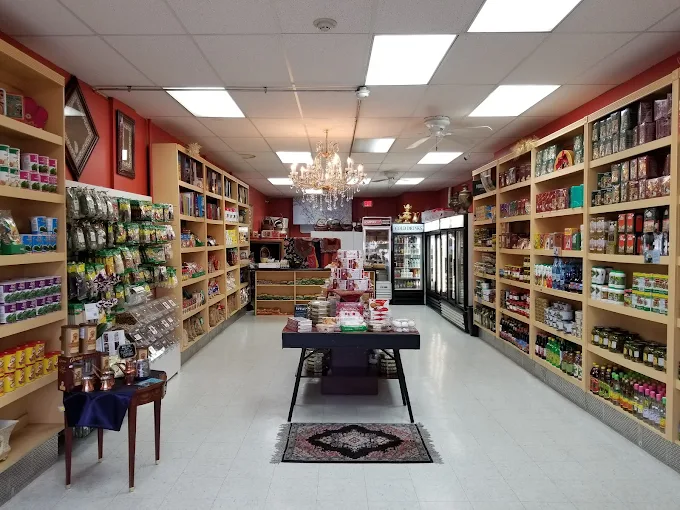
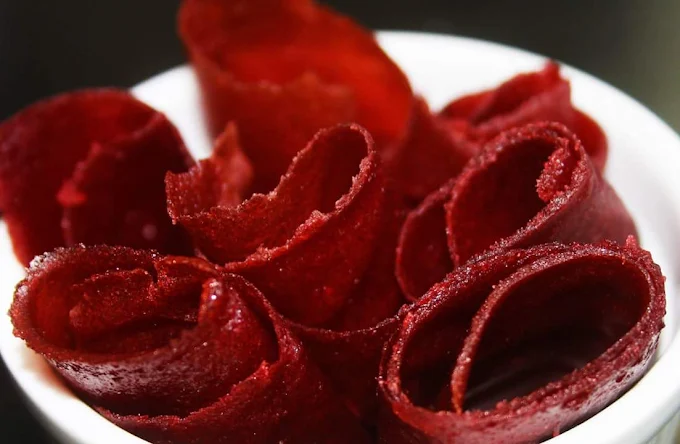
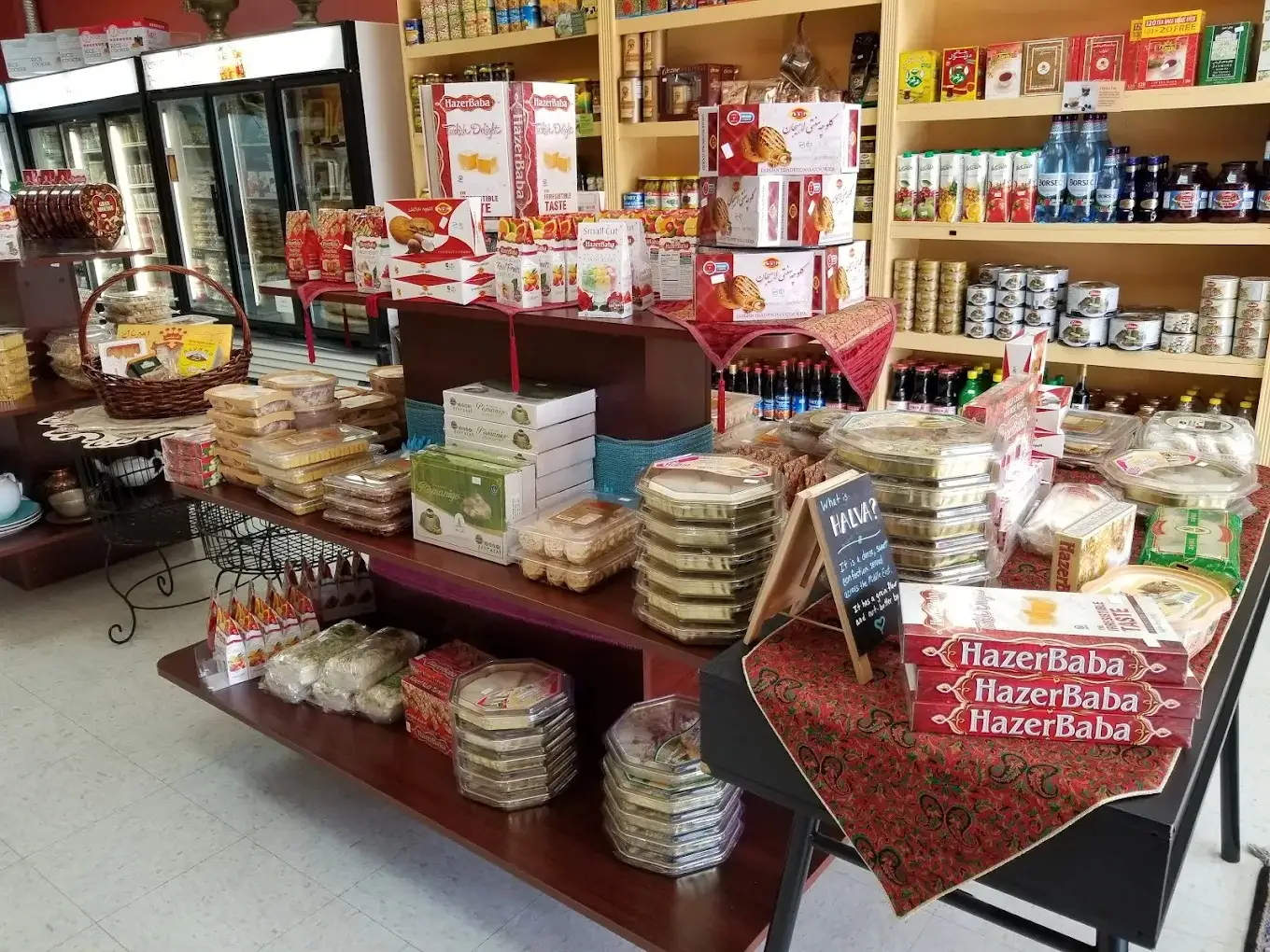
It’s a Persian supermarket filled with items needed in every Persian kitchen. In addition to the usual grocery items, this supermarket also offers nuts, sweets, and popular snacks like Lavashak and fruit rolls. That’s not all; you can find authentic Persian bakery products like Sangak bread and pastry products like Sohan and Gaz.


Kalustyan’s
Business Description
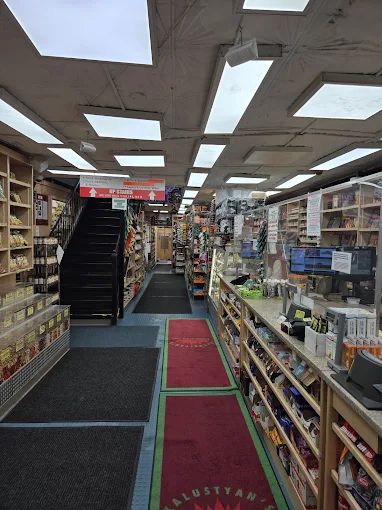
Let’s just say that any supermarket item you expect is stacked on some shelf in Kalustyan’s: Drinks, spices, beans, and other ingredients. There’s also a small section where you can find some kitchenware, like pots and food trays in different sizes.

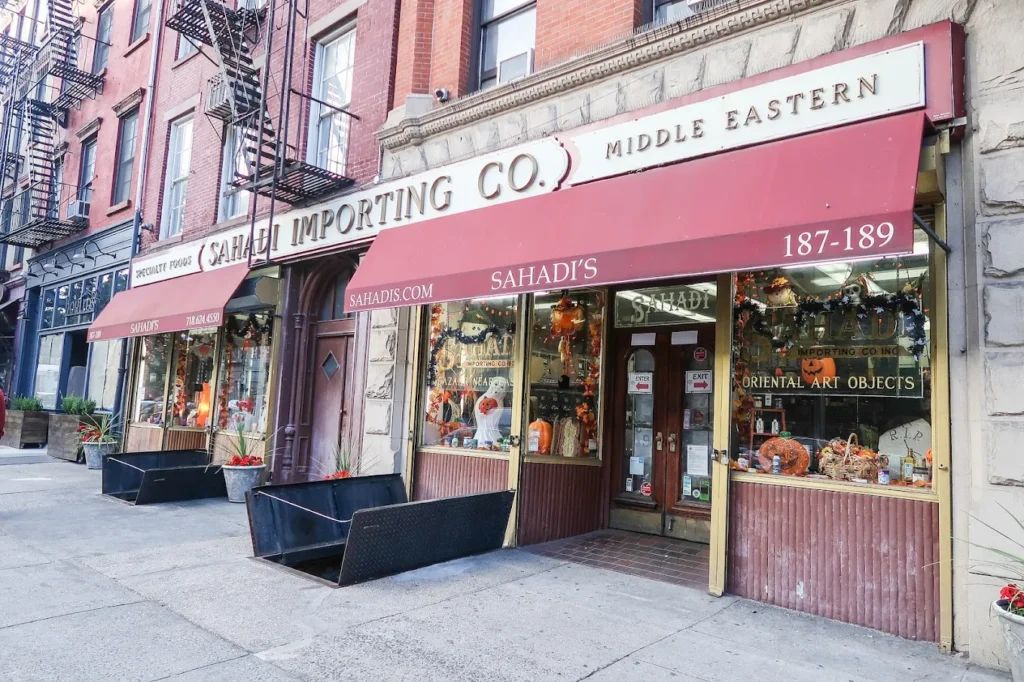
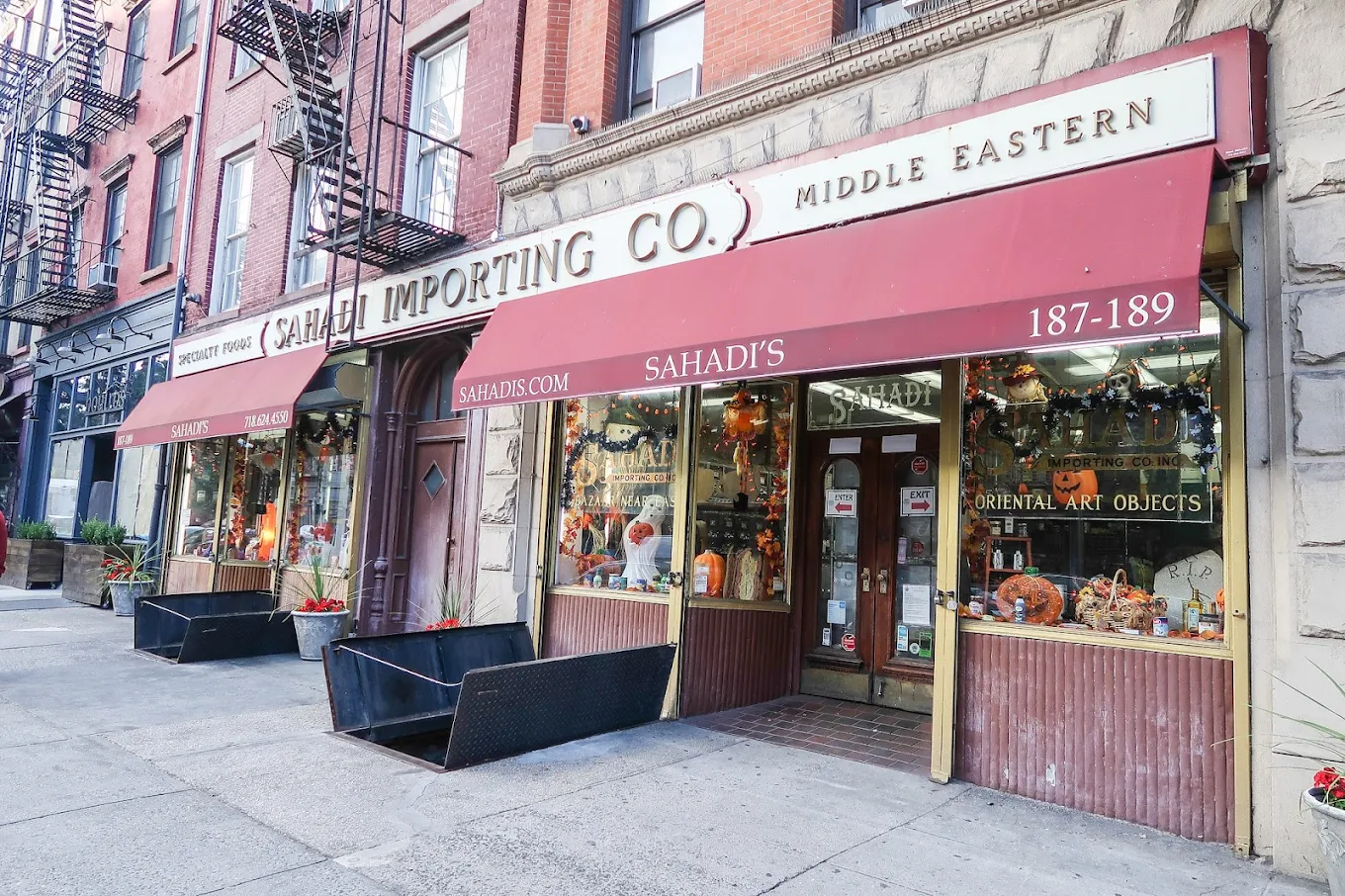
Sahadi’s – Brooklyn Heights
Business Description
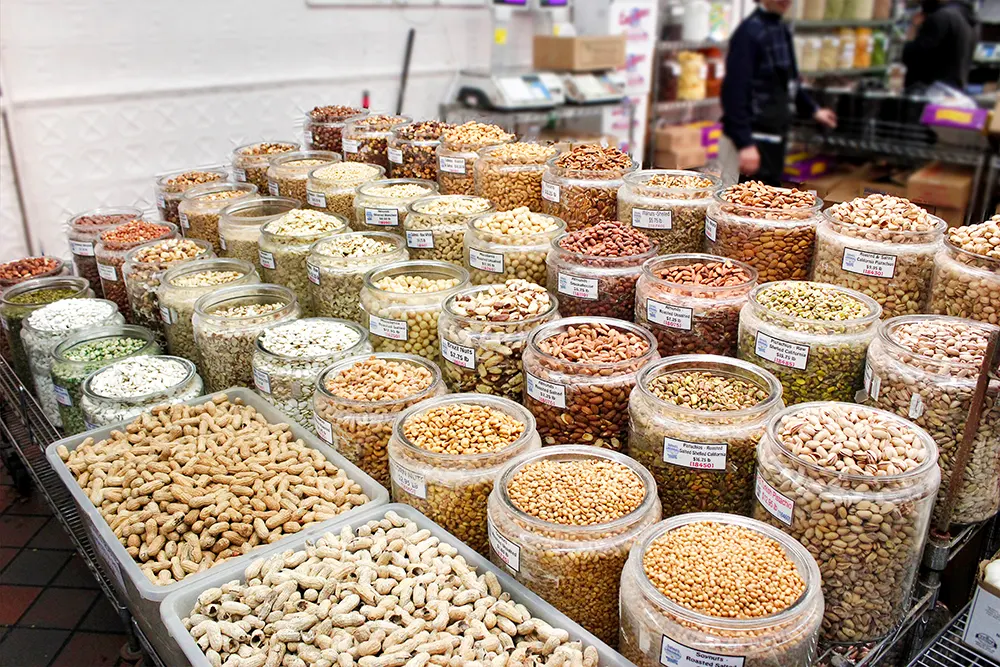
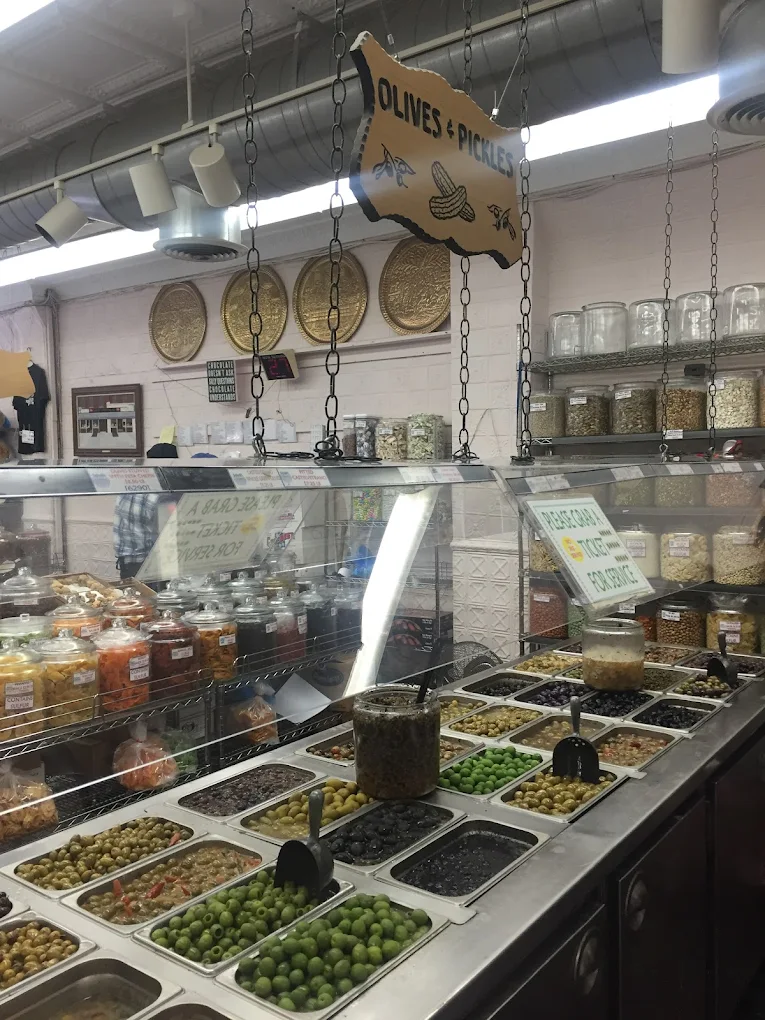
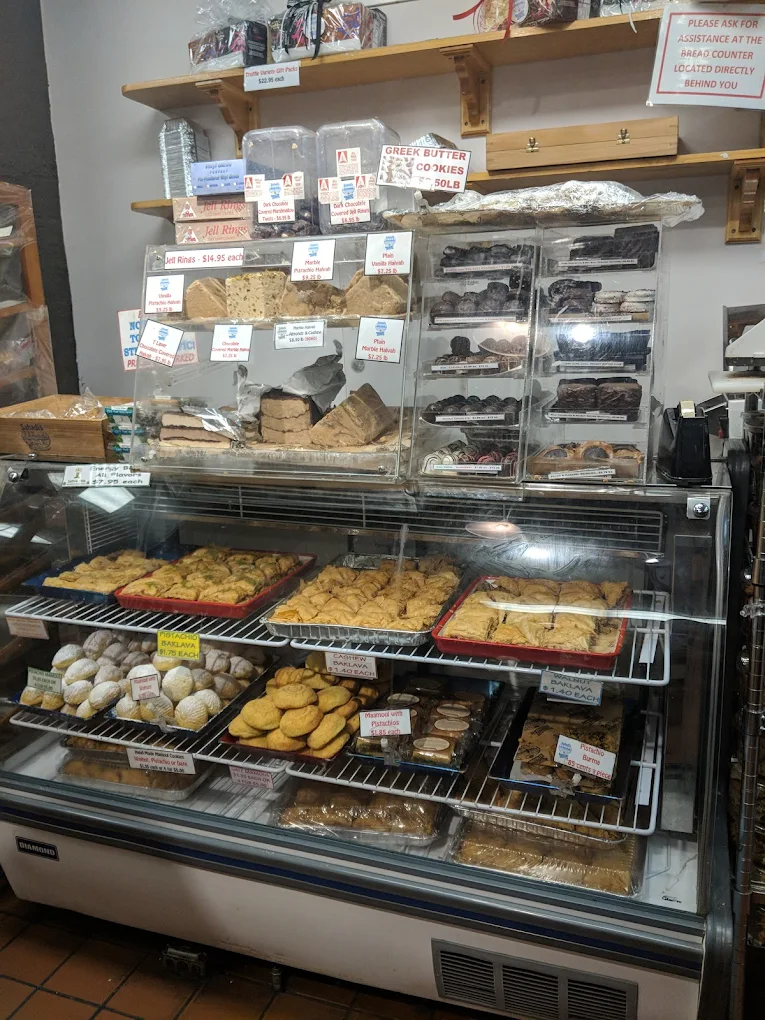
What makes this spot stand out is its warm, old-world charm paired with an incredible selection of Persian and Middle Eastern staples, specialty groceries, and fresh prepared foods. The staff knows their products well and makes the experience feel personal, whether you’re exploring spice blends or grabbing a quick lunch.
What Is Aloo Bukhara?
Aloo Bukhara (آلو بخارا) is a dried plum, prized in many Persian, South Asian, and Central Asian kitchens for its deep, complex flavor. Unlike the sweet prunes you might find in the Western health aisle, aloo bukhara can be tart, earthy, or richly sweet.
It’s often used to add depth to stews like Persian khoresh, South Asian qormas, or even rice dishes like biryani. Its texture softens beautifully when cooked, releasing flavor that feels both familiar and ancient.
Where to Buy Aloo Bukhara in New York (NYC)
New York City is a blessing for anyone looking for ingredients that carry the flavor of home. Whether you’re wandering the streets of Queens or browsing a shop tucked into Brooklyn, you’ll find that aloo bukhara isn’t hard to come by. You’ll have the best luck in these neighborhoods:
Queens
Queens is where tradition breathes. In Jackson Heights, you’ll find South Asian stores where aloo bukhara is sold by weight. Ask for it by name, or look for it in the dried fruit section near other classics like dried figs, dates, and tamarind. In Flushing, where the culinary map stretches across Asia, certain Persian or Halal grocers also carry it.
Brooklyn
In Brooklyn, you’ll want to explore areas like Midwood, Kensington, or parts of Bay Ridge, where Middle Eastern and South Asian groceries sit quietly between cafes and bakeries. Here, aloo bukhara often shares shelf space with dried apricots and barberries. If you’re looking for Persian-specific shops, there are fewer here than in Queens.
Manhattan
In Manhattan, convenience often comes with a price. While you won’t get the same variety as in Queens, certain spice markets, health food stores, or upscale ethnic grocers in neighborhoods like Murray Hill or Harlem sometimes carry it. Look especially in stores that serve the Iranian, Indian, or Turkish communities, and be prepared for boutique pricing.
Where to Buy Aloo Bukhara in New Jersey
If you’re across the river in New Jersey, you’re in luck. The Garden State has long been home to tightly knit communities from South Asia, Iran, the Middle East, and Central Asia. Aloo bukhara is easy to find here, often in generous quantities and at more affordable prices than in New York.
Edison / Iselin
Walk through the markets of Edison or nearby Iselin, and you’ll smell spices before you even step through the door. These areas are a hub for Indian and Pakistani groceries, and most larger stores stock aloo bukhara. Look for it in the dried fruit aisle or near the cooking spices. You might find it labeled alu bukhara, dried plum, or even black prune.
Jersey City / Hoboken
In Jersey City, South Asian and Middle Eastern grocery stores often sit just a few blocks from one another. Whether you’re near Journal Square or tucked closer to Hoboken, you’ll find smaller, independently owned markets where aloo bukhara quietly shares shelf space with everything from dried mulberries to Kashmiri chilies.
Paterson / Clifton / Fort Lee
Head further north, and you’ll find a different kind of richness. Paterson and Clifton are home to well-established Middle Eastern communities, and their grocery stores often carry Persian ingredients with care and pride. Aloo bukhara here may be imported from Iran, Turkey, or Afghanistan. Fort Lee, with its international grocery scene, sometimes surprises with its stock of specialty dried fruits, especially in stores that cater to a mixed clientele of Iranians, Koreans, and other expat communities.
Which Type of Persian Aloo Bukhara Should You Buy?
Not all aloo bukhara is created equal. And if you’ve ever been unsure whether to pick the shiny, seedless ones or the darker, wrinkled kind with pits, you’re not alone. The good news is: there’s no one “right” kind—it all depends on how you plan to use it, and what flavors you’re after.
Seeded vs Seedless
The seeded variety is often considered more traditional. It tends to retain more natural oils, which gives it a richer, deeper flavor—especially after soaking or cooking. Some say the seed itself preserves the soul of the fruit.
Seedless, on the other hand, is all about convenience. It’s great for quick prep, for snacking, or when you don’t want to fish out pits from a stew or dessert. The texture is usually softer, and the flavor slightly milder.
Sun-dried vs Machine-dried
Sun-dried aloo bukhara is more traditional and usually darker in color, with a wrinkled skin and intense, layered flavor. It might have slight variations from batch to batch, and that’s part of its charm.
Machine-dried varieties are more uniform, lighter in color, often softer to the touch, and more widely available in packaged form. They can be great if you want consistency and ease of storage, though they may have a subtler flavor.
Color: Dark vs Reddish
You’ll see both deep purple-black and reddish-brown versions in stores. The darker ones tend to be more sour and dense, which is ideal for savory dishes like khoresh or qorma. The lighter ones are usually sweeter and work beautifully in desserts or as a snack with tea.
Packaged vs Loose (Bulk Bins)
Bulk bins are often cheaper, especially in South Asian or Middle Eastern stores where you can scoop just what you need. But pay attention to freshness: look for fruit that’s pliable, not brittle, and has a clean, fruity scent.
Packaged aloo bukhara tends to be more hygienic and travel-friendly. You’ll also get a label with an origin and packing date, which can help with quality control.
Price Guide in New York & New Jersey
If you’ve wandered through a few stores already, you’ve probably noticed: the price of aloo bukhara can vary wildly. One shop may offer it for a few dollars a pound, while another charges triple for the same amount. But there’s a rhythm to it, once you know what to look for. You can find typical Aloo Bukhara Prices below:
|
Type / Format |
Typical Price Range |
| Loose Aloo Bukhara (per lb) |
$4 – $8 |
|
Packaged Aloo Bukhara (200 g / small pack) |
$6 – $12 |
| Imported Premium (seedless / branded) |
$10 – $15+ |
How to Tell If Aloo Bukhara Is High Quality
Not every wrinkle tells the same story. Here’s how to spot good aloo bukhara at a glance:
- Texture: It should feel slightly soft and flexible—not rock-hard or brittle.
- Appearance: Natural wrinkles are good; avoid anything with mold, discoloration, or an overly dusty surface.
- Smell: A fresh batch will have a clean, slightly fruity or earthy aroma. A musty or sour smell is a red flag.
- Taste: Whether sweet or tart, it should have a bold, clear flavor—not flat or dull.
- Packaging: Look for origin info, airtight sealing, and a recent packed-on date.
How to Store Aloo Bukhara So It Stays Fresh
To keep aloo bukhara flavorful and lasting, all it needs is a little care:
- Short-term: Store in an airtight container in a cool, dry place away from sunlight.
- Long-term: Keep in the fridge to extend freshness, especially in warm or humid months.
- For later use: Freeze in small portions if you’ve bought in bulk, just thaw or soak before using.
- Signs it’s gone bad: Mold, a musty smell, or sticky, overly soft texture.
Glass jars work beautifully for both storage and tradition. Plus, you’ll always see when it’s time to restock.
How to Use Aloo Bukhara in Cooking
Aloo bukhara is one of those ingredients that quietly transforms a dish. A few pieces added to a slow-cooked stew or folded into a pot of rice can bring out flavors you didn’t know were waiting. It bridges sweet and savory with ease—just as at home in a celebratory khoresh as in a humble bowl of lentils. In Persian cooking, aloo bukhara brings a soft, tangy depth to dishes like:
Khoresh-e aloo – A comforting stew made with meat (often chicken or lamb), turmeric, and plumped dried plums simmered to tender perfection.
Aloo Esfenaj (Spinach & Plum Stew) – Earthy spinach meets the tart sweetness of aloo bukhara, often paired with meatballs or lamb.
Rice dishes – Occasionally tucked into mixed rice dishes (polo), adding a gentle contrast to herbs or nuts.
Tip: Soak the aloo bukhara in warm water for 10–15 minutes before cooking—it softens the skin and deepens the flavor.