
Finding authentic Persian Lavashak in New York is primarily a matter of accessing specialized Iranian business directories that highlight the city’s dense clusters of ethnic commerce. As a global hub for the Iranian diaspora, New York offers high availability and accessibility to traditional fruit leathers through a network of dedicated supermarkets and boutique confectionery shops. These local retailers prioritize product variety and cultural authenticity, stocking everything from industrial pomegranate rolls to handmade, sun-dried sheets sourced from regional artisans. By leveraging location-based data, consumers can easily identify high-quality sellers and compare pricing across different boroughs. This guide explores the top-rated Persian markets, neighborhood distribution, and specific flavor profiles available throughout the New York metropolitan area.

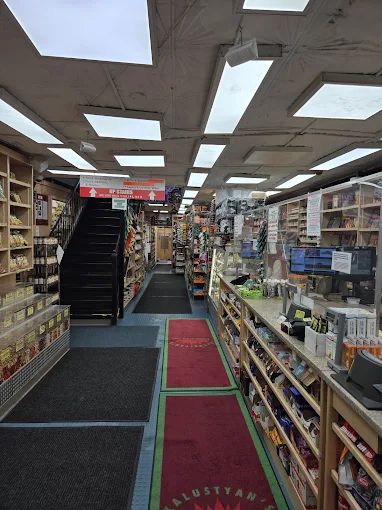
Kalustyan’s
Business Description
Let’s just say that any supermarket item you expect is stacked on some shelf in Kalustyan’s: Drinks, spices, beans, and other ingredients. There’s also a small section where you can find some kitchenware, like pots and food trays in different sizes.


Balady Halal Foods
Business Description
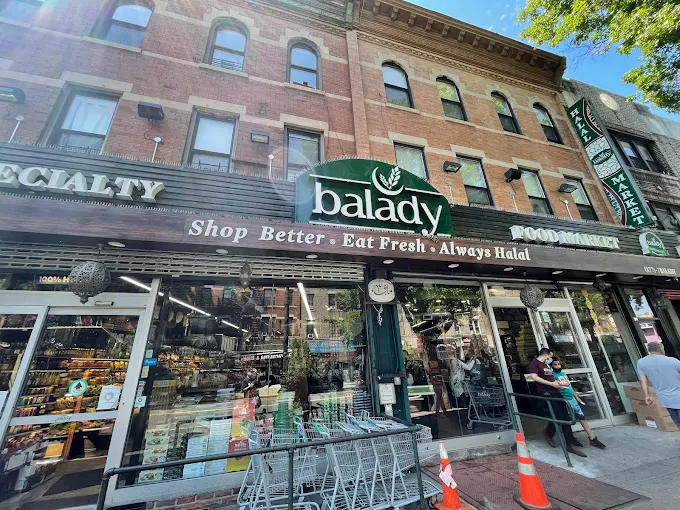
If you live in Brooklyn, you should do all your grocery shopping at Balady Halal Foods. It’s not just for groceries; you can buy fresh fruit and vegetables at the produce section. You can also purchase some china or clay dishes to add a touch of class to your kitchen.
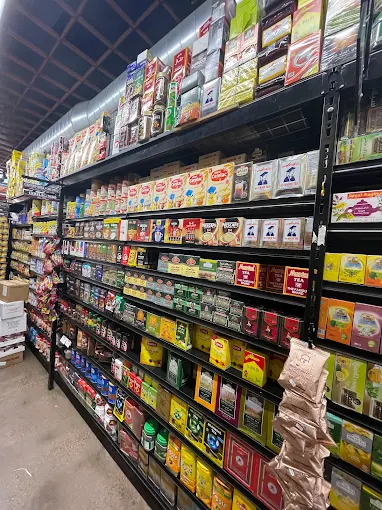
International Halal Market
Business Description
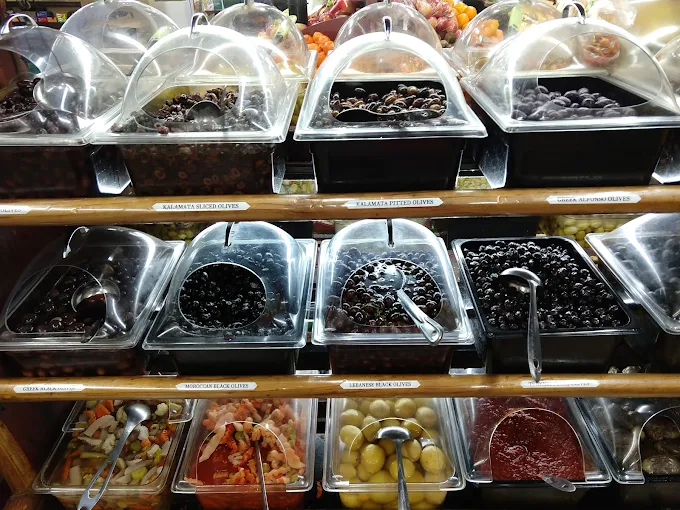
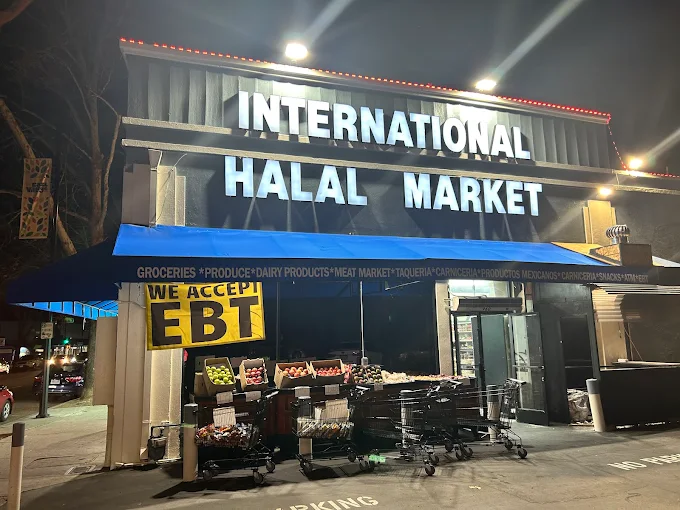
Halal Market is a reliable grocery store because all of its products are certified Halal, so you never have to worry about the ingredients. It’s not a very large store, but you can find most of the food items you need for your kitchen.
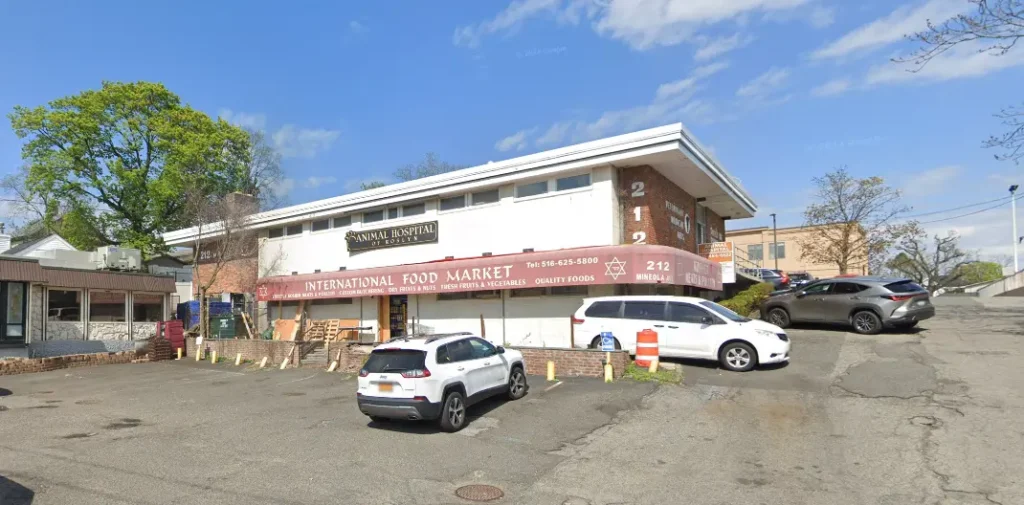
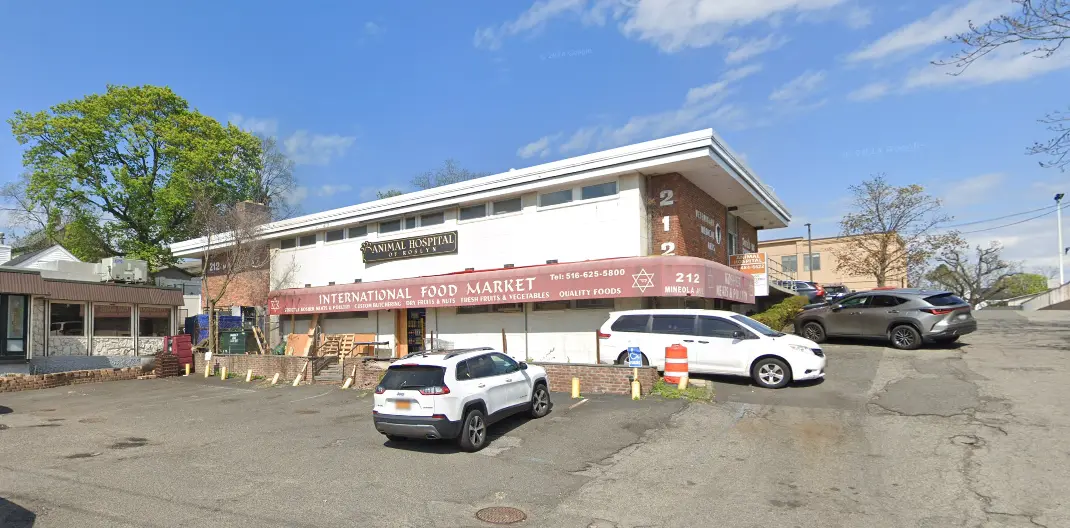
International Food Market
Business Description
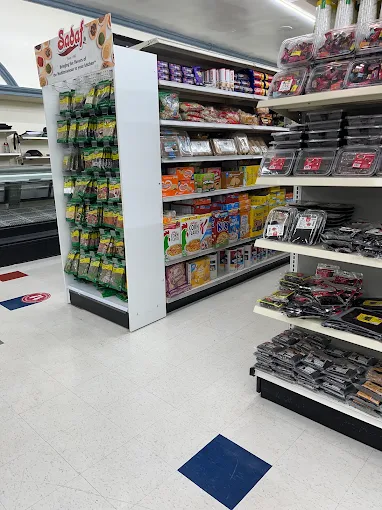
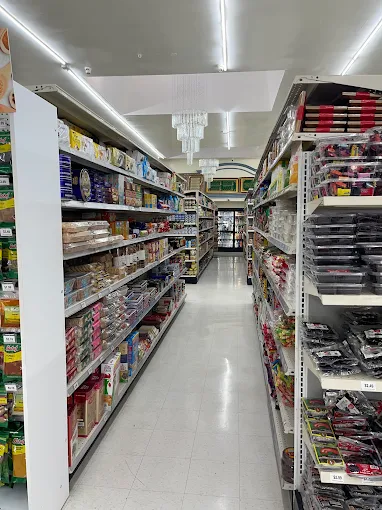
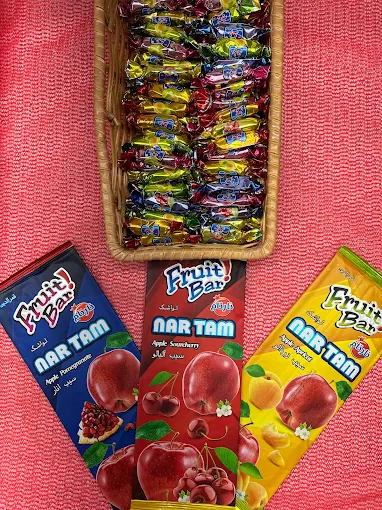
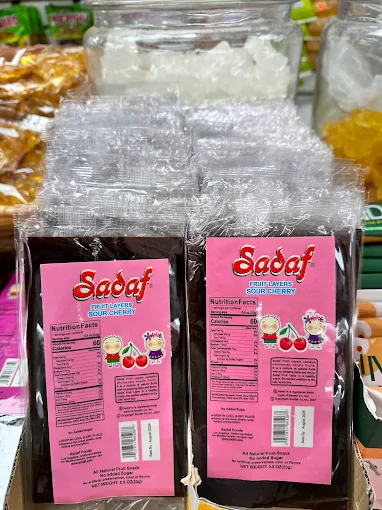
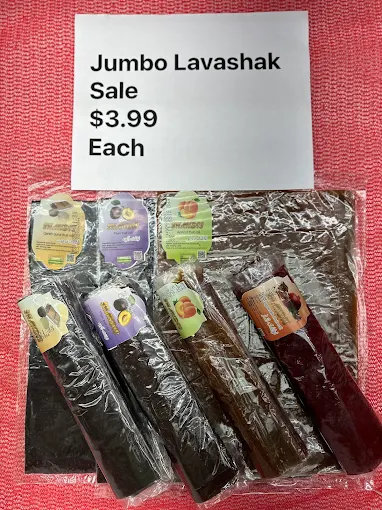
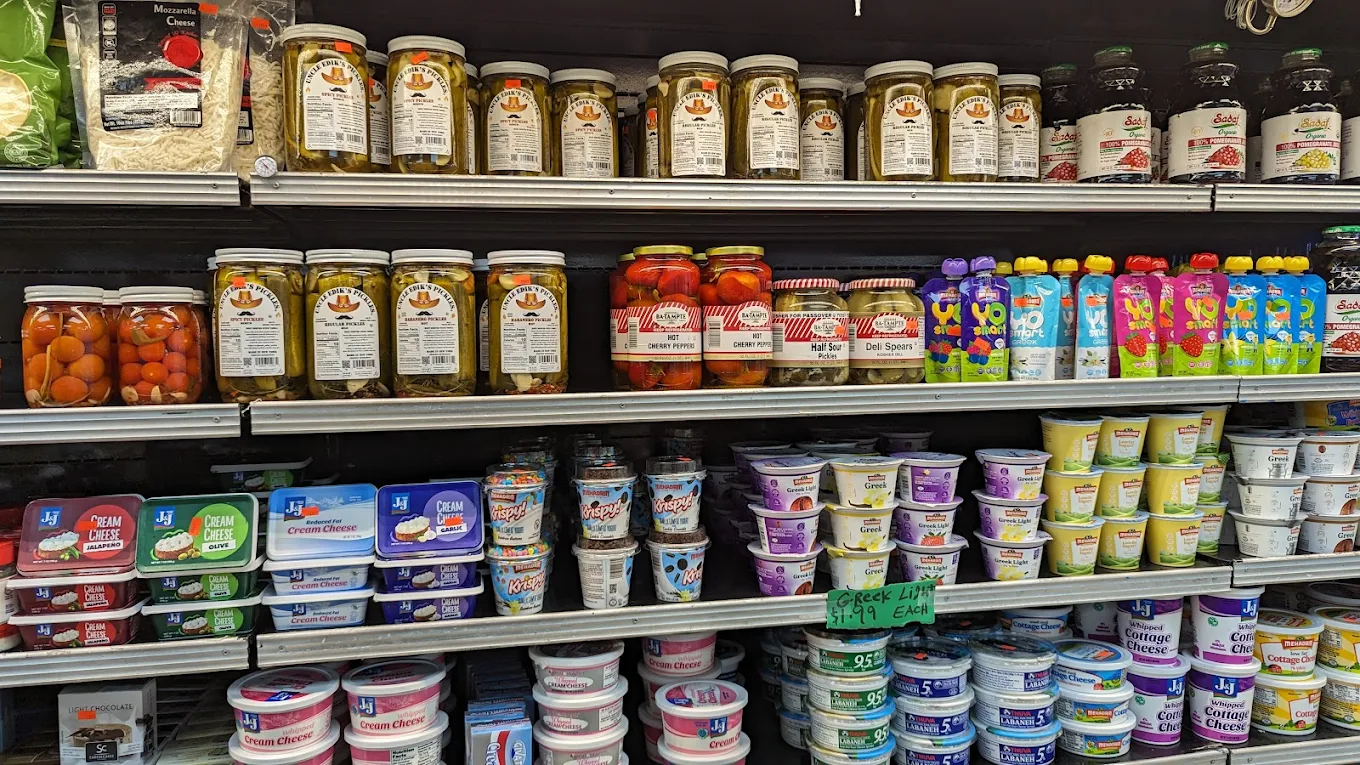
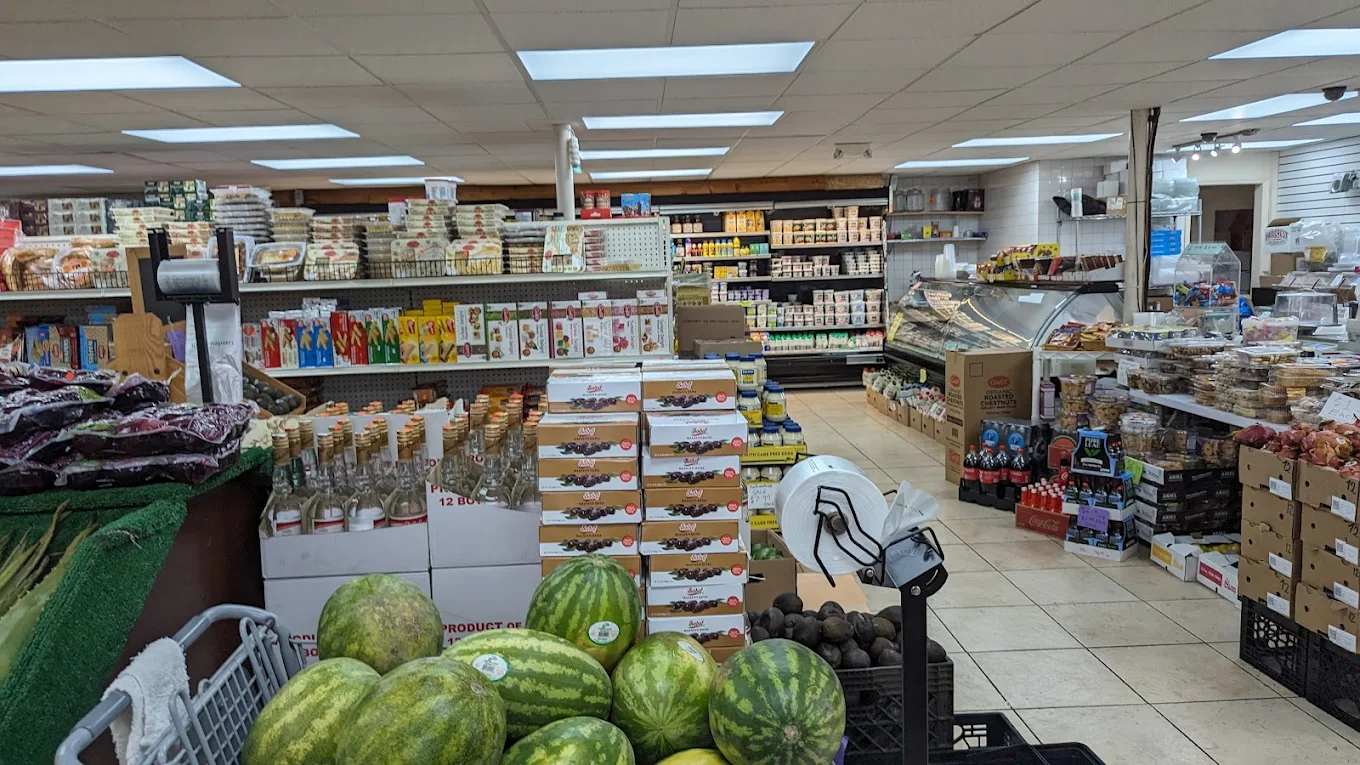
spacious, well-lit, and well-stocked hypermarket where you can find food, fruits, and snacks. Interestingly, this hypermarket offers a wide variety of Lavashak flavors in different packaging. You can buy Lavashak in the form of candy, fruit rolls, and fruit sheets. In short, it’s a one-stop market for all your grocery shopping.
Caspian Market – Ridgewood
Business Description
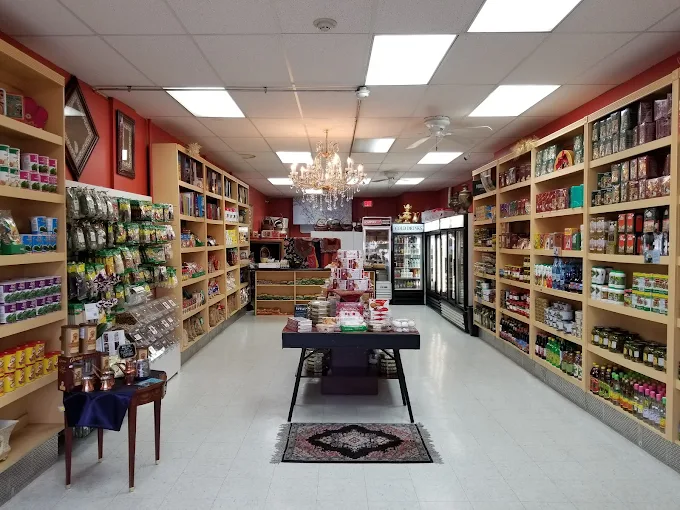
It’s a Persian supermarket filled with items needed in every Persian kitchen. In addition to the usual grocery items, this supermarket also offers nuts, sweets, and popular snacks like Lavashak and fruit rolls. That’s not all; you can find authentic Persian bakery products like Sangak bread and pastry products like Sohan and Gaz.

Where can I buy Persian Lavashak in New York?
Finding Persian Lavashak in New York is primarily a matter of identifying the dense clusters of Iranian commerce located within the tri-state area. As a global hub, New York hosts a variety of specialized ethnic markets where authentic fruit leather is a staple commodity, imported directly from Iran or sourced from high-end local Persian producers. The availability of this traditional snack is high, provided consumers navigate toward neighborhoods with a significant Iranian diaspora presence, where grocery stores prioritize cultural authenticity.
To efficiently explore Lavashak in New York, residents and visitors typically rely on dedicated business directories. Platforms like Nazdikia provide a structured way to locate Iranian businesses abroad, offering detailed listings of markets that stock these specific confectionery items. By using such a directory, you can browse Lavashak in New York stores and view their specific profiles, ensuring the shop is currently active before making the trip. This centralized access to location data simplifies the search for traditional snacks across the city’s vast retail landscape.
Which Persian supermarkets in New York sell Lavashak?
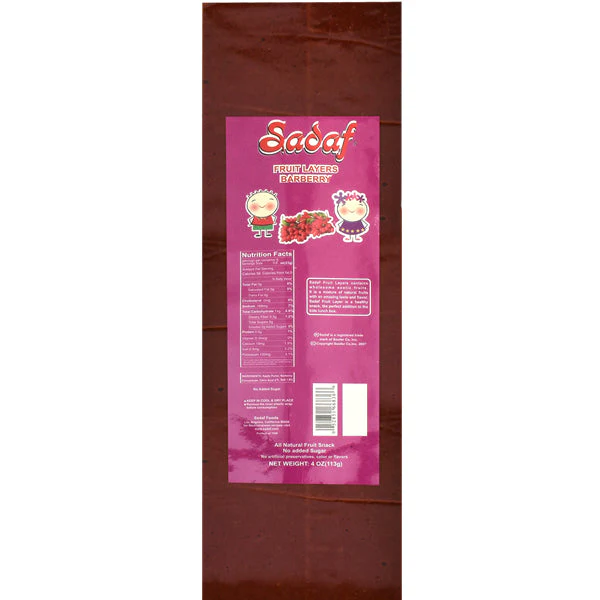
The most reliable sources for Lavashak in New York are full-service Persian supermarkets that function as cultural anchors for the community. These establishments carry an extensive inventory ranging from industrial, branded rolls to artisanal, transparently wrapped sheets. Unlike standard grocery stores, these markets understand the “sour profile” demanded by Persian palates, stocking varieties made from plum, barberry, and sour cherry.
Key retailers known for their consistent stock include:
- Paragon Persian & International Market: Known for a wide array of imported Iranian snacks.
- Rose Market: A staple for fresh Persian ingredients and traditional fruit leathers.
- Kabul Kabob & Grocery: Often carries regional varieties of fruit rolls.
- Super Fresh Markets (Select Locations): Markets in areas with high Iranian populations often dedicate aisles to Persian confectionery.
Selecting the right store ensures you find the specific texture and tartness level you desire. Once you have identified a potential supermarket, the next step is understanding which specific neighborhoods offer the highest concentration of these shops.
Which areas in New York have the most Lavashak shops?
The highest density of Lavashak availability is found in the boroughs and suburban pockets where the Iranian-American community is most active. While Manhattan offers boutique options, the most authentic and diverse selections are concentrated in Queens and parts of Long Island. Areas such as Great Neck and Little Neck are renowned for their high concentration of Persian businesses, creating a competitive market that benefits the consumer in terms of both variety and freshness.
In these neighborhoods, you can find multiple stores within walking distance, allowing you to compare Lavashak in New York options directly. This geographic clustering makes it the ideal starting point for anyone looking to discover New York Lavashak in its most traditional retail environment. Identifying these hubs is the first step toward a successful shopping trip, but knowing how to navigate to specific residential-adjacent stores is equally vital.
How do I locate Persian grocery stores near New York’s residential areas?
Locating a Persian grocery store near your specific residence requires a combination of digital mapping and ethnic business directories. By searching “Lavashak near me in New York” on a platform like Nazdikia, users can filter by city and service type to find the closest verified Iranian retailer. This method provides the most up-to-date contact information and physical addresses, ensuring the store is accessible via local transit or short drives. Utilizing these specialized tools allows for a seamless connection with Lavashak in New York sellers who operate within local neighborhoods. Having found a reliable location, the focus often shifts from simple availability to the specific search for artisanal or homemade varieties.
Where can I find homemade Lavashak in New York?
Homemade Lavashak in New York represents the pinnacle of authenticity, often produced in small batches without the preservatives found in industrial counterparts. Finding these artisanal versions requires looking beyond the standard snack aisle and into specialty Iranian delis or markets that source their fruit leather from local cottage-industry producers. These “traditional” versions are typically recognizable by their irregular shapes, thicker consistency, and the visible presence of fruit fibers, offering a flavor profile that is significantly more complex and tart than mass-produced alternatives.
The search for homemade quality often leads consumers to niche Persian confectionery stores that emphasize “Malayeri” or “North-Iran” styles of production. These shops prioritize the cultural significance of Lavashak, treating it as a gourmet treat rather than a simple candy. Because these items are often seasonal and produced in limited quantities, they are highly sought after by the Iranian diaspora. Understanding the specific varieties available helps in identifying which homemade options best suit your taste preferences.
What types of traditional Persian fruit leather are sold in New York?
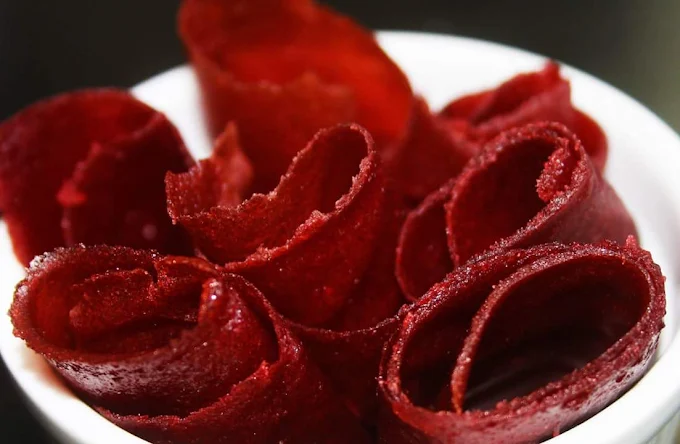
Traditional Persian fruit leather in New York is categorized by its moisture content and the specific fruits used in the reduction process. Consumers can generally find two distinct formats: the “Sheet” (Pahn) style, which is thin and slightly translucent, and the “Roll” (Loghmeh) style, which is often thicker and sometimes stuffed with pomegranate seeds or extra fruit paste. The production method involves slow-cooking the fruit into a thick puree before spreading it thin to dry, a process that preserves the natural acidity of the fruit.
Common textures and methods include:
- Sun-Dried Sheets: Traditional air-dried leather with a firm, leathery bite.
- Pulp-Heavy Rolls: Thicker varieties that retain more of the fruit’s original fiber.
- Glazed Lavashak: Sheets coated in a sour “rub” or juice for added moisture.
- Seed-In Varieties: Specifically pomegranate or barberry leathers that include the crunch of the seeds.
Each of these types offers a different sensory experience, ranging from chewy and sweet to brittle and extremely sour. This variety in texture is often accompanied by an equally diverse range of fruit flavors.
What flavors of Lavashak can I find in New York?
New York’s Persian markets offer a vast flavor spectrum that reflects the biodiversity of Iranian orchards. The most iconic flavor is Pomegranate (Anar), prized for its deep red color and sharp tartness. However, you will also frequently find Sour Cherry (Albaloo), Plum (Aloo), Apricot (Zardaloo), and Apple (Seeb). Many high-end shops also carry mixed-fruit blends, which balance the extreme sourness of barberry with the natural sweetness of yellow plums to create a well-rounded snack. These flavors are often seasonal, with certain stone-fruit varieties appearing more frequently in late summer and autumn. While many flavors are common, the hunt for the elusive sour pomegranate variety remains a priority for many connoisseurs.
Where to find sour pomegranate Lavashak in New York?
Sour pomegranate Lavashak is best located in specialized Iranian confectionery stores in Queens or through high-end Persian supermarkets that stock “Premium” or “Artisanal” labels. This specific flavor is the most popular among the Persian community in New York due to its authentic, sharp acidity. When searching, look for labels indicating “Anar-e Torsh” (Sour Pomegranate) to ensure you are getting the traditional tart profile rather than a sweetened version. Identifying the best-tasting version of this flavor naturally leads to a broader discussion on how to evaluate the overall quality of Lavashak in the city.
What is the best Lavashak in New York?
Determining the “best” Lavashak in New York involves evaluating several trust signals, including the reputation of the seller, the freshness of the stock, and the purity of the ingredients. For the discerning consumer, the best product is one that maintains a balance between a flexible, non-brittle texture and a vibrant, natural flavor profile that avoids excessive artificial citric acid. Quality is often synonymous with the transparency of the production process; stores that can identify the origin of their fruit leather—whether imported from reputable Iranian brands or made locally by known artisans—consistently rank higher in consumer trust.
To find the top-rated options, it is essential to review Lavashak in New York profiles and customer feedback on community-driven platforms. High-quality Iranian fruit leather should not be overly sticky or have a chemical aftertaste. Instead, it should evoke the natural essence of the fruit it was derived from. By cross-referencing store ratings and regional availability, you can narrow down the “premium” options from the standard supermarket fare. Once the standards for quality are established, you can use specific criteria to inspect the product before purchase.
How can I identify high-quality authentic Lavashak in New York?
High-quality authentic Lavashak can be identified through a physical inspection of its color, scent, and ingredient list. Authentic fruit leather should have a deep, natural hue consistent with the fruit used—dark red for pomegranate or golden-brown for apricot—rather than an unnaturally bright or neon shade, which indicates artificial coloring. The texture should be “leathery” and pliable; if it snaps like plastic or feels excessively oily, it likely contains fillers or poor-quality oils.
Use this checklist to verify quality:
- Ingredient Purity: The first ingredients should be fruit and salt, with minimal or no added sugars.
- Texture Check: It should be flexible and easy to peel from its plastic backing without tearing excessively.
- Aroma: A strong, natural fruity scent should be present immediately upon opening.
- Translucency: When held to the light, high-quality sheets should show a consistent, fiber-rich density without air bubbles or lumps.
Identifying these physical traits ensures a premium experience, but knowing which brands consistently meet these standards can save time.
What are the most popular Lavashak brands found in New York?
In the New York market, several established Iranian brands dominate the shelves due to their long-standing reputation for food safety and consistent flavor. Brands like “Sevan,” “Takdis,” and “Shamdani” are frequently found in Persian grocery stores across the city. These brands are favored because they offer standardized packaging and predictable sourness levels, making them a safe choice for those who prefer industrial consistency over artisanal variability. These products are often imported under strict food safety regulations, ensuring they meet the expectations of the Iranian diaspora. While brands offer reliability, the community’s voice often points toward the best retail experiences.
Which Iranian stores in New York have the best reviews for Lavashak?
Store reputation in New York is largely built on the freshness of their confectionery and the variety of their “open” (bulk) Lavashak sections. Markets in the Great Neck area and specialized shops in Queens consistently receive the highest ratings for maintaining a rotating stock of fresh fruit leather. According to customer feedback on directories like Nazdikia, stores that offer a “tasting” or a wide variety of “sour rolls” tend to be the most recommended by the local Persian community. Reliable sellers are those who prioritize the shelf-life and storage conditions of their treats, preventing the leather from becoming dry or losing its flavor. This high level of quality and service often comes with a specific price point that consumers must consider.
What is the price of Lavashak in New York?
The price of Lavashak in New York varies significantly based on whether the product is mass-produced, imported, or handmade locally. Generally, industrial branded rolls are the most affordable, often sold in multi-packs or small individual units that cater to casual snacking. In contrast, artisanal or “traditional” Lavashak sold by weight (per kilo) carries a premium price due to the labor-intensive drying process and the high volume of fresh fruit required to produce a single kilogram of finished product. Economic factors such as import duties and the specialized nature of these ethnic goods contribute to a higher cost compared to standard American fruit snacks.
For most consumers, the price reflects the “Value for Money” associated with authenticity and ingredient quality. While you can find cheap Lavashak in New York in the form of thin, processed sheets, those seeking the intense sourness and thick texture of real Persian fruit leather should expect to pay a moderate premium. Understanding these price tiers helps in budgeting for either individual treats or bulk purchases. Comparing these costs across different boroughs and store types provides a clearer picture of the local market’s economic landscape.
How does the cost of Lavashak in New York compare between shops?
Price variance for Lavashak in New York is largely influenced by store location and the source of the product. Boutique Persian markets in Manhattan or high-end neighborhoods in Long Island may charge a 15-20% markup compared to larger ethnic wholesalers in Queens or Brooklyn. Additionally, stores that import “exclusive” brands or specialize in “homemade-style” leather often have higher price points. On average, a standard pack of imported Lavashak might range from $3 to $7, while high-quality bulk varieties can exceed $15 to $20 per pound depending on the fruit type and production method. For those who cannot visit these shops in person, delivery services offer an alternative accessibility route.
Which shops offer Lavashak delivery in New York?
Several Iranian stores in New York have adapted to the digital marketplace by offering local delivery through their own websites or third-party apps. This is particularly useful for those living outside the primary Persian hubs who still wish to access authentic snacks.
To secure delivery, follow these steps:
- Check Local Directories: Use Nazdikia to find Iranian stores that list “Online Ordering” or “Delivery” as a service.
- Use Third-Party Apps: Search for Persian markets on platforms like UberEats or Grubhub for immediate local delivery.
- Direct Store Websites: Many larger markets in Queens offer their own shipping services within the New York metro area.
Delivery ensures accessibility, but for the best value, many families prefer purchasing in larger quantities.
How to buy bulk Lavashak in New York?
Buying bulk Lavashak in New York is most effectively done at larger Persian supermarkets or specialty wholesalers that sell by the kilogram. Purchasing in bulk not only reduces the cost per unit but also allows you to acquire large, uncut sheets of fruit leather which stay fresh longer if stored correctly. When buying in bulk, it is advisable to ask the merchant for “freshly arrived” stock to ensure the texture remains pliable. Bulk purchasing is a common practice for the Persian community, especially during cultural holidays like Nowruz or Yalda Night. This practical approach to buying leads many to wonder how these traditional treats stack up against more common local alternatives.
How does Lavashak compare to other fruit snacks in New York?
To truly understand the value of Lavashak, one must distinguish it from the wider category of fruit snacks found in American supermarkets. While New York is home to an endless array of “fruit leathers” and gummy snacks, Lavashak occupies a unique niche defined by its intense acidity and lack of artificial sweeteners. Most Western fruit snacks are designed with a “sweet-first” profile, often utilizing apple juice concentrate as a primary base. In contrast, Persian Lavashak prioritizes the “sour-first” profile of the original fruit, making it a functional culinary item as well as a snack.
The following table provides a detailed comparison between Lavashak and other regional fruit-based snacks available in the New York market to help consumers make an informed decision:
|
Snack Entity |
Primary Ingredients | Texture & Processing | Flavor & Sourness |
Best Use Case |
| Traditional Lavashak | Pure fruit puree, salt | Sun-dried, fibrous sheets | Extremely sour, tart | Authentic snacking, culinary |
| Industrial Lavashak | Fruit pulp, citric acid | Machine-pressed rolls | Consistent, sharp sourness | Lunchboxes, quick snack |
| US Fruit Leather | Apple base, fruit juice | Extruded, smooth | Sweet, mild tartness | Health-conscious kids |
| Turkish Pestil | Fruit, honey, nuts | Sun-dried with starch | Sweet, nutty, chewy | Dessert, tea accompaniment |
This comparison highlights that while similar in form, the intent and flavor profile of Lavashak are distinct from its regional counterparts. Understanding these technical differences is key to appreciating why Persian Lavashak remains a preferred choice for those seeking a natural, tart treat.
What is the difference between Lavashak and fruit leather in New York?
The primary difference between Lavashak and standard American fruit leather lies in the sugar content and the intended flavor profile. American fruit leather is typically marketed as a “healthy candy” and is often sweetened with juice concentrates to appeal to a broad palate. Lavashak, however, is a traditional preserved food where the goal is to concentrate the natural sourness of the fruit. This results in a product that is significantly more acidic and less “sticky” than typical fruit leather, offering a more complex flavor that appeals to adults and those who prefer savory-sour profiles over sugary ones.
What distinguishes Persian Lavashak from other regional fruit leather in New York?
Persian Lavashak is distinguished from other Middle Eastern or Mediterranean fruit leathers—such as Lebanese or Turkish varieties—by its extreme emphasis on tartness and its specific fruit origins. While Turkish “Pestil” might include nuts or honey, and Lebanese “Qamar al-Din” (apricot leather) is often used to make drinks, Persian Lavashak is primarily a stand-alone sour snack. The use of Barberry (Zereshk) and Sour Cherry (Albaloo) is a hallmark of the Iranian style, creating a “pucker factor” that is rarely matched by other regional variants found in New York’s ethnic aisles.
What is the difference between industrial and traditional Lavashak in New York?
Industrial Lavashak is produced in factories using standardized machinery, resulting in uniform thickness, color, and flavor. It often contains citric acid to ensure a consistent sourness across every batch. Traditional Lavashak, found in specialized New York Persian shops, is made using artisanal methods where the fruit is boiled in large vats and air-dried. The traditional version has a more “rustic” texture and a deeper, more nuanced flavor that changes depending on the ripeness of the fruit used, making it the preferred choice for those seeking a truly authentic experience. This search for authenticity often brings up specific questions about dietary and availability details.