
Finding real Noon Sangak outside of Iran is never easy. In a place like the New York–New Jersey area, it gets even harder. Many Iranians in NYC and NJ share the same frustration: some places claim they have Sangak, but it turns out to be just another generic flatbread. That’s exactly where Nazdikia comes in. In this guide, we help you discover the best spots across New York and New Jersey to find authentic, freshly baked Noon Sangak.
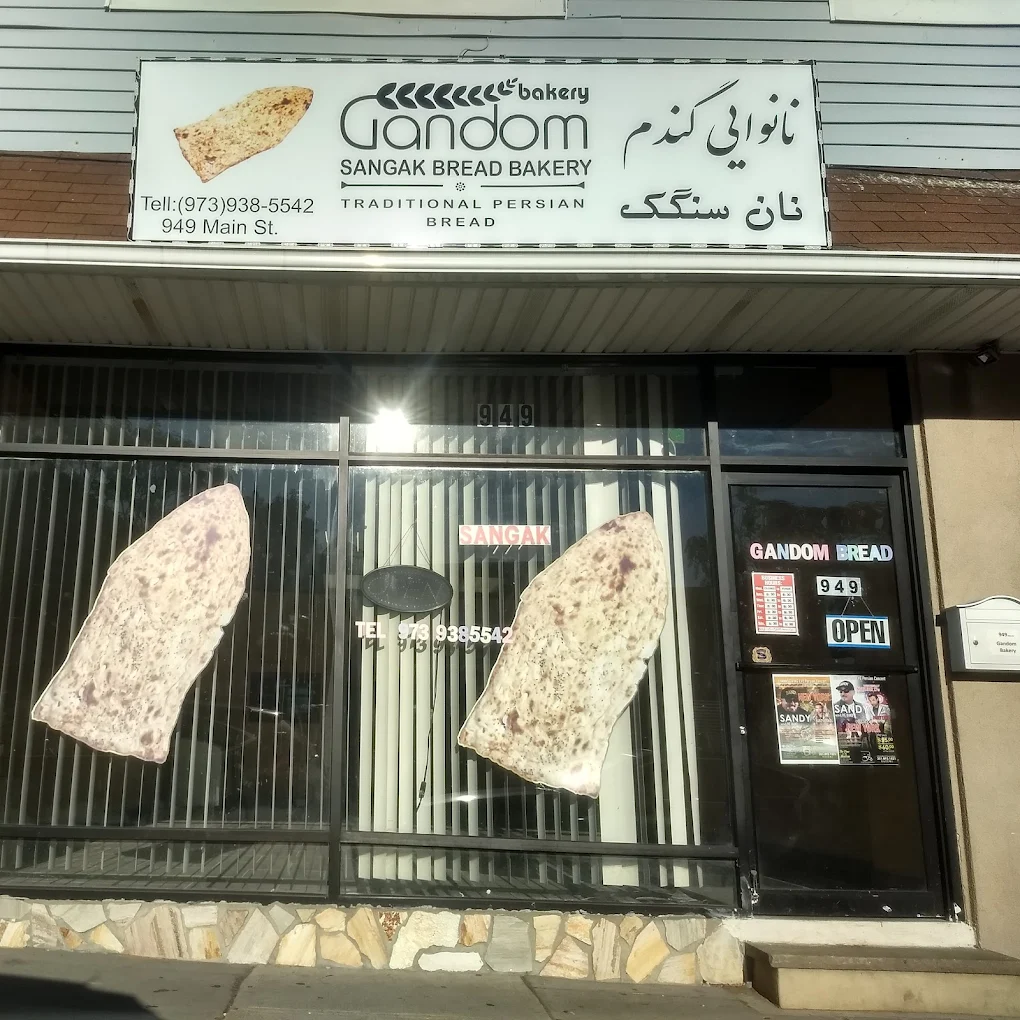
Gandom Bakery نانوایی گندم (Paterson, NJ)
Business Description
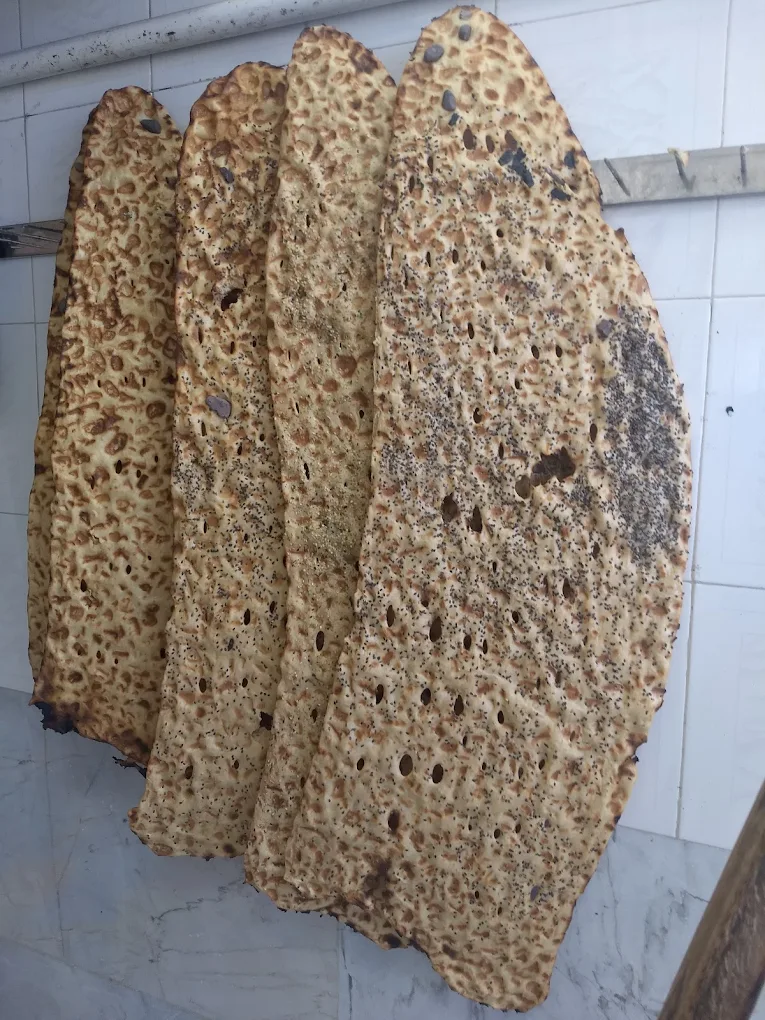
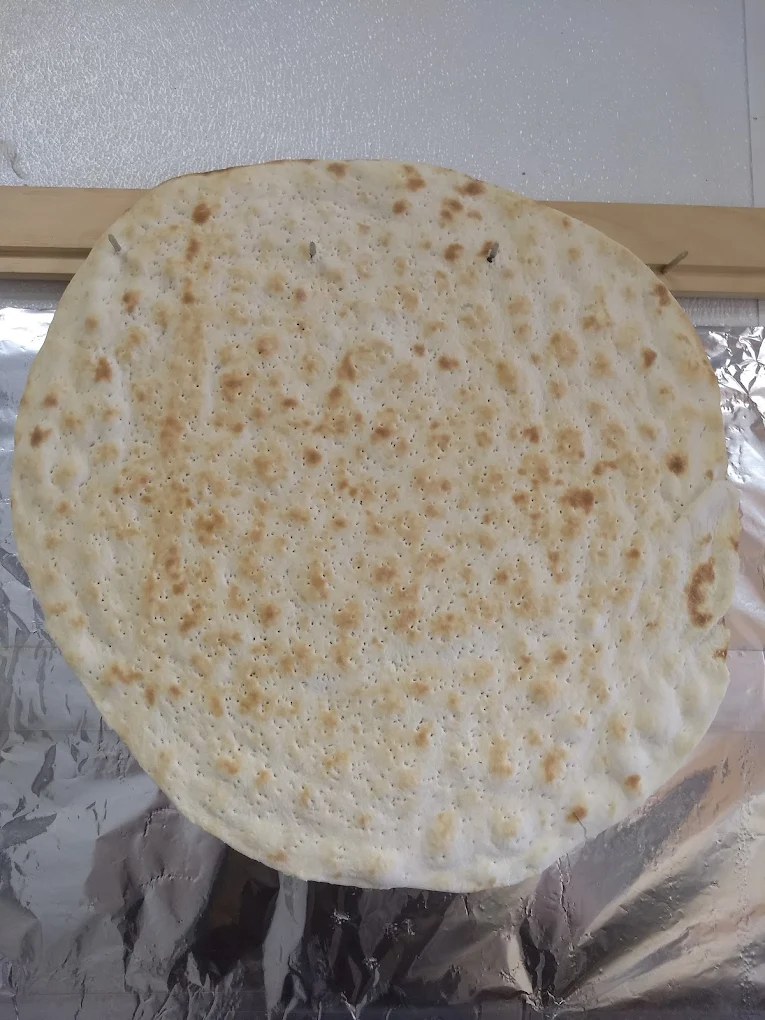
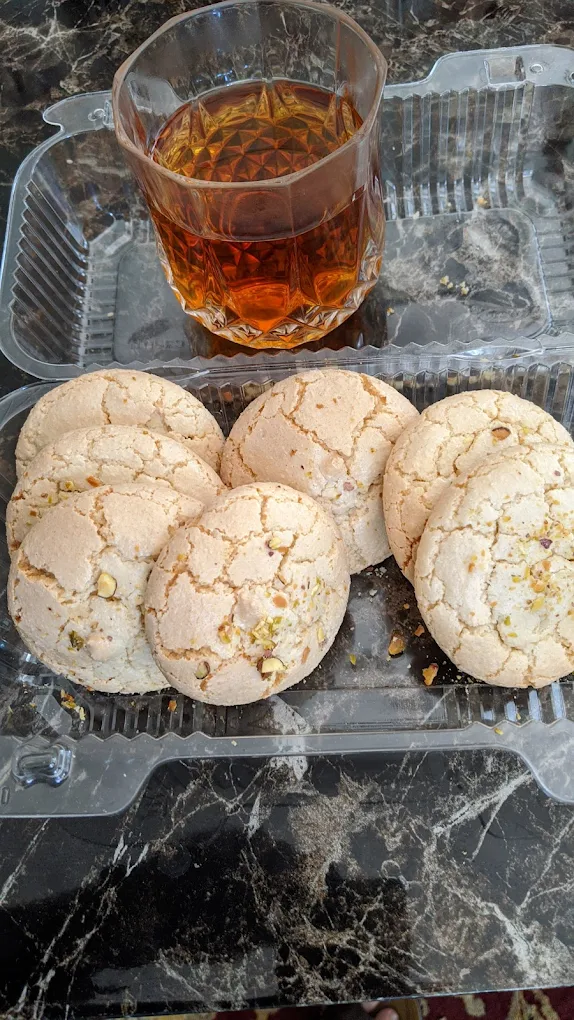
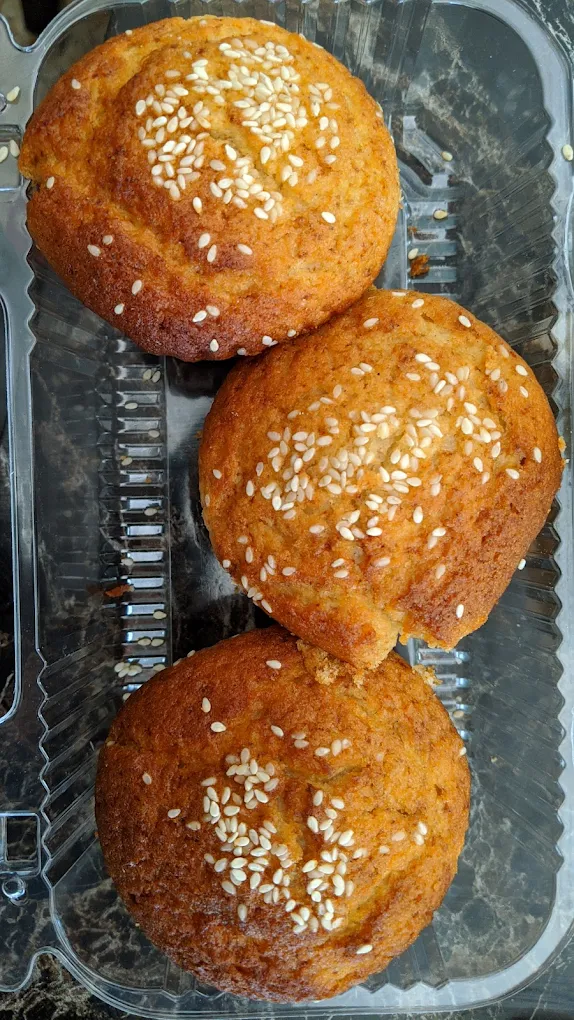
Gandom Bakery is one of those bakeries that takes you back home. Located in Paterson’s vibrant Middle Eastern district, this bakery has earned a devoted following among Persians and food lovers who crave traditional Iranian bread made the right way. Their Sangak is baked fresh and proudly reflects the classic Persian method, whole-wheat dough stretched by hand and laid directly onto a bed of hot stones. The result is a long, beautifully uneven loaf with the signature pebble marks, nutty aroma, and a soft, chewy texture that every Sangak enthusiast seeks. Beyond Sangak, Gandom Bakery offers a wonderful selection of other traditional breads such as Barbari and Taftoon, along with a curated range of pastries, nuts, spices, and Persian groceries.

Caspian Market – Ridgewood
Business Description
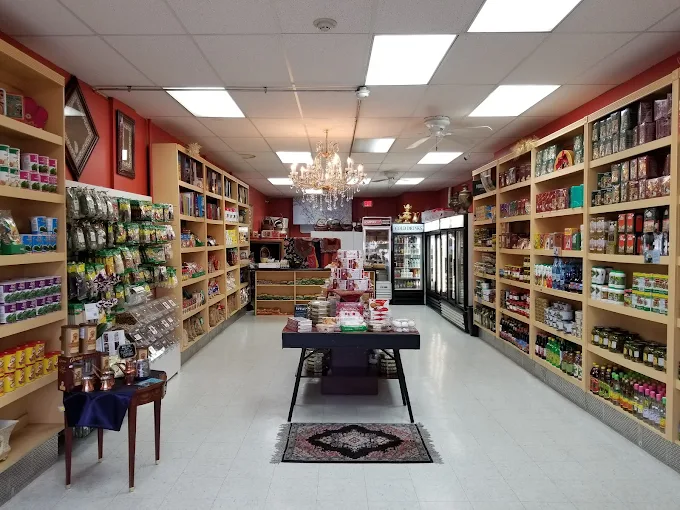
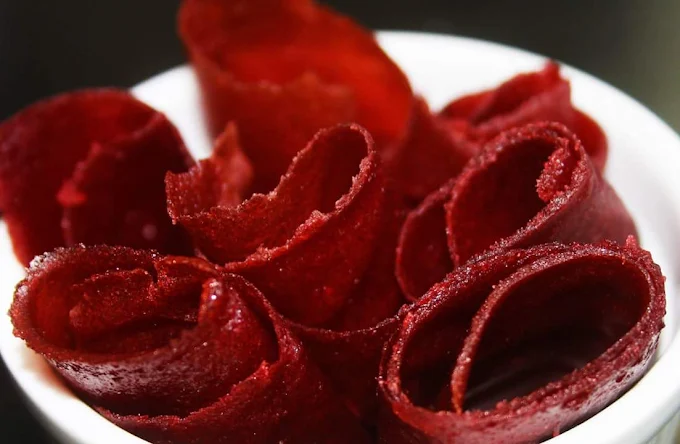
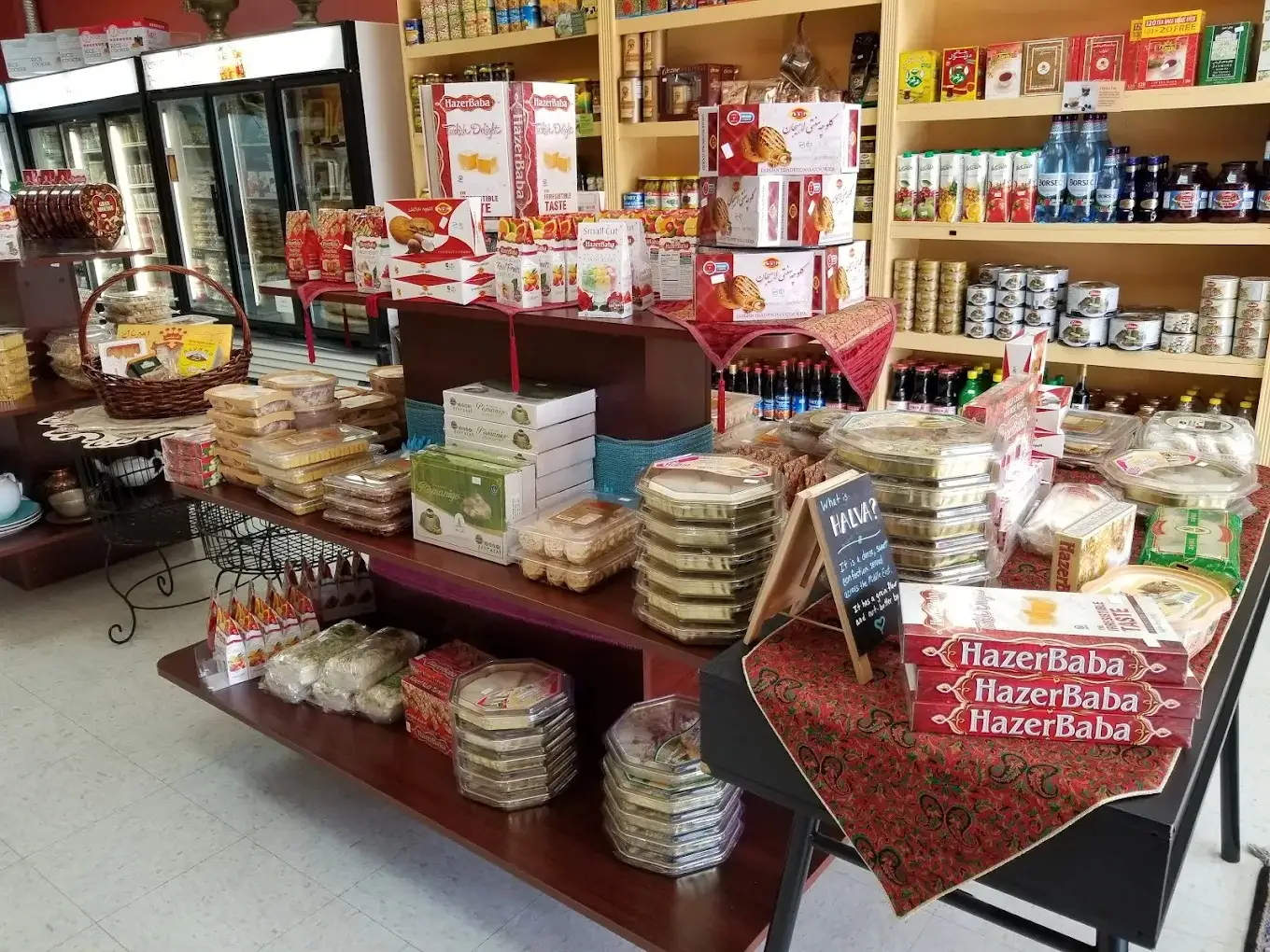
It’s a Persian supermarket filled with items needed in every Persian kitchen. In addition to the usual grocery items, this supermarket also offers nuts, sweets, and popular snacks like Lavashak and fruit rolls. That’s not all; you can find authentic Persian bakery products like Sangak bread and pastry products like Sohan and Gaz.

Nazdikia’s Guide to Noon Sangak in New York–New Jersey
Finding real Noon Sangak in the New York–New Jersey area can feel like a treasure hunt. Many bakeries sell “Persian bread,” but once you get there, you discover it’s just pita or a basic flatbread with no connection to the stone-baked tradition. That’s why discovering a place like Gandom Bakery feels like finding home—especially when you grew up tearing into a warm Sangak alongside feta, herbs, and a good cup of Persian tea.
For many Iranians across NYC and NJ, Sangak isn’t just bread. It’s memory, comfort, and the taste that completes a Persian table. Whether you live in Queens, Manhattan, Brooklyn, Jersey City, or somewhere in between, here’s everything you need to know before making your next Sangak run.
What Makes Authentic Sangak So Special?
Sangak holds a unique place in Persian cuisine. Unlike pita, lavash, or naan, Sangak is made from a whole-wheat sourdough dough and traditionally baked on a bed of small river stones. This gives the bread its signature texture—crispy on the edges, tender and chewy in the center, and covered with tiny pebble marks underneath.
The dough itself is simple: whole-wheat flour, water, salt, and a natural or sourdough starter. Yet when it’s stretched by hand and laid on hot stones, it transforms into a long, irregular, beautiful piece of bread with a deep, nutty aroma.
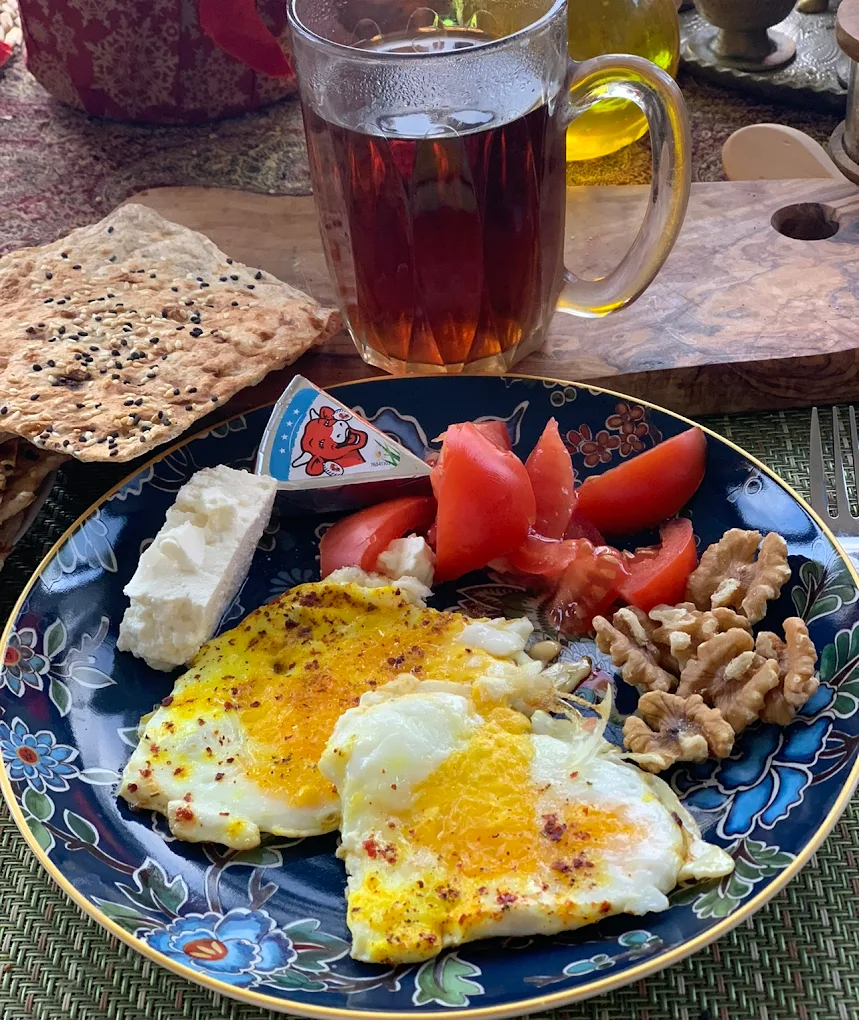
For Persians, Sangak is the “everyday bread.” It’s perfect for breakfast with feta and herbs, for lunch with kabob koobideh, or for wrapping sandwiches. When it’s fresh, it’s unbeatable.
How to Recognize Real, Fresh Sangak
If you’re driving across the city or taking the train to Paterson, you want to make sure you’re getting the real thing. Here’s how to know:
1. Look for the stone marks
Flip the bread over. Real Sangak has an uneven base with tiny dimples left by the stones. If the bottom is smooth, it’s not true Sangak.
2. Check the texture
Authentic Sangak shouldn’t be soft like pita or thick like naan. Instead, it should be:
- Thin
- Slightly stretchy
- Crispy at the edges
- Foldable without breaking
3. Observe the shape
Sangak is usually long and irregular—triangular or oval. A perfectly rectangular or circular shape is a sign of machine baking.
4. Smell it
A fresh Sangak smells nutty, toasty, and warm. If it smells bland or yeasty, it’s likely factory-made or reheated.
5. Check the color
Whole-wheat flour gives Sangak a brownish, warm tone—not pale white.
When Do Bakeries in NY–NJ Usually Bake Sangak?
While many Persian bakeries across the U.S. bake Sangak throughout the day, the New York–New Jersey area is different. Because there are very few bakeries that still make Sangak traditionally, timing is everything. At places like Gandom Bakery, the freshest batches usually appear:
- Late morning (around 10:30 AM – 12:00 PM)
- Early afternoon (if demand is high)
Can You Order Sangak Online in NYC or NJ?
This is one of the most common questions. The short answer is sometimes, but not reliably. A few Persian and Middle Eastern shops list Sangak on:
- Uber Eats
- DoorDash
- Instacart
However, because Sangak is a fresh, stone-baked bread that sells out quickly, it is rarely available for same-day delivery. Most people prefer picking it up in person to ensure it’s warm and freshly baked.
How to Store and Reheat Sangak the Right Way
Sangak is large, and many people buy multiple pieces at once. Here’s how to keep it fresh for days or even months.
Storing
To store Sangak bread correctly, follow these steps:
- Tear or cut the bread into hand-sized pieces.
- Place them in a freezer-safe bag.
- Press out all the air.
- Freeze.
Frozen Sangak can last 2–3 months without losing quality.
Reheating
To revive Sangak so it tastes almost fresh from the oven:
- Lightly sprinkle or mist the bread with water.
- Heat it in a toaster oven or a hot, dry skillet for 1–2 minutes.
- It becomes soft, warm, and slightly crispy—just like the day it was baked.
Sangak vs Afghan Naan in NYC–NJ
Many Afghan bakeries throughout NYC and North Jersey make excellent bread, but it’s not the same as Persian Sangak. Afghan bread is usually thicker, made with white flour, and baked in a tandoor. Persian Sangak is whole-wheat, thinner, stretched by hand, and stone-baked. Both are delicious, but the experience is completely different. Sangak’s aroma, texture, and traditional stone baking give it a character that’s hard to replicate.
Why Sangak Is Becoming More Popular in the NY–NJ Area
The Iranian community in New York and New Jersey continues to grow, especially around areas like Queens, Jersey City, and North Jersey. With this growth comes a renewed excitement for Persian food traditions—especially bread. Several reasons explain the rising love for Sangak:
- It’s healthy and made with whole grains.
- It pairs beautifully with Mediterranean and Middle Eastern dishes.
- It’s perfect for wraps, sandwiches, and dipping.
- It brings comfort and nostalgia to Iranians far from home.
And for non-Iranians, Sangak is often a delightful discovery. Something different, rustic, and memorable!
How Much Does Noon Sangak Cost in New York–New Jersey?
Because there is only one true Sangak bakery in the NY–NJ region, prices are fairly consistent and easy to understand. At Gandom Bakery نانوایی گندم in Paterson, NJ, the cost reflects the traditional baking process and the use of whole-wheat dough baked on hot stones. Here’s what you can expect:
- Traditional Sangak — $5.00
- Sangak with two seed toppings — $6.00 کنجد یا خشخاش
These prices come from the bakery’s recent delivery menu and serve as the most accurate reference for the area. Compared to the West Coast or Toronto markets, the price range in New York–New Jersey is very reasonable—especially considering how rare authentic stone-baked Sangak is in this region.