
If you’re searching for authentic Persian rugs in the New York–New Jersey area, you’ve come to the right place: welcome to Nazdikia. Persian rugs carry not only rich patterns and colours, but also a deep cultural heritage from Iran and the surrounding regions. Whether you’re after a bold medallion-design carpet for your living room or a subtle tribal rug to warm up a corridor, knowing where to look makes all the difference. On this page, you’ll discover the best spots for Persian rugs in New York–New Jersey, and find guides on Persian rugs for sale in New York–New Jersey, and where to buy Persian rugs in New York–New Jersey.

Nazmiyal Antique Rugs
Business Description
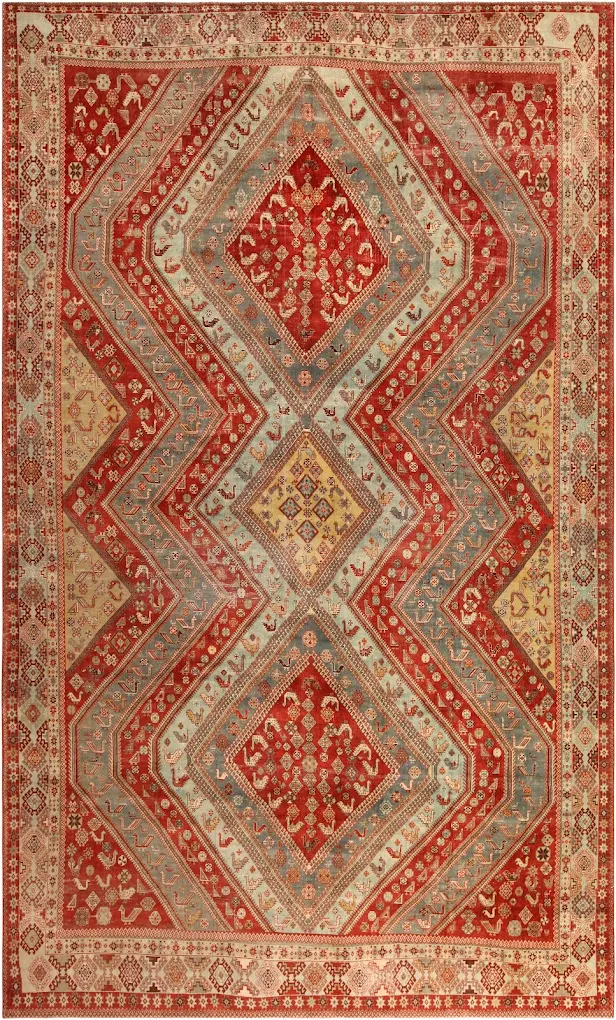
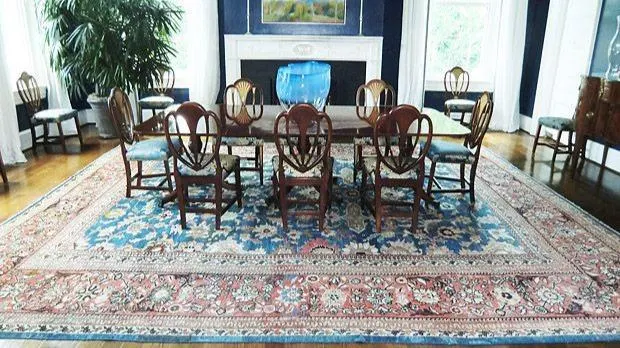
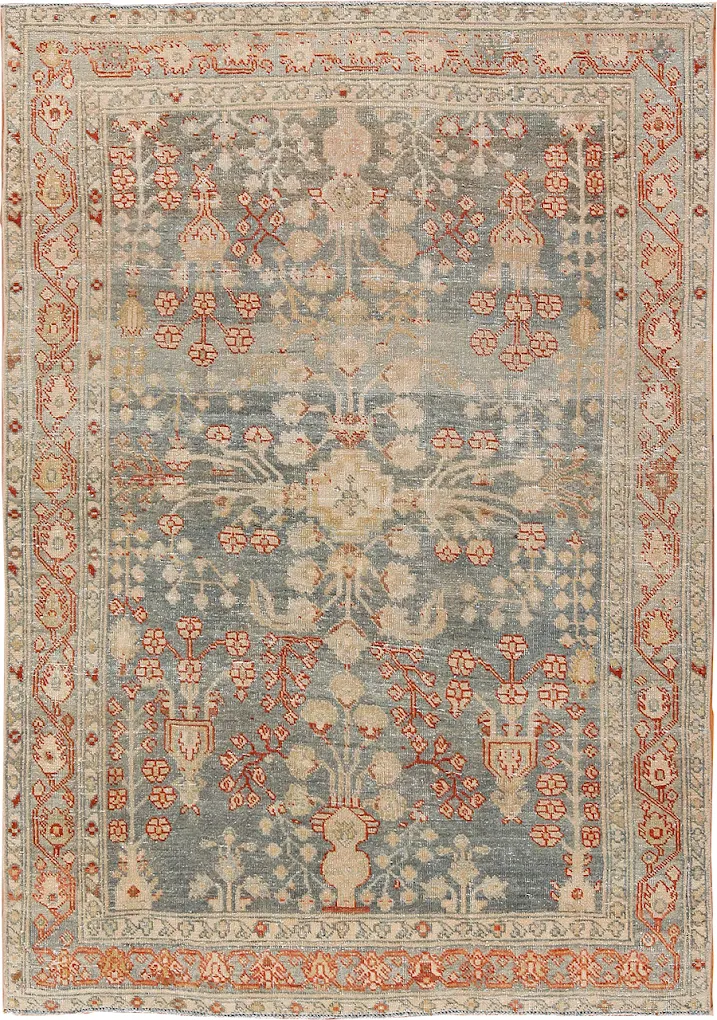
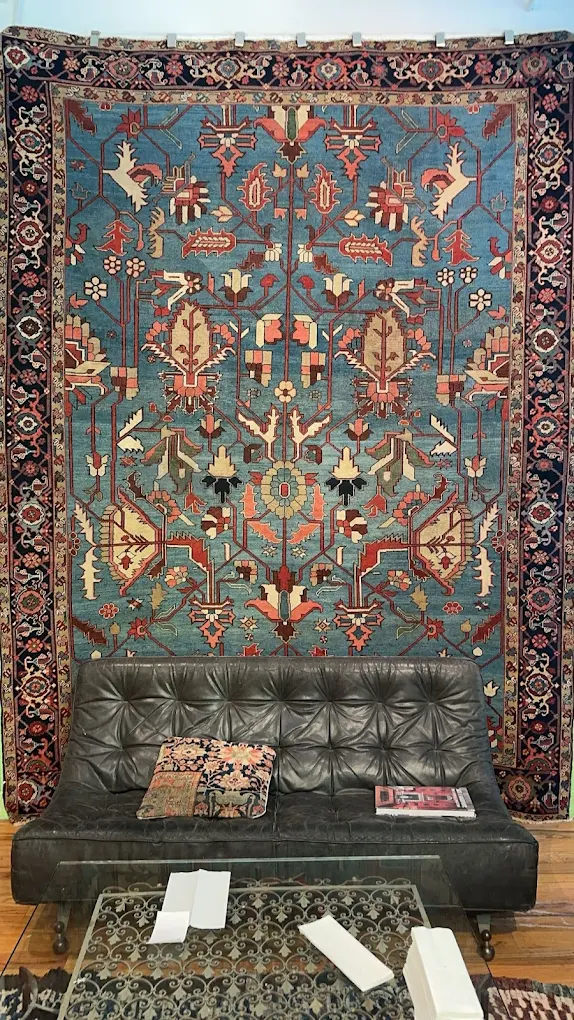
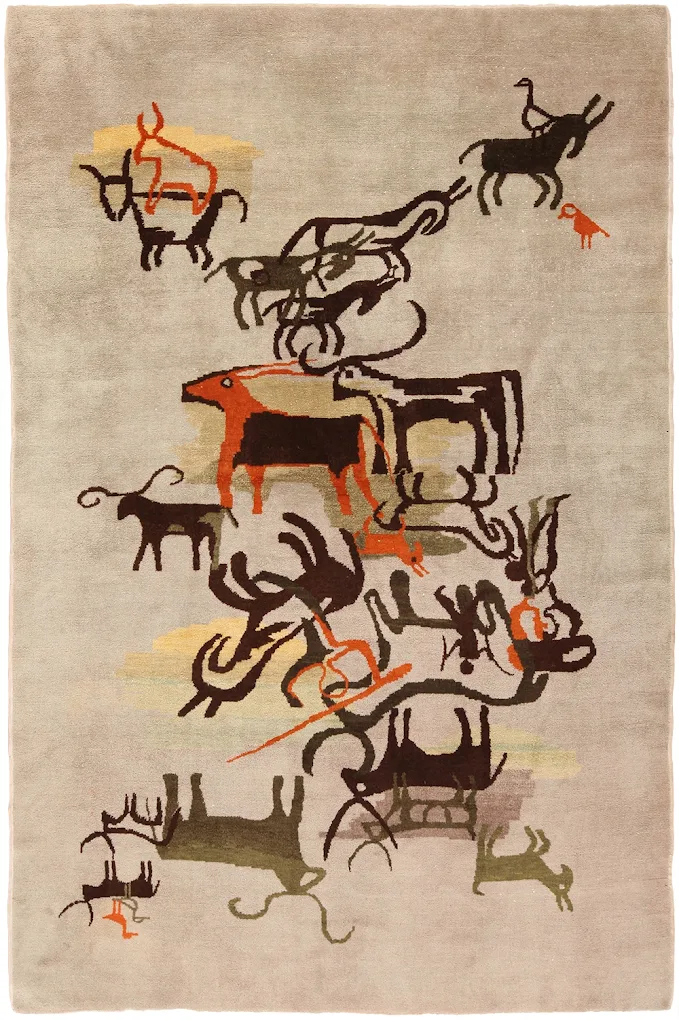
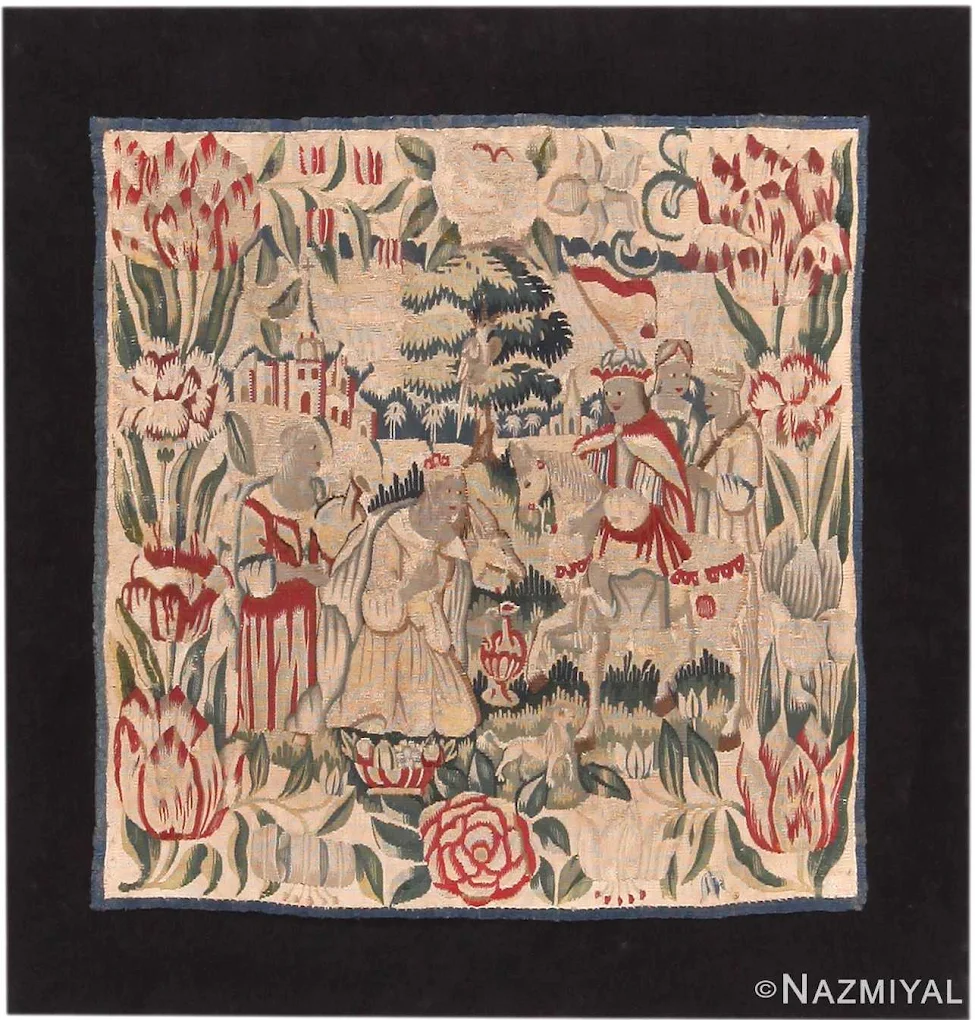
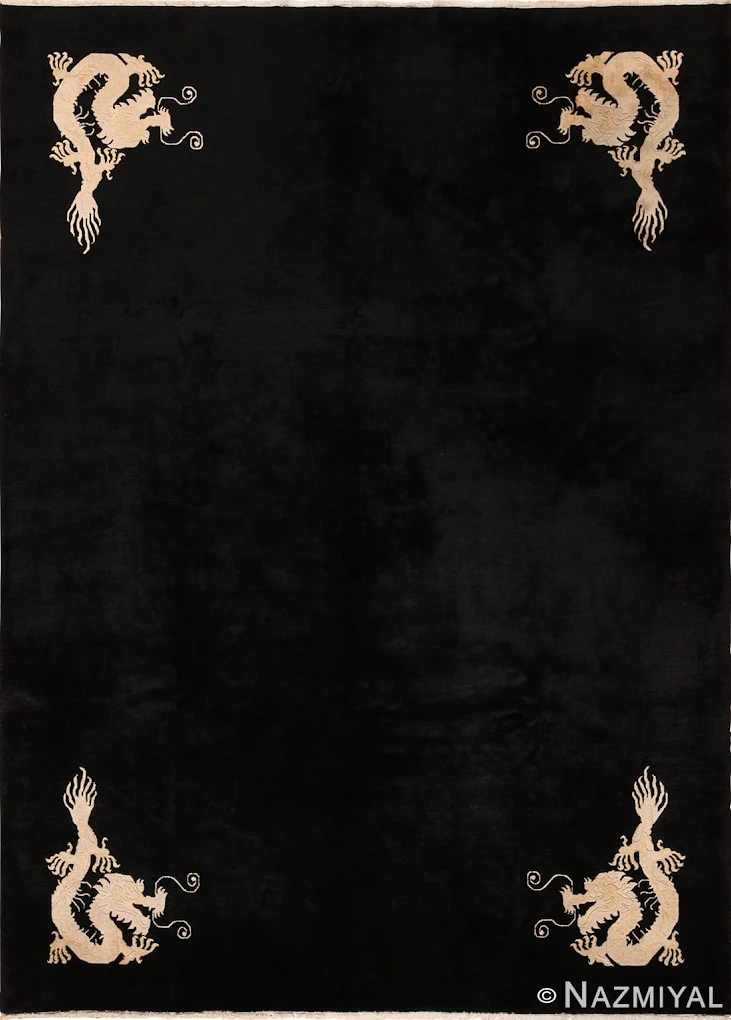
This gallery has been a landmark for collectible and high-end Persian and Oriental carpets since 1980. Their collection spans antique, vintage, and museum-quality rugs, making this a go-to for serious buyers looking for authentic pieces. They also offer professional rug cleaning, repair, and restoration services for fine and antique rugs.
Persian Gallery New York
Business Description
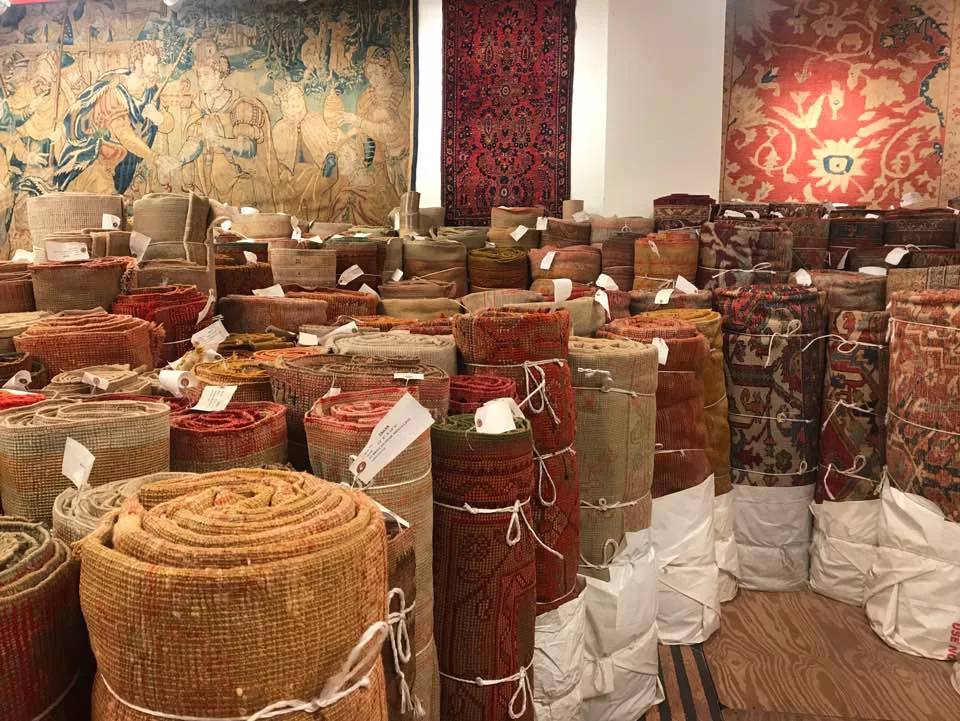
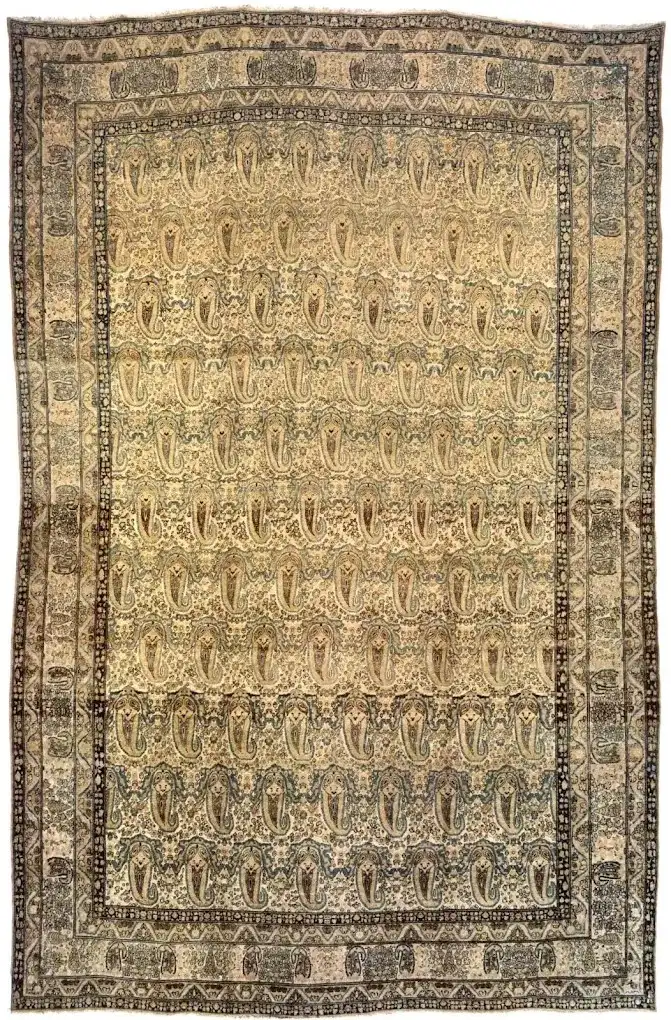
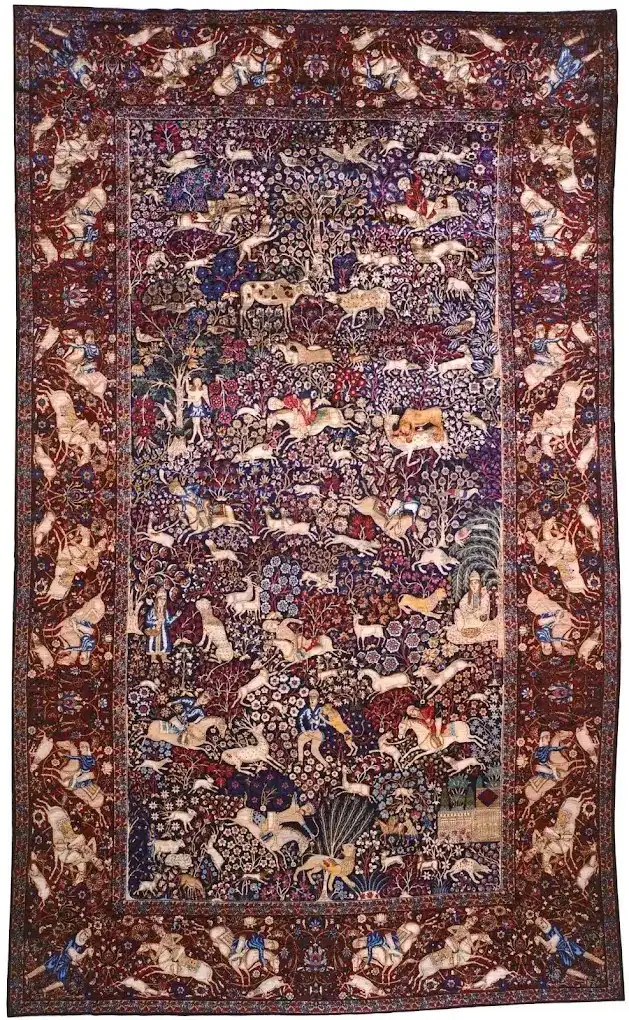
This store specialises in antique decorative carpets, including Persian and Turkish rugs. It’s well-regarded for a wide variety of designs and a showroom atmosphere geared toward collectors
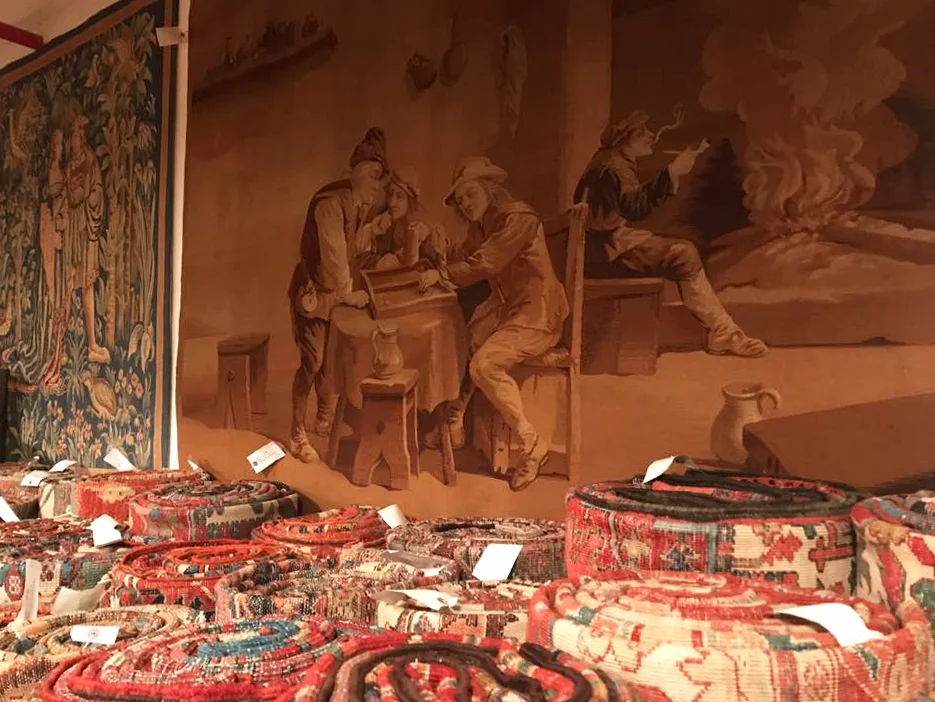
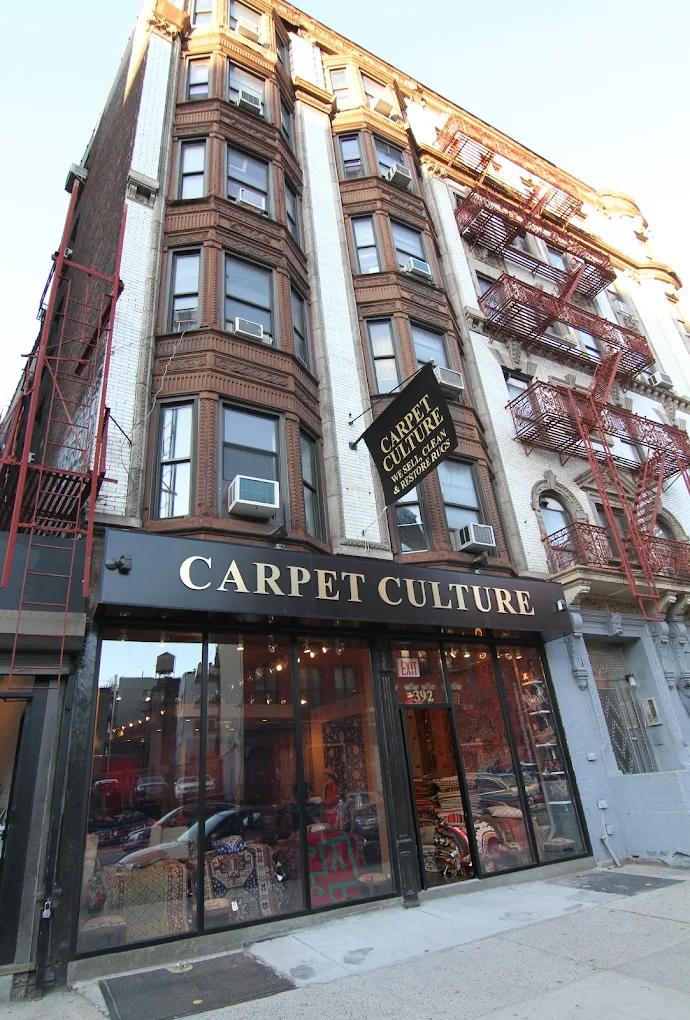
Carpet Culture
Business Description
Carpet Culture offers luxury handmade rugs, including Persian types, with services like cleaning, resizing and restoration. Customers love their services; they also provide Persian rug cleaning and repairs.
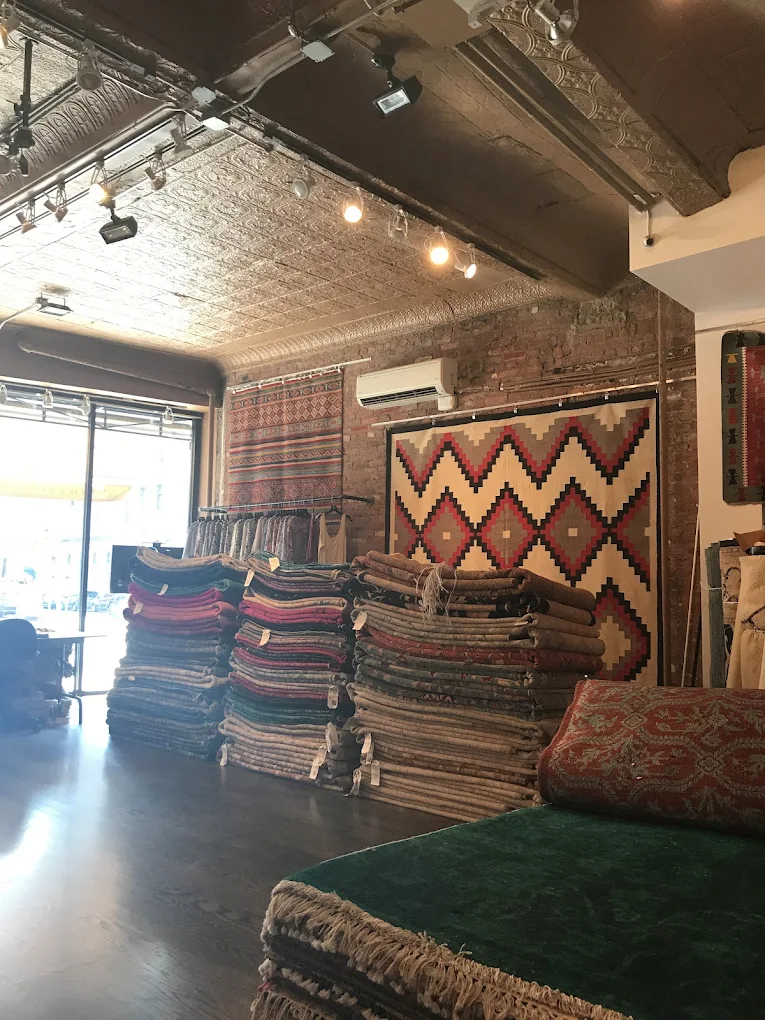
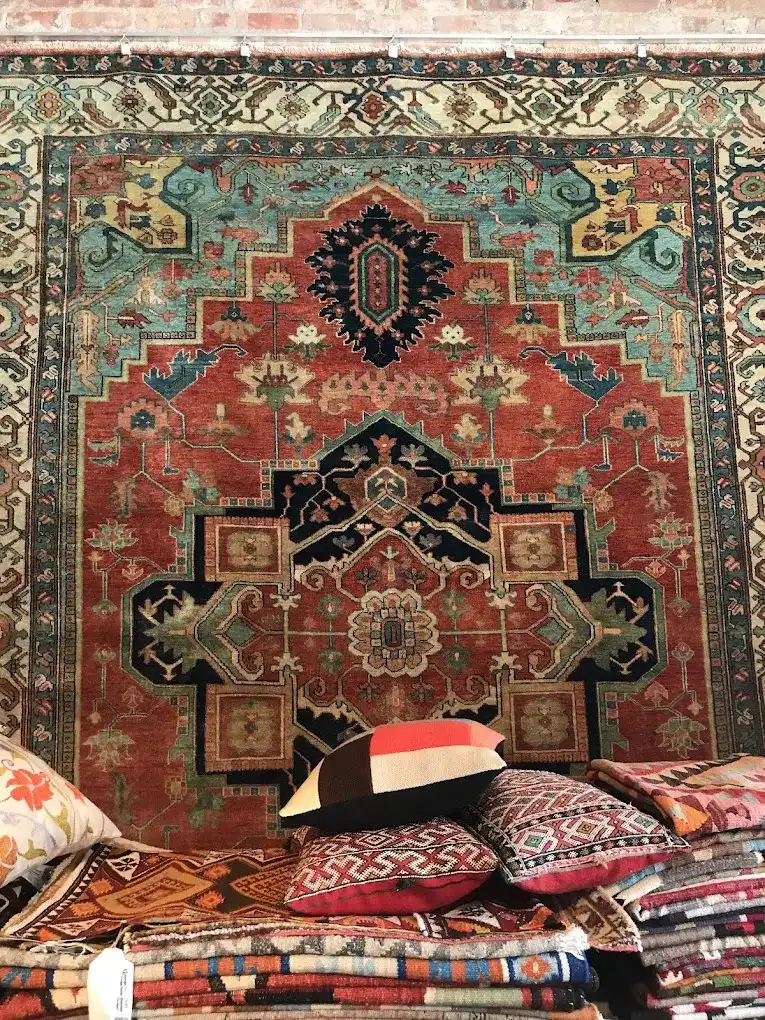
Shahbanu Rugs
Business Description
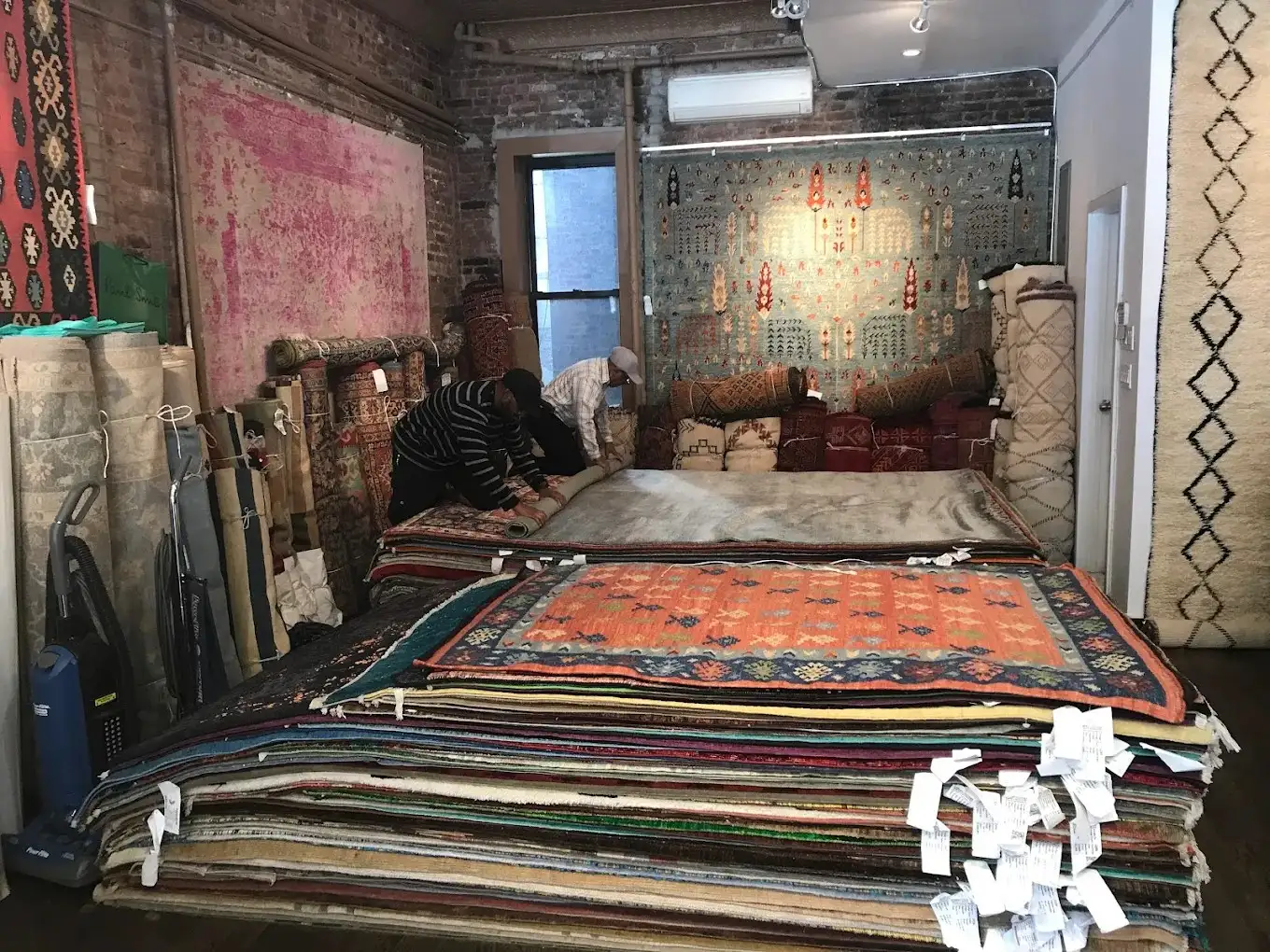
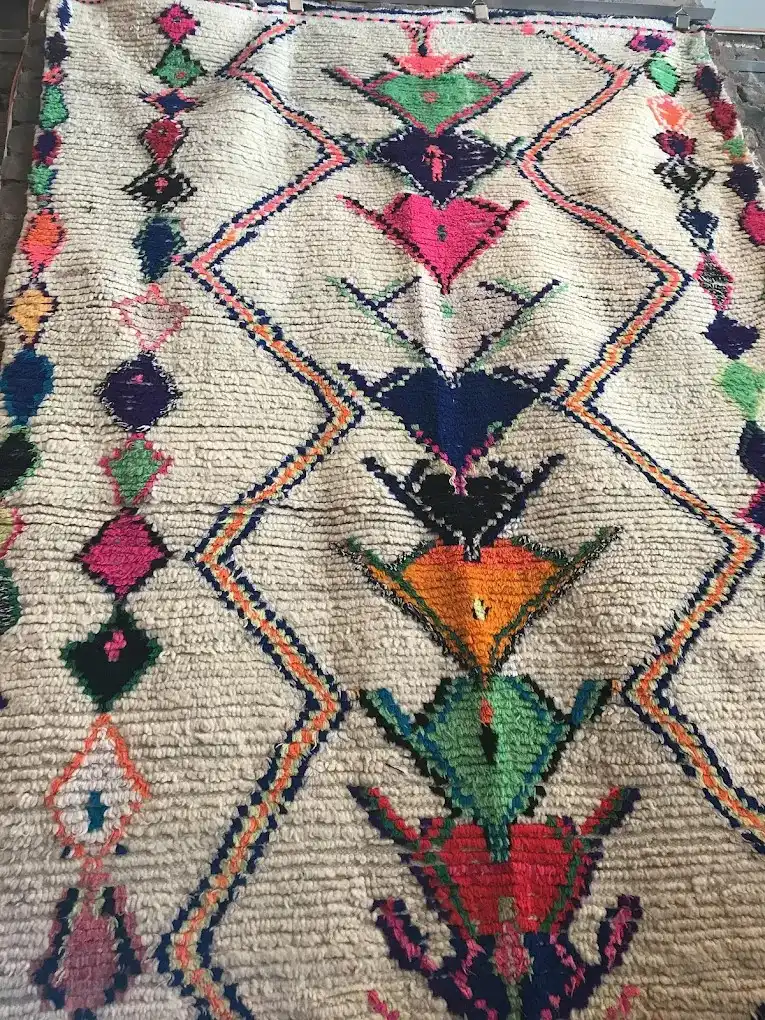
Shahbanu Rugs is a specialist in handmade, luxury Oriental and Persian carpets. This store serves those seeking premium Persian carpets in the NY/NJ region. Ideal for buyers based in New Jersey or willing to make the trip over from NYC
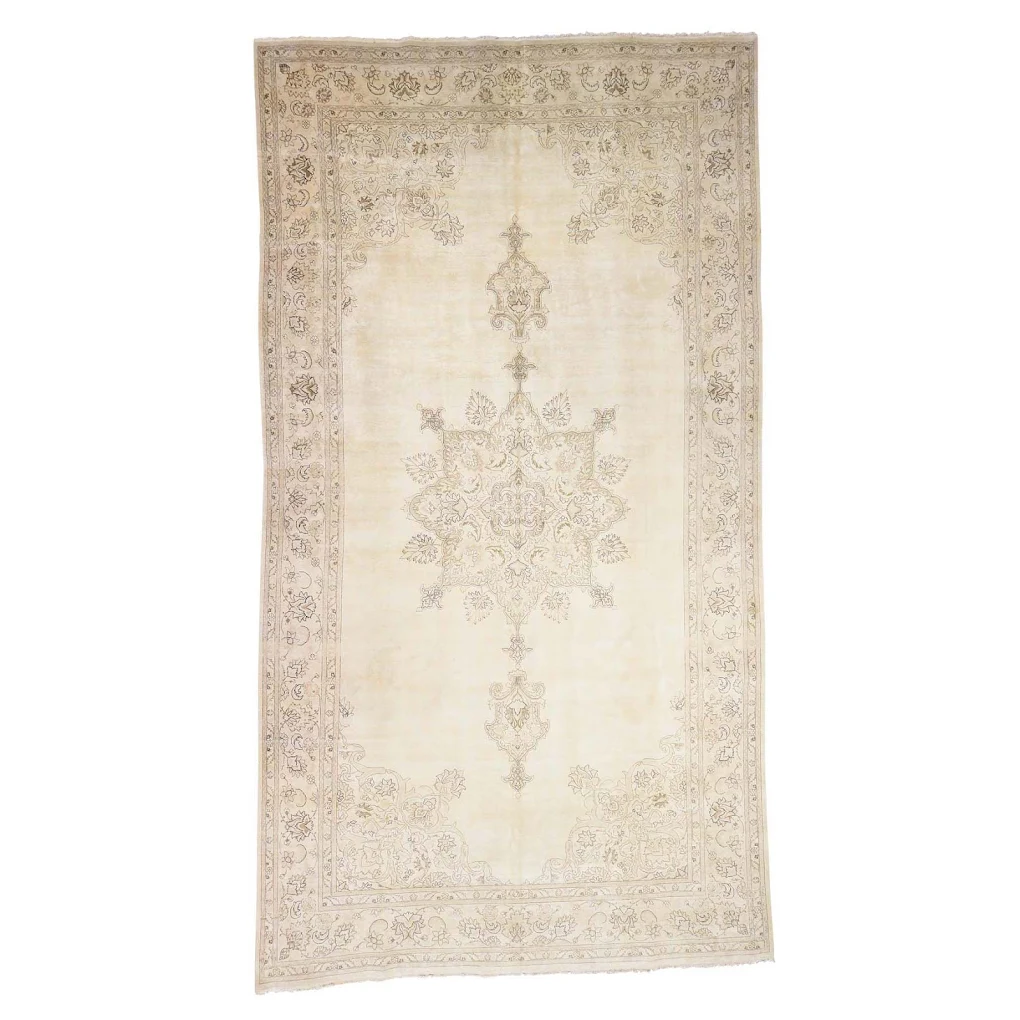
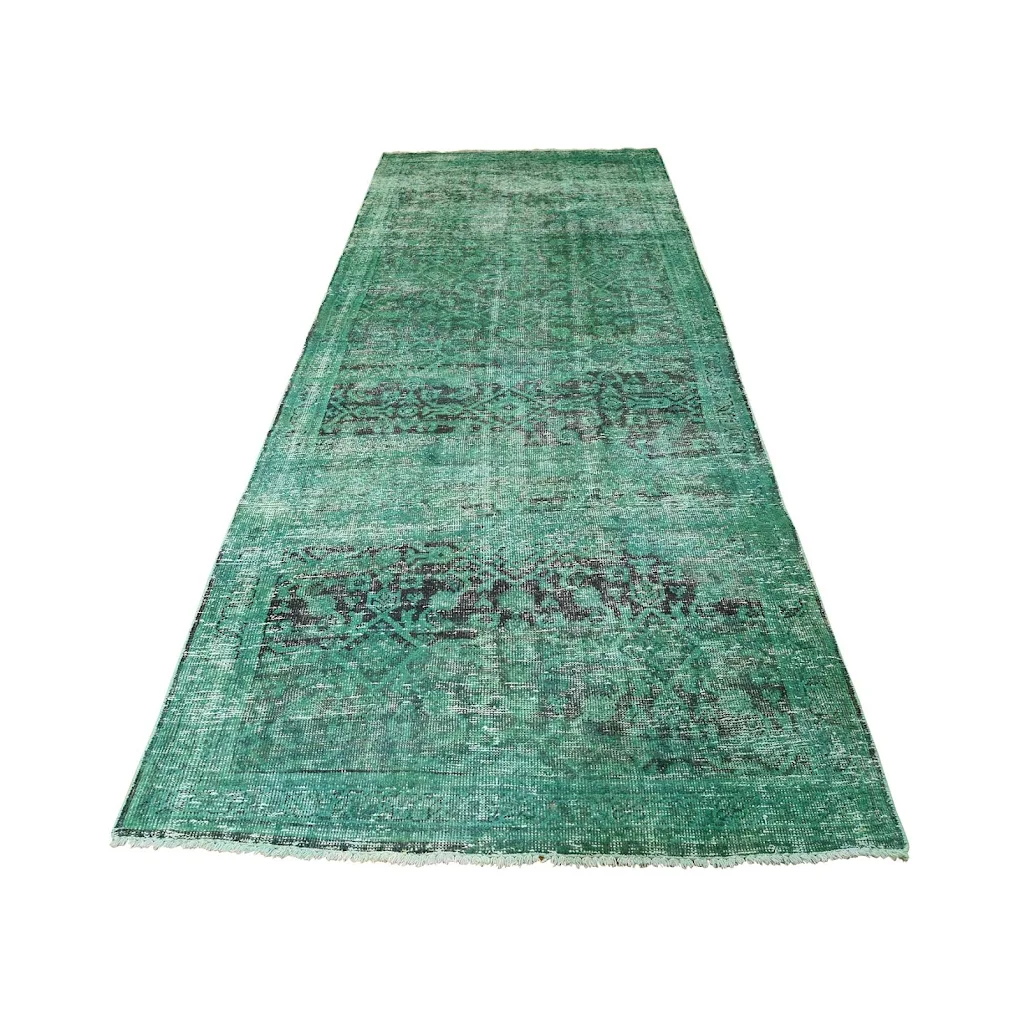
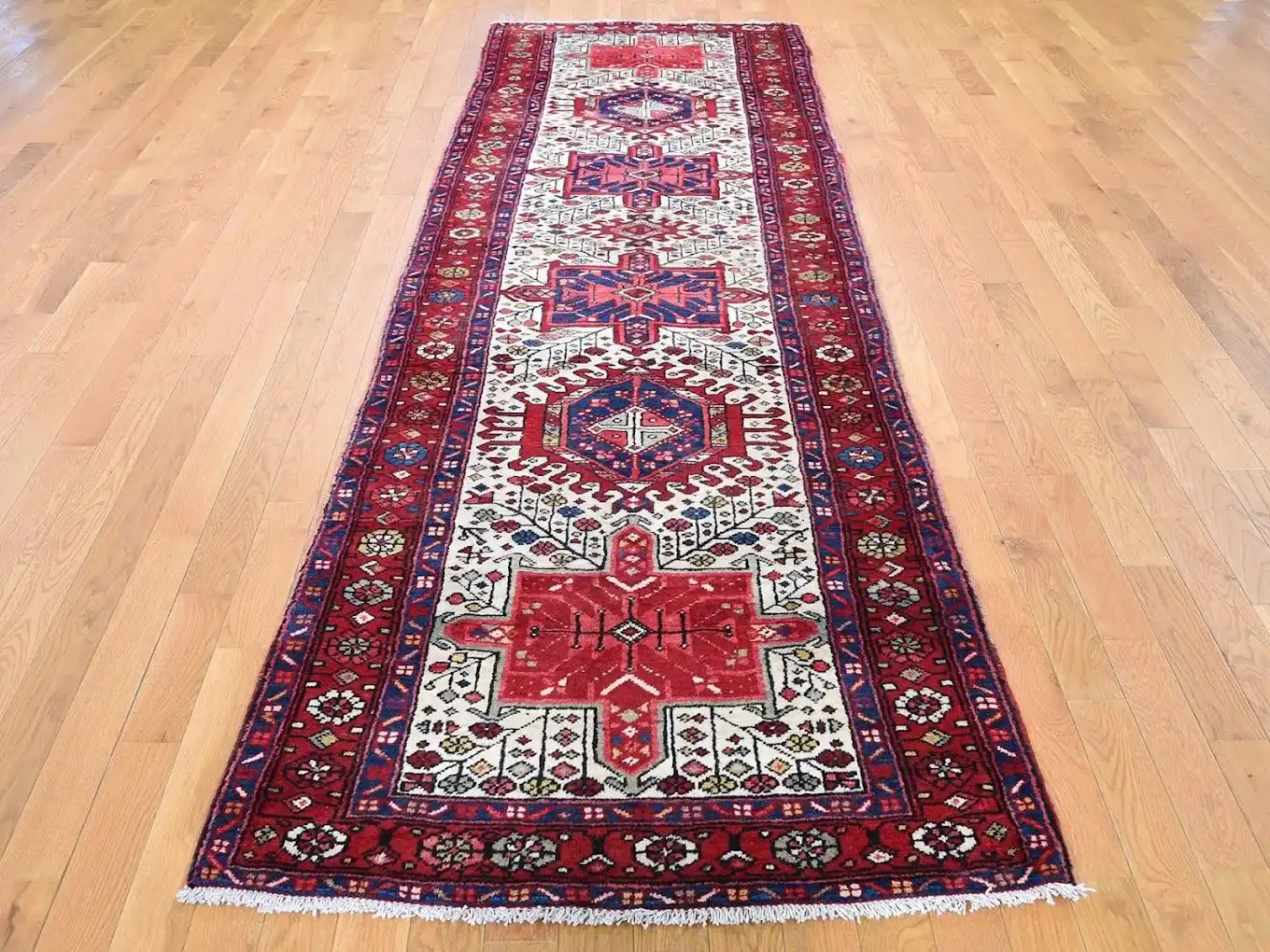
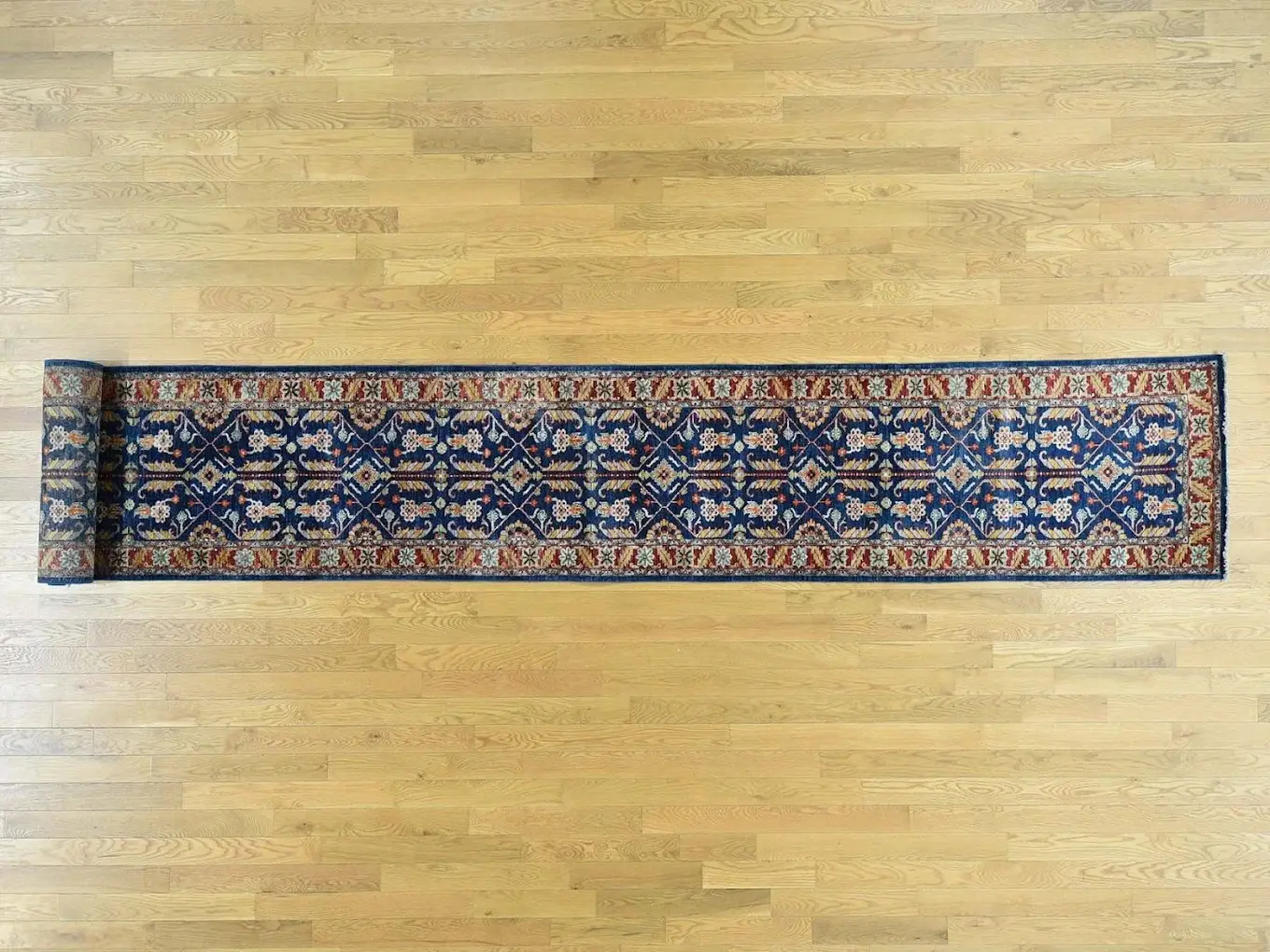
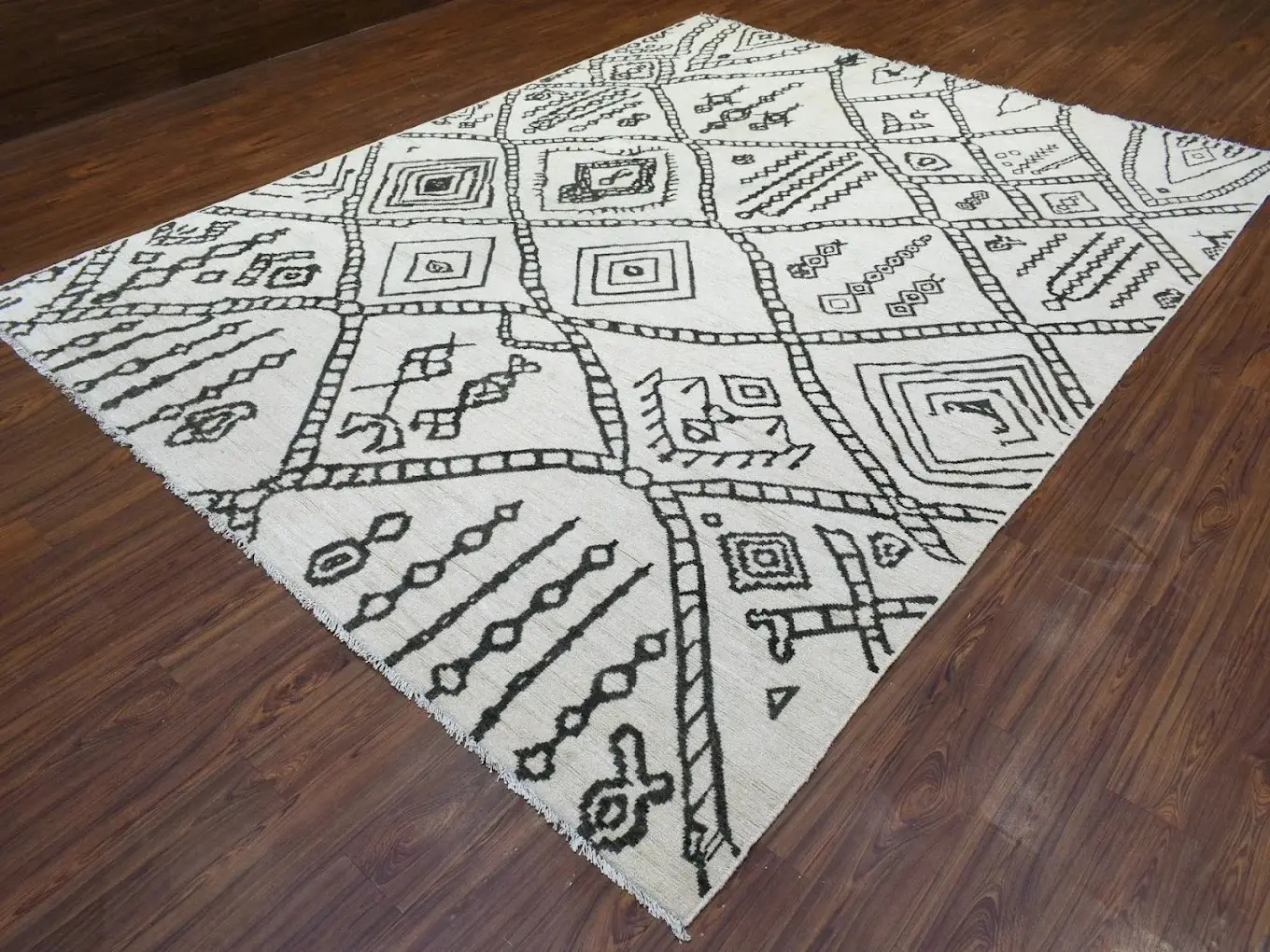
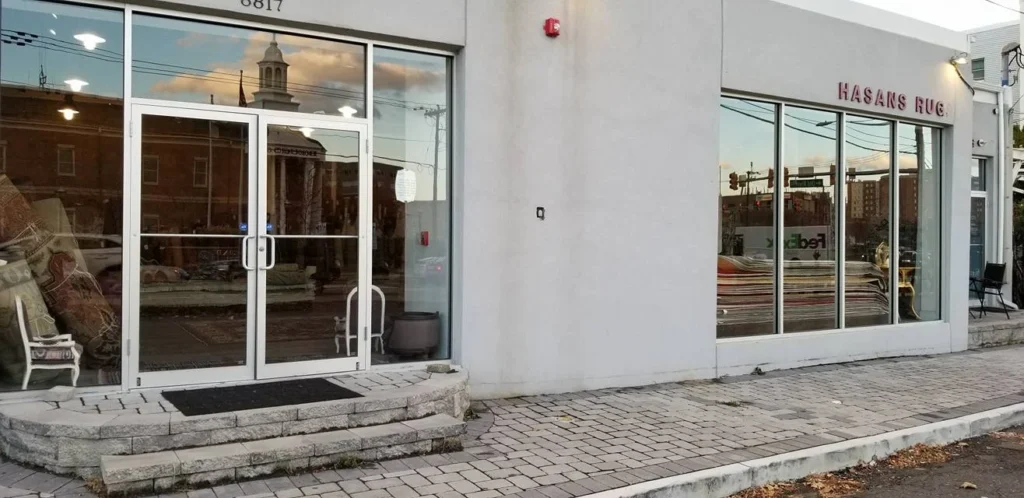
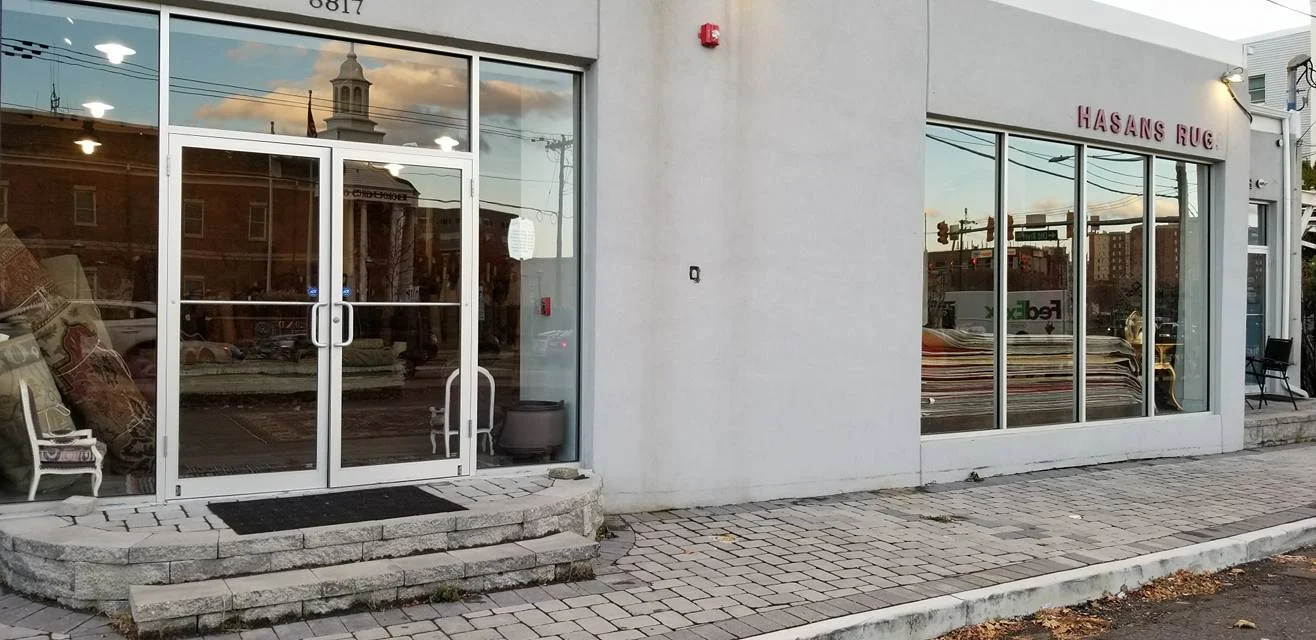
Hasan’s Rugs
Business Description
Hasan’s Rugs in North Bergen offers expert rug care with convenient pickup and delivery. Their team handles hand-knotted, antique, and contemporary pieces with careful cleaning, repair, and restoration. Customers trust them for attentive service, reliable turnaround, and craftsmanship that helps every rug look vibrant, refreshed, and ready for years of use.
Hasan’s offers full cleaning and repair for oriental and Persian rugs across New Jersey and parts of New York. They also provide free pickup and delivery.
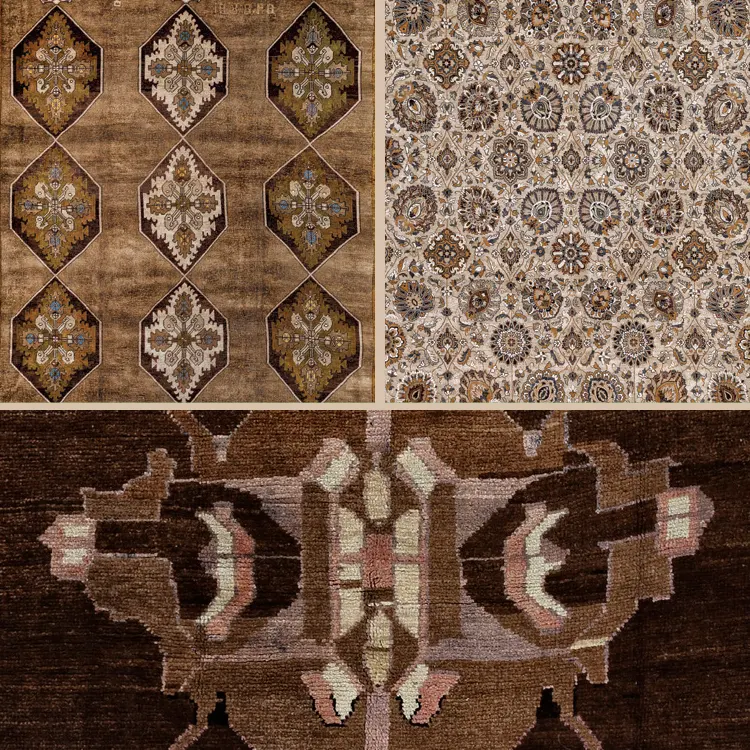
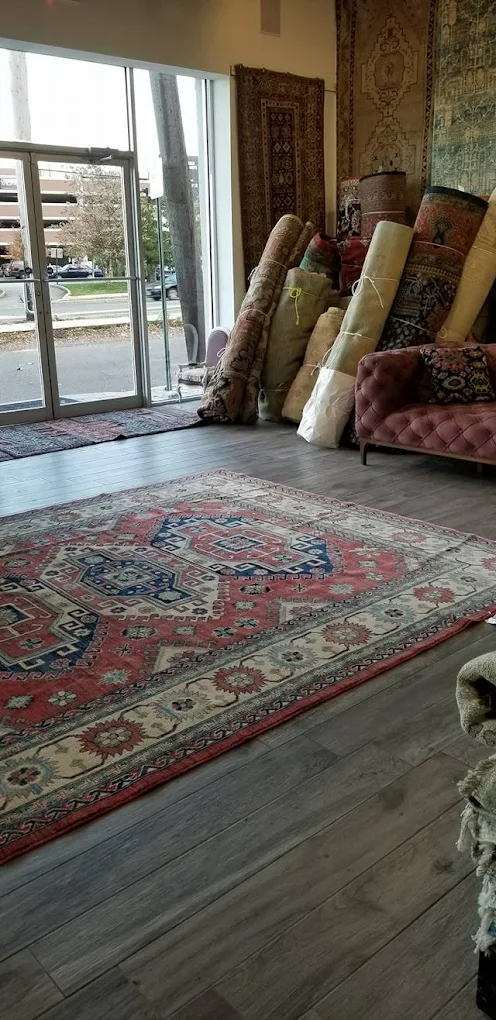
Where to buy Persian rugs in New York?
Finding an authentic Persian rug in New York requires navigating a sophisticated market that has evolved from the historic “Rug District” around 28th Street into a decentralized network of high-end galleries and specialized showrooms. The New York metropolitan area serves as the primary hub for Iranian textile imports in the United States, offering unparalleled access to both contemporary productions and museum-quality investment pieces. Whether you are exploring the upscale showrooms of the Design & Decoration Building or searching for boutique dealers in Manhattan and Brooklyn, the city provides a robust directory of options for every aesthetic requirement. For those looking to navigate this extensive market efficiently, platforms like Nazdikia provide a structured way to locate Iranian businesses and rug specialists across the city’s diverse neighborhoods. This local store availability ensures that collectors can physically inspect the weave, texture, and color saturation of a piece before committing to a purchase, which is a critical step in verifying the provenance of high-value Persian carpets.
Where is the largest Persian rug showroom in New York?
The largest Persian rug showrooms in New York are typically situated in Long Island City or the specialized floors of the New York Design Center, where massive square footage allows for the display of thousands of unique oversized carpets. These expansive spaces are designed to house diverse inventories, ranging from room-sized family heirlooms to massive palace-sized weaves that require significant vertical clearance for proper viewing. Navigating these grand galleries allows interior designers and private collectors to compare hundreds of patterns simultaneously, ensuring the scale of the rug matches the architectural demands of New York’s luxury real estate. Accessing these large-scale inventories is the first step toward understanding the sheer variety of weaves available in the local market.
Where to find Persian rugs for sale in New York?
To find Persian rugs for sale in New York, shoppers should focus on the established retail clusters in Midtown Manhattan or the emerging artisanal rug shops in areas like Williamsburg and Dumbo. While many traditional wholesalers have moved to the Tri-State area, a significant number of premier retail storefronts remain accessible to the public, offering everything from nomadic kilims to intricate city workshop carpets. Many of these businesses maintain a presence on local directories to help customers find New York Persian rug listings that match their specific neighborhood or budget. Identifying these retail locations helps narrow down the search for specific craftsmanship styles.
Which stores specialize in specific regional weaves like Tabriz or Isfahan?
Specialized rug dealers in New York often curate their collections based on specific Iranian weaving centers, with some galleries focusing exclusively on the floral precision of Isfahan or the robust, curvilinear patterns of Tabriz. These specialists possess deep knowledge of regional characteristics, such as the specific “raj” (knot density) found in Tabriz rugs or the signature silk highlights typical of fine Nain or Qum carpets. By visiting these niche experts, buyers can explore Persian rugs in New York that represent the pinnacle of regional artistry and technical mastery. This level of specialization is essential for those seeking a truly authentic and high-quality textile.
Where can I buy authentic Persian rugs in New York?
Authentic Persian rugs in New York can be purchased from long-standing Iranian-owned businesses that provide certificates of authenticity and detailed provenance reports for every piece in their inventory. Authenticity in this market is defined by the rug’s origin in Iran, the use of natural vegetable dyes, and traditional hand-knotting techniques that distinguish genuine articles from regional look-alikes. Trusted dealers often have decades of history within the New York community, and their reputation is frequently reflected in user reviews on platforms like Nazdikia. Once authenticity is established, the focus naturally shifts to the specific method of construction, particularly the value of handmade varieties.
Where to buy handmade Persian rugs in New York?
The market for handmade Persian rugs in New York is distinguished by a strict adherence to traditional craftsmanship, where every knot is tied by hand using techniques passed down through generations of Iranian weavers. Unlike machine-made counterparts, a handmade Persian rug in New York possesses unique structural characteristics, such as slight irregularities in the pattern and a “fringe” that is an integral part of the rug’s warp, rather than being sewn on afterward. The value of these pieces lies in their durability and the organic variation of colors achieved through natural dyeing processes.
- Hand-Knotted Construction: Each rug is built one knot at a time on a vertical or horizontal loom.
- Natural Materials: Utilization of hand-spun wool, high-grade silk, or a combination of both.
- Artisanal Variation: Subtle shifts in color, known as “abrash,” which confirm the use of small-batch natural dyes.
- Longevity: A structural integrity that allows the rug to last for over a century with proper care.
New York galleries specializing in these textiles offer a gateway to discovering the differences between tribal spontaneity and urban workshop perfection. Understanding these technical layers helps buyers appreciate the diverse types of rugs currently circulating in the New York market.
What types of Persian rugs are sold in New York?
New York’s inventory is generally categorized into three distinct weaving traditions: City, Village, and Tribal. City rugs, such as those from Mashhad or Kashan, are known for their intricate, pre-planned floral designs and high knot counts, while Tribal rugs like the Gabbeh or Qashqai feature geometric motifs and a more rustic, thick pile. Each type serves a different functional and aesthetic purpose, allowing New York homeowners to choose Persian rugs in New York that align with either formal or bohemian interior styles. Knowing these types is crucial for determining whether a specific piece is handmade or industrially produced.
Are there handmade Persian rugs for sale in New York?
Yes, handmade Persian rugs are widely available across New York, with the highest concentration of authentic inventory found in specialized Manhattan galleries and high-end suburban rug outlets. These stores prioritize hand-knotted textiles because of their superior investment value and the cultural heritage they represent. Most reputable dealers in the city will explicitly label their handmade inventory to differentiate it from power-loomed “Persian-style” alternatives. This distinction is the primary factor in determining the long-term value and structural health of the carpet.
What is the difference between handmade and machine Persian rugs in New York?
The primary difference between handmade and machine-made Persian rugs in New York lies in the “back” of the rug; handmade pieces show individual knots and a mirror image of the design on the underside, whereas machine-made rugs have a uniform, plastic-like backing and lack individual knotting. Furthermore, handmade rugs are crafted from natural fibers like wool and silk, while machine-made versions often utilize synthetic fibers like polypropylene. This disparity in material and labor results in a significant gap in both price and lifespan. These quality indicators lead directly into the broader criteria for selecting the “best” available pieces in the city.
What are the best Persian rugs in New York?
Selecting the best Persian rugs in New York involves an analysis of knot density, the rarity of the pattern, and the historical significance of the piece. The “best” rugs are often those that maintain a high “KPSI” (knots per square inch), as this allows for the most detailed and fluid designs, particularly in silk-heavy weaves. In the competitive New York market, top-tier rugs are sought after not just for decor, but as appreciating assets that hold their value over time.
- Material Purity: The use of “Kurk” wool or pure silk from Qum.
- Knot Density: A higher KPSI generally indicates a more refined and valuable carpet.
- Dye Quality: The presence of stable, vibrant vegetable dyes that age gracefully.
- Provenance: Clear documentation of the rug’s regional origin and age.
Whether you are looking for a blue Persian rug to anchor a modern living room or a red Persian rug in New York for a traditional study, the quality of the weave remains the ultimate benchmark. High-quality inventory often includes specific sought-after sizes that fit the unique proportions of Manhattan apartments.
What defines high quality Persian rugs in New York?
High quality is defined by the harmony of technical precision and artistic expression; a rug must be structurally sound—lying flat on the floor without “waves”—while also exhibiting a sophisticated color palette. In New York, collectors often look for “signed” rugs, where the master weaver has woven their name into the border, signaling a piece of exceptional caliber. The clarity of the pattern on the back of the rug is a definitive indicator of the fine tension used during the weaving process. Recognizing these signs of quality allows a buyer to move toward the practical step of identifying genuine carpets in a crowded market.
How do I identify genuine Iranian carpets in the New York market?
To identify genuine Iranian carpets, consumers should inspect the fringe and the overcast edges (selvage) of the rug; on a real Persian rug, these are finished by hand and are extensions of the rug’s internal structure. Additionally, genuine rugs will have a soft, pliable feel, even if they have a high knot density, unlike synthetic rugs which can feel stiff or “crunchy” when folded. Many buyers use the directory on Nazdikia to find trusted Persian rug experts in New York who can provide professional appraisals and verify these physical traits. This verification is particularly important when dealing with the high-stakes world of antique textiles.
Where to find antique Persian rugs in New York?
Antique Persian rugs in New York, which are pieces at least 80 to 100 years old, are typically found in specialized “Antique & Vintage” galleries in the Upper East Side or through curated collections in the Chelsea Arts District. These rugs are prized for their soft, muted patinas and the historical weaving techniques that are no longer practiced in modern workshops. Finding antique Persian rugs in New York requires visiting dealers who specialize in textile conservation and historical provenance. While these rare pieces are often unique in size, many shoppers are also looking for specific, standard dimensions for their homes.
Can I find 8×10 Persian rugs in New York stores?
The 8×10 Persian rugs in New York stores are among the most popular and widely stocked sizes, as they perfectly accommodate standard dining tables and seating arrangements in most American homes. Most Manhattan showrooms maintain a dedicated inventory of this size in various regional styles, from the geometric patterns of Heriz to the fine florals of Tabriz. Availability is high, though the price can vary significantly based on whether the piece is a modern production or a vintage find. Once the size is determined, the buyer’s focus usually shifts to the visual impact of the rug’s color and design.
What colors of Persian rugs are available in New York?
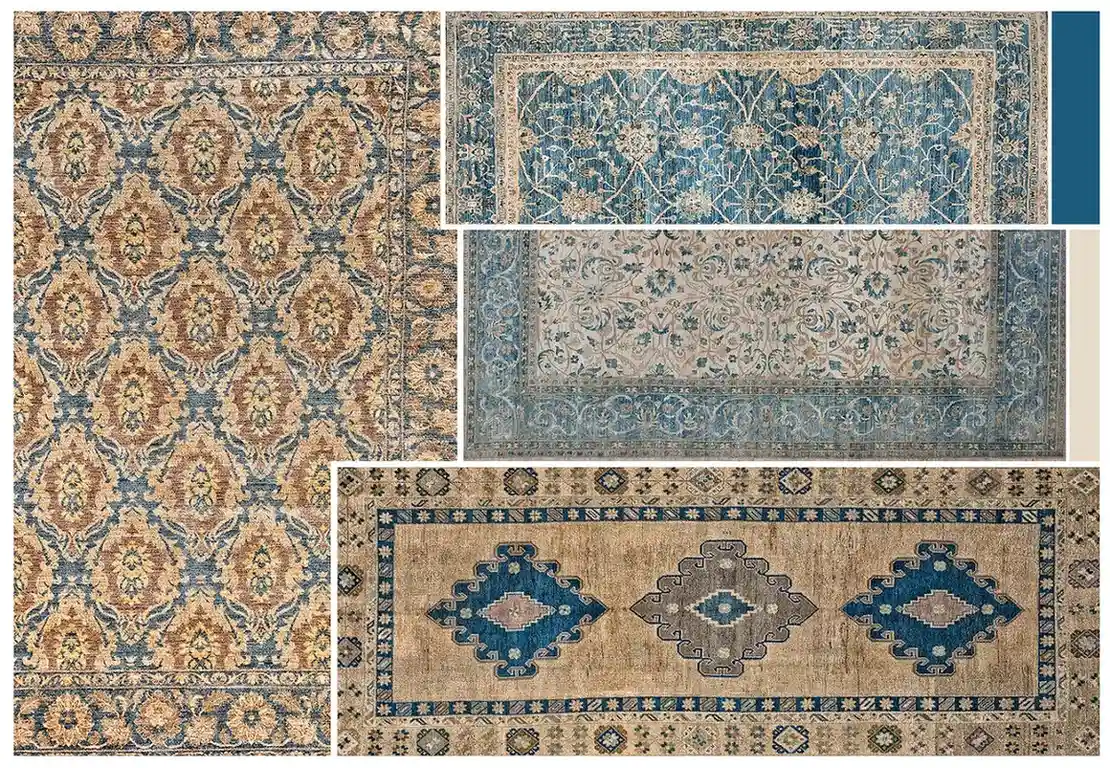
The palette of Persian rugs available in New York reflects both traditional Iranian aesthetics and modern Western interior design trends. While classic crimson and deep indigo remain staples, there is an increasing demand for “muted” or “distressed” tones that fit the minimalist aesthetic of many New York loft spaces. The dyes used in these rugs are traditionally derived from madder root (red), indigo (blue), and pomegranate rinds (yellow), ensuring a depth of color that synthetic dyes cannot replicate.
- Classic Red: Traditionally used in Mashhad and Tabriz rugs to symbolize wealth and joy.
- Deep Blue: Often found in the borders of Nain and Isfahan carpets to create contrast.
- Earth Tones: Green, brown, and ochre are common in nomadic and village weaves.
- Modern Pastels: Pink and light blue variations are increasingly popular for contemporary New York bedrooms.
Selecting the right color involves understanding how the rug will interact with the light and architectural features of a specific room. This practical consideration is essential for ensuring the rug complements the overall interior design of a home.
Which Persian rugs are suitable for bedrooms in New York?
For bedrooms, New York designers often recommend Persian runner rugs in New York for the sides of the bed or a soft, high-pile wool rug to create a warm, acoustic-dampening environment. Soft colors like pink Persian rugs or light green variations are frequently chosen to promote a serene atmosphere. The material should be durable yet soft underfoot, making hand-spun wool an ideal choice for these private spaces. The choice of rug often depends on the existing design style of the New York residence.
What interior design styles in New York homes pair best with Persian carpets?
Persian carpets are remarkably versatile, pairing as easily with the “Industrial Chic” of a Soho loft as they do with the “Classic Elegance” of a Park Avenue apartment. A black Persian rug can provide a dramatic, modern anchor for a minimalist room, while a traditional multi-colored floral carpet adds warmth to more eclectic, transitional spaces. The key is to use the rug as the “fifth wall,” allowing its complex patterns to inform the color palette of the furniture and art. This design integration often leads to the search for specific geometric shapes, such as round rugs.
What is the availability of round Persian rugs for New York dining rooms?
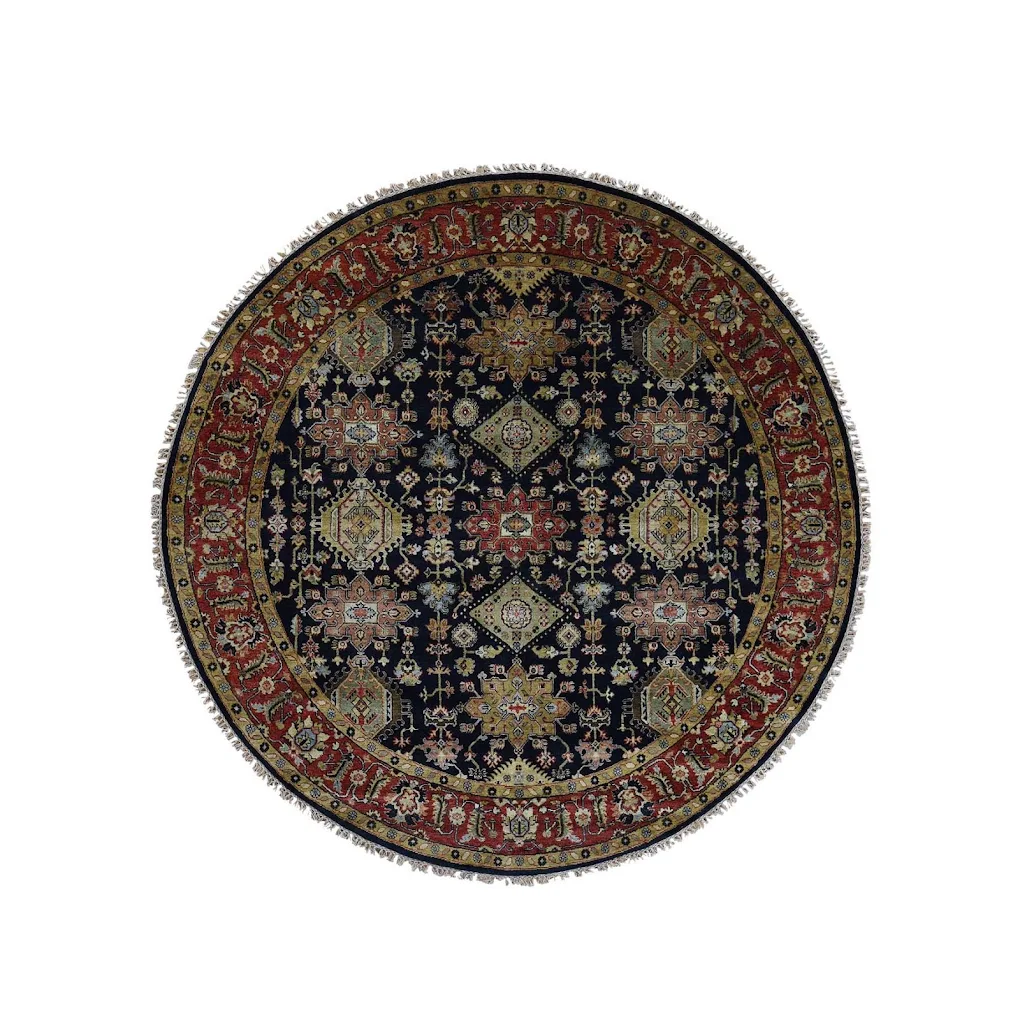
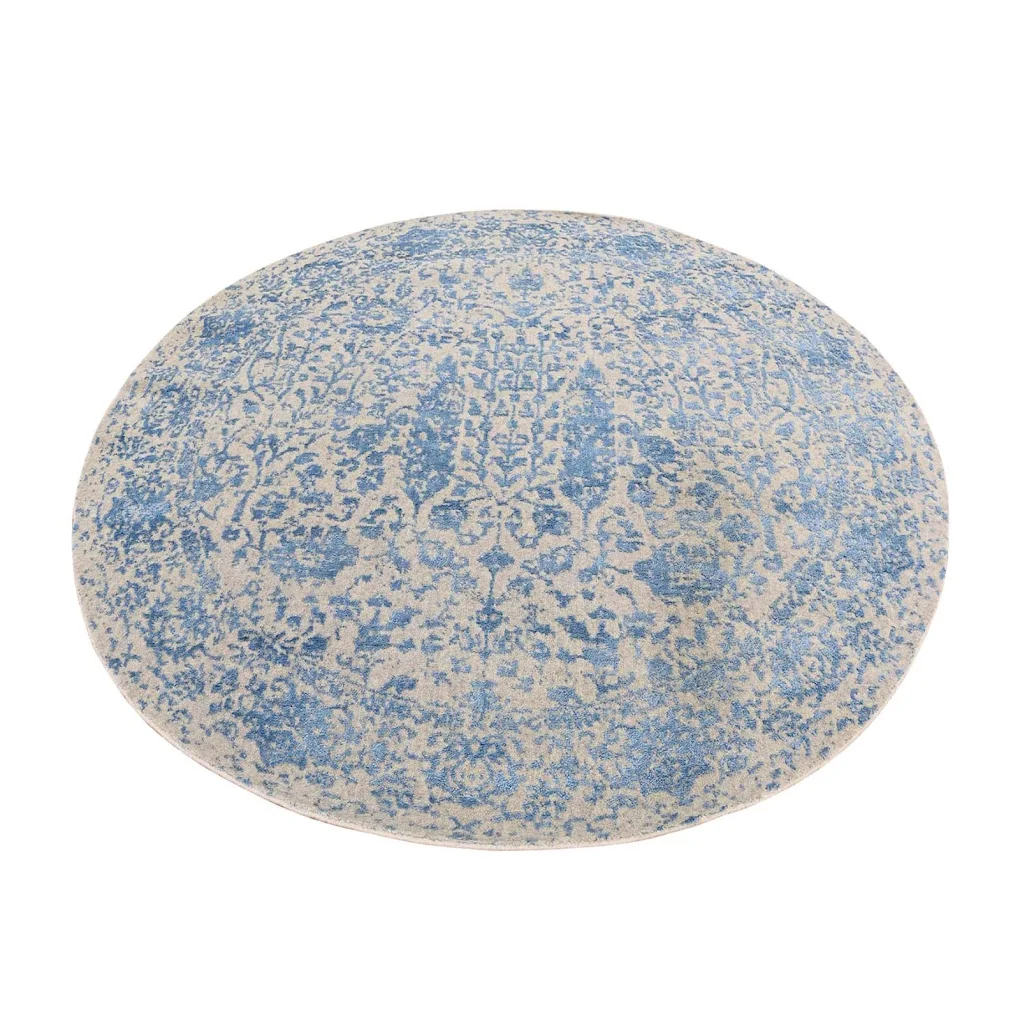
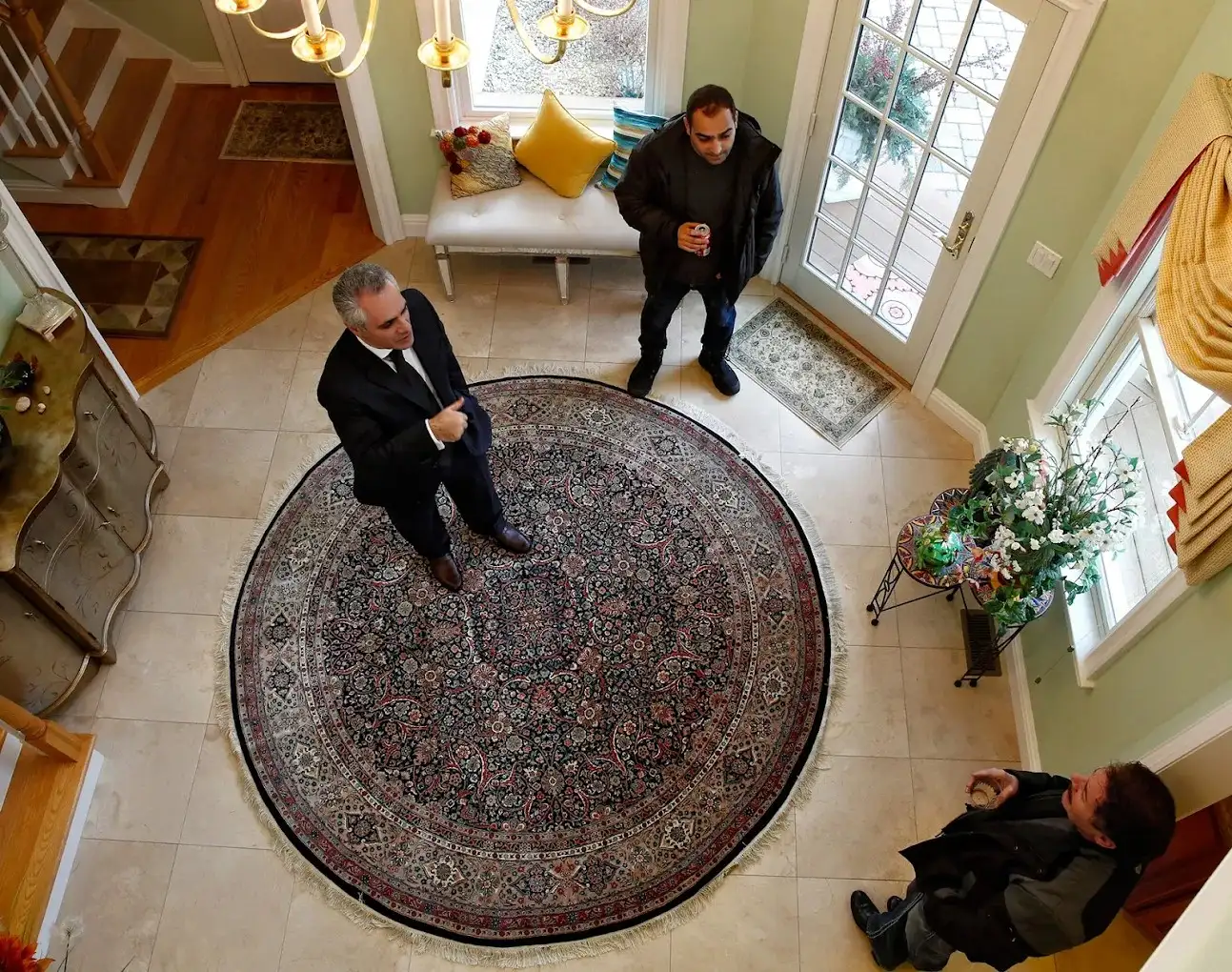
While less common than rectangular formats, round Persian rugs in New York are available in specialized showrooms that cater to unique architectural layouts like circular foyers or square dining areas. These pieces are technically more difficult to weave, often making them a “Unique Attribute” of a dealer’s collection. Most round Persian rugs found in the city are of the Bijar or Tabriz variety, known for their structural sturdiness and ability to hold a perfect circular shape over time. Understanding these variations in shape and style naturally brings us to the question of market value and pricing.
What are the current Persian rug prices in New York?
Pricing for Persian rugs in New York is determined by a complex interplay of age, material, knot density, and current market demand. The local economy in New York supports a wide range of price points, from entry-level “village” rugs to high-investment “city” masterpieces that can command five or six-figure sums. While “Persian-style” machine-made rugs offer an affordable alternative for temporary spaces, authentic hand-knotted Iranian carpets are viewed as durable goods that can appreciate in value.
|
Origin / Weave Type |
Material | Knot Density (KPSI) |
Estimated Price Range (8×10) |
| Tabriz (City) | Wool & Silk | 300 – 600+ | $5,000 – $25,000+ |
| Heriz (Village) | Sturdy Wool | 80 – 150 | $2,500 – $8,000 |
| Qashqai (Tribal) | Hand-spun Wool | 60 – 120 | $1,500 – $5,000 |
| Qum (City) | 100% Silk | 600 – 1000+ | $15,000 – $50,000+ |
The current market in New York reflects a premium on “authentic” and “antique” labels, as these categories offer the highest potential for long-term investment. Understanding where a rug falls within this pricing table requires a clear definition of what separates Persian textiles from other regional categories.
What is the difference between Persian and Oriental rugs in New York?
In the New York market, the term “Oriental rug” is a broad category that includes carpets from China, India, Turkey, and Pakistan, whereas “Persian rug” refers exclusively to those woven within the borders of Iran. Persian rugs are widely considered the gold standard of the Oriental category due to their unique “Senneh” (asymmetrical) knot and the superior quality of Iranian highland wool. Distinguishing between these two labels is the first step in verifying the value of a potential purchase.
How do New York rug prices differ between nomadic and city-weave styles?
Nomadic rugs are generally more affordable in New York because they feature lower knot densities and more spontaneous, “imperfect” designs, which require less labor than the mathematically precise city weaves. City-weave rugs, such as those from Isfahan or Kashan, involve months or even years of labor by multiple weavers, which is reflected in their significantly higher retail prices. This price gap is also influenced by the material used, as city rugs frequently incorporate expensive silk highlights.
Where to find affordable Persian rugs in New York?
Affordable options can be found by looking for “Persian rugs for sale in New York” during seasonal clearance events or by visiting wholesalers who offer discount Persian carpets in New York’s outer boroughs. Additionally, “vintage” rugs that show some wear but remain structurally sound can provide the authentic look of a Persian carpet at a fraction of the cost of a brand-new “masterpiece” weave. Identifying these value-driven opportunities allows shoppers to find high-quality decor without exceeding their budget.