
Persian saffron has always been more than just a spice. It carries aroma, color, and memory. In a place as diverse as New York and New Jersey, it’s no surprise that so many people look for it, whether for traditional Persian dishes, special desserts, or simply for its unmistakable fragrance. But not all saffron sold locally is the same. Grades, origins, and freshness vary widely, and knowing what to look for makes a real difference. This Nazdikia guide is here to help you find authentic Persian saffron in New York – New Jersey.
Caspian Market – Ridgewood
Business Description
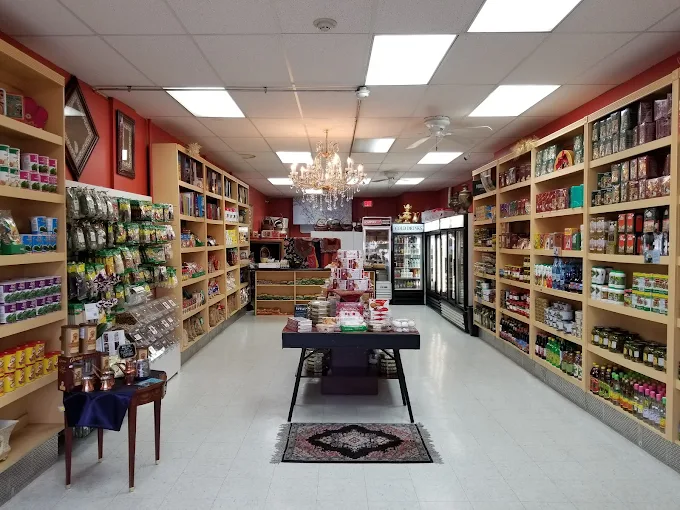
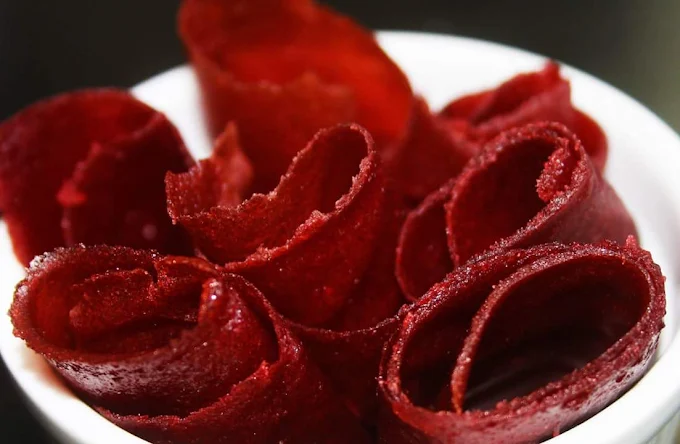
It’s a Persian supermarket filled with items needed in every Persian kitchen. In addition to the usual grocery items, this supermarket also offers nuts, sweets, and popular snacks like Lavashak and fruit rolls. That’s not all; you can find authentic Persian bakery products like Sangak bread and pastry products like Sohan and Gaz.


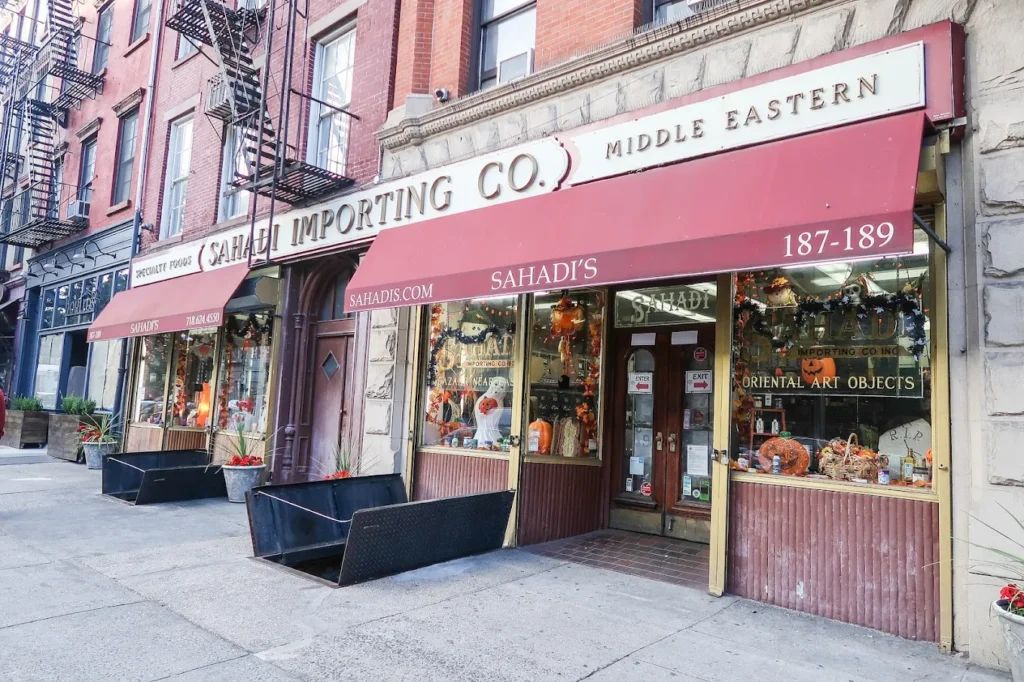
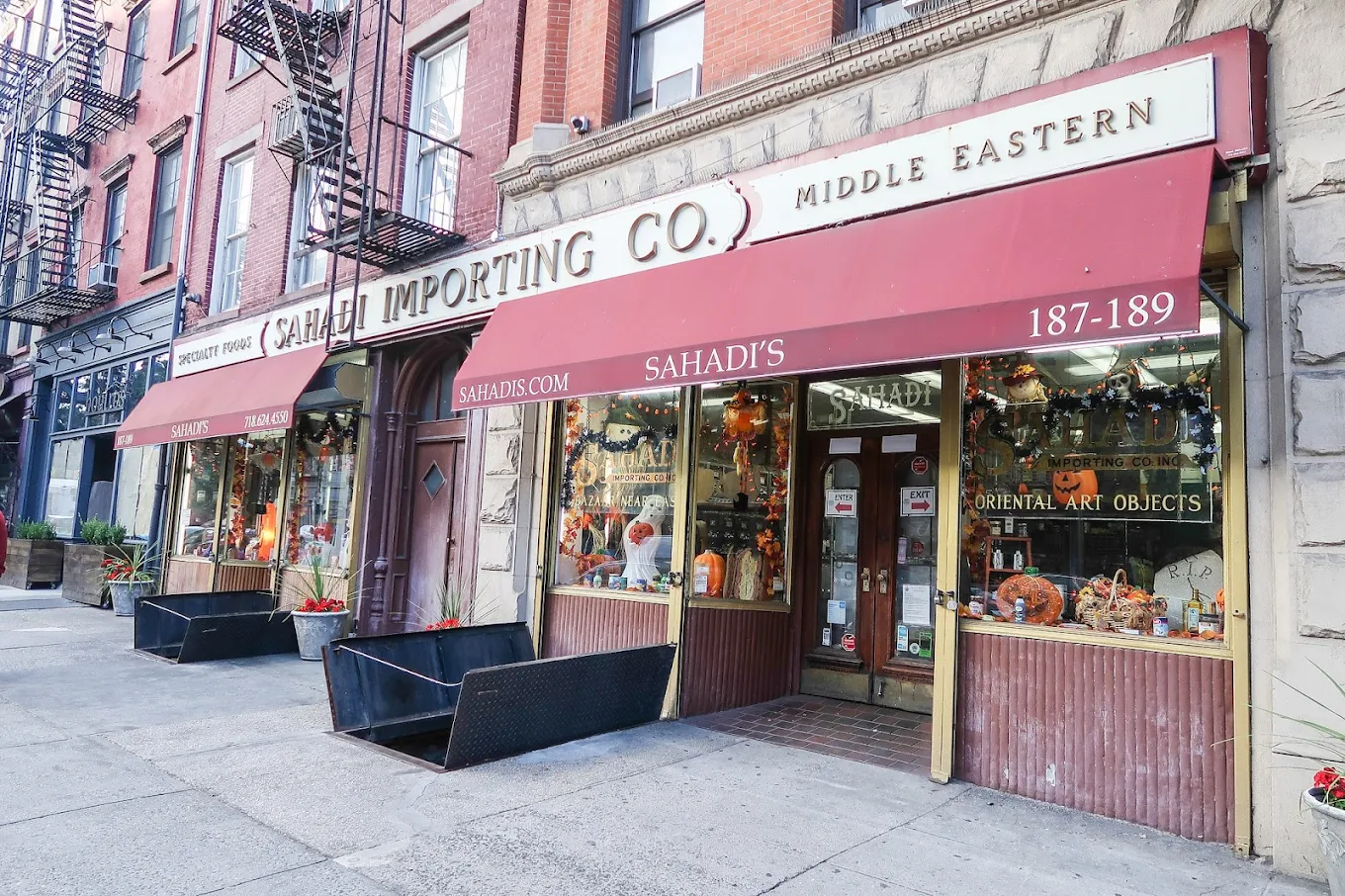
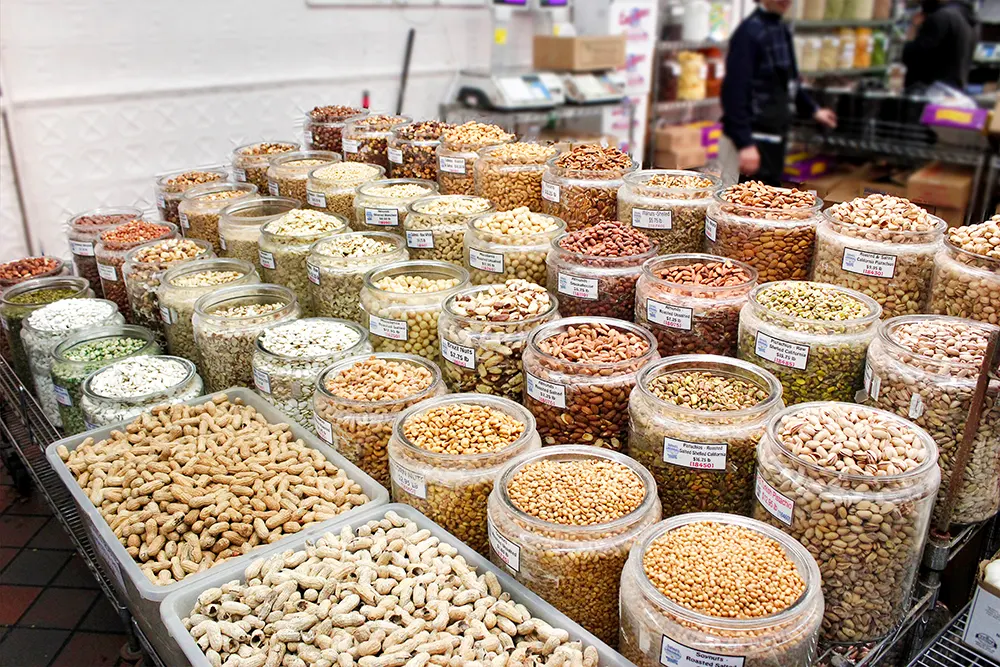
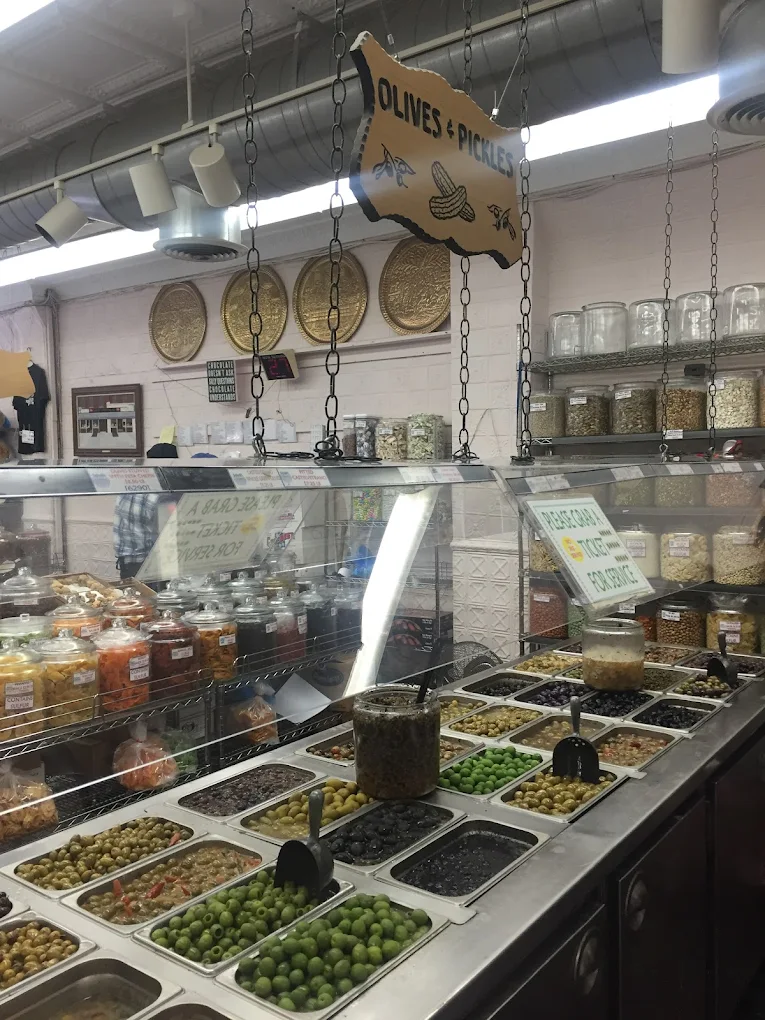
Sahadi’s – Brooklyn Heights
Business Description
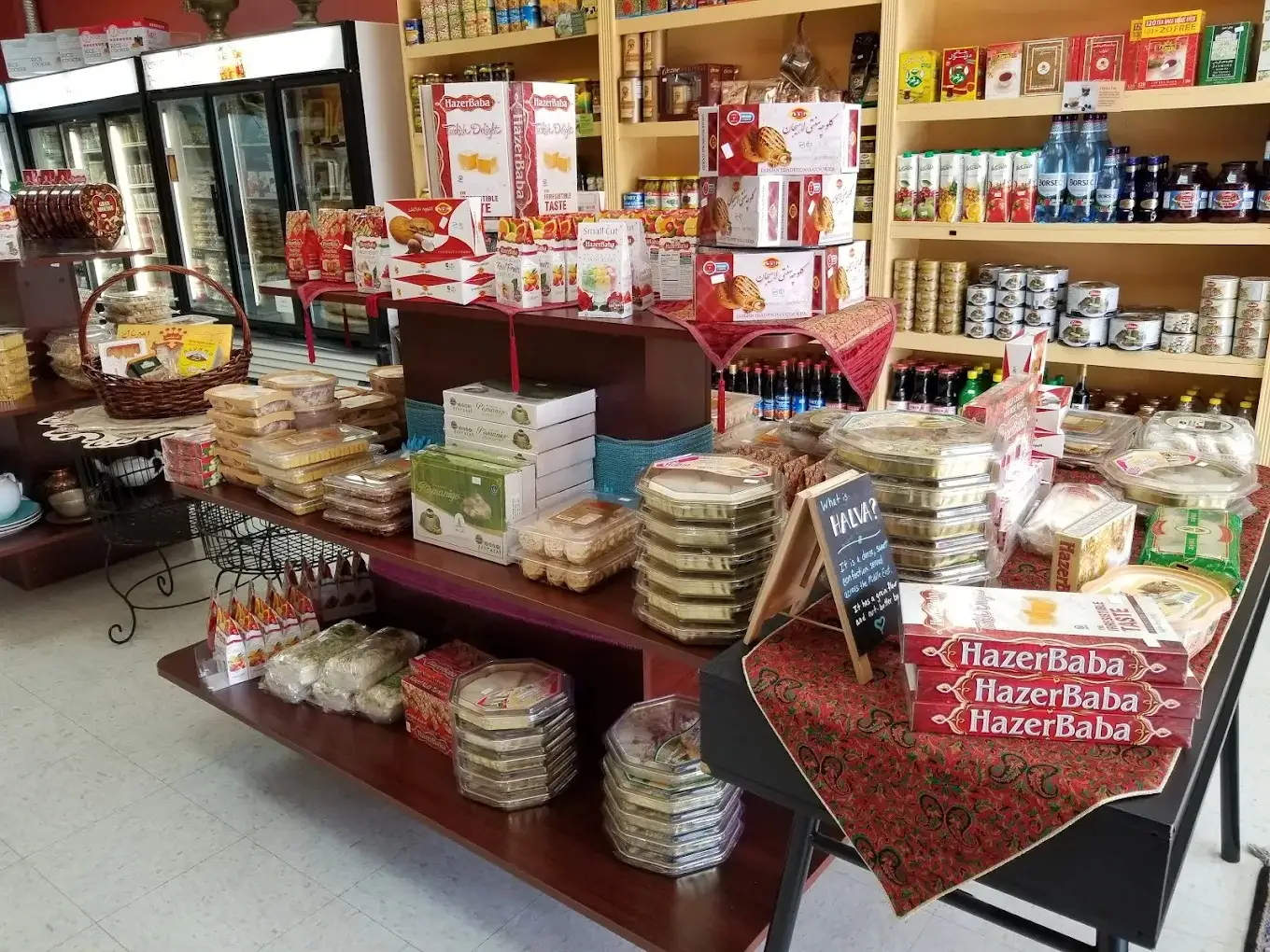
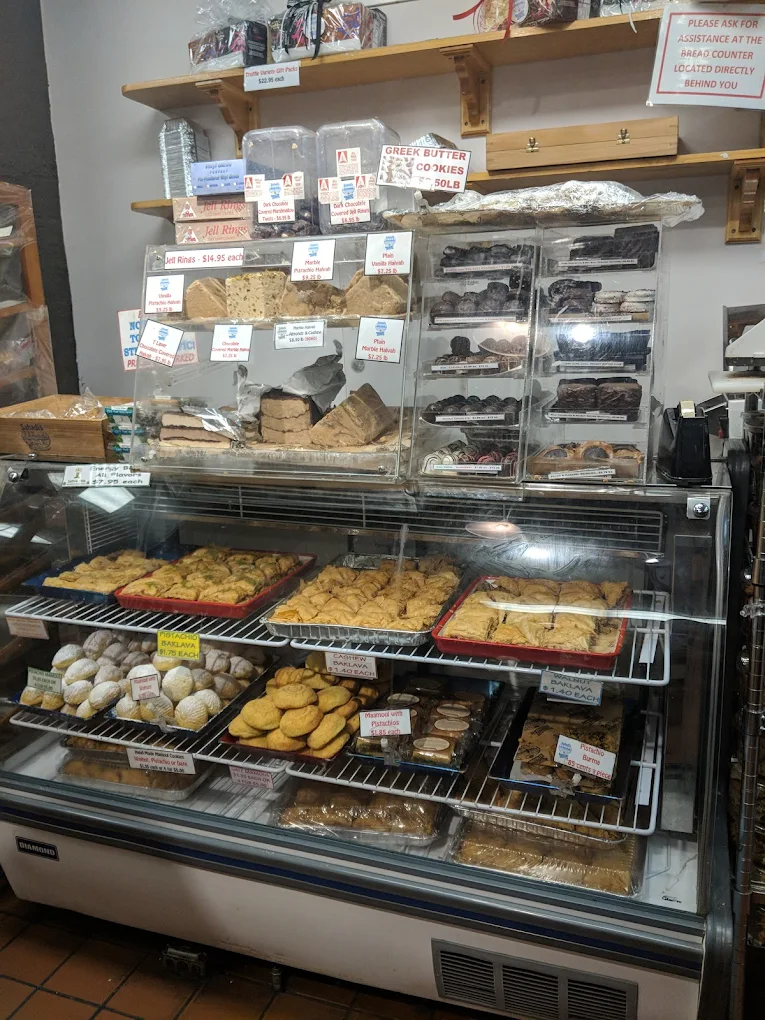
What makes this spot stand out is its warm, old-world charm paired with an incredible selection of Persian and Middle Eastern staples, specialty groceries, and fresh prepared foods. The staff knows their products well and makes the experience feel personal, whether you’re exploring spice blends or grabbing a quick lunch.
Kalustyan’s
Business Description
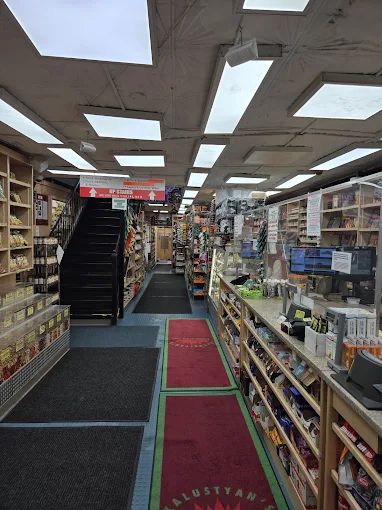
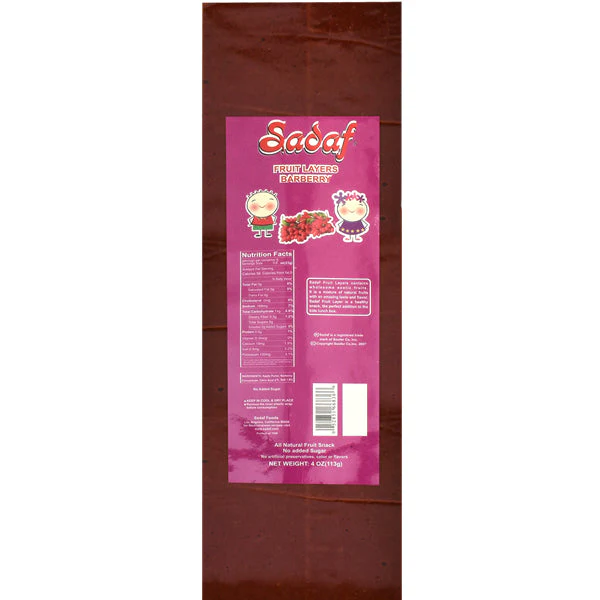
Let’s just say that any supermarket item you expect is stacked on some shelf in Kalustyan’s: Drinks, spices, beans, and other ingredients. There’s also a small section where you can find some kitchenware, like pots and food trays in different sizes.

The Saffron Reserve
Business Description
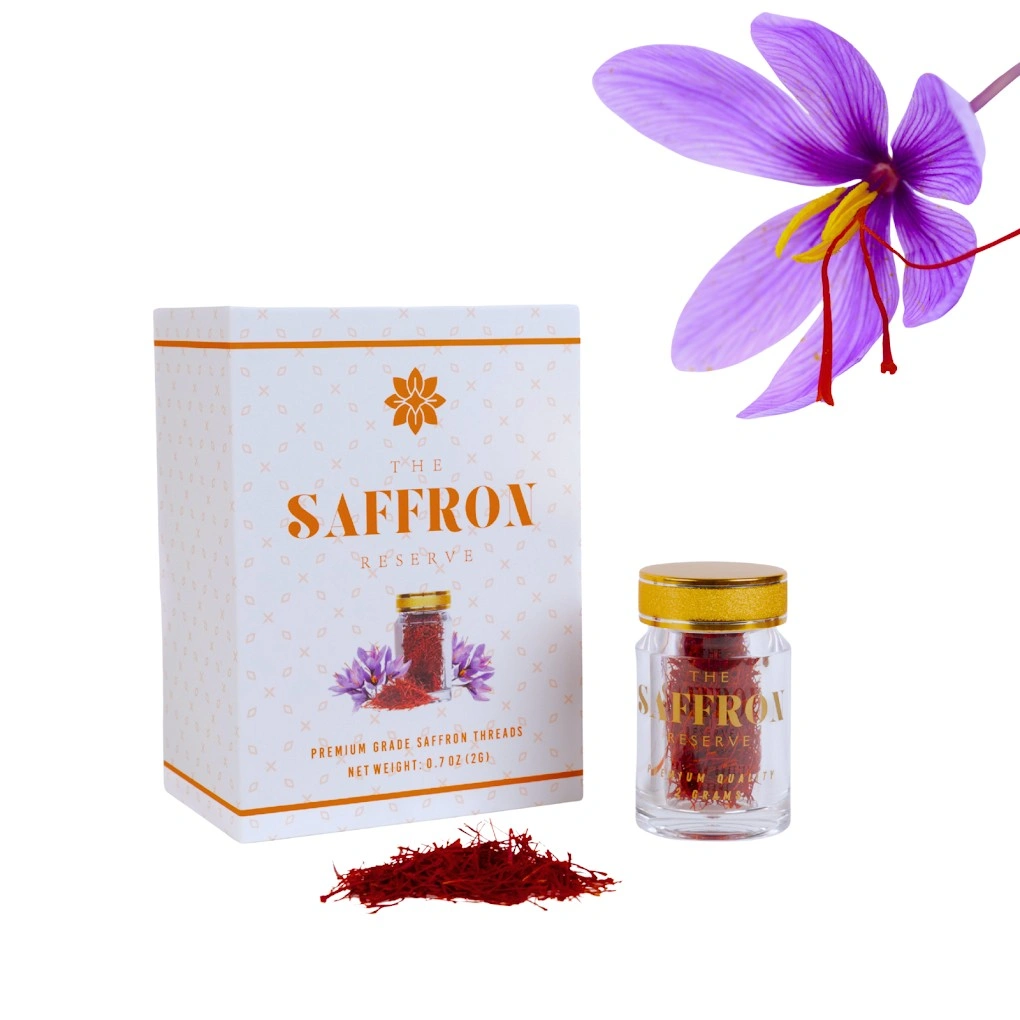
Located in Edison, New Jersey, The Saffron Reserve is a family-owned business dedicated to providing premium, ethically sourced saffron. The business exclusively offers “Super Negin” grade saffron, which is the highest possible classification. This grade is characterized by its long, all-red threads, potent aroma, and high coloring strength, with no yellow styles attached. They maintain direct partnerships with trusted farms to ensure fair compensation and humane labor practices. Their products are also Non-GMO Project Verified, reflecting a commitment to sustainable and clean food stewardship.
What Is Persian Saffron (زعفران ایرانی)?
Persian saffron is the dried red stigma of the Crocus sativus flower. Each flower produces only a few delicate threads, and they’re picked by hand. That’s the quiet truth behind saffron’s value. Saffron’s not rare because it’s trendy; it’s rare because it takes real labor to produce, and very little comes from each bloom.
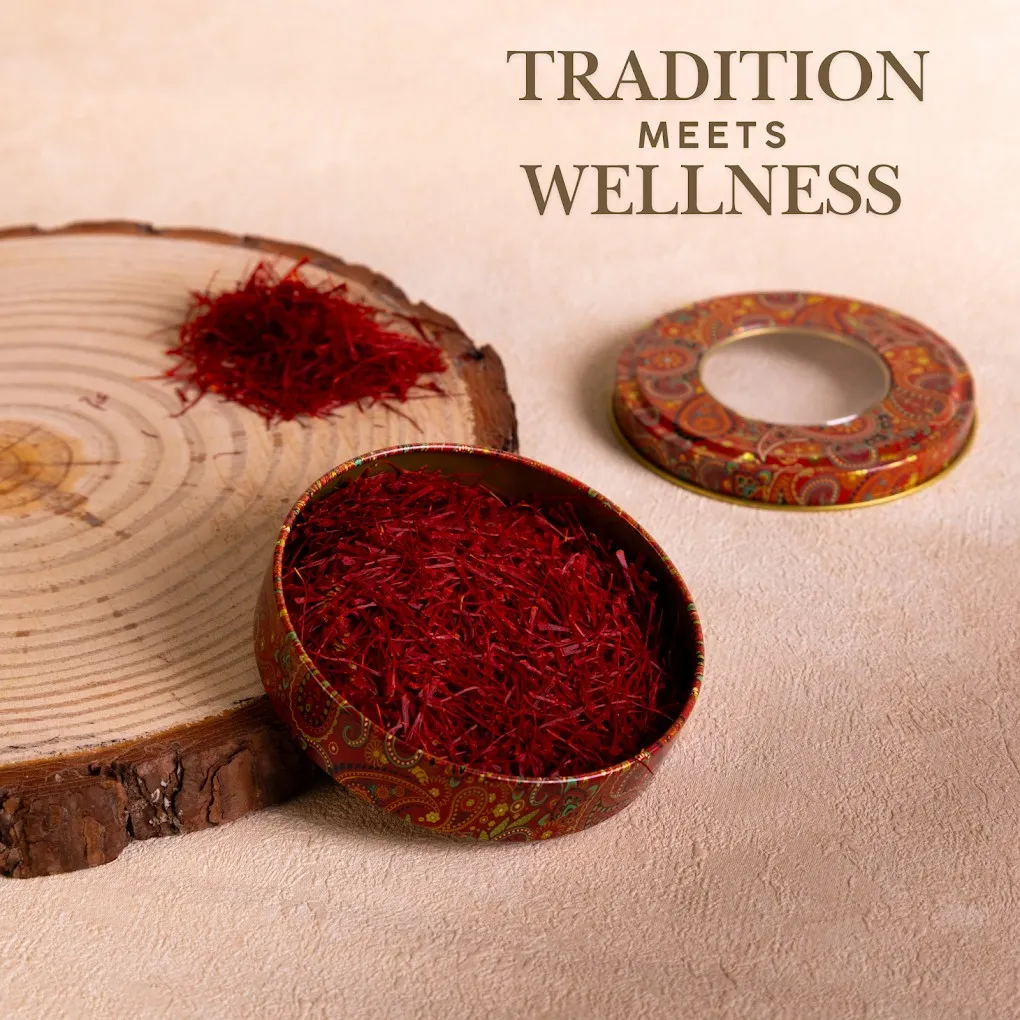
When people say “Persian saffron,” they’re usually referring to saffron grown and prepared in Iran, where generations of growers have refined how it’s harvested, dried, and stored to preserve its signature character. Good Persian saffron is known for three things you can notice even before cooking:
- A deep red color in the threads (not pale or overly yellow)
- A strong aroma that’s floral and honeyed, not dull or musty
- A rich golden release when it’s bloomed properly, flavoring food without needing much
Types and Grades of Persian Saffron (Negin, Sargol, Pushal, Dasteh)
When people compare saffron, they’re often talking about grade, not because “one is real and the other isn’t,” but because grades reflect how the threads look, how concentrated they are, and what you’re paying for. Here’s the simplest way to understand the most common Persian saffron grades you’ll see in New York and New Jersey:
|
Grade |
What it looks like |
Typical value |
|
Negin |
Long, thick, deep-red threads; very uniform | Premium (highest grade) |
| Sargol | Pure red stigma tips |
High |
|
Pushal |
More mixed threads; includes some yellow | Mid-range |
| Dasteh | Full threads bundled together |
Varies (often mid) |
Where to Buy Authentic Persian Saffron in the NY–NJ Urban Area
In the NY–NJ urban area, Persian saffron is most naturally found in neighborhoods where Iranian and Persian-speaking communities live, shop, and cook regularly. These areas tend to have grocery stores and specialty markets that understand the product and stock it with care.
On the New York side, Queens stands out, especially areas like Flushing, Forest Hills, and nearby neighborhoods where Persian and Middle Eastern families are well established. Brooklyn also has pockets with strong specialty food culture, and Manhattan offers a few long-standing spice and international food shops that carry high-quality saffron.
Across the river in New Jersey, Jersey City, Paterson, Clifton, and Edison are among the most active areas for Persian and Middle Eastern shopping. These communities support grocery stores that regularly stock saffron, along with other essentials like rose water, barberries, and cardamom, which usually signal freshness and proper sourcing.
How to Tell If Persian Saffron Is Real or Fake
Saffron is one of the most commonly imitated spices in the world, simply because it’s valuable and used in such small amounts. In the NY–NJ market, especially, where saffron comes from many sources and passes through many hands, knowing a few simple signs can save you from disappointment.
Look at the color
Real Persian saffron threads are deep red. You may see a little orange at the very end, but if most of the thread is pale yellow or dull brown, it’s either a lower grade or not saffron at all.
Pay attention to the aroma
Authentic saffron smells warm, floral, and slightly honeyed. It’s never sharp, smoky, or musty. If it barely smells like anything, it’s probably old or very weak
Watch how it blooms
When you steep saffron in warm water or milk, the color should release slowly into a rich golden tone. If the liquid turns dark red immediately, or if the threads lose all their color at once, that’s often a sign of artificial dye.
Be cautious with powder
Powdered saffron can be excellent, but it’s much harder to verify. If you’re not buying from a trusted source, threads are safer because you can judge their shape, color, and freshness with your own eyes.
Price is a signal — but not the only one
Extremely cheap saffron is usually cheap for a reason. At the same time, the most expensive option isn’t automatically the best. Look for clarity, transparency, and sellers who are open about origin and grade.
How Much Does Persian Saffron Cost in New York – New Jersey?
One of the most common questions people have is simply: why does saffron cost so much? and why do prices vary so widely from one store to another? In the NY–NJ area, price differences usually come from grade, freshness, origin transparency, and how directly the seller sources it. Here’s a general sense of what you’ll see in the local market.
|
Quantity |
Local Retail Price Range |
Price Per Gram (Approx.) |
|
1 Gram |
$10 – $18 | $10 – $18 |
| 2 Grams | $16 – $28 |
$8 – $14 |
|
5 Grams |
$35 – $55 | $7 – $11 |
| 1 Ounce (28.3g) | $140 – $220 |
$5 – $7.80 |
Can You Buy Persian Saffron Online in New York – New Jersey?
Yes, and for many people in the NY–NJ area, buying saffron online has become the easiest option. Local sellers often ship quickly, sometimes even offer same-day or next-day delivery, and usually provide clearer information about grade, origin, and packaging than large marketplaces. That said, online buying only works well when the seller is transparent. Look for:
- Clear mention of the grade (Negin, Sargol, etc.)
- Whether it’s threads or powder
- Where it’s sourced from and how it’s packaged
Avoid listings that rely only on vague claims like “premium” or “high quality” without specifics. With saffron, clarity is a form of trust.
How to Use Persian Saffron in Cooking
Persian saffron is powerful in small amounts. A little goes a long way, and the way you handle it matters almost as much as the quality itself.
Bloom it before using
Gently crush a few threads and steep them in a small amount of warm (not boiling) water, milk, or stock for 10–15 minutes. This releases the color and aroma evenly instead of leaving the threads to hydrate inside the dish.
Use less than you think
For most home cooking, a small pinch — about 10 to 15 threads — is enough for a pot of rice or a dessert. Adding more doesn’t make it better; it can make it bitter.
Store it with care
Keep saffron in a tightly sealed container, away from light, heat, and moisture. A cool cupboard is better than a spice rack near the stove. Handled this way, good saffron stays fragrant and expressive for a long time.
Health Benefits of Persian Saffron
Beyond the kitchen, Persian saffron has long been valued for its gentle wellness benefits. In traditional Persian culture, it’s been used not only for flavor and color, but also for its calming and restorative qualities.
Modern research connects saffron to compounds like crocin and safranal, which are associated with mood support, antioxidant effects, and reduced inflammation. Many people use small amounts of saffron in tea or warm milk to promote relaxation, ease mild anxiety, or support emotional balance, especially during stressful periods or seasonal changes.
What’s important is moderation. Saffron is potent, and its benefits come from regular, small use, not large doses. When used thoughtfully, it becomes one of those ingredients that supports both pleasure and well-being, quietly and naturally.
Persian Saffron vs Spanish and Afghan Saffron: What’s the Difference?
All real saffron comes from the same flower, but where and how it’s grown makes a noticeable difference in aroma, color, and character. In the NY–NJ market, the three most commonly compared types are Persian, Spanish, and Afghan saffron. Here’s a simple comparison:
|
Type |
Quick profile |
|
Persian |
Deep aroma • Strong color • Dark/thick threads • Gourmet |
| Spanish |
Mild aroma • Medium color • Red-orange threads • Paella |
| Afghan |
Light aroma • Medium color • Thin threads • Everyday/value |