
If you grew up with a steaming bowl of Haleem for breakfast, Paris can feel strangely incomplete until you track down a proper Persian haleem. This slow-cooked wheat and meat porridge is simple at first glance, yet filled with nostalgia, especially for Iranians who miss Ramadan mornings, cool autumn weekends, and the smell of cinnamon and butter drifting through the house. That’s why many people turn to Nazdikia, a guide created to help Persians around the world find authentic foods and products, no matter where they live. In Paris, you can discover some of the best haleem in Paris in small family-run spots that stay true to the traditional recipe, along with canned halim and haleem wheat for cooking at home. Whether you’re craving chicken haleem in Paris, a richer mutton or beef version, or simply that familiar scent of haleem with warm bread, this guide will help you.

Café de Chiraz – Rue de Vaugirard
Business Description
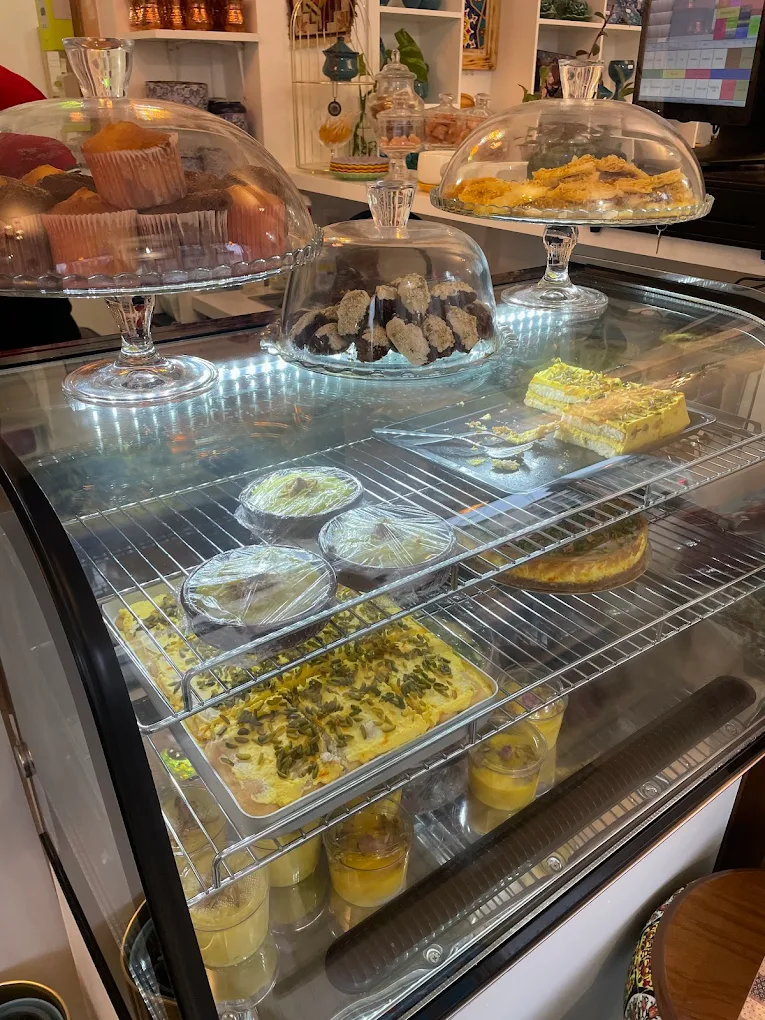
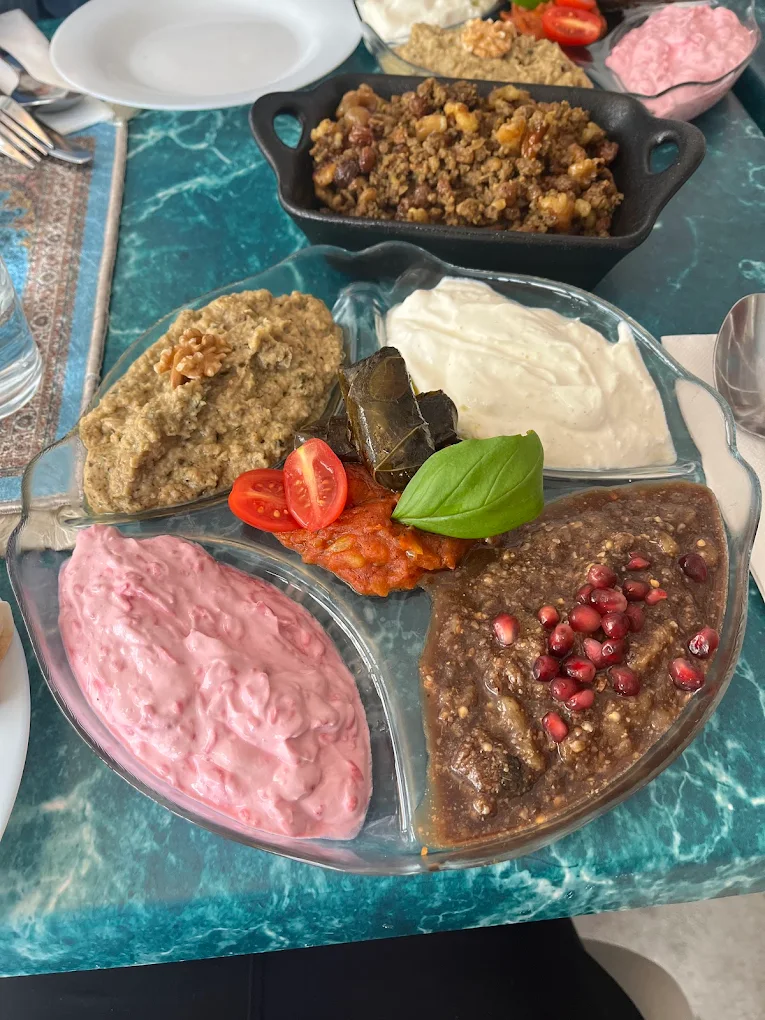
Café de Chiraz is the sort of local favorite where visitors mention “friendly staff” and “a calm place to recharge”. One guest noted they “felt immediately at home thanks to the warm welcome and the vivid colours of the décor”. Reviews highlight the delicious Persian-inspired menu — from steamed rice dishes to vibrant mezze — and many appreciate the vegetarian and halal options. With its relaxed, genuine vibe, it’s often described as “a peaceful stop for brunch or tea”.
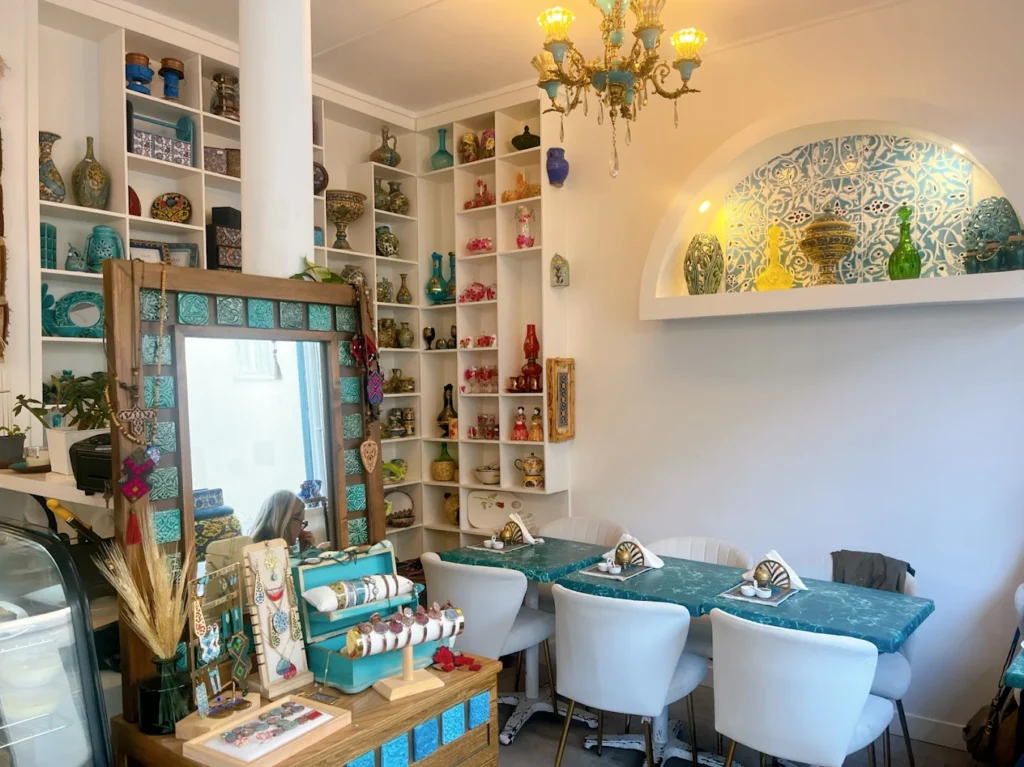
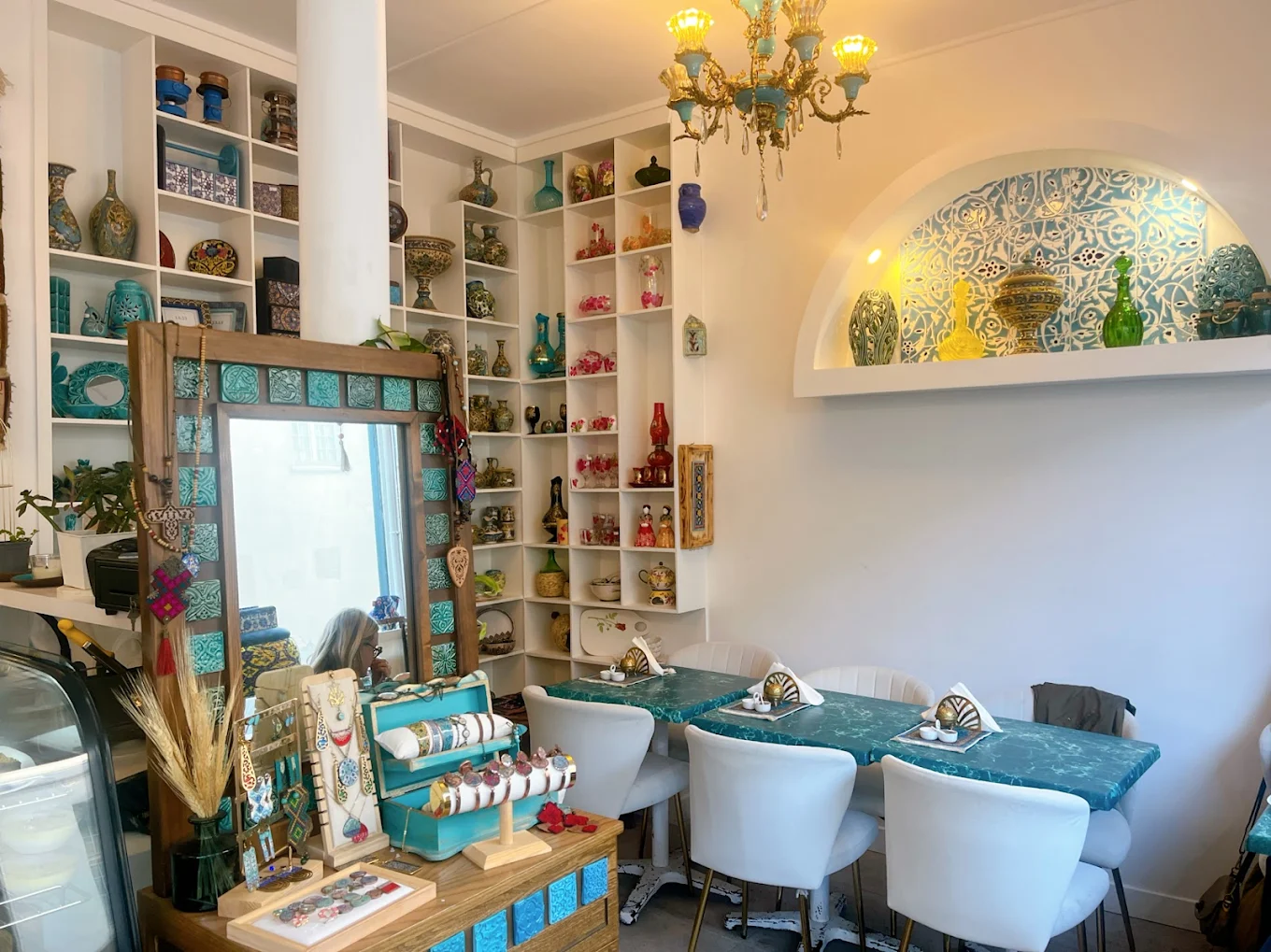
Fireplace Restaurant (Cheminée)
Business Description
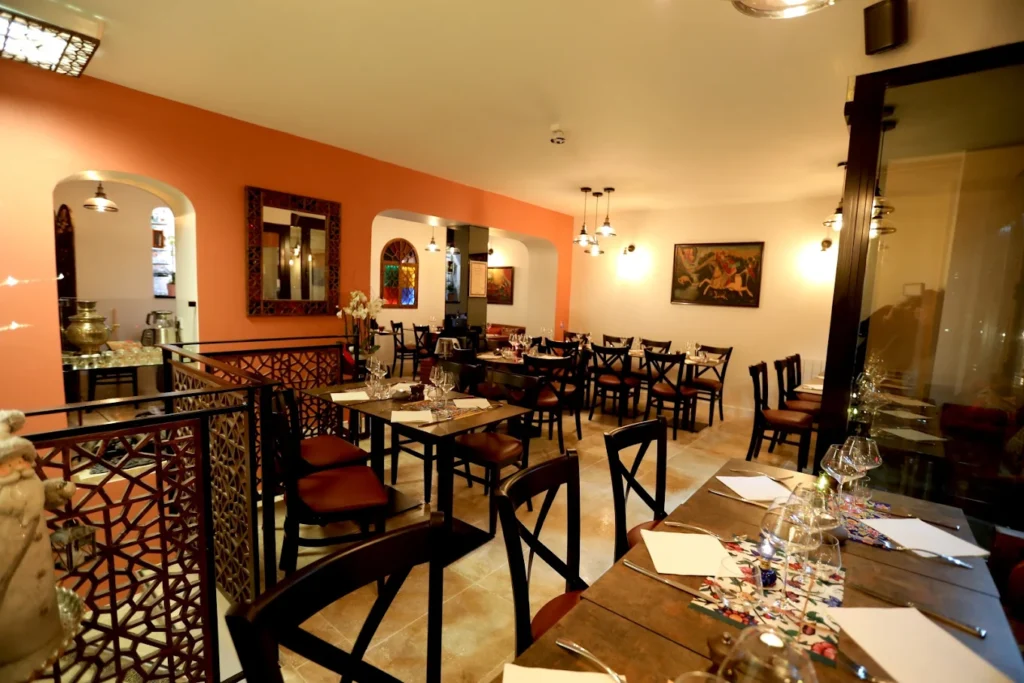
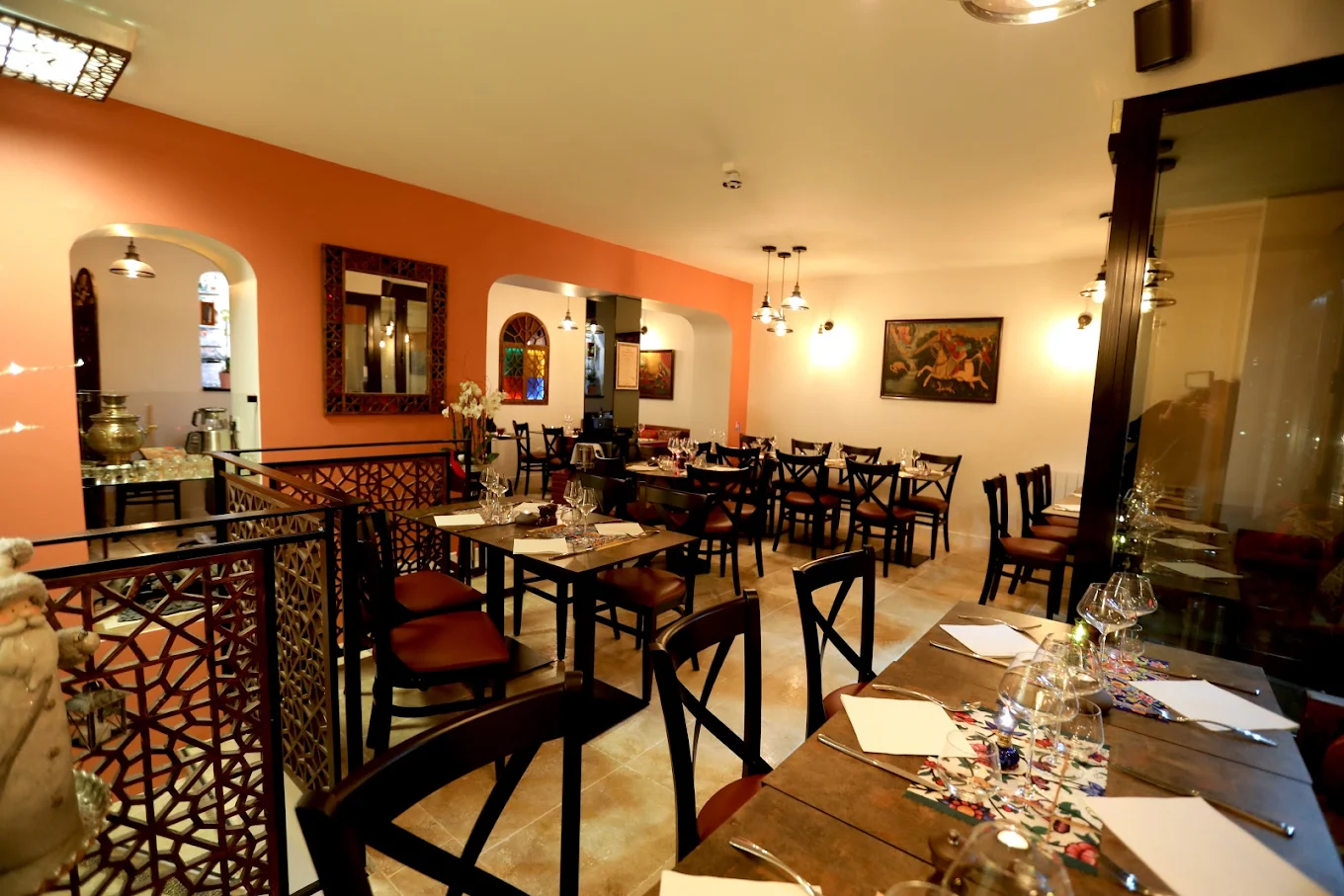
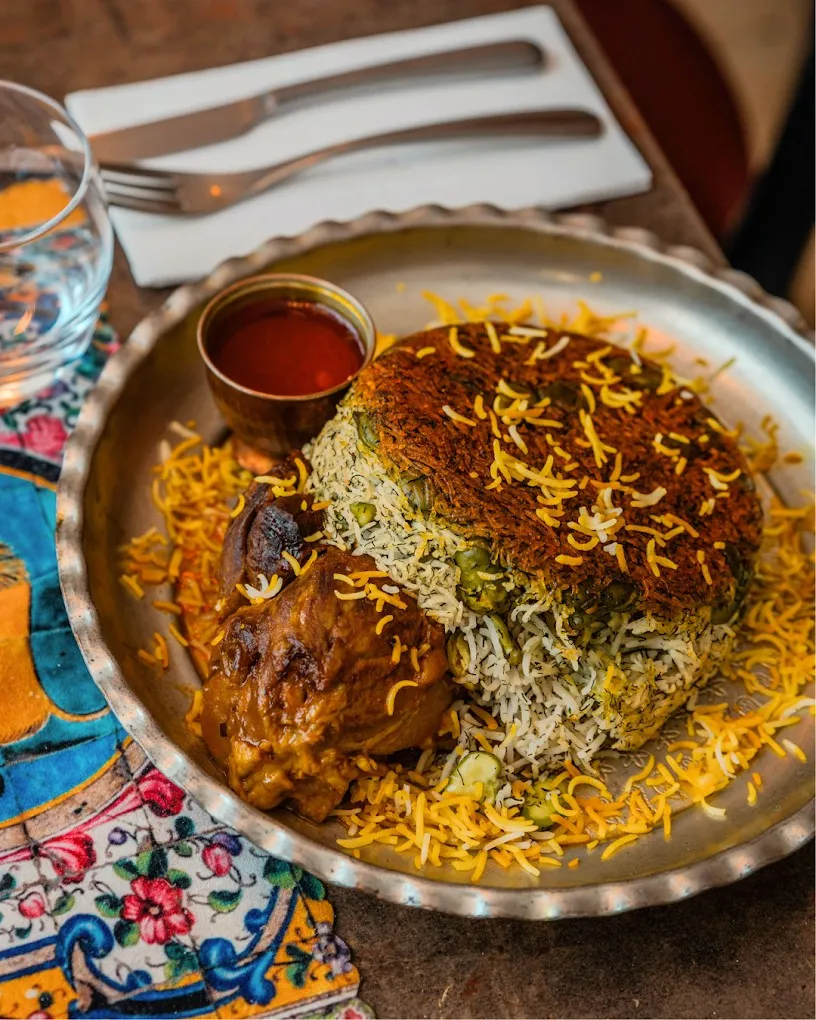
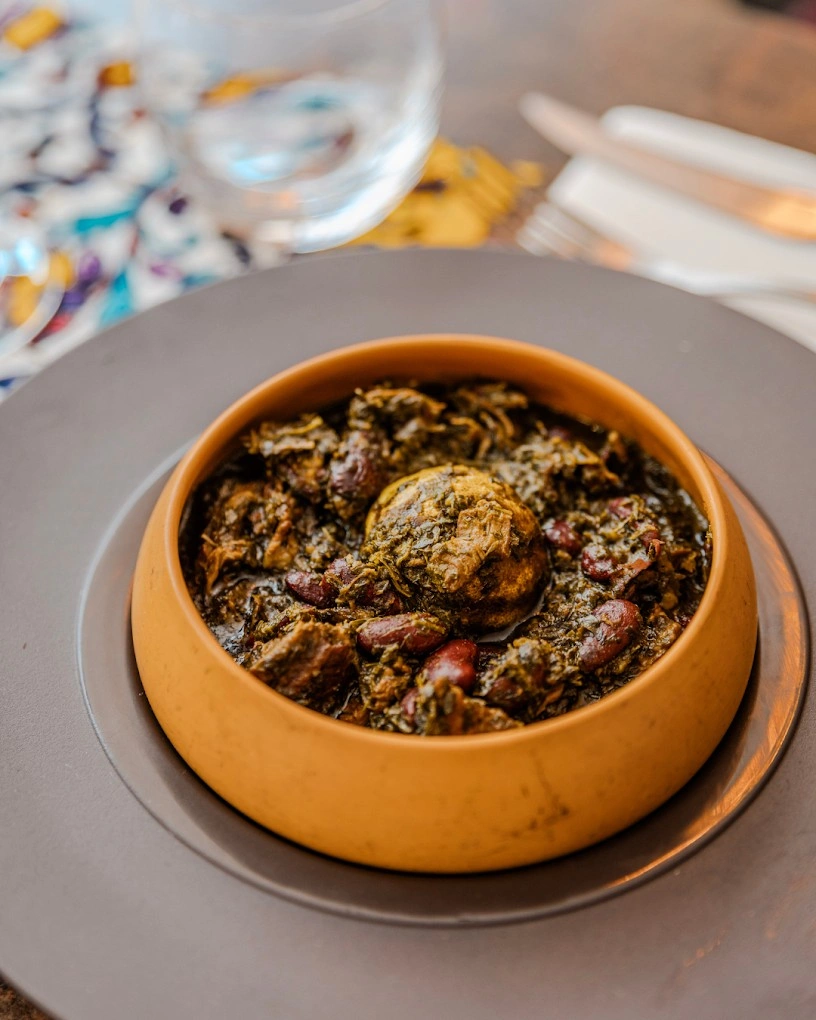
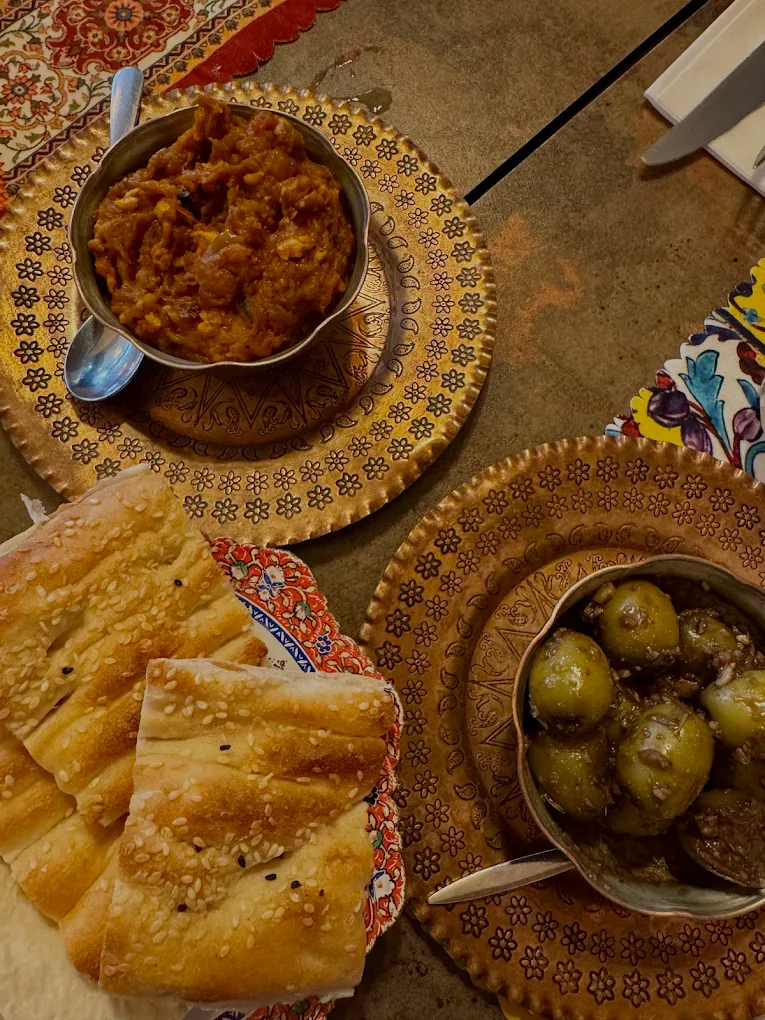
Fireplace Restaurant (Cheminée) feels like a cozy corner of Tehran tucked into Paris. What makes it unique is the warmth, both from the actual fire-themed ambiance and the genuinely welcoming team who treat you like a guest at their own table. Dishes are prepared with the kind of care you only find in family kitchens, and their occasional traditional specialties, like haleem, make the experience feel even more personal. It’s the kind of place you leave smiling without realizing why.

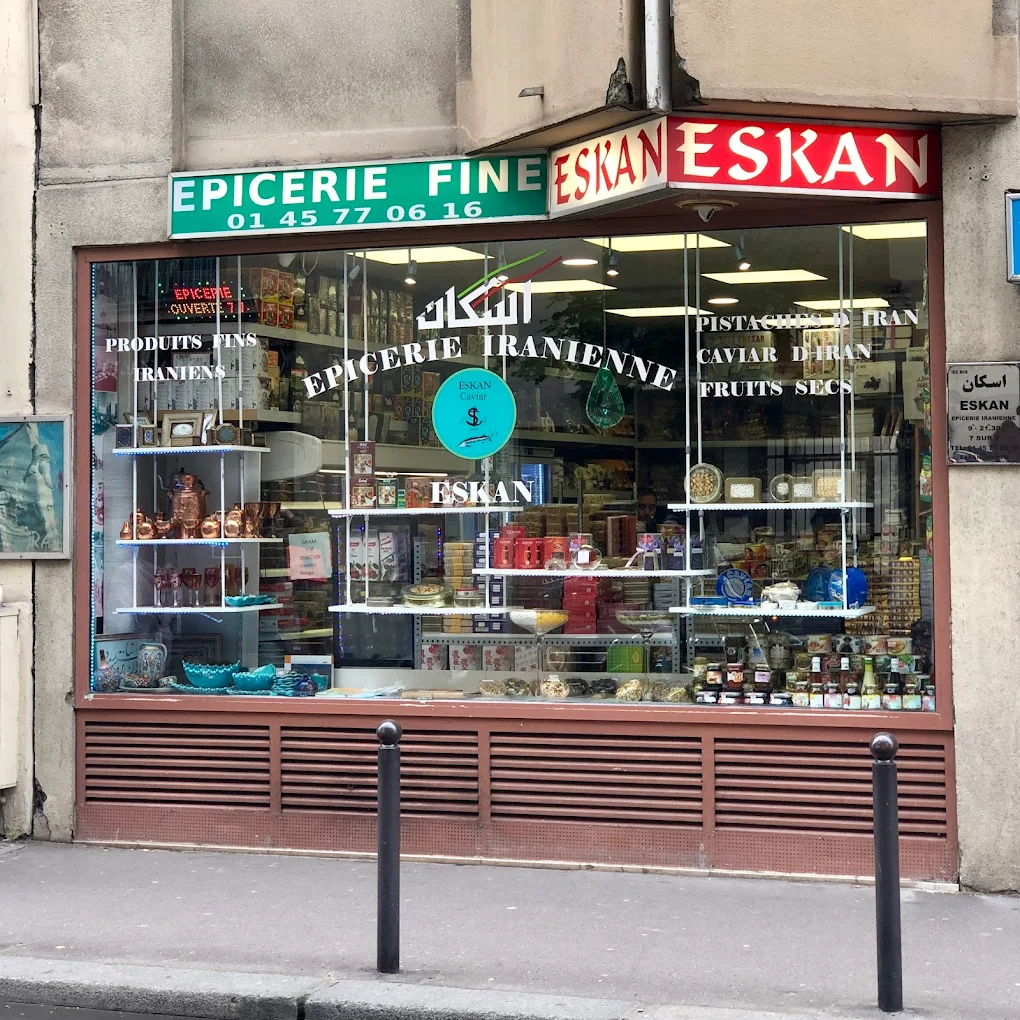
Eskan – Paris
Business Description
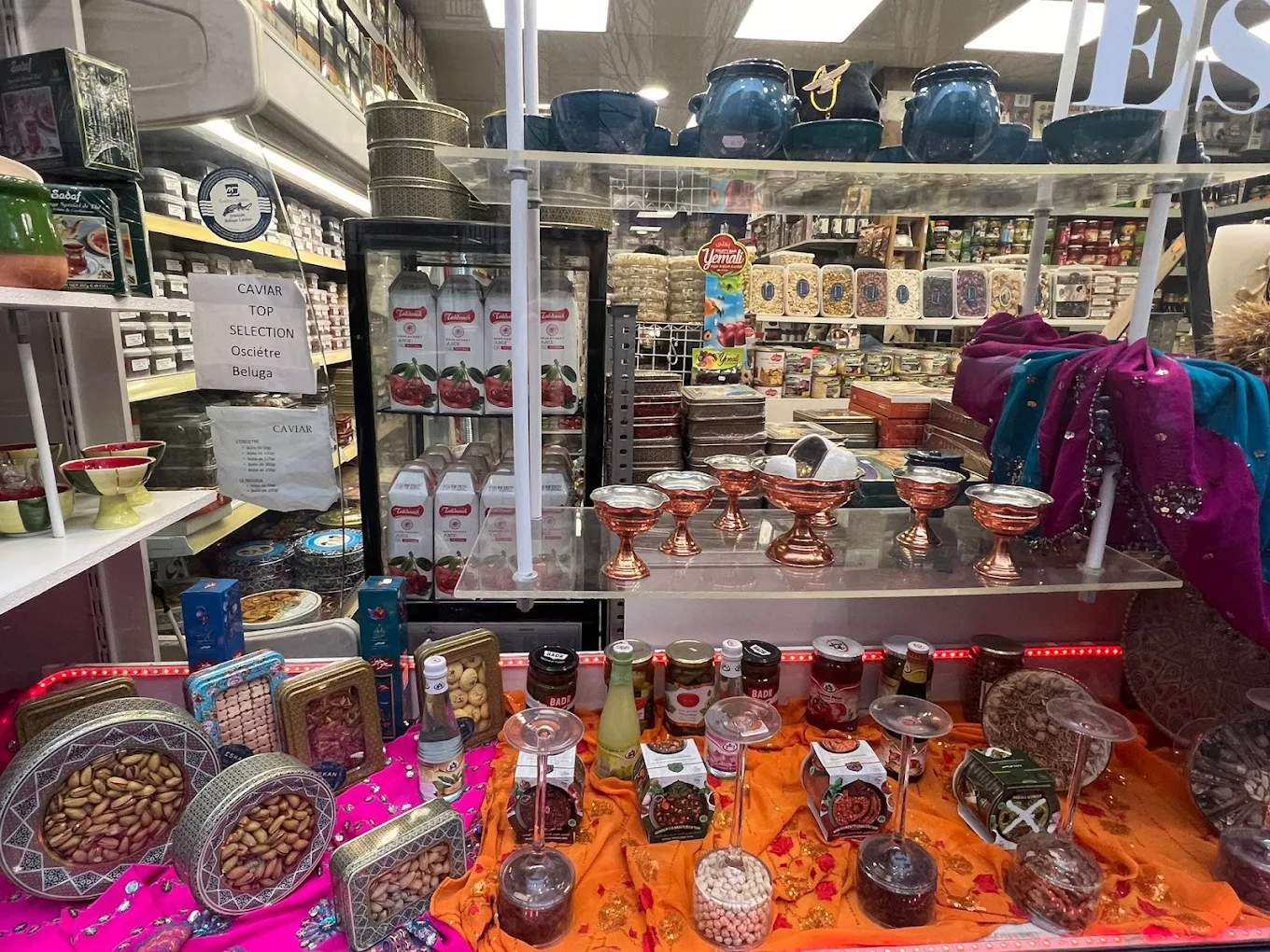
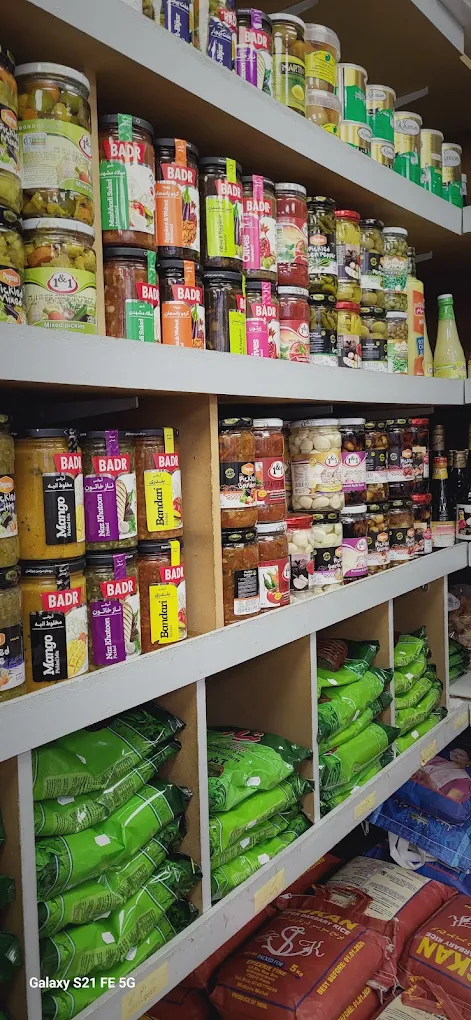
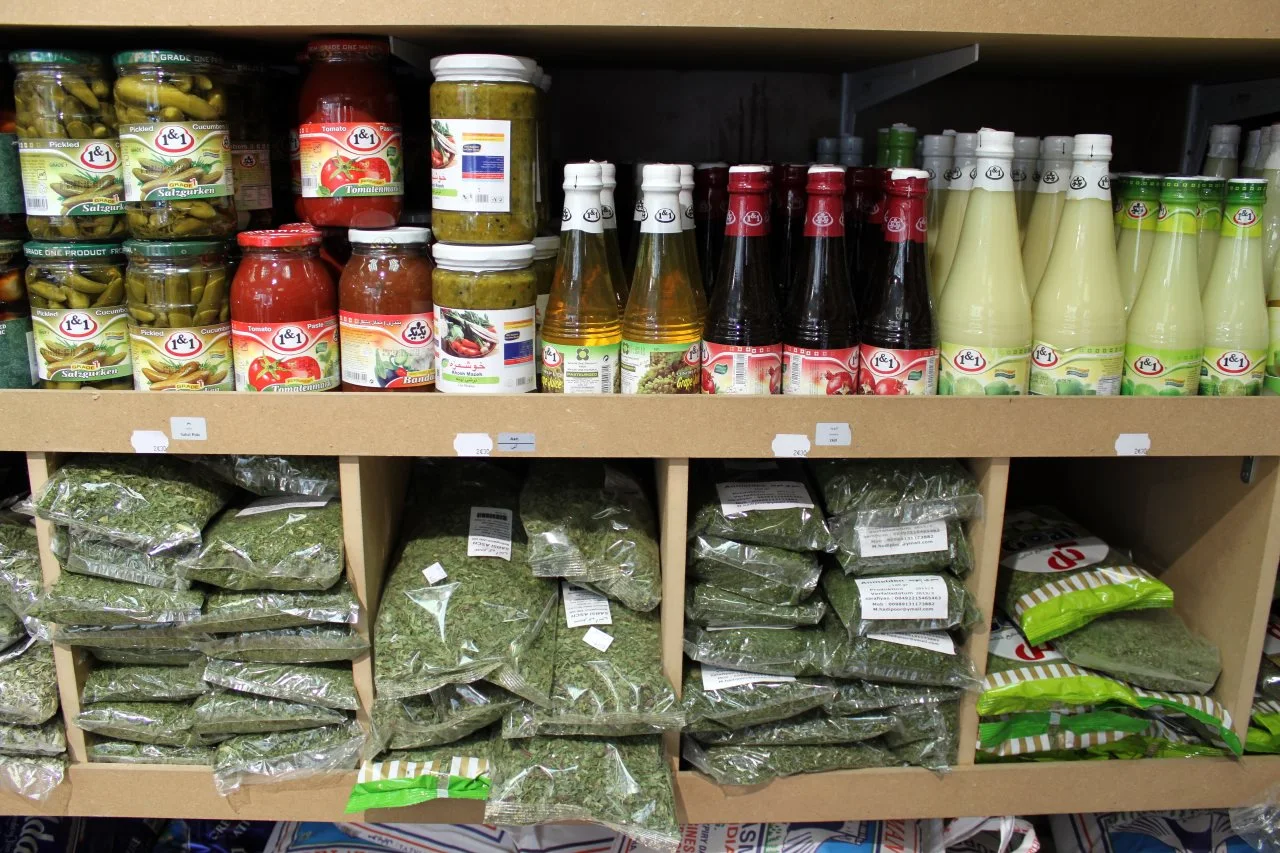
Eskan is a small Persian supermarket in Paris, but it has a little bit of everything. For instance, you can buy pickled vegetables, authentic Persian rice, nuts, Naan, and some Persian snacks like Pofak and Lavashak fruit rolls. Occasionally, you can find some fruits popular among Persians, like melon, watermelon, and pomegranate. Overall, you shouldn’t judge this store by its vitrine; you can find products that surprise you.
Discovering Persian Haleem in Paris: What to Know, Where to Go and What to Expect
Finding comforting Persian haleem in Paris is easier than many people expect, especially if you know where the local Iranian community tends to shop and eat. In the 15th arrondissement, a small cluster of Persian businesses quietly keeps traditional foods like haleem alive for anyone craving that slow-cooked wheat and meat porridge. Whether you want a bowl of the best haleem in Paris for breakfast or prefer to bring home canned halim and haleem wheat for your own cooking, the area around Rue des Entrepreneurs and Rue de Vaugirard is a natural starting point. The three main spots, Café De Chiraz, Restaurant Cheminée and Eskan Épicerie Iranienne, each offer a slightly different way to enjoy this dish.
What Makes Persian Haleem Special
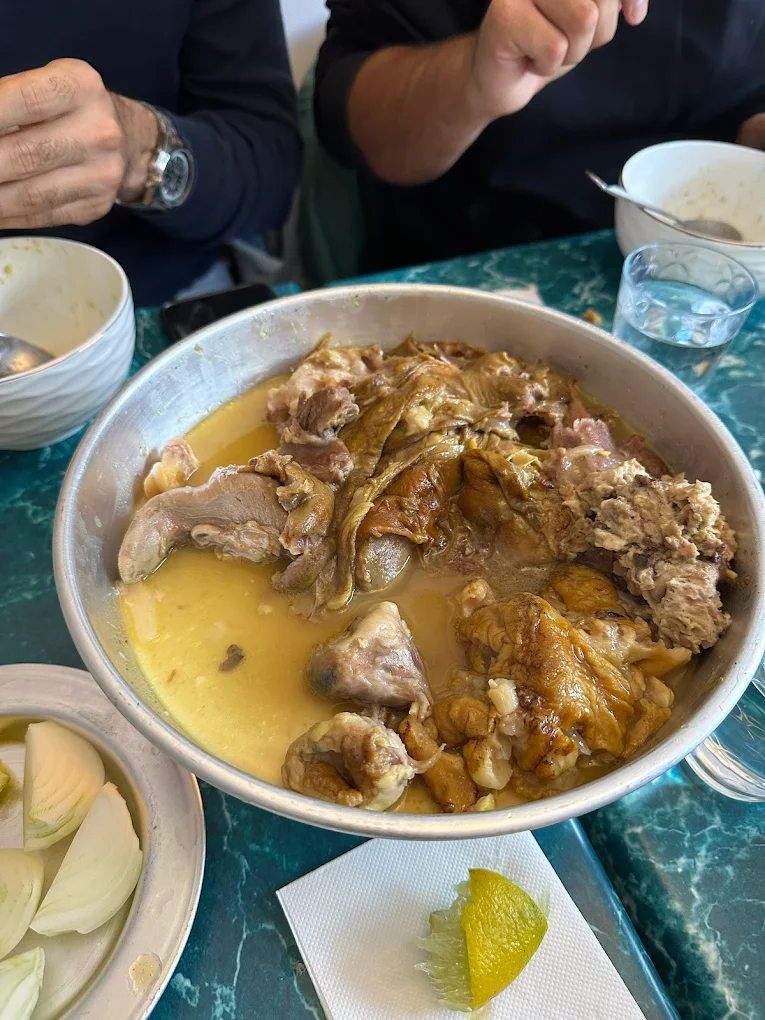
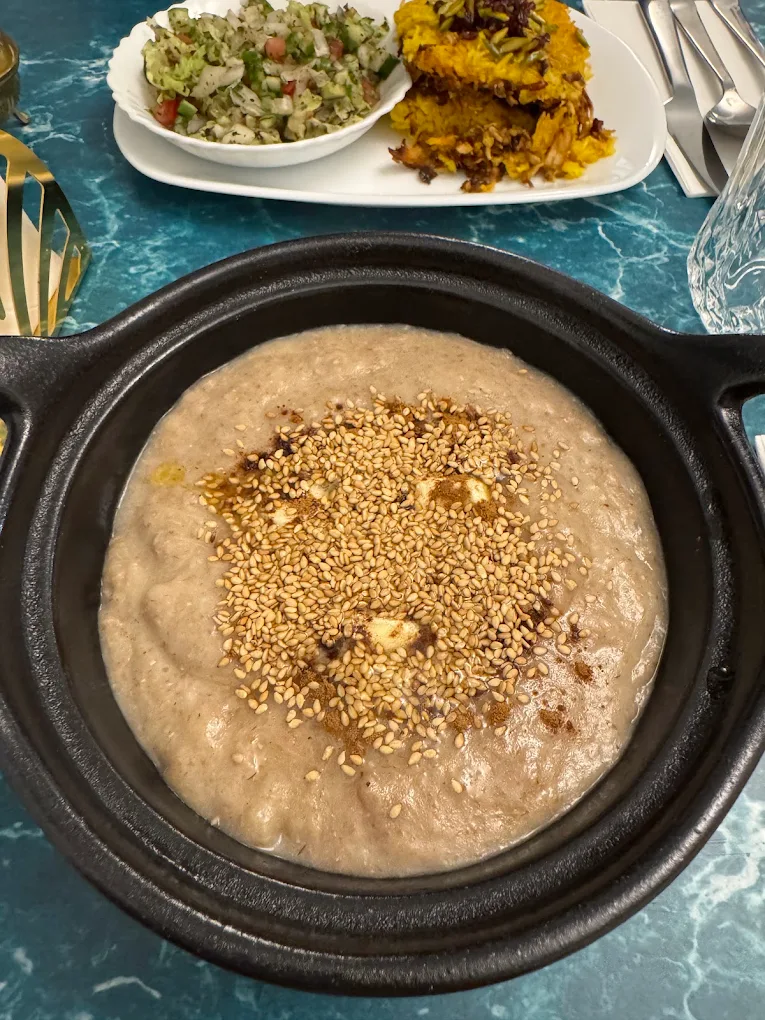
Persian haleem, known as halim, is a dish built on patience. The base is wheat simmered so long that it softens into a silky, stretchy texture. Once cooked down, it blends beautifully with shredded meat. The Iranian version is mild and comforting, especially compared to the heavily spiced variations found elsewhere in the Middle East or South Asia. In Paris, restaurants like Café De Chiraz and Restaurant Cheminée follow this traditional approach, keeping the flavors simple, buttery and aromatic with cinnamon.
For people who prefer something lighter, chicken haleem in Paris is often available, offering a cleaner, gentler flavor. Those who like richer depth might choose mutton haleem or beef haleem in Paris, both of which take on a deeper taste as they cook. Regardless of the meat, the texture should always be soft enough to spread with bread, warm enough to release the scent of wheat and cinnamon and hearty enough to feel like a full meal.
Where to Find the Best Haleem in Paris
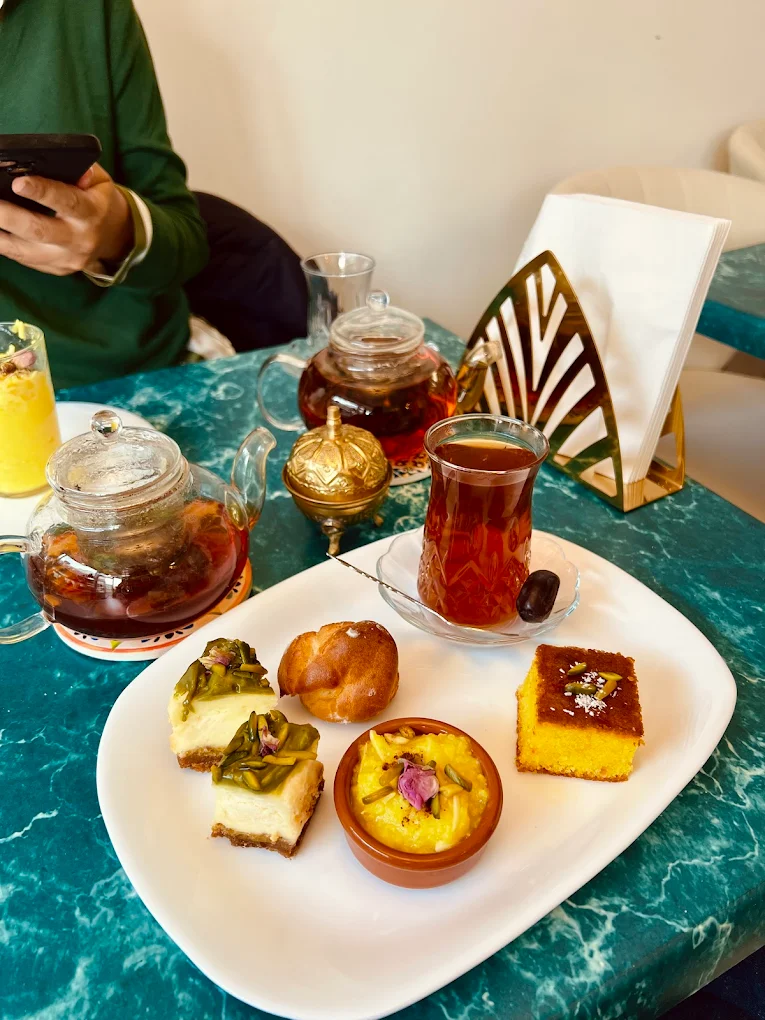
Most people searching for the best haleem in Paris end up in the 15th arrondissement, and for good reason. Café De Chiraz has made a name for itself with special Persian breakfasts, where halim appears as a homemade weekend specialty. The café is known for its relaxed atmosphere and Iranian pastries, which makes eating haleem there feel like a quiet, familiar morning back home.
Just a short walk away, Restaurant Cheminée offers a more traditional dining experience. It serves a wide range of Persian dishes, but it occasionally features haleem as a special. The restaurant leans toward homestyle cooking, so when they prepare haleem, it tends to follow the classic recipe with long simmering and a smooth, cohesive texture. The setting is more formal than Café De Chiraz, making it a comfortable option for anyone who wants to sit down for a slow breakfast or lunch.
Can I Find Haleem Ingredients in Paris?
For those who prefer cooking at home or simply want shelf-stable options, Eskan Épicerie Iranienne is essential. The shop carries canned Persian halim as well as ingredients like haleem wheat, bulgur, cinnamon, and Persian spices. If you want to control sweetness, richness, or meat type, preparing your own haleem is surprisingly doable, especially if you start with Eskan’s canned base and customize it in your kitchen.
Quality, Freshness and What to Look For
Good Persian haleem has a very specific balance of texture and taste. It should be creamy, a bit elastic and fully blended so that no whole grains or large chunks of meat remain. The best versions in Paris often come from places that make small batches, such as Café De Chiraz, where the halim is prepared in-house and served fresh. When looking for the most authentic Persian haleem restaurant in Paris, freshness matters as much as ingredients.
If you prefer to buy canned halim, Eskan’s imported tins are a strong option. These are practical for Ramadan mornings, office lunches or anyone who wants to keep a Persian pantry at home. If you go this route, look for cans with minimal added preservatives and a short ingredient list. Adding your own cinnamon and butter at home easily brings the flavor closer to homemade.
Haleem Wheat and Cooking at Home
Many people enjoy experimenting with haleem wheat in Paris, especially because wheat-based Persian dishes are comforting during colder months. Eskan stocks the right type of wheat for this dish, and Parisian butchers in the 15th often have lamb, beef, or chicken suitable for slow cooking. Homemade haleem is more work, but the flavor reward is significant. You can adjust thickness, sweetness, or saltiness to your taste and even create versions closer to your family’s regional style.
Cooking haleem at home also lets you choose between chicken haleem, mutton haleem, or beef haleem, which can help if you have dietary preferences or want something lighter. With the right wheat, a few spices, and enough time, the result can feel very close to the bowls served in Persian cafés.
The Persian Community and Haleem Traditions in Paris
Haleem holds a unique place in Persian food culture, often associated with Ramadan, family gatherings, and cold mornings. In Paris, the 15th arrondissement has become a small but steady hub for these traditions. Restaurants like Cheminée, cafés like Chiraz, and grocery shops like Eskan keep the dish within reach for Iranians living abroad. When Ramadan arrives, these places typically see increased demand because a warm bowl of halim makes an ideal suhoor. Even outside of religious holidays, many customers treat it as a nostalgic comfort food, something that reconnects them with Iran even while living in France.