
Persian Lavashak in Paris is a widely available traditional snack found primarily through a concentrated network of specialized Iranian grocery stores and ethnic supermarkets. This guide explores the accessibility of authentic fruit leathers across the city’s major Middle Eastern hubs, focusing on the high-density retail clusters in the 15th arrondissement. By evaluating product variety, from artisanal pomegranate sheets to industrial rolls, shoppers can identify high-quality “Sonnati” options that prioritize freshness and natural ingredients. Navigating these local Iranian businesses ensures access to premium sour treats while providing clear pricing and bulk purchase comparisons. Use the following breakdown to locate the best supermarkets, identify authentic brands, and compare delivery options available throughout Paris.

Eskan – Paris
Business Description
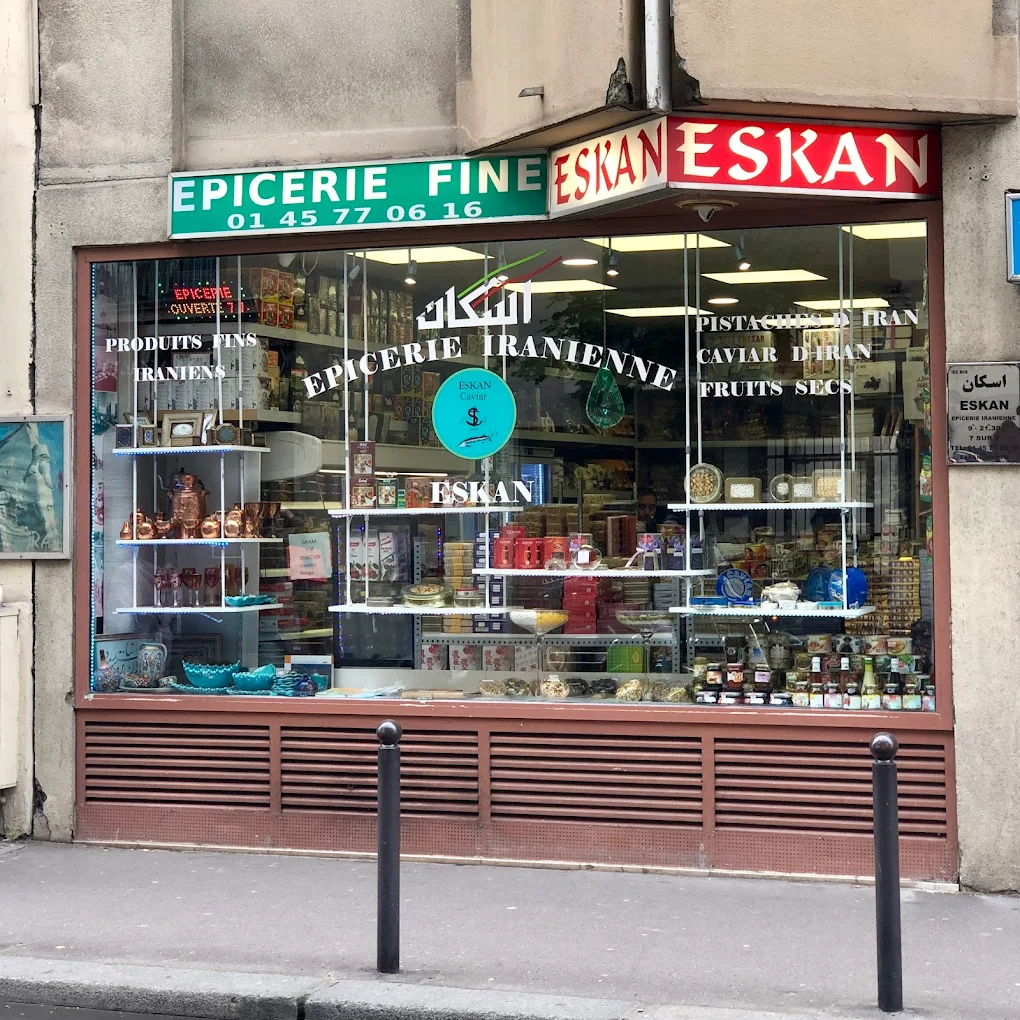
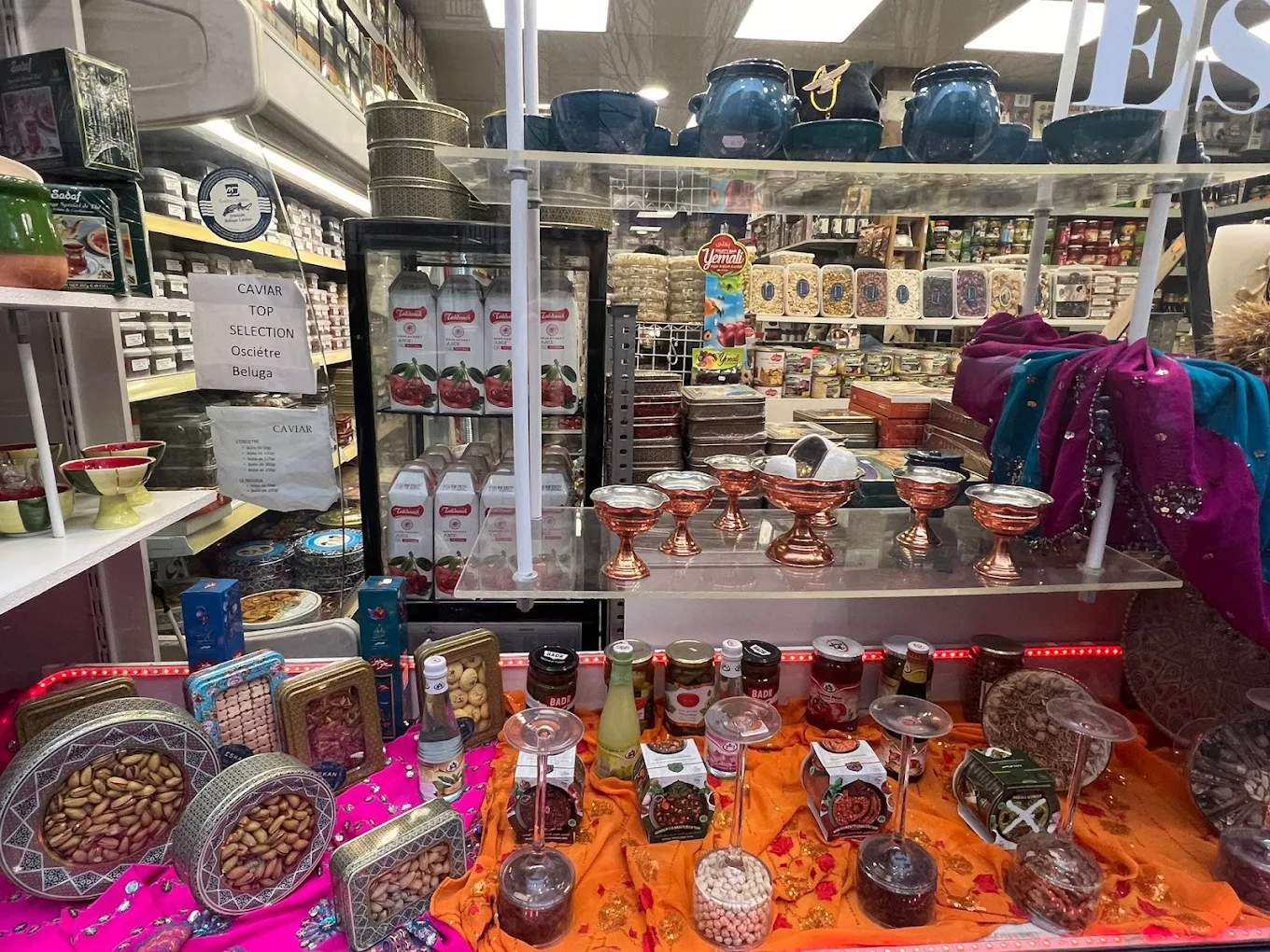
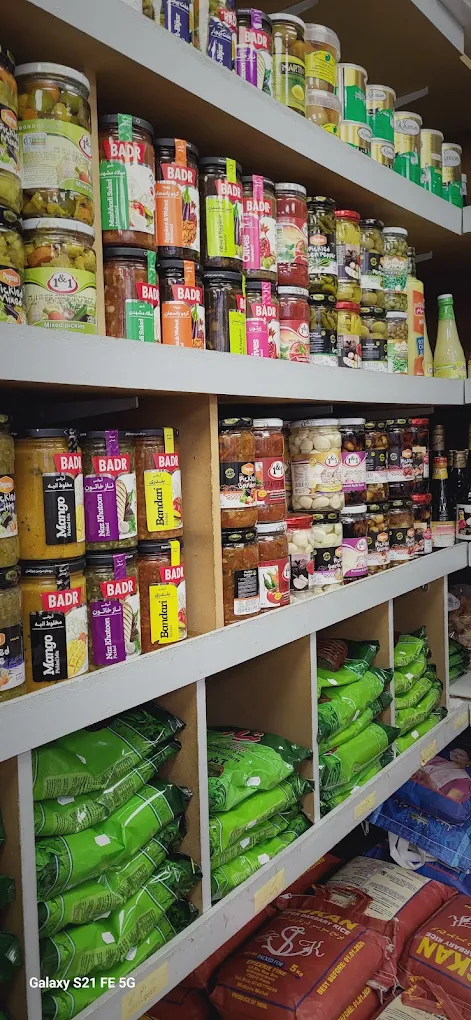
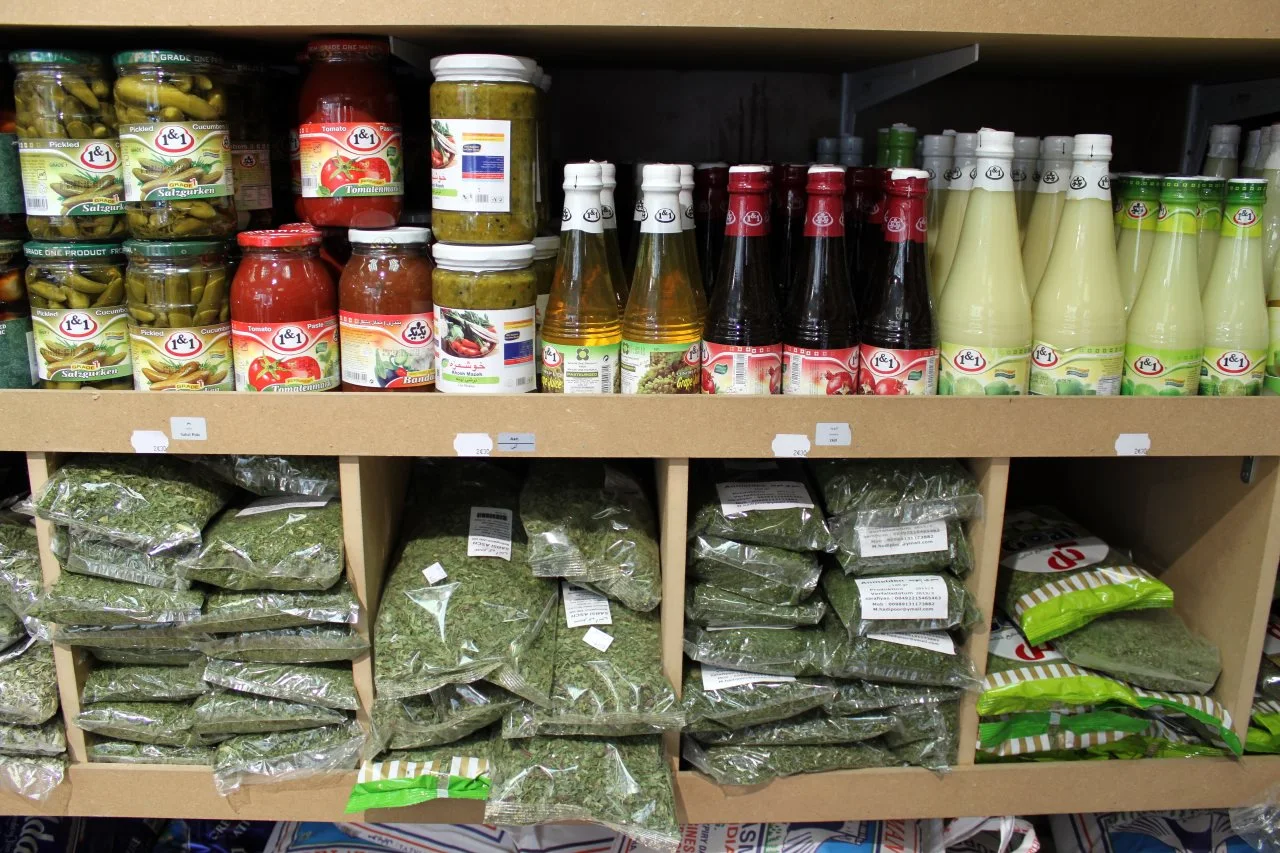
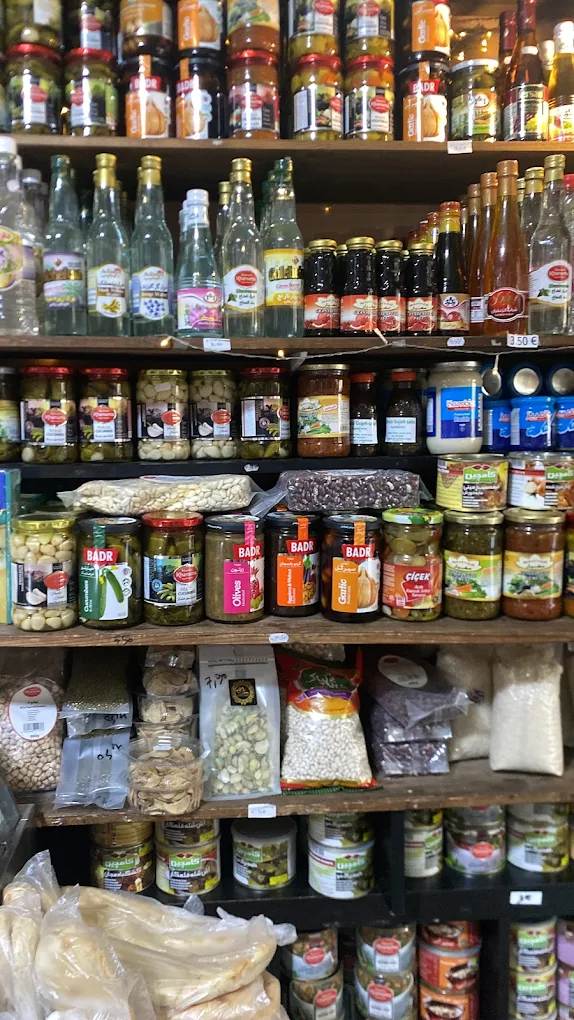
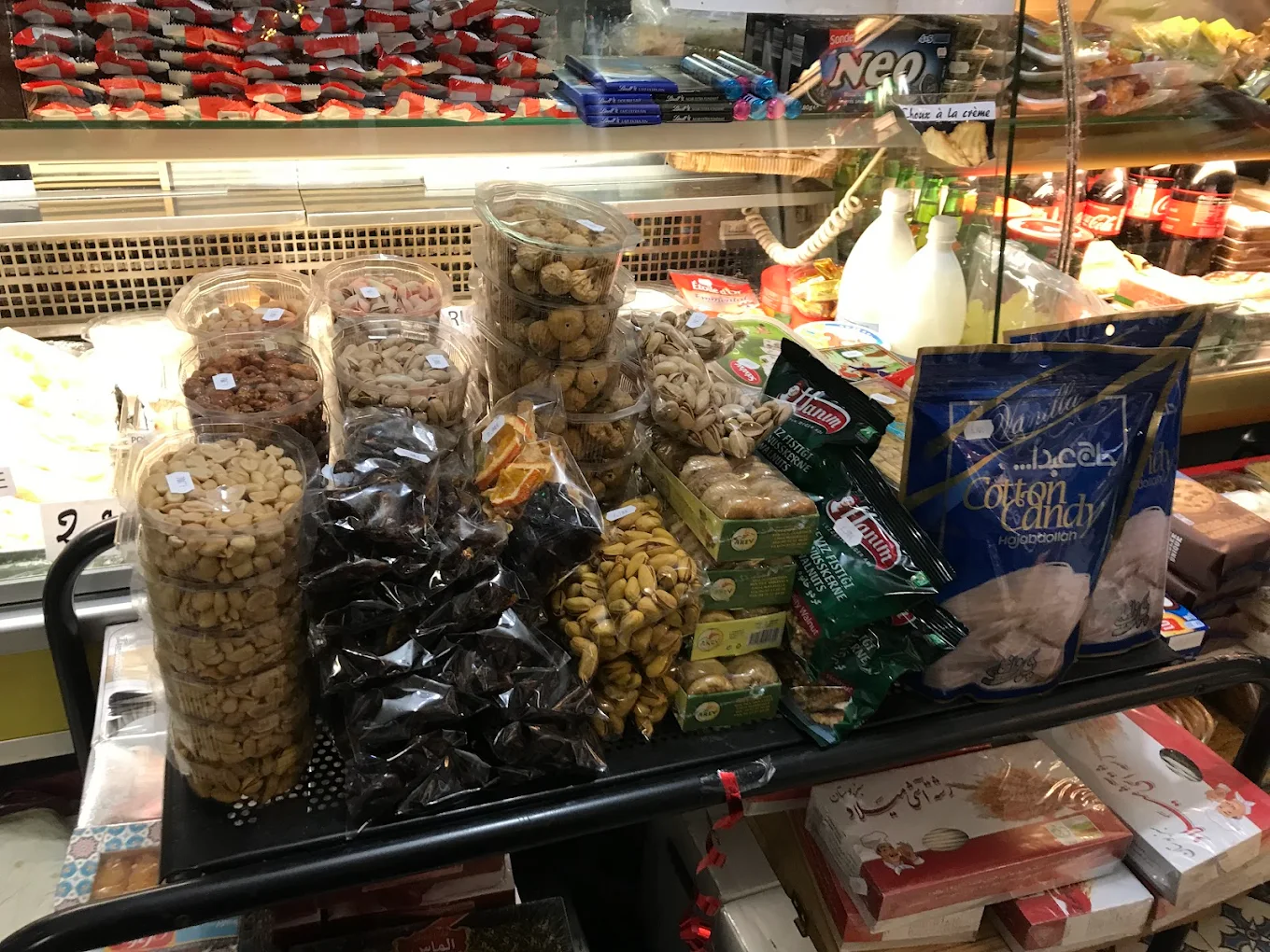
Eskan is a small Persian supermarket in Paris, but it has a little bit of everything. For instance, you can buy pickled vegetables, authentic Persian rice, nuts, Naan, and some Persian snacks like Pofak and Lavashak fruit rolls. Occasionally, you can find some fruits popular among Persians, like melon, watermelon, and pomegranate. Overall, you shouldn’t judge this store by its vitrine; you can find products that surprise you.
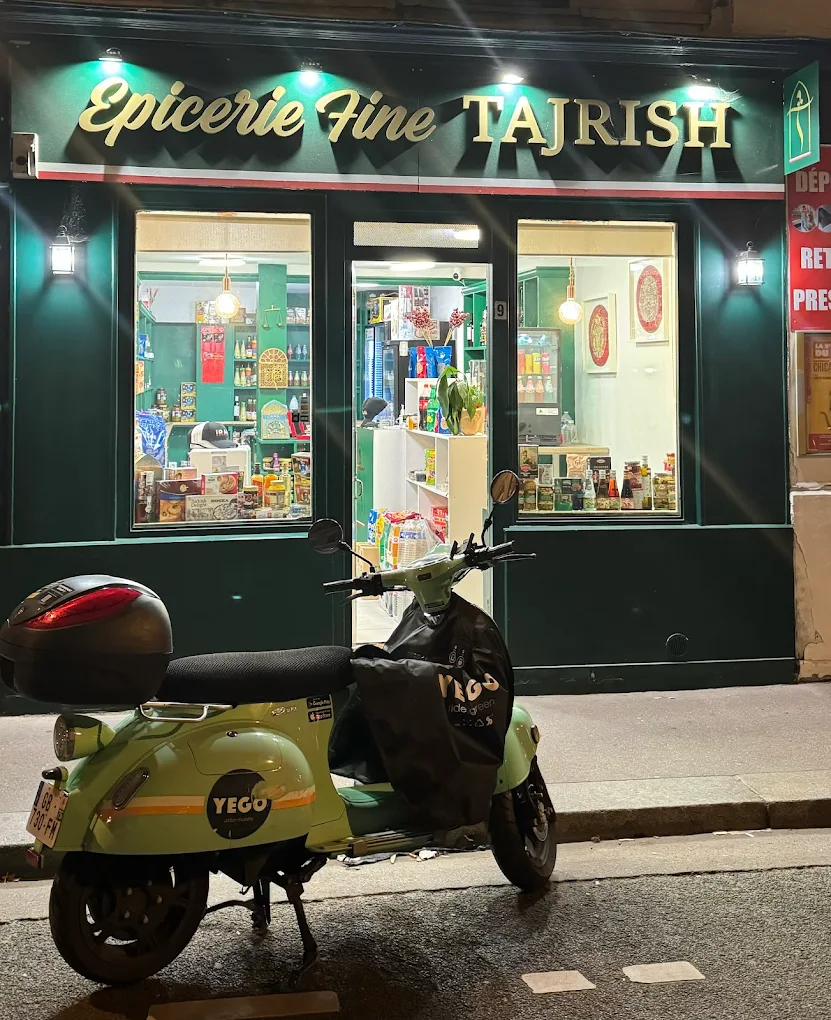
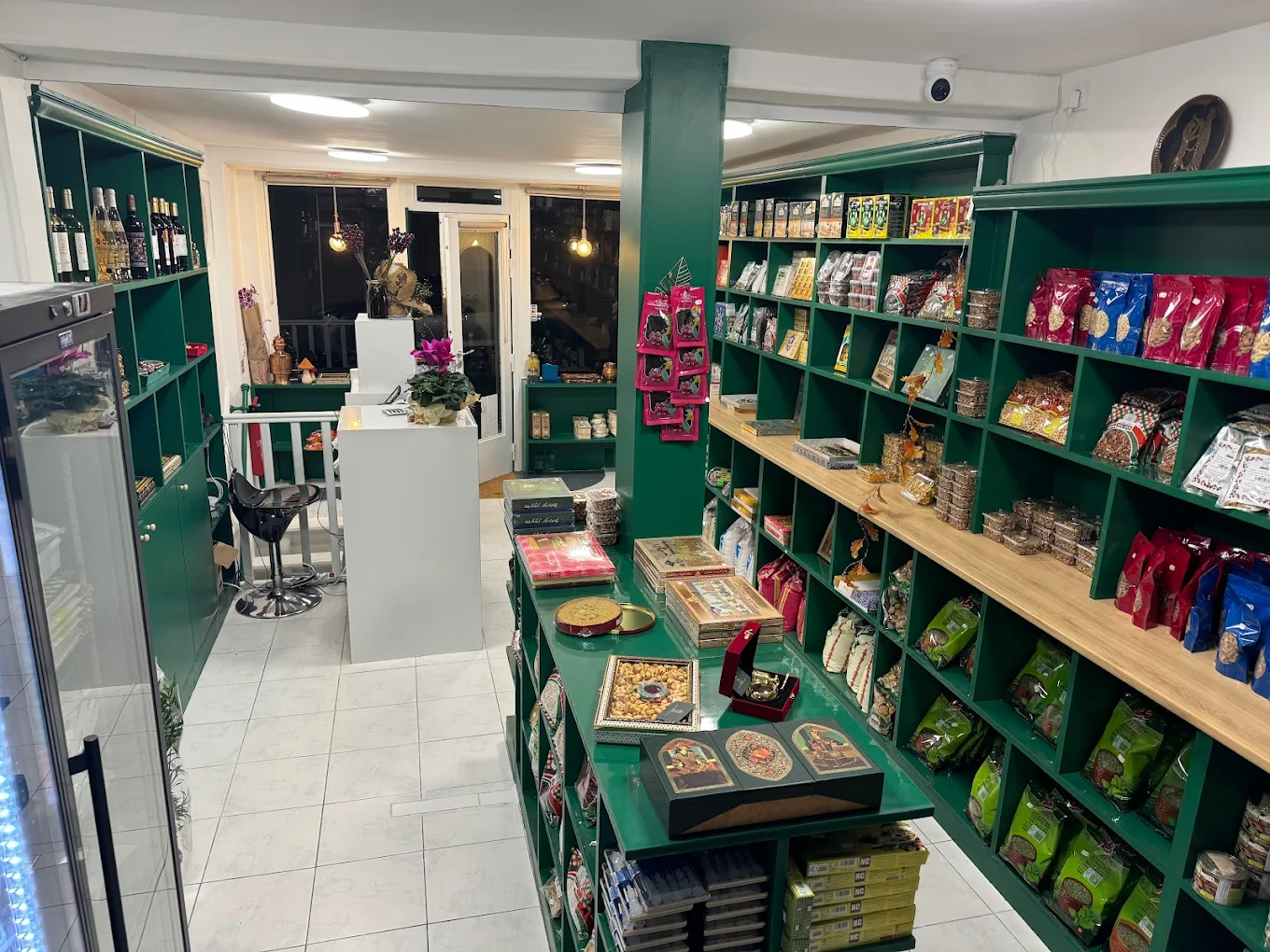
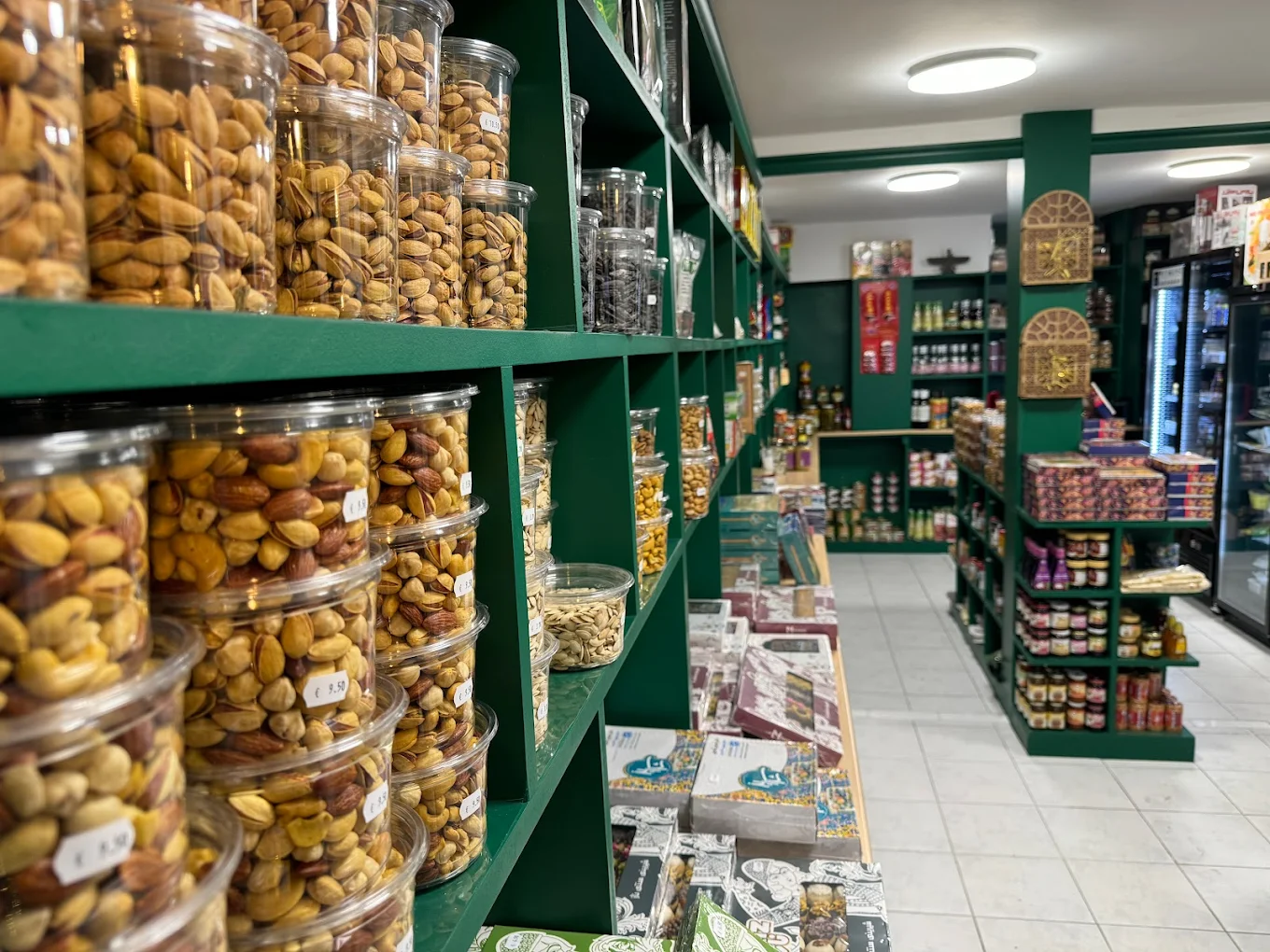
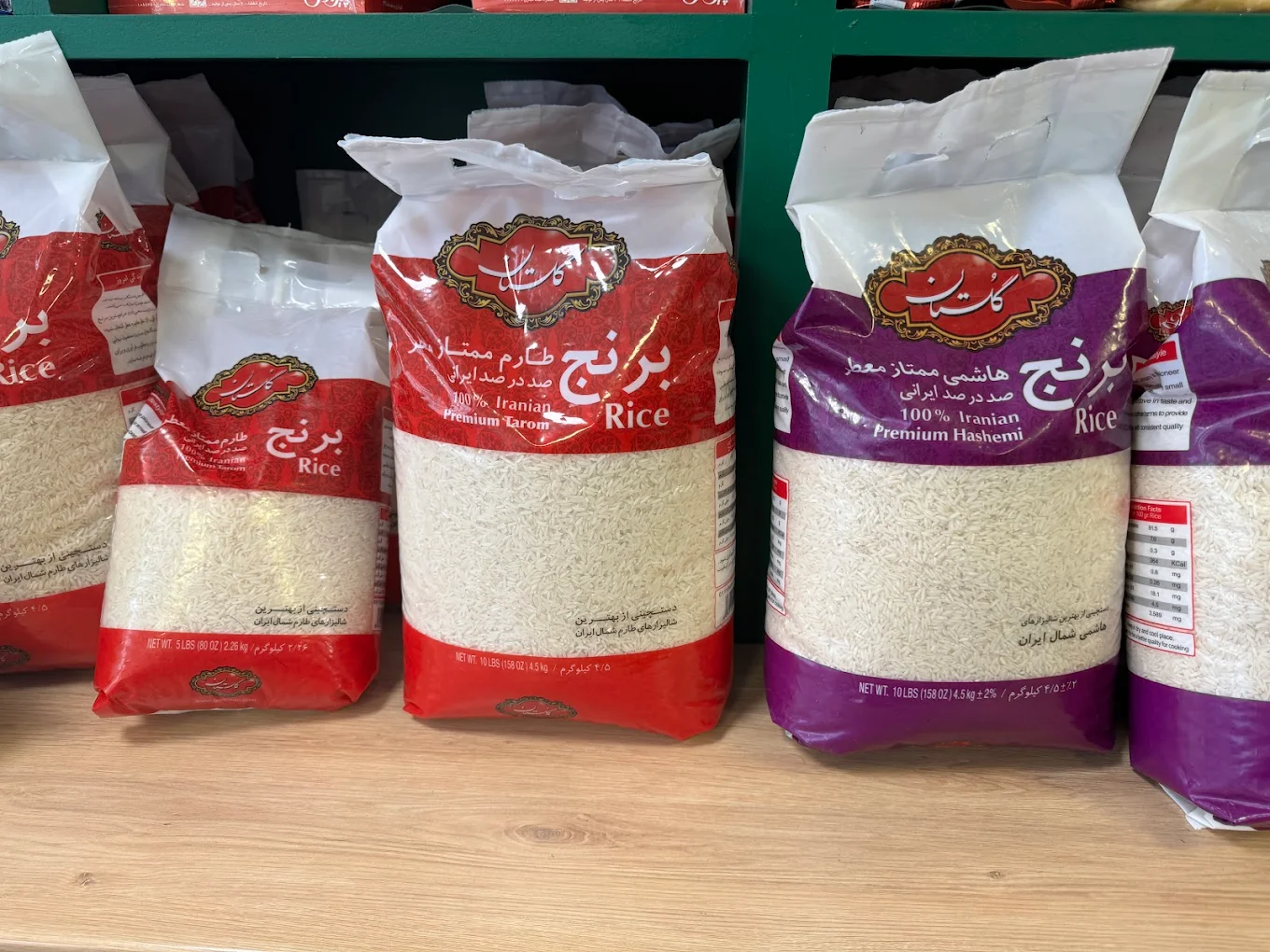
Épicerie iranienne TAJRISH
Business Description
Tajrish feels like a cozy neighborhood gem where the friendly staff picks only the best Iranian imports, making it a favorite for locals hunting authentic flavors without the hassle. Folks love popping in for quick grabs like basmati rice or saffron, but the lavashak steals the show—pomegranate and plum varieties that are perfectly chewy and not too sweet. It’s the kind of place where one visit turns into a weekly ritual, thanks to the top-notch quality and that welcoming smile at checkout.
Superse Market
Business Description
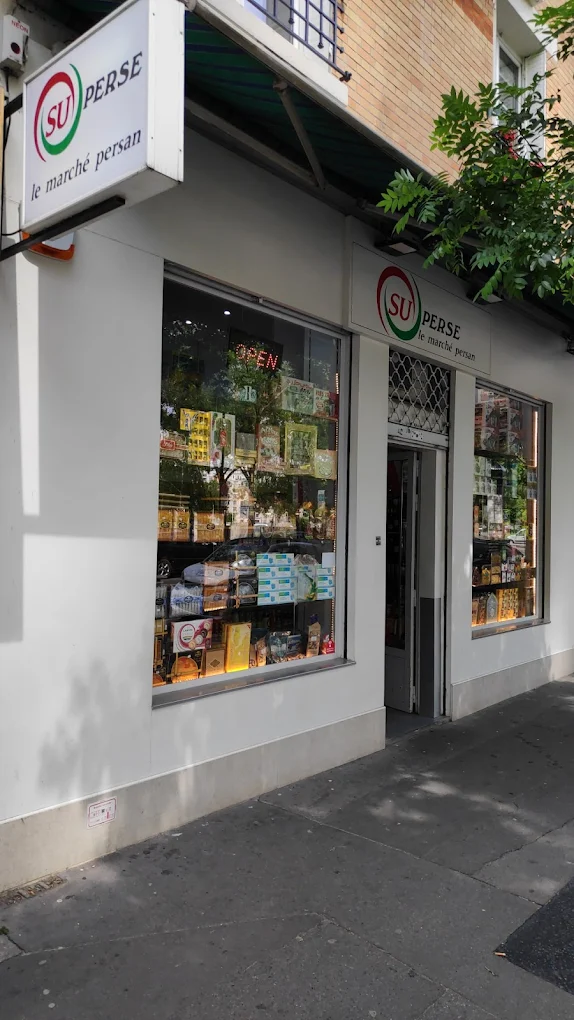
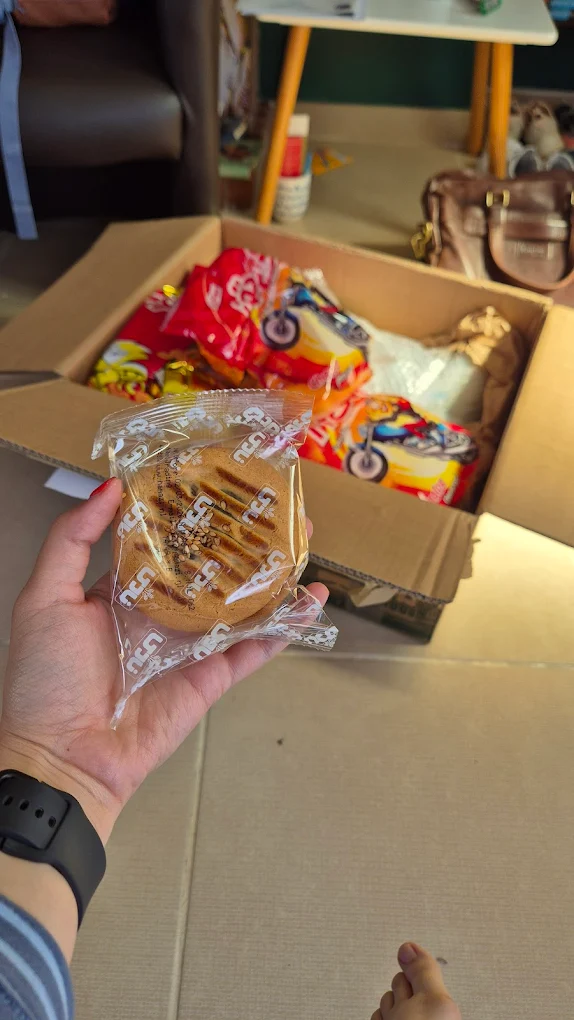
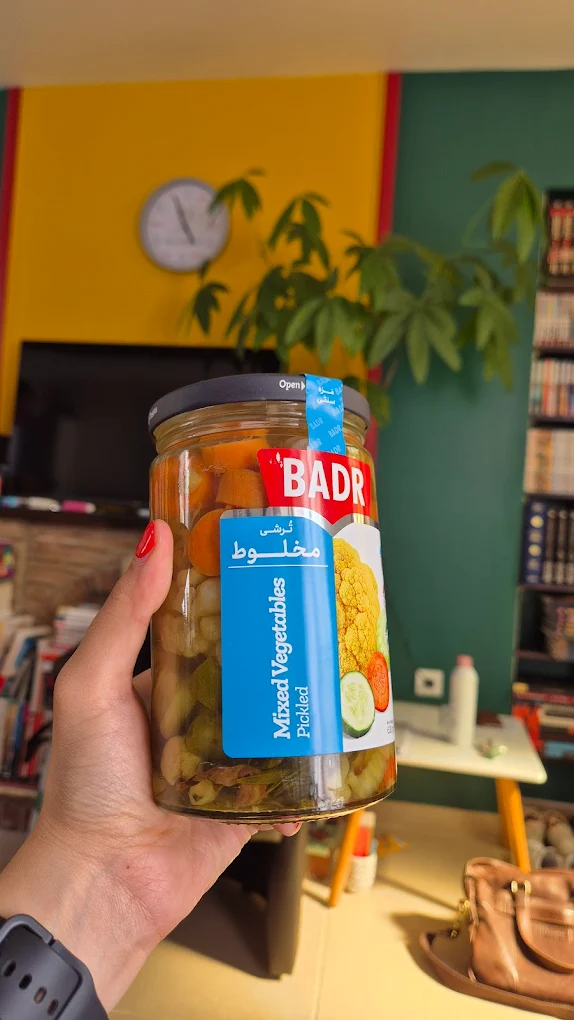
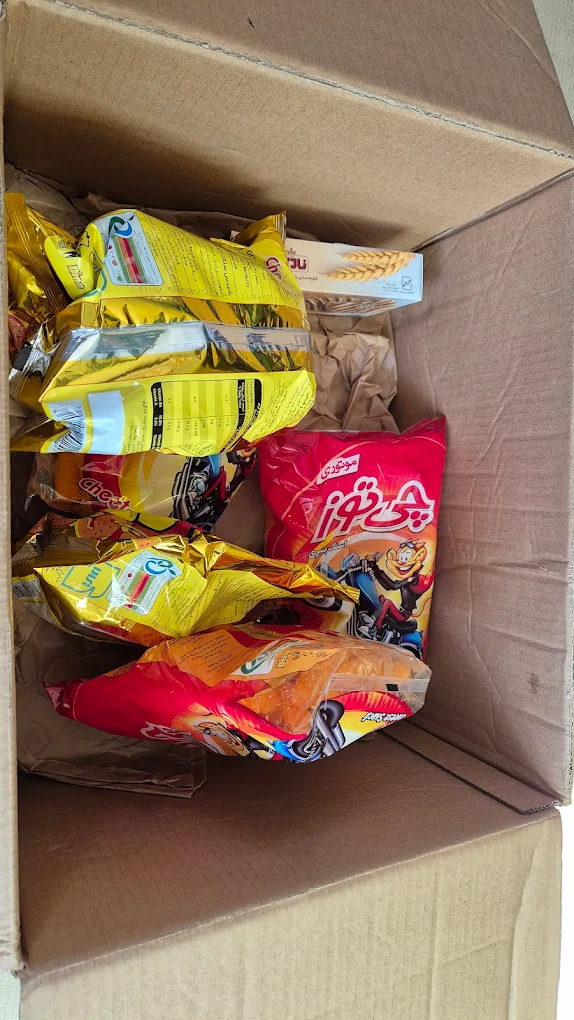
Superse stands out as a bustling Iranian market right in the 15th, where the shelves burst with direct-from-Iran imports that make everyday cooking feel like a cultural adventure. Step into Superse and you’ll see many products with Persian names stacked neatly on the shelves. You can shop for various authentic Persian products like pickled vegetables, sweets, and snacks like Lavashak. Their Lavashak flavors are diverse; you can find these tangy fruit leaves in flavors like apple, sour cherry, and apricot. Additionally, you can find nostalgic items like Golnar soap, Abali Doogh, saffron, Naderi cookies, Halva, and many more. In short, this supermarket is a French branch of a supermarket in Iran.
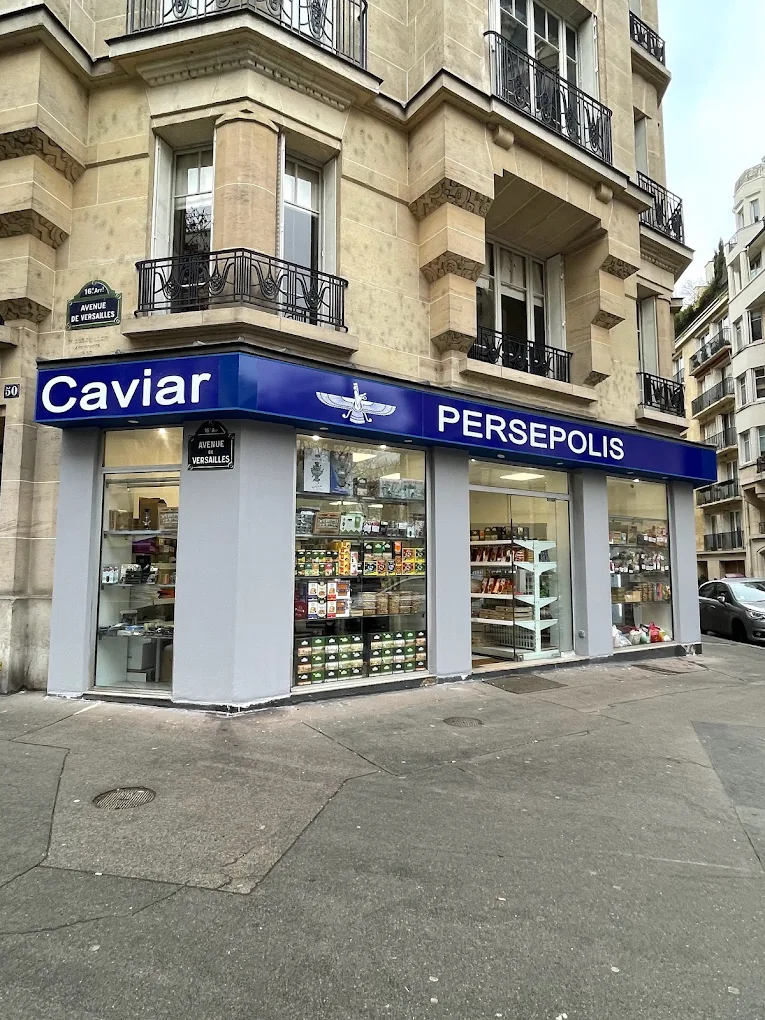
Persepolis, Épicerie Iranienne
Business Description
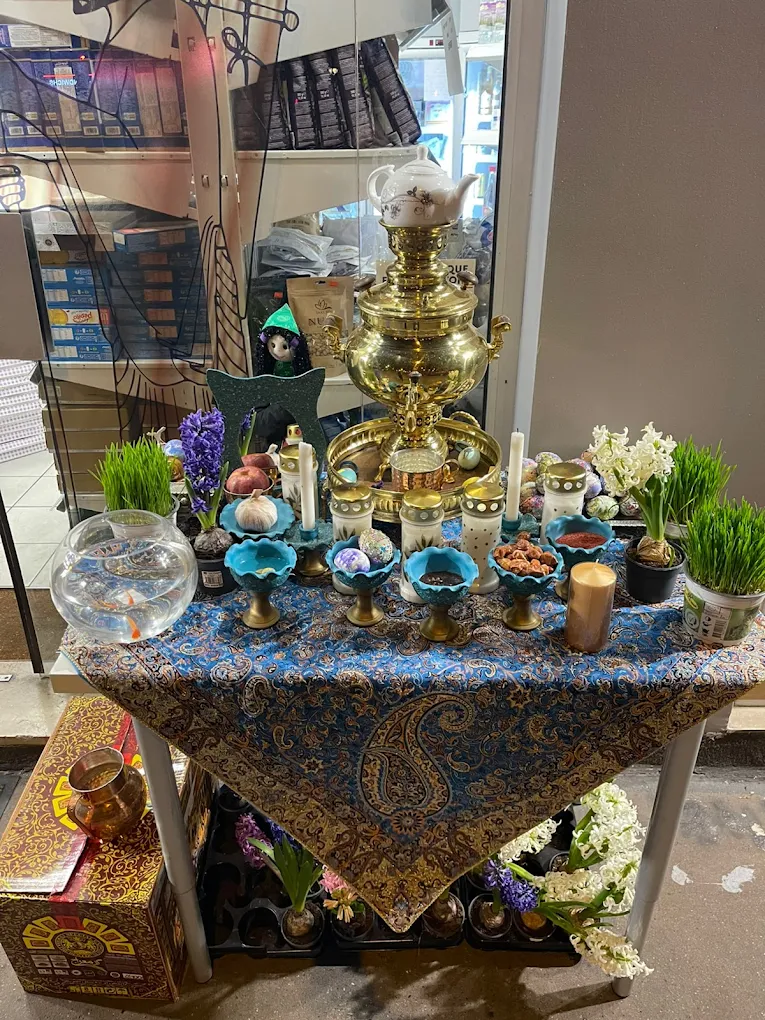
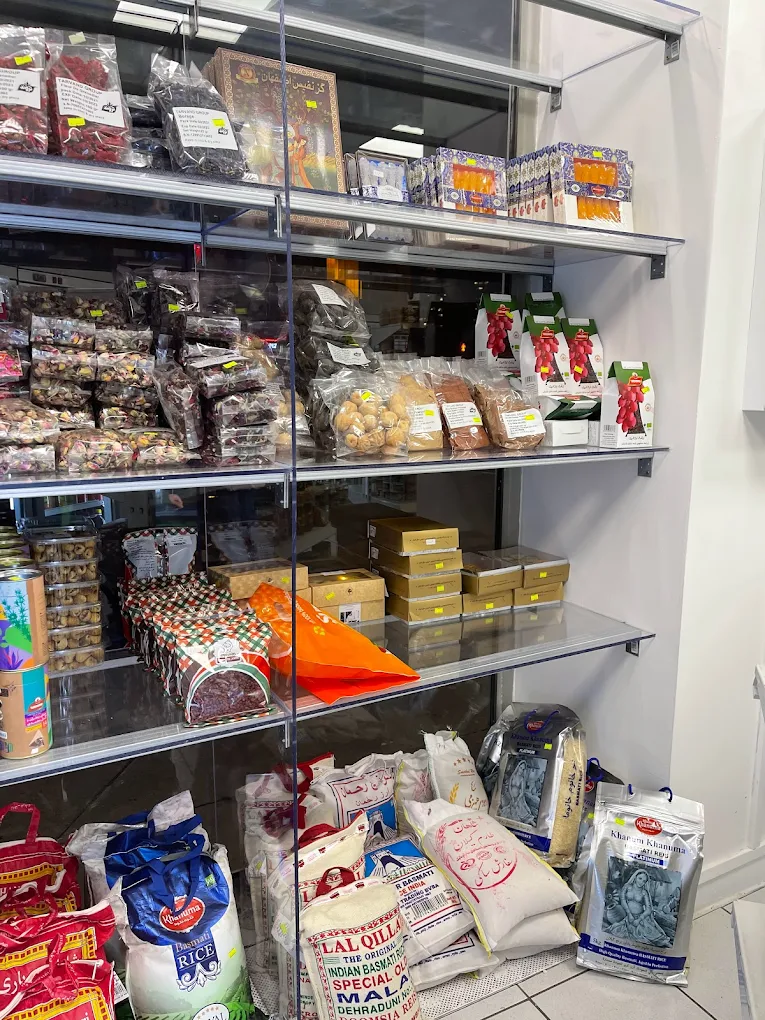
Persepolis is a simple Persian supermarket that supplies ingredients, spices, and other staples that any Persian family needs at home. You can buy Iranian basmati rice. If you ever go there, make sure you buy some of their flavorful Lavashak. The reviewers have praised the kind and helpful staff at Persepolis, and some comments show the good prices you can get at this Persian supermarket.
Super Iran – Paris
Business Description
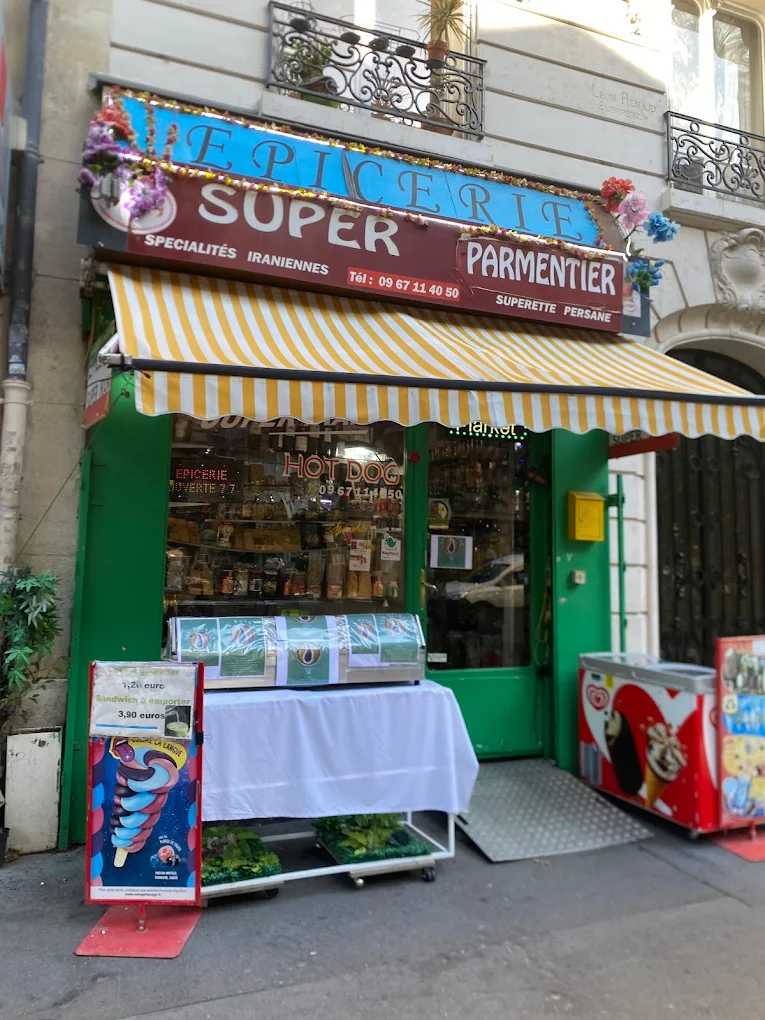
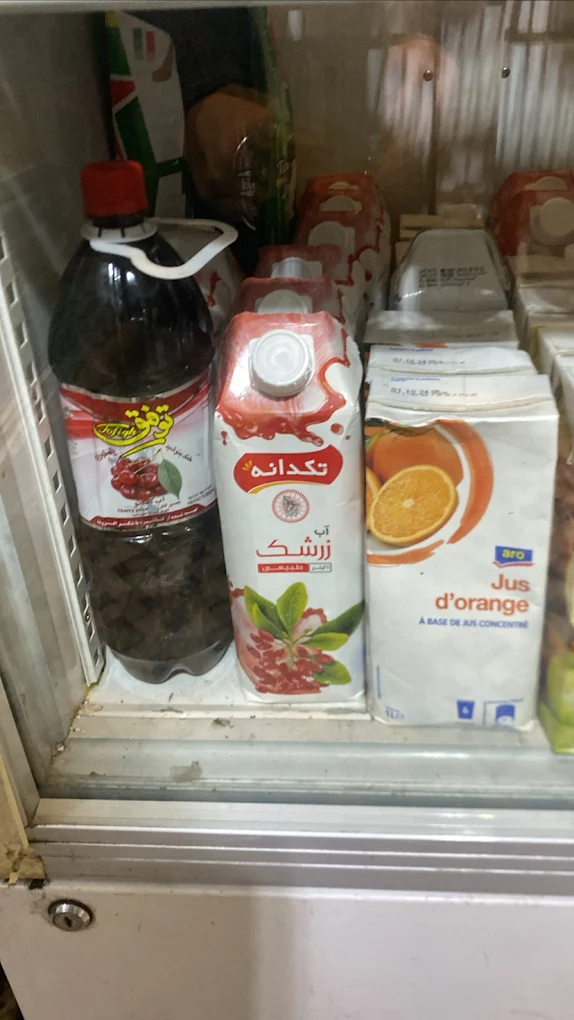
It’s a cozy Persian supermarket in the lively 11th arrondissement that reminds you of the supermarket down your alley back home. The store is packed to the roof with products that all Iranians want to have in their kitchen. In addition to tangy juices like Ab Zereshk (barberry juice) and pomegranate juice, you can buy authentic Persian Lavashak fruit leaves to cheer yourself up when you’re not feeling yourself. If you’re craving something crunchy, you can go there to buy Pofak Namaki. All in all, you know you’ll walk out with the real deal, plus staff who actually care about your next recipe.
Where can I buy Persian Lavashak in Paris?
Finding authentic Persian Lavashak in Paris is a straightforward process due to the established network of Iranian grocery stores and specialty ethnic markets concentrated in specific urban clusters. As the root of accessibility for the Iranian diaspora and local food enthusiasts, these retail points ensure a consistent supply of imported fruit leathers, ranging from industrial brands to artisanal varieties. Most shoppers can locate these items within dedicated Persian supermarkets that serve as cultural hubs, offering a reliable inventory that bypasses the limitations of general French retail chains. To navigate this market effectively, one should focus on the southwestern corridors of the city where the density of Middle Eastern commerce is highest.
To streamline your search, consider these primary retail categories:
- Specialty Persian Supermarkets: The most reliable source for diverse flavors and brands.
- General Middle Eastern Groceries: Often carry standard pomegranate or apple varieties.
- Online Iranian Directories: Platforms like Nazdikia help identify updated storefront locations and contact details.
By identifying these specific hubs, you gain access to a wider inventory of traditional snacks that are often stocked weekly to maintain freshness.
Which Persian supermarkets in Paris sell Lavashak?
Most major Persian supermarkets in the city dedicate significant shelf space to confectionery and traditional snacks, with Lavashak being a staple item. These establishments import products directly from Iran, ensuring that the flavor profiles—ranging from extremely sour to sweet-and-sour—remain authentic to their origins. Shops located along Rue des Entrepreneurs are particularly noted for their extensive collections, often featuring various brands that cater to different texture preferences, from thin, translucent sheets to thick, pulp-filled rolls. These supermarkets act as the primary distribution points for the community, ensuring that seasonal varieties are available year-round.
Which areas in Paris have the most Lavashak shops?
The 15th arrondissement, specifically the neighborhood surrounding Beaugrenelle, stands as the epicenter for Iranian commerce in Paris, hosting the highest concentration of shops where Lavashak is sold. This “Little Tehran” of Paris provides a high density of options within walking distance, making it the most efficient area for physical browsing and price comparison. Beyond the city center, certain suburban pockets with significant Iranian populations also host specialty stores, though the selection in the 15th remains the gold standard for variety and turnover.
How do I locate Persian grocery stores near Paris’s residential areas?
Locating these stores requires a combination of geographical awareness and the use of specialized digital tools designed for the diaspora. Utilizing a dedicated directory like Nazdikia allows users to filter by city and service type, providing a verified list of Iranian businesses and their exact proximity to residential districts. This digital approach is particularly useful for those living outside the main Iranian hubs, as it reveals smaller, family-owned shops that might not appear in general search results. Once you have identified the nearest location, understanding the specific types of products they carry becomes the next step in your journey.
Where can I find homemade Lavashak in Paris?
Homemade and artisanal Lavashak in Paris represents the pinnacle of authenticity, characterized by the absence of industrial preservatives and a reliance on traditional sun-drying or slow-oven techniques. These products are typically sourced from small-scale local producers or imported from artisanal workshops in Iran that specialize in pure fruit pulp. Unlike mass-produced versions, homemade fruit leather retains a rustic texture and a more complex, natural tartness derived from high-quality seasonal harvests. Finding these requires looking beyond standard packaging and seeking out retailers that prioritize “sonnati” or traditional production methods.
The variety of fruits used in these artisanal batches often includes:
- Sour Cherry (Albaloo): Known for its intense red color and sharp tartness.
- Plum (Aloo): A classic choice offering a balanced, fleshy texture.
- Barberry (Zereshk): Often mixed into the pulp for an extra layer of sourness.
- Apricot (Zardaloo): Providing a naturally sweeter, more mellow profile.
Distinguishing these handmade options from factory-made rolls is essential for those seeking a truly traditional gastronomic experience.
What types of traditional Persian fruit leather are sold in Paris?
Traditional Persian fruit leather sold in Paris is distinguished by its production method, which involves boiling fruit into a thick puree before spreading it thin to dry. In the Parisian market, you will find “Sonnati” (traditional) styles which are often thicker and may contain visible pieces of fruit skin or seeds, adding to the organic feel of the snack. These are sold either in large circular sheets that are cut to order or in pre-wrapped artisanal rolls that maintain a high moisture content, ensuring the leather remains pliable and flavorful rather than brittle.
What flavors of Lavashak can I find in Paris?
The flavor spectrum of Lavashak available in Paris is vast, reflecting the diverse fruit heritage of Iran. Pomegranate (Anar) remains the most sought-after flavor due to its iconic deep red hue and sharp acidity, but the market also offers eclectic mixes such as apple and cinnamon or sour orange. Many connoisseurs seek out “Haft-Miveh” (seven-fruit) blends, which combine various stone fruits and berries to create a multi-layered taste profile that shifts from sweet to sour as it dissolves, providing a comprehensive sensory experience of Persian orchards.
Where to find sour pomegranate Lavashak in Paris?
Sour pomegranate Lavashak is a niche favorite and is most frequently found in high-end Persian confectioneries or specialty shops that focus on premium imports. Because pomegranate juice is a more expensive raw material, these rolls are often positioned as a premium treat and are usually displayed prominently near the checkout or in the “sour snack” section. Finding the most authentic version often leads shoppers to compare the ingredient lists and trust ratings of different vendors.
What is the best Lavashak in Paris?
The “best” Lavashak in Paris is defined by a combination of high fruit-to-additive ratios, optimal moisture levels, and the absence of artificial dyes or excessive citric acid. High-quality fruit leather should be flexible, slightly translucent when held to the light, and possess a deep, natural aroma characteristic of the base fruit. Community reputation plays a vital role in determining quality, as the Iranian diaspora in Paris frequently shares reviews and feedback on which stores provide the freshest stock. Trustworthiness in a seller is often linked to their turnover rate, ensuring the product has not been sitting on the shelf for extended periods.
To identify the top-tier options, consumers should look for the following criteria:
- Flexibility: The sheet should bend without snapping or feeling “plastic.”
- Ingredient Purity: The label should list fruit pulp as the primary component.
- Color Integrity: Avoid neon or overly bright shades that suggest artificial coloring.
- Aroma: A strong, natural fruit scent should be present upon opening.
Selecting the right brand or store is the final step in ensuring your purchase meets traditional standards of excellence.
How can I identify high-quality authentic Lavashak in Paris?
Identifying high-quality Lavashak requires a tactile and visual inspection that many seasoned shoppers perform instinctively. Authentic fruit leather should feel slightly tacky to the touch but not sticky, indicating a natural sugar content without excessive corn syrup. Furthermore, the presence of small fruit fibers within the sheet is a positive indicator of a minimally processed product. If the Lavashak is too glossy or has a chemical aftertaste, it likely contains high levels of stabilizers and artificial flavorings, which detract from the traditional sour profile valued by enthusiasts.
What are the most popular Lavashak brands found in Paris?
In Paris, the market is split between well-known industrial Iranian brands and local artisanal labels. Industrial brands like Takdis or Shamshiri are common sights due to their consistent quality and standardized packaging, making them a safe choice for many. However, many shoppers prefer the unbranded, “house-made” rolls found in smaller boutiques, which are often perceived as having a more “authentic” and less processed taste. These popular choices are often discussed in community circles, influencing where the most frequent stock rotations occur.
Which Iranian stores in Paris have the best reviews for Lavashak?
Stores with the highest ratings for Lavashak are typically those that maintain a direct relationship with producers and ensure climate-controlled storage to prevent the fruit leather from drying out. Reviews on platforms like Nazdikia often highlight specific shops for their “freshness” and “variety of sour flavors,” providing a reliable metric for new customers. Shops that consistently receive positive feedback for their confectionery sections are generally the safest bet for finding premium quality. Understanding these quality markers naturally leads to the practical consideration of what you should expect to pay.
What is the price of Lavashak in Paris?
The price of Lavashak in Paris is primarily influenced by the cost of international logistics, the quality of ingredients, and the retail location’s overhead. On average, consumers can expect to pay between €3 and €8 per pack for standard industrial rolls, while artisanal or organic varieties may command a higher price point per kilo. Bulk purchases are often more economical, especially when buying directly from wholesalers or larger supermarkets in the 15th arrondissement. Value for money is best achieved by comparing the net weight of fruit pulp against the price, rather than just the packaging size.
For those looking to buy in larger quantities, follow this checklist:
- Check the price per kilo: Often displayed on the shelf tag for better comparison.
- Look for multipacks: Many stores offer discounts on bundles of 5 or 10 rolls.
- Inquire about wholesale: Some retailers provide better rates for event-sized orders.
Navigating these costs effectively allows you to enjoy this traditional treat while maintaining a clear understanding of the market’s economic landscape.
How does the cost of Lavashak in Paris compare between shops?
Pricing for Lavashak varies significantly depending on whether you are shopping at a high-end deli in central Paris or a larger ethnic supermarket on the outskirts. Central boutiques may charge a premium for the convenience of location and curated selection, whereas larger warehouses often offer lower prices due to higher volume imports. It is common to see a 15-20% price difference for the same brand across different neighborhoods, making a quick digital check of store profiles a wise move for the budget-conscious shopper.
Which shops offer Lavashak delivery in Paris?
Several Persian grocery stores in Paris have embraced digital commerce, offering delivery services through third-party apps or their own websites. This is particularly advantageous for those residing in arrondissements without a local Iranian shop, as it allows for the convenient delivery of sour snacks and other pantry staples directly to their doorstep. Most delivery services operate within the Peripherique, though some specialty vendors offer national shipping for larger orders of non-perishable Iranian treats.
How to buy bulk Lavashak in Paris?
Buying Lavashak in bulk is an excellent option for parties, Persian New Year (Nowruz) celebrations, or simply for long-term enthusiasts. To secure bulk quantities, it is best to contact the store manager of a large Persian supermarket directly, as they may offer “Kilo-based” pricing that is not advertised on the shelves. Many stores also stock large industrial boxes containing dozens of individual rolls, which provide the best value for money for those who consume this snack regularly. This practical approach to purchasing sets the stage for comparing Lavashak with other similar snacks available in the French market.
How does Lavashak compare to other fruit snacks in Paris?
While Paris offers a wide array of fruit-based confections, Persian Lavashak occupies a unique boundary in the snack market due to its intense acidity and lack of added gelatin or thickeners. Unlike the French “Pâte de Fruit,” which is sugar-dense and jelly-like, or American-style fruit snacks that are often highly processed, Lavashak is defined by its thin, leathery texture and pure fruit essence. Understanding these differences is crucial for consumers who are looking for a healthy, fiber-rich alternative to standard candy.
|
Snack Type |
Primary Ingredient | Texture Profile |
Sugar/Additive Content |
| Persian Lavashak | Fruit Pulp/Juice | Leathery, Thin | Very Low / No Added Sugar |
| Pâte de Fruit | Fruit Puree & Pectin | Soft, Gel-like | High (Sugar Coated) |
| Fruit Leather (Western) | Fruit Puree & Juice | Thick, Rubbery | Moderate (Often includes fillers) |
| Turkish Pestil | Fruit & Nuts/Honey | Fleshy, Often Nutty | Moderate (Includes Honey/Molasses) |
This comparison highlights why Lavashak remains a distinct entity, valued for its nutritional simplicity and traditional flavor.
What is the difference between Lavashak and fruit leather in Paris?
The primary difference lies in the thickness and the flavor profile; Western fruit leather found in Paris health shops is often thicker and focuses on sweet fruits like strawberry or raspberry. In contrast, Persian Lavashak is typically much thinner—sometimes almost paper-thin—and prioritizes sour and tart fruits like barberry, green plum, and sour cherry. The dehydration process for Lavashak is also traditionally longer, resulting in a more concentrated flavor that lingers on the palate longer than its Western counterparts.
What distinguishes Persian Lavashak from other regional fruit leather in Paris?
Regional variations, such as Turkish “Pestil” or Arabic fruit rolls, often incorporate ingredients like honey, nuts, or flour to create a more dessert-like experience. Persian Lavashak, however, remains strictly focused on the fruit itself, rarely adding any sweeteners. This commitment to the “sour” profile is a cultural hallmark of Iranian snacks, distinguishing it from the more Mediterranean styles that lean toward the sweet or nutty spectrum found in Middle Eastern markets across Paris.
What is the difference between industrial and traditional Lavashak in Paris?
Industrial Lavashak is produced in controlled factory environments, resulting in perfectly uniform sheets and a consistent flavor, but it often contains citric acid and stabilizers to extend shelf life. Traditional (Sonnati) Lavashak is made from pureed fruit that is sun-dried, leading to variations in color and texture that many connoisseurs find more appealing. While industrial versions are easier to find and carry, traditional batches offer a more complex nutritional profile and a deeper connection to Iranian culinary heritage. This distinction often leaves shoppers with specific questions about health and online availability.