
Finding authentic Persian rugs in Paris requires navigating a specialized network of historic galleries and local showrooms dedicated to Iranian artistry. As a primary European hub for textile commerce, the Paris market offers unparalleled access to diverse regional weaves through a directory of reputable Iranian-owned businesses. Collectors can evaluate high-quality inventory ranging from investment-grade antique silk carpets to durable handmade nomadic rugs across the city’s luxury districts. By verifying material integrity and historical provenance, buyers ensure they are selecting genuine artworks that align with specific interior design needs. This guide provides a detailed assessment of the best Persian rug stores, current market prices, and regional specializations available throughout the French capital.

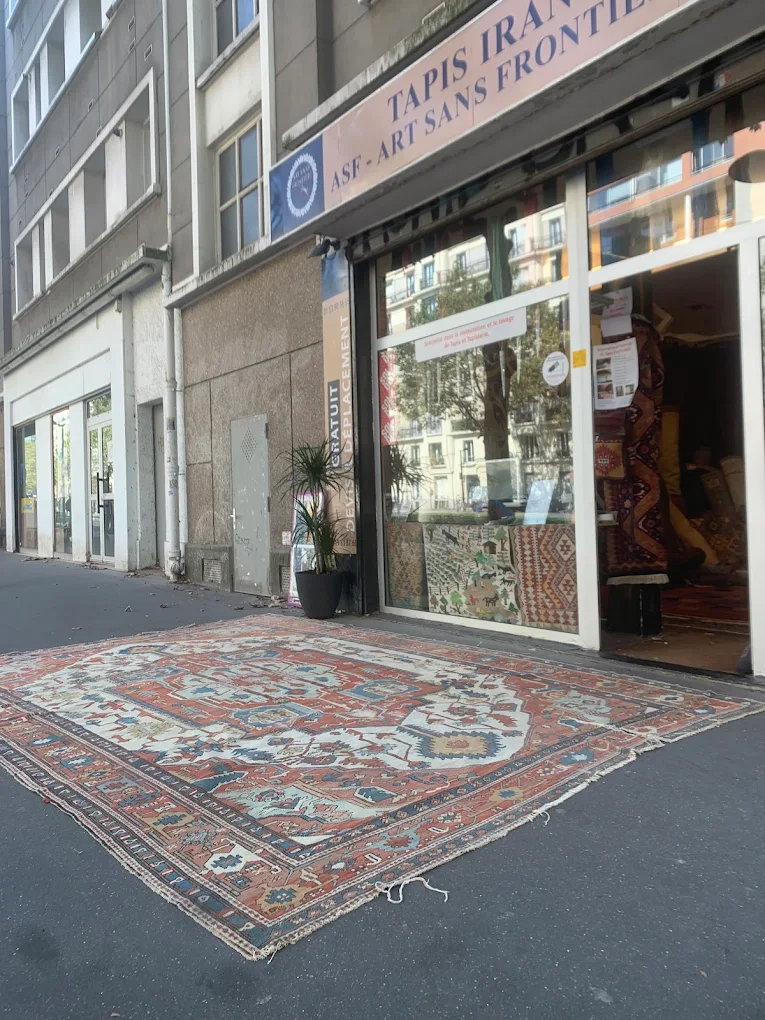
Expert Tapis Iran
Business Description
Expert Tapis Iran is a warm and welcoming destination for anyone looking to discover authentic Persian rugs. Their shop offers a diverse collection, from traditional hand-knotted designs to more contemporary styles, making it easy to find a rug that truly fits your home. The team is friendly, knowledgeable, and always happy to share the stories and craftsmanship behind each piece. Whether you’re browsing, learning, or ready to buy, they provide honest guidance and a relaxed atmosphere. With quality service and a beautifully curated selection, Expert Tapis Iran makes choosing a Persian rug in Paris an enjoyable experience.
Tapis Scheherazade
Business Description
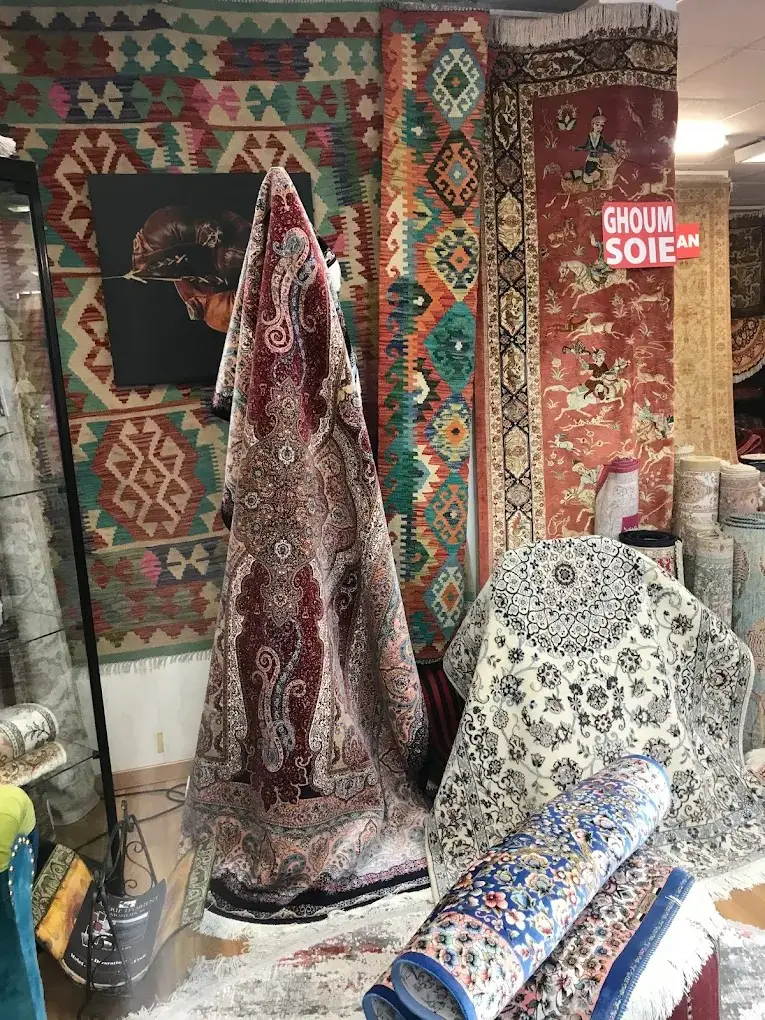
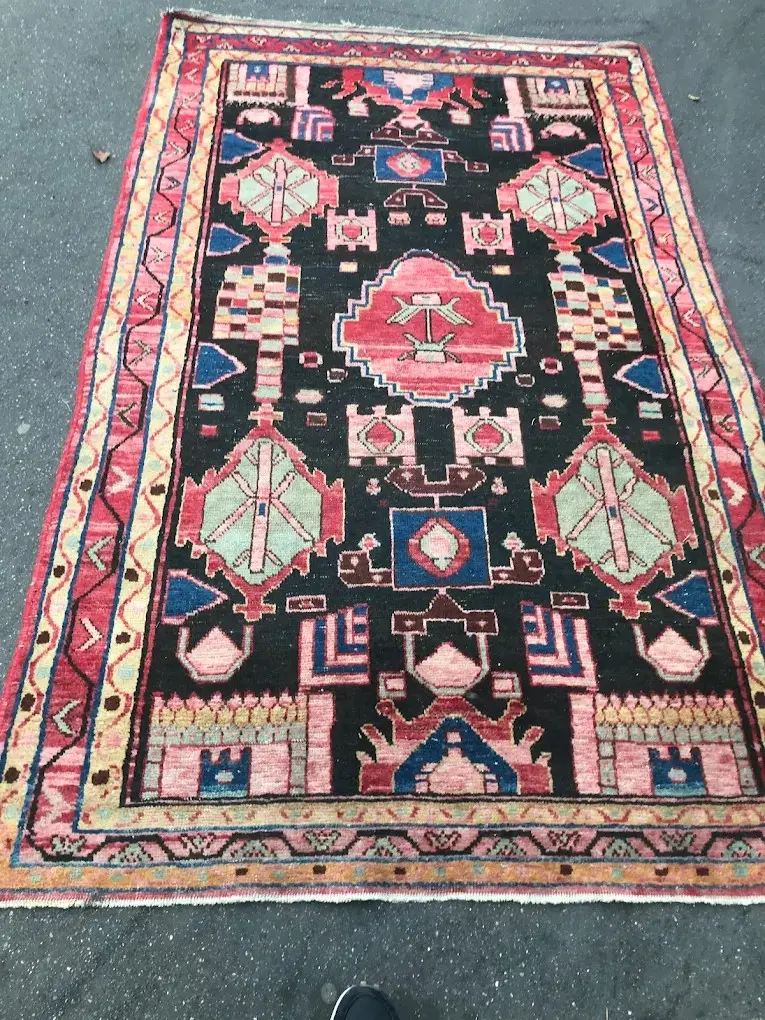
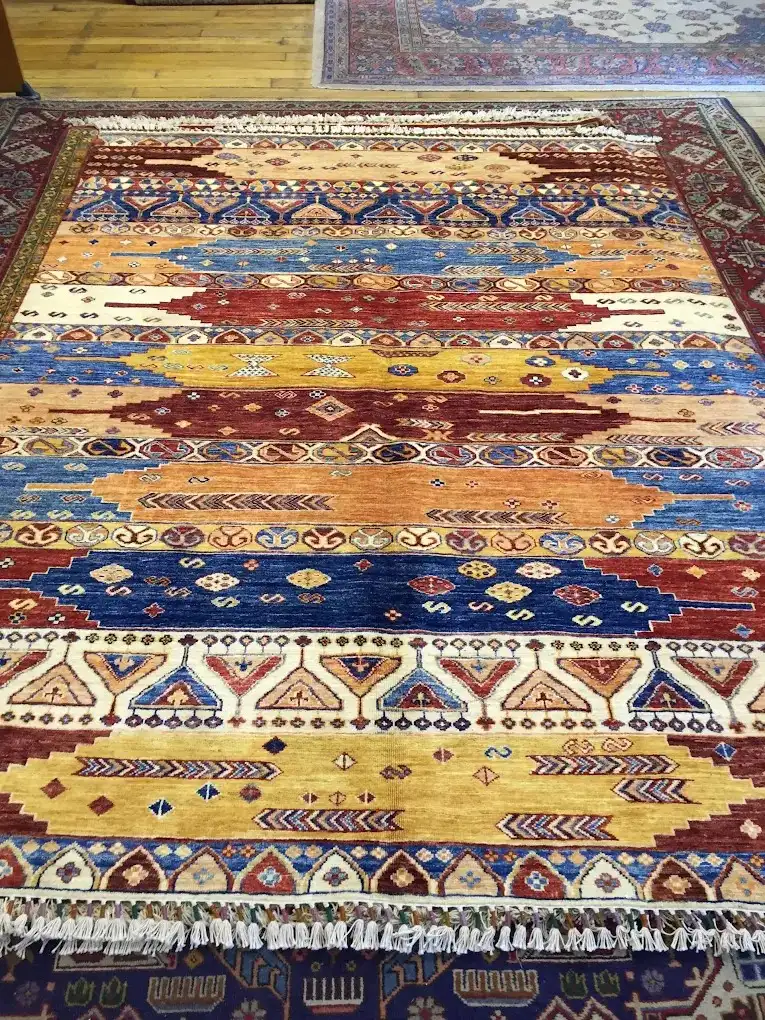
A friendly, inviting spot for anyone seeking a beautiful Persian rug. Their collection ranges from classic, hand-knotted designs to more modern styles, giving you plenty of options whether you’re decorating a cozy apartment or a larger home. The staff is welcoming and happy to help you understand the craftsmanship, origins, and care of each rug. They offer a variety of price points, and repair services as well.
Atelier Persan
Business Description
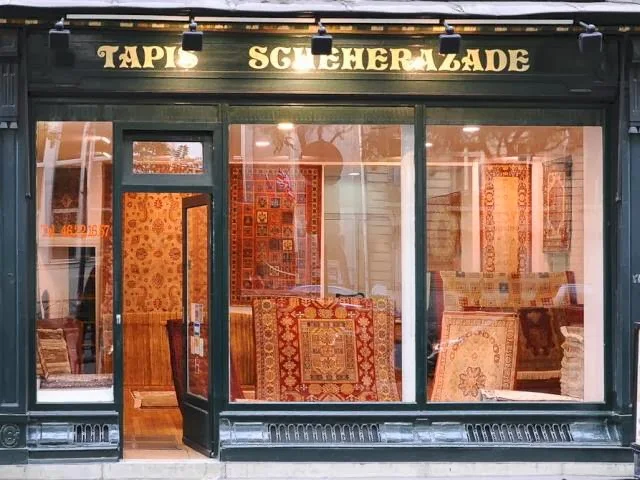
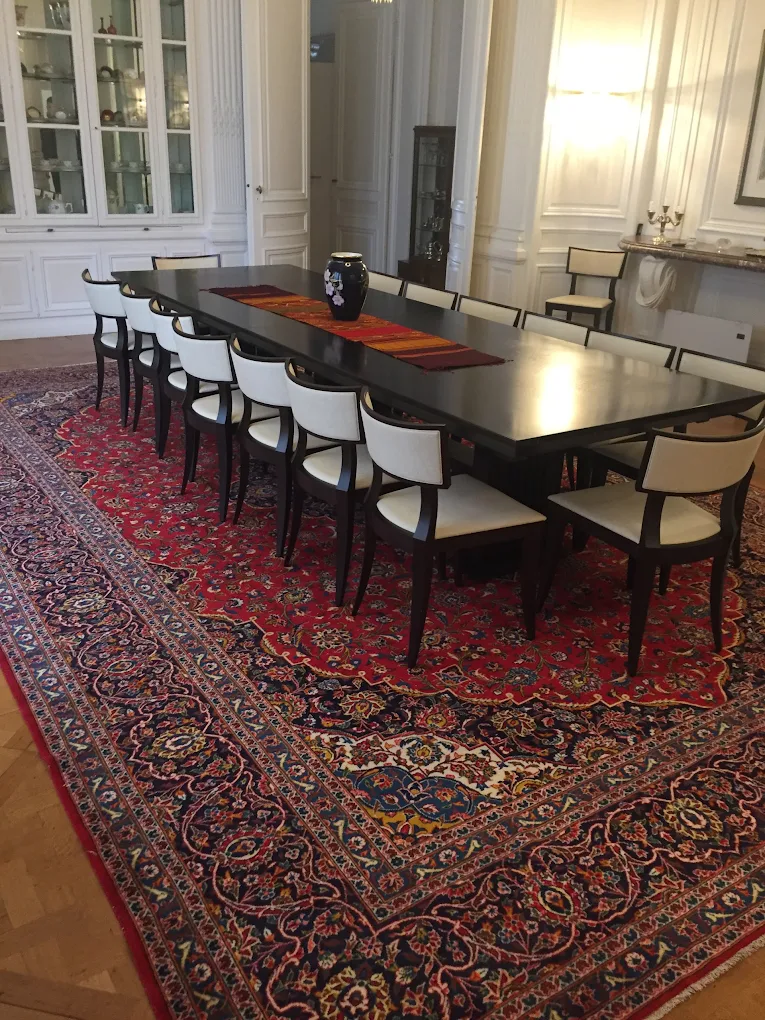
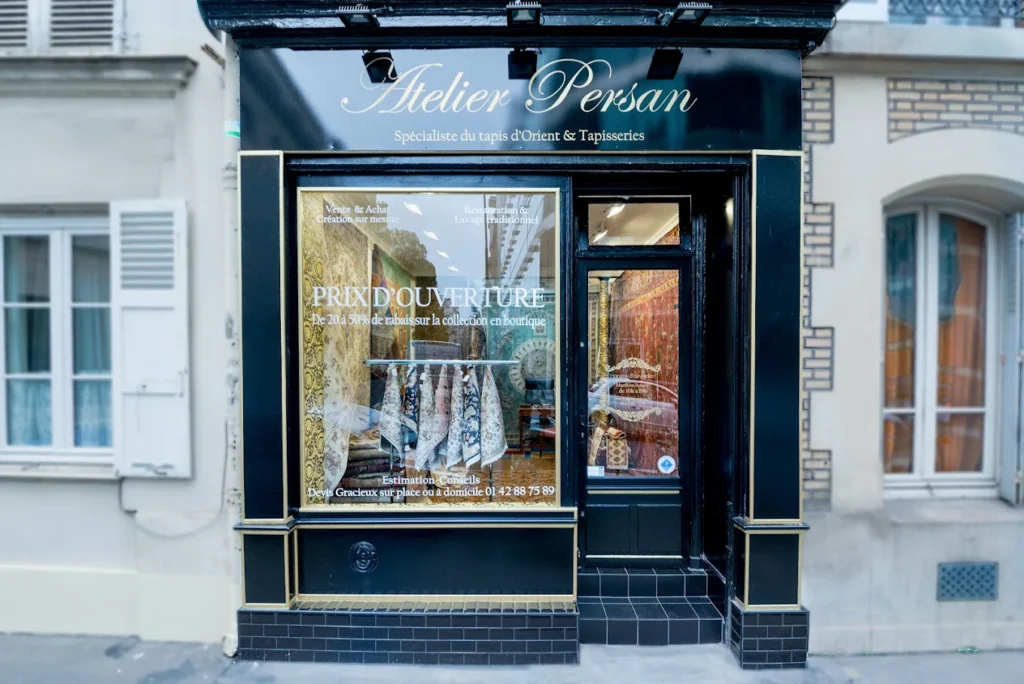
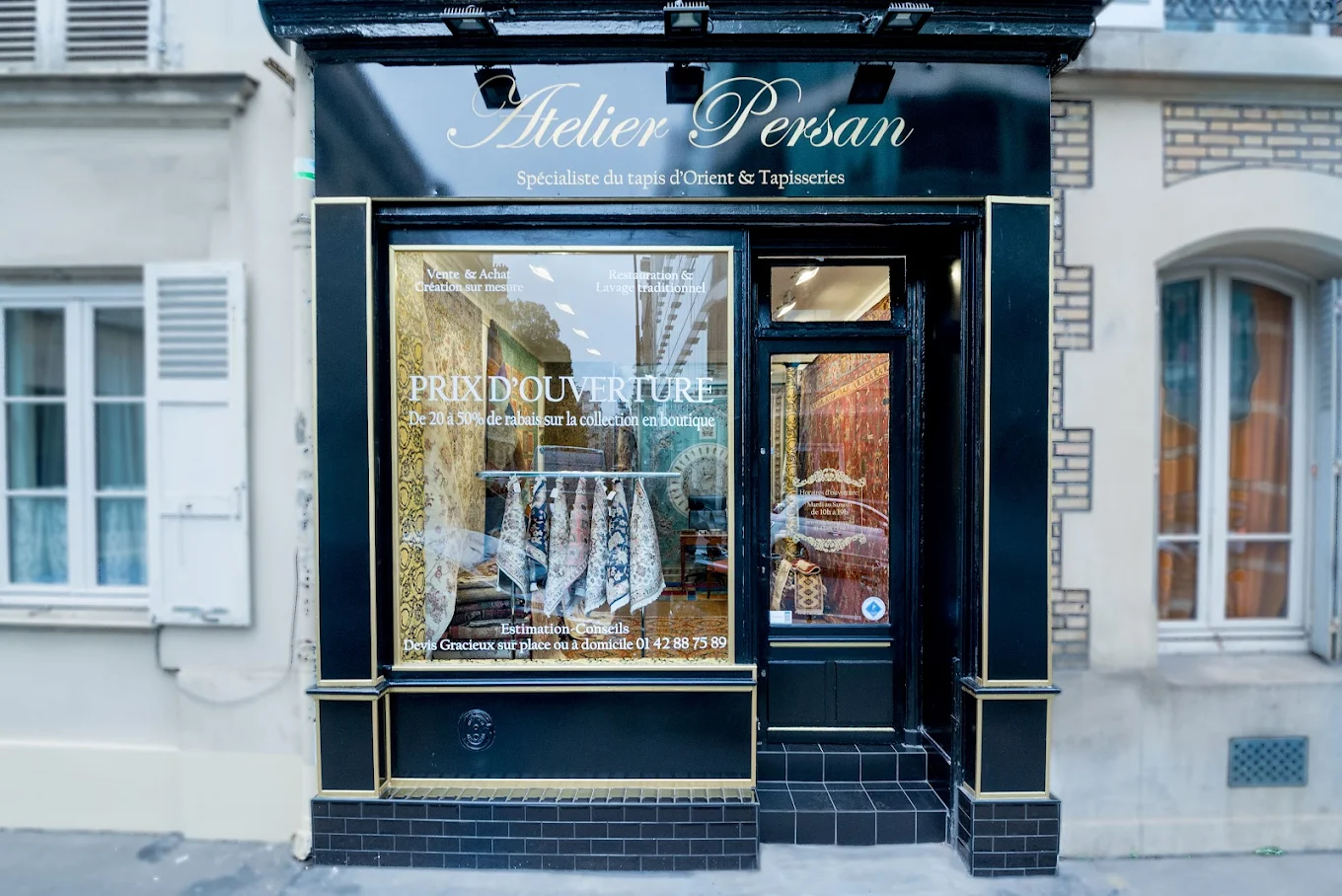
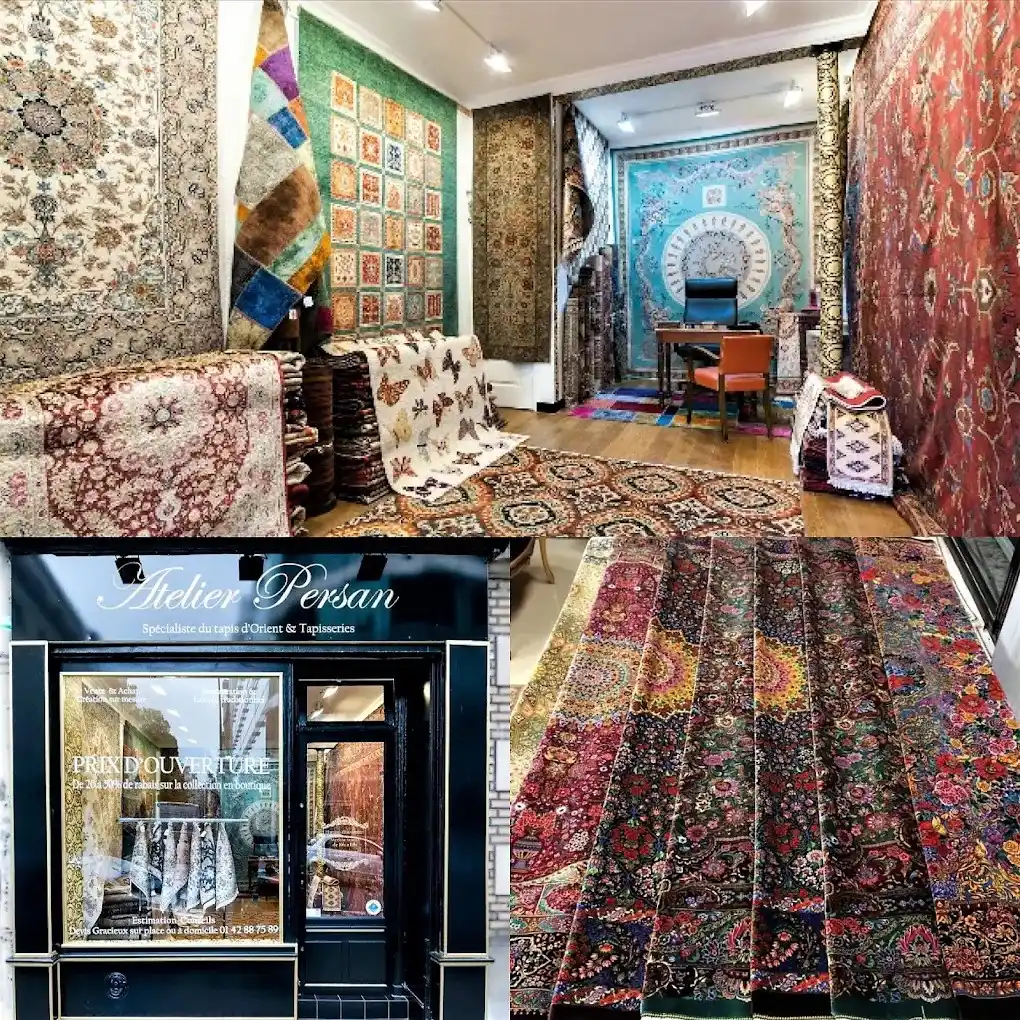
Run by a family with deep Iranian roots and generations of expertise, the atelier offers everything from rare hand-knotted pieces to more contemporary designs. Their team is genuinely helpful and happy to share the story, craftsmanship, and care behind each rug, making the experience both personal and enjoyable. In addition to sales, they provide expert cleaning and restoration services, ensuring your Persian rug stays vibrant for years to come.
Where to buy Persian rugs in Paris?
Finding an authentic Persian rug in Paris requires navigating a sophisticated network of specialized galleries and historic districts that have long served as the European gateway for Iranian artistry. The local market is primarily anchored in the 7th, 8th, and 15th arrondissements, where established dealers offer a curated selection of both tribal and nomadic weaves. To simplify this search, platforms like Nazdikia provide a comprehensive directory of Iranian-owned rug businesses, allowing collectors to locate reputable showrooms that maintain direct ties to weaving centers in Iran. These physical locations are essential for verifying the tactile quality of a carpet, as the Parisian market is defined by its high standards for material authenticity and historical provenance.
The distribution of these stores follows a strategic pattern within the city’s luxury and antique sectors:
- The Rive Gauche Hub: Centered around Saint-Germain-des-Prés, focusing on high-end artistic pieces.
- The Golden Triangle: Exclusive galleries near Avenue Montaigne featuring investment-grade silk carpets.
- The Village Suisse: A cluster of antique experts in the 15th arrondissement offering a range of vintage options.
- Marché aux Puces de Saint-Ouen: The primary destination for those seeking rare finds and historical textiles outside the city center.
Understanding these geographic clusters is the first step toward identifying the scale and specialization of individual showrooms.
Where is the largest Persian rug showroom in Paris?
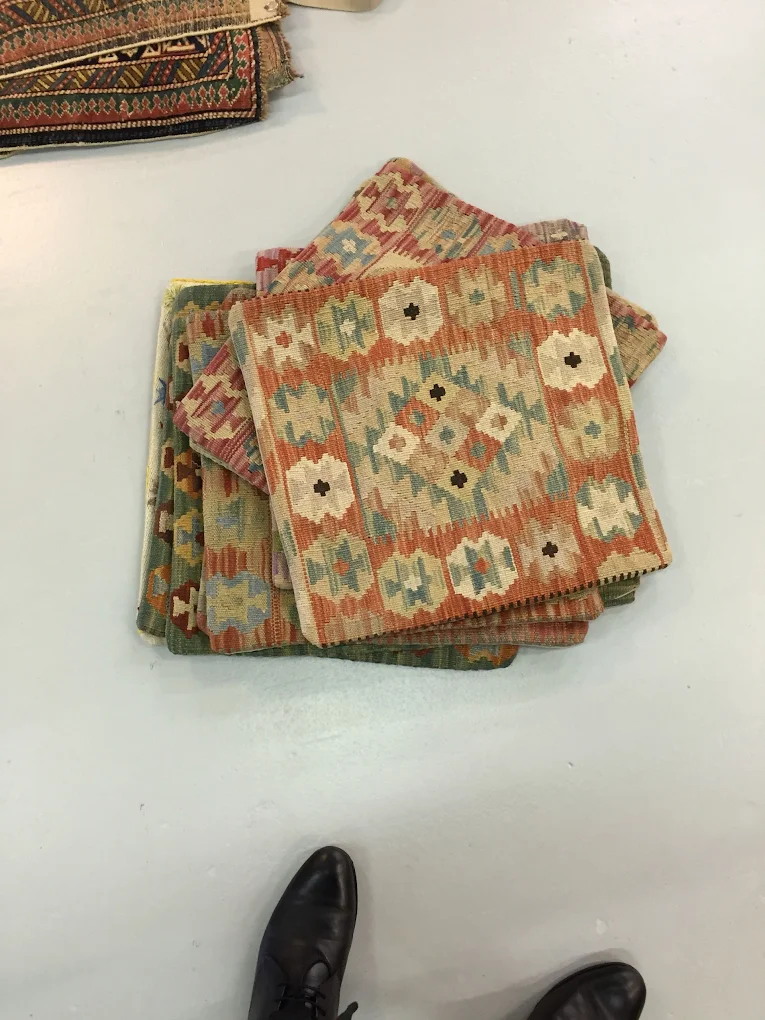
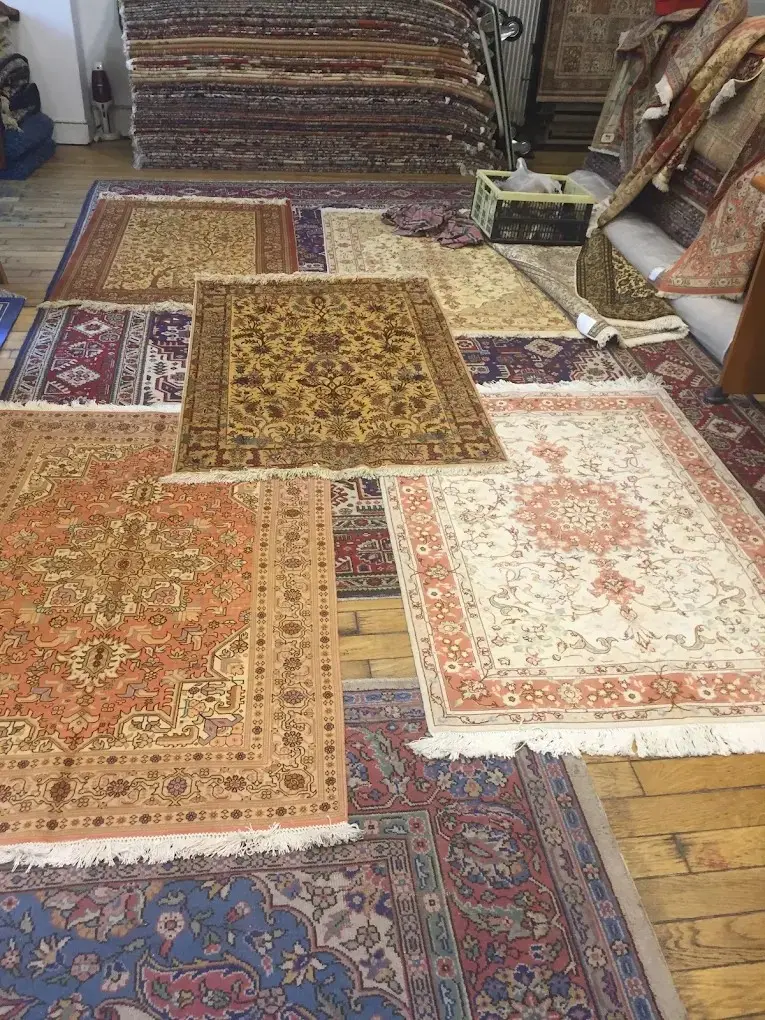
The largest Persian rug showrooms in Paris are typically situated in the 15th arrondissement or near the outskirts of the city, where expansive floor space allows for the display of oversized palace carpets. These massive galleries function as cultural archives, often housing thousands of pieces ranging from small cushions to 12×15 foot masterpieces. Unlike smaller boutique shops, these large-scale environments provide the necessary perspective to view grand patterns in their entirety, which is a critical requirement for designers furnishing expansive Parisian apartments. The sheer volume of inventory in these showrooms ensures that every major Iranian weaving province is represented under one roof. Accessing such vast collections allows buyers to see how different lighting conditions affect the sheen of the wool, leading naturally to a discussion on where specific sales and deals can be found.
Where to find Persian rugs for sale in Paris?
Opportunities to find Persian rugs for sale in Paris extend from prestigious Rue du Faubourg Saint-Honoré galleries to specialized auction houses and seasonal design fairs. While high-street showrooms offer a permanent inventory of premium collections, savvy buyers often look toward boutique workshops that provide a more intimate purchasing experience. These smaller venues frequently hold private sales or offer specialized “niche” collections that are not found in mass-market retail spaces. Strategic distribution ensures that whether you are in the heart of the city or exploring the antique corridors, a professional dealer is within reach. Navigating these various sales points effectively requires a deeper understanding of which merchants focus on specific regional artistic styles.
Which stores specialize in specific regional weaves like Tabriz or Isfahan?
Specialization is a hallmark of the Parisian rug market, with certain galleries dedicating their entire inventory to specific regional masterworks such as the intricate floral patterns of Isfahan or the robust, symmetrical knots of Tabriz. These specialists act as curators, often sourcing directly from renowned workshops (karkhaneh) to ensure the stylistic purity of their collection. A store specializing in Tabriz might emphasize the “Mahi” or “Gumbad” patterns, while an Isfahan expert will focus on high-KPSI silk-on-silk compositions. This regional focus allows consumers to choose rugs that align with specific artistic traditions, though verifying the underlying authenticity of these claims remains the most vital part of the process.
Where can I buy authentic Persian rugs in Paris?
Purchasing authentic Persian rugs in Paris necessitates visiting dealers who provide documented provenance and certificates of origin for every piece. Authenticity in the Iranian carpet trade is defined by the traditional methods of hand-knotting and the use of natural, vegetable dyes, which reputable Parisian merchants strictly uphold. To find verified sellers, many residents consult the Nazdikia directory, which lists Iranian-owned businesses with deep-rooted expertise in the craft. These experts can distinguish between a genuine Persian weave and regional imitations, ensuring that your investment is protected by both heritage and quality. This commitment to authenticity is most clearly demonstrated when examining the labor-intensive world of handmade textiles.
Where to buy handmade Persian rugs in Paris?
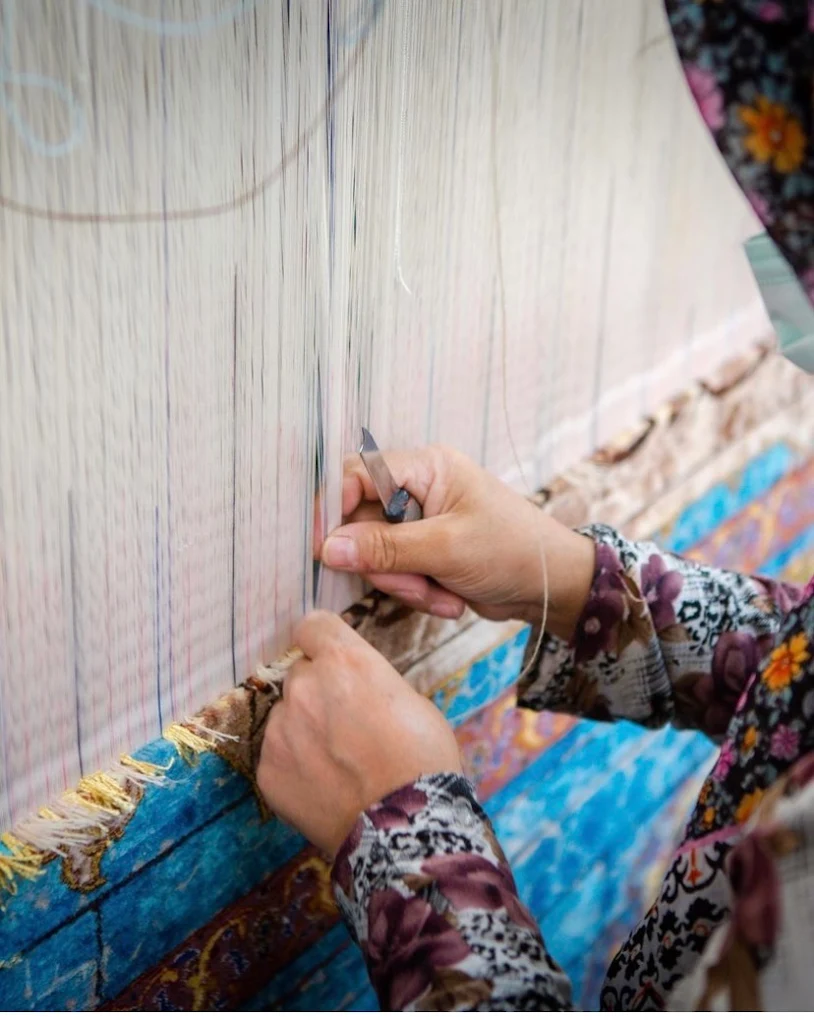
Handmade Persian rugs in Paris represent the pinnacle of textile engineering, characterized by individual knots tied by hand on a vertical or horizontal loom. Unlike mass-produced alternatives, a genuine handmade Persian rug in Paris is an original work of art where no two pieces are identical, even if they share a similar pattern. The Parisian market prioritizes these artisanal creations because they retain their value and structural integrity for decades, often becoming family heirlooms. When evaluating handmade quality in local showrooms, experts look for specific technical markers that confirm the human element of the construction.
The following attributes define the premium handmade inventory found in Paris:
- Asymmetrical Knotting: Evidence of the “Senneh” or “Ghiordes” knot visible on the underside.
- Natural Dye Variance: Subtle shifts in color, known as “Abrash,” resulting from different batches of hand-dyed wool.
- Material Integrity: The use of high-mountain wool, organic silk, or goat hair.
- Fringe Integration: Fringes that are a structural continuation of the rug’s warp threads rather than being sewn on.
These technical details are the primary way to categorize the vast typology of carpets available to French consumers.
What types of Persian rugs are sold in Paris?
The Parisian market offers a diverse typology of Persian rugs, categorized by their origin into City, Village, and Nomadic weaves. City rugs, such as those from Qum or Kashan, are known for their high knot density and sophisticated, curvilinear designs. In contrast, Village and Nomadic rugs—like the tribal Gabbeh or Bakhtiari styles—feature bolder, geometric patterns and a more rustic texture. Each type serves a different aesthetic and functional purpose, from formal reception rooms to cozy, informal living spaces. Identifying these types helps buyers narrow down their search, particularly when confirming the availability of true handmade options in local inventories.
Are there handmade Persian rugs for sale in Paris?
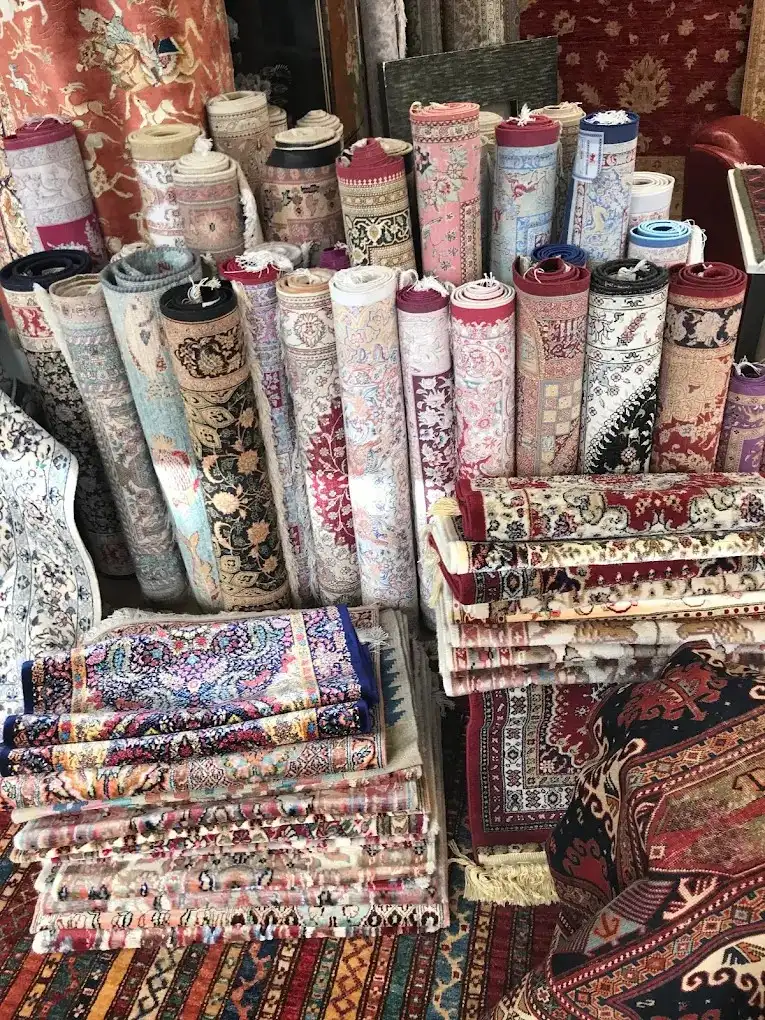
Handmade Persian rugs are widely available for sale in Paris through specialized importers and Iranian-run galleries that maintain a steady supply of new and vintage weaves. Because the city serves as a central hub for the European rug trade, the inventory of handmade pieces is remarkably high, encompassing everything from contemporary minimalist designs to traditional medallion patterns. Merchants typically refresh their collections through direct shipments from Iran, ensuring that the latest artisanal trends are accessible to Parisian decorators. This consistent availability highlights the stark contrast between these durable artworks and their machine-made counterparts.
What is the difference between handmade and machine Persian rugs in Paris?
The fundamental difference between handmade and machine Persian rugs in Paris lies in the “soul” and longevity of the textile. A handmade rug is constructed by knotting individual yarns around warp threads, creating a flexible and incredibly durable pile that can withstand a century of use. Machine-made rugs, however, use high-speed power looms that essentially “glue” or weave synthetic fibers into a backing, resulting in a stiff product with a significantly shorter lifespan. In Paris, where interior design often emphasizes longevity and heritage, the preference for handmade construction is a matter of both aesthetics and long-term economic value. This value assessment is a core component of selecting the “best” rug for a specific space.
What are the best Persian rugs in Paris?
The “best” Persian rugs in Paris are those that achieve a perfect balance between high knot density, material purity, and historical significance. In a city known for its discerning taste, the top-tier of the market is occupied by silk Qum carpets, fine Isfahans, and antique Tabriz pieces that have been preserved in excellent condition. Selecting a premium rug involves more than just visual appeal; it requires an analysis of the “KPSI” (knots per square inch) and the quality of the wool or silk used. High-quality Persian rugs in Paris are often viewed as functional investments, as their value tends to appreciate as they transition into the “antique” category.
To identify the best options, collectors utilize several key selection criteria:
- Knot Density: Higher KPSI typically indicates a more detailed pattern and greater labor intensity.
- Luster and Handle: The softness of the wool and the reflective quality of the silk fibers.
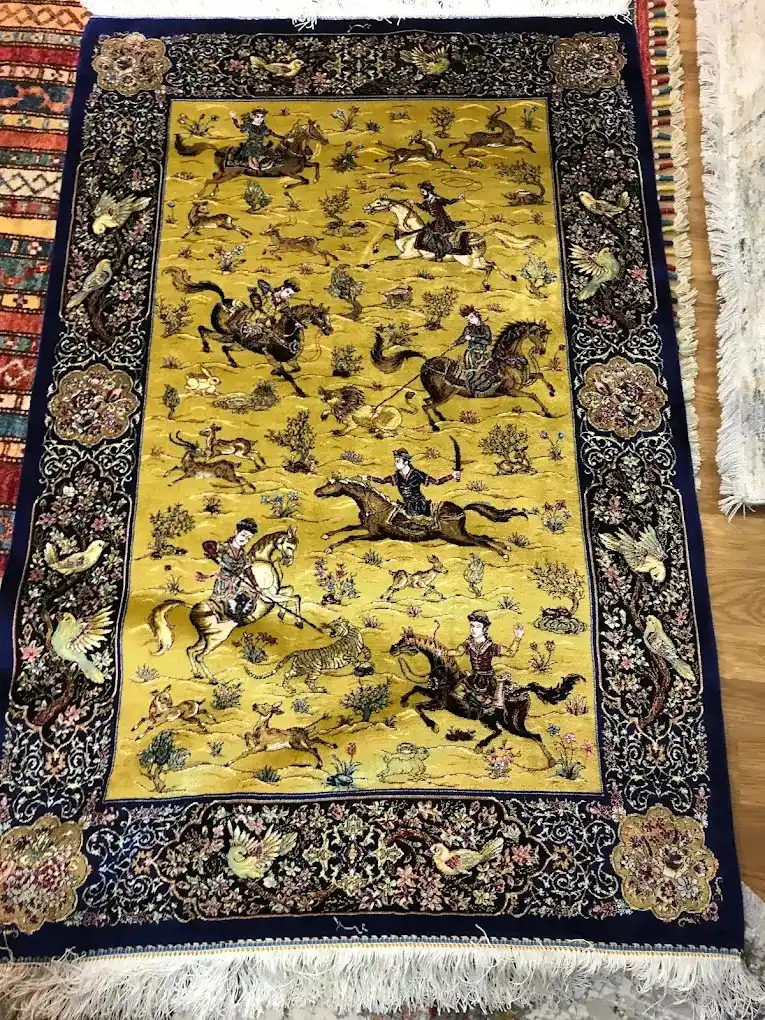
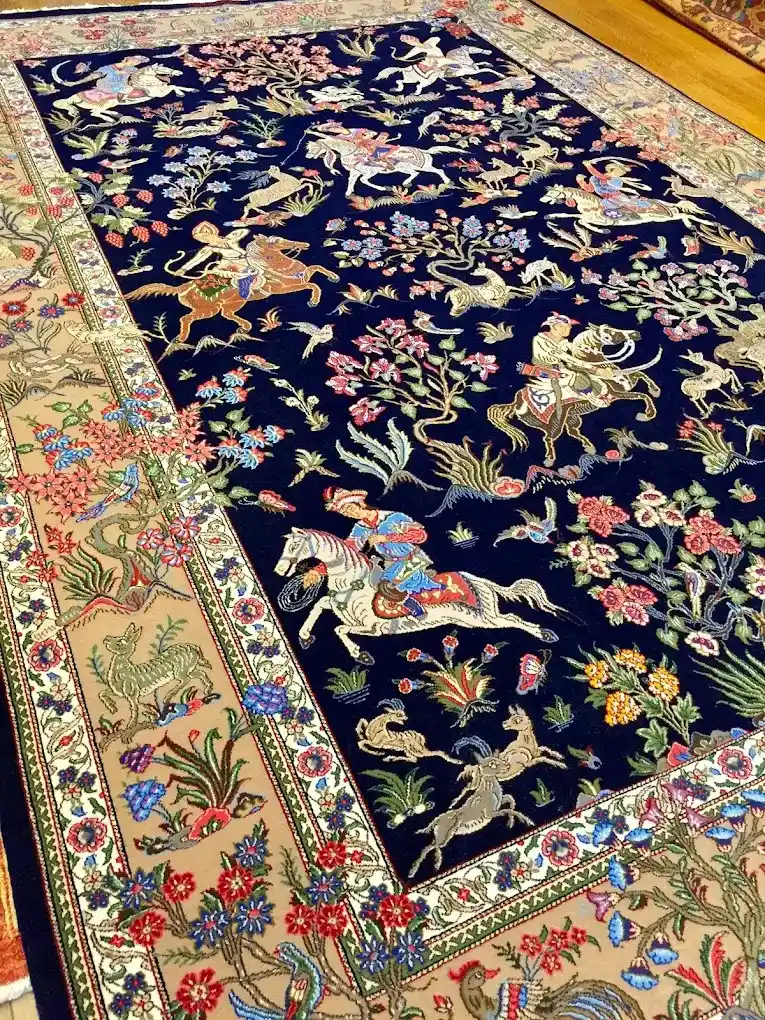
- Complexity of Design: The presence of intricate “Shah Abbasi” motifs or complex hunting scenes.
- Condition of the Selvedge: The side edges of the rug should be straight and securely bound.
Applying these criteria allows for a technical assessment of the materials, which is the first step in defining overall rug quality.
What defines high quality Persian rugs in Paris?
High quality Persian rugs in Paris are defined by the use of “Kurk” wool—the fine, soft wool from the neck of the sheep—and the application of natural dyes derived from plants and minerals. A high-quality piece will have a clear, crisp pattern on both the front and the back, indicating a tight and consistent knotting technique. Furthermore, the handle of the rug should be supple; a high-quality carpet can often be folded like a piece of fabric without damaging the foundation. These material standards are the benchmarks used by professionals to verify the origin of a carpet before it reaches the showroom floor.
How do I identify genuine Iranian carpets in the Paris market?
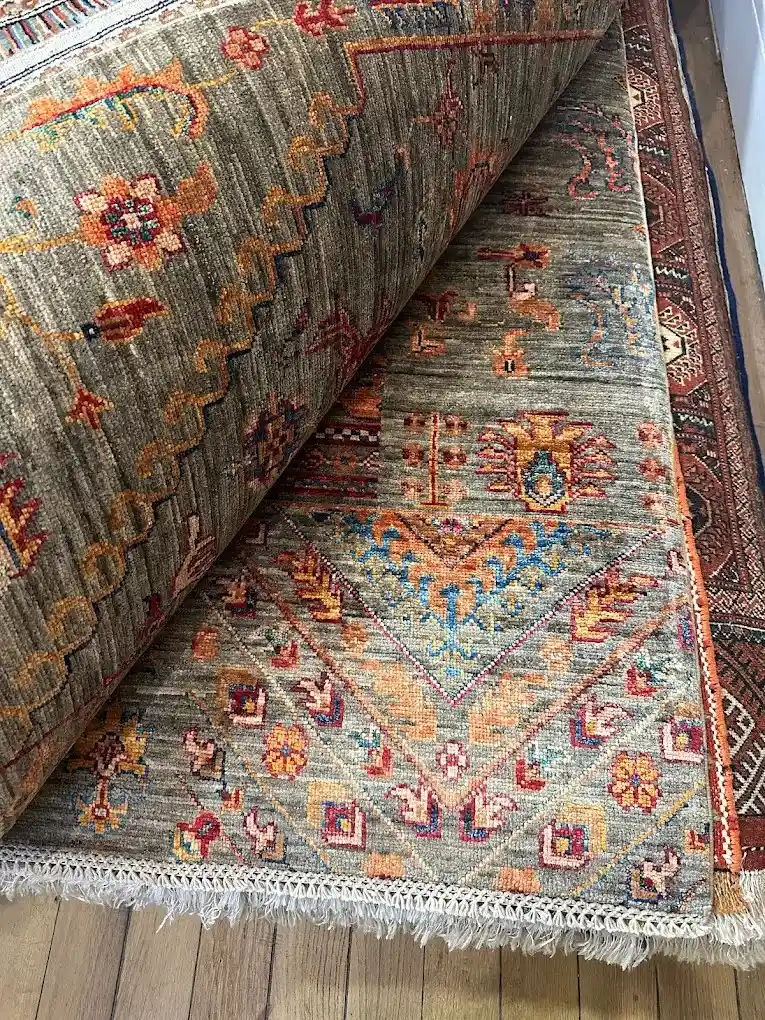
Identifying genuine Iranian carpets requires a physical inspection of the rug’s foundation and the irregularities of its weave. In a genuine piece, the pattern is mirrored perfectly on the back, and the knots are slightly irregular, proving they were tied by human hands rather than a calibrated machine. Additionally, genuine Persian rugs use a specific double-weft technique in many regions, which provides a distinct weight and “grip” to the floor. Most reputable dealers in Paris will encourage you to flip the rug over to see these “imperfections” that verify authenticity. This process of authentication is particularly critical when searching for investment-grade antique pieces.
Where to find antique Persian rugs in Paris?
Antique Persian rugs in Paris—those over 80 to 100 years old—are found in specialized “Antiquaire” shops in the 7th arrondissement and within the high-end sectors of the Marché aux Puces. These rugs are prized for their soft, muted colors achieved through decades of natural oxidation and their rare, archaic patterns that are no longer produced in modern workshops. Collectors seeking an antique Persian rug in Paris should look for signs of “even wear” and professional restoration, which preserves the textile’s historical value. Finding these rare treasures often leads to questions about whether specific, standardized sizes are available in such historic inventories.
Can I find 8×10 Persian rugs in Paris stores?
Yes, you can easily find a Persian rug 8×10 in Paris stores, as this is one of the most requested sizes for standard Parisian salons and dining rooms. While many traditional Persian rugs are woven in “Zaronim” (approx. 3×5 ft) or “Dosar” (approx. 4.5×7 ft) sizes, the 8×10 foot (approx. 2.5×3 meters) format is a staple in the inventory of most local galleries. Dealers recognize that this size is ideal for anchoring furniture in Haussmann-style apartments, making it a highly accessible option for those seeking immediate interior solutions. This practical consideration of size is closely linked to the visual impact of the rug’s color palette.
What colors of Persian rugs are available in Paris?
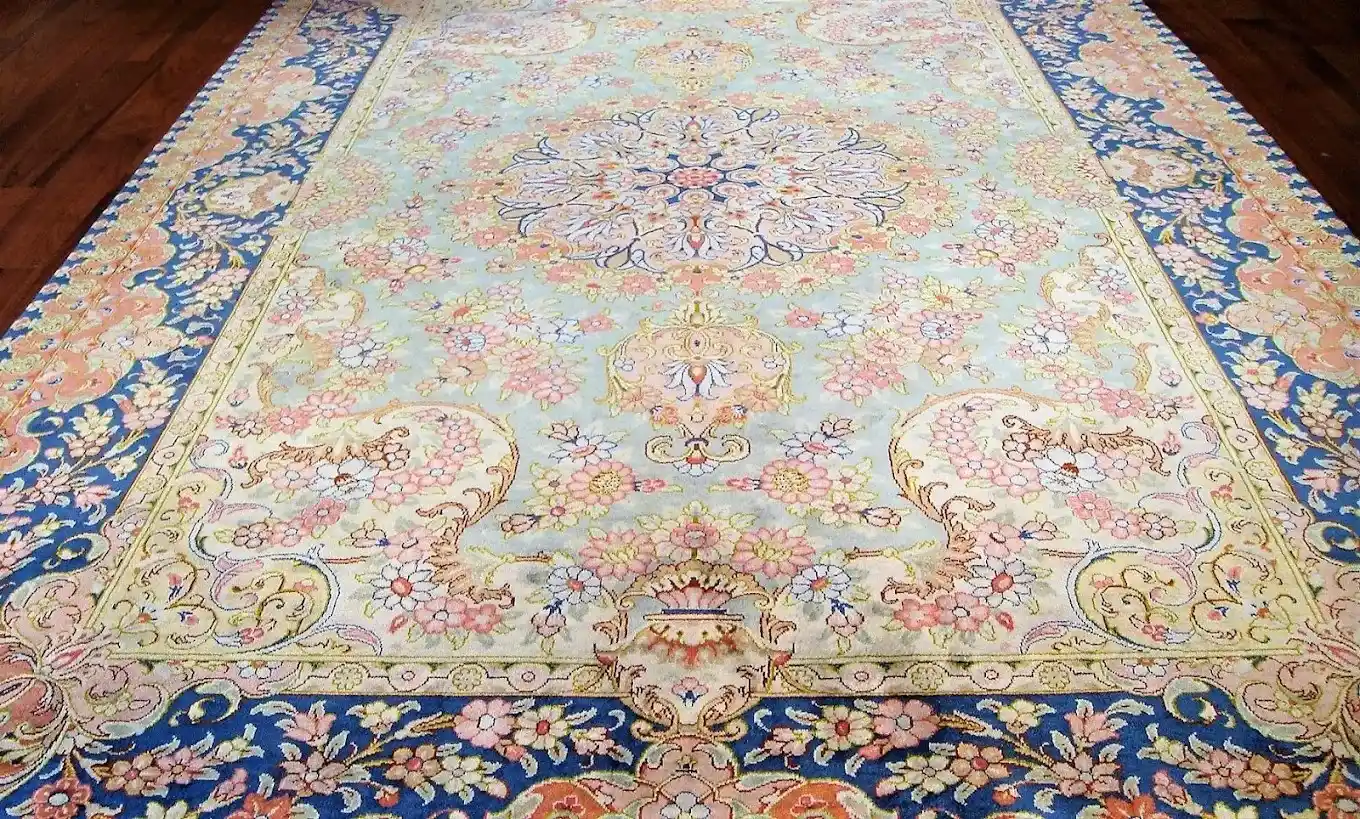
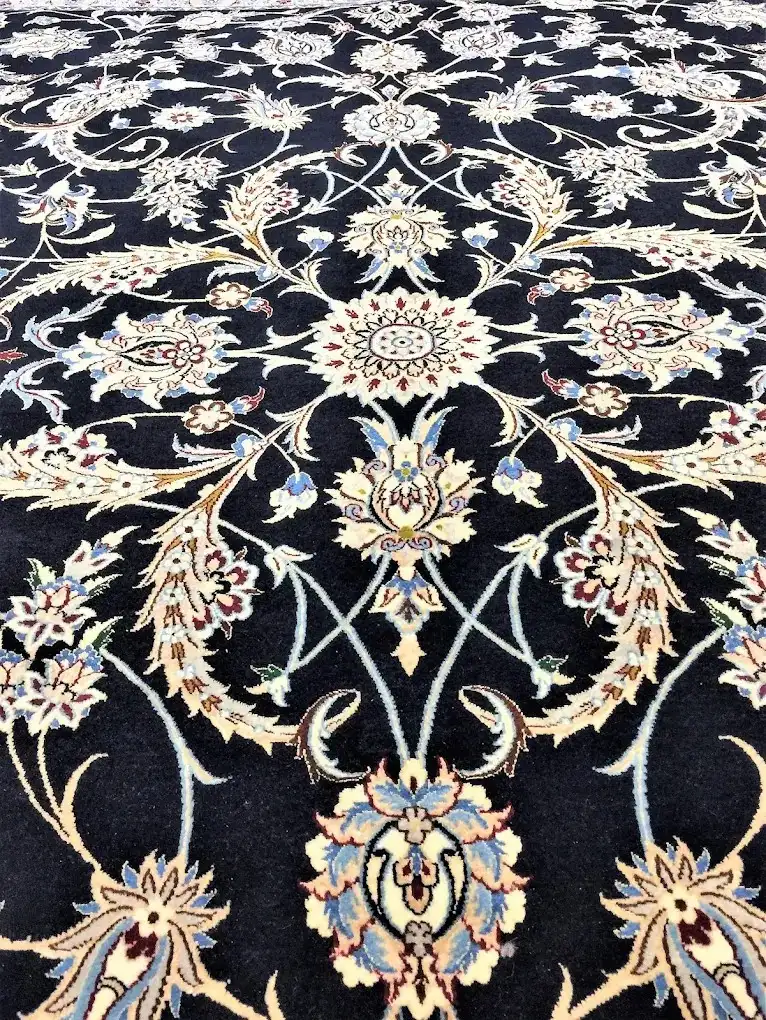
The palette of Persian rugs available in Paris reflects both the traditional “Imperial” colors of Iran and modern, muted tones designed for contemporary European interiors. While the classic red Persian rug in Paris remains a timeless favorite for its warmth and regality, there is an increasing demand for diverse shades like deep blues, earthy greens, and even soft pinks. These colors are traditionally achieved through natural sources: madder root for reds, indigo for blues, and pomegranate skins for yellows. The availability of these colors allows residents to select a rug that complements the specific architectural light and decor of their French home.
When integrating these colors into an interior, consider the following checklist:
- Red and Crimson: Best for formal dining rooms and traditional study areas.
- Blue and Navy: Ideal for creating a calm atmosphere in bedrooms or bright salons.
- Green and Celadon: Pairs exceptionally well with wooden furniture and indoor plants.
- Neutral and Cream: Perfect for modern, minimalist spaces that require a touch of texture.
Choosing the right color is the primary factor in determining the rug’s suitability for specific rooms, such as the bedroom.
Which Persian rugs are suitable for bedrooms in Paris?
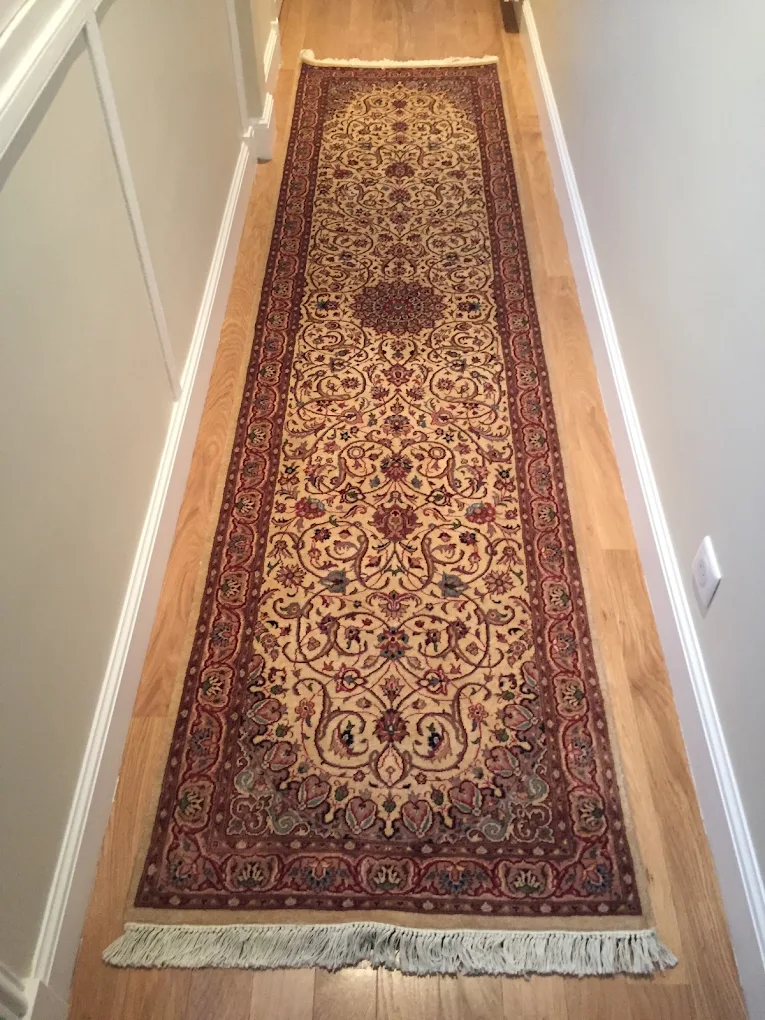
For bedrooms in Paris, rugs with a high wool content and soft, soothing color palettes are the most suitable. A blue Persian rug or a pink Persian rug can provide a tranquil aesthetic that promotes relaxation while offering a warm, plush surface for the feet. Many decorators also opt for “Gabbeh” styles for bedrooms due to their thicker pile and simpler, more modern designs. The choice of a bedroom rug often depends on how well the piece harmonizes with the existing moldings and floorboards typical of local architecture.
What interior design styles in Paris homes pair best with Persian carpets?
Persian carpets are remarkably versatile, pairing seamlessly with both classic Haussmannian architecture and the “Industrial Loft” styles found in the 10th or 11th arrondissements. In a traditional setting, a complex medallion rug enhances the grandeur of marble fireplaces and ornate ceilings. Conversely, in a modern Paris home, a monochrome or “distressed” vintage rug provides a necessary organic contrast to sharp lines and glass surfaces. This adaptability is why Persian rugs remain a staple of Parisian interior design across all generations. This stylistic flexibility even extends to unconventional rug shapes used in specific architectural areas.
What is the availability of round Persian rugs for Paris dining rooms?
While less common than rectangular formats, a round Persian rug in Paris is an excellent choice for circular dining tables or entry foyers with curved staircases. These rugs are more difficult to weave and require specialized looms, making them a unique find in local showrooms. Galleries that stock a round Persian rug often feature them as centerpiece items due to their geometric rarity. Finding these specialized shapes often brings up the question of cost, as labor and rarity significantly influence the final market price.
What are the current Persian rug prices in Paris?
Persian rug prices in Paris vary significantly based on the material (wool vs. silk), knot density, age, and the prestige of the weaving center. Generally, a nomadic wool rug will be the most accessible, while a fine silk Qum or a large Isfahan represents the high-end luxury tier. The cost is usually calculated by the complexity of the craftsmanship and the time required to complete the piece—fine silk rugs can take years to finish, justifying their premium price point. Understanding these market tiers is essential for anyone looking to make an informed purchase in the French capital.
Analytical Table: Market Tier & Investment Comparison
| Rug Category | Price Range (per SQM) | Knot Density (KPSI) | Primary Value Driver |
| City Silk (e.g., Qum) | €3,000 – €10,000+ | 600 – 1,200 | Material Purity & Artistry |
| City Wool (e.g., Kashan) | €800 – €2,500 | 300 – 500 | Durability & Traditional Pattern |
| Nomadic/Tribal (e.g., Gabbeh) | €300 – €900 | 50 – 150 | Primitive Charm & Bold Color |
| Antique/Investment | €5,000 – €50,000+ | Variable | Rarity & Historical Provenance |
These price points often lead buyers to compare Persian weaves with other types of oriental rugs found in local shops.
What is the difference between Persian and Oriental rugs in Paris?
In the Paris market, “Oriental rug” is a broad umbrella term that includes carpets from Turkey, India, China, and Pakistan, whereas “Persian rug” refers exclusively to those made within the borders of Iran. Persian rugs are widely considered the gold standard of the category due to their unique “Persian knot” technique and the historical depth of their regional designs. While other Oriental rugs may offer lower price points, they rarely match the detail, material quality, and resale value of a genuine Iranian carpet. This distinction in value is often most apparent when comparing nomadic styles to the more expensive city weaves.
How do Paris rug prices differ between nomadic and city-weave styles?
Paris rug prices are markedly higher for city weaves because of their extreme knot density and the use of refined materials like silk and fine Kurk wool. City rugs are produced in urban workshops following a pre-designed “map,” requiring precision and months of labor. Nomadic rugs, however, are woven from memory by tribal artisans using thicker wool and fewer knots, leading to a lower price per square meter. For many buyers, the choice between the two is a balance of budget and the desired level of formality for their home. Those seeking the most competitive rates may need to look beyond the primary luxury galleries.
Where to find affordable Persian rugs in Paris?
Affordable Persian rugs in Paris can be found by exploring the “clearance” sections of established galleries or by visiting the less central arrondissements where overhead costs are lower. Additionally, the Nazdikia directory can help identify family-owned shops that may offer better pricing than the high-profile showrooms in the 8th arrondissement. Seasonal sales and “destockage” events at rug warehouses on the outskirts of Paris are also excellent opportunities to find high-quality handmade pieces at a fraction of the typical gallery price.