
Finding real Noon Sangak in San Francisco can feel like a small victory, especially in a city where food options are endless but true Persian bread is surprisingly rare. Across the Bay Area, from the Mission District to the Richmond, many Iranians still wonder: Who actually makes Sangak? Which places sell it fresh? To answer these questions, Nazdikia created this guide.

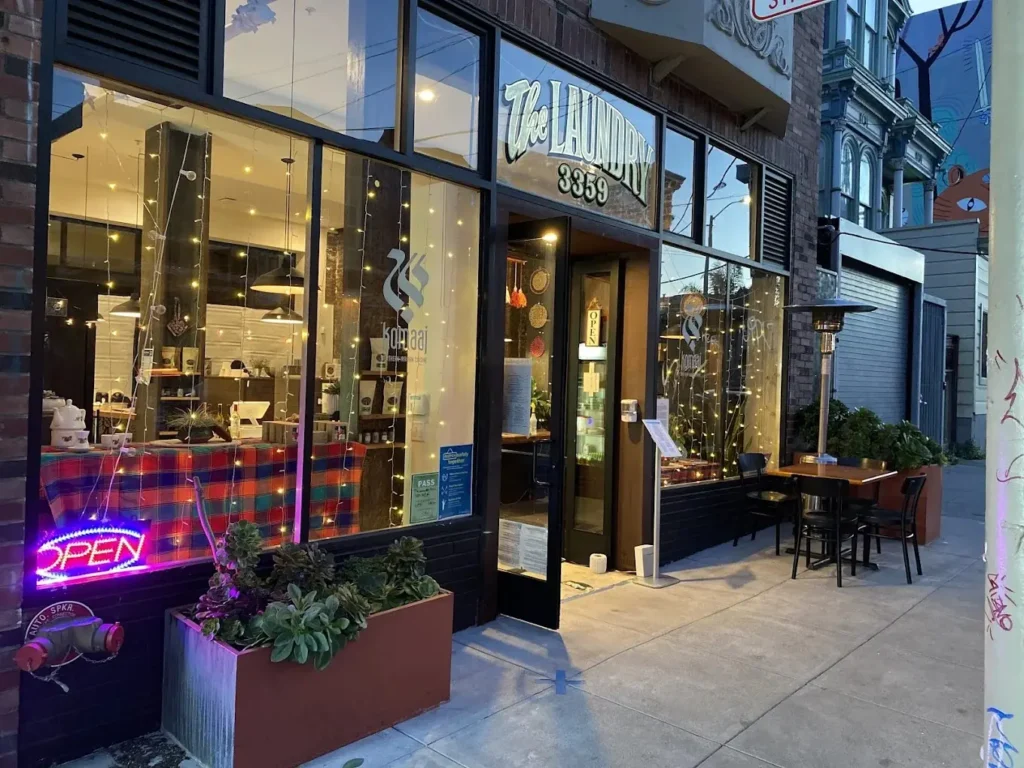
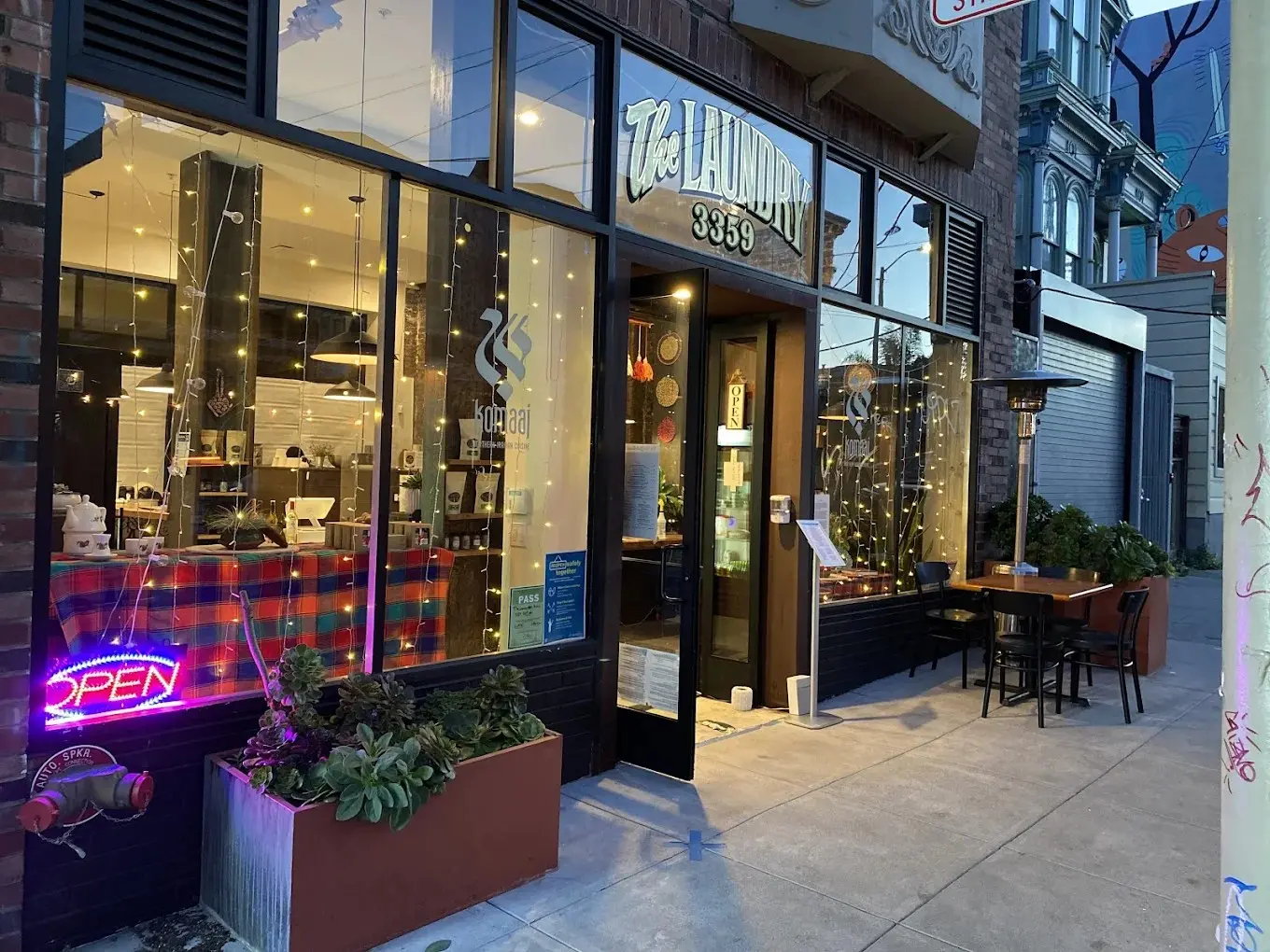
Komaaj Pila Bazaar
Business Description
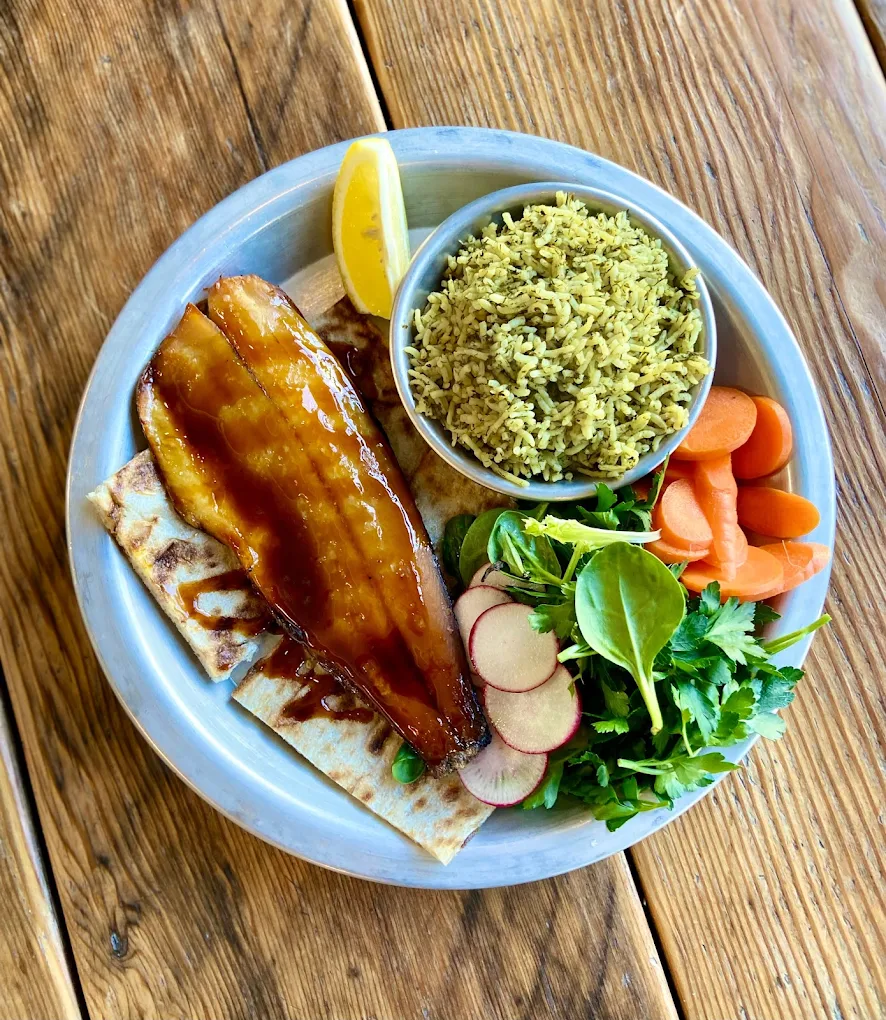
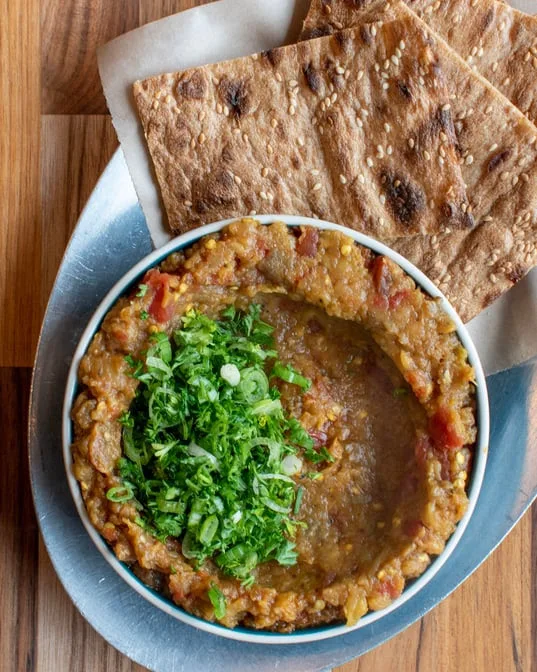
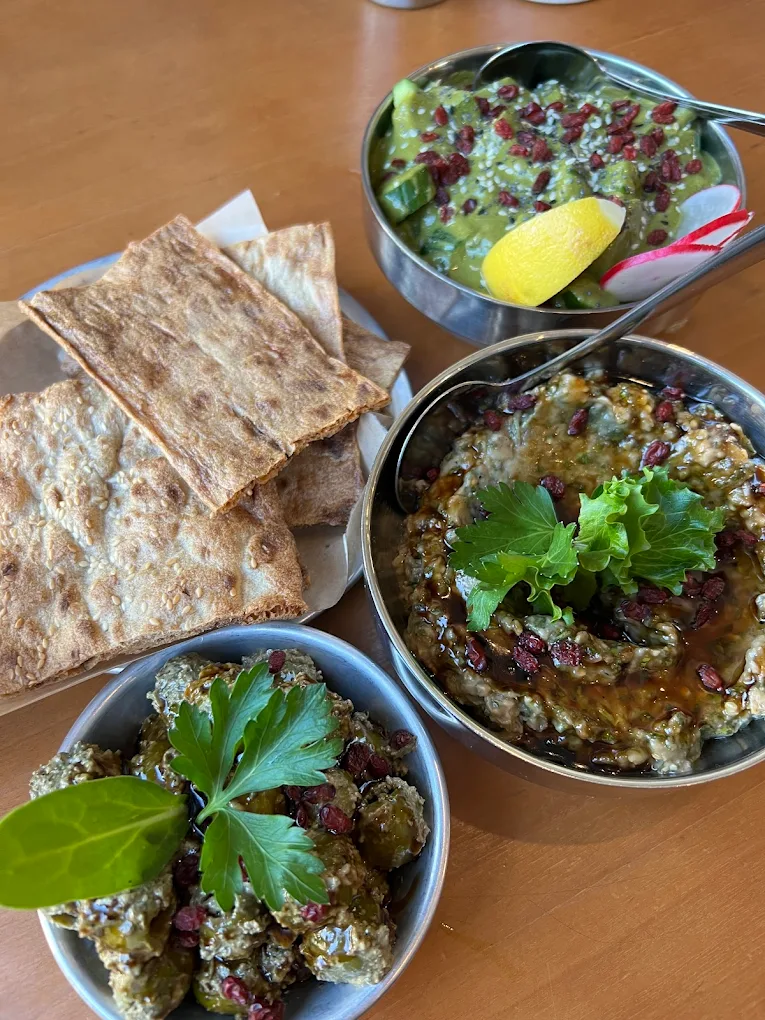
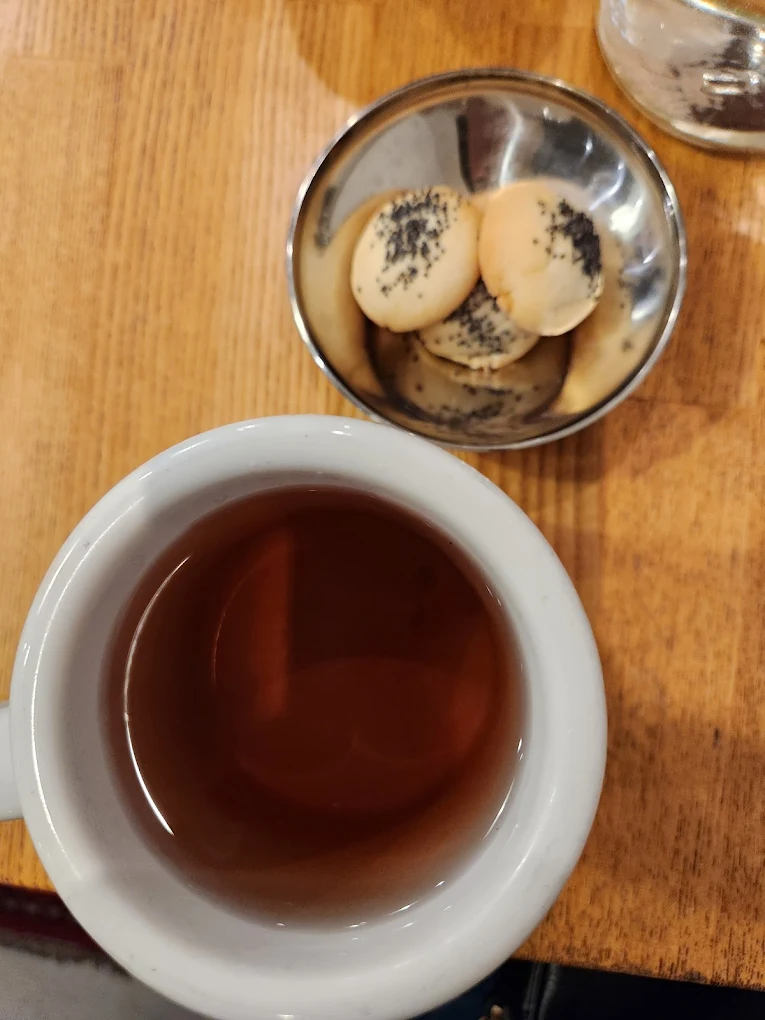
Komaaj Pila Bazaar is a vibrant and cozy spot in San Francisco’s Mission/Bernal Heights neighborhood that introduces the unique, vegetable-and-herb-rich flavors of Northern Iranian (Gilan and Mazandaran) cuisine. Though it is more of a restaurant, you can find Persian Sangak bread here. Most of their customers highlighted their neat, authentic Sangak, which makes any food more desirable.

Royal Market Food & Bakery
Business Description
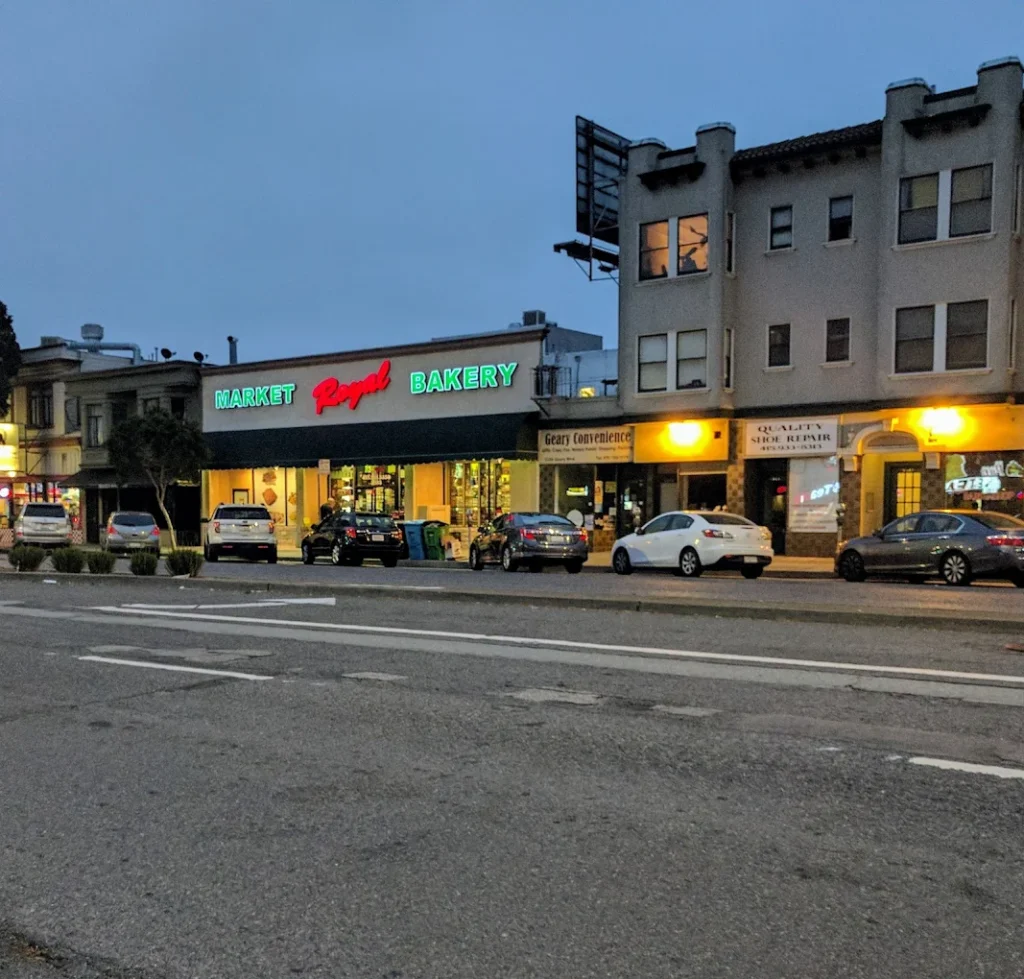
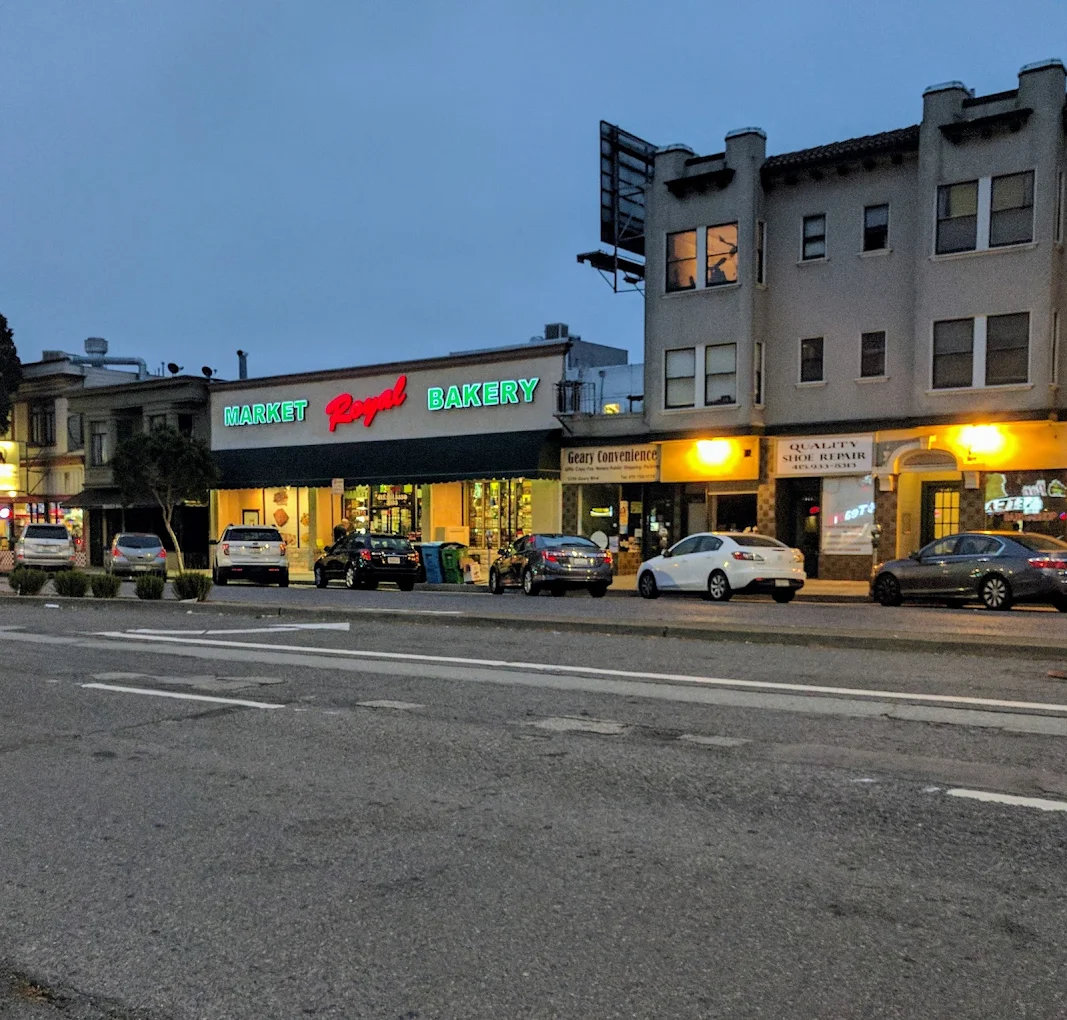
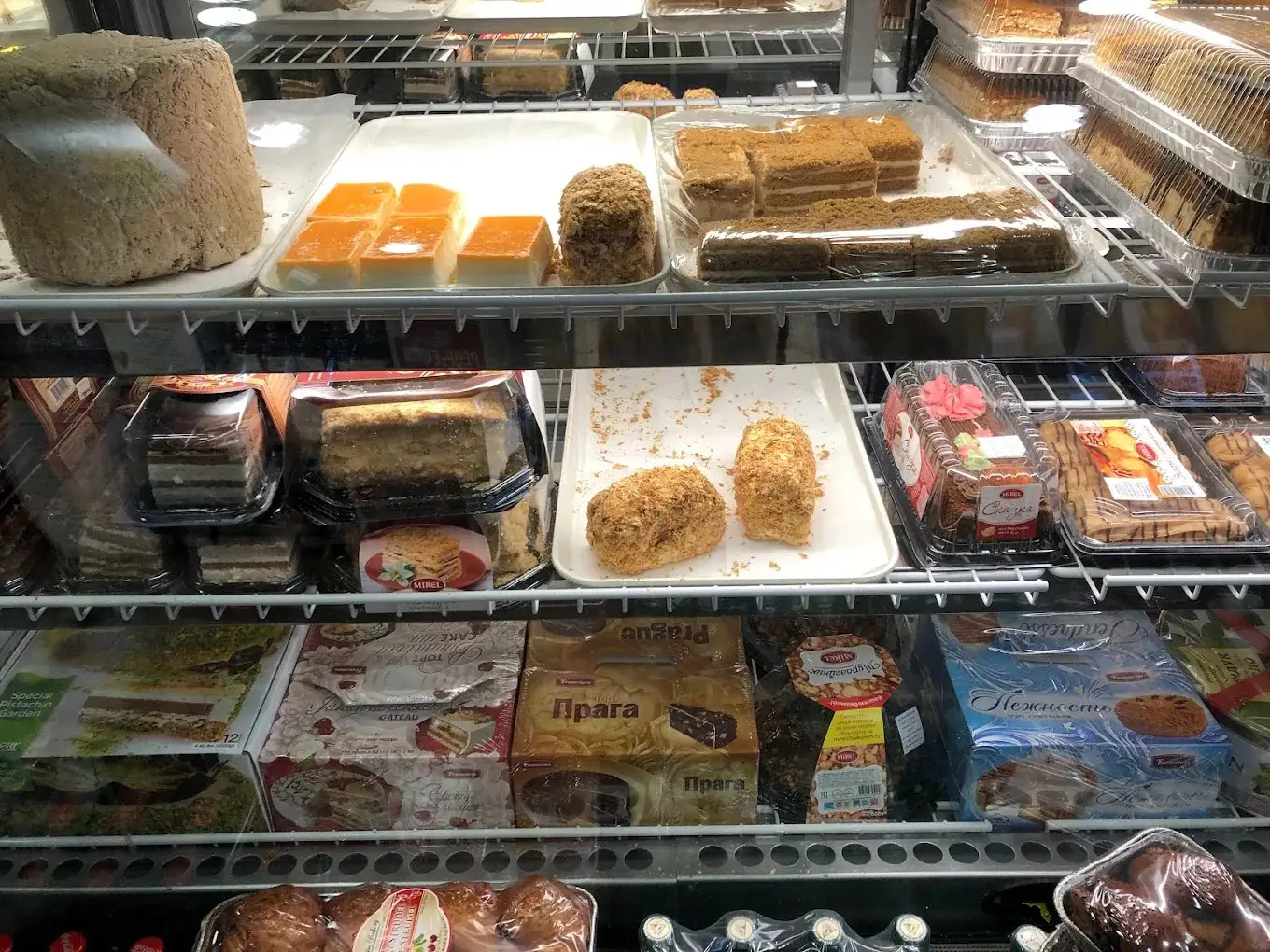
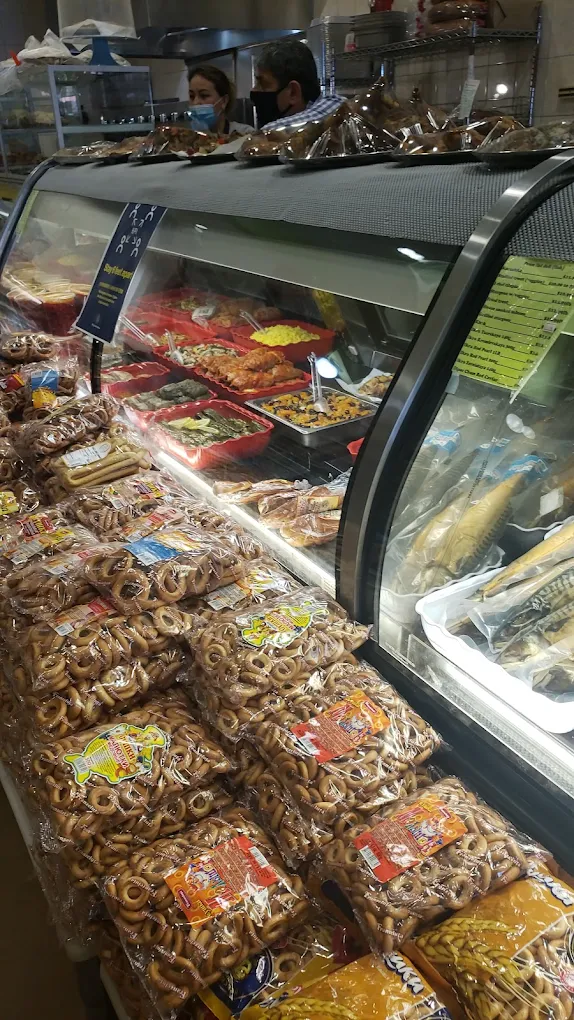
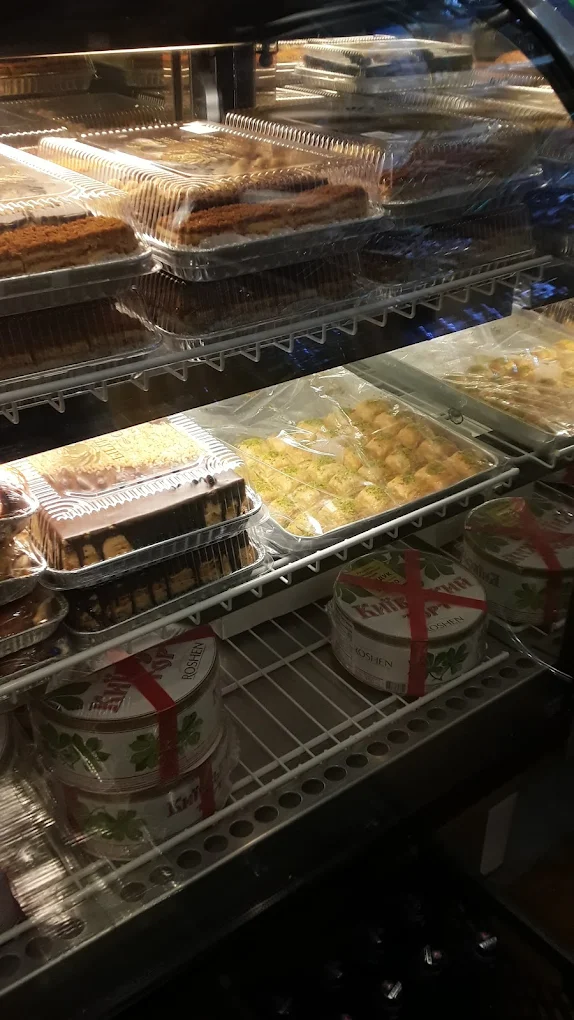
Royal Market Food & Bakery is a large, well-stocked European and Middle Eastern market in the Richmond District, offering a blend of Armenian, Russian, and Persian/Mediterranean cuisine. Products are also stated to be halal, which aligns with the needs of many Persian shoppers. You can find some Iranian Pastries like Shirini Zaban and other Persian cookies that can be preserved for a longer time.
Samiramis Imports
Business Description
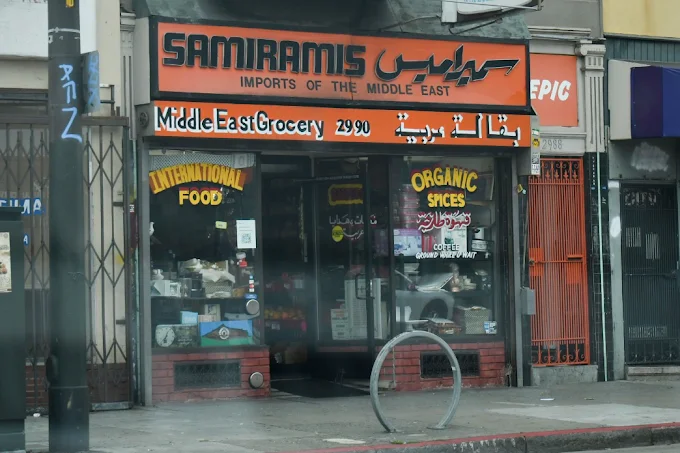
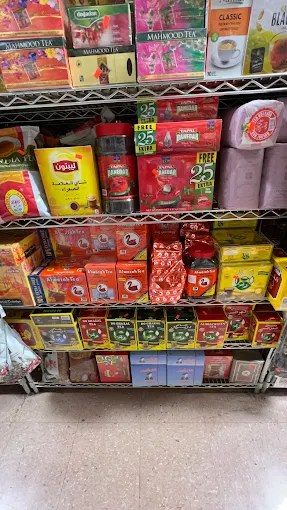
Samiramis Imports is the premier destination for all Middle Eastern and Mediterranean ingredients. So, it’s one of the best options for the Persian community to find essentials like zereshk, saffron, and, on occasion, fresh sangak bread. Samiramis Imports is renowned for its warm and knowledgeable staff. The atmosphere of the store is warm and friendly, and most of the time, they offer the best price in the city.

Nazdikia’s guide to finding Noon Sangak in San Francisco
If you’re searching for noon sangak in San Francisco, you’re not alone. Iranians throughout the Bay Area are looking for the same thing. The truth is that San Francisco has incredible food diversity, but sangak remains one of the rarest breads to find in the city itself. Knowing how important Sangak is to Persian cuisine, you can’t stop trying! And that’s why you found us 🙂
Why Sangak Is So Hard to Find in San Francisco
Persian cuisine is easily recognizable in restaurants and markets across the Bay Area, but fresh sangak requires a particular setup. Traditional sangak ovens use river stones instead of a flat metal surface, something that’s difficult (and costly) for small businesses to install. That’s why many Persian stores in San Francisco rely on deliveries instead of baking in-house.
For anyone who grew up in Iran, nothing replaces the ritual of waiting by the oven as the baker slides out a long, uneven, beautifully crisp piece of sangak. And understandably, Iranians in SF fear walking into a store only to find generic flatbread labeled as “Persian bread.”
What Makes Real Sangak So Special?
Sangak isn’t just bread, it’s an experience that carries centuries of Iranian history. Bread itself is a sacred part of Persian food culture. Sangak is one of the main Persian breads that all Persians have memories of. Authentic sangak has a look and feel you can recognize instantly:
- Baked on hot river stones
- Made from whole wheat flour
- Long, thin, and uneven in the most charming way
- Slightly crisp, slightly chewy
- Lightly nutty in flavor
- Often topped with sesame or nigella seeds
The river stones are the secret. They create tiny dimples on the surface, giving the bread its unique texture and aroma. This stone-baking method is why Iranians can instantly taste the difference between real sangak and any “flatbread-style” imitation.
How to Know If Sangak Is Fresh
When you pick up a piece of fresh sangak, it should feel warm, but not overly soft, flexible enough to fold, crisp on the edges, and fragrant with a nutty, wheat-forward aroma. If it’s too stiff or heavy, it may have been sitting out for several hours.
Can You Order Sangak for Delivery in San Francisco?
Yes, but with limited availability. Most Persian-friendly markets partner with DoorDash, Instacart, or Mercato. However, Fresh sangak doesn’t always appear on the app, but frozen sangak is easier to find. Some stores even allow you to call ahead to reserve fresh deliveries if they expect a batch that day.
South Bay bakeries occasionally list their sangak on delivery apps, but it’s less common — demand is high, and bread often sells out before the store can list it online.
How to Store Sangak bought in San Francisco?
Sangak is at its best when it’s fresh, warm, and soft. However, with the right storage method, you can keep it delicious for days or even weeks. Whether you brought home a large piece from the South Bay or stocked up for a family gathering, storing sangak properly helps preserve its texture and flavor. Here’s how to keep your bread tasting as close to fresh as possible.
Freezing Sangak
- Cut or tear the sangak into portions you’ll use later
- Layer parchment or wax paper between pieces so they don’t stick.
- Place in an airtight bag or container, squeezing out as much air as possible.
- Sangak will stay fresh in the freezer for up to 2 months.
When you’re ready to use it, remove only what you need — sangak thaws quickly and reheats beautifully when stored this way.
Reheating Sangak
- Preheat oven to 300°F (150°C).
- Lightly sprinkle the bread with a few drops of water.
- Wrap it loosely in foil.
- Warm for 3–5 minutes until soft and fragrant.
Pan heating
- Heat a clean pan on low.
- Lay the sangak flat for 10–15 seconds on each side.
- Add a touch of water to the pan if you want extra softness.
Avoid microwaving (can turn the bread gummy or tough) or reheating with high oven heat (dries the bread quickly). With these methods, even frozen sangak comes back warm, flexible, and perfect for feta, herbs, or any Persian meal.
What to Eat With Noon Sangak in San Francisco
Sangak is a versatile staple and works beautifully with both simple and elaborate meals. You can try it with:
- feta cheese, walnuts, and fresh herbs
- kebab (especially koobideh or joojeh)
- Persian breakfast spreads like butter and jam
- sabzi khordan
- Doogh for a classic pairing
These flavors create an unmistakable Persian table; one that’s both comforting and deeply nostalgic.
How Much Does Sangak Cost in San Francisco?
Sangak prices in the San Francisco Bay Area can vary significantly, especially since many stores rely on deliveries rather than baking the bread on-site. In general, you’ll find sangak priced between $4.99 and $10.99 per loaf, depending on freshness, size, and where you buy it. Just note that several factors influence the price:
- Freshness: Warm, same-day sangak often costs more than pre-packaged versions.
- Type: Plain, sesame, or multi-seed all differ slightly in price.
- Size/Weight: Full-length loaves are more expensive; half-loaves or smaller packaged versions are less expensive.
- Vendor: Prices vary between Persian markets, general international stores, and online retailers.
Because availability changes quickly — especially on weekends — the best approach is to call ahead or check a store’s website before visiting. This ensures you know the price, the freshness, and whether the sangak you want is in stock that day.