
Persian cuisine is the kind of cuisine where a small ingredient can change an entire meal. A few delicate crimson threads of Saffron can turn a simple pot of rice into something fragrant and memorable, or give tea and desserts a warm, golden glow that feels unmistakably Persian. If you are looking for Persian saffron in San Francisco, this Nazdikia guide will make it simple.

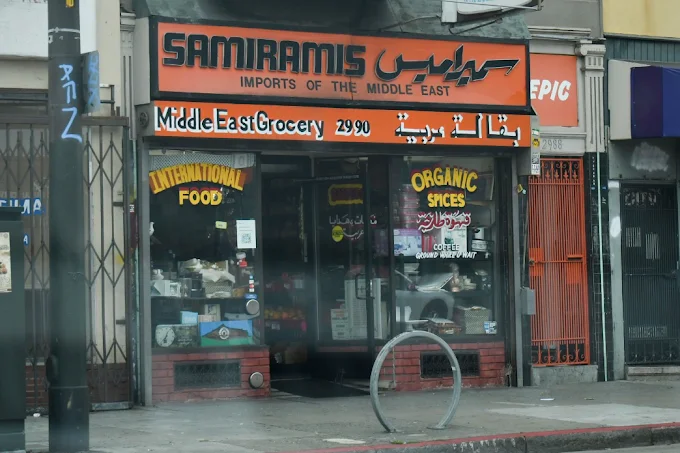
Samiramis Imports
Business Description
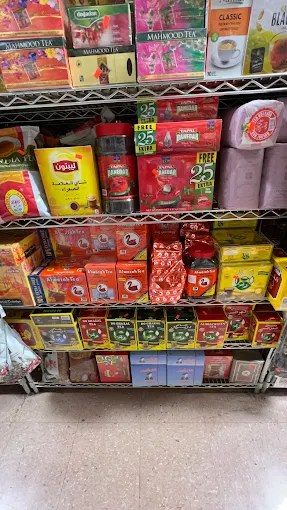
Samiramis Imports is the premier destination for all Middle Eastern and Mediterranean ingredients. So, it’s one of the best options for the Persian community to find essentials like zereshk, saffron, and, on occasion, fresh sangak bread. Samiramis Imports is renowned for its warm and knowledgeable staff. The atmosphere of the store is warm and friendly, and most of the time, they offer the best price in the city.

Persian Basket
Business Description
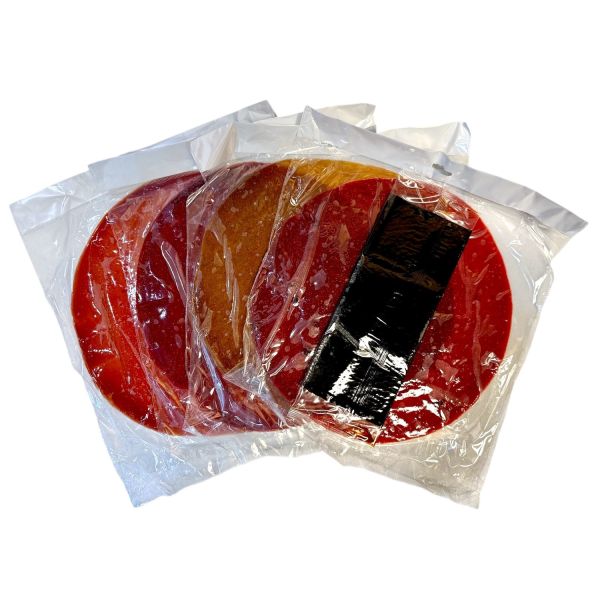
It’s an online shop for food and drinks. There’s no physical place, so you can only make an order on the website, and they will deliver it to you on the same day or the day after. Don’t worry about variety and options. It’s a one-stop online shop for all your grocery shopping. No matter where in the US you are, you can order your groceries online.

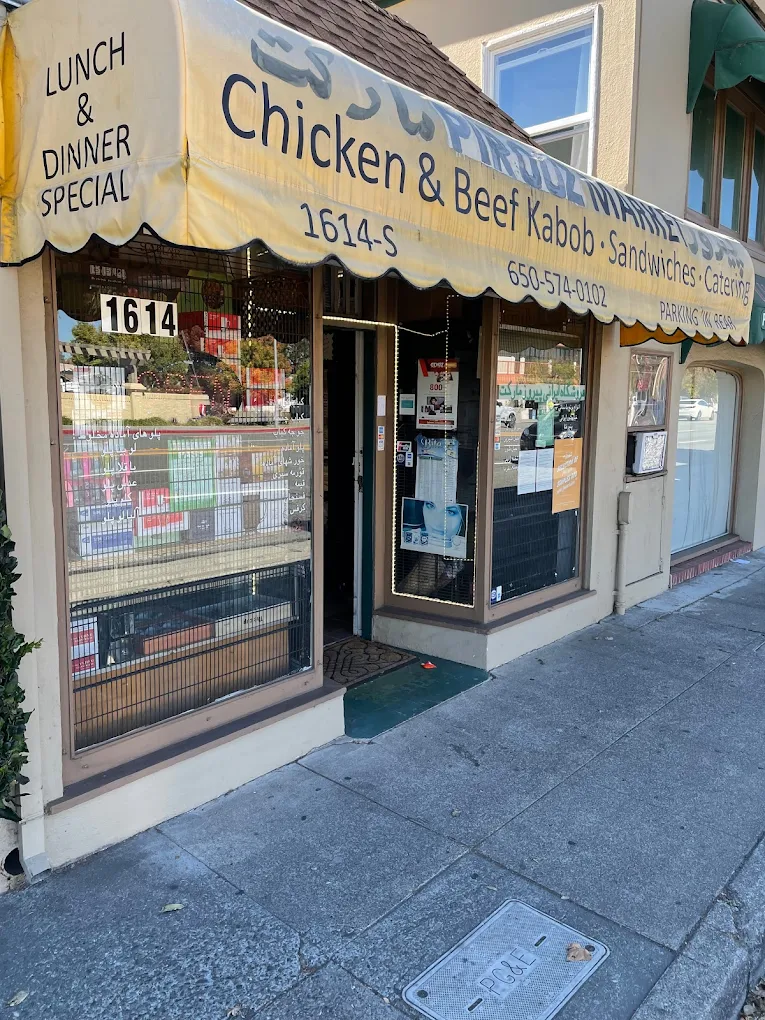
Pirooz Market International – San Mateo
Business Description
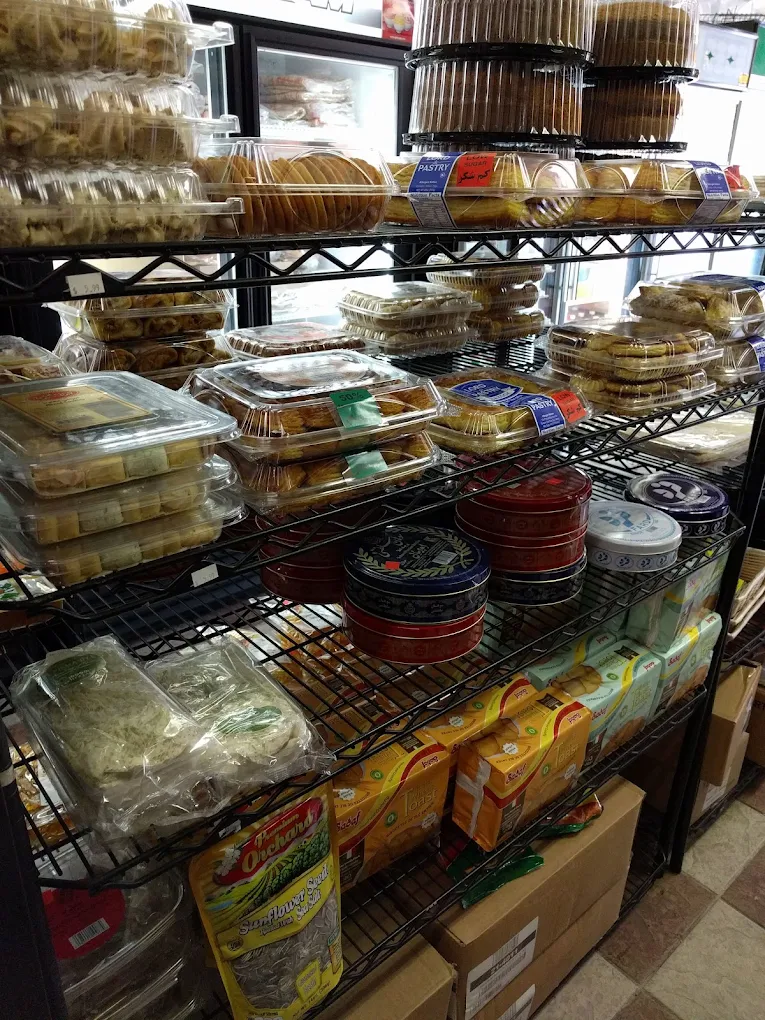
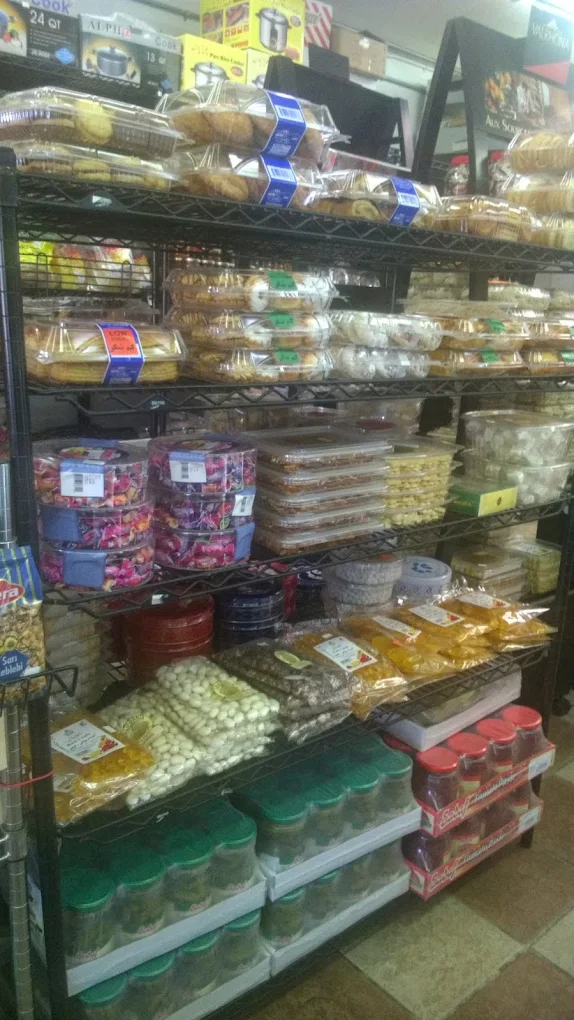
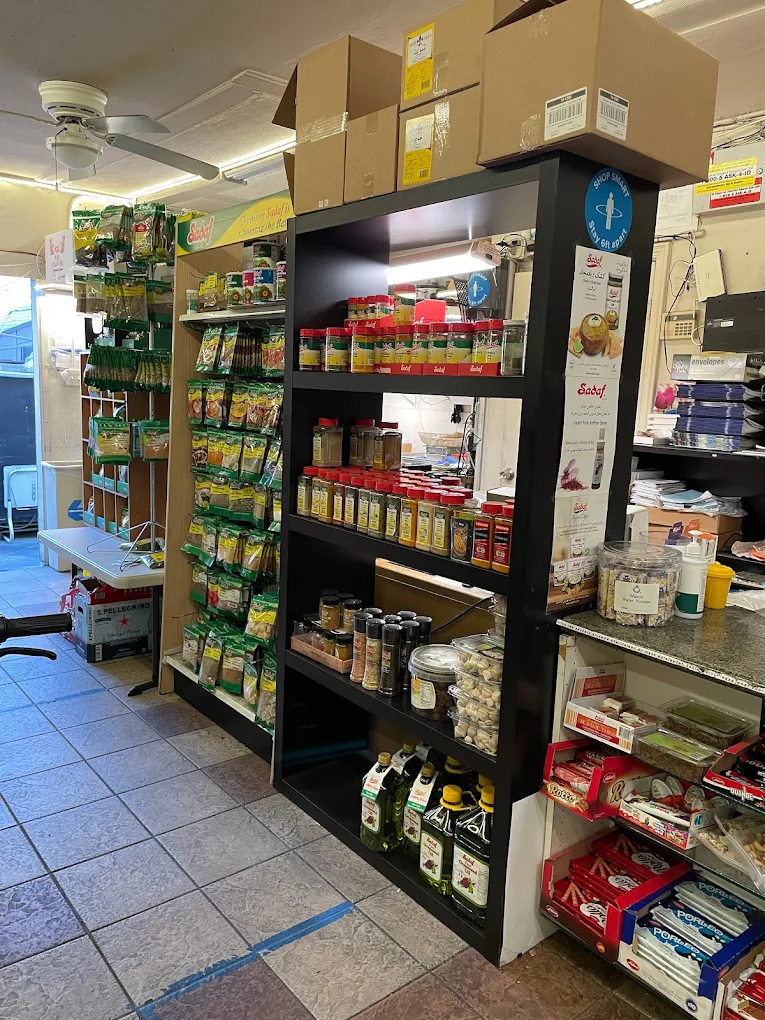
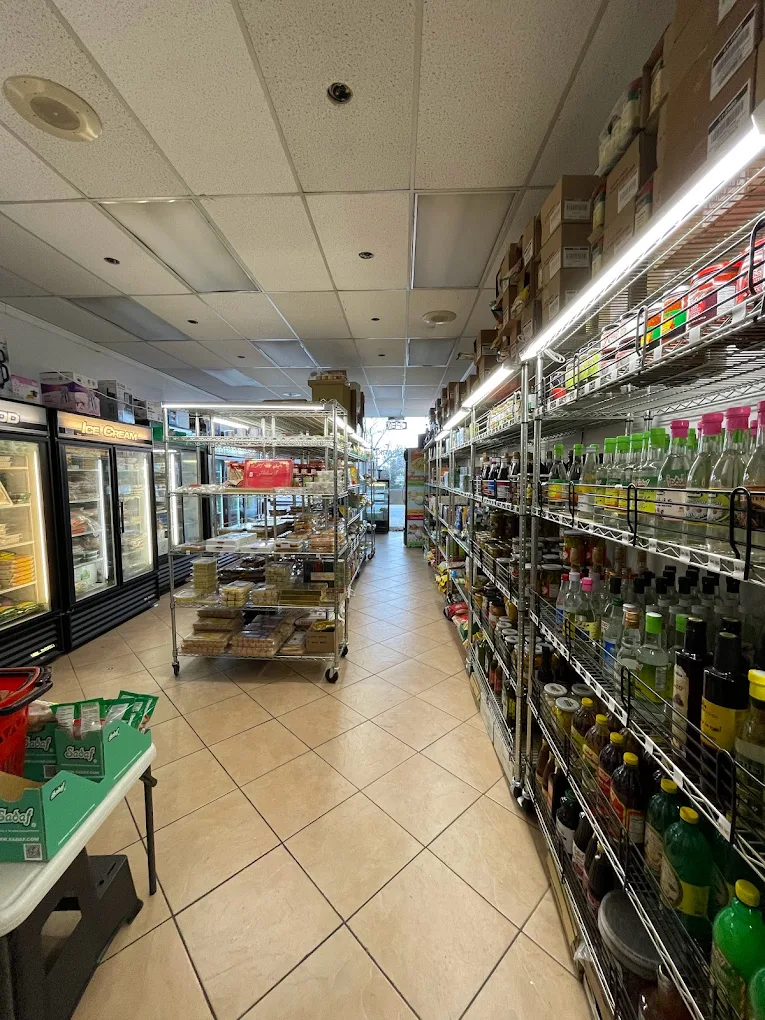
Pirooz Market International is a well-established Persian and Mediterranean grocery store in San Mateo that serves as a vital hub for the local Iranian community and food enthusiasts. It is highly regarded for its authentic atmosphere and its comprehensive selection of hard-to-find Middle Eastern staples. Reviewers frequently highlight the market’s high-quality saffron, sumac, and dried herbs, which are often imported directly from the Middle East. The store is also a popular destination for traditional fresh-baked breads like Sangak and Barbari, as well as a variety of imported cheeses and olives.
What Is Persian Saffron (Iranian Saffron)?
Persian saffron is the dried stigma of the Crocus sativus flower. It’s delicate, vivid, and famously labor-intensive to harvest, which is part of why it’s valued across so many cuisines. But what people fall in love with isn’t the story; it’s what happens when saffron meets heat and moisture. The threads release a honeyed, floral aroma and a deep golden color that feels luxurious even in the simplest dishes.
When someone says “Persian saffron,” they’re usually talking about saffron that is sourced from Iran, where saffron has been cultivated for centuries and is deeply rooted in cooking traditions, especially in dishes like saffron rice, tahchin, stews, and desserts. In Persian kitchens, saffron isn’t used to shout; it’s used to lift. It adds warmth and fragrance that’s hard to replicate with anything else.
Best Types of Persian Saffron to Buy (Negin, Sargol, Pushal, Dasteh)
One of the most helpful things you can learn before buying Persian saffron in San Francisco is the Persian saffron grading system. Grade is mostly about what part of the saffron thread you’re getting and how uniform it is. That affects potency, appearance, and price. You’ll often see these four names used for Persian (Iranian) saffron grades: Negin, Sargol, Pushal, and Dasteh (Bunch).
| Type/grade | What it is | What it looks like |
Best for |
|
Negin (premium) |
Thick, uniform red stigmas (highest grade) | Long, plump, mostly deep red threads | Special dishes (tahchin, dinner parties), gifting, anyone |
| Sargol (popular) | Stigma-only, bright red (commonly used) | Red tips, shorter than Negin |
Everyday Persian cooking: rice, tea, desserts |
|
Pushal (lower grade) |
Includes more yellow style, less intense | Mixed red with noticeable yellow | Budget-friendly cooking, larger batches |
| Dasteh / Bunch (traditional) | Full threads bundled | Threads tied together |
Traditionalists, ceremonial use, and some home cooks |
Neighborhood & Bay Area Guide for Buying Persian Saffron in San Francisco
You don’t need to turn saffron shopping into a full-day project. In San Francisco, the simplest path is usually to Persian/Middle Eastern grocery stores and well-known spice shops. The key is choosing sellers that keep saffron sealed, labeled by weight, and stored properly. Here’s a quick, practical way to think about where to look:
In San Francisco
- Middle Eastern & Persian markets are often the most reliable for Iranian brands and familiar grades like Sargol or Negin.
- Specialty spice shops can be excellent too—especially if they sell saffron threads in small, airtight containers and can tell you where it’s sourced.
Across the Bay Area
If you’re not finding what you want in the city, or you want more options, look in nearby areas with larger specialty grocery scenes:
- Daly City / South San Francisco
- Berkeley / Oakland
- South Bay (especially areas with strong international grocery clusters)
How to Tell If Persian Saffron Is Real (Authenticity Checklist)
Saffron is one of those ingredients where quality changes everything. The good news is that you don’t need laboratory tools to make a smart decision. With a little attention, you can avoid most of the common disappointments. Here’s a simple checklist that works well when you’re buying Persian saffron in San Francisco.
What real Persian saffron usually looks like
- Mostly deep red threads, with only a small amount of yellow at the base.
- Threads are thin and slightly irregular, not perfectly uniform like plastic fibers.
- When you rub a thread gently, it should feel dry and delicate, not oily or sticky.
What real saffron should smell like
- A warm, floral, slightly honeyed aroma.
- If it smells like nothing, it may be old or low-grade. If it smells strongly chemical, be cautious.
What should happen when you bloom it
- Real saffron releases color gradually—it doesn’t instantly “bleed” neon red.
- The liquid should turn a golden to deep amber tone, and the threads remain visible.
Red flags to watch for
- Powdered saffron at a very low price (powder is easier to adulterate).
- Bright threads, uniform red with no variation at all (can indicate dye).
- Packaging with no weight, no origin information, and no grade—especially if it’s sold like a generic spice.
How Much Does Persian Saffron Cost in San Francisco?
In San Francisco, saffron prices can feel all over the map until you look at them the way professionals do: by the gram. The good news is that buying a slightly larger amount often lowers the price per gram, which can make the price of high-quality saffron feel a lot more reasonable over time. Here’s a practical snapshot of what you’ll commonly see in SF retail:
|
Quantity |
Estimated Price (SF Retail) | Price per Gram |
|
1 gram |
$10 – $16 | $10 – $16 |
|
2 grams |
$17 – $25 |
$8.50 – $12.50 |
| 5 grams | $35 – $55 |
$7 – $11 |
| 10 grams | $50 – $85 |
$5 – $8.50 |
How to Use Persian Saffron (Blooming, How Much to Use, and Everyday Ideas)
Saffron is at its best when you treat it less like a spice you “throw in,” and more like an ingredient you wake up with. In Persian cooking, that small step—blooming saffron—makes the difference between a dish that’s simply colored and one that’s genuinely fragrant.
Blooming saffron: the method that brings out aroma and color
- Crush a small pinch of threads gently (a mortar and pestle is ideal, but even the back of a spoon works).
- Add 1–2 tablespoons of hot water (or a couple of ice cubes if you prefer a slower bloom).
- Let it sit for 10–15 minutes until the liquid turns a rich golden-amber.
- Use the saffron liquid—and the threads—in your rice, tea, stew, or dessert.
That short pause gives saffron time to release what you’re actually buying: its perfume and its color.
How much saffron should you use?
Saffron is powerful, so a little goes a long way. As a starting point:
- For Persian rice (family-size pot): a small pinch to 1/8 teaspoon of crushed threads, bloomed
- For tea (1–2 cups): 3–6 threads, bloomed or steeped gently
- For desserts (custards, rice pudding, Sholeh Zard): 1/8 teaspoon (adjust to taste)
If you’re new to saffron, start light—then increase gradually. Overusing it can make the flavor feel flat rather than fragrant.
Everyday ways to use Persian Saffron
- Saffron rice (classic, always worth it)
- Saffron tea with a touch of cardamom
- Yogurt marinades for chicken or lamb
- Desserts like Sholeh Zard, ice cream, or simple syrup for cakes
Saffron doesn’t need an elaborate recipe to shine. Often, the most satisfying use is the simplest one—when you bloom it properly and let that aroma do its work.
Online Ordering & Delivery in San Francisco (When You Can’t Find It In-Store)
Even in a city with great markets, there are times when buying saffron in person just isn’t convenient—or the selection isn’t what you hoped for. That’s when ordering online can be a genuinely good option, especially if you’re looking for a specific grade, such as Negin, or you want consistent quality for regular cooking. The key is to treat online saffron like you would any premium ingredient: buy from sellers who make the details easy to verify.