
For many Persians, haleem is comfort in a bowl. The slow-cooked mixture of wheat, meat, and spices. Haleem carries the familiar aroma of home kitchens in Iran. In Washington, especially around Seattle and the Eastside, more people are searching for authentic Persian haleem restaurants in Washington and places that sell haleem wheat or ready-made haleem food. Whether you love the smooth taste of chicken haleem, the rich depth of mutton haleem, or the hearty flavor of beef haleem, you can find good options if you know where to look. Nazdikia helps you explore Persian markets and restaurants where tradition still simmers in every spoonful.

Darvish Restaurant
Business Description
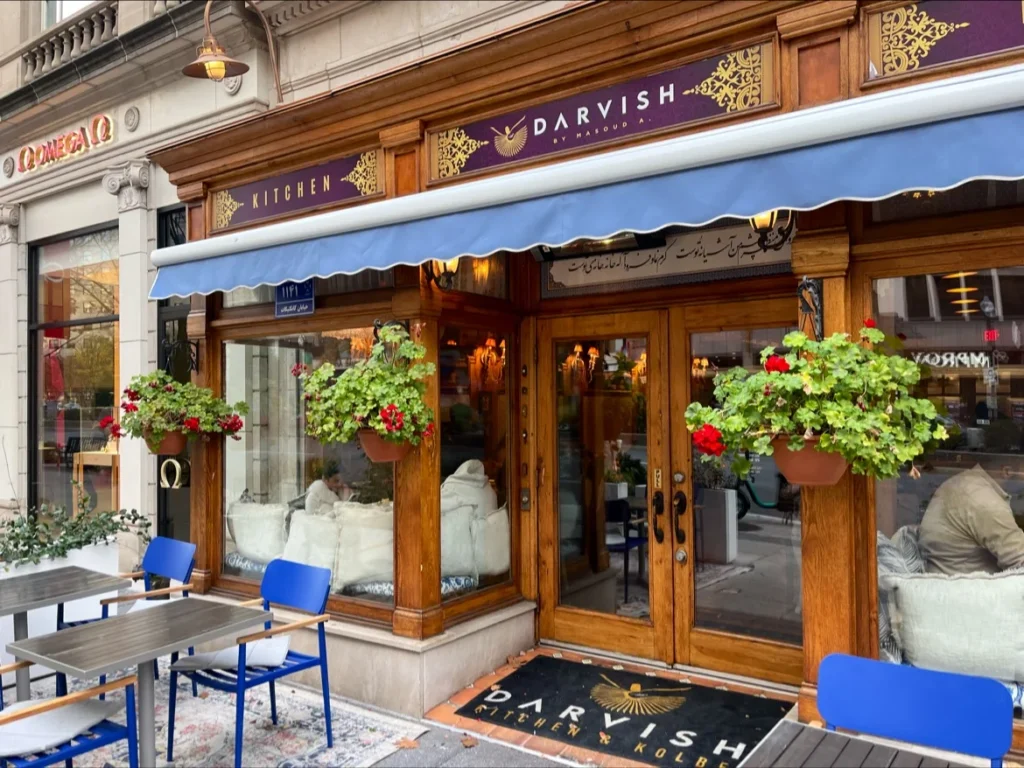
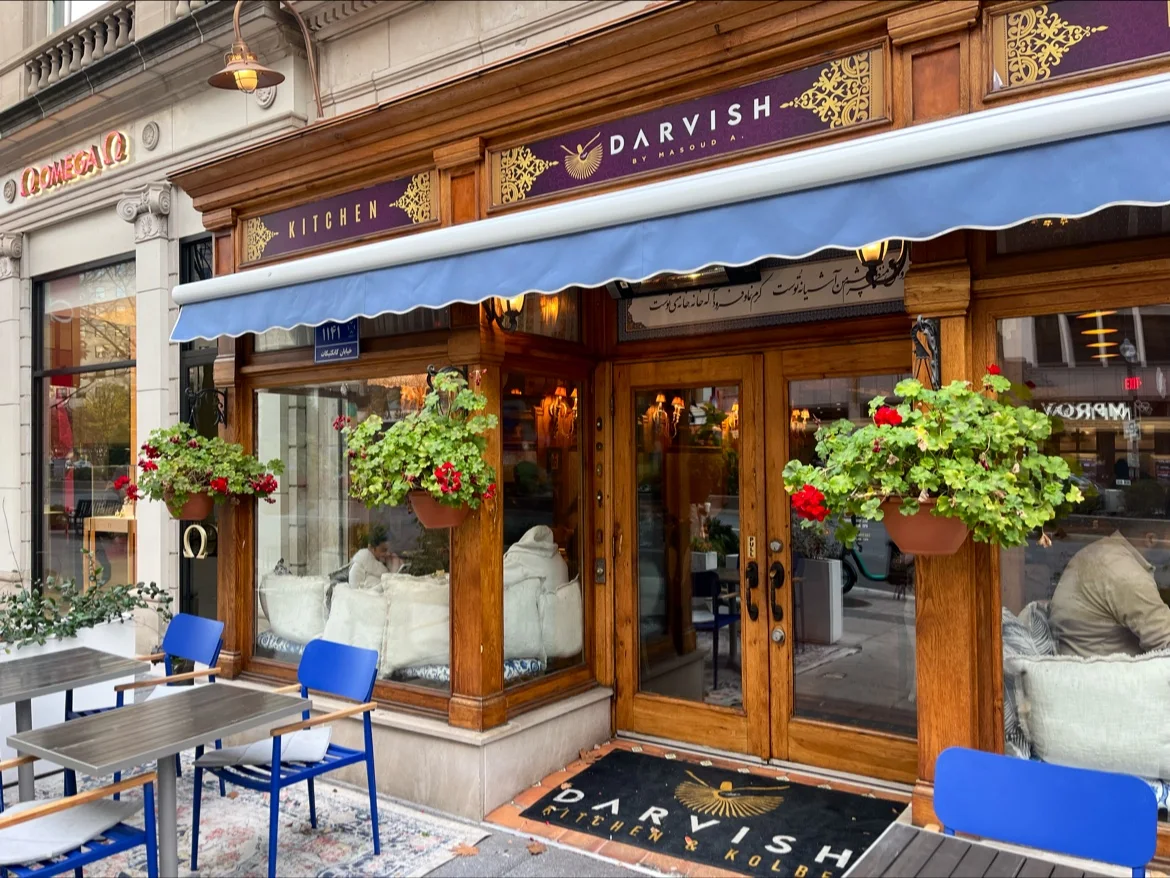
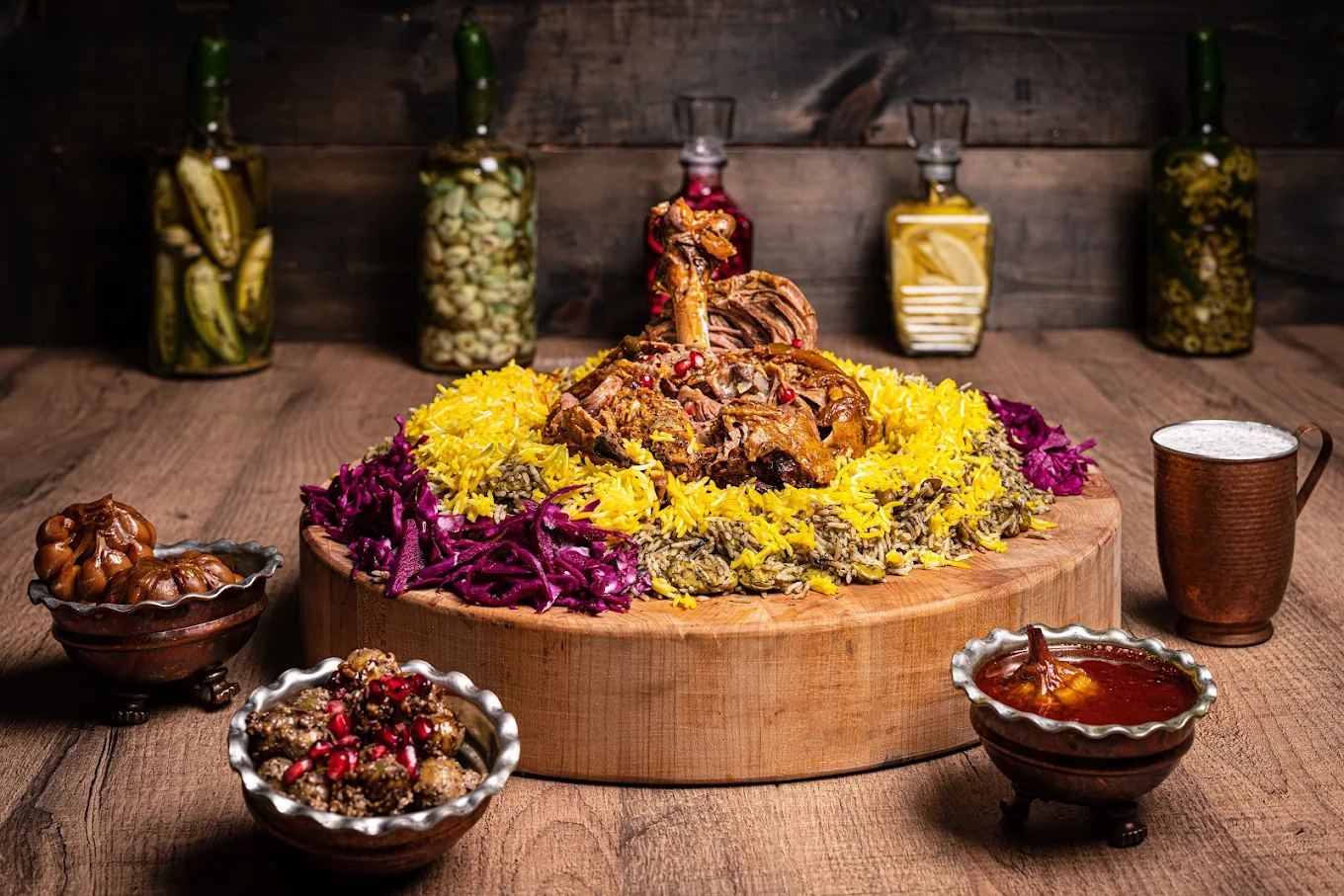
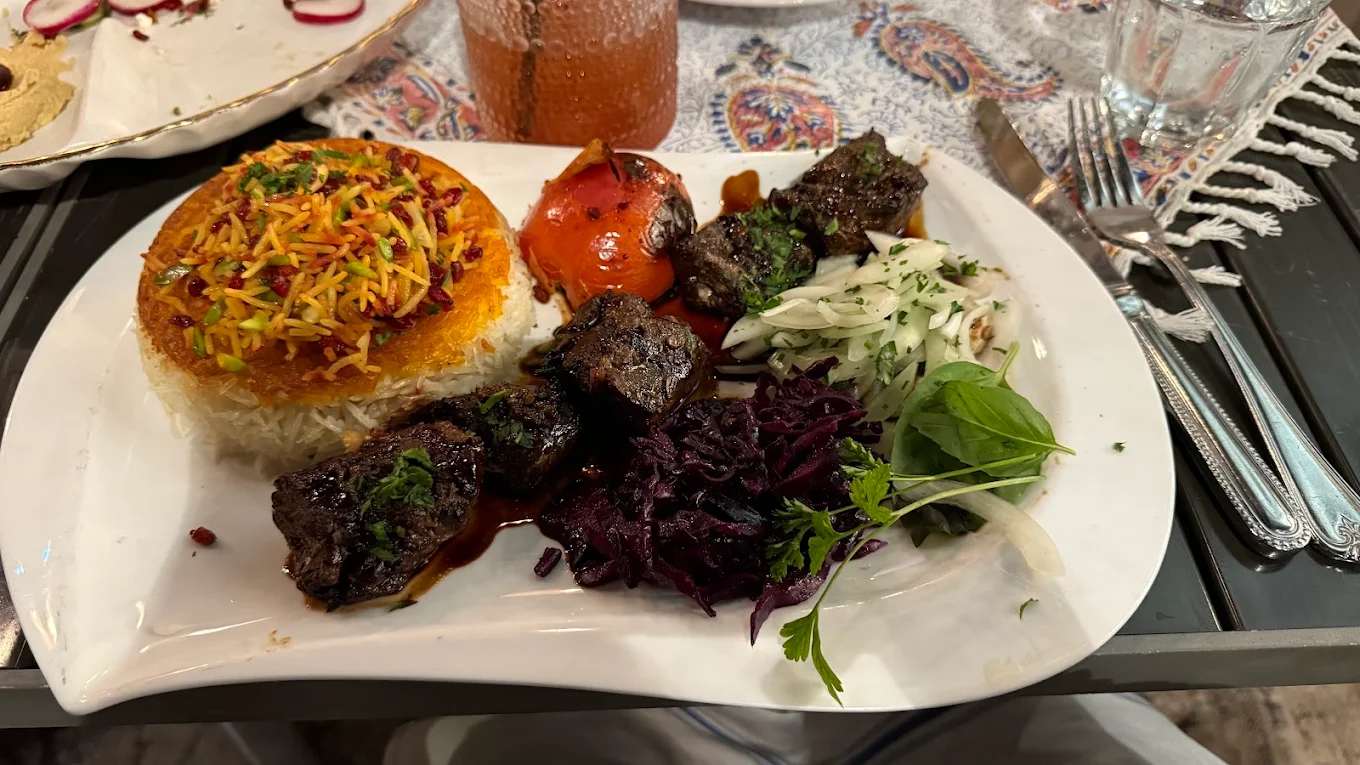
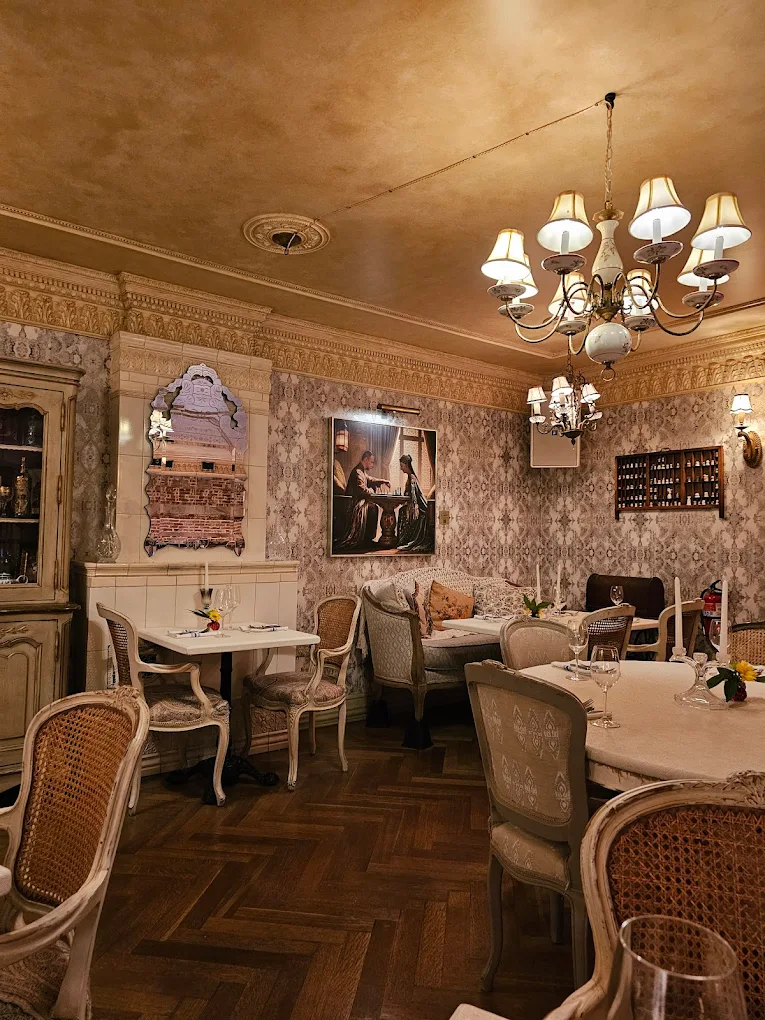
In Persian, Darvish refers to a simple spiritual person with few earthly belongings. But the name is paradoxical to the food. Everything from the entrance to the kitchen shines with vibrant colors. You can have your food indoors or outdoors. Inside is more romantic and nostalgic, and outside, the food tastes more natural. There is the best of everything you can expect from a Persian restaurant. However, it isn’t without a cost; the price range at Darvish restaurant is between $50 and $100 for a complete course.

Koo Koo Restaurant
Business Description
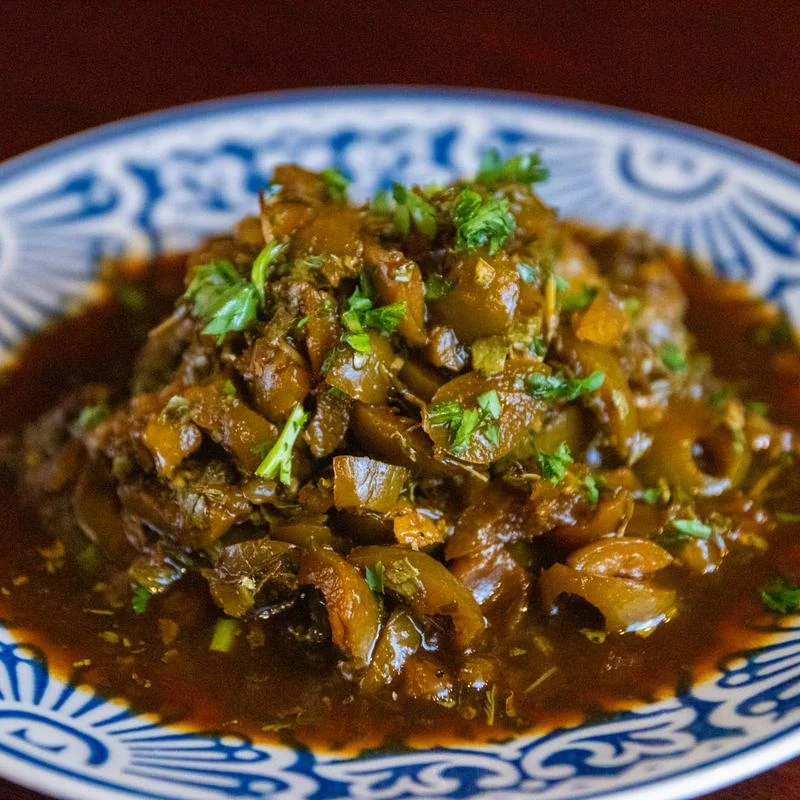
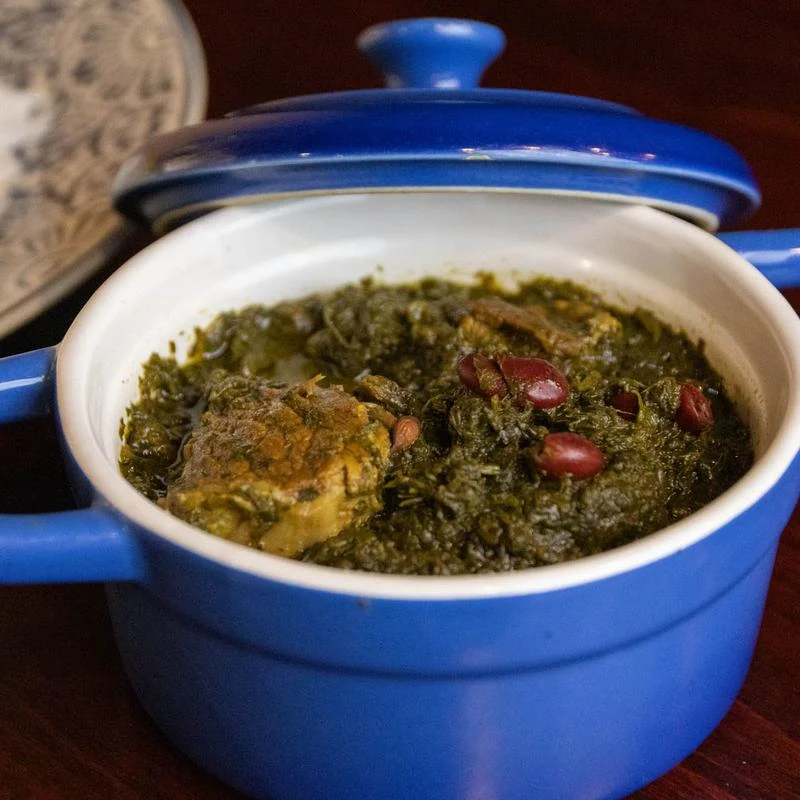
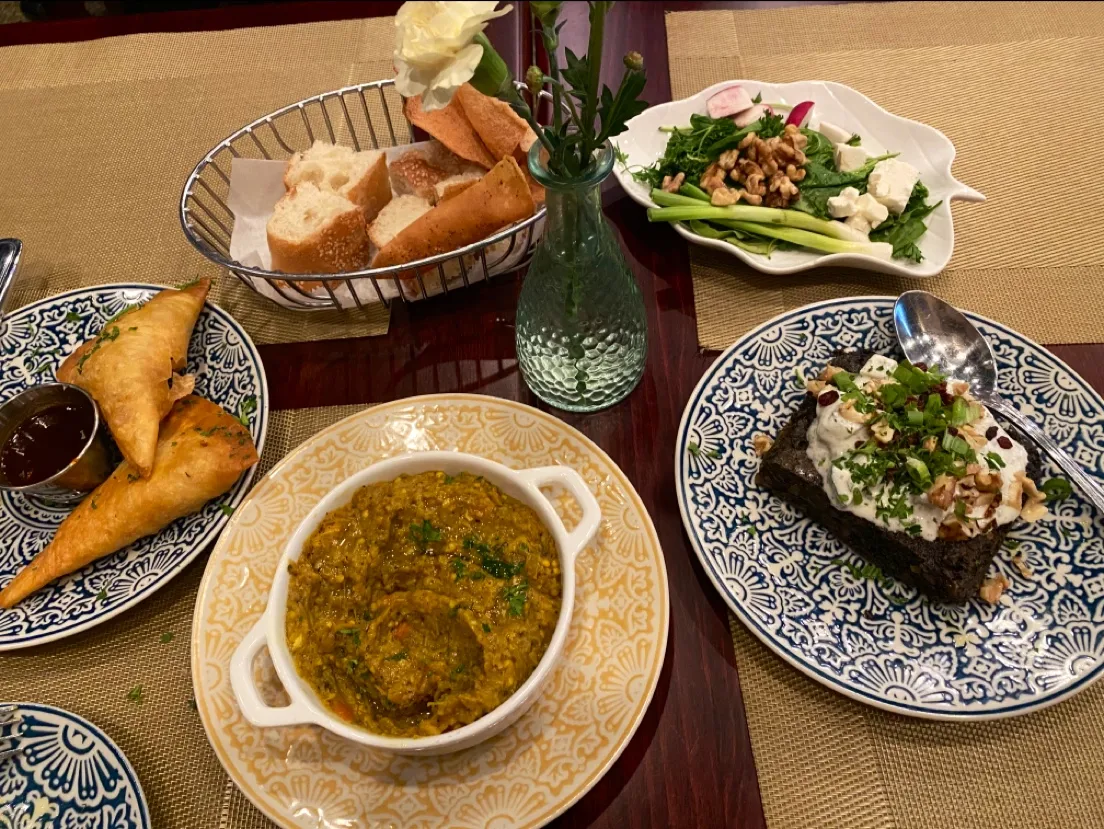
In Koo Koo restaurants, food isn’t the only thing that attracts your attention. The setting, the nostalgic china plates and patterns, and the friendliness of the staff are all reasons for you to visit this restaurant regularly. In addition to authentic Persian foods in Washington, you can also order some local Persian specialties, such as Mirza Ghasemi, Kask Bademjan, Kookoo Sibzamini, and Kookoo Sabzi. Don’t forget to give their signature dish, the Koo Koo Wings, a try.

Rumi’s Kitchen
Business Description
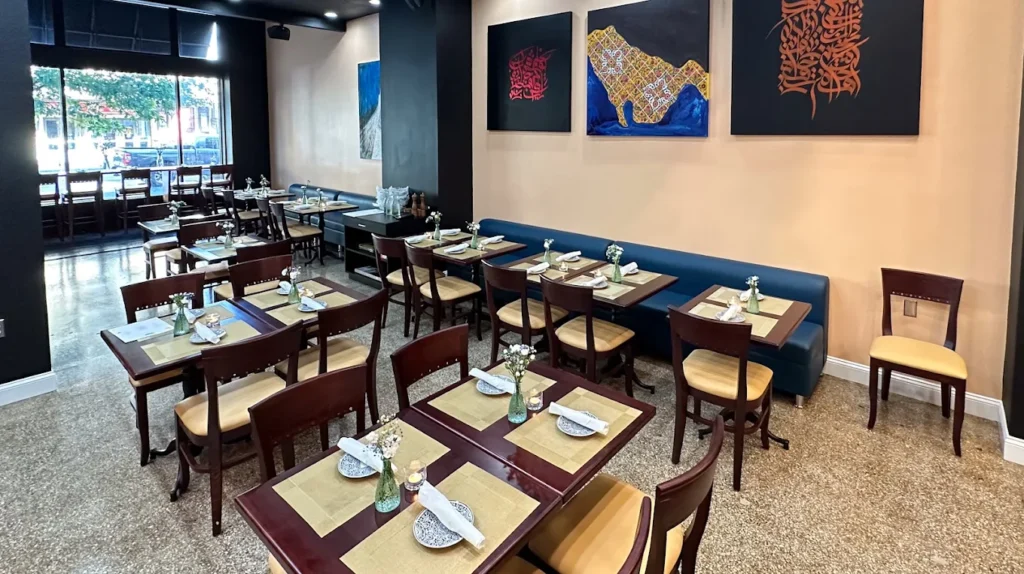
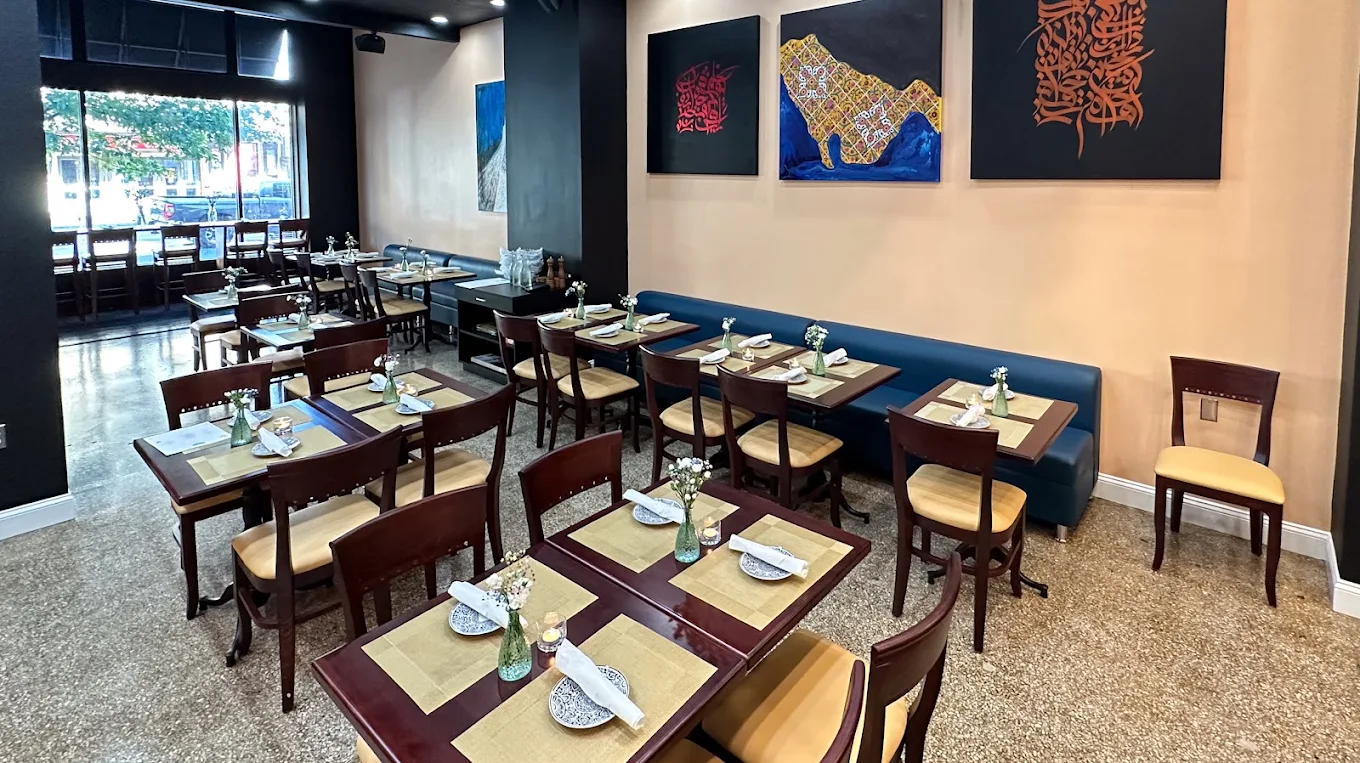
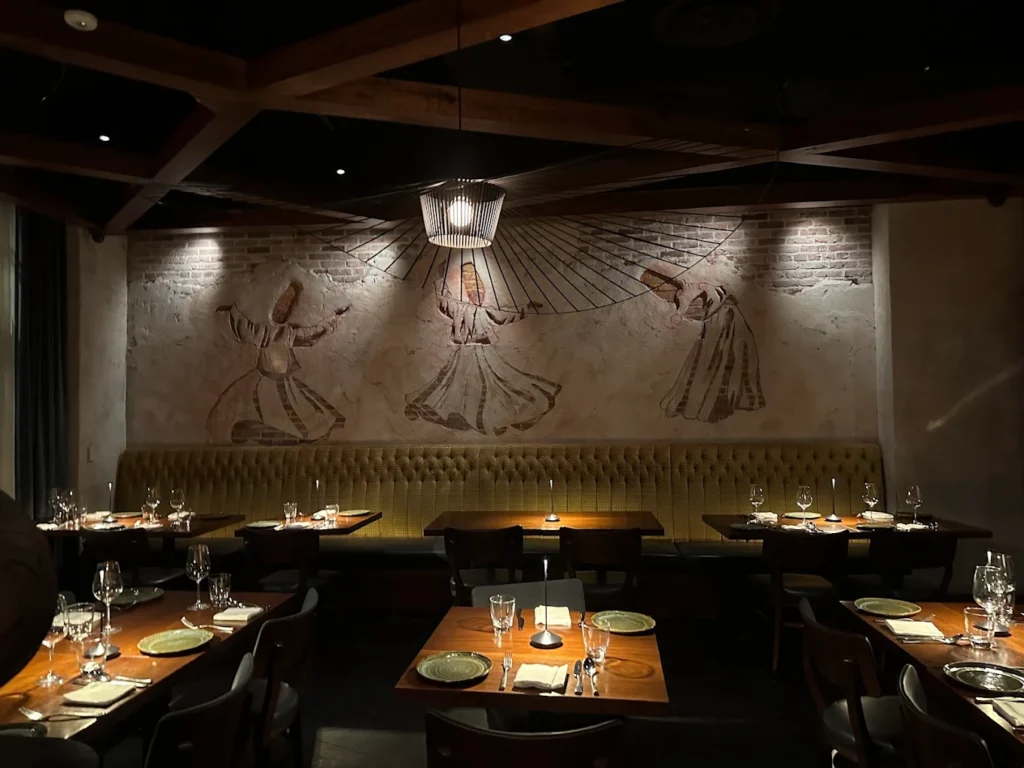
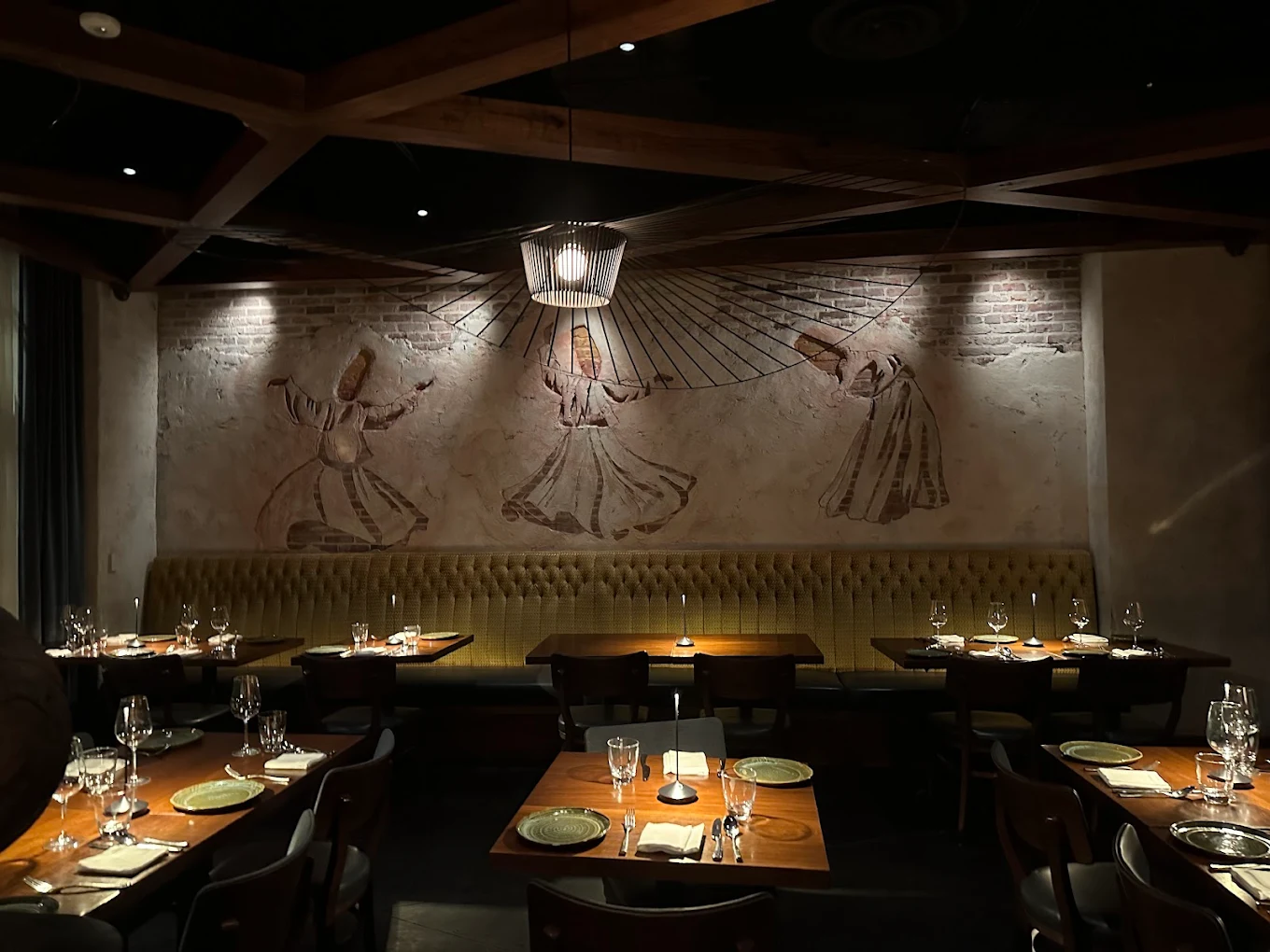
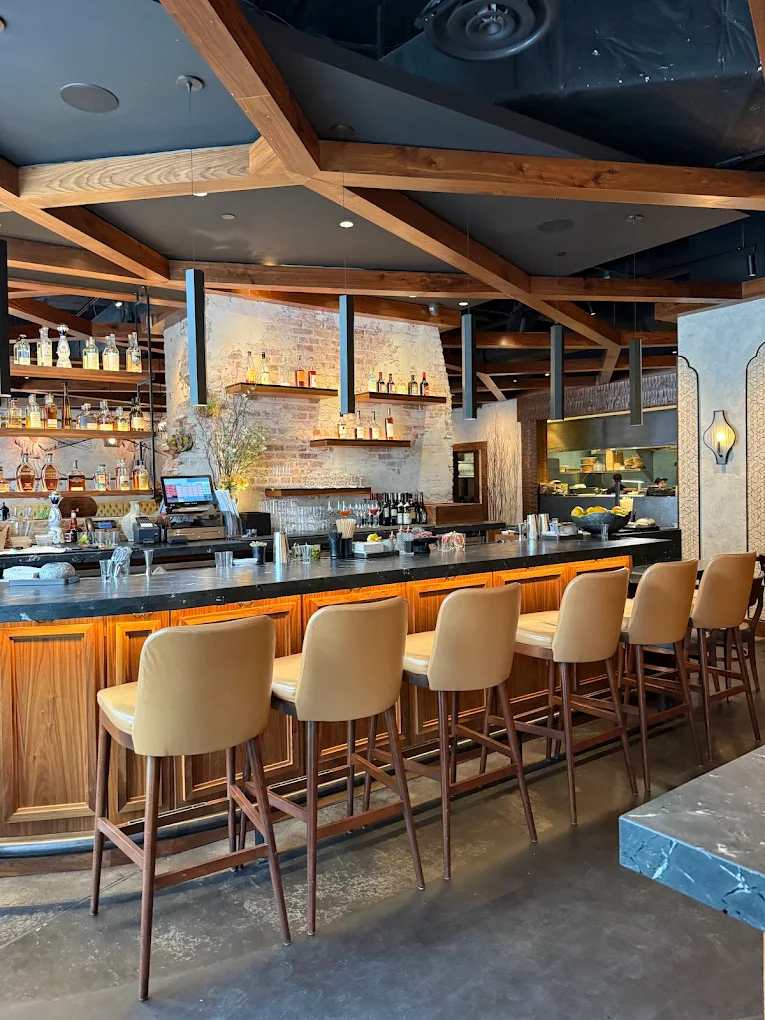
looking for a fancy outdoor Persian restaurant? Rumi’s kitchen is just the place. Of course, you can eat indoors in the well-lit and spacious food salon too. This luxurious restaurant is the perfect place to celebrate your big days with family and friends. They also provide catering services for various occasions at your home, and rest assured, your guests will be asking about your caterers.
Kabob Bazaar – Arlington
Business Description
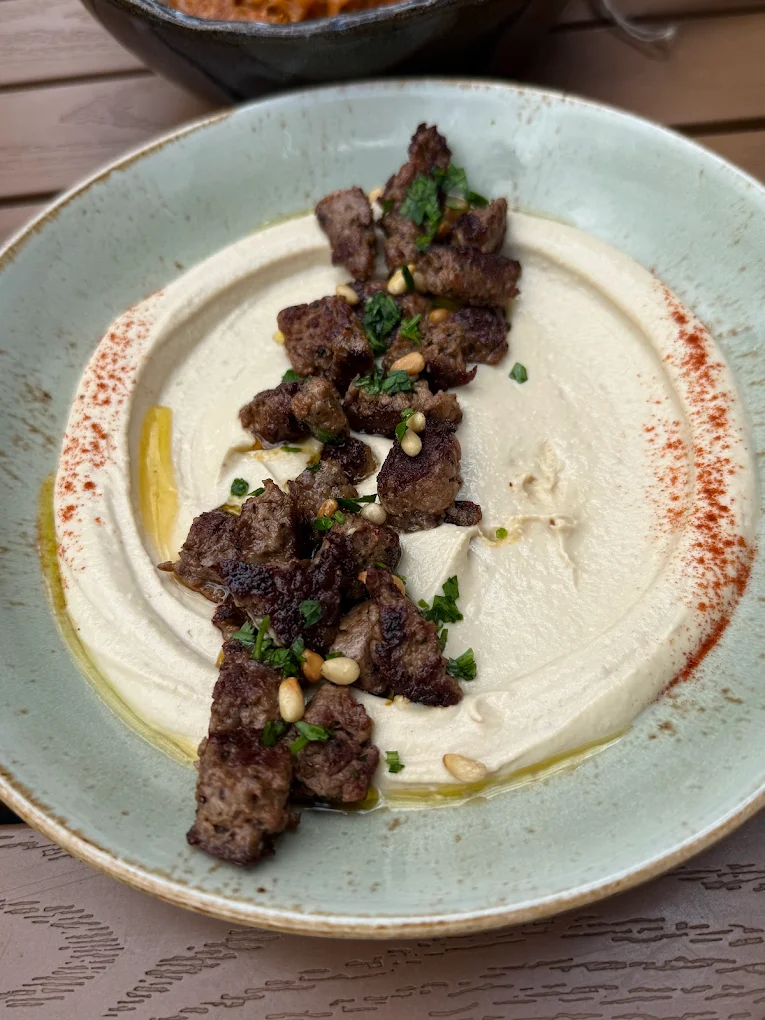
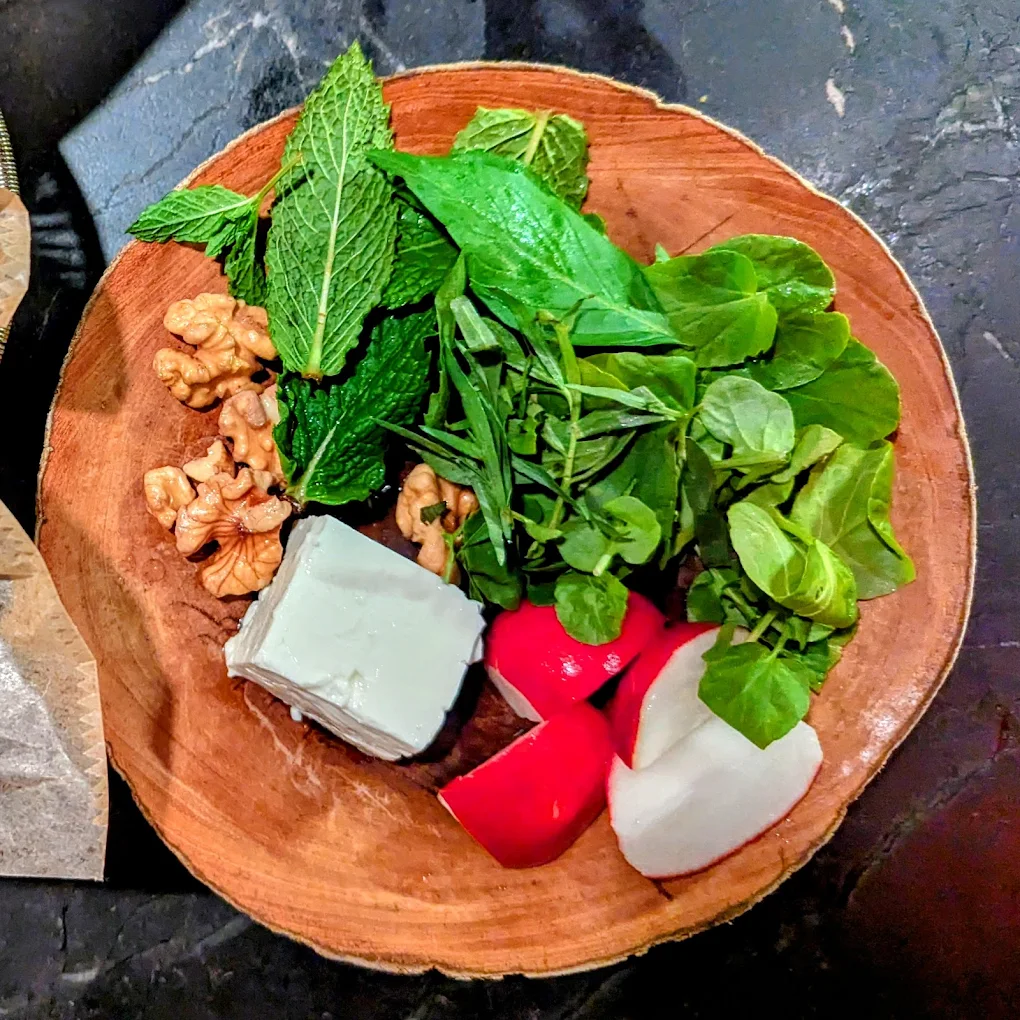
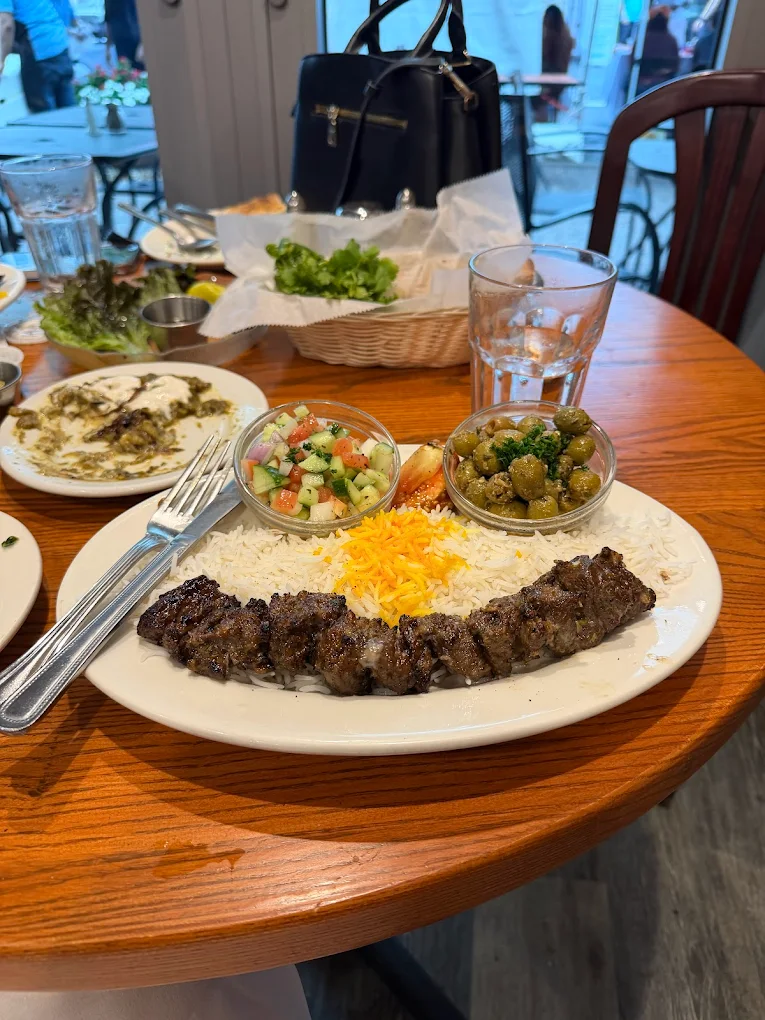
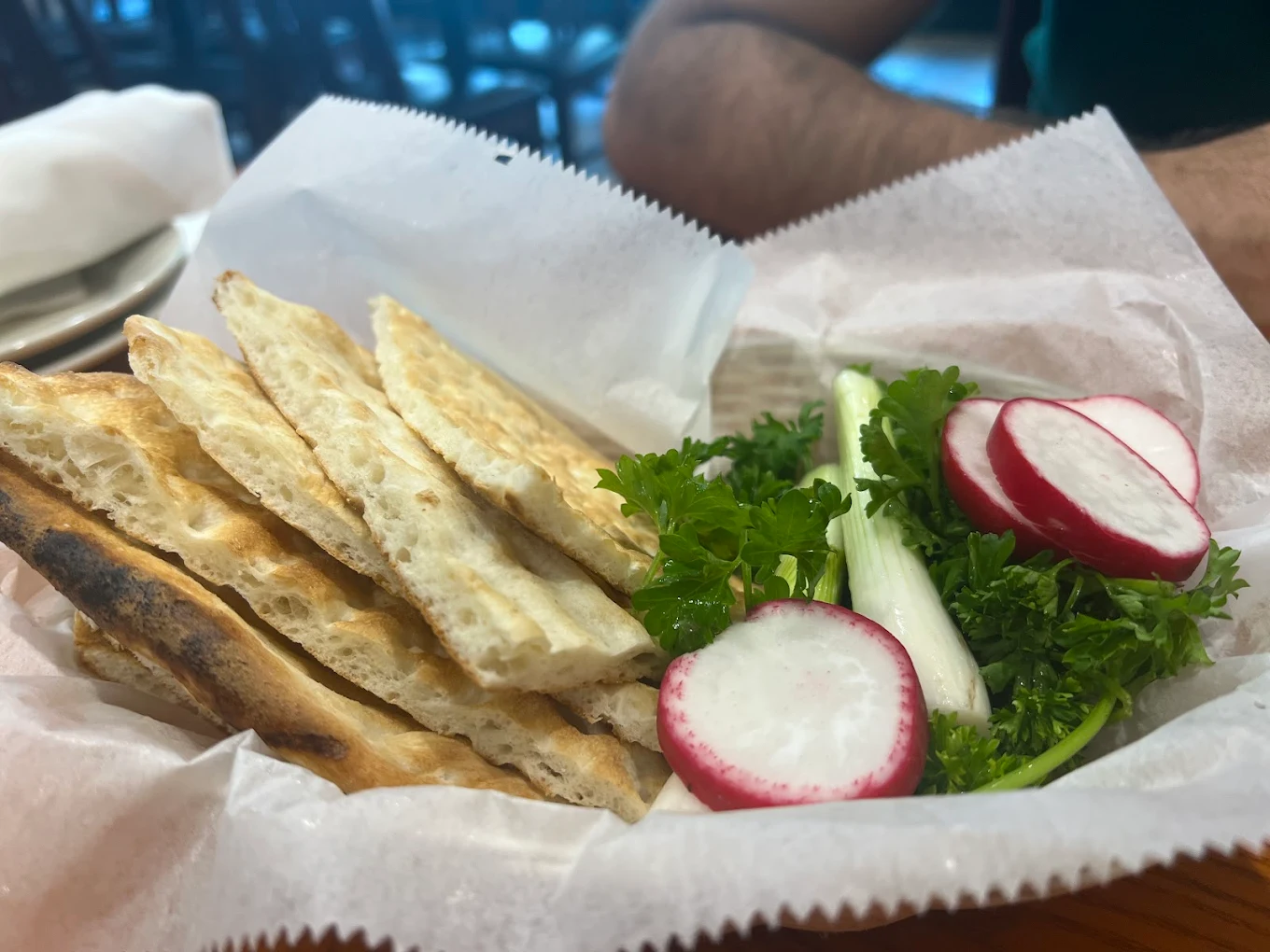
Kabob Bazaar is the kind of neighborhood spot everyone recommends. Since 1993, they’ve been grilling juicy kabobs over charcoal, chicken, beef, lamb, and even seafood, piled next to fragrant saffron rice and warm, house-baked bread. You’ll also find comforting Persian stews and rotating daily specials that feel like a home-cooked meal. The vibe is casual, lively, and super welcoming; portions are generous, prices are fair, and the staff keeps things moving without rushing you.

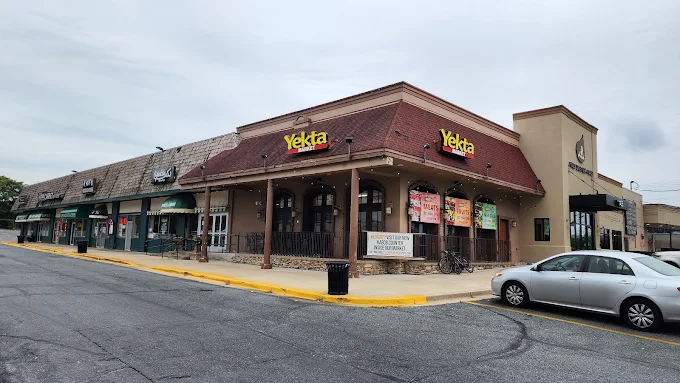
Yekta Market
Business Description
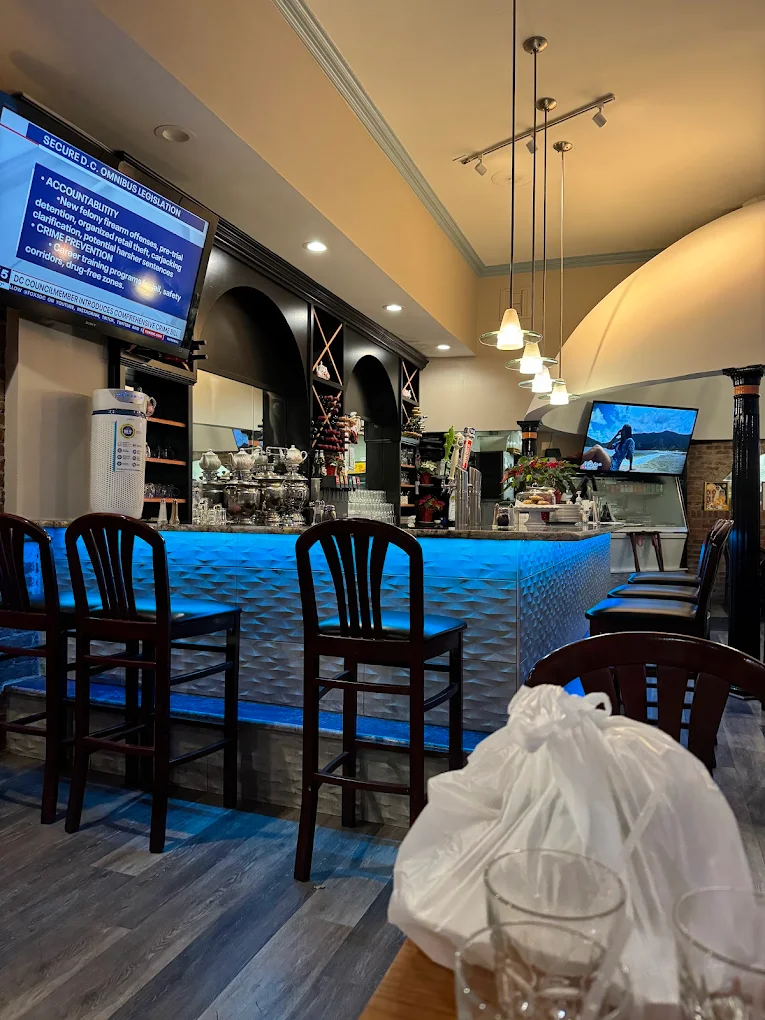
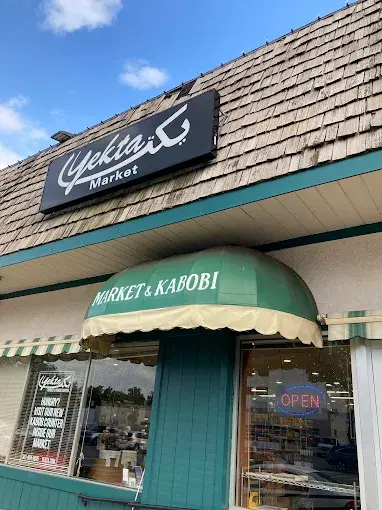
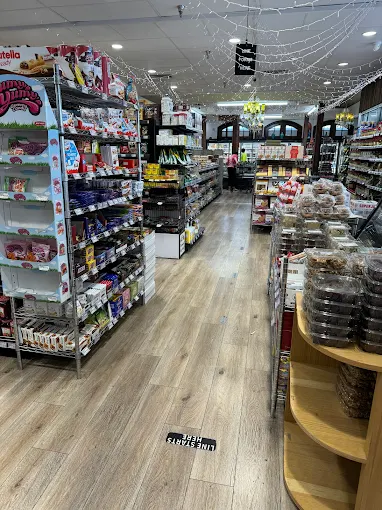
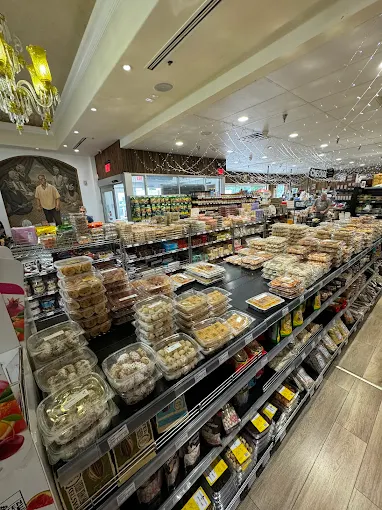
It’s not exactly in Washington, but it’s worth the trip if your shopping list includes cooking utensils as well as authentic Persian ingredients and snacks. And, great news for online shoppers; you can order the items you need online, and they’ll deliver the package to your doorstep. For any items you have in mind, you have a choice to make about several tastes and brands. Take Lavashak, for instance. You can buy any taste you like in sealed packaging.
Everything You Need to Know About Persian Haleem in Washington
Persian haleem, or halim, is one of the most comforting dishes in Iranian cuisine. It’s a slow-cooked blend of wheat, meat, and spices that turns into a smooth, rich porridge. Each region of Iran has its own version, and families often pass down recipes through generations. In Washington, this dish brings together communities that miss the flavors of Tehran or Isfahan. When a spoon of haleem touches your lips, it feels like sitting at your grandmother’s breakfast table on a chilly morning.
What Makes Persian Haleem Unique
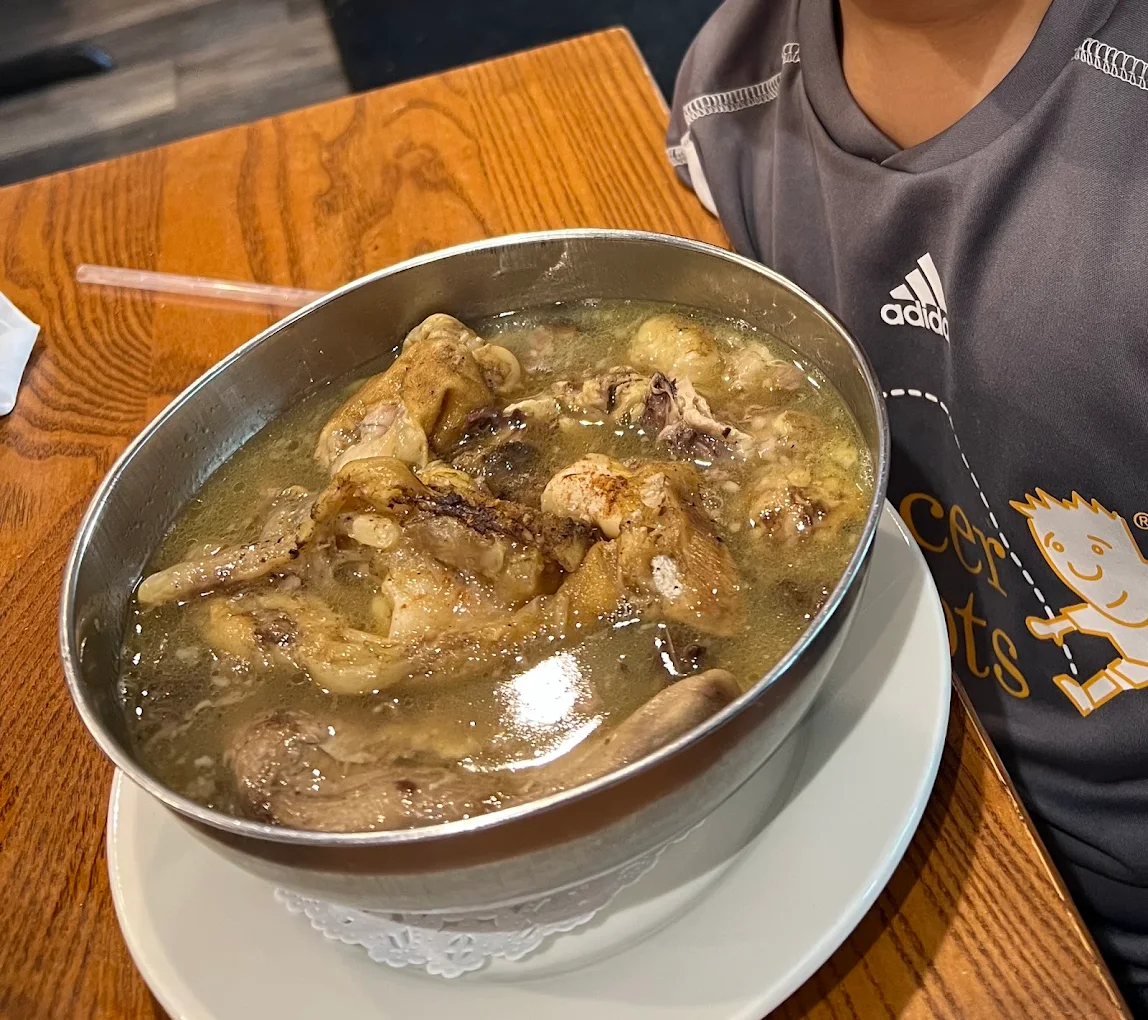
Compared to South Asian haleem, Persian halim is lighter on spice and heavier on texture. It usually uses whole wheat instead of cracked grains and has a creamy, balanced taste rather than a fiery one. The meat can be chicken, mutton, or beef, depending on what’s available. Some versions use butter and cinnamon for a sweet edge. The simplicity of the recipe makes it soothing and nourishing, especially when served warm with bread.
Where to Find Authentic Haleem in Seattle
Persian haleem is not common on everyday menus in Seattle, but it’s quietly present. Restaurants like Kabob Bazaar may prepare it during special occasions. Markets such as Yekta Market are worth visiting for haleem wheat and authentic ingredients if you want to make it at home. South Asian restaurants occasionally feature haleem during Ramadan, offering beef or mutton haleem that’s rich and flavorful. While the seasoning differs, the texture and warmth still connect deeply with Persian taste memories.
How to Choose Quality Haleem and Ingredients
Good haleem should be thick, creamy, and balanced. The meat should blend seamlessly with the wheat, without chunks or dryness. If you are buying haleem food in Washington from a store, check the packaging date and avoid anything with artificial preservatives. When shopping for haleem wheat, choose clean, whole grains without discoloration. In Persian markets, staff often recommend trusted brands from Iran or domestic producers that mimic traditional wheat varieties.
How to Enjoy and Store Haleem
Haleem is best eaten fresh and hot, often for breakfast or during festive gatherings. Many Persians sprinkle a bit of cinnamon, drizzle melted butter, or add sugar on top depending on personal taste. It pairs beautifully with fresh bread or flatbread. If you buy or make a large batch, store it in airtight containers in the refrigerator for up to three days. For longer storage, freeze portions and reheat slowly with a little water to restore the texture.
A Taste of Community
Persian gatherings in Washington often revolve around food, and haleem brings people together. It’s a dish that encourages slow cooking and shared meals. Whether you find it at a Persian haleem restaurant in Washington or make it yourself using ingredients from local markets, the process connects you to culture and memory. Each spoonful holds the flavor of patience, tradition, and love — qualities that Persian food always carries.