
There is something quietly joyful about pashmak. Light as air and delicately sweet, this traditional Persian confection, sometimes called “Persian cotton candy,” carries more than sugar and flavor. It carries memory of family gatherings, of tea shared in the afternoon light, of festive tables during Nowruz and Yalda. In this Nazdikia guide, we walk through where to find authentic, good-quality pashmak in Washington.

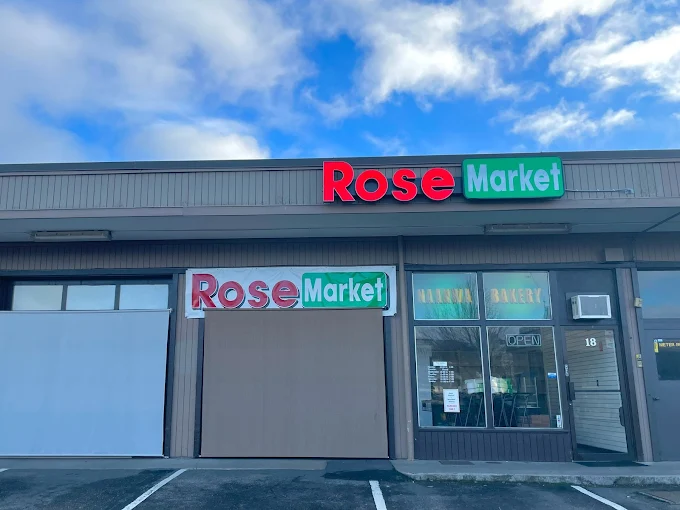
Rose Persian Market and Butchery
Business Description
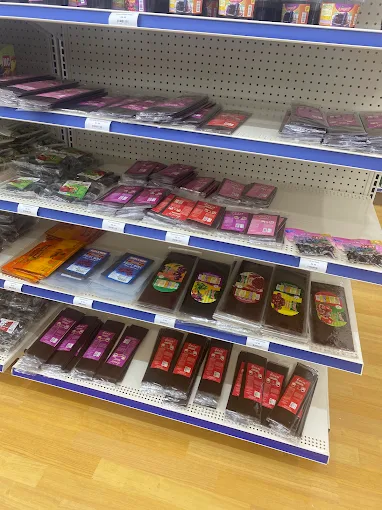
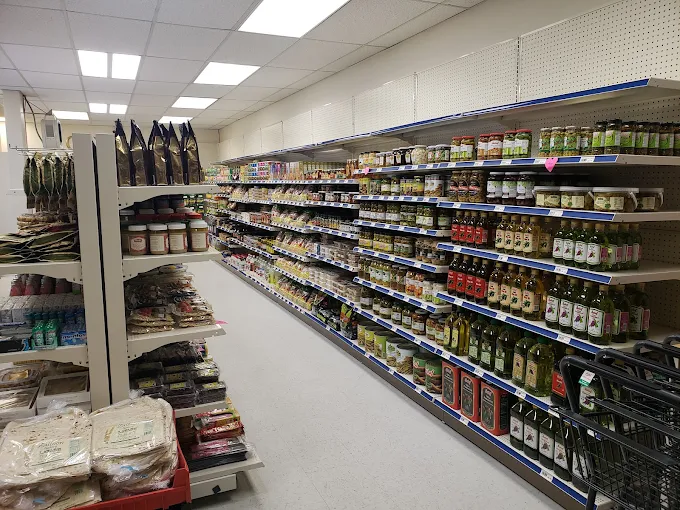
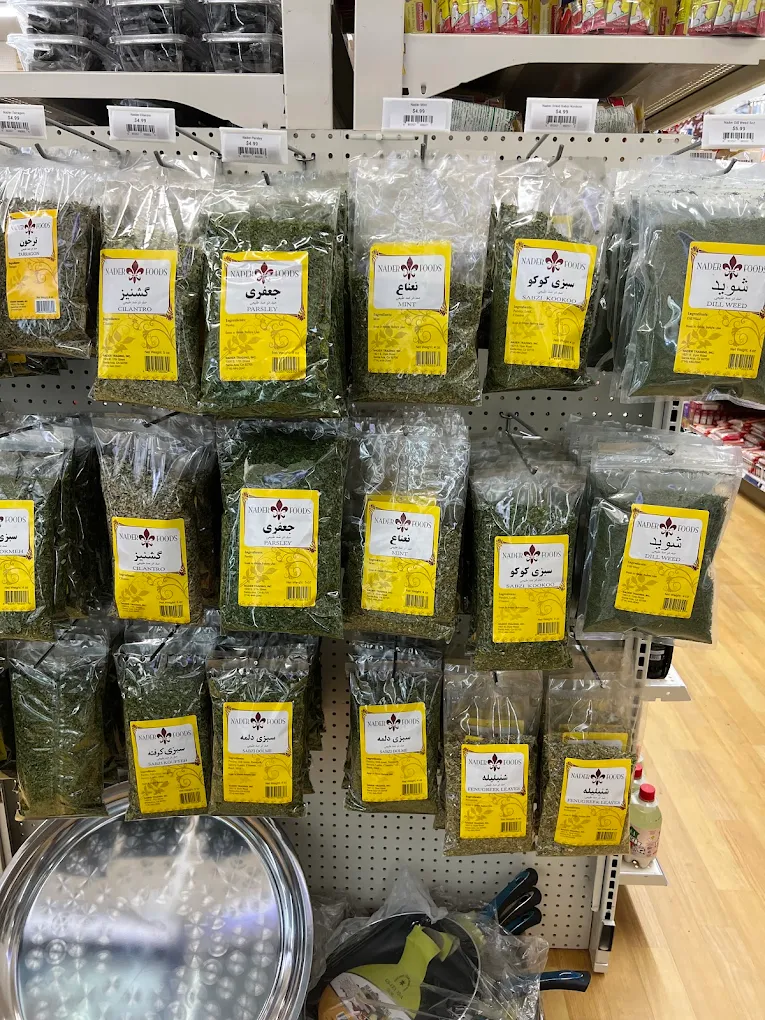
Just a typical Persian supermarket. So typical that you can, with a bit of imagination, see yourself in a supermarket in the heart of Tehran. While you’re checking off the items on your shopping list, buy some Lavashak and surprise your kids when you get back home. And buy some for your inner child.
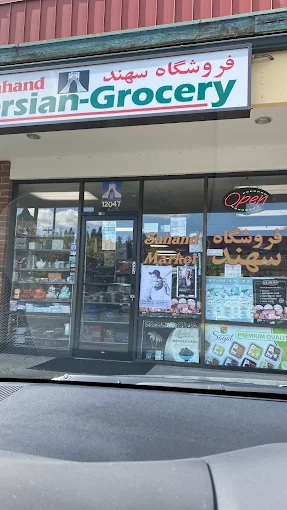
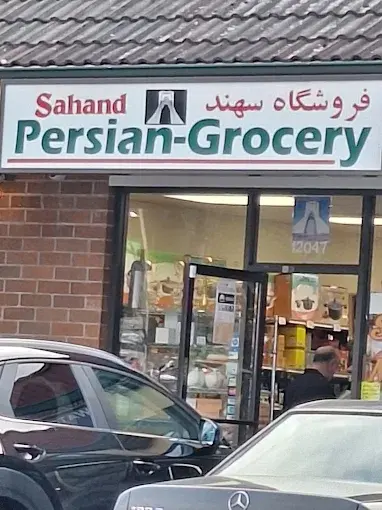
Sahand Grocery Store
Business Description
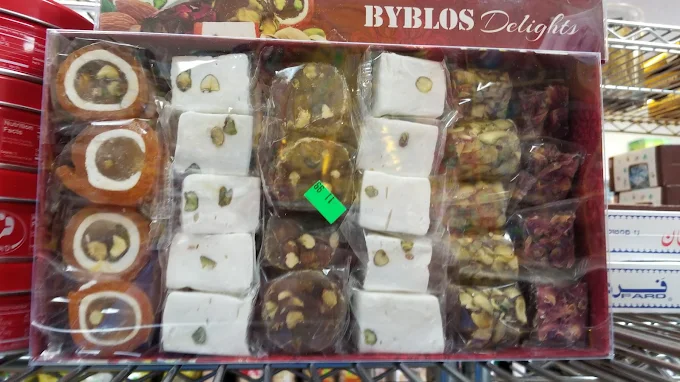
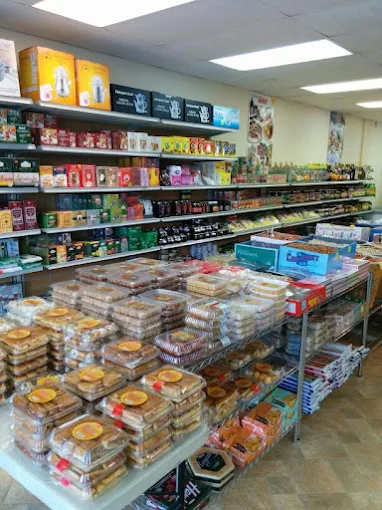
An authentic Persian name for an authentic Persian supermarket. Enter the store and you’ll see various Persian products in colorful packaging stacked neatly on the shelves. Breads, pastries, beans, dairy, snacks, and any food you need in your kitchen. Don’t forget to buy some Lavashak leaves while you’re there.
What Exactly Is Pashmak?
Pashmak is a traditional Persian sweet made from sugar, flour, and a small amount of oil, cooked and pulled into thousands of fine, silky threads. Its name comes from the Persian word for “wool,” a reference to its soft, fibrous texture. At first glance, it may look like cotton candy, but the experience is quite different.
Unlike cotton candy, which melts quickly and tastes mostly of plain sugar, pashmak is richer and more complex. It has a gentle sweetness, a slightly nutty depth from the flour, and often a fragrant aroma from ingredients like rosewater, cardamom, or saffron. The threads are denser and more tender, so pashmak feels delicate without being brittle.
Traditionally, pashmak is associated with the city of Yazd in central Iran, where it has been made for generations. Over time, different styles and flavors have developed. Today, you will find classic vanilla pashmak, as well as versions flavored with cocoa, pistachio, sesame, coconut, and especially Saffron Pashmak in Washington, which is considered one of the most refined and aromatic varieties.
Best Places to Buy Pashmak in Washington, DC
In Washington, DC, pashmak is most often found in neighborhoods with a strong international food culture and easy access to Middle Eastern and Mediterranean grocery stores. While there are not many Persian-only markets inside the city itself, certain areas are much more likely than others to carry Persian sweets or to be close to stores that do. Below are the neighborhoods where your search is most likely to be successful.
Dupont Circle
Dupont Circle has long been one of DC’s most internationally minded neighborhoods, with embassies, global restaurants, and specialty food shops shaping its character. In and around this area, you will find small international grocery stores and Mediterranean markets that sometimes carry Persian sweets like pashmak, especially around cultural holidays. It is a good place to start if you want to browse in person and enjoy the process of discovery rather than make a long trip outside the city.
Adams Morgan
Adams Morgan is known for its multicultural energy and its independent food shops. Middle Eastern and Mediterranean markets in this area occasionally stock pashmak along with other imported treats. While the selection may not be large, this neighborhood is one of the few within the city where you might find it without leaving DC.
Georgetown
Georgetown does not have many ethnic grocery stores, but its specialty food shops and gourmet markets sometimes carry imported sweets, especially during the holiday season. You are less likely to find everyday pashmak here, but you may come across gift-style packaging or international confections that include it.
Friendship Heights (upper Northwest DC)
Friendship Heights sits at the edge of DC and connects easily to suburban areas with a larger Persian and Middle Eastern population. While the neighborhood itself has only a few international food stores, it serves as a gateway to better-stocked shops just outside the city. Many DC residents use this area as a starting point before heading into nearby Maryland or Northern Virginia for Persian groceries.
Cleveland Park and Van Ness
These quieter Northwest neighborhoods are close to international markets and embassies, and some small specialty shops in the area carry imported sweets. Pashmak is not guaranteed here, but these neighborhoods are among the more plausible places to look within DC itself.
How Much Does Pashmak Cost in Washington?
The price of pashmak in Washington varies depending on where you buy it, how it is packaged, and what it is made with. While it is not an expensive sweet in its simplest form, certain varieties and presentations are considered more refined and therefore cost a bit more. Here is what you can expect to pay for Iranian cotton candy in Washington:
| Product Type | Common Brands | Size | Typical Price |
| Standard Bag (Small) | Seyidoglu, Doosti | 4.4 oz (125g) | $3.50 – $4.50 |
| Standard Bag (Medium) | Baraka, Seyidoglu | 8.8 oz (250g) | $6.00 – $7.50 |
| Bite-Sized / Cubes | Hajabdollah | 10–12 oz (300g+) | $12.00 – $15.00 |
| Premium Gift Box | Various Imports | 14 oz+ (400g+) | $16.00 – $22.00 |
How Can I Tell If Pashmak Is Good Quality?
Good pashmak is defined by subtle details. You do not need to be an expert to recognize it. A few simple signs can tell you whether what you are buying is fresh, well-made, and worth taking home.
Texture
- The threads should be fine, light, and easy to separate.
- It should feel soft and airy, not dense or compacted.
- It should not be sticky, wet, or clumped together.
If pashmak feels heavy or gummy, it is often old or has been exposed to moisture.
Aroma
- The scent should be gentle and natural.
- Rosewater should smell floral and clean, not perfumed.
- Saffron should smell warm and subtle, not sharp or chemical.
If the smell feels artificial or overpowering, the flavor usually is too.
Color
- Classic pashmak is pale cream or off-white.
- Saffron pashmak has a soft golden tone.
- Pistachio and cocoa versions have light green or light brown shades.
Very bright or intense colors often indicate heavy coloring rather than quality ingredients.
Freshness
- Fresh pashmak feels light and fluffy when you open the package.
- Old pashmak tends to compress, harden slightly, or lose its aroma.
If the threads break easily or feel dry, it may have been sitting too long.
Ingredients and labeling
- Look for short, simple ingredient lists.
- Natural flavorings like rosewater, saffron, or cardamom are a good sign.
- Clear labeling shows care and transparency from the producer.
Best Ways to Enjoy Pashmak in Washington
Pashmak is a gentle sweet, and it is best enjoyed in ways that allow its light texture and subtle flavors to remain at the center.
The most traditional way to enjoy pashmak is with tea. A small portion alongside a cup of black tea, cardamom tea, or lightly brewed green tea creates a calm and balanced pairing. The bitterness of the tea softens the sweetness of the pashmak and lets its aroma unfold slowly.
Pashmak is also a beautiful addition to desserts. It can be placed on top of ice cream, milk puddings, cakes, or custards as a soft garnish that adds both sweetness and texture. Because it is so light, it does not overpower the dessert beneath it. Instead, it adds a quiet layer of flavor and visual charm.
During gatherings and celebrations, pashmak is often served on a shared platter with nuts, dried fruit, and other sweets. In this setting, it becomes part of a larger ritual of hospitality, something guests can take a little of, return to, and enjoy without feeling heavy or rushed.
If You Love Pashmak, Try These Persian Sweets Too
If pashmak has found a place in your heart, there is a whole world of Persian sweets that offer the same sense of care, balance, and quiet indulgence. Each has its own texture and story, but they share a common spirit of generosity and craft.
Gaz is a soft nougat from Isfahan, made with egg whites, sugar, and nuts, often pistachios or almonds. It is chewy, lightly floral, and traditionally served with tea, much like pashmak.
Sohan is a thin, brittle-like sweet made with saffron, honey or sugar, butter, and nuts. It is rich and aromatic, with a warm, golden color and a delicate crunch.
Baghlava, the Persian cousin of baklava, is layered with nuts and gently sweetened with rosewater or cardamom syrup. It is softer and less syrupy than many other versions, with a more restrained sweetness.
Halva comes in many forms across Iran and the region, but Persian-style halva is usually smooth, fragrant, and deeply comforting, often flavored with saffron or rosewater.