
There’s a reason Persian saffron is often referred to as “red gold.” A few delicate threads can transform a simple pot of rice into something aromatic, luminous, and deeply comforting. In Washington, DC, interest in authentic Iranian saffron has grown well beyond the Iranian community. This popularity is the reason behind this Nazdikia guide to Persian saffron in Washington.

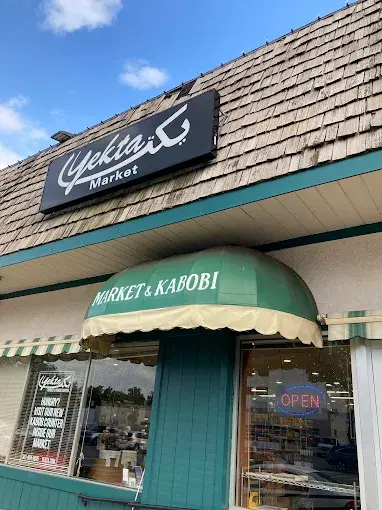
Yekta Market
Business Description
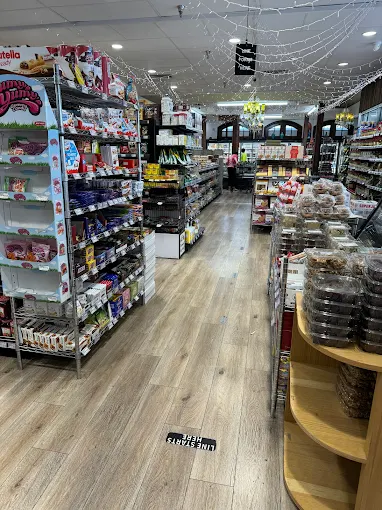
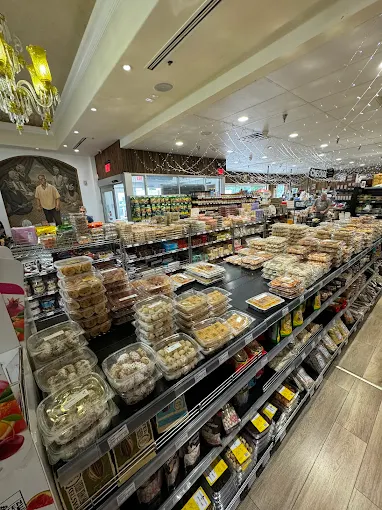
It’s not exactly in Washington, but it’s worth the trip if your shopping list includes cooking utensils as well as authentic Persian ingredients and snacks. And, great news for online shoppers; you can order the items you need online, and they’ll deliver the package to your doorstep. For any items you have in mind, you have a choice to make about several tastes and brands. Take Lavashak, for instance. You can buy any taste you like in sealed packaging.


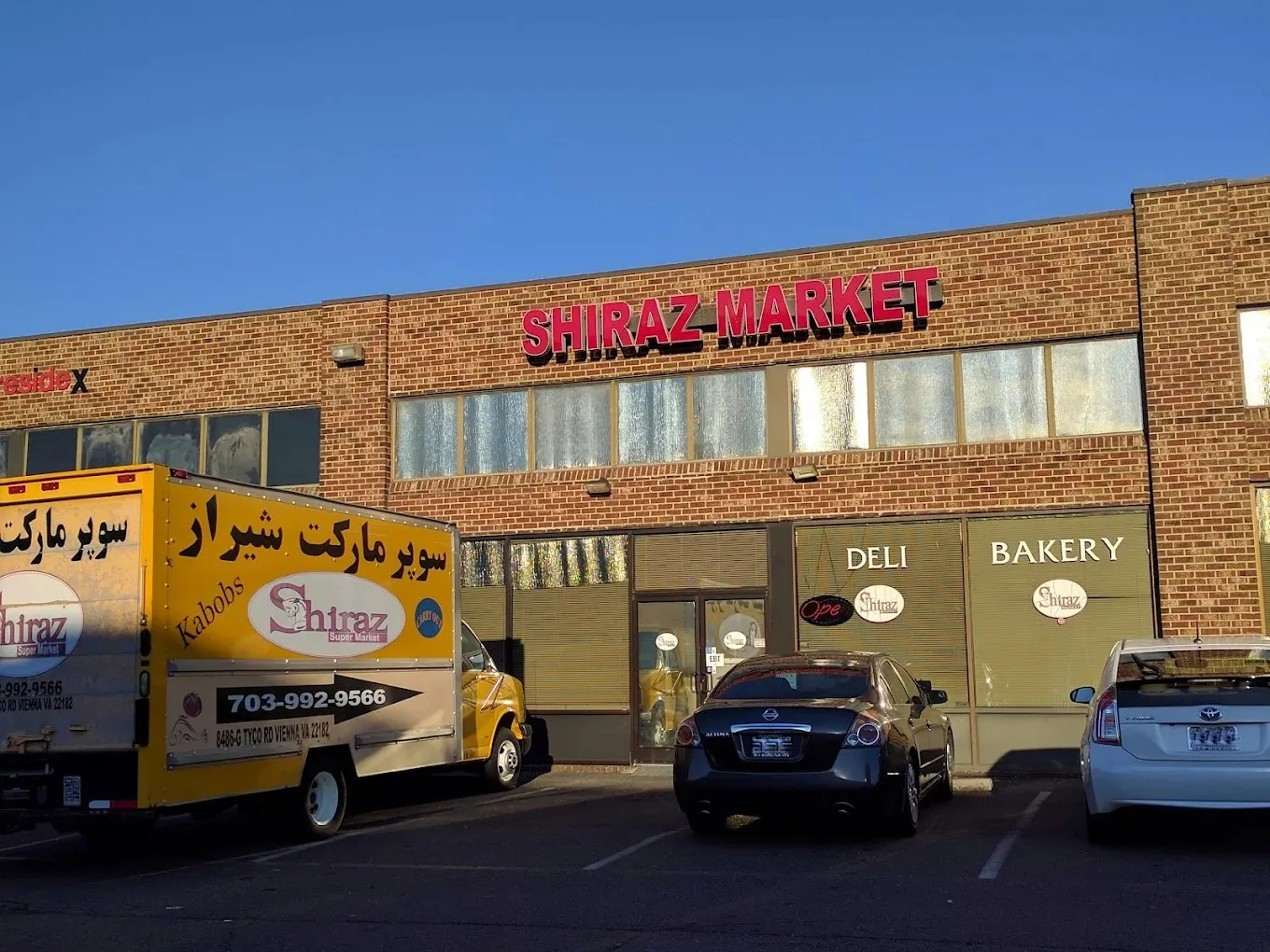
Shiraz Market – Tyco Rd
Business Description
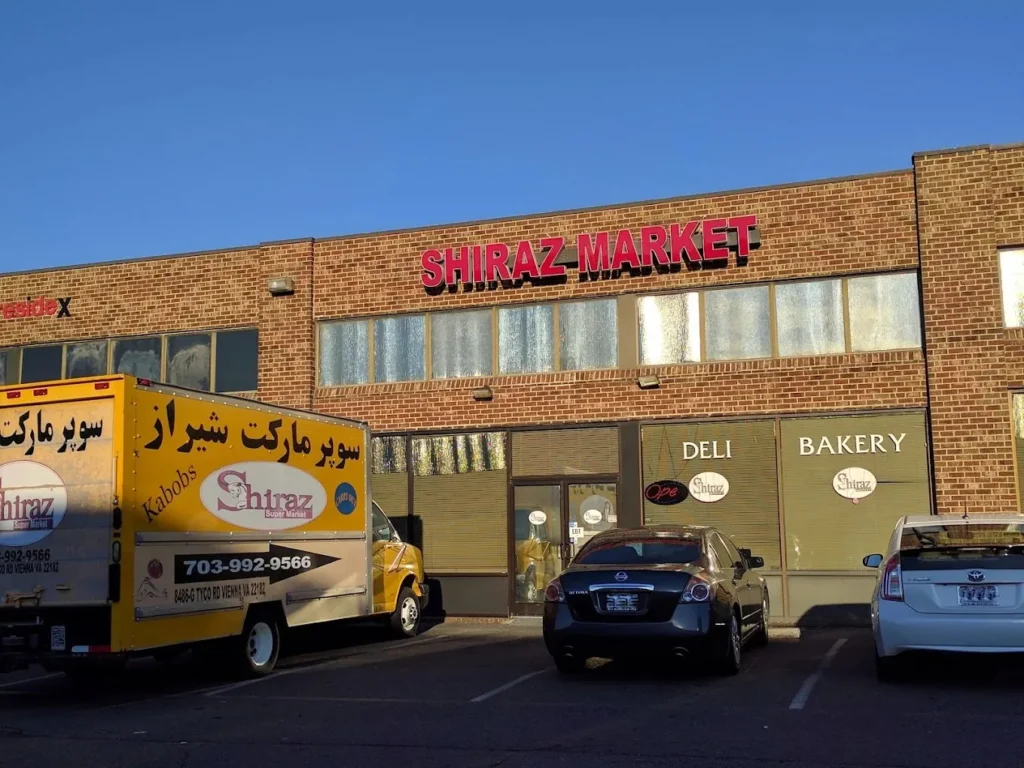
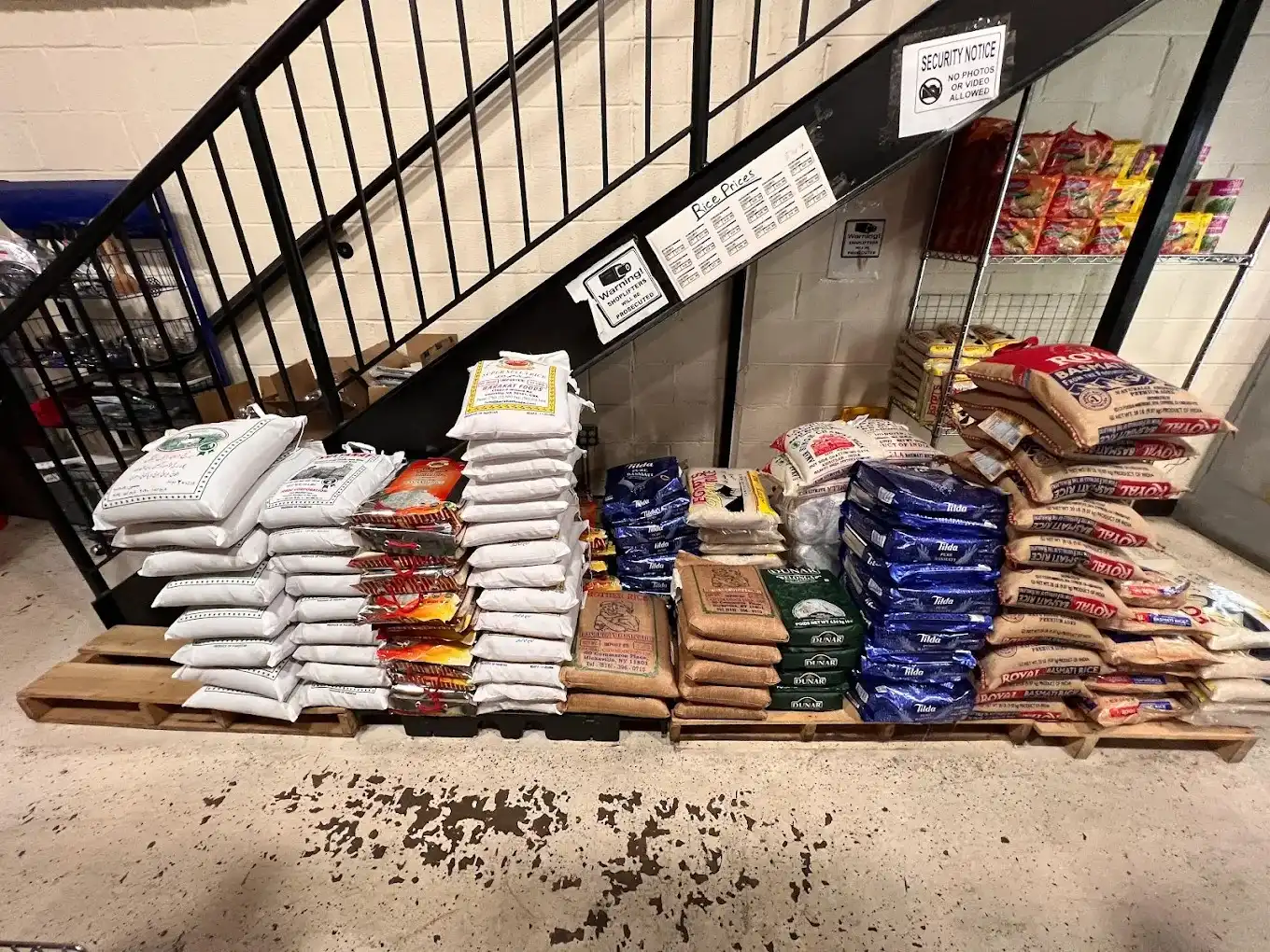
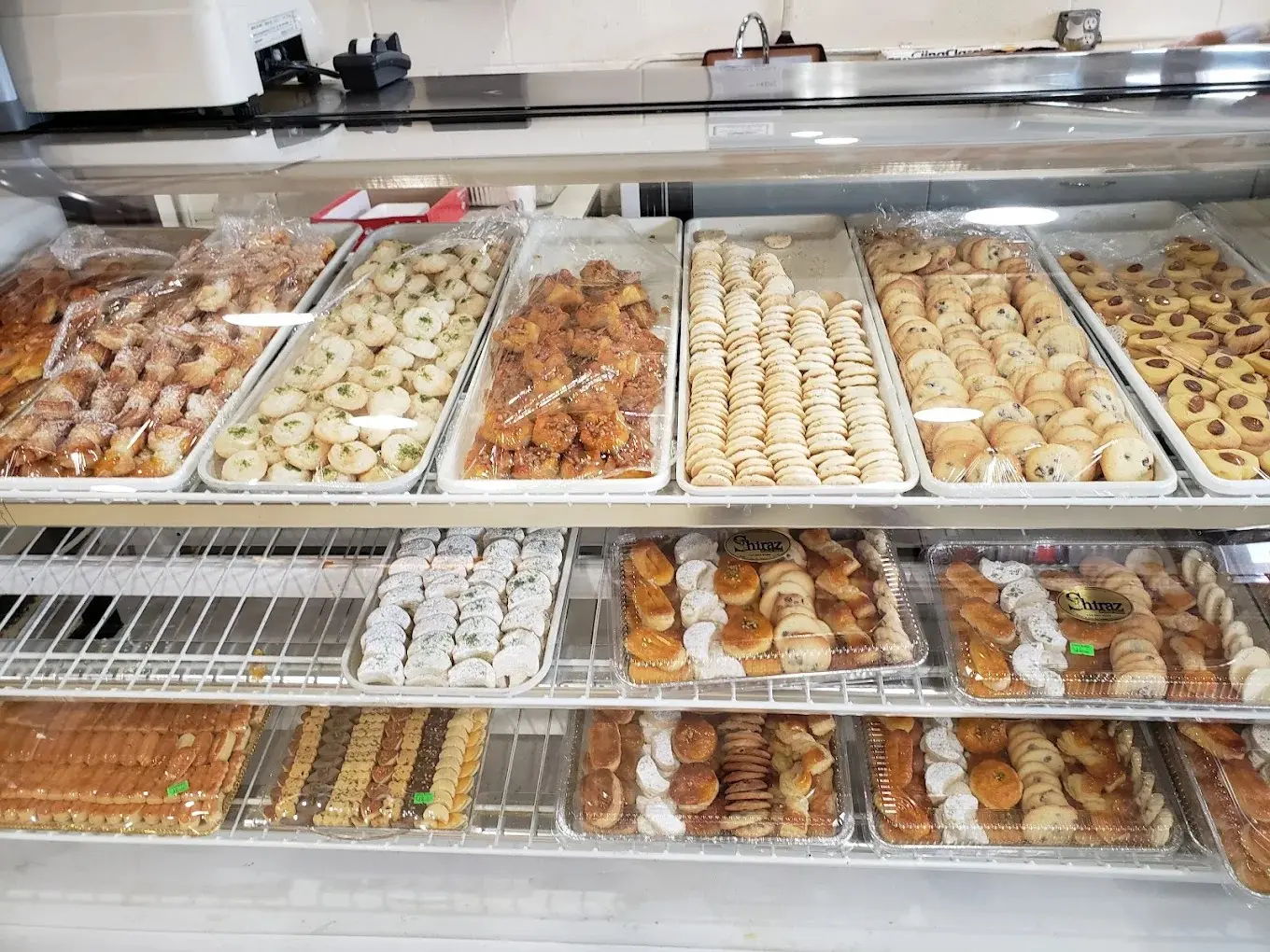
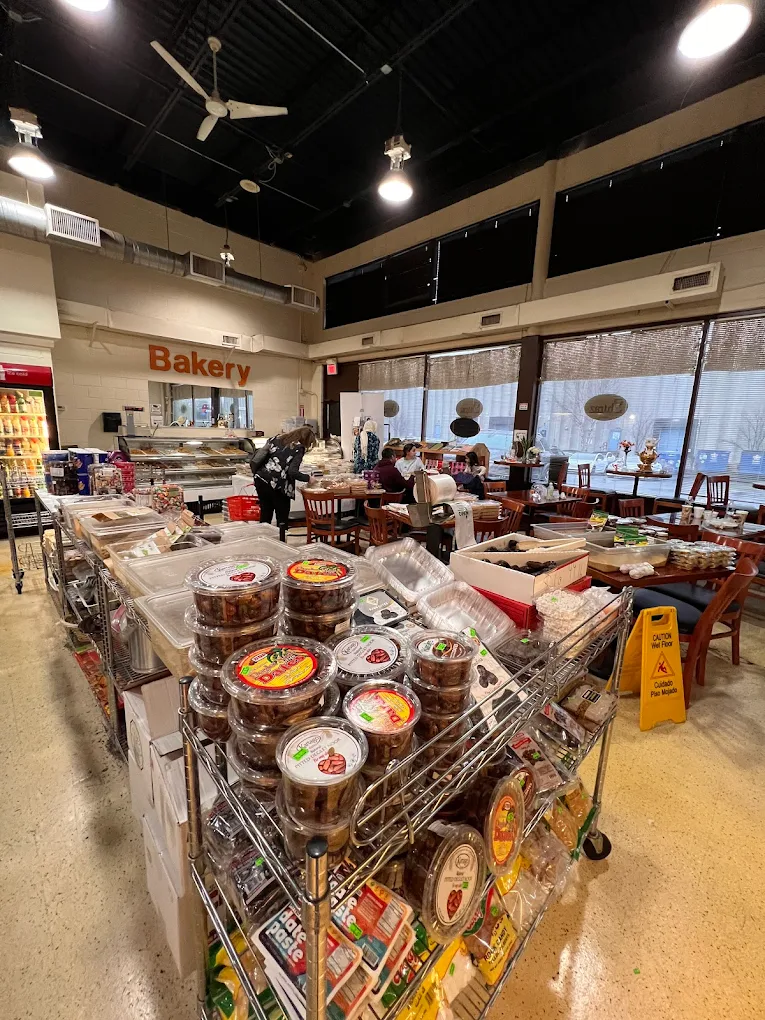
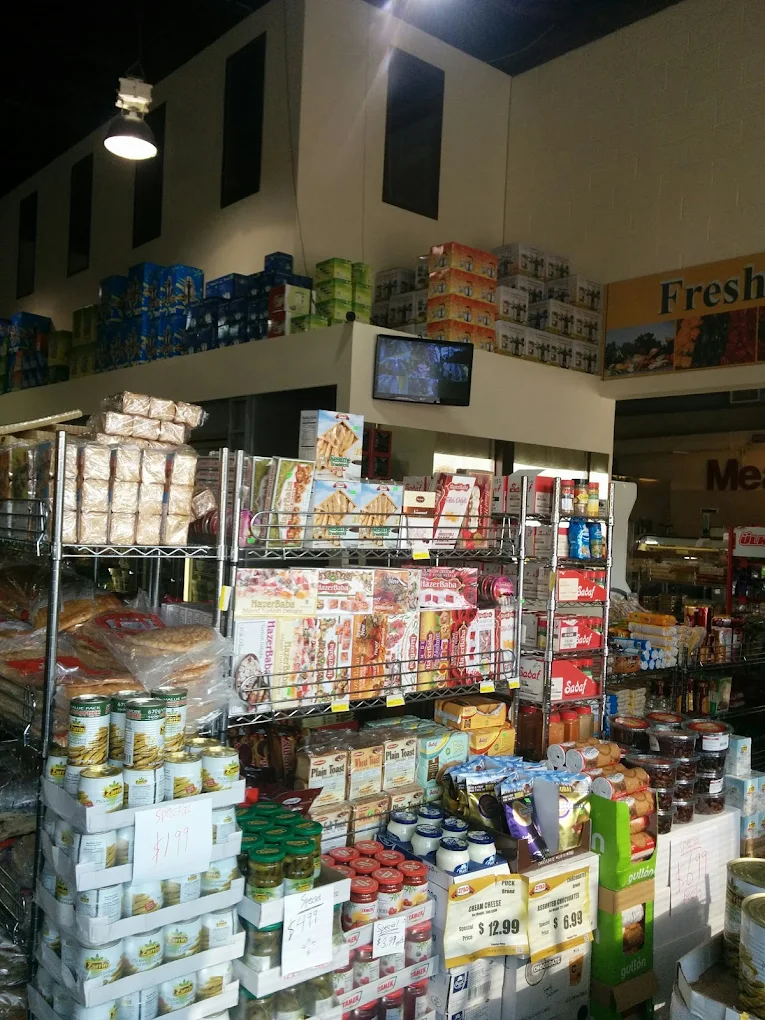
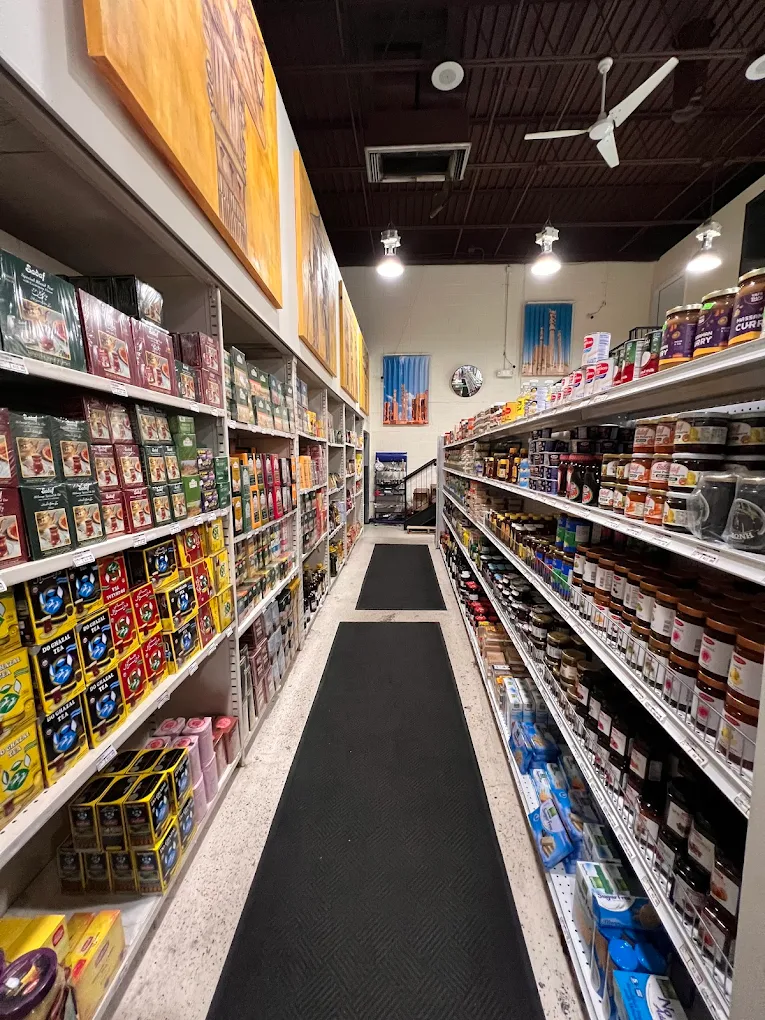
Shiraz Market is a well-known destination for those seeking a taste of Persian culture in Northern Virginia. While it is a smaller, cozy shop, it is highly regarded for its specialized selection that can be difficult to find elsewhere. Visitors frequently highlight the quality of their fresh herbs, vegetables, and unique international goods spanning Middle Eastern, Asian, and American cuisines. It is a standout spot for specialty items like sour Persian pistachios, high-quality bakery items, and a robust collection of Mediterranean and Turkish spices.
Freshkala – Online Persian Market
Business Description
Freshkala is Washington’s main online Persian supermarket, shipping statewide. It’s perfect for anyone who wants authentic Iranian products delivered to their door — from rice and saffron to frozen stews, doogh, and gaz. Orders arrive fast, and the packaging keeps everything fresh. For Persian groceries in smaller cities like Spokane or Tacoma, Freshkala makes access simple and reliable.

What Is Persian Saffron and Why Is It So Special?
Persian Saffron comes from the delicate red stigmas of the Crocus sativus flower, a plant that blooms for only a few weeks each year. Each flower produces just three threads, all of which must be harvested by hand. This alone explains part of its value.
What truly sets Iranian saffron apart is intensity. The color blooms into a deep golden hue, the aroma is layered and unmistakable, and the flavor lingers without bitterness. When used correctly, a small pinch goes a long way.
Iran has been the world’s leading producer of saffron for centuries, refining cultivation, harvesting, and drying methods that protect the spice’s essential compounds. These compounds, especially crocin and safranal, are responsible for saffron’s vibrant color, aroma, and many of the wellness benefits people associate with it today.
Different Types and Grades of Persian Saffron in Washington, DC
Not all Persian saffron is the same, and this becomes especially clear when shopping in the Iranian saffron store DC. Depending on the store, you may see different names, price points, and forms. Understanding these differences makes it much easier to choose saffron that suits your cooking style and expectations.
| Saffron Type | What It Looks Like |
Best For |
|
Negin |
Long, thick, deep-red |
Special occasions, gifting, fine cooking |
| Sargol | Shorter red tips, clean and uniform |
Home cooking, rice dishes, desserts |
|
Pushal |
Red threads with some yellow attached | Traditional cooking, budget-friendly use |
| Bunch saffron | Full threads tied together |
Cultural or regional recipes |
| Powdered saffron | Fine red or orange powder |
Convenience |
Where Washington, DC Shoppers Usually Buy Persian Saffron
By the time most people start looking for Persian saffron, they already understand that this isn’t an everyday spice. Some shoppers prefer familiar Persian or Middle Eastern grocery stores, where saffron is treated as a serious ingredient rather than a novelty. Others look across the wider DMV area, combining errands with specialty shopping. For many busy households, ordering online has become the simplest way to purchase saffron with confidence and consistency.
DC neighborhoods where shoppers often look for saffron
While saffron isn’t tied to a single part of the city, buyers in Washington tend to search in a few well-known areas:
- Dupont Circle – popular for international and specialty food shops
- Adams Morgan – known for Middle Eastern and global markets
- Downtown DC – convenient for quick purchases near work
- Georgetown – occasional gourmet and specialty food options
- Columbia Heights – access to diverse international grocery stores
Availability can vary, and selection is often limited by shelf space. That’s why many shoppers compare local options with reliable online sources, especially when they’re looking for a specific grade or buying saffron as a gift.
How Much Does Persian Saffron Cost in Washington, DC?
Saffron prices in Washington, DC, can feel puzzling at first. You may see small jars priced very differently—even when they look similar. The truth is, price usually reflects sourcing, grade, freshness, and how directly the saffron reaches the shelf, not just the name on the label. Rather than focusing on a single “correct” price, it’s more helpful to understand how costs typically break down across the DC area.
| Retailer type | Price per gram | What to expect |
| Specialty spice shops | $20 – $30+ | Premium, lab-tested Grade I saffron with strong aroma and color. |
| Persian & Middle Eastern markets | $10 – $18 | The best balance of authenticity and value. |
| Gourmet or bulk retailers | $8 – $12 | Convenient and widely available, though quality can vary. |
How Can You Tell If Persian Saffron Is Real or Fake?
In Washington, DC, saffron is easy to find. However, finding trustworthy saffron takes a little more attention. Because it’s sold in tiny quantities and priced high, saffron is one of those ingredients where fakes are inevitable. The reassuring part is that authentic Persian saffron has a few clear characteristics that set it apart from fakes.
What real Persian saffron should look and smell like
Color: The best saffron threads are deep red. A small amount of natural yellow at the very end can appear in some grades, but bright yellow-heavy threads usually indicate lower quality.
Aroma: Real saffron has a distinct scent—often described as honeyed, floral, and slightly earthy. If it smells flat, dusty, or barely there, it may be old or weak.
Texture: Threads should feel dry but not brittle like straw. Extremely crumbly saffron can be a sign of age or poor storage.
A simple home test that actually helps
Place a few threads in warm water and watch what happens:
- Authentic saffron releases color slowly, turning the water a rich golden-yellow over several minutes.
- If the water turns bright red immediately, that can be a sign of dye.
- After steeping, the threads should still hold their shape rather than dissolving into nothing.
This isn’t a perfect scientific test, but it’s a practical check that many careful buyers use.
Cooking With Persian Saffron: How to Bloom It and Use It Well
The difference between “I used saffron,” and you can truly taste saffron often comes down to one simple step: blooming. Persian saffron is powerful, but it doesn’t reveal its full color and aroma if it’s dropped into a dish dry and hurriedly. Treated well, even a small pinch can perfume an entire pot.
How much saffron do you actually need?
Most people use more saffron than necessary at first, especially if they’ve only encountered weak or old saffron before. With good-quality Persian saffron, you usually use:
- Persian rice (serving 4–6): a small pinch (often around 10–15 threads) is usually enough
- Tea (1–2 cups): 3–6 threads, depending on how aromatic you like it
- Desserts: you’ll often use a little more, because dairy and sugar soften the flavor
The best way to bloom saffron
- Gently grind the threads (a small mortar and pestle is ideal). A tiny pinch of sugar can help if you’re making desserts, but it’s optional.
- Add a small amount of hot water (or hot milk for desserts). You don’t need much—just enough to create a deep golden infusion.
- Let it steep for 10–20 minutes, covered. This protects the aroma and gives the color time to develop.
If you want an even gentler method, many cooks use a small ice cube over crushed saffron and let it melt slowly. It’s quiet, patient, and surprisingly effective.
How to store saffron so it keeps its soul
Saffron’s aroma is part of what you’re paying for, and it can disappear if stored carelessly. Keep it:
- Airtight
- Away from light
- In a cool, dry place (not above the stove)
Stored well, saffron can last a long time—but the most expressive aroma is usually within the first months after opening.
Used with intention, saffron becomes more than a flavoring. It becomes a signature—one you’ll start to recognize not only in the dish, but in the atmosphere it creates.