
Zereshk, or Persian barberries, are small, tangy red berries that play a quiet but essential role in Persian cooking. From classic zereshk polo to salads and stews, they add a bright sour note that no other ingredient quite replaces. In Washington, DC and the surrounding area, more people are looking for zereshk, and that’s why this Nazdikia guide will help you to find the best Persian zereshk in Washington.

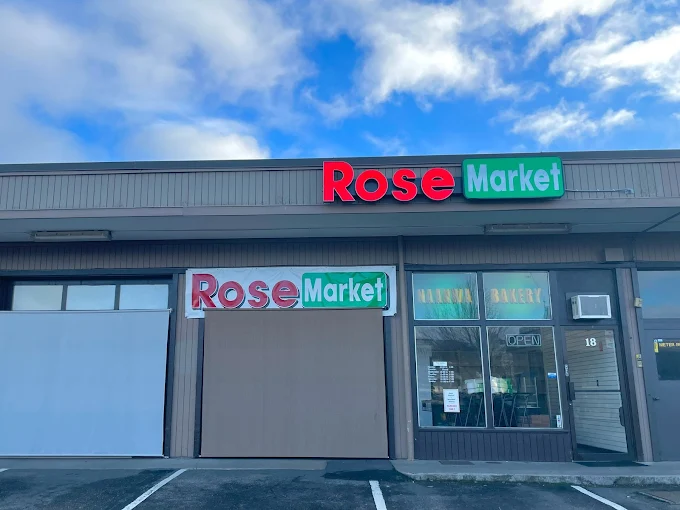
Rose Persian Market and Butchery
Business Description
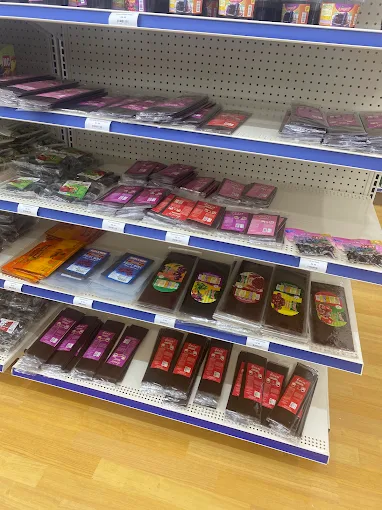
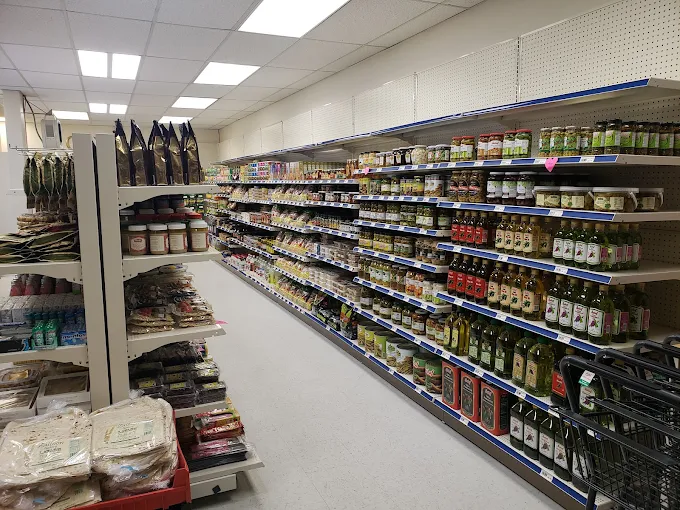
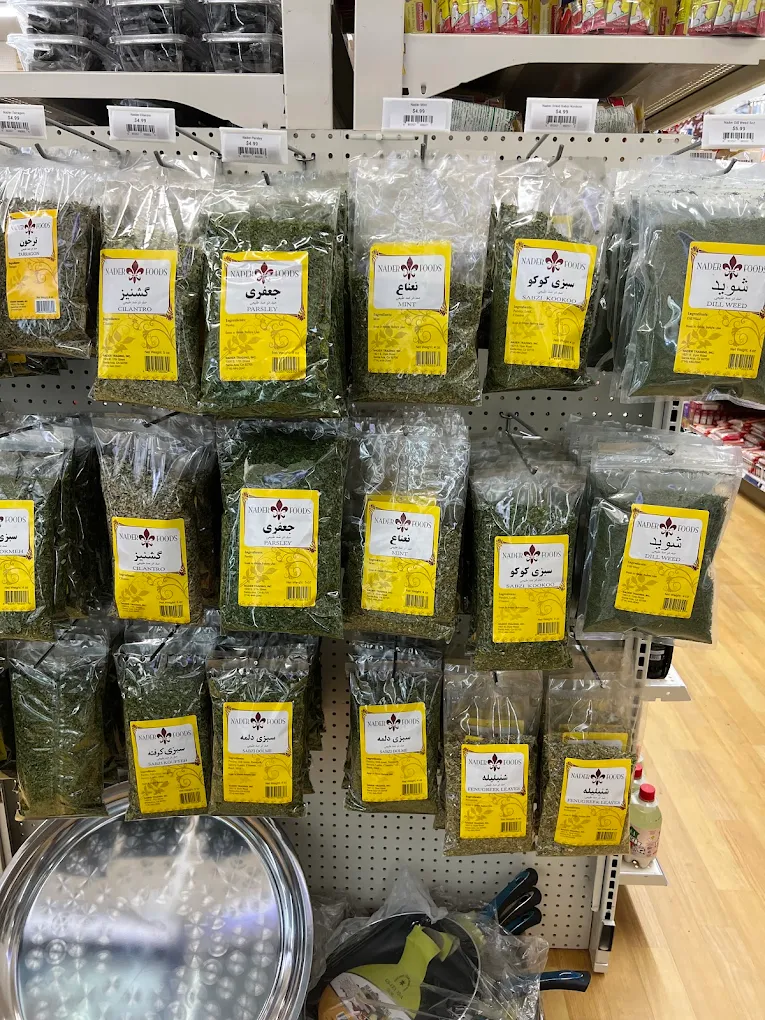
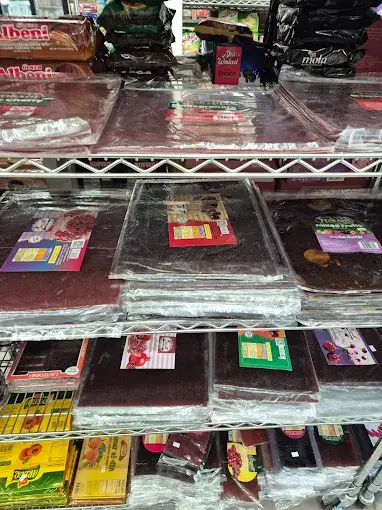
Just a typical Persian supermarket. So typical that you can, with a bit of imagination, see yourself in a supermarket in the heart of Tehran. While you’re checking off the items on your shopping list, buy some Lavashak and surprise your kids when you get back home. And buy some for your inner child.

Oskoo Persian and Mediterranean Market
Business Description
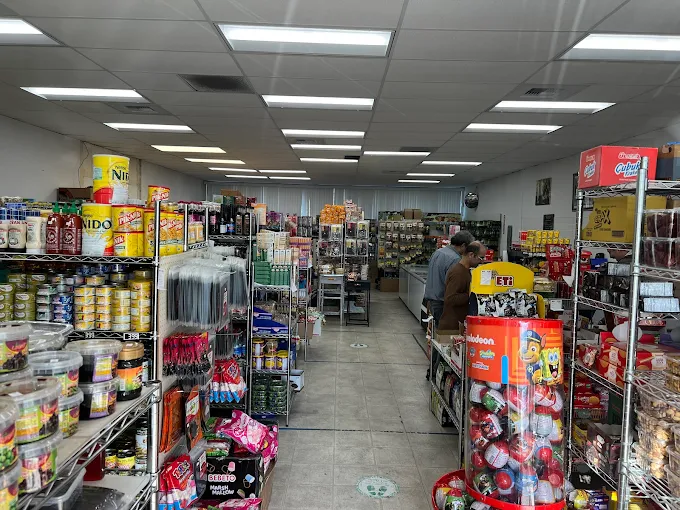
Oskoo Persian Market is actually a hypermarket. The place is bustling with Persian speakers walking along the aisles, holding a cart or pushing a cart, and wondering which brand is better. You need to make time to go to this hypermarket because the variety of products won’t make shopping easy for you. For example, if you want to buy Lavashak at Oskoo Persian market, you have to spend some time just to scan all the stacked brands of Lavashak in different sizes and tastes. If you’re a shopaholic, you need to take someone with you to stop you from making impulse purchases; otherwise, you max out your credit.

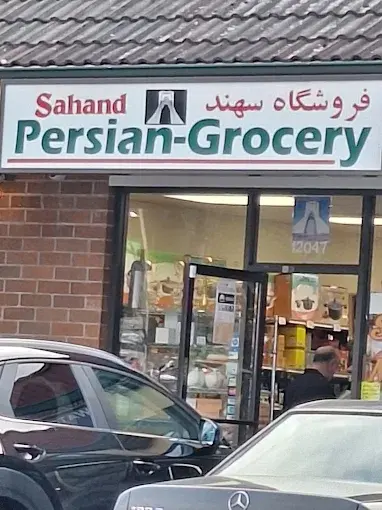
Sahand Grocery Store
Business Description
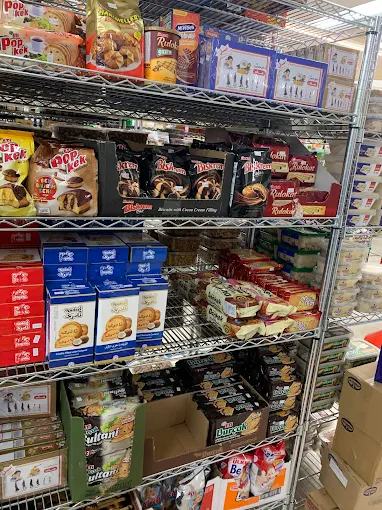
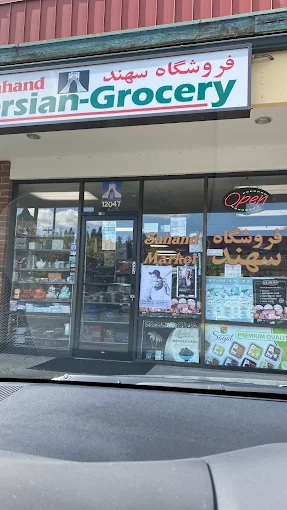
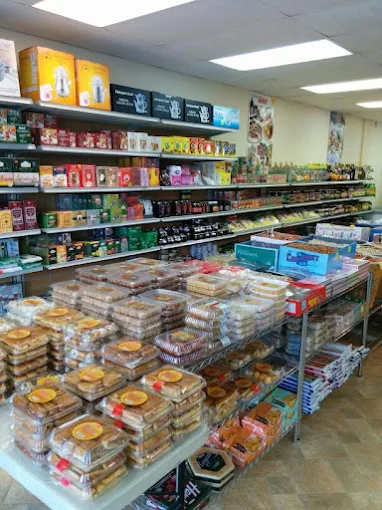
An authentic Persian name for an authentic Persian supermarket. Enter the store and you’ll see various Persian products in colorful packaging stacked neatly on the shelves. Breads, pastries, beans, dairy, snacks, and any food you need in your kitchen. Don’t forget to buy some Lavashak leaves while you’re there.
Freshkala – Online Persian Market
Business Description
Freshkala is Washington’s main online Persian supermarket, shipping statewide. It’s perfect for anyone who wants authentic Iranian products delivered to their door — from rice and saffron to frozen stews, doogh, and gaz. Orders arrive fast, and the packaging keeps everything fresh. For Persian groceries in smaller cities like Spokane or Tacoma, Freshkala makes access simple and reliable.

What Is Zereshk (زرشک ایرانی)?
Zereshk (زرشک) are small red berries with a naturally tart, bright flavor, most often sold dried. In English, they’re usually called barberries, but when Persians talk about zereshk, they typically mean the Iranian variety that’s used in everyday cooking.
In Persian kitchens, zereshk isn’t treated like a sweet dried fruit. It’s closer to a seasoning ingredient: lightly sautéed, sometimes softened in warm water, and often balanced with a touch of sweetness. That contrast—tangy, fragrant, and just slightly sweetened—is what makes dishes like zereshk polo so memorable.
You’ll most often see Persian zereshk described in a few common ways:
- Pofaki (پفکی): lighter, more “puffy,” and usually brighter in color.
- Anari (اناری): more pressed, slightly darker, and often a bit more intense in sourness.
- Washed & vacuum-packed vs. loose dried: vacuum-packed options tend to stay cleaner and fresher longer, while loose zereshk can vary more from batch to batch.
If you’re shopping in the DC area, these terms matter because they help you compare options across Persian grocery stores, Middle Eastern markets, and online sellers.
Where to Buy Zereshk in Washington, DC
In the DC–Maryland–Virginia (DMV) area, zereshk is usually easiest to find where Persian and broader Middle Eastern communities shop regularly. Best areas to check first:
Northern Virginia (Tysons, Vienna, McLean)
This area has long been a hub for Persian grocery shopping and holiday markets, so it’s often the most reliable place to find Iranian-style zereshk, including higher-quality vacuum-packed options.
Maryland (Rockville, North Bethesda, Bethesda, Potomac)
These neighborhoods are well known for their concentration of international and Middle Eastern food stores, making them a consistent place to look for zereshk and other Persian pantry staples.
Washington, DC proper (Dupont Circle, Adams Morgan, Downtown/Penn Quarter)
In DC itself, zereshk is more commonly found in Middle Eastern or international groceries rather than dedicated Persian stores. The selection can be smaller, but it’s still possible to find it without leaving the city.
What to Look for on the Shelf
When you’re scanning the aisle, look for labels that say:
- “Zereshk” (زرشک) or “Barberries”
- Packaging that is vacuum-sealed or resealable
- A clear ingredient list with no added oils, sugars, or preservatives
Buying Zereshk Online
If you don’t want to visit a physical store, zereshk is also easy to order online through:
- Grocery delivery platforms that partner with local international stores
- National online marketplaces that carry Persian brands
- Persian grocery shops that offer shipping within the US
Online shopping is especially helpful if you’re looking for a specific type (like pofaki or organic) or want to buy several Persian ingredients together.
How Much Does Zereshk Cost in Washington, DC?
Zereshk prices in the DMV can feel a bit scattered at first because it’s an imported specialty ingredient, and pack size, brand, and packaging (vacuum-sealed vs. loose) change the price more than people expect. Here’s a practical way to think about it:
|
Quantity (Grams) |
Approx. Weight (Ounces) |
Estimated Price |
|
85g (Standard Jar) |
3 oz | $5.99 – $7.99 |
|
170g (Medium Bag) |
6 oz | $8.99 – $10.99 |
| 454g (1 lb Bulk) | 16 oz |
$13.99 – $15.99 |
| 1000g (1 kg) | 35.2 oz |
$28.00 – $32.00 |
What makes zereshk more expensive (or cheaper) around DC
- Packaging: vacuum-sealed and well-cleaned zereshk usually costs more, but tends to stay fresher longer.
- Type: pofaki (puffy) and “higher-grade” lots are often priced above pressed/anari.
- Where you buy: Specialty Persian markets may have better quality control; big marketplaces sometimes swing higher depending on sellers.
- Seasonality: before major Persian holidays (especially Nowruz), demand rises, and some stores sell out of preferred brands or grades.
How to Choose High-Quality Zereshk
Once you know where to buy zereshk, the next question is how to recognize a good one. Quality differences are subtle, but they matter.
What good zereshk should look and smell like
- Color: Look for a deep, natural red — not brownish, greyed, or unnaturally shiny. Very dark berries are often older or over-pressed.
- Shape: The berries should be intact and slightly plump, not crushed into powder or stuck together in a hard mass.
- Aroma: Zereshk should smell clean and lightly tart, never musty, dusty, or sour in a fermented way.
- Texture: When you press them gently through the package, they should feel dry but not brittle.
Signs of Authenticity and Careful Handling
- Clear labeling: Ideally, the package says “zereshk” (زرشک) or “barberries” and lists the country of origin. Many high-quality ones are imported from Iran, though this is not always stated explicitly.
- Vacuum-sealed or resealable packaging: This helps protect the berries from moisture and oxidation, which dulls both color and flavor.
- Minimal additives: Good zereshk usually contains nothing but the berries themselves. Thus, there should be no oil, sugar, or preservatives.
How to Store, Prepare, and Use Zereshk
Zereshk is simple to cook with, but it rewards a light touch. The goal is to keep its color bright and its tartness lively.
How to Store Zereshk
Keep it sealed: Once opened, transfer zereshk to an airtight jar or a tightly sealed bag. Moisture is its main enemy.
Refrigeration helps: If you don’t use it often, storing it in the fridge helps preserve color and flavor longer.
Freezer for long-term: For bulk purchases, the freezer is a reliable option. Zereshk freezes well and can be used straight from frozen after a quick rinse.
How to Prepare Zereshk Before Cooking
Most zereshk benefits from a quick clean-up step:
- Rinse briefly in cool water to remove dust or tiny stems.
- Drain well (don’t leave it soaking for a long time—zereshk is delicate).
- If it tastes very sharp, soften it for a few minutes in lukewarm water, then drain.
A common Persian technique is to warm zereshk gently in a pan with a little butter or oil, then balance it with a small pinch of sugar. This doesn’t make it sweet, but the sourness tastes brighter, not harsh.
How People Use Zereshk in Persian Cooking
Zereshk is most famous in zereshk polo ba morgh (barberry rice with chicken), but it shows up in many dishes:
- Tahchin (saffron rice cake) — especially as a garnish
- Kuku sabzi — adds a pleasant sour contrast
- Stews and rice dishes — a finishing sprinkle brings color and acidity
- Salads — used like a tart “pop” in place of cranberries
- Infusions and syrups — less common, but traditional in some homes
If you’re new to zereshk, start by using it as a garnish: it’s the easiest way to learn its flavor and see how much you enjoy it in each bite.
Health Benefits of Zereshk (Persian Barberries)
Beyond its place in Persian cooking, zereshk has also been valued for generations for its traditional wellness uses. While it isn’t a substitute for medical care, it’s a naturally nutrient-rich ingredient that many people like to keep in their kitchen for both flavor and function.
A Naturally Antioxidant-Rich Ingredient
Zereshk contains plant compounds that are commonly associated with antioxidant activity. In practical terms, that’s one reason it has a reputation for supporting overall wellness.
Berberine: the Compound People Often Mention
One of the best-known compounds in barberries is berberine, which has been studied for its potential role in areas like metabolic health. This is part of why zereshk is sometimes discussed in relation to blood sugar balance and general metabolic support, though results and relevance can vary from person to person.
Digestive and Appetite Support in Traditional Use
In Persian traditional food culture, tart ingredients are often appreciated for how they “wake up” a dish. Zereshk has long been used in such a spirit. Many people find it helps make heavier meals feel lighter, and it’s sometimes described as supportive for digestion.