
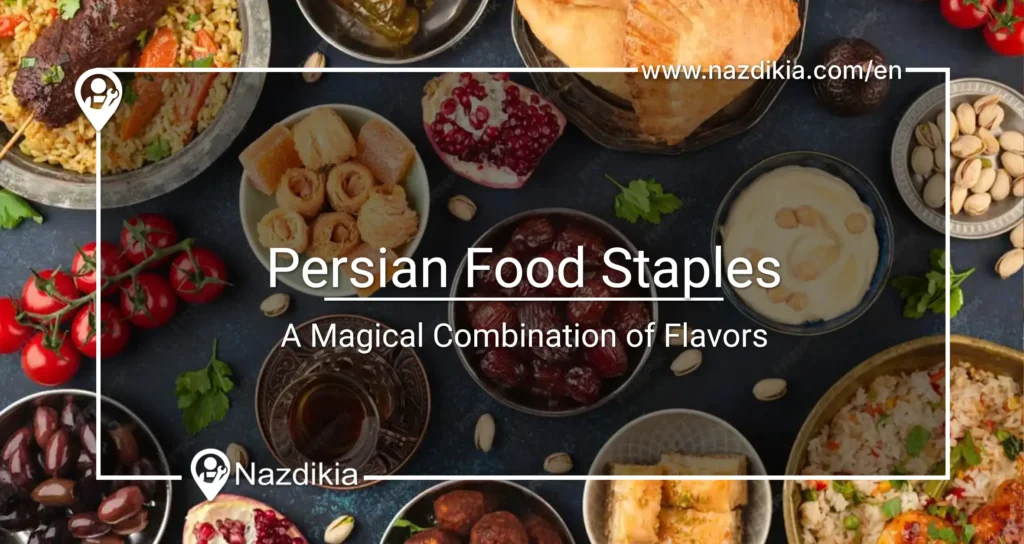
The obsession the Iranians have with what comes to the table and goes to their mouth has made a name for Persian food and Iranian cuisine. This article is a quick tour of the peculiarities of Persian food and helps you decide what to order the next time you go to an Iranian restaurant. Stay tuned to discover the delicious variety on the Iranian menu.
Vibrant Ingredients of Persian Kitchens
You can find many food ingredients in an Iranian kitchen. These ingredients make up all the nutrients you need for a healthy diet. Let’s take a look at food items in a typical Persian kitchen.
Everyday Staples Packed with Tradition
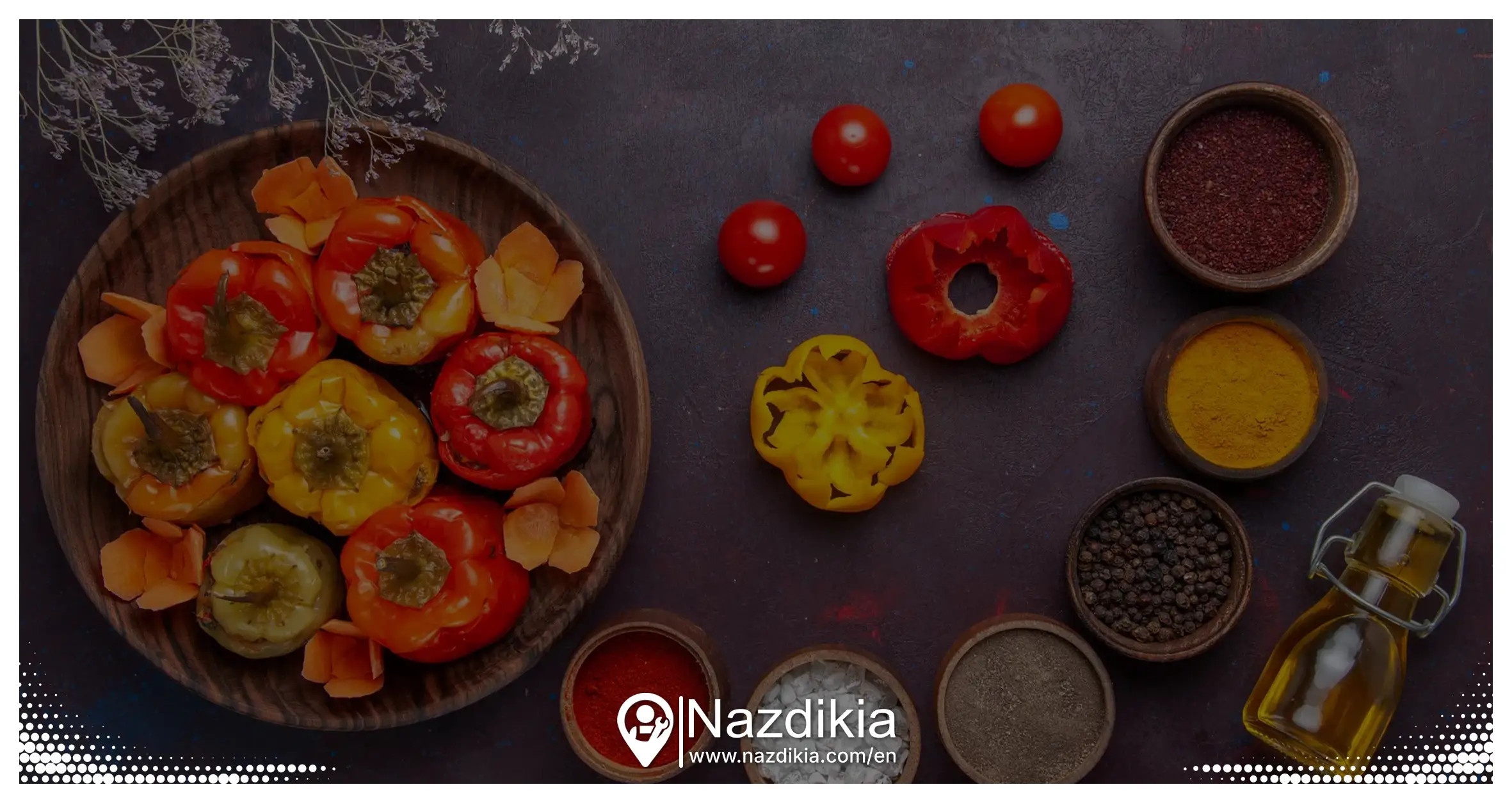
Rice is the main staple in Iranian cookery. It’s a very common companion of most Persian foods. Iranian chefs can make many dishes with the combination of rice and various legumes, such as lentils, mung beans, split peas, and beans, to name a few. These combinations are widespread throughout Iran, but there are some foods that are more local. We’ll get to them in a bit.
Wheat is another indispensable ingredient of Iranian food. No matter what meal of the day you’re having, bread must be present on the table. Bread in Iranian cookery comes in different shapes and sizes. The most common shape is circular with a 30 – 40 cm diameter. The commonest types of bread in Iran are Lavash, Barbari, Sangak, and Khanegi (=made at home).
The next staple in the Persian cuisine is meat, particularly lamb, beef, fish, and chicken. In fact, it’s not an exaggeration to say that most Iranian cooks don’t use the meat from other animals in their food. The most important reason for that is the religious-rooted concept of Halal and Haraam in the Persian culture, which forbids muslims to eat the meat from most animals, and pigs are the most significant example.
Since we’re talking proteins, eggs mustn’t be left out. Eggs cooked in different ways (boiled, scrambled, fried, etc.) are considered an easy and fast-made food for any course in the Iranian cuisine. Omlet is a popular egg-based meal in Persian cuisine.
Cultural Insight:
It must be noted here that, in modern-day Iran, more and more Iranians are freeing themselves from the archaic cultural binds, especially the ones that are rooted in religion. So, don’t be surprised to see pork or alcoholic drinks in Iranian restaurants in foreign countries.
Even inside Iran, you can access food or drinks that are banned by the law, but you’ll have to know a reliable source, pay more, and ultimately take some risks to get your hands on them.
Flavor-defining Spices in Persian Food
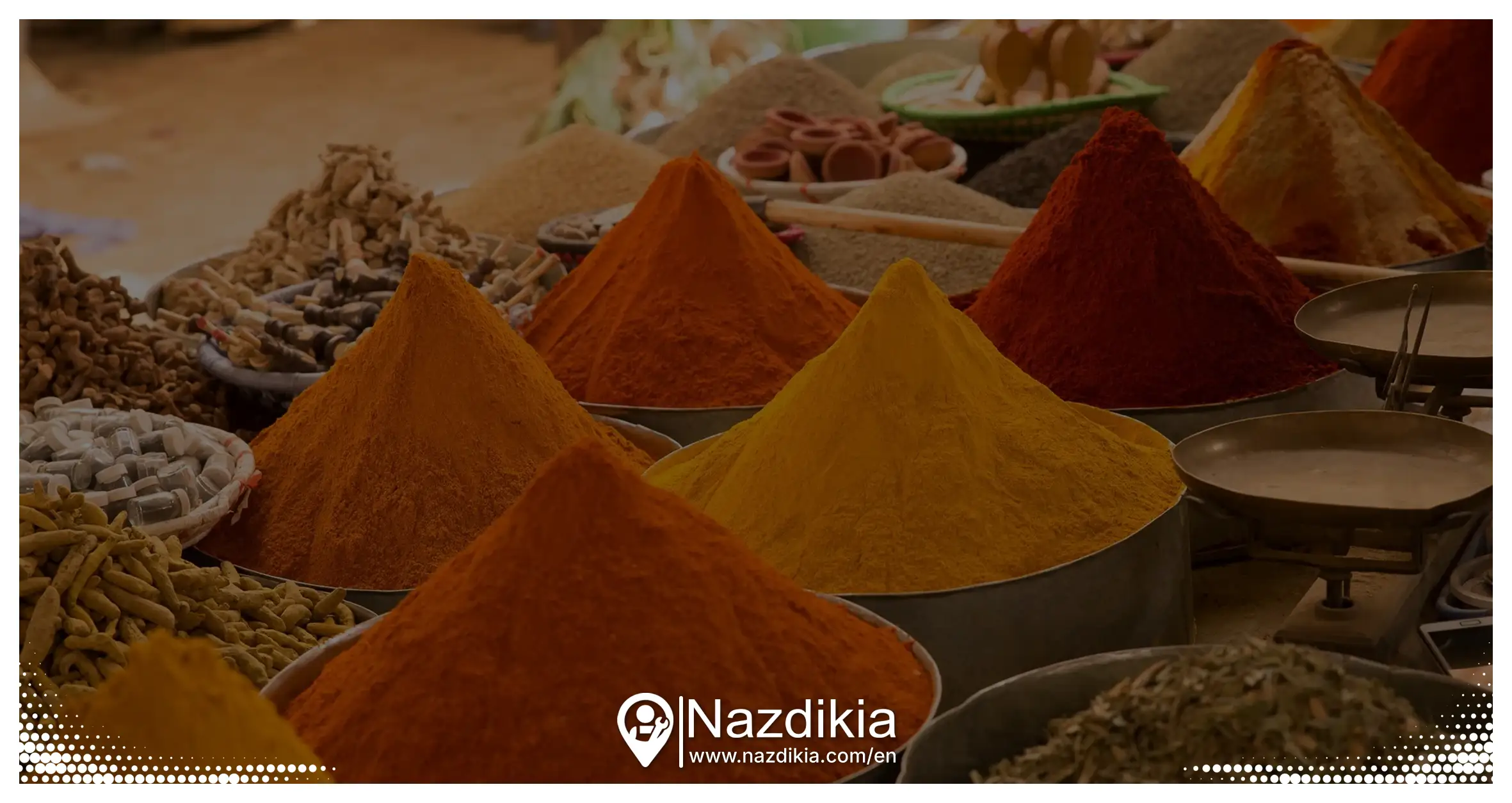
The mouth-watering aroma of Persian foods owes itself to the delicious combination of the various spices:
- Turmeric: used for the scent and the golden color it gives to the food.
- Black pepper: used for the hot flavor and the dark color.
- Red pepper: used to make the food spicier and hotter.
- Dried lime (Omani lime): gives a pleasant sour taste to the stews and makes the color darker
- Sumac: a slightly sour ingredient commonly used with dishes that include meat as the main ingredient, especially Kebab.
- Cinnamon: used in stews or hot drinks for the pleasant scent and mildly spicy flavor.
- Garlic powder: used in stews and sauces for its smell.
- Paprika: used for the pleasant scent and the reddish color it gives to the food.
- Cardamom: used in hot drinks and some cakes for its magnificent scent.
- Thyme: usually added to the dish when it’s ready for its warm scent.
- Saffron: The Persian luxury spice used in rice and stews for its deep golden-orange color.
Dairy, Nuts, and Fruits That Mix Well in Persian Cuisine
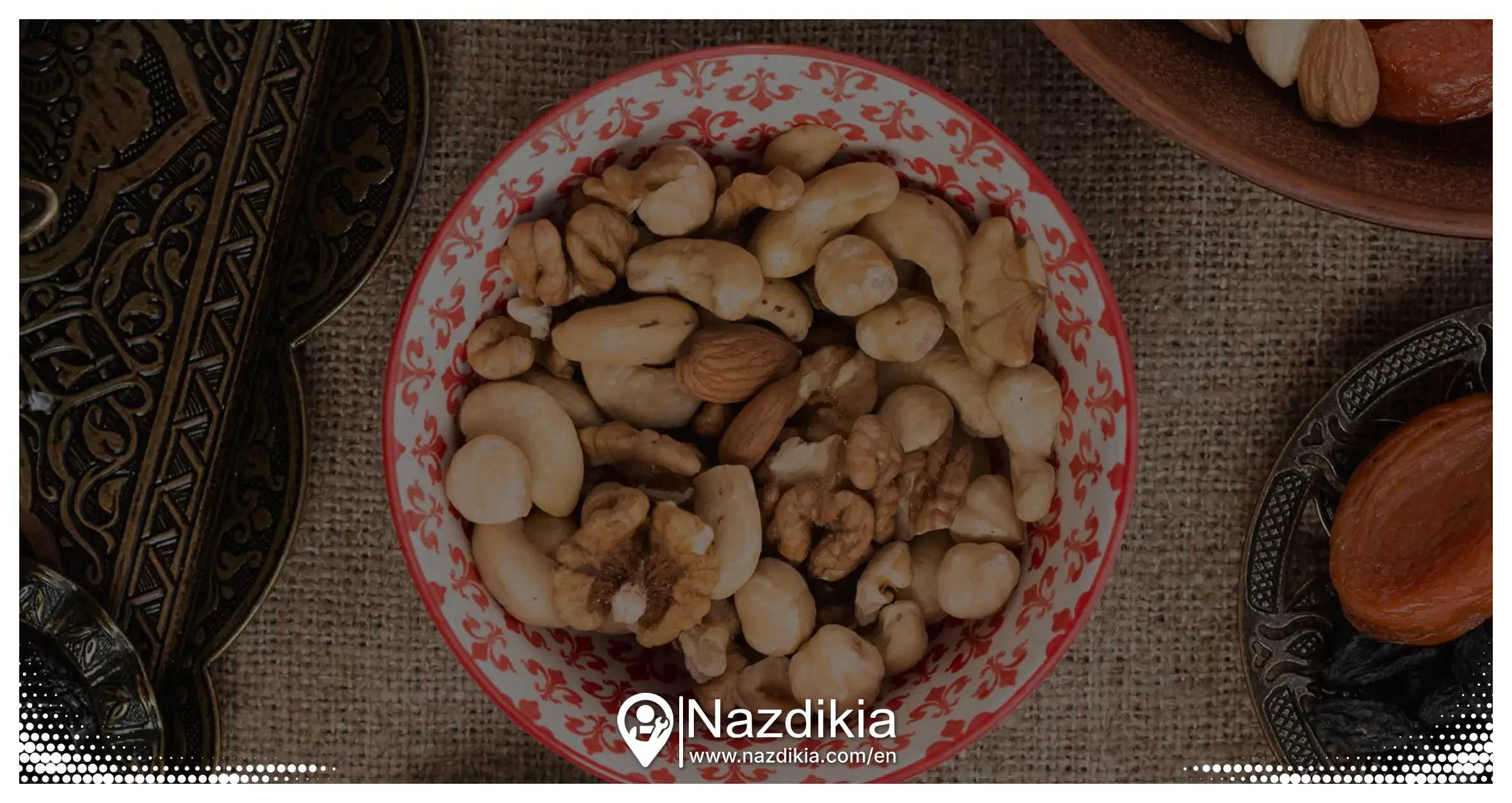
Dairy and nuts are nutrients that are commonly served with breakfast. For example, bread, cheese, and walnuts with a cup of tea on the side, is an excellent combination to start your day.
Also, the mixture of milk and nuts makes a healthy and nutritious snack to have in the afternoon. Almonds and walnuts are two nuts that make a delicious combination with milk. But the mix doesn’t stop here.
Majoon is an Iranian drink that comes in many forms and combinations. The most popular one is a mixture of nuts (almond, walnut, hazelnut, pistachio, and sunflower seeds), milk, honey (or grape molasses), banana, date, and cinnamon. Sometimes, ice cream is added to the mixture as well. It’s the whole package! It’s so nutritious and heavy that when you eat it, you probably want to skip the next meal.
Rituals of a Persian Dinner Party
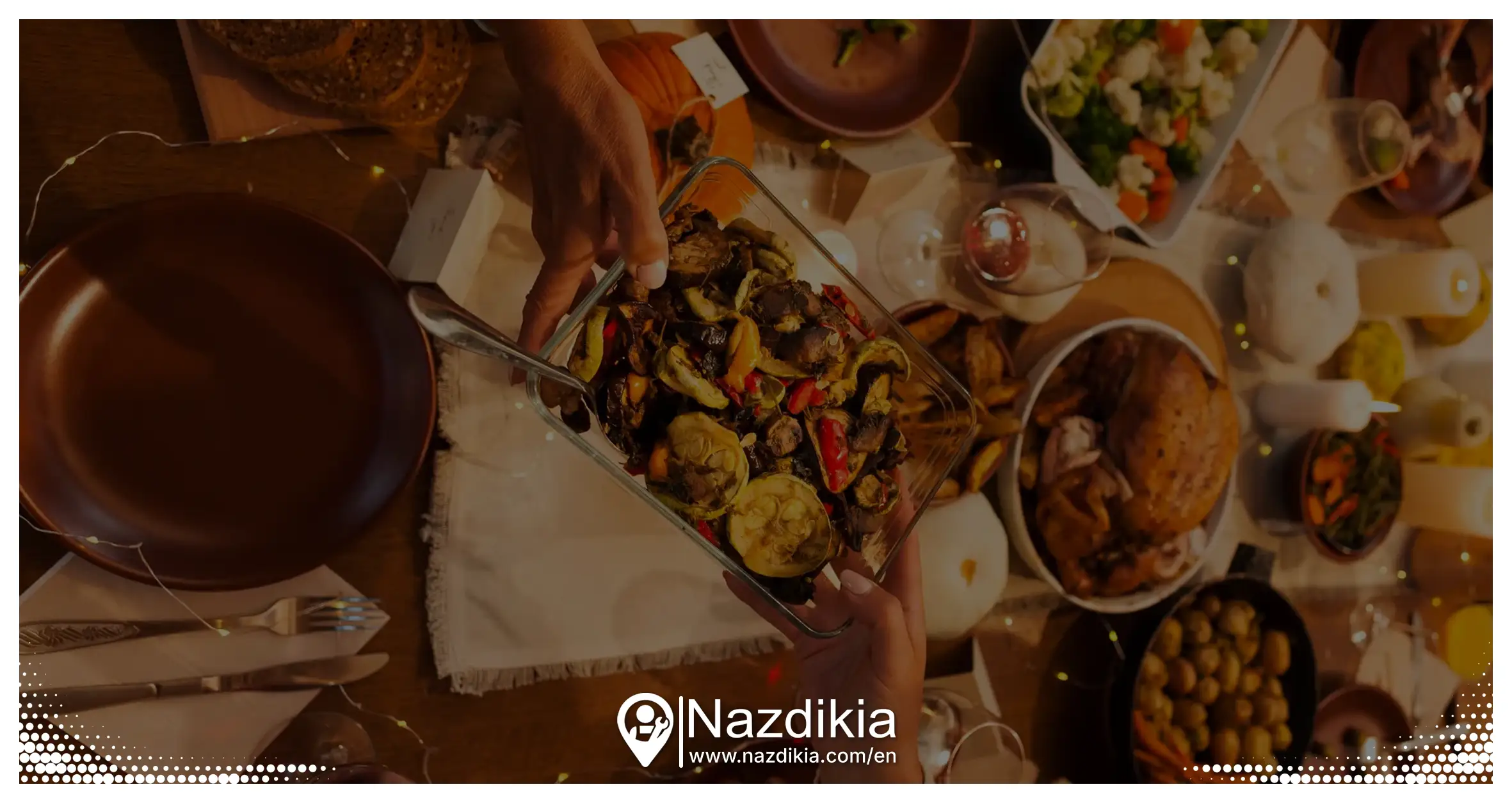
A dinner party with friends is poles apart from a dinner party with family. When friends get together, the usual choice for dinner is Jujeh. Everyone is in charge of something in a casual friends meeting. Someone gets the food, someone makes the food, and someone is in charge of the picnic equipment. Of course, if the gathering is in an urban area, they’ll have fast food for dinner.
On the other hand, a family gathering is more formal, especially if the host isn’t a close relative. It’s an old tradition among Iranians to go to each other’s homes at least once a year in Nowruz. This gathering isn’t usually a dinner party, unless you’re very intimate with the host. If you’re invited for dinner, the main dish is usually a traditional Persian food like Ghorme Sabzi, Gheyme Polo, rice with chicken or kebab.
Nuts and Fruits on Special Occasions
Yalda (or Chele) night and the New Year’s Eve (Nowruz) are two of the most honored and celebrated events in the Persian calendar. Iranians hold parties and have family reunions on these occasions. The common treats on these occasions include nuts, fruits, and tea. The nuts are a mixture of almonds, hazelnuts, cashews, pistachios, and Japanese pumpkin seeds. The fruits typically include bananas, Persian cucumbers, kiwi, apples, and oranges.
Flavors Across Iran’s Regions
Variety in Persian cuisine is partly due to the diverse ethnicities in Iran. The local food in northern cities of Iran is different from that in the south. The difference in food habits, dietary preferences, and culinary traditions between the residents of northern and southern Iranian cities has cultural and climatic roots.
Seafood and Herbs in the North
Local dishes in North of Iran include more herbs (basil, dill, parsley, coriander, tarragon, mint, and chives) and they mostly have a mild sour taste (from pomegranate molasses). Examples of famous northern dishes include Mirza Ghasemi, Baghali Ghatogh, Torsh Tareh, Anar Bij, and Kabab Torsh. These dishes are served with Zeytoon Parvardeh (= stuffed olive) on the side to take you beyond a simple lunch or dinner experience.
Spice and Sweet Notes in the South
There’s a different story in the south of Iran. The weather is scorching hot, and so are the famous southern dishes. Seafood is more common in southern Iranian cities than in the northern ones. Ghelye Mahi, Ghelye Meygoo, Meygoo Polo, Mahi Saboor, and Mahi Huwari are examples of seafood-based dishes in Southern Iran.
Famous southern dishes aren’t limited to seafood. Samboose, Felafel, and Daal Addas are other popular spicy foods in the south. Overall, Iranian southerners have a palate for spicy and heavily seasoned dishes.
The Typical Persian Food in Central Iran
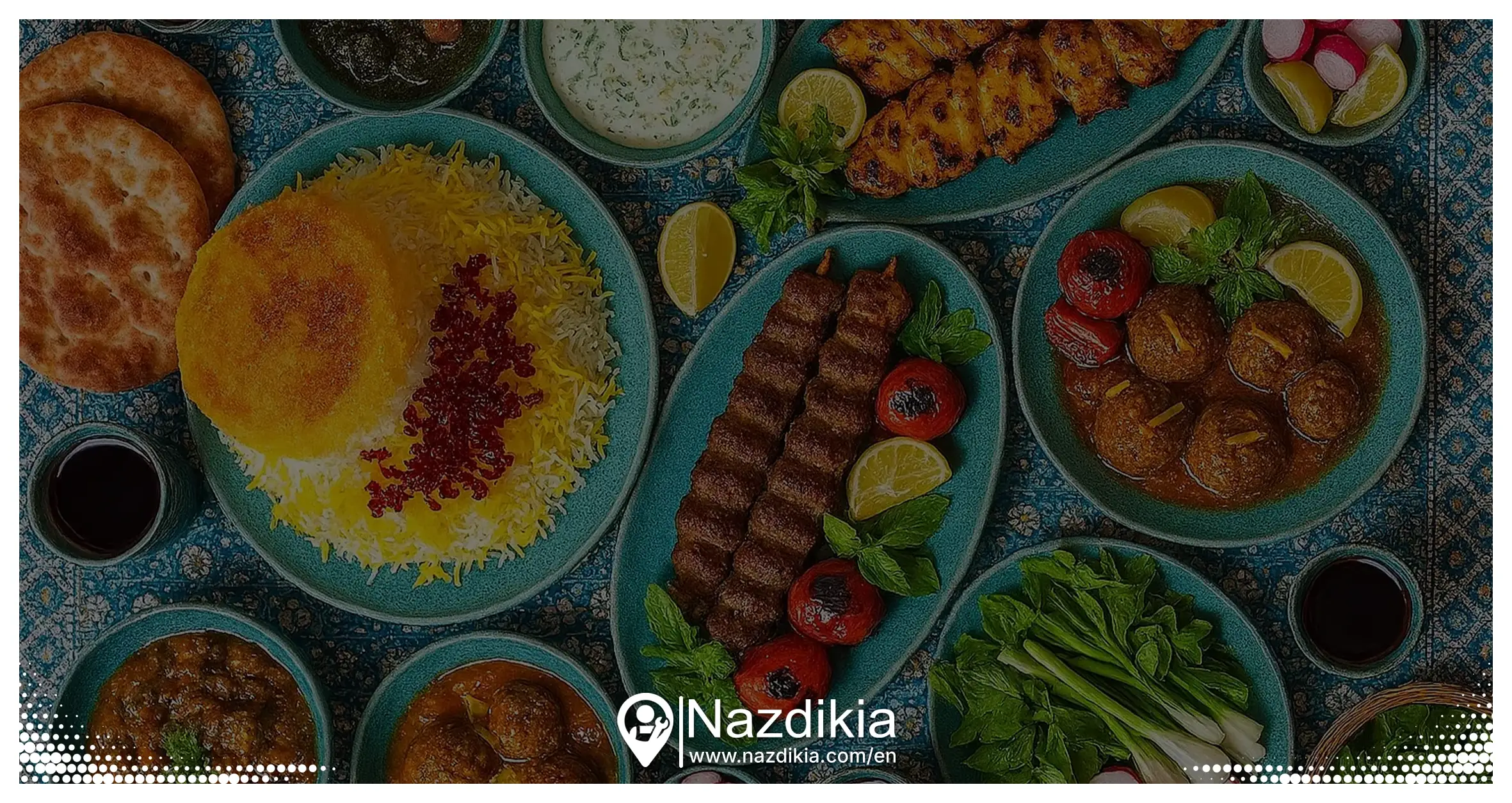
You can find restaurants in central Iran that serve not only dishes from different parts of Iran but from all around the world. But as far as the cooking in the kitchen at home is concerned, these dishes are served in a typical week:
- Rice with different legumes like black-eyed beans and dried dill, lentils, and mung beans.
- Rice with tomatoes and potatoes
- Rice with green beans
- Stanboli
- Kuku Sabiz and Kuku Sibi
- Kotlet (similar to meatballs)
- Ghormeh Sabzi
- Khoresht Gheymeh
- Chicken stew
- Ab Goosht (stew with meat and peas or lentils, beans)
- Stews with eggplants or zucchini
- Omlet
These dishes can be served for lunch or dinner, but they’re not served alone. On a Persian dinner table, there’s always something to eat with the food. For those who are more concerned with their diet, this can be a bowl of fresh vegetables or olives. But more common than that is yogurt. Yogurt can be served with any dish except Ab Goosht or any dish that doesn’t include rice as a staple. It comes in different flavors, but the most delicious and the most common one is yogurt with shallots.
Pickles and Torshi (fruit or vegetable soaked in vinegar) are other popular Persian side dishes. We should point out that only rarely can you see all these side dishes on one table. That’s because some of them don’t agree with each other. For instance, it’s unusual to put both Torshi and yogurt on the table.
Iconic Dishes in Iran
There are some dishes that when you hear their name, you constantly think of the city where they originated. The table below summarizes these dishes and where they come from.
| City/Region | Signature Dish |
| Gilan | Mirza Ghasemi, Baghala Ghatogh |
| Mazandaran | Stuffed Fish, Kateh Kebab |
| Golestan | Chakhtarmeh, Mash Pati |
| East Azerbaijan | Kufteh Tabrizi, Bonab Kebab |
| West Azerbaijan | Dolmeh Barg Mo, Yarma Shorbasi |
| Ardabil | Ash-e Dough, Suti Pulao |
| Zanjan | Khoresht-e Alu, Jaghur Baghur |
| Kurdistan | Khoresht-e Khalal, Kelane |
| Kermanshah | Dandeh Kebab, Halu Kebab |
| Lorestan | Abgoosht-e Dogholeh Dodar, Ash-e Terkhineh |
| Ilam | Terkhineh, Sholeh Amiri |
| Tehran | Dizi Sangi, Sarganjeshki |
| Isfahan | Beryani, Yakhni Lubia |
| Qom | Gheimeh Nesar, Ash-e Reshteh |
| Yazd | Gheimeh Yazdi, Ash-e Shuli |
| Semnan | Tahchin-e Garmsari, Sabzi Pulao |
| Qazvin | Gheimeh Nesar, Shirin Pulao |
| Markazi | Abgoosht-e Dogholeh Dodar, Tas Kebab |
| Khuzestan | Ghalieh Mahi, Falafel |
| Bushehr | Ghalieh Meygu, Lakh Lakh |
| Hormozgan | Huwwari Mahi, Nan-e Tomoshi |
| Razavi Khorasan | Shishlik, Digcheh |
| North Khorasan | Ash-e Yarmeh, Kameh Jush |
| South Khorasan | Ghorut, Ashkeneh Keshk |
| Sistan and Baluchestan | Tabahag, Ojizak |
Where to Taste the Authentic Persian Cuisine
The fame and popularity of Persian cuisine has gone far beyond the borders of Iran. Wherever you can find a Persian community, you can find Persian restaurants that serve authentic Persian dishes. Nazdikia has handpicked the top Persian restaurants in cities where the Persian community has a strong presence.
- Persian food in the US
Authentic Persian Restaurants in San Francisco
Authentic Persian Restaurants in Houston, Texas
Authentic Persian Restaurants in New York and New Jersey
Authentic Persian Restaurants in Los Angeles
Authentic Persian Restaurants in Washington
Authentic Persian Restaurants in Chicago
- Persian food in Canada
Authentic Persian Restaurants in Toronto
Authentic Persian Restaurants in Vancouver
- Persian food in Europe
Authentic Persian Restaurants in London
Authentic Persian Restaurants in Hamburg
Authentic Persian Restaurants in Paris
- Persian food in in Middle East & Oceania
Authentic Persian Restaurants in Melbourne
Authentic Persian Restaurants in Dubai
Wrapping Up: Why Persian Cuisine Captivates
Persian cuisine has handpicked the best of nature to create aromatic and delicious dishes with many health benefits. The rich Persian cookery heritage owes itself to the diversity of Iranian ethnicities from all around the country. Once you start to try the Persian dishes, it will take you a long time to try one food for the second time. This richness in diversity and nutrition is why Persian cuisine captivates.