
Aloo bukhara brings a special balance to food and a deeper taste that makes stews and rice dishes feel complete. If you’re looking for aloo bukhara in Hamburg, this Nazdikia guide will help you find it easily and choose a good-quality option for your cooking.

Persienhaus Persische Spezialitäten
Business Description
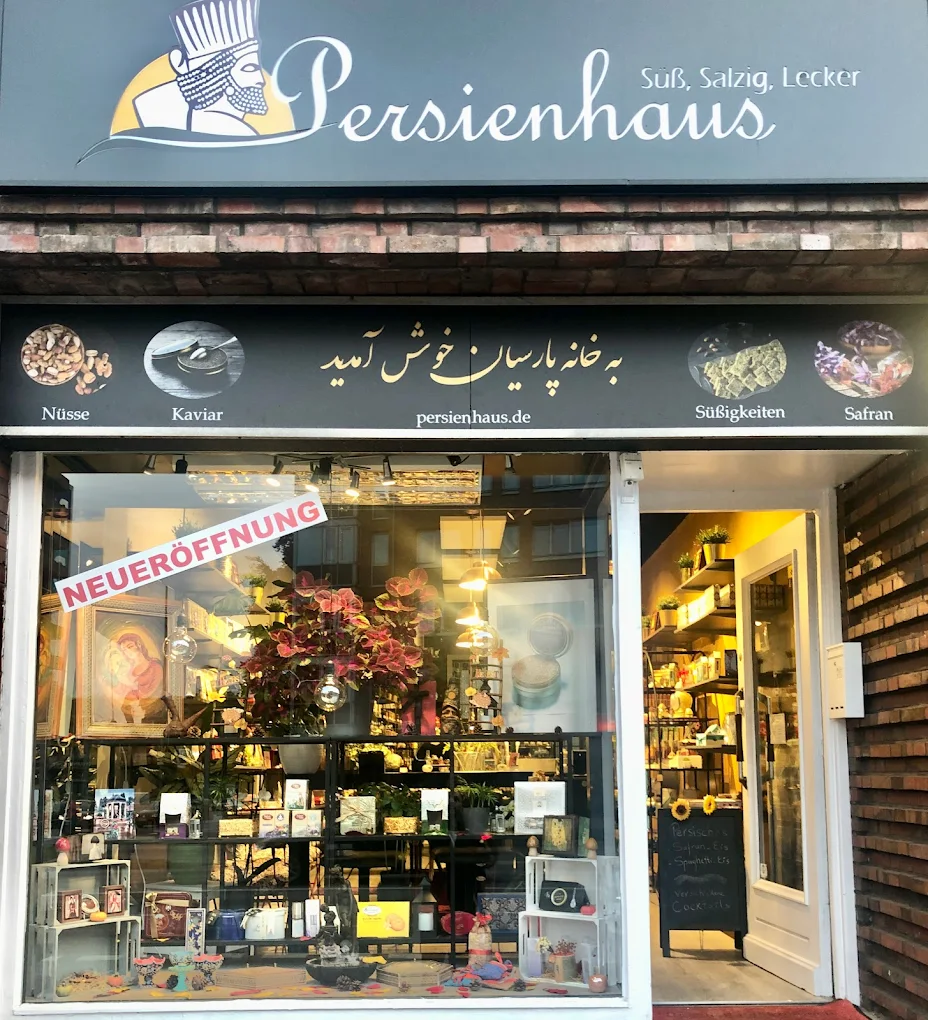
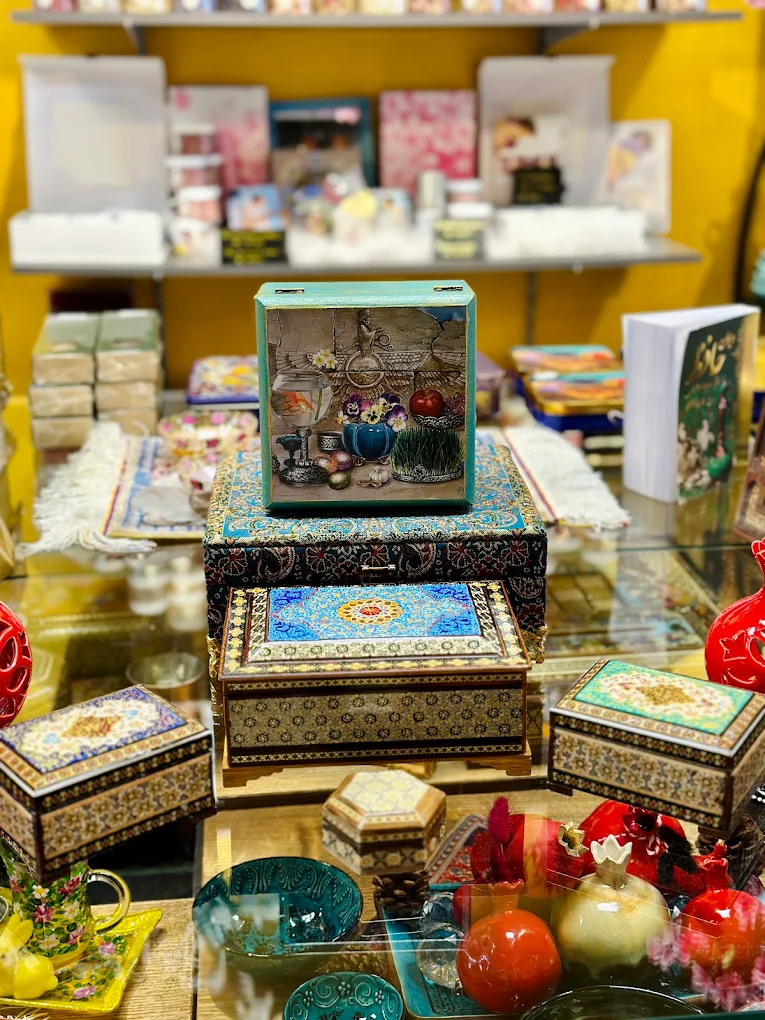
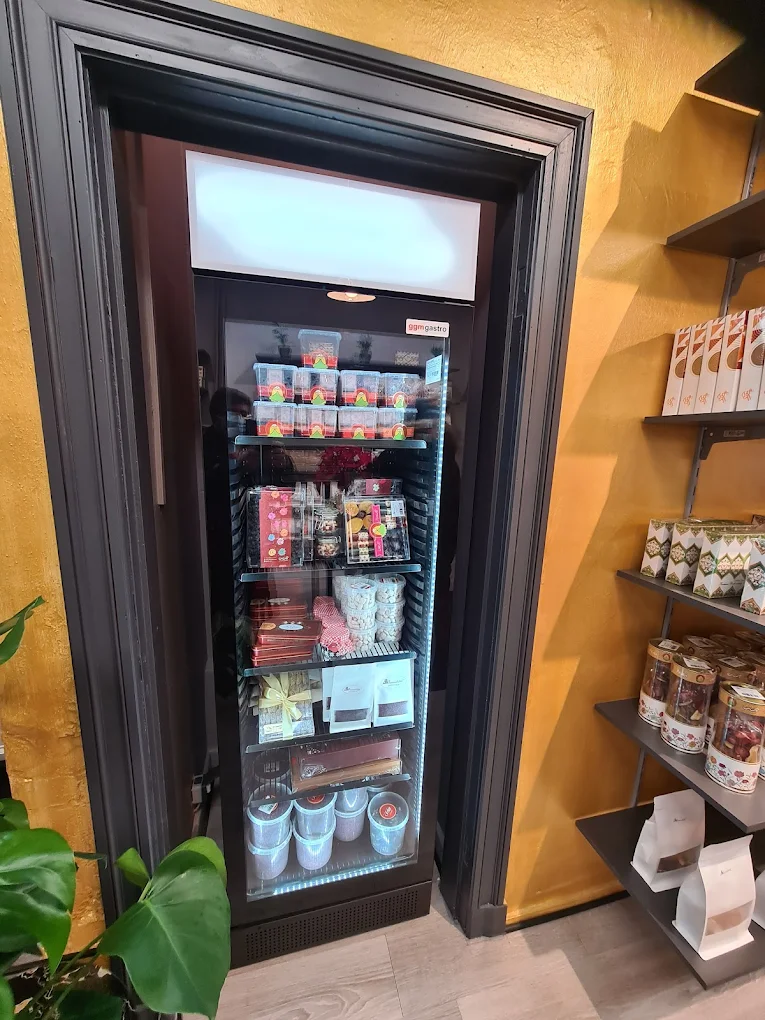
Step into Persienhaus in Lokstedt and you’re instantly transported to a Persian bazaar, brimming with vibrant colors and aromas that make your mouth water. Persuenhaus is a Persian specialty store where you can buy authentic Persian goods, including crafts, ingredients, nuts, snacks, and several others. What makes this specialty store stand out is the confectionery products made with authentic Persian ingredients like saffron. Also, for those who have a sour tooth, Persian Lavashak is in stock in several flavors. This is a great place if you want to surprise your non-Persian friends or colleagues with authentic Persian products.


Supermarkt Ahmadian – Lübecker Straße
Business Description
Looking for dried vegetables or original Persian basmati rice to cook an authentic Persian dish? Ahmadian supermarket on Lübecker Street is the place to go shopping. They sell a wide variety of Parisian food products and ingredients. Spices, beans, nuts, tea, and Persian snacks like Lavashak fruit leather are available in different flavors. This Persina supermarket is beloved for its central spot and vast array of oriental goodies that make meal prep a joy. Customers appreciate the no-fuss vibe and small talk with shopkeepers who know Persian and Arabic, in addition to German.
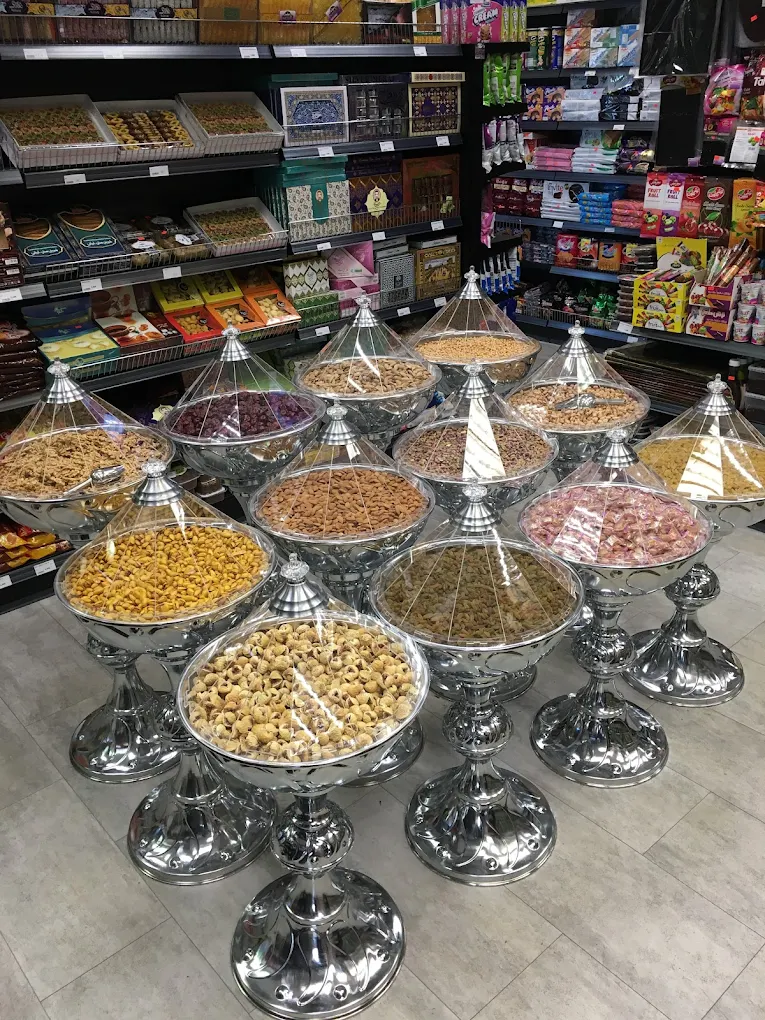
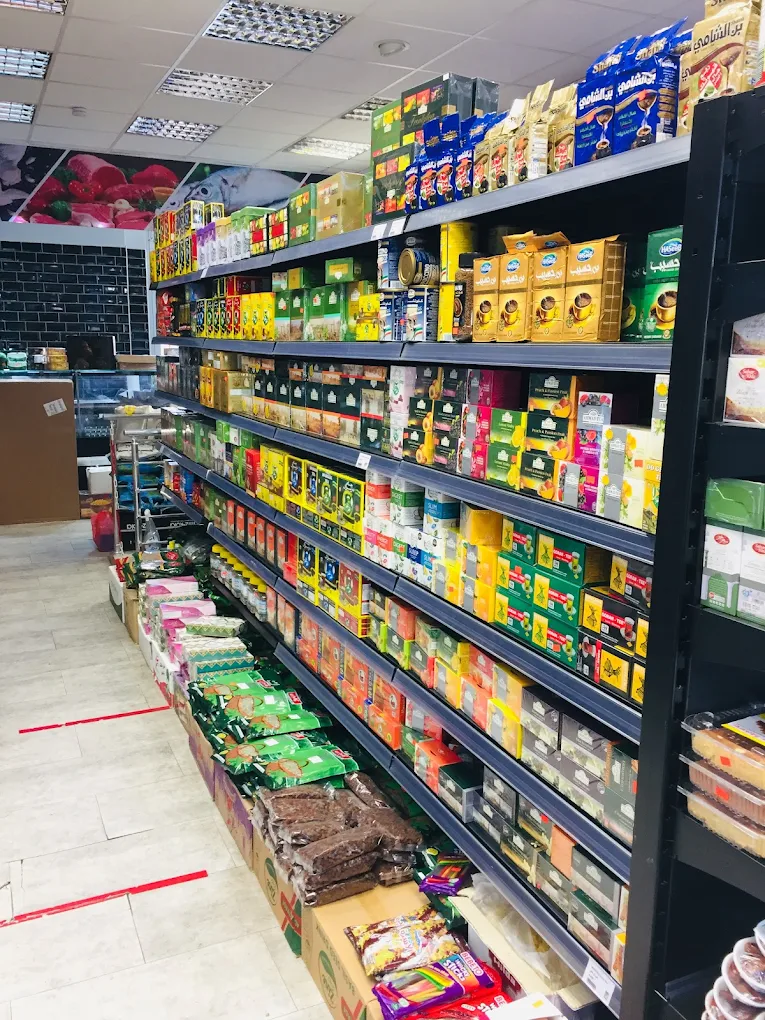
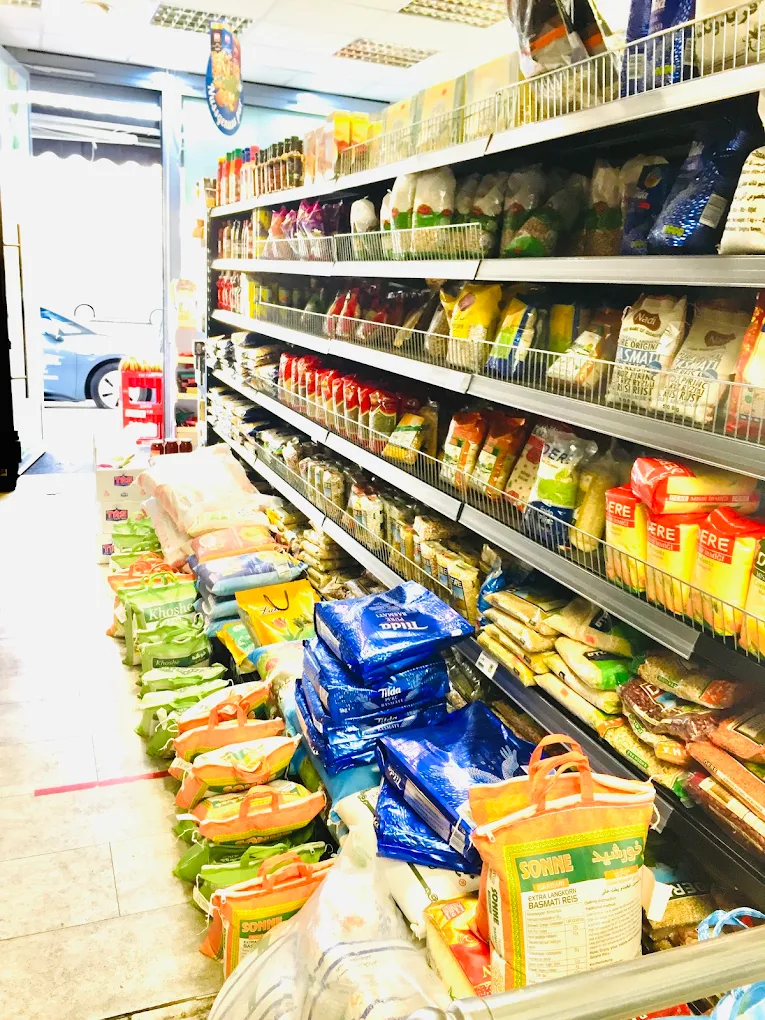

Perspolis Supermarkt – Steindamm
Business Description
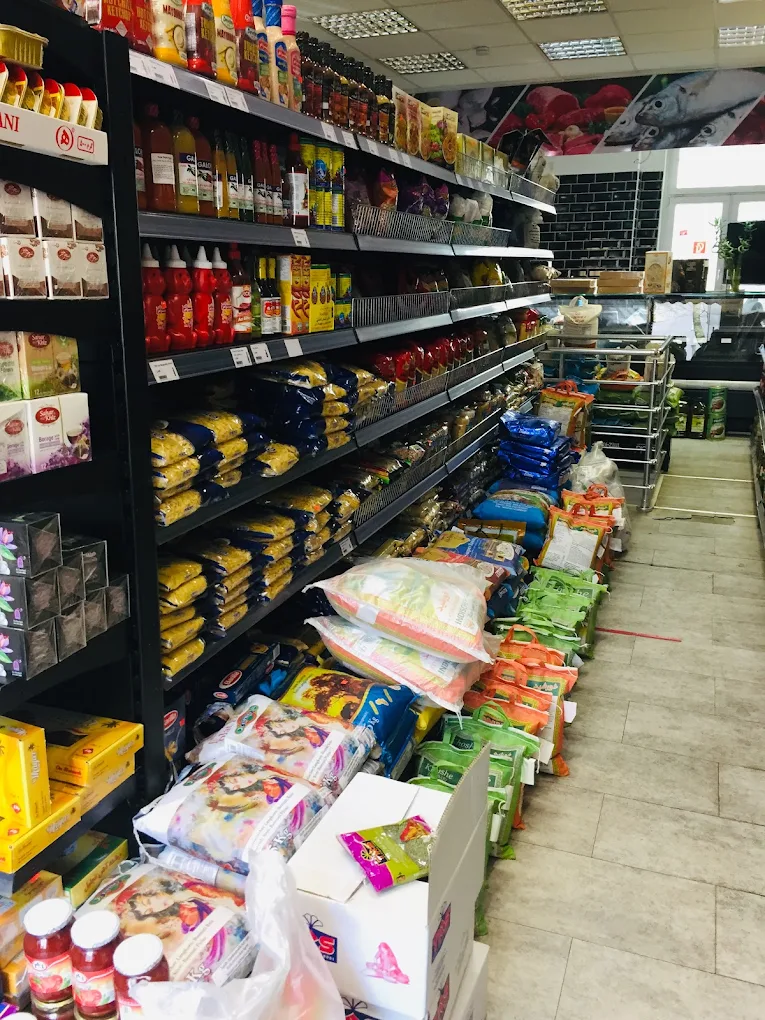
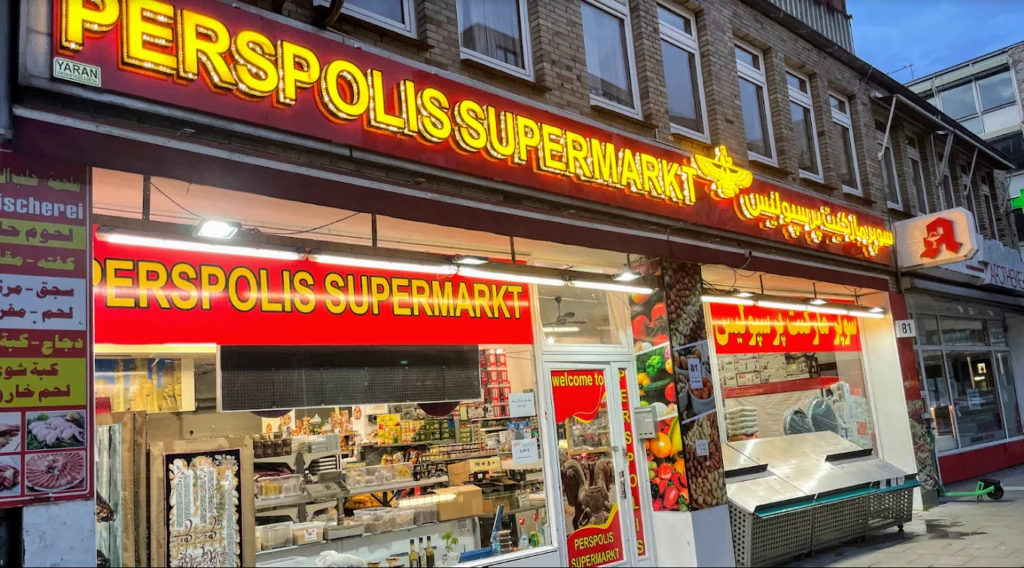
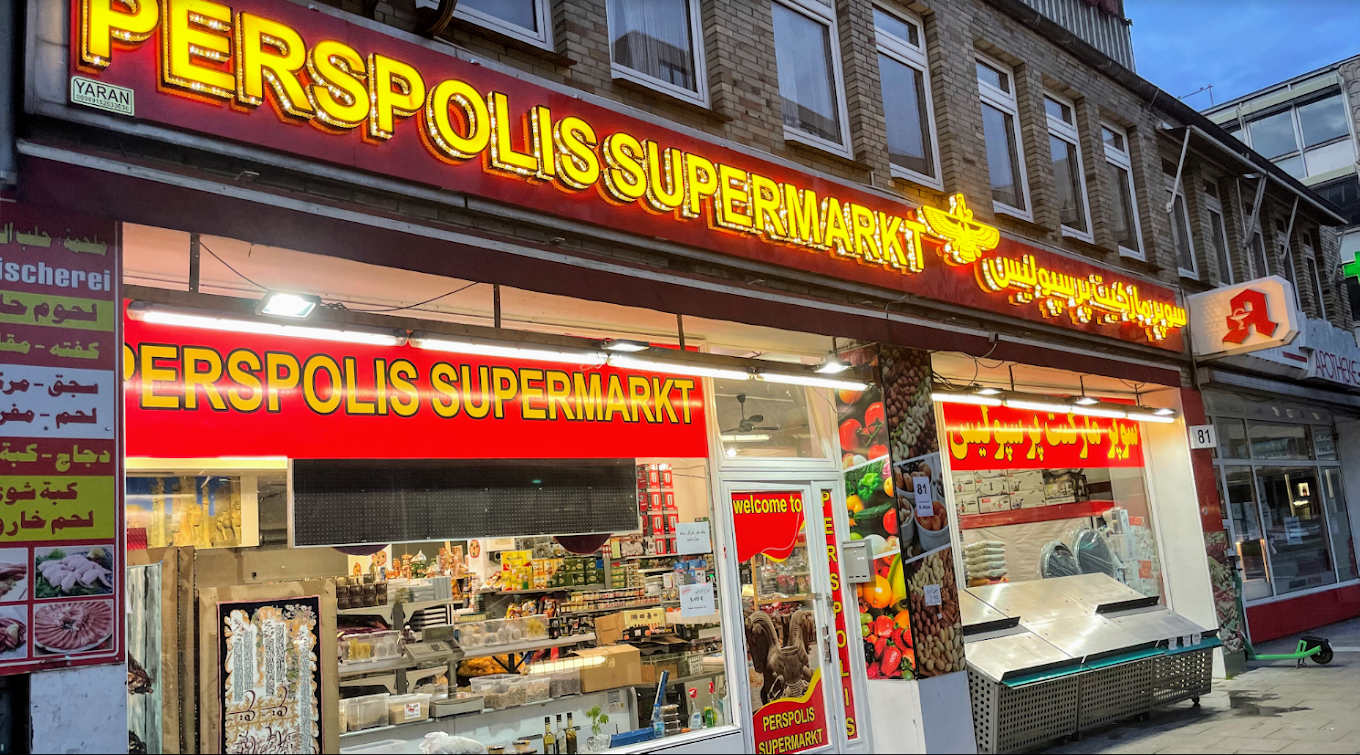
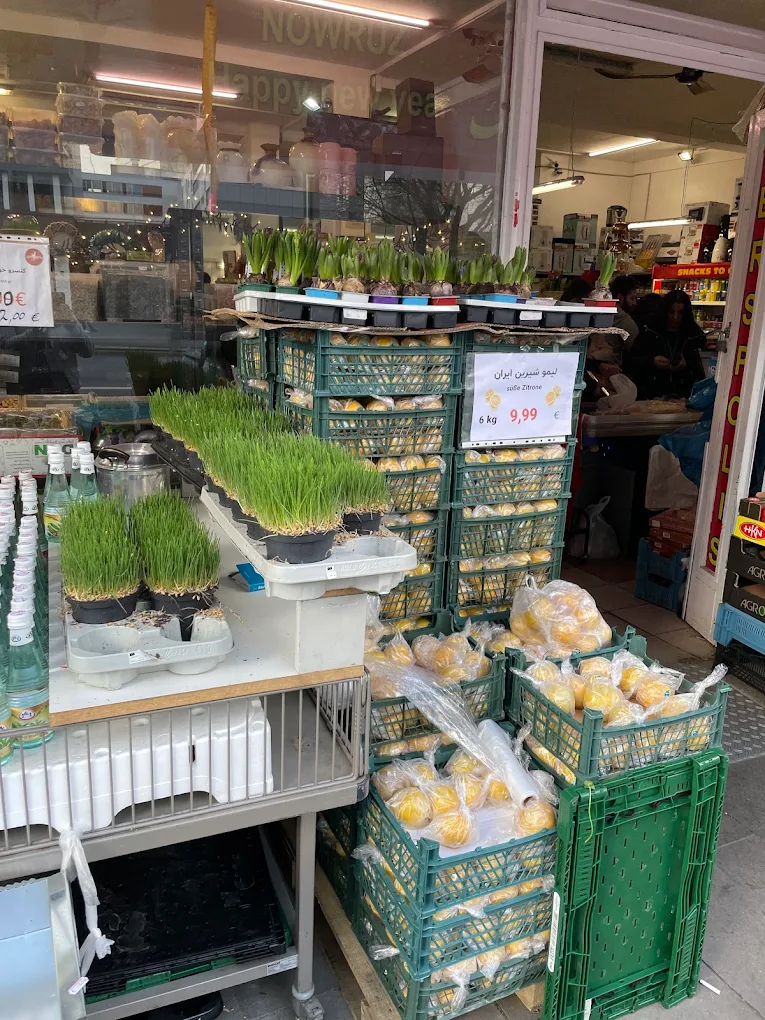
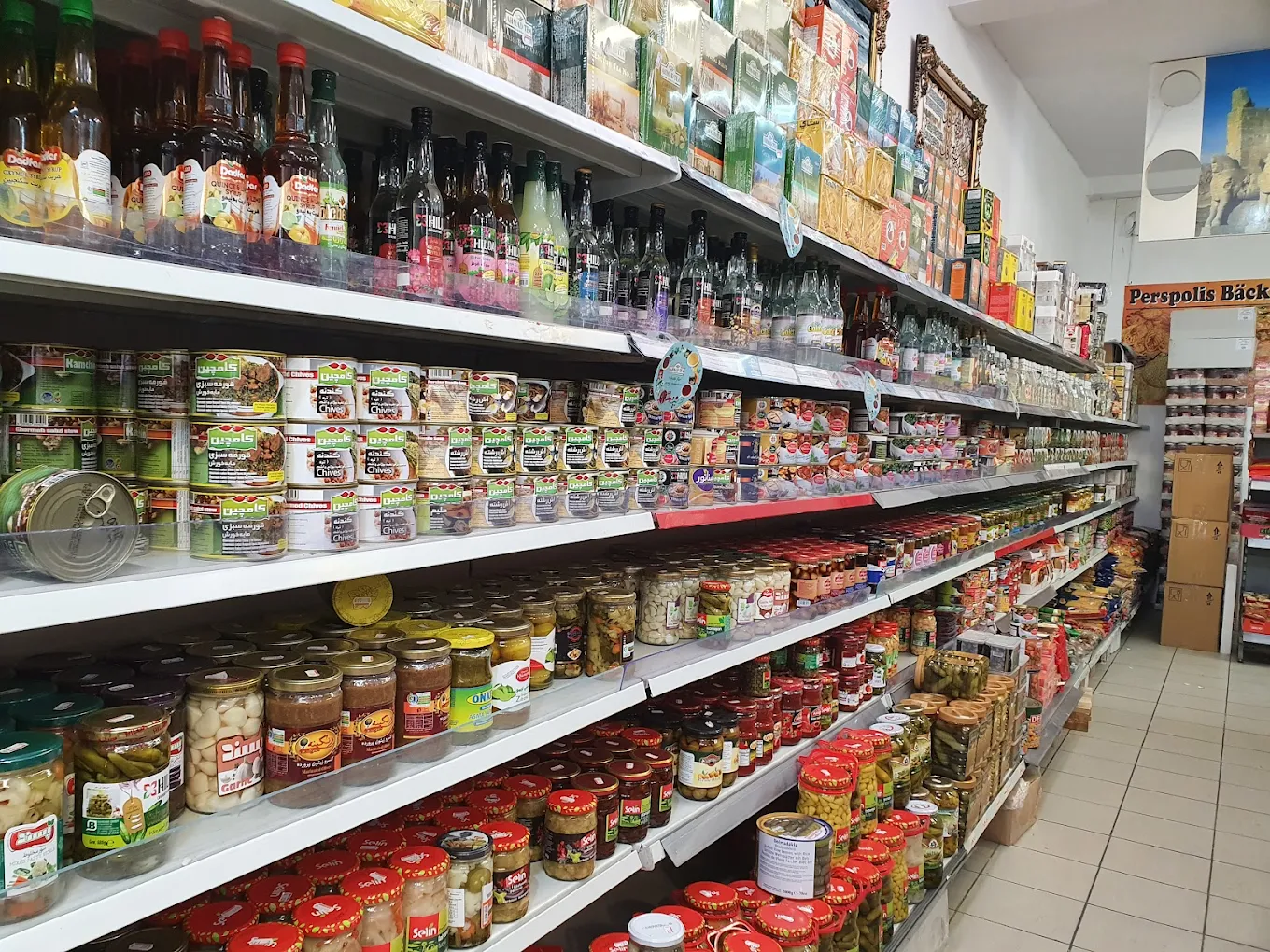
Perspolis supermarket is a large Persian supermarket where you can find any food products you need for your kitchen. There’s a small produce section in the front where you can buy some fruit, and the refrigerators in the back stock different kinds of meat. But that’s not all; you can buy many Persian snacks at the Perspolis supermarket. For instance, four shelves are dedicated to sour and tangy snacks like Lavashak and fruit rolls. Also, you can find some kitchen appliances, like pots, pans, and slow cookers, there. BTW, if you’re looking for Hookah (Ghleyoon) in Hamburg, Perspolis sells a variety of them in different designs.
Mumtaz Nazariyan – Wandsbeker Chaussee
Business Description
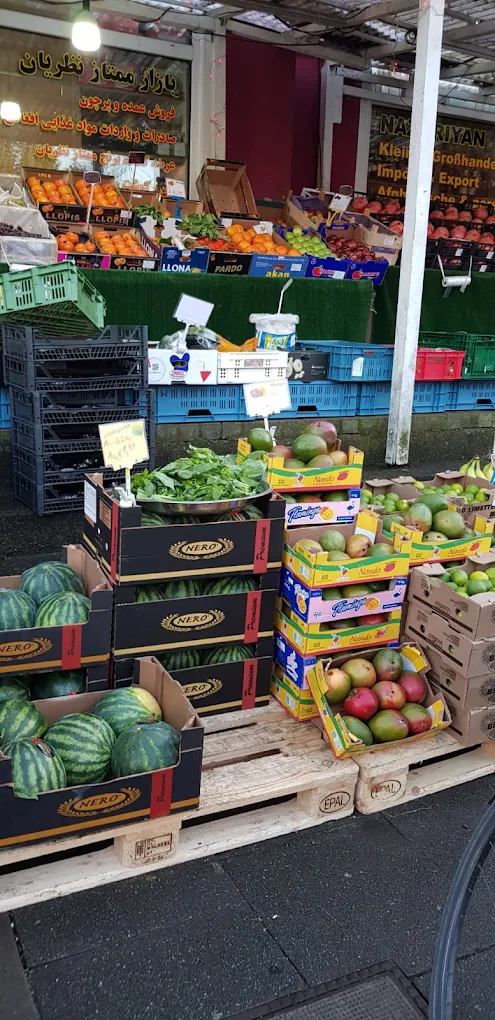
Mumtaz Nazariyan is a small but exceptionally well-stocked international food market that has earned a loyal following across Hamburg. Despite its modest size, the store offers an impressive selection of Persian and Asian essentials, making it a dependable place to find everything you need, such as spices, herbs, nuts, legumes, dried fruits, pickles, breads, teas, and more. The atmosphere is straightforward and practical, with aisles arranged to make browsing quick and convenient.




Milad Market – Tonndorf
Business Description
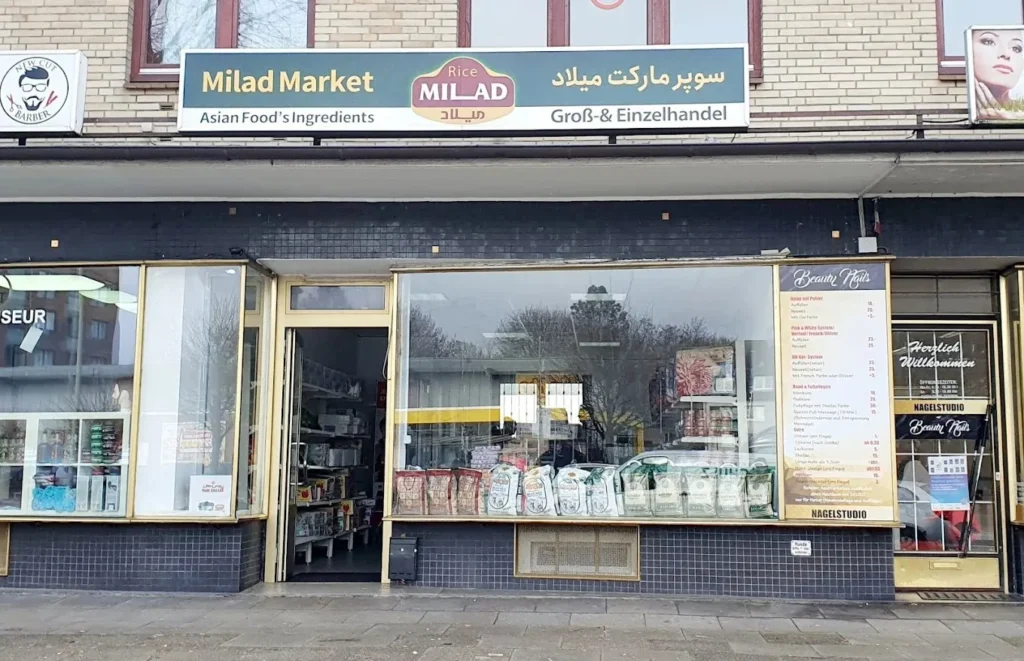
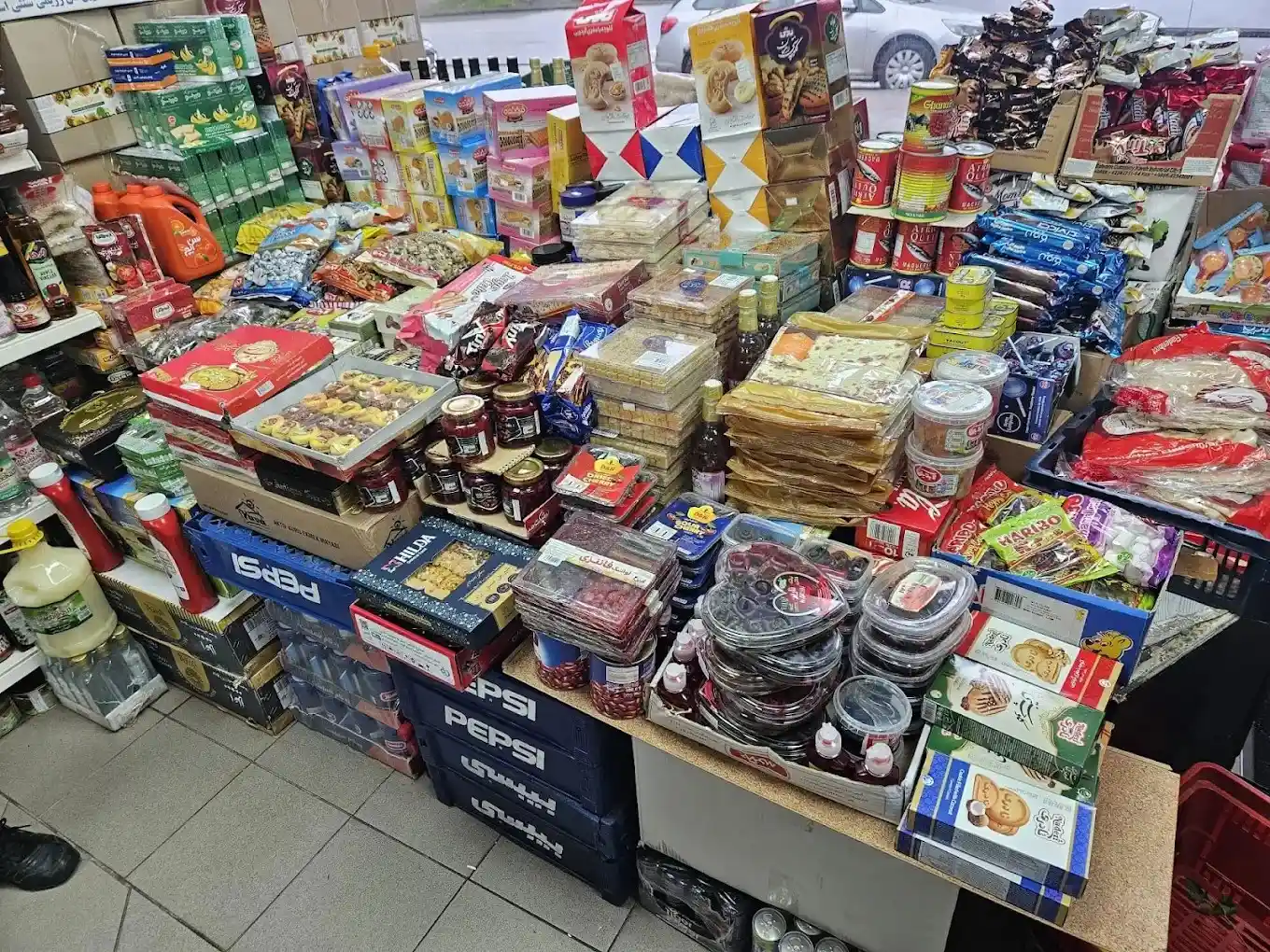
If you are looking for excellent prices, a generous variety, and noticeably high product quality, Milad Market is the best choice. The store offers a diverse range of Persian and Middle Eastern staples, including fresh produce, dairy, nuts, spices, and traditional sweets. The halal meat section is particularly praised for its freshness and quality. Many appreciate that Milad Market carries both daily staples and specialty items, making it useful for quick weeknight shopping as well as preparing for Persian gatherings and holidays. Moreover, if you are looking for Persian or Afghan bread, you can find it here.

Aria Markt – Farmsen-Berne
Business Description
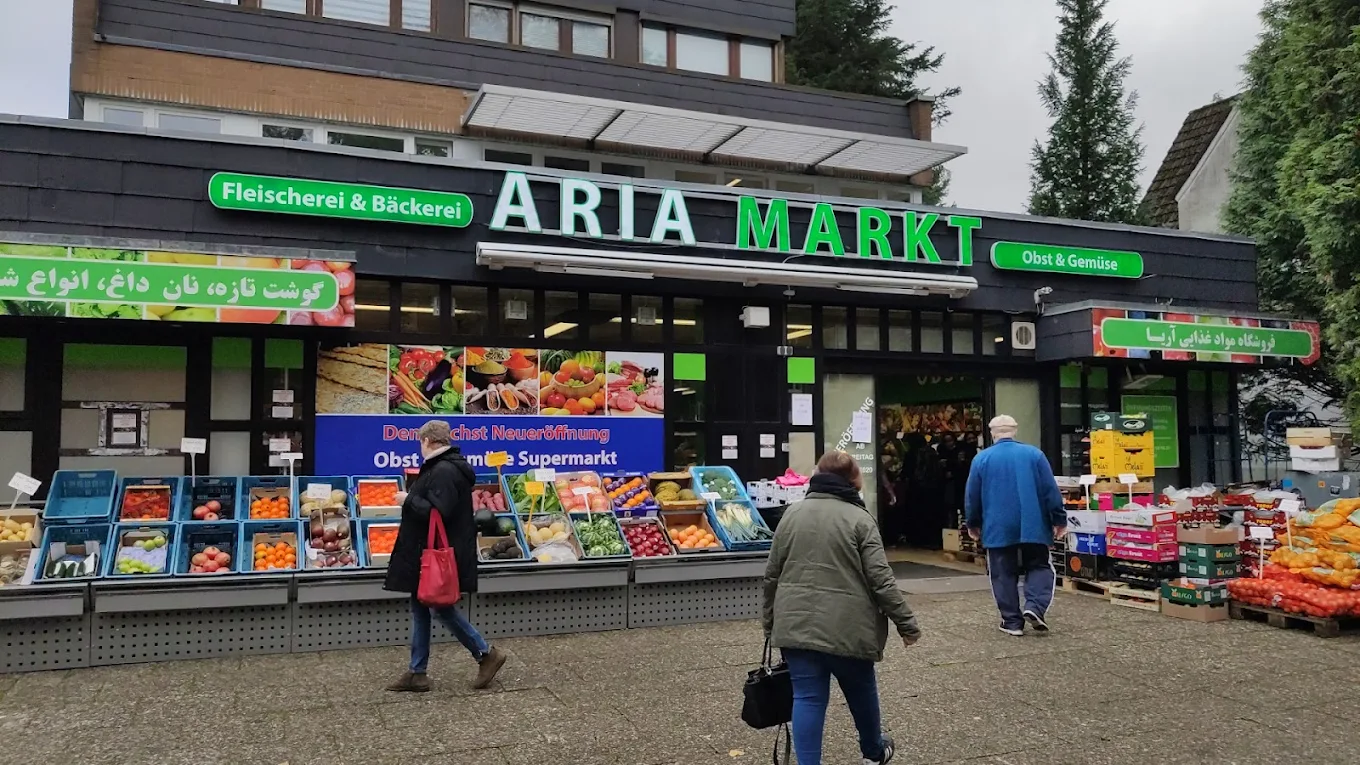
Aria Markt offers a clean and organized shopping experience. Although it’s not as large as some other markets in Hamburg, its selection is carefully curated to include everything needed for Persian cooking: quality rice, dried herbs and sabzi mixes, saffron, traditional spices, nuts, dried fruits, Persian teas, and a selection of sweets. This Persian grocery store in Hamburg is especially convenient for residents in Farmsen-Berne who want a dependable shop close to home without needing to travel across the city.


What is Aloo Bukhara (and is it the same as prunes?)
Aloo bukhara (آلو بخارا) is a type of dried plum used widely in Persian and South Asian cooking. In everyday shopping terms, many people will describe it as “prunes,” and that is often close enough to help you find it in Germany. Still, there are a few small differences that matter, especially if you want the taste you remember from home.
Aloo Bukhara vs Prunes: the Simple Difference
In most supermarkets, “prunes” usually mean sweet, soft dried plums that are made for snacking. Aloo bukhara can be that, but it is often chosen for cooking and can be more tangy or sour, depending on the variety and how it’s dried.
Where to Buy Aloo Bukhara by Neighborhood in Hamburg
Sometimes the question is not what kind of shop, but simply where near me. Hamburg is spread out, and each area has its own small food ecosystem. These notes will help you know what to look for in your part of the city.
Altona & Ottensen
This area has a strong mix of international food shops and organic stores. What works best here:
- Middle Eastern markets for dried plums and similar ingredients
- Organic shops for clearly labeled dried plums
Good if you prefer easy access and a wide choice, even if the selection is not always deeply traditional.
St. Georg & St. Pauli
These central areas are lively and diverse, with many small ethnic groceries. What works best here:
- Middle Eastern and Turkish markets for dried plums
- Occasional South Asian shops for cooking-specific varieties
If you enjoy browsing and asking shopkeepers, this area often rewards curiosity.
Wandsbek & Barmbek
These neighborhoods are more residential, but that also means steady, community-focused shops. Here, you’ll find:
- Turkish and Arab markets with dried fruits and nuts
- Some Afghan and South Asian stores tuare cked between larger shops
This is a good place to find everyday-quality aloo bukhara at fair prices.
Wilhelmsburg & Harburg
Here you will find a mix of newer and long-established ethnic shops. This place is on our list because you can find:
- Larger Middle Eastern grocery stores with wide dried fruit sections
- South Asian shops that stock aloo bukhara for stews and rice dishes
Often a good choice if you want to buy slightly larger packs.
Near central Hamburg
Around major stations and shopping streets, shops change more often, but the variety is high. What works best here:
- Middle Eastern markets near transport hubs
- Organic chains that reliably stock dried plums
Convenient, though sometimes a little more expensive.
How much does aloo bukhara cost in Hamburg
The price of aloo bukhara in Hamburg can feel confusing at first. The same fruit can be quite affordable in one shop and noticeably expensive in another. The reason is not just the shop itself, but how the fruit is sourced, processed, and sold.
|
Item |
Amount | Price |
|
Authentic Aloo Bukhara |
200g | €3.40 – €3.99 |
| Supermarket Budget Brand (Sweet) | 250g |
€1.99 – €2.99 |
| Supermarket Premium Brand | 200g |
€3.99 – €4.50 |
What Actually Affects the Price
A few factors make a big difference:
- Origin: Imported varieties, especially those closer to traditional Persian styles, cost more to bring into Germany.
- Processing: Sun-dried fruit takes longer and is usually produced in smaller batches.
- Organic certification: Organic farming and certification add cost, but also transparency.
- Packaging: Small, branded packs cost more per kilo than buying from open bins or bulk containers.
How to Choose Good-Quality Aloo Bukhara
Aloo bukhara is a simple ingredient, but the difference between “okay” and “excellent” is easy to taste. A good one melts gently into a stew and leaves behind a deep, clean fruitiness. A poor one can be dusty, overly sweet, or strangely flat. Here’s how to choose with confidence when you’re standing in the aisle.
Good signs
- Plump and flexible: it should bend slightly, not snap like a dry twig
- Natural aroma: fruity, slightly tangy, not chemical
- Even color: deep brown to dark reddish tones, depending on the variety
- Clean ingredient list: ideally just dried plums; minimal additives
Red Flags
- Very hard and dull-looking: often old stock or overly dried
- Strong sugary shine: can mean heavy sweetening or glazing
- Sticky syrup feel: sometimes a sign of added sugar or poor storage
- Odd smell: sour in a spoiled way, or “plastic-like”
Seeded or Seedless: Which is Higher Quality?
Seeded is not automatically “better,” but many cooks feel it has a fuller taste.
- Seeded: often more traditional; you remove pits while eating
- Seedless: faster and cleaner for weeknight cooking
Can You Order Aloo Bukhara Online in Hamburg?
Yes, and for many people it’s the easiest option, especially if you want to compare brands calmly or you don’t live near the right kind of grocery store. In Germany, aloo bukhara is often sold online under a few different names, so the trick is knowing what to search for.
- aloo bukhara / aloo bokhara
- bukhara plum
- dried plums
How to Store Aloo Bukhara so it Stays Fresh
Aloo bukhara keeps well, but only if it’s stored kindly. Light, heat, and air slowly steal its flavor, and moisture can invite mold. With a few simple habits, you can keep it tasting good for months.
|
Storage place |
Best for | How long does it last |
|
Pantry (cool, dark) |
Everyday use | Several months |
| Refrigerator | Warm or humid kitchens |
6 to 9 months |
| Freezer | Bulk buying, long storage |
1 year or more |
How to Use Aloo Bukhara in Cooking (Persian and South Asian Ideas)
Aloo bukhara is gentle, but it changes a dish in a quiet, meaningful way. It adds depth, a soft sweetness, and just enough tang to keep rich foods from feeling heavy. This is why it shows up again and again in both Persian and South Asian kitchens.
Persian-Style Uses
In Persian cooking, aloo bukhara is often paired with meat, onions, and warm spices to create balance. Persian common dishes with al bukhara fruit:
- Khoresh-e aloo: a stew where the plums soften and become part of the sauce
- Khoresh-e morgh ba aloo: chicken with aloo bukhara, saffron, and tomato
- Rice dishes with small pieces mixed in for gentle sweetness
South Asian and Afghan Uses
Here, aloo bukhara often appears in richer gravies, where it cuts through fat and spice. South Asian and Afghan common dishes with dry aloo bukhara:
- Qorma: lamb or chicken with yogurt, spices, and dried plums
- Nihari: where a few plums add depth rather than sweetness
- Afghan rice dishes that combine dried fruits and nuts