
Persian Aloo bukhara (آلو بخارا), the sweet-tart dried plum used in Persian cooking, is one of those ingredients that quietly transforms a dish. In Houston, you can find it in many places. However, the challenge is not availability, but knowing where to look and how to recognize the right kind. This Nazdikia guide will help you find aloo bukhara in Houston, understand the differences between what’s on the shelf, and choose the version that actually works for Persian cooking.

Tehran-Kabul Supermarket – Wilcrest Drive
Business Description
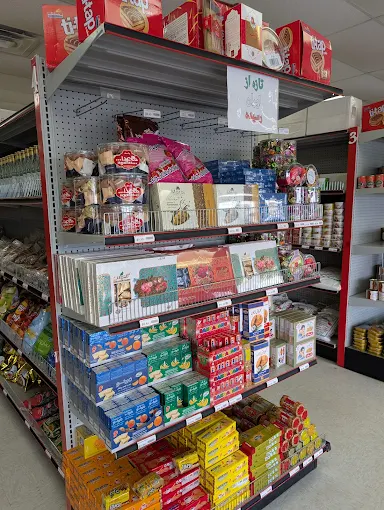
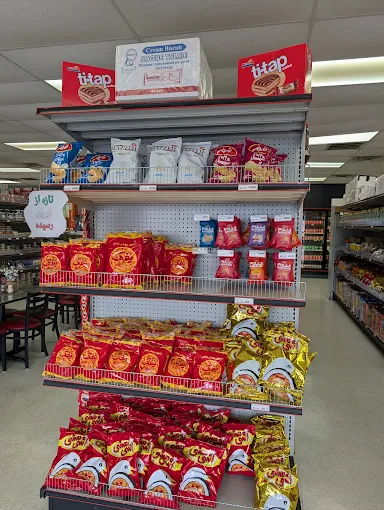
As the name suggests, this is a specialty Persian supermarket that only sells Halal products. You can find various Iranian and Afghan brand names on the shelves, and shopping here presents a homely and nostalgic experience. So, if you’re looking for a supermarket that resembles a supermarket in your home country and plays Persian music, Tehran-Kabul is just the right place.


Almadina International Supermarket
Business Description
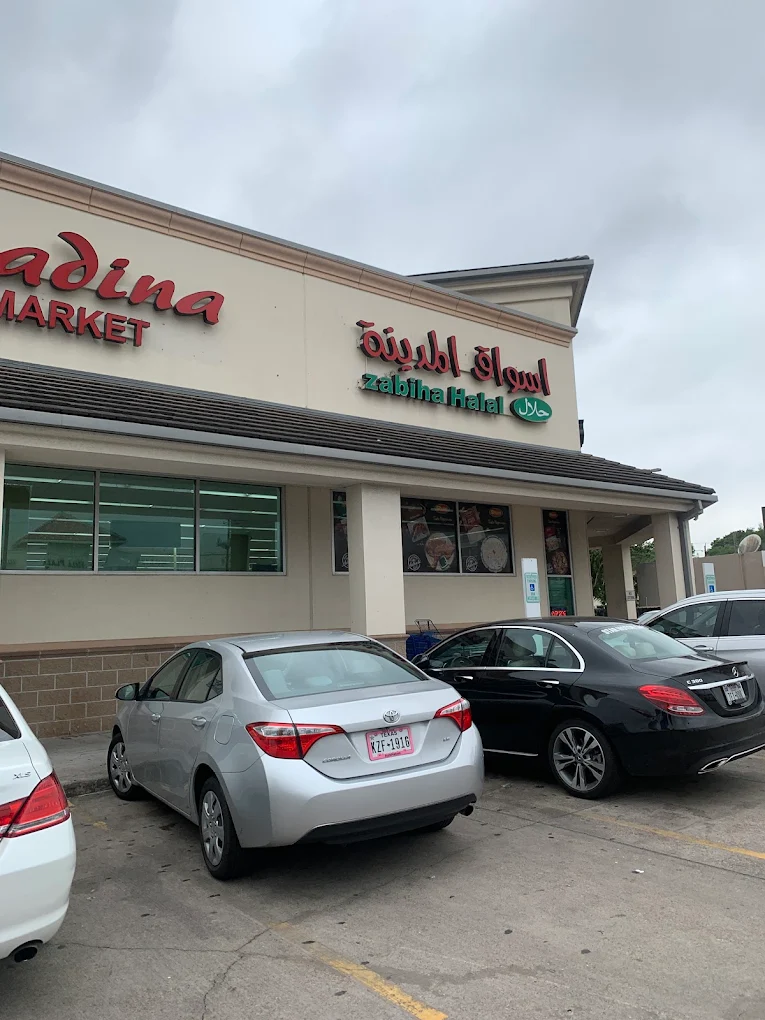
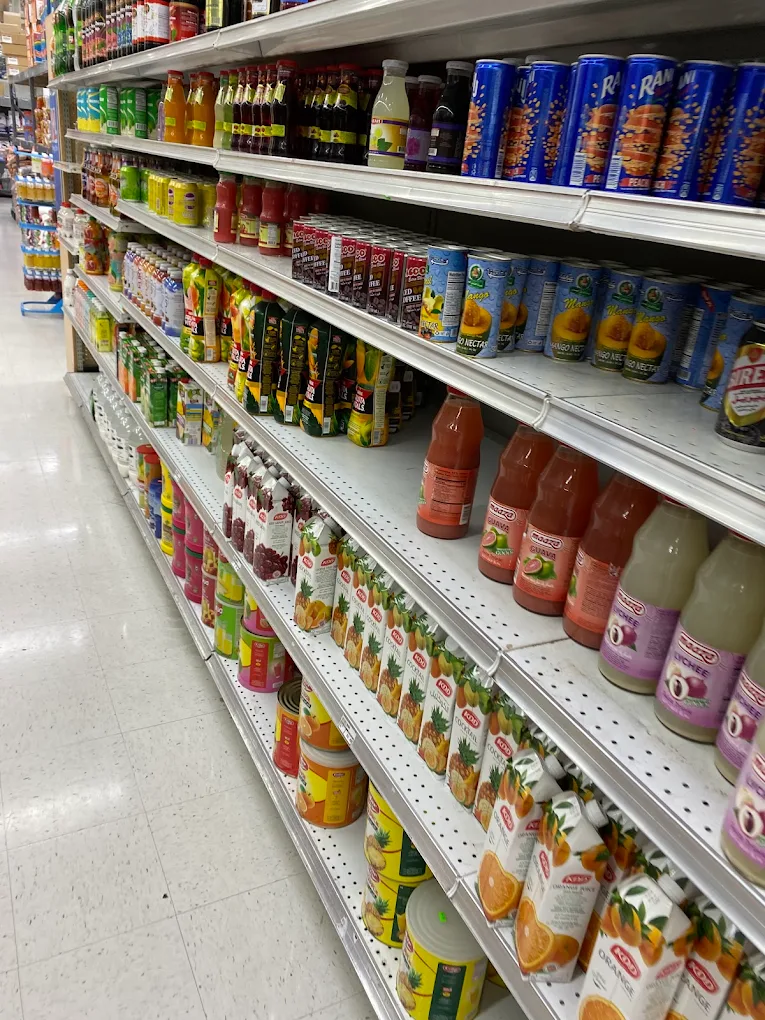
A large Middle Eastern grocery store in Houston, known for its wide selection and affordable prices. Shoppers can find fresh produce, halal meats, Persian and Arabic pantry staples, spices, teas, and a variety of imported goods from across the region. The store also offers fresh bakery items and ready-to-eat foods, making it a convenient stop for everyday essentials or specialty ingredients. It’s a popular choice for anyone seeking authentic flavors from the Middle East and beyond.


What Exactly Is Aloo Bukhara?
Aloo bukhara refers to dried plums, but in Persian cooking, it typically refers to a specific type of dried plum with a balanced sweet-tart flavor that pairs well with savory dishes. This is where the confusion with prunes comes in.
In most American grocery stores, prunes are dark, very soft, and quite sweet. They’re meant to be eaten on their own and have a gentle, almost caramel-like taste. Aloo bukhara, especially the kind used in Persian and South Asian kitchens, often has more acidity and a firmer texture. It’s chosen not for snacking, but for its behavior when simmered with spices, onions, and meat or vegetables.
Because there is no strict international labeling standard, Houston stores may sell the same product under different names. One market will call it aloo bukhara, another will label it dried plum, and a third may use the word prune even when the flavor profile is closer to what Persian cooks expect.
Types of Aloo Bukhara You’ll See in Houston Stores
Not all aloo bukhara is the same, and Houston stores tend to carry a few different styles depending on who shops there. You don’t need to memorize categories, just have a rough sense of what you’re looking for before you go in. Here’s a simple snapshot:
|
Style |
Taste |
Best for |
|
Sour-leaning (Persian-style) |
Tart, lightly sweet | Savory stews like khoresh |
| Sweet / dark (often sold as prunes) | Mostly sweet |
Snacking, sweet dishes |
|
Seeded |
Deeper flavor | Slow cooking |
| Seedless | Cleaner taste |
Quick cooking |
|
Bulk-bin |
Varies by store | Regular home use |
| Packaged/imported | Consistent |
Pantry stocking |
Where to Buy Aloo Bukhara in the Houston Area
Houston is big enough that “just go to a Persian store” isn’t always helpful advice. What is helpful is knowing which parts of the city tend to have the strongest overlap of Persian shoppers, Persian groceries, and import-heavy markets that actually keep items like aloo bukhara in steady rotation. Here’s a neighborhood guide you can use as a starting point.
West Houston and the Energy Corridor
If you want the Persian-style, tart-leaning aloo bukhara that holds up beautifully in khoresh, this side of town is often a strong bet. Many Middle Eastern and Persian-focused markets here stock the staples people cook with regularly, not just “international” shelves meant for occasional shoppers.
Around the Galleria
The Galleria area is another place where you’ll often find well-stocked Middle Eastern grocery stores, along with shoppers who know exactly what they’re looking for. If the label says “dried plums,” don’t assume it’s the wrong thing. In these stores, it often is aloo bukhara, just translated differently.
Sugar Land
Sugar Land is one of the most reliable areas for specialty groceries in general, and it’s especially good if you want options. Depending on the store, you may see Persian-style dried plums alongside South Asian varieties, sometimes even in bulk. It’s a helpful area if you want to compare and choose based on taste rather than packaging.
Westchase
Westchase can be a convenient middle ground, especially if you’re looking at halal and international markets that carry Iranian or Middle Eastern brands. Inventory can vary store to store, so it’s a good area when you’re flexible and open to checking a couple of places in one trip.
Hillcroft and Bissonnet
This is one of Houston’s most active areas for Indo-Pak grocery shopping. You’ll usually find aloo bukhara here, but the range may lean sweeter depending on the store. If you’re cooking Persian food and want that brighter sourness, it helps to look carefully, ask a staff member, or check ingredient lists to avoid heavily sweetened versions.
Katy, Spring, and North Houston
You can absolutely find aloo bukhara in these areas too, especially in larger international or halal markets. The one difference is consistency. Some stores stock it all the time, others only occasionally. A quick call ahead can save you a second trip.
How Much Does Aloo Bukhara Cost in Houston?
Prices for aloo bukhara in Houston can vary more than people expect. The same ingredient can cost quite different amounts depending on where it’s imported from, whether it’s organic, how it’s packaged, and how quickly a store moves through its stock. The good news is that once you understand what’s driving the price, it’s easier to decide what’s worth paying for. Here’s a simple overview to set expectations.
| Type / Quantity |
Average Price Range |
|
Small Pack (200g / 7oz) |
$2.50 – $4.50 |
| Large Pack (400g / 14oz) |
$4.99 – $7.99 |
|
Premium / Organic (400g) |
$13.00 – $19.99 |
| Fresh Cherry Plums (1 lb) |
$7.99 – $9.99 |
How to Tell If Aloo Bukhara Is Good Quality
When you’re choosing aloo bukhara, a few small checks can save you from taking home something dull, overly sweet, or past its best.
Look
- Natural, slightly matte surface
- Even color, light brown to deep purple-black, is normal.
- Avoid pieces that look overly shiny, oily, or glazed
Feel
- Gently chewy and flexible
- Avoid rock-hard pieces (often old or over-dried)
- Avoid very sticky or wet pieces (often sweetened or poorly stored)
Smell
- Lightly fruity and clean
- Slight natural tang is good
- Skip anything that smells musty, flat, or unpleasantly sour
Check the label (if packaged)
- A short ingredient list is better
- Ideally, just “plums” (sometimes with a preservative like sulfur dioxide)
- Avoid added sugar, syrups, or oils if you’re buying for cooking
Online Ordering Persian Aloo Bukhara in Houston
Sometimes the easiest way to get good aloo bukhara is simply to order it, especially if you’re looking for a specific style or brand and don’t want to check multiple stores. You generally have three easy options:
Local store delivery
Some Persian, Middle Eastern, and South Asian groceries offer delivery through their own websites or apps. This works well if you already trust the store.
Shipping from specialty retailers
Good for imported brands, organic options, or larger quantities with consistent quality.
Online marketplaces
Convenient, but more variable. Names and photos don’t always reflect taste, so it’s worth checking reviews and ingredients.
How to Store Persian Aloo Bukhara
Aloo bukhara is one of those ingredients that seems sturdy, but it does have a delicate side. If it’s left exposed to air, it dries out and loses its brightness. If it’s stored with too much moisture, it can spoil. The goal is simple: keep it protected, cool, and consistent. Here’s the easiest way to store it well:
- Use an airtight container: Once the package is opened, transfer it to a glass jar or a sealed container. This keeps the flavor intact and prevents it from picking up odors from the kitchen.
- Store it in a cool, dry place: A pantry cabinet away from the stove is usually perfect. Heat and sunlight speed up drying and dull the taste.
- Refrigerate if your home is humid: Houston humidity can be real. If your kitchen runs warm or damp, keeping aloo bukhara in the fridge helps it stay stable, especially if it’s a softer batch.
- Freeze for long-term storage: If you buy a large pack, freezing is a simple way to keep it fresh for months. Portion it into smaller bags so you can thaw only what you need.
Cooking With Aloo Bukhara in Persian Cuisine
In Persian cooking, aloo bukhara isn’t a background ingredient. It’s a quiet balancing force. It brings brightness to rich stews, lifts the flavor of meat and herbs, and gives dishes a gentle contrast that keeps them from feeling heavy. Here are the most common and beloved ways it’s used.
Khoresh Aloo (Plum Stew)
This is the dish most people think of first. Aloo bukhara is simmered with onions, tomatoes, turmeric, and meat (often lamb or chicken) until the plums soften and release their sweet-sour flavor into the sauce. The aloo bukhara should be lightly tart so it balances the richness of the meat. If the plums are very dry, soaking them for 10–15 minutes before adding them helps them soften evenly. They’re usually added in the later stage of cooking so they keep their shape.
Herb-Based Stews
Aloo bukhara is sometimes added to herb stews to introduce a gentle acidity that brightens the deep, earthy flavor of the herbs. Only a few pieces are needed. This isn’t meant to be a dominant flavor. It works especially well when the stew feels rich but slightly flat and needs lift.
Rice Dishes and Pilafs
In some homes, small amounts of aloo bukhara are folded into rice dishes, especially when served with meat or poultry. It adds contrast to saffron rice and nutty pilafs. Besides, the sweetness should stay subtle, not turn the dish into a dessert.