
Persian saffron, also known as Iranian saffron, is widely considered the highest-quality saffron in the world. In Houston, Texas, this red gold has become a sought-after ingredient for Persian families who care about authenticity, aroma, and flavor. Whether you’re looking to buy Persian saffron in Houston, searching for the best saffron in Houston, or simply want to understand what makes real saffron different from the rest, this Nazdikia guide is here to help.

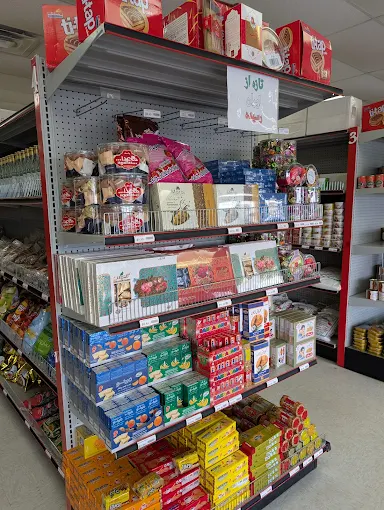
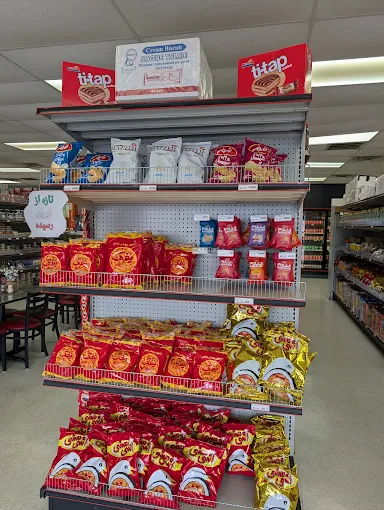
Tehran-Kabul Supermarket – Wilcrest Drive
Business Description
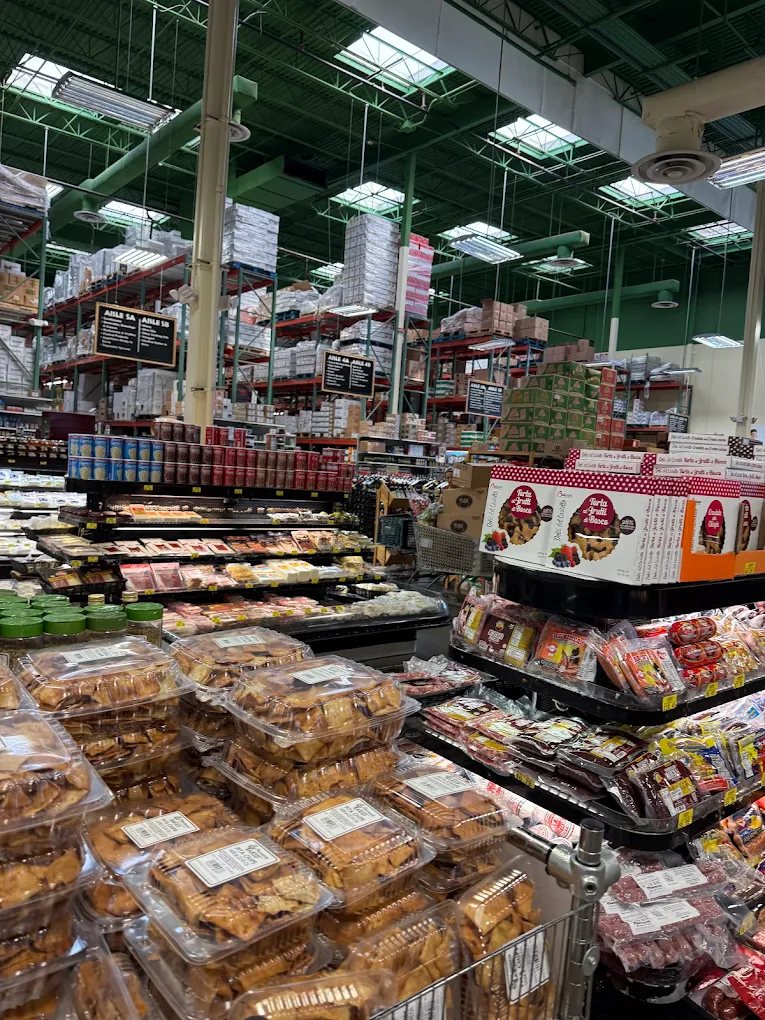
As the name suggests, this is a specialty Persian supermarket that only sells Halal products. You can find various Iranian and Afghan brand names on the shelves, and shopping here presents a homely and nostalgic experience. So, if you’re looking for a supermarket that resembles a supermarket in your home country and plays Persian music, Tehran-Kabul is just the right place.


Phoenicia Specialty Foods
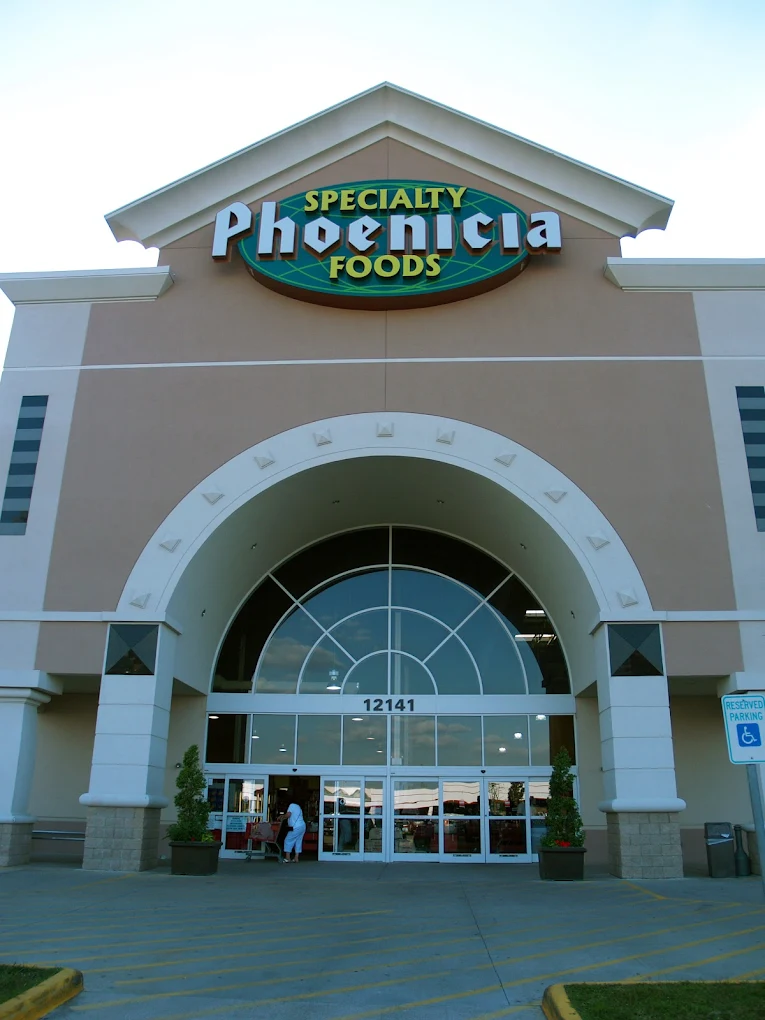
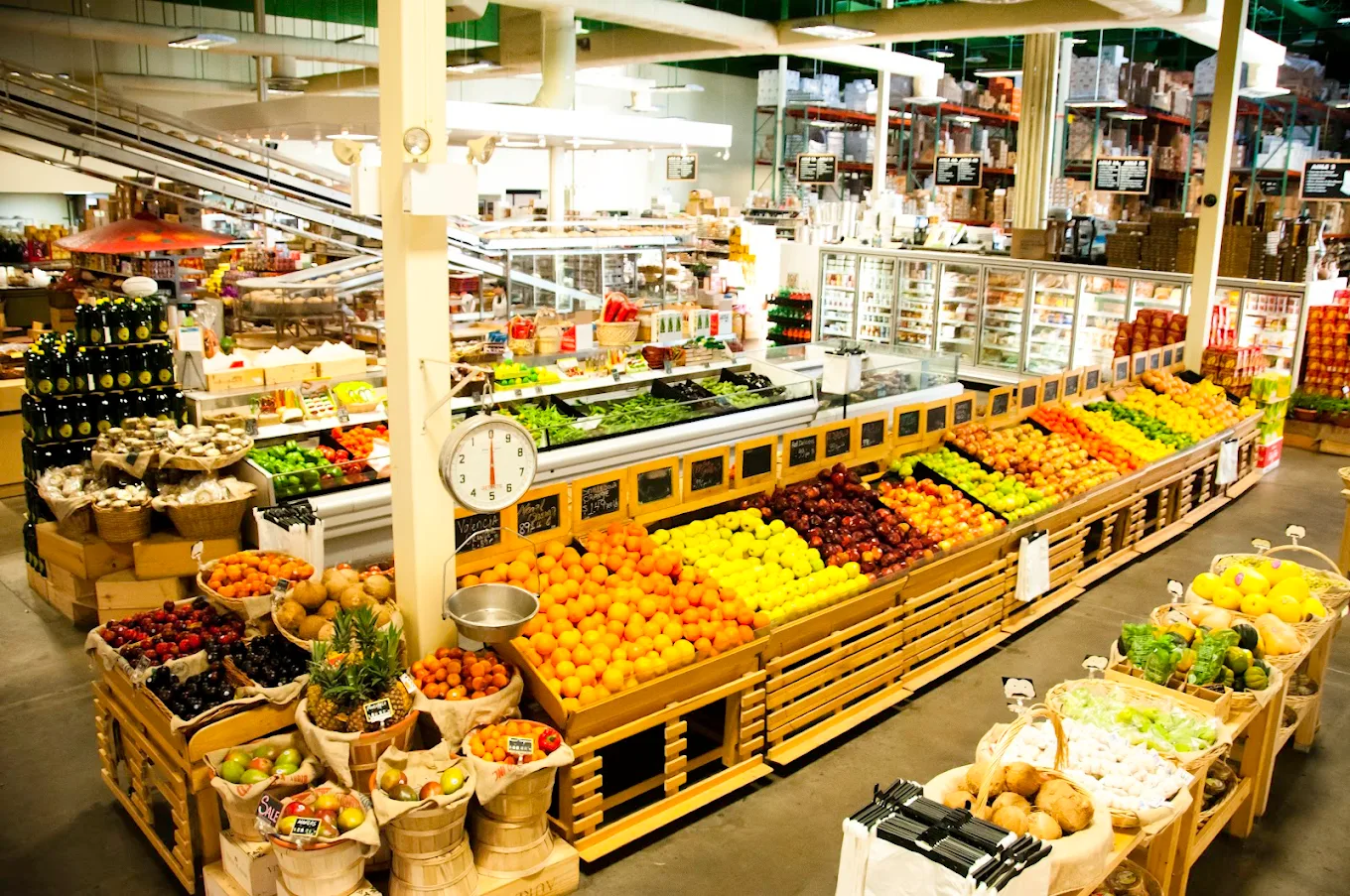
Business Description
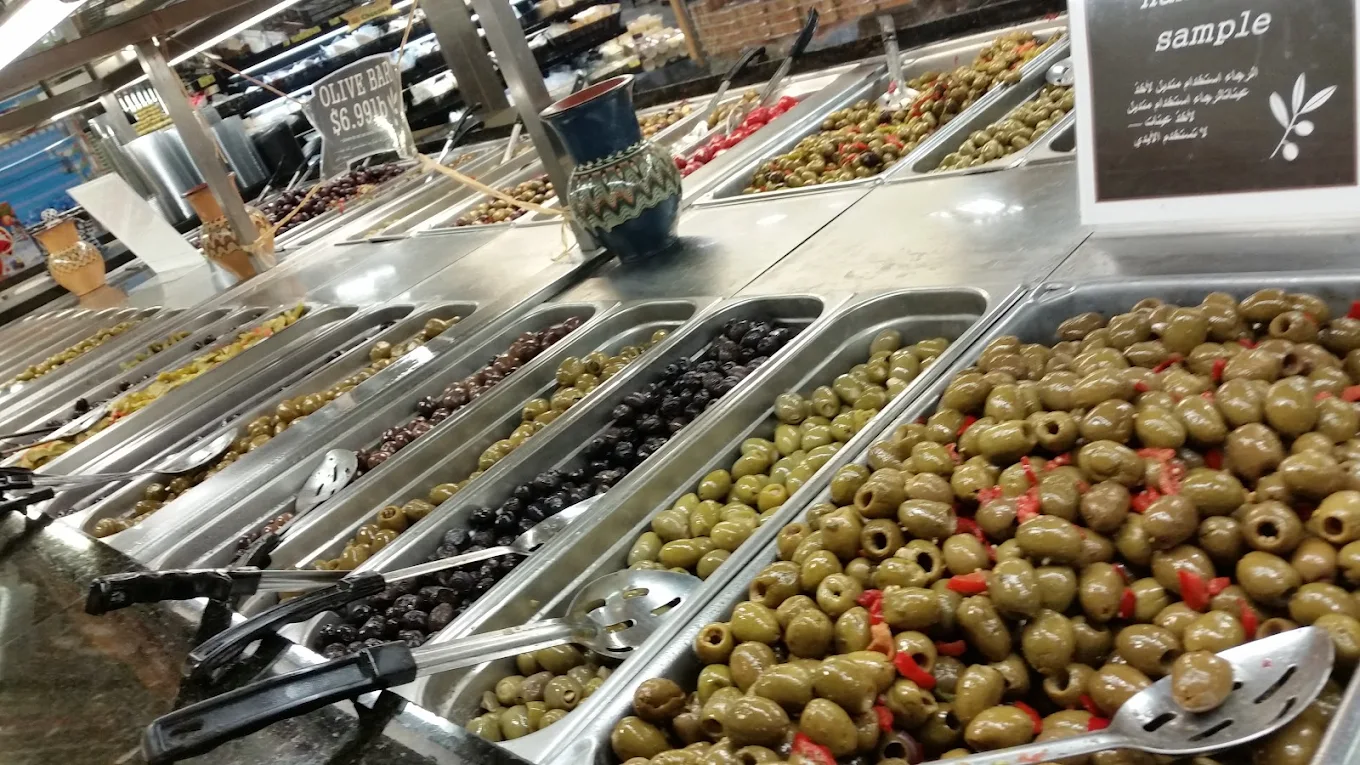
Phoenicia rises as one of Houston’s most honored markets, a house of international abundance. Its aisles overflow with freshness, its shelves with treasures from faraway lands. Shoppers gather here for the glow of produce, for the charm of rare goods, for the warmth of welcome that greets them.
Why Persian Saffron Is Considered the Best in the World
Persian saffron has earned its reputation the way truly great ingredients usually do: through consistency, craft, and time. It isn’t a marketing invention or a trend. What makes Iranian saffron stand out is not only where it comes from, but how it’s handled. Saffron is the delicate stigma of the Crocus sativus flower, and each strand is picked by hand.
What “good saffron” actually means
When people say Persian saffron is the best, they’re usually describing three things:
- Aroma: Real high-quality saffron smells vivid and complex
- Color strength: A few threads should tint hot water or ice cubes a deep golden color (not bright red).
- Purity: The best saffron is mostly or entirely red stigma, with minimal yellow or white parts.
In other words, “the best” isn’t about a fancy label, it’s about performance. You use less, and you get more.
Persian vs. Spanish saffron: what’s the difference?
Spanish saffron can be excellent, especially when it’s high-grade and properly sourced. But in most everyday shopping situations, Persian saffron tends to be the more reliable choice for those who want a strong aroma and coloring power without paying extra for branding.
A simple way to think about it:
- Persian saffron is often prized for its intense aroma and color.
- Spanish saffron is sometimes chosen for milder flavor profiles
Types & Grades of Persian Saffron You’ll Find in Houston
One of the most common questions people ask when buying Persian saffron in Houston is surprisingly simple: Which one should I choose? The answer depends less on “best” and more on how you plan to use it. Persian saffron comes in several grades, each with its own character, strength, and purpose. Here is a simple saffron grading guide:
| Grade / Type | What It Looks Like |
Best For |
|
Negin |
Long, thick, deep-red threads |
Gifting, gourmet cooking |
|
Sargol |
Shorter red tips only, clean and uniform |
Everyday home cooking |
|
Pushal |
Red threads with some yellow style attached |
Budget-friendly cooking |
|
Dasteh (Bunch) |
Full strands tied together, including yellow parts |
Traditional use |
|
Powdered Saffron |
Fine red-orange powder |
Convenience, quick use |
Buying Persian Saffron Online in Houston
In recent years, more Houston-based buyers have turned to online ordering, especially when they want a specific grade, clean packaging, or delivery within Texas. The key is making sure the seller is transparent about origin, grade, and handling.
- A reliable online source should clearly state:
- The saffron’s grade (Negin, Sargol, etc.)
- Whether it’s threads, powder, or infused
- How it’s sourced and packaged
How Much Does Persian Saffron Cost in Houston?
Saffron has a reputation for being expensive, and that reputation is deserved. In Houston, the price of Persian saffron can range widely, and once you understand why, it becomes easier to judge what’s fair, what’s inflated, and what might be too good to be true.
| Purchase Type | Estimated Price | Best For |
| Boutique / High-End Retail | $12.00 – $18.00 per gram | Gifting or small-batch premium cooking. |
| Local Specialty Grocers | $7.00 – $10.00 per gram | Everyday quality; authentic “Sargol” threads. |
| Bulk (28g / 1oz or more) | $4.00 – $6.00 per gram | Restaurants or frequent home use. |
How to Tell If Persian Saffron Is Real or Fake
For something so small, saffron carries a surprising amount of risk. Because it’s valuable and often sold in tiny quantities, it’s also one of the most commonly adulterated spices in the world. The good news is that real Persian saffron has clear, recognizable traits. Once you know what to look for, spotting quality becomes much easier.
Look Closely at the Threads
Authentic Persian saffron is made from the red stigma of the flower, and those threads tell a story on their own. Real saffron threads are:
- Deep red, sometimes with a slightly darker tip
- Thin and trumpet-shaped at one end
- Irregular in length (not perfectly uniform)
Be cautious if the saffron looks overly bright red, perfectly straight, or unnaturally glossy. Those can be signs of dyed or artificial material.
Trust Your Nose
One of the fastest ways to judge saffron is by aroma. High-quality Persian saffron smells floral, warm, and slightly sweet, with a depth that’s hard to describe but easy to recognize once you’ve experienced it. If the scent is weak, dusty, or resembles ordinary spice powders, that’s a red flag. Good saffron should be noticeable even before it touches heat or water.
The Color Test (What to Expect)
When you bloom real saffron in hot water or over ice, the color should slowly spread into a rich golden yellow. The threads themselves should retain their red color even after releasing the pigment. If the water turns bright red immediately or the threads lose their color entirely, the saffron may be dyed.
Cooking with Persian Saffron in Houston Home Kitchens
Saffron is one of those ingredients that rewards patience. It doesn’t shout, and it doesn’t rush. Used thoughtfully, even a small amount can completely change the mood of a dish. In many Houston homes, saffron bridges generations and cuisines. It’s used in traditional Persian cooking, but it also finds its way into modern kitchens, desserts, teas, and even weekend experiments inspired by Indian or Mediterranean dishes.
How Much Saffron Should You Use?
One of the most common mistakes is using too much. High-quality Persian saffron is potent, and restraint matters. As a general guide:
- A small pinch (6–8 threads) is enough for a pot of Persian rice
- 10–15 threads work well for desserts like sholeh zard
- A few threads can perfume an entire teapot of saffron tea
The Best Way to Bloom Saffron
Blooming is what unlocks saffron’s full potential. Instead of adding dry threads directly to food, take a moment to prepare them. A simple method many Houston cooks rely on:
- Gently crush the saffron threads using a mortar or the back of a spoon
- Add a small amount of hot (not boiling) water or ice
- Let it steep until the liquid turns deep golden
This step concentrates both color and aroma, allowing the saffron to distribute evenly through your dish.
Persian Classics and Everyday Dishes
Persian saffron shines in traditional recipes:
- Tahchin, where saffron creates a fragrant, golden crust
- Zereshk polo, pairing saffron rice with tart barberries
- Sholeh Zard, where saffron and rosewater define the dessert
Health Benefits of Persian Saffron
Persian saffron has been valued for centuries not only for its flavor and aroma, but also for how it makes people feel. Today, saffron is appreciated for a few simple reasons:
- It contains natural compounds that give it its color and aroma, and also act as antioxidants.
- Many people associate saffron with a calming or uplifting effect, especially when enjoyed in tea or warm dishes.
- It has long been used in traditional cooking as part of a balanced, mindful approach to food.
Saffron isn’t something to use in large amounts, and it isn’t meant to replace medical care. Its value lies in its subtlety.