
There is a particular kind of comfort in keeping a small bag of aloo bukhara at home. Sometimes it is for cooking, and sometimes it is simply for nibbling. In London, aloo bukhara is not rare, but it is not always obvious either. This Nazdikia guide is meant to make finding Persian aalu bukhara in London easier. We will walk through the parts of London where aloo bukhara is most commonly sold, the types you are likely to see, and the small signs that tell you whether a bag is worth taking home.

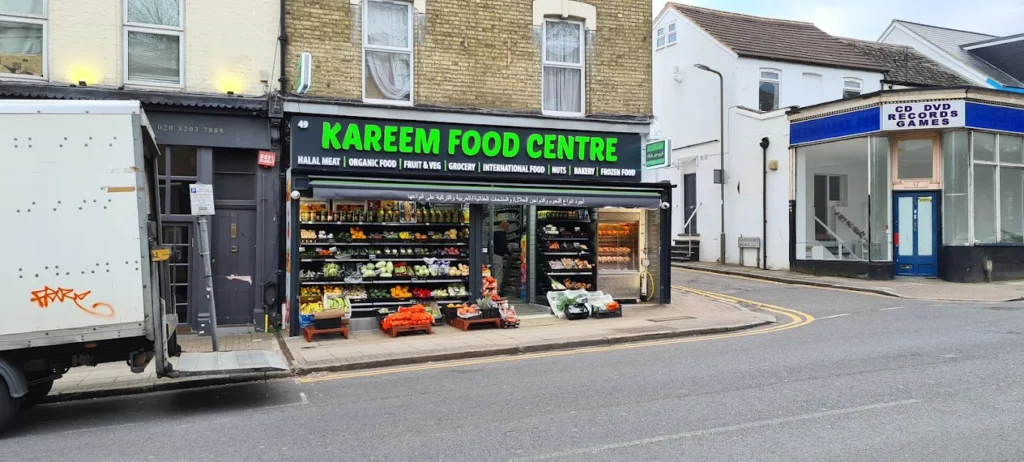
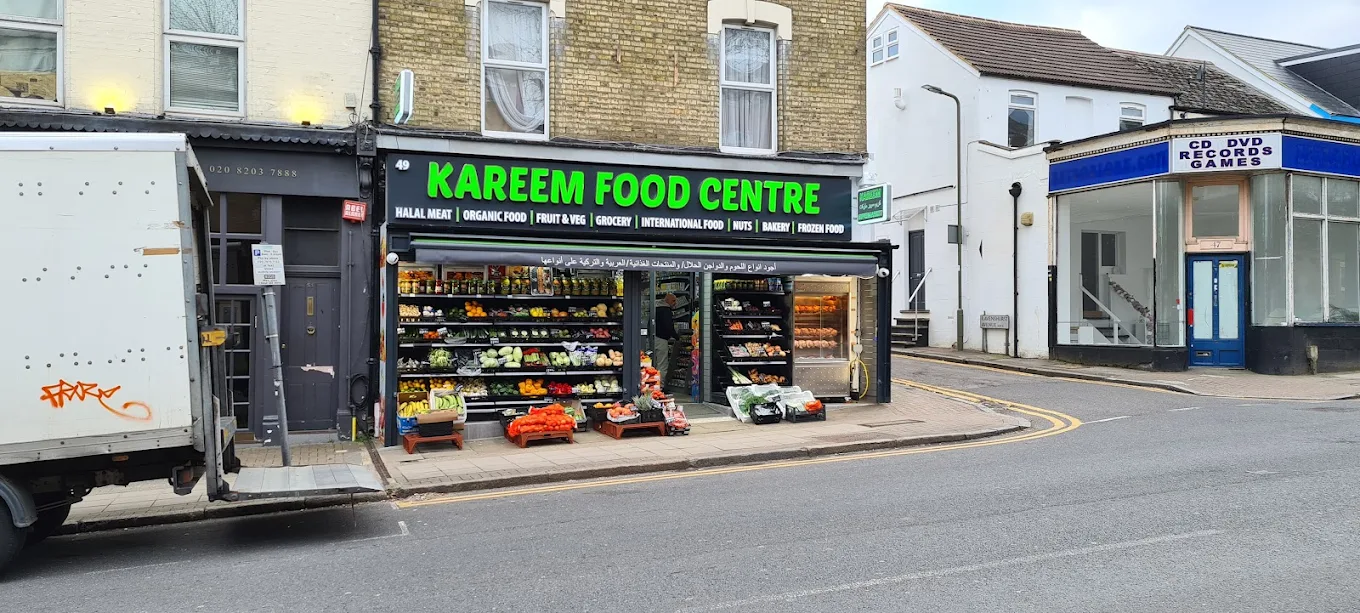
Kareem Food Centre – Finchley
Business Description
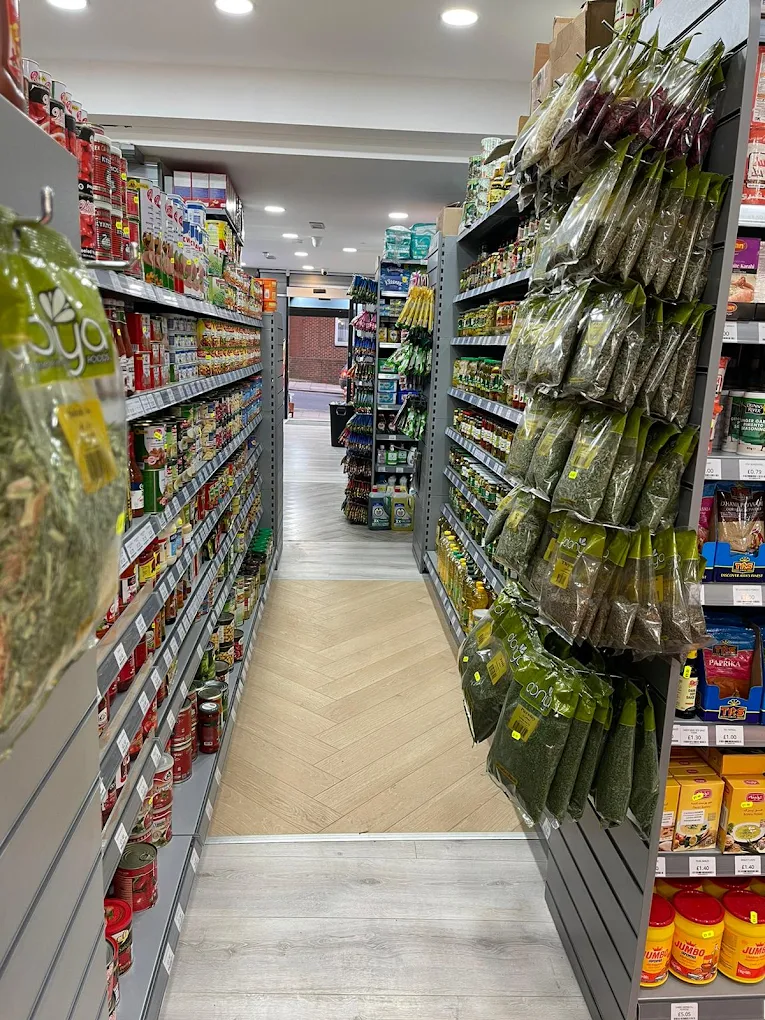
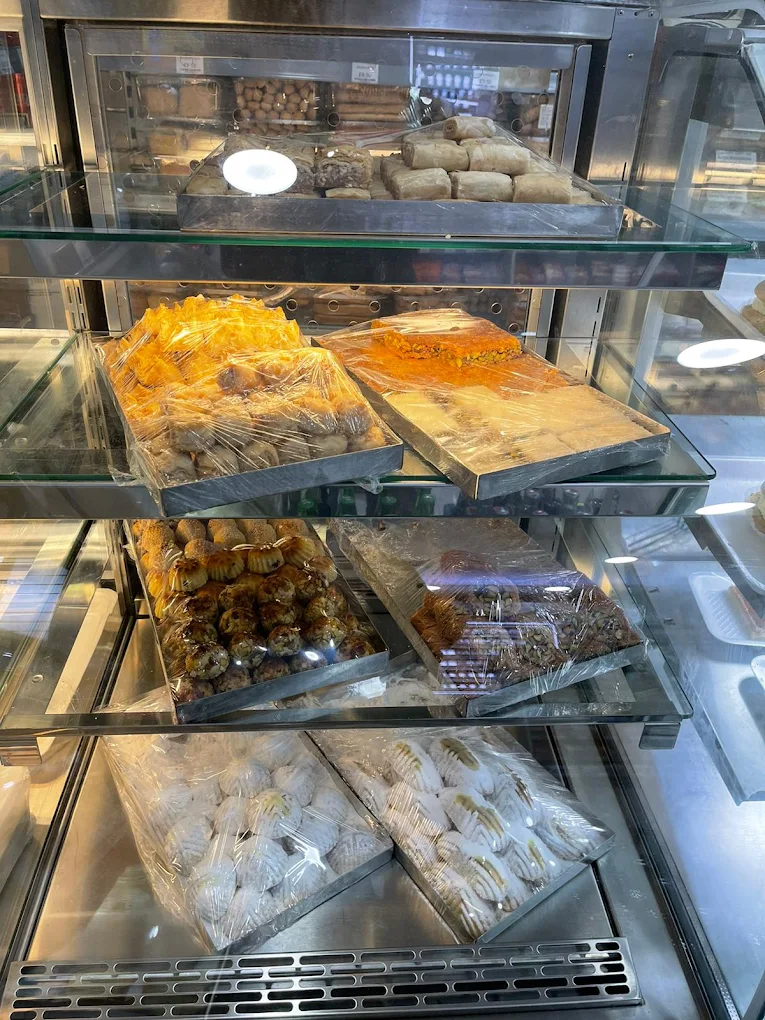
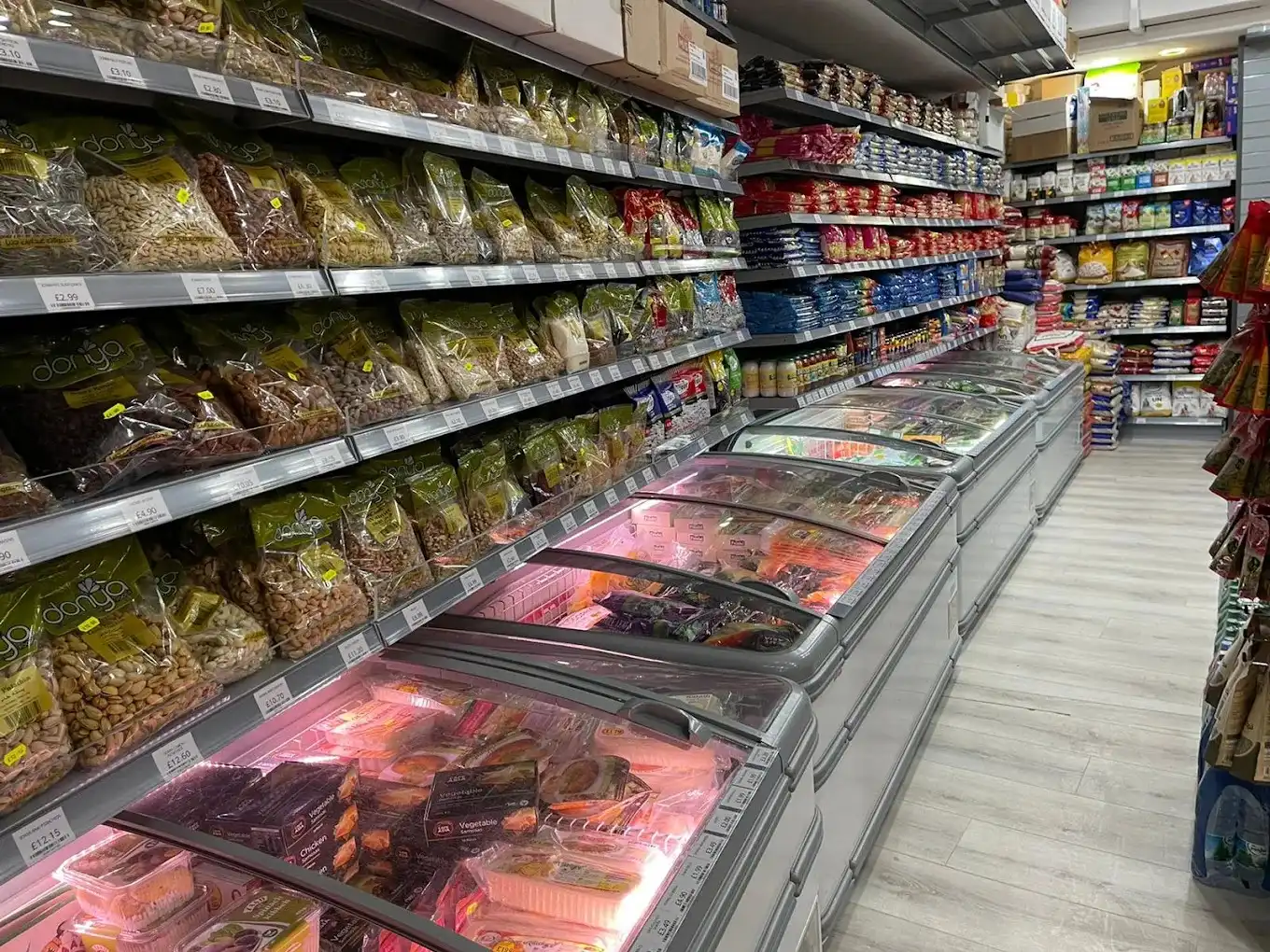
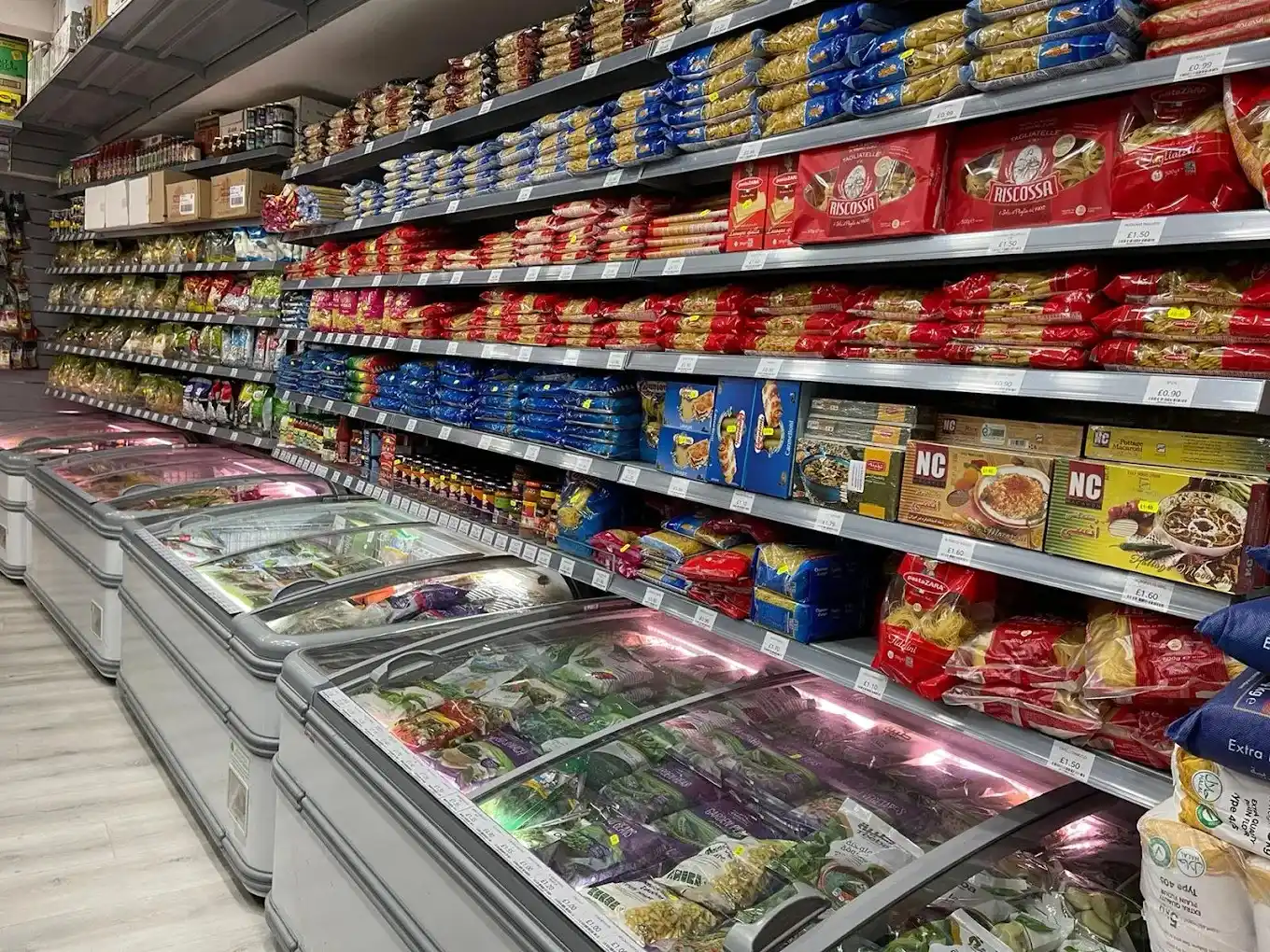
Kareem Food Centre is located in the Finchley area. The store is praised for its impressive variety, good value, and friendly service. With long opening hours and essential Persian ingredients always available, Kareem is becoming one of the most trusted Iranian supermarkets in the Finchley area. The prices in this market are fair, and you can rely on them for providing whatever you want.
Super Hormuz – Finchley Road
Business Description
Super Hormuz is everything you would expect from an Iranian grocery store in London. The store is well-stocked with Persian staples from spices and dried goods to nuts and rice. Customer reviews praised the store’s fair pricing and straightforward shopping experience. Convenient opening hours (8 AM to 10 PM), local delivery, wheelchair access, and a wide product range make Super Hormuz a solid choice for weekly Persian groceries.

Dena Supermarket – Ealing
Business Description
Dena is another lovely Persian supermarket in London, located near Hanger Lane. Their customers frequently mention their friendly staff and cozy atmosphere. Dena Supermarket is renowned for its fresh fruits, vegetables, and halal meat options. The butchery receives high praise for quality, and many shoppers rely on Dena as their go-to for everyday Persian essentials. The store’s selection includes spices, dried herbs, baked goods, and even patisserie options, making it versatile enough for both weekly groceries and special meals.


Asal Supermarket – Edgware Road
Business Description
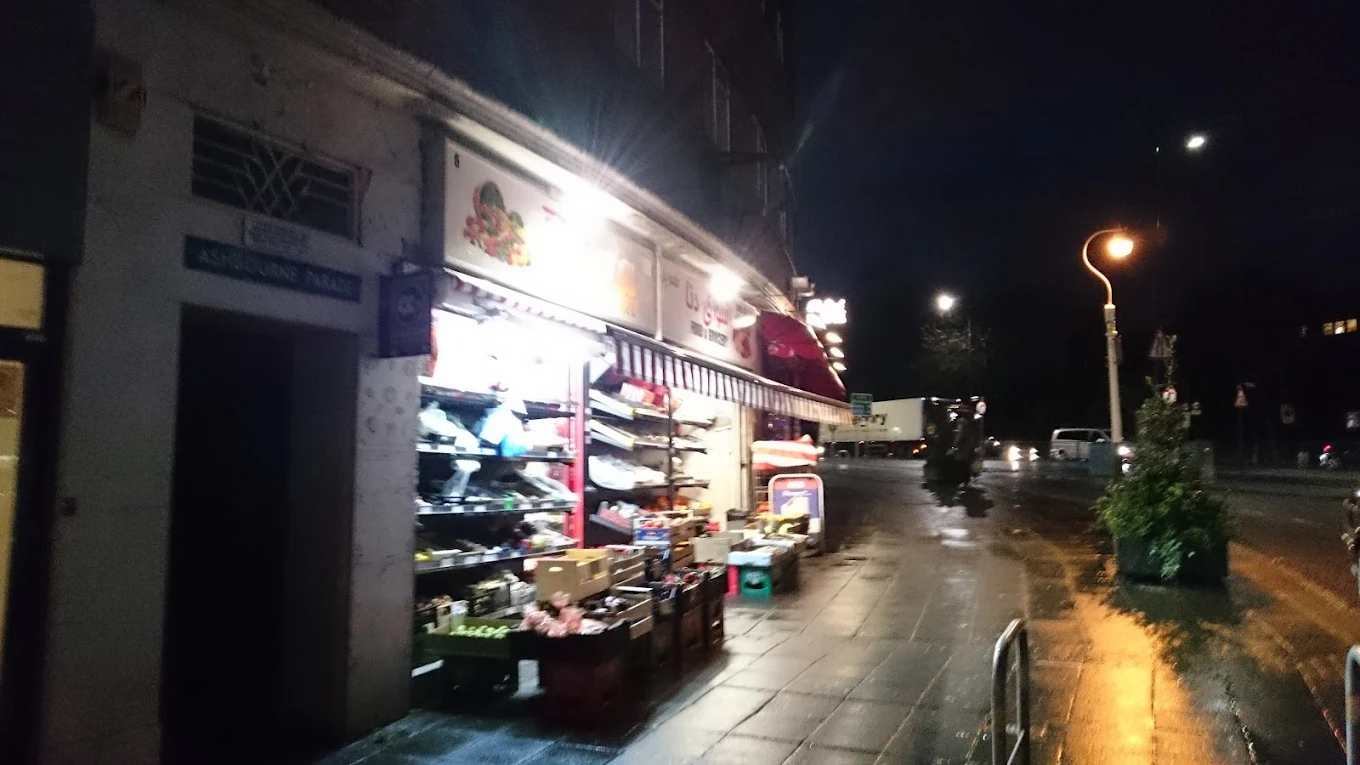
Asal Supermarket is a lively Iranian supermarket in London. Almost all the Iranian community on Edgware Road is familiar with this supermarket. The shop offers a wide range of Persian, Arabic, and Lebanese staples, making it an excellent choice when you need everything from fragrant saffron to fresh vegetables or halal meat. Many shoppers also mentioned that Asal frequently stocks Iranian sweets and pastries, turning a routine grocery trip into a nostalgic treat. The energy in this market reflects its central location: busy, lively, and convenient for both locals and visitors.



Kourosh London Hypermarket
Business Description
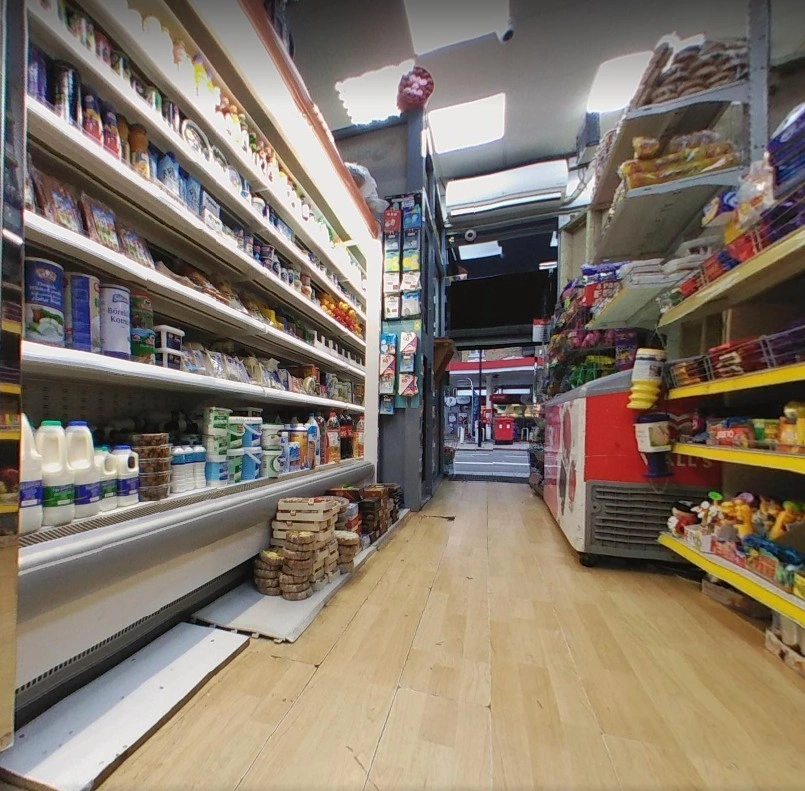
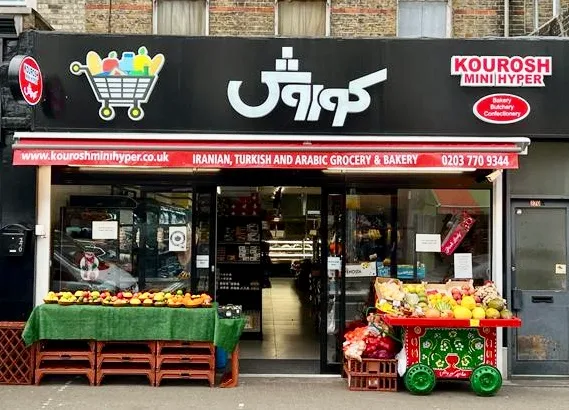
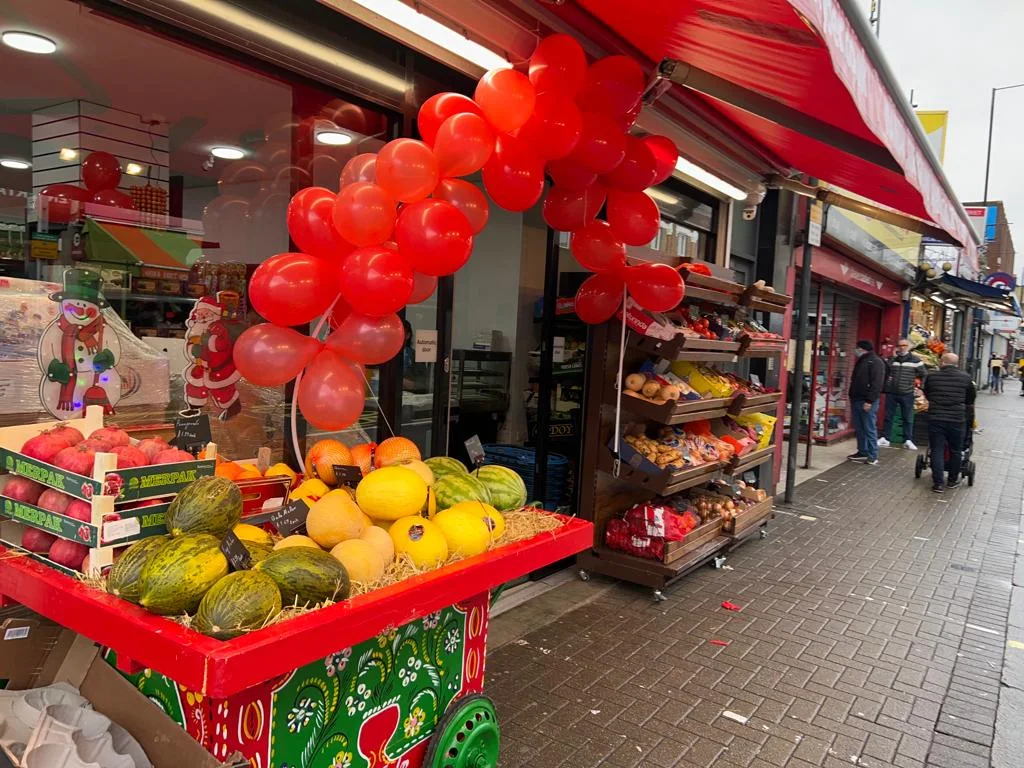
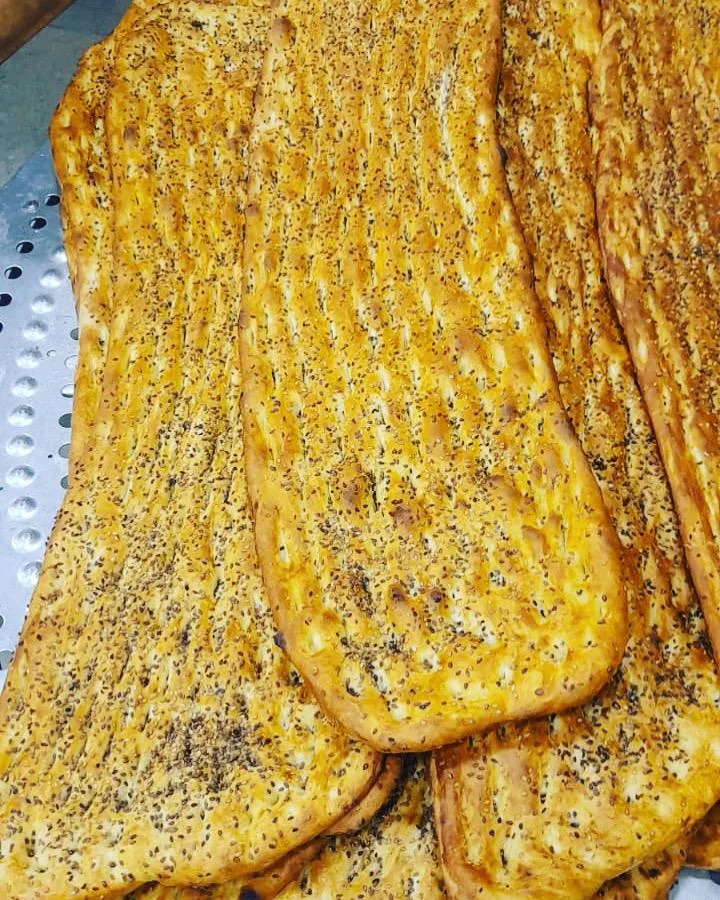
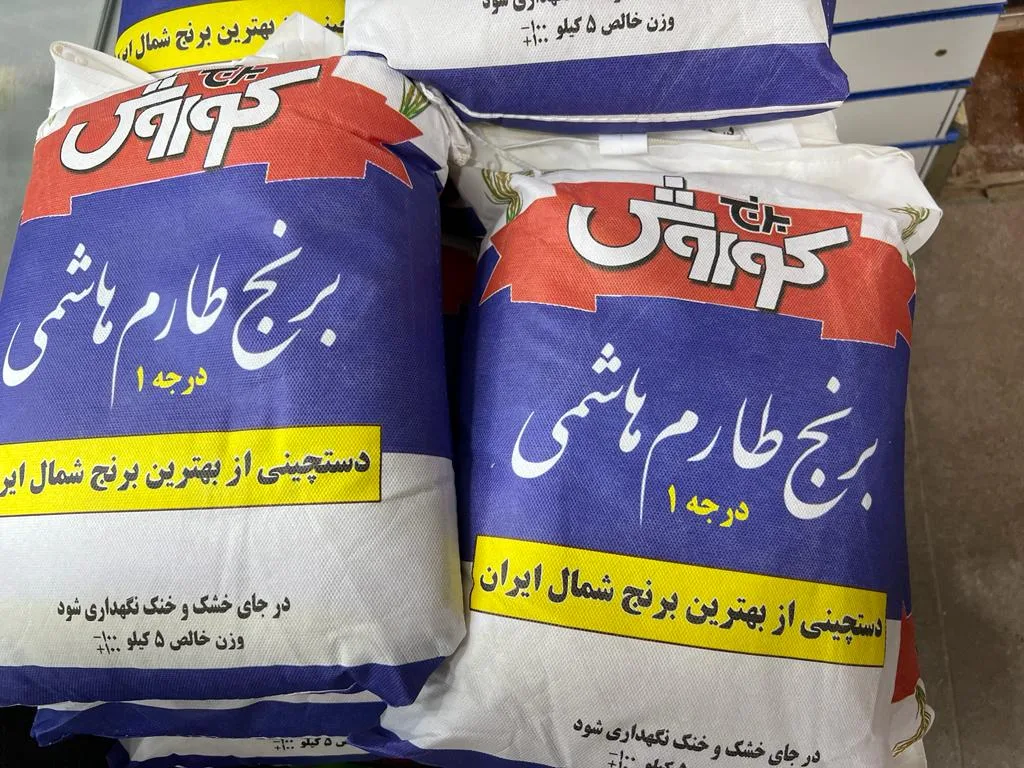
Kourosh hypermarket in London is a spacious Persian market where goods are neatly stacked on the shelves, and it’s definitely a priority for those who put cleanliness first. You can also buy meat and fresh produce (mainly fruits) at the Koroush market. What attracts Lavashak lovers in this supermarket is the Lavashak stand, where they can find fruit leaves in different flavors, brands, and sizes. You can also buy fresh bakery products and hot-from-oven Barbari bread at the bakery section.

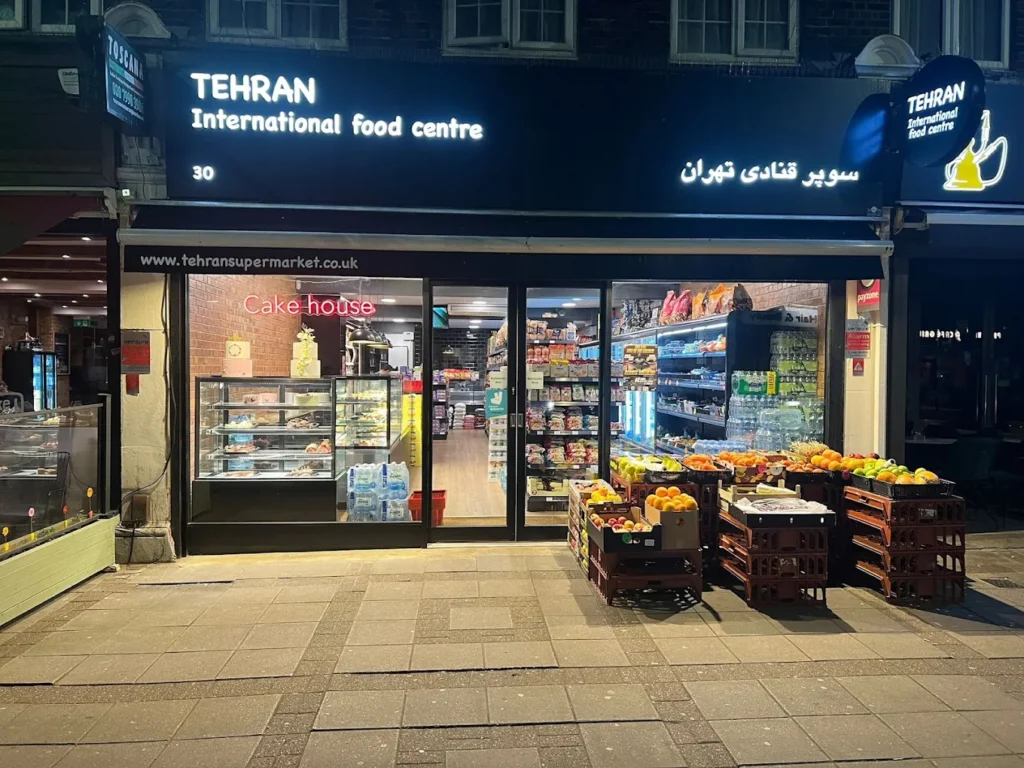
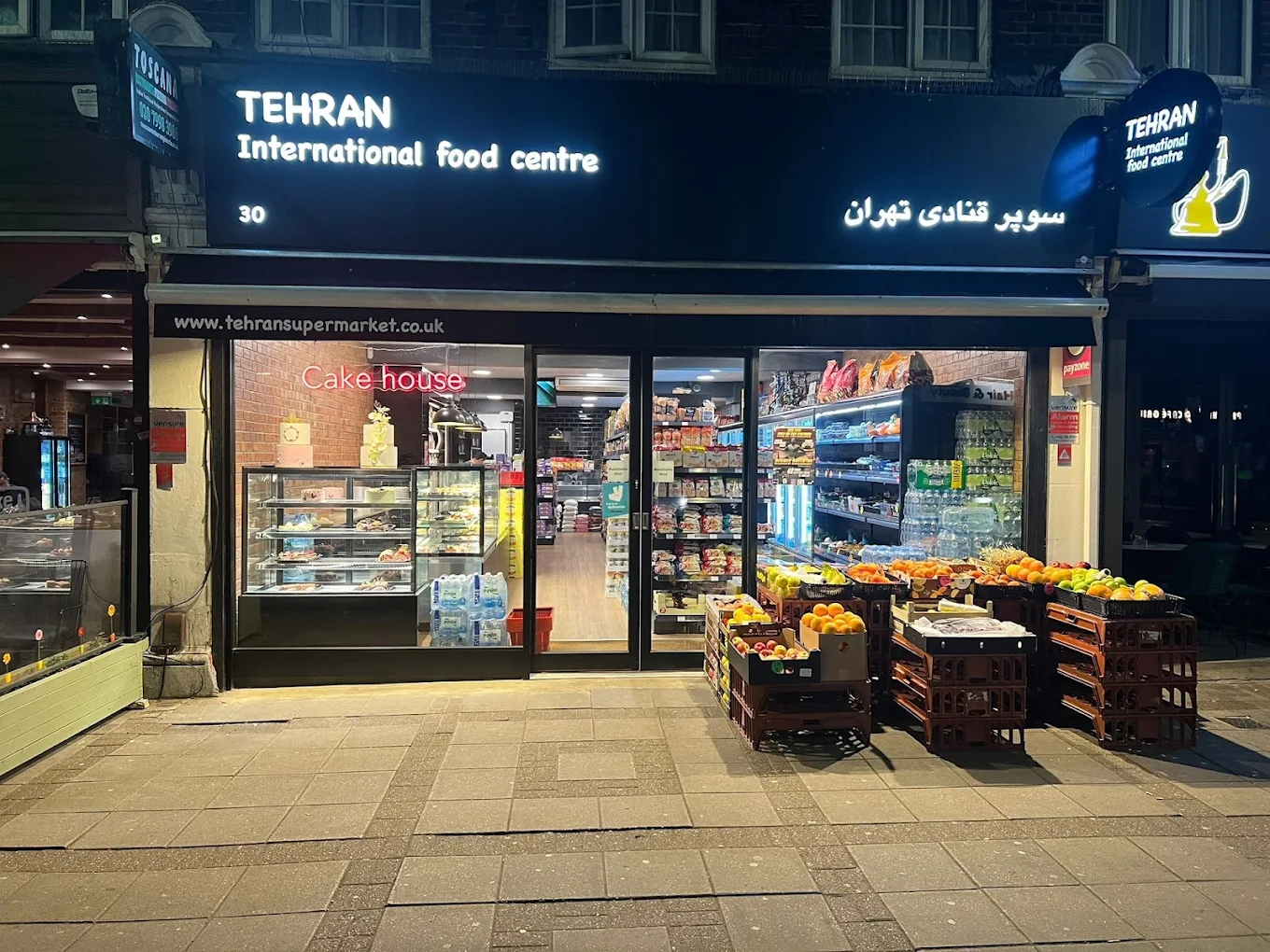
Tehran Supermarket – Vivian Avenue
Business Description
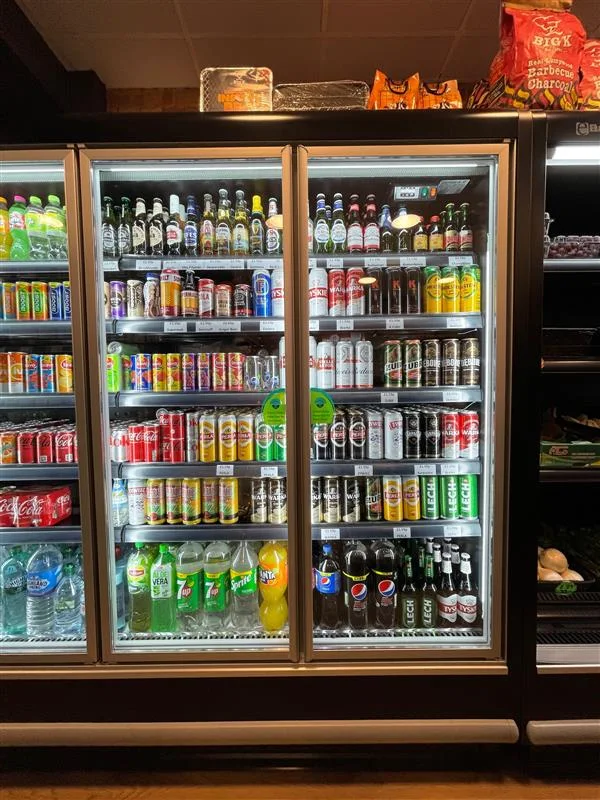
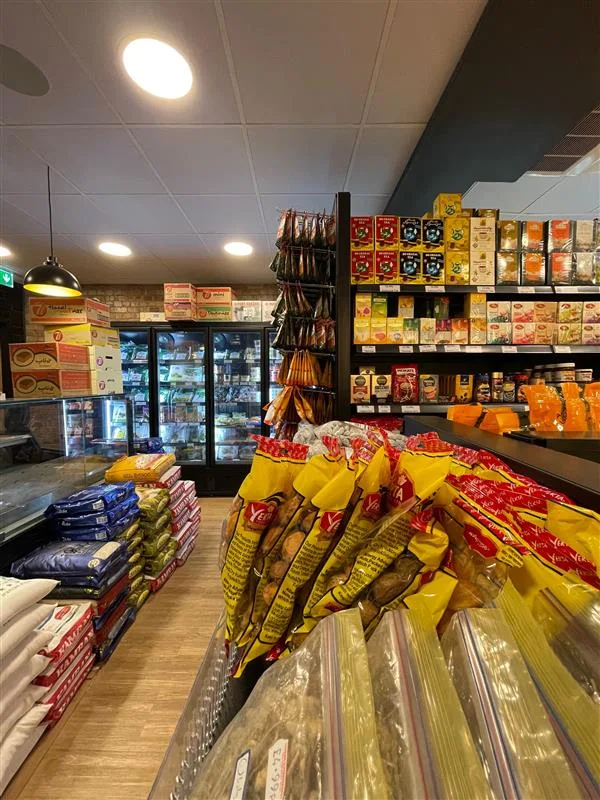
This store is a Persian confectionery and a supermarket with a small produce section. This Persian market sells food ingredients you need in the kitchen and popular Persian snacks, including Lavashak. You can see several nostalgic Persian brand names, such as Ti.Top and Tord biscuits. If you’re planning a party or if a Persian holiday is coming up, and you want to celebrate it, shopping at Tehran supermarket beforehand can make your celebration more similar to a traditional Iranian gathering.
Persia Supermarket – Ballards Lane
Business Description
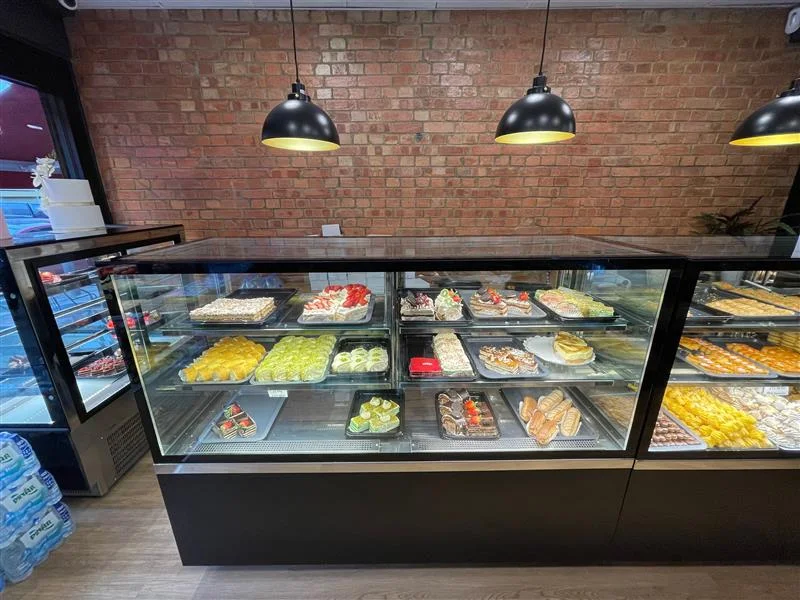
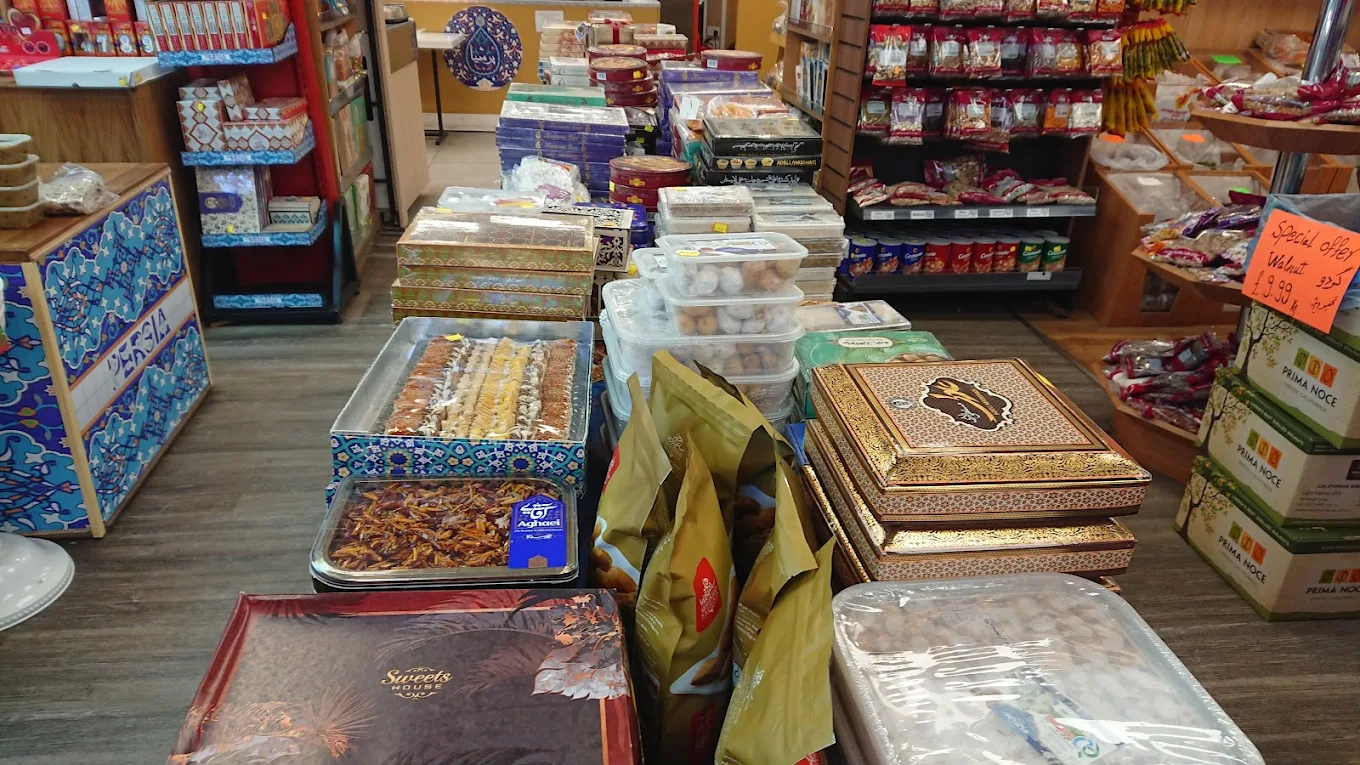
This isn’t a typical Persian supermarket on the other side of Iran’s borders. The items in Persia supermarkets have taken the authenticity of the place to the next level by selling snacks, pastries, and bakery products considered as local souvenirs in different cities of Iran. For instance, you can find Yazd’s Ghottab, Isfahan’s Gaz, Qom’s Sohan, and several more. To top it off, you can also go there to buy hot and fresh Sangak bread to have with your breakfast. Overall, it’s a place Iranian expats in London shouldn’t miss.

Asa Market – Online
Business Description
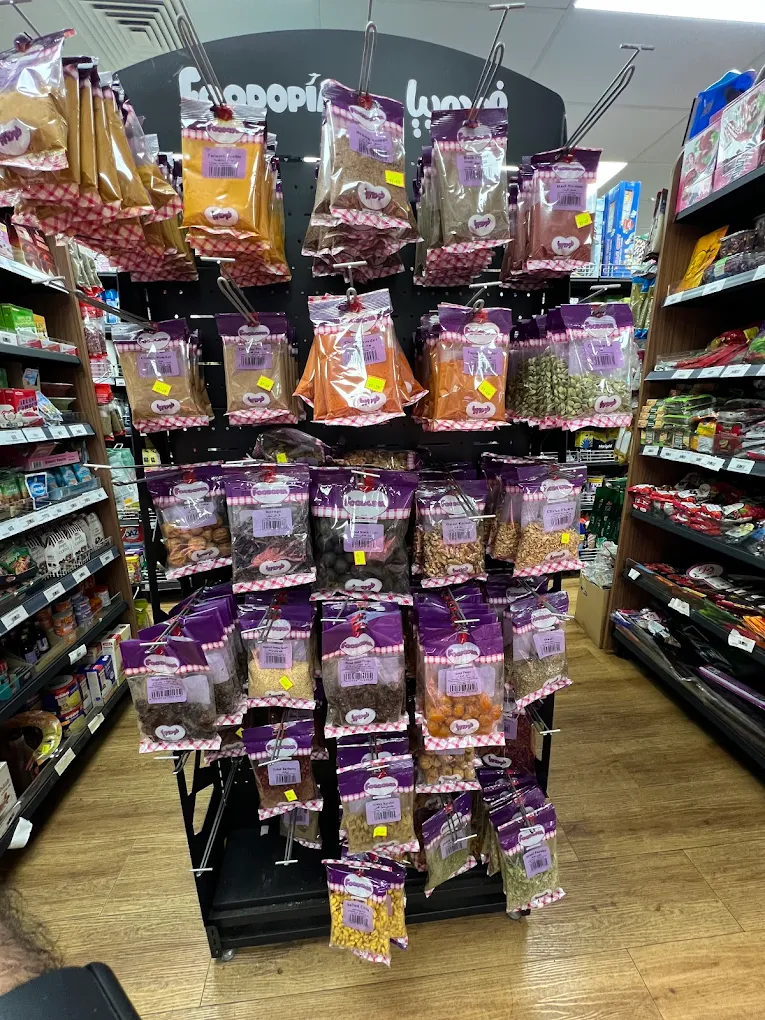
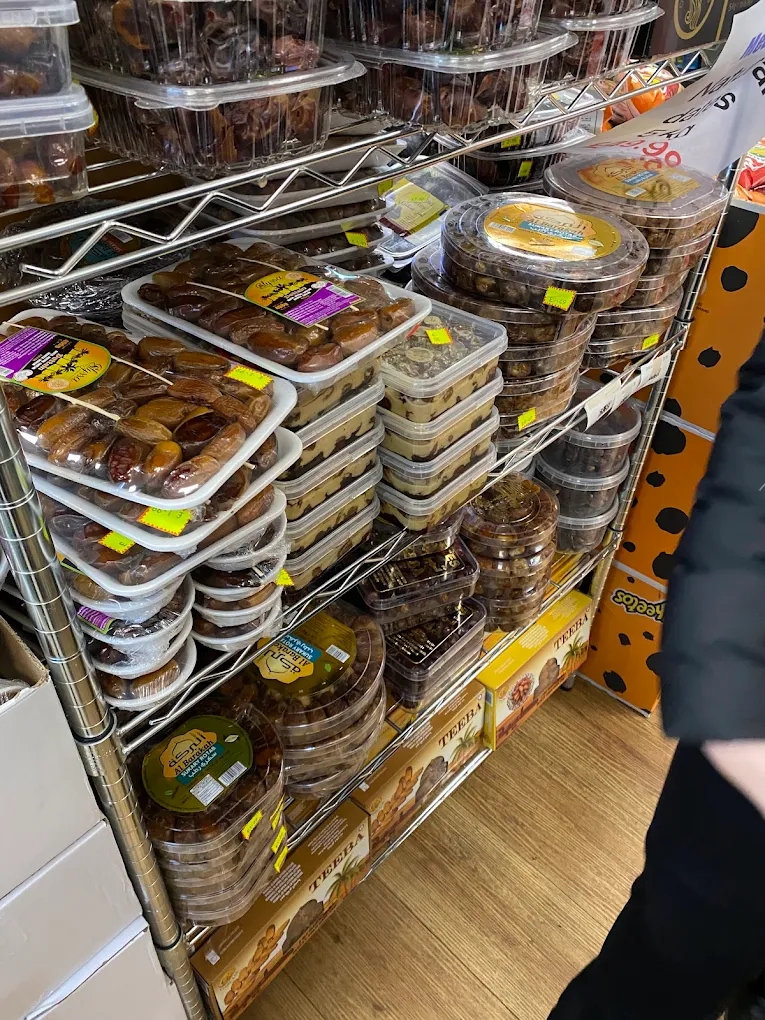
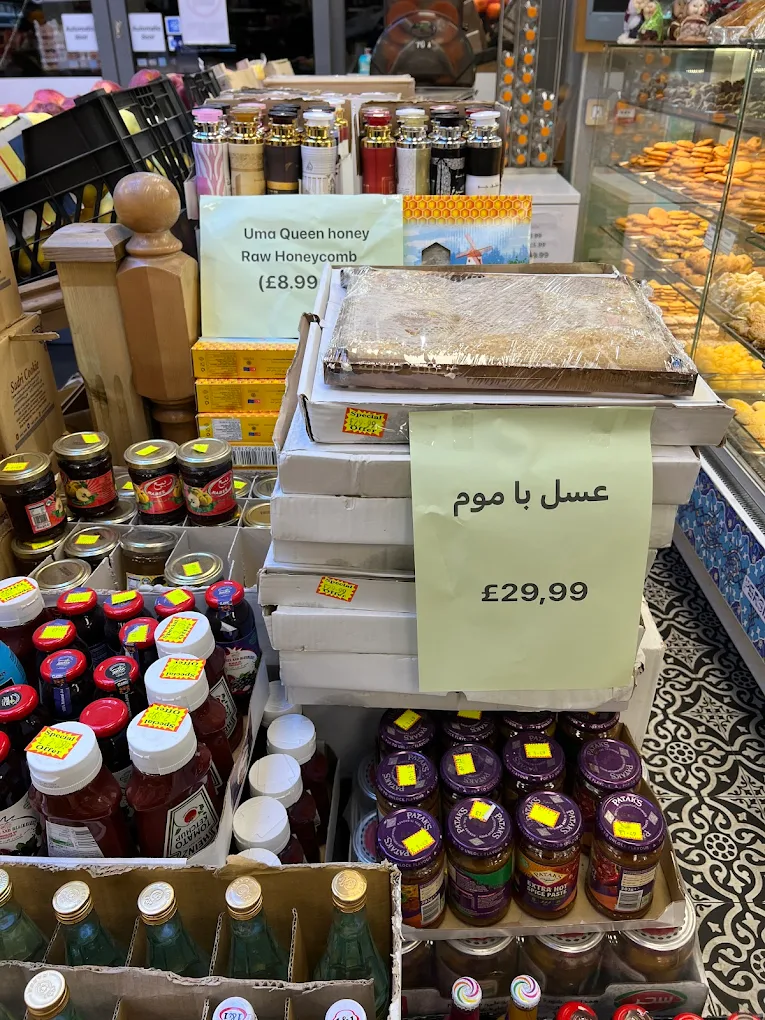
For those seeking a Persian supermarket online in the UK, Asa Market might be your best option. Customers consistently praise the freshness of products, quick delivery, and professional packaging of this supermarket. Asa Market is known for its premium-quality Persian items such as saffron, Persian rice, dried herbs, nuts, sweets, and ready-made stews. It’s especially helpful for Londoners who want reliable Persian groceries delivered to their door without sacrificing authenticity.

What exactly is aloo bukhara?
Aloo bukhara (آلو بخارا) is a type of dried plum that’s especially loved in Persian and South Asian kitchens. If you grew up with it, the flavour is instantly familiar: a gentle fruitiness, a soft chew, and that unmistakable sweet-sour balance that makes food taste more “finished.”
In many London shops, you may see it labelled in a few different ways—aloo bukhara, aloo bokhara, dried plums, or sometimes even prunes. That’s where people get understandably confused.
Is aloo bukhara the same as prunes?
“Prunes” in the UK often refers to a specific kind of dried plum that’s quite sweet and soft, usually meant for snacking. Aloo bukhara, depending on the type and where it’s sourced, can be more tart, sometimes smaller, and often used specifically for cooking as well as eating.
Why do people buy it?
Aloo bukhara is one of those ingredients that works quietly in the background, but changes the whole dish:
- Adds depth to rich meats and legumes
- Balances spice with a fruit-sour note
- Makes gravies taste more rounded without feeling sugary
Types of aloo bukhara you’ll see in London shops
When you stand in front of a shelf of dried plums in a London shop, the differences are not always obvious. The packets often look similar, and the names are not always used consistently. But there are a few quiet distinctions that shape how aloo bukhara tastes, cooks, and feels to eat. Here are the main ones:
Seeded and seedless
The most practical difference is whether the fruit still has its stone. While both are good, the choice is mostly about convenience.
Seeded aloo bukhara is closer to the traditional form. The pieces tend to hold their shape well when cooked and can feel slightly more aromatic.
Seedless aloo bukhara is easier for everyday use, especially for rice dishes, salads, or snacking.
Tart and sweet
This is the difference most people care about, even if it is rarely written on the label.
Tart varieties have a brighter, sharper taste and are especially good in savoury dishes and stews.
Sweeter varieties are softer, rounder in flavour, and closer to what many people think of as prunes.
Loose and packaged
You will find aloo bukhara both sold loose by weight and sealed in bags. While loose feels more traditional, packaged feels more predictable.
Loose aloo bukhara dry in London lets you see and smell what you are buying and choose the exact amount you want. It is ideal if the shop has a good turnover.
Packaged aloo bukhara dry in London is cleaner and more convenient, and often has a date and origin printed on it.
Best places to buy aloo bukhara in London (by neighbourhood)
London is a good city for aloo bukhara. Not because it is everywhere, but because the communities that value it most are well established here. Once you know where those communities shop, finding good aloo bukhara becomes much easier. Here are the neighborhoods where the Persian community is most active:
|
Area |
Best for |
|
West London |
Everyday buying |
|
Central / Edgware Road |
Quality and choice |
| North London |
Guidance and quality |
|
Southall / Wembley |
South Asian cooking |
| East London |
Variety and price |
| South London |
Convenience |
Online options for buying aloo bukhara in London
Buying aloo bukhara online is useful when you already know what you like, or when you don’t want to travel for one ingredient. As long as you choose carefully, it can work very well. The three most reliable online routes are:
- Persian and Middle Eastern grocery websites: Best for tart or balanced, cooking-friendly varieties with clearer labelling.
- South Asian grocery websites: Good for larger bags, sweeter styles, and better value per gram.
- Large marketplaces (like Amazon or eBay): Convenient and fast, but quality and flavour vary more.
How much does aloo bukhara cost in London?
Aloo bukhara is one of those ingredients that can feel “cheap” in one shop and surprisingly expensive in another. The difference usually comes down to type, source, packaging, and turnover rather than anything mysterious. Here is a breakdown of al bukhara fruit price:
|
Type |
Quantity | Average Price |
|
Dried Aloo Bukhara |
200g – 300g |
£4.00 – £5.50 |
|
Dried Aloo Bukhara |
1kg | £9.00 – £12.00 |
| Fresh Plums | 1kg |
£2.20 – £3.50 |
| Premium Fresh Plums | 325g – 400g |
£2.50 – £3.00 |
How to tell if aloo bukhara is good quality
Aloo bukhara is simple, and the difference between a good bag and a disappointing one is usually something you can spot in seconds. The best ones taste alive. While the tired ones taste flat, dusty, or overly sweet in a way that doesn’t feel natural. Here’s how to choose well, whether you’re buying loose or packaged. Look for:
- Pliable texture (it should bend slightly, not feel brittle)
- Clean, fruity smell (not musty or stale)
- Even, natural colour (not greyed-out or dusty-looking)
- No excessive sugar crystals
- Minimal stickiness (it shouldn’t feel syrupy)
How to store aloo bukhara so it stays fresh and flavourful
Aloo bukhara is forgiving, but it can lose its best qualities if it’s stored carelessly. The two enemies are simple: air and humidity. If you store it well, it stays soft, fragrant, and ready for cooking or snacking whenever you need it. To use the best method of storing dry aloo bukhara in London, follow these steps:
- Move it into an airtight container (glass or good plastic)
- Keep it in a cool cupboard, away from the stove and sunlight
- Use a clean, dry spoon or hand each time
How aloo bukhara is used in Persian cuisine
In Persian cooking, aloo bukhara is not treated as a feature ingredient. It is not there to dominate a dish or draw attention to itself. Its role is quieter than that. It brings balance. It adds a soft acidity that lifts richness and deepens flavour without making a dish feel heavy or sweet.
In stews and slow-cooked dishes
This is why it appears so often in stews. When meat, onions, oil, and spices have been simmering for a long time, aloo bukhara offers contrast. It gently cuts through the richness and gives the sauce a sense of clarity.
The most familiar example is khoresh-e aloo, where dried plums are central to the dish, simmered with chicken or lamb in a lightly sweet and sour sauce. But even when it is not named in the title, aloo bukhara often finds its way into pots of lentils, beans, or greens, added quietly to shape the final flavour rather than define it.
With rice and simple plates
It is also used more simply, stirred into rice with onions or nuts, or served beside roasted vegetables and grilled meats. In these cases, it acts almost like a seasoning, a soft counterpoint that makes everything else taste a little brighter and more alive.