
Saffron has a way of turning ordinary food into something memorable. For many households in Los Angeles, Persian saffron (زعفران ایرانی) isn’t a “special occasion” spice; it’s part of everyday traditions, from rice dishes to tea and desserts. So, if you are looking for Persian saffron in Los Angeles, Nazdikia is here to help you.

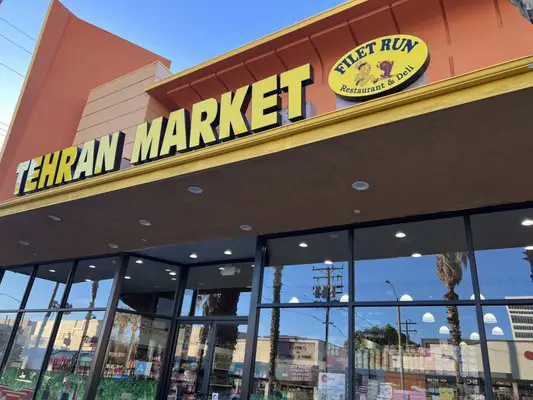
Tehran Market – Wilshire Blvd
Business Description
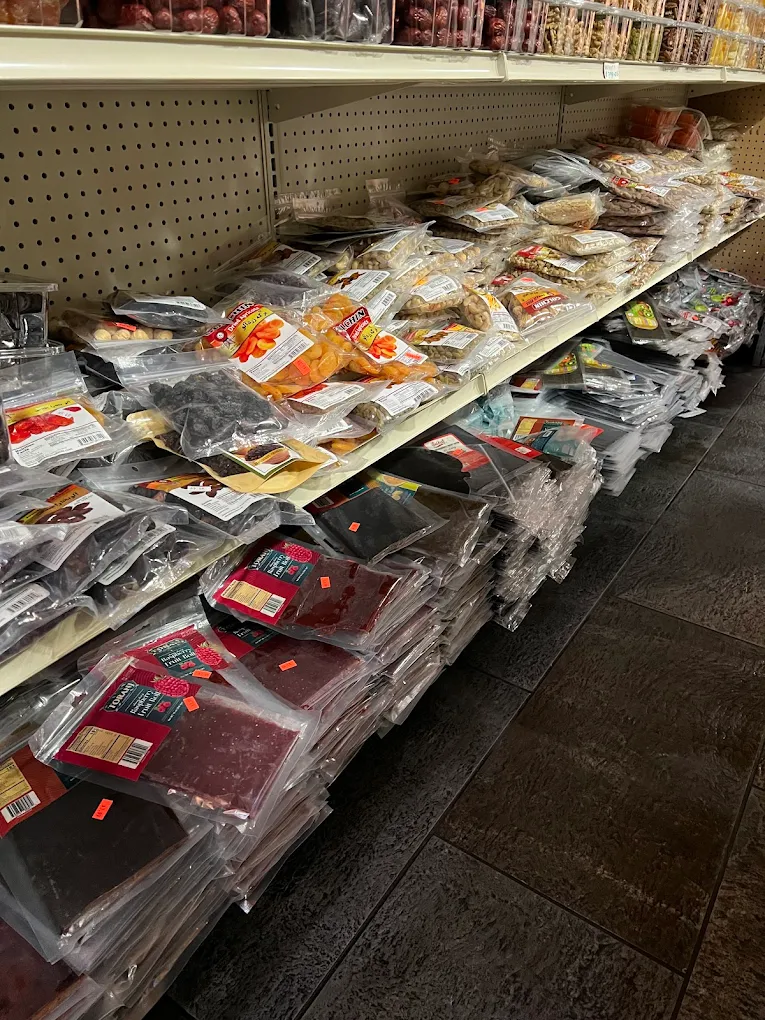
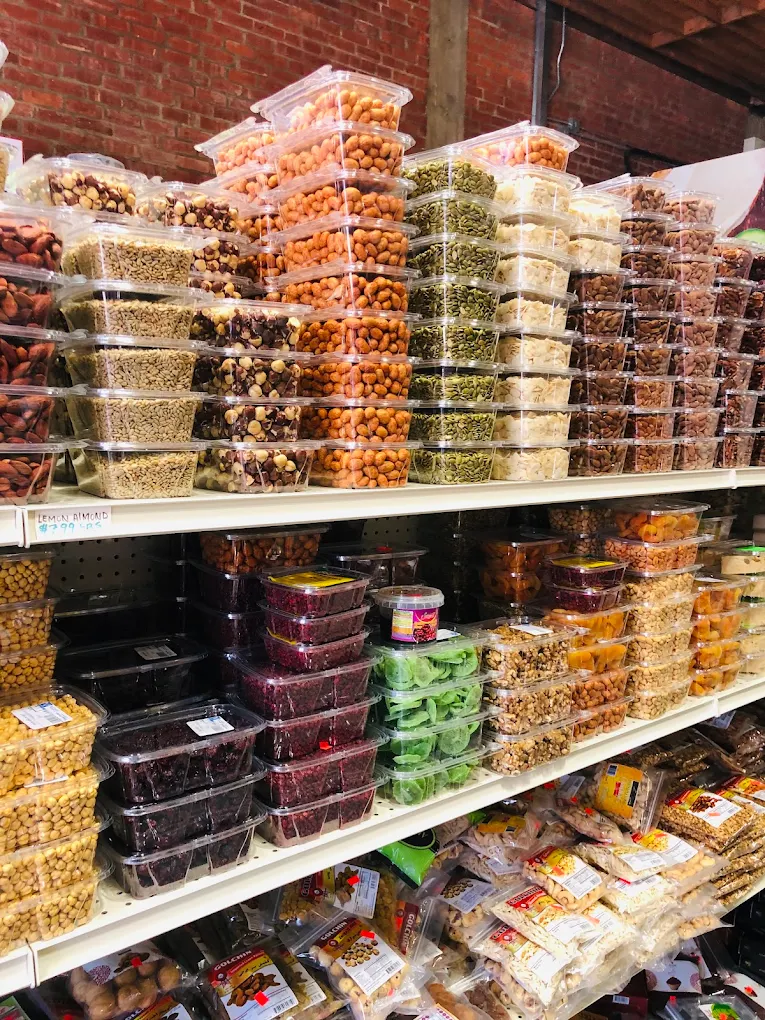
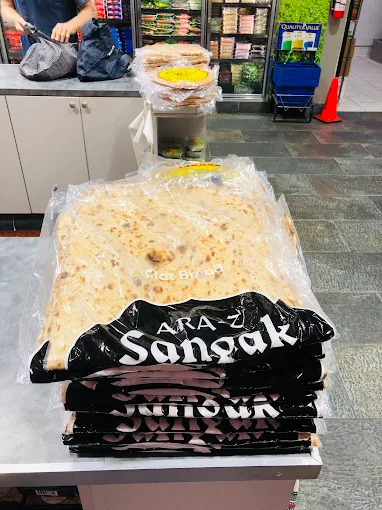
Another place you can go to fill your kitchen with Persian food products and snacks like the delicious Lavashak rolls. But it’s not just a market where you can buy pantry items. You can also order authentic Persian dishes like Kebab, Koobideh, and Joojeh. Fresh Noon Sangak is also in stock for your Iranian breakfast table.

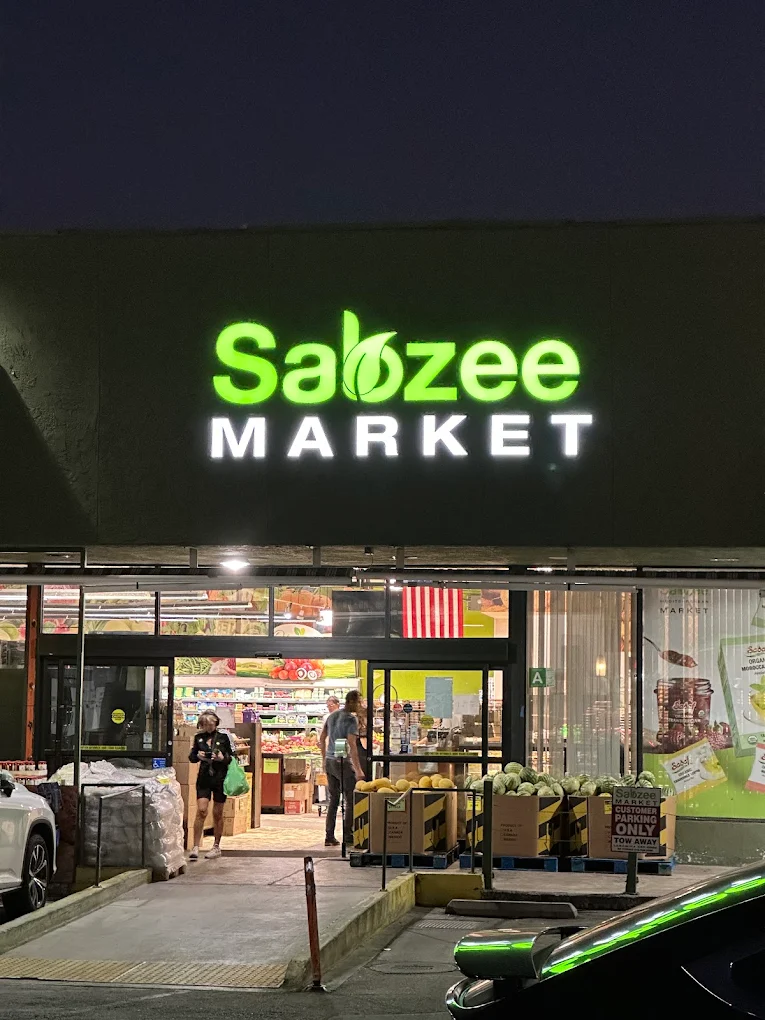
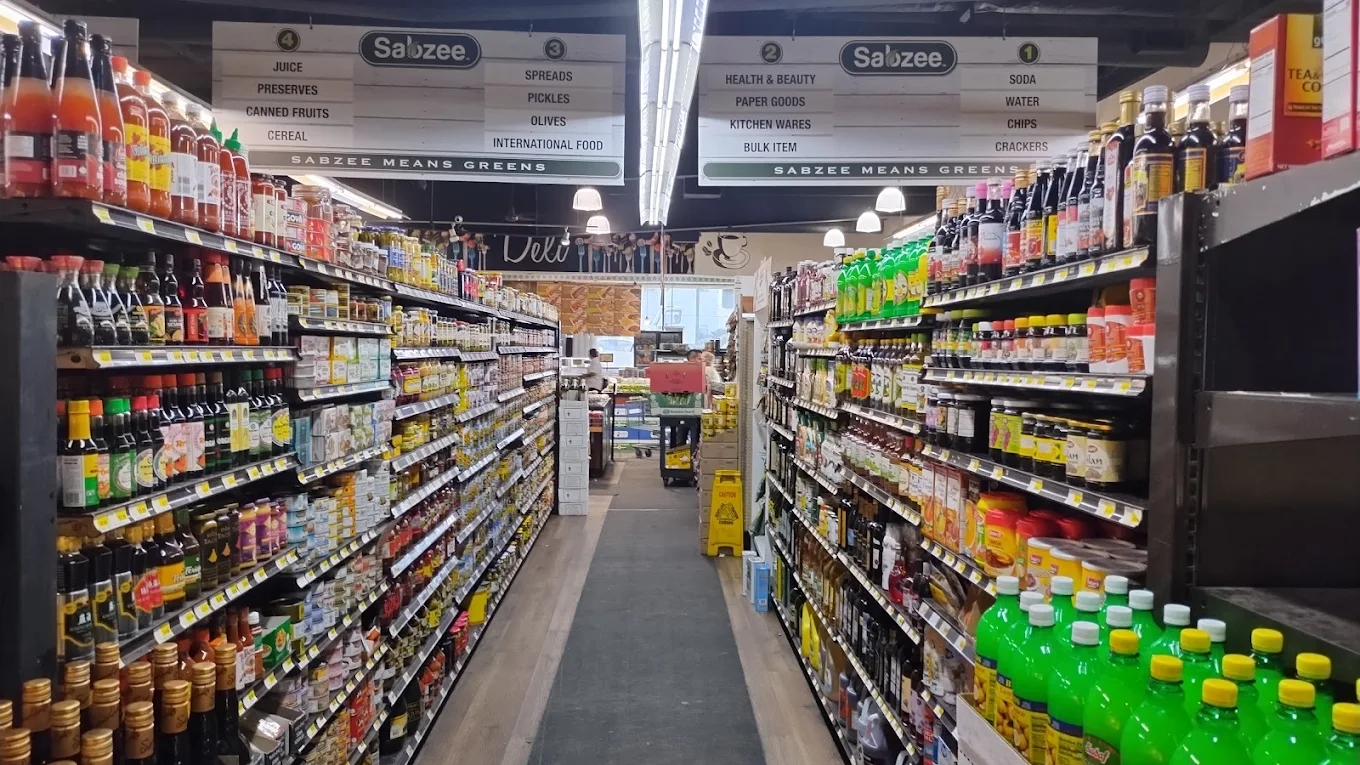
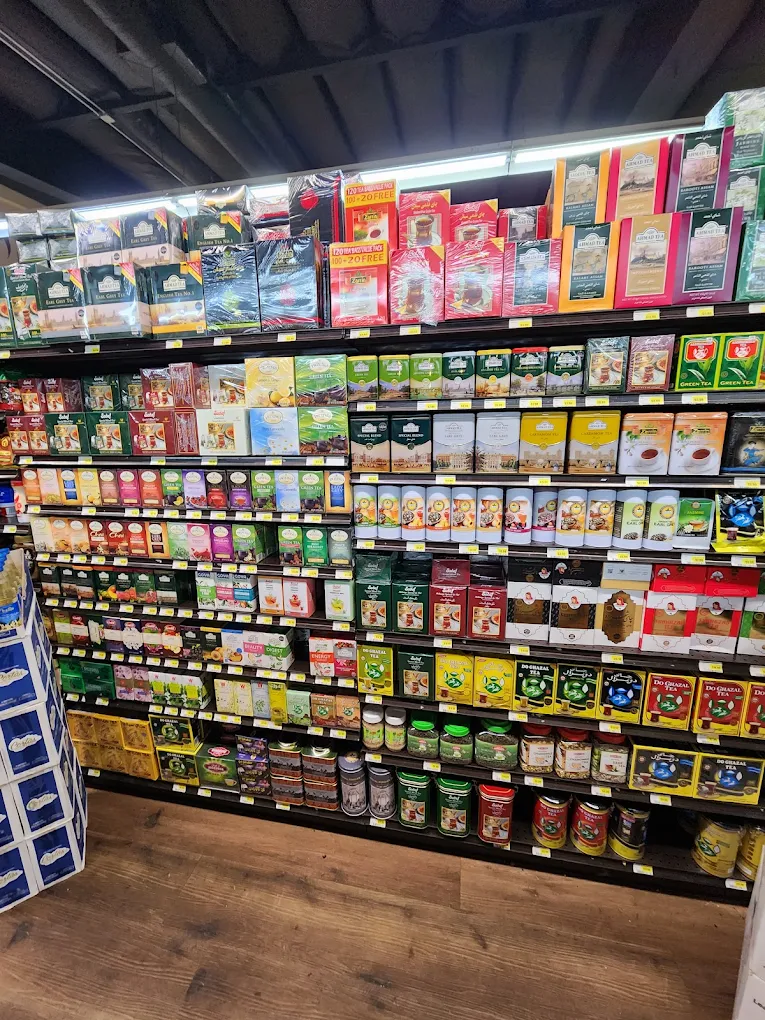
Sabzee Market
Business Description
Sabzee supermarket is the whole package. Meats, fruits, vegetables, spices, pastries, you name it. When you go there, don’t forget to try some of the fresh and mouth-watering Lavashak rolls or sheets. It’s a supermarket you won’t mind traveling a long way to get to.

Kalamala Online Grocery
Business Description
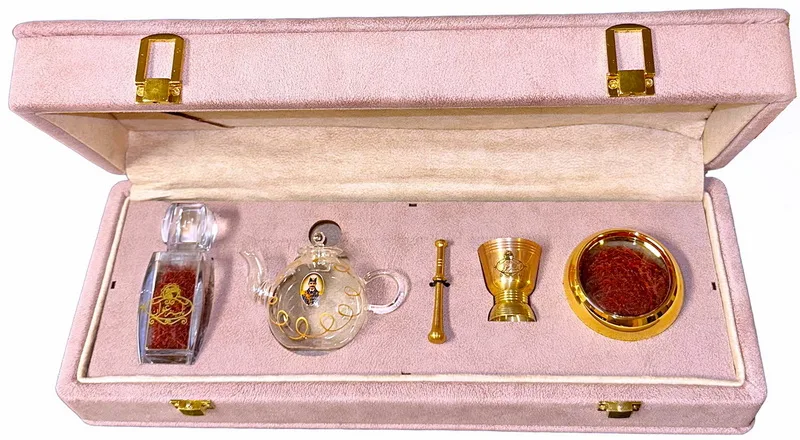
Kalamala Online Grocery is one of your online companions if you are looking for authentic Persian and Middle Eastern ingredients. Reviewers consistently praise the shop for its high-quality products and attentive customer service, often noting the care taken in packaging delicate items. The market offers a wide array of authentic goods from Persian, Kurdish, Armenian, Turkish, and Afghan traditions. Kalamala Online Grocery is known for high-quality “Sargol” or “Super Negin” saffron, pomegranate molasses, dried barberries (zereshk), and various types of dried nuts and fruit.

Where Can You Buy Real Persian Saffron in Los Angeles?
In Los Angeles, Persian saffron tends to show up where Persian food and Persian community life naturally gather, so the “best place” depends less on a single store and more on which part of LA you’re in and how you like to shop. People usually look in a few reliable channels: Persian grocery markets, specialty spice shops, or Persian delis, and (in some cases) farmers’ markets with Persian vendors.
Start with the neighborhoods where demand is highest
If you prefer shopping in person, these areas are commonly associated with finding Iranian pantry staples, including saffron:
Westwood (Tehrangeles / Little Persia): A natural first stop if you want a wide selection and staff who can talk you through grades like Negin or Sargol.
Glendale: Strong Persian community presence, so you’ll often find saffron in markets that regularly stock Iranian ingredients.
San Fernando Valley (including Reseda and Tarzana): Convenient if you’re in the Valley and want to avoid driving across town just for a small tin of saffron.
Near Beverly Hills / Santa Monica and Downtown LA: You may still find saffron in Persian or Middle Eastern markets nearby—selection varies, but it’s absolutely worth checking if you’re close.
How to Tell If Persian Saffron Is Real (Not Dyed or Low-Quality)
When you buy saffron often, you start to notice something: real saffron doesn’t need to shout. Its aroma is present but refined, its color is rich but not “paint-like,” and its strength shows up in how far a small pinch can go.
Because saffron is valuable (and LA prices can vary), it’s also one of the spices where shortcuts and “look-alikes” appear. Especially if you’re buying powder or chasing the lowest price.
What real Persian saffron should smell and look like
A few sensory cues can help you quickly narrow things down:
- Aroma: Real saffron has a distinctive scent. Often described as warm, slightly honeyed, hay-like, and floral.
- Appearance: Threads should look like delicate stigmas, typically deep red with natural variation. If everything looks too uniform, too glossy, or oddly “painted,” be cautious.
The simple “warm water” check (gentle, not gimmicky)
If you want a practical at-home check, use a small glass of warm water. Real saffron releases color gradually, like a slow bloom, rather than dumping intense red dye immediately. The threads should keep their shape after soaking; they shouldn’t dissolve into mush. This isn’t a laboratory test, but it often helps you spot products that are behaving more like dye than spice.
Packaging and label signals that build trust
In Los Angeles, you’ll see everything from small tins to gift boxes. What matters is whether the packaging gives you real information, such as:
- Clear Iranian origin
- A stated grade (for example, Negin or Sargol).
- ISO-certified purity / lab-tested claims where available.
- Normal retail labeling expectations.
Persian Saffron Grades Explained
If you’ve ever noticed two saffron tins side by side in an LA market and the prices were different, there’s a good chance the difference comes down to grade. Saffron grades are essentially a way of describing which part of the stigma you’re getting and how “clean” and concentrated the threads are. Nazdikia has prepared a full guide on different grades below:
Negin (highest quality)
Negin is widely treated as the top-tier saffron thanks to its longer, thicker-looking red threads. In Los Angeles, many people reach for Negin when they’re cooking for a gathering or putting together a gift that feels special. This grade is best for:
- rice dishes
- Desserts
- giftin
Sargol (cut tips of the stigma)
Sargol is made from the red tips of the stigma, which are clean and potent, often with an excellent balance of quality and price. For many households, Sargol is the practical favorite. It performs beautifully in everyday cooking without feeling like you’re using your “special occasion” saffron. This one is best for:
- Regular Persian cooking rice
- Tea
- Stewes
Pushal (includes some yellow style)
Pushal includes part of the yellow style along with the red stigma. That doesn’t automatically make it “bad”. It only means a different presentation and usually a lower price point. In LA, Pushal is commonly chosen by people who cook often, use saffron generously, or want something reliable for infusions and everyday meals. This grade is best for:
- frequent cooking
- saffron water
- Recipes where aroma matters more than perfect “all-red” threads
Bunch saffron (whole stigma with style)
Bunch saffron includes the entire stigma and style together. This grade is the most traditional-looking form of saffron, and some buyers like it precisely because it feels less processed. It can be a good option when you’re comfortable using a bit more and want an approachable entry point, especially if you’re learning how saffron behaves in your cooking.
Threads vs Powder: What Should You Buy in Los Angeles?
In Los Angeles, you’ll find Persian saffron both as threads and as powder. The “right” choice depends on what you value most: purity, convenience, or speed in the kitchen. Most experienced buyers still lean toward threads, but powder can absolutely make sense when you buy it carefully.
Why saffron threads are usually the safer buy
Threads give you something important: you can actually see what you’re paying for. With real threads, you can judge the look, the aroma, and the way they bloom in warm water. That transparency matters, especially in a market where prices vary and where low-quality products sometimes rely on appearance alone.
When saffron powder makes sense (and how to buy it wisely)
Powder is convenient. If you’re baking often, making saffron desserts, or you simply don’t want to grind threads, powder can save time and give you consistent distribution through a recipe. The tradeoff is that powder is easier to compromise because you can’t verify the threads once they’re ground. That’s why, if you buy powder in LA, it’s worth being stricter about the seller and the label.
How Much Does Persian Saffron Cost in Los Angeles?
In Los Angeles, the price of Persian saffron usually makes more sense once you look at it the way regular buyers do: by the gram, not by the tin. A small package can feel expensive in your hand, but saffron is powerful and the larger sizes often offer noticeably better value. Here’s a practical pricing range many LA shoppers use as a reference:
| Quantity | Estimated Price (Retail) | Approx. Price per Gram |
Best For |
|
1 gram |
$10 – $15 | $10.00+ |
Occasional use/Gifts |
| 5 grams | $30 – $45 | $6.00 – $9.00 |
Regular home cooking |
| 1 ounce (~28g) | $120 – $180 | $4.30 – $6.40 |
Bulk/Professional use |
Can You Order Persian Saffron Online in LA?
For many Los Angeles shoppers, ordering online has become the simplest way to get the exact grade and size they want without driving across town. Whether you’re restocking for everyday cooking or buying a higher-grade saffron for guests, delivery can be a good option as long as you shop with the same care you would in person.
Fortunately, it’s possible to order from any Iranian saffron store in LA. However, saffron is premium and sometimes misrepresented; online purchasing should come with a short checklist. Look for:
- Clear origin information (Iran/Persian saffron) and transparent labeling.
- A stated grade (such as Negin or Sargol), not just “premium.”
- Threads vs powder are clearly specified.
- Customer reviews that mention aroma, bloom, and potency.
- A reasonable returns/refund policy and professional product photos.
How to Use Persian Saffron (Cooking, Blooming, Storage)
Persian saffron is one of those ingredients that rewards a little patience. You don’t need much, but using it well makes the difference between “I added saffron” and that unmistakable aroma and golden color that people remember.
How to bloom saffron the Persian way
In Persian cooking, saffron is often “bloomed” first so its color and fragrance fully open up before it touches the dish. A reliable method is simple:
- Gently grind a small pinch of threads (optional but helpful).
- Add a few tablespoons of hot (not boiling) water—some people use ice + hot water for a slower bloom.
- Let it sit for 10–20 minutes until the liquid turns a deep golden-orange and smells fragrant.
- Add it near the end of cooking, or drizzle it over rice for that classic saffron finish.
How much saffron should you use?
Most people in LA kitchens overestimate how much they need at first. Saffron is powerful.
- For everyday rice or tea, a small pinch is often enough.
- For desserts like sholeh zard or saffron-forward dishes, you can use a bit more. However, it still should be measured in pinches, not spoonfuls.
A good rule is to start lighter, taste, and adjust the next time. Saffron builds a “signature” in your cooking over a few tries.
Storage: how to keep saffron potent
Saffron’s enemies are light, heat, moisture, and air.
- Store it in an airtight container
- Keep it cool and dark (a pantry cupboard is ideal)
- Avoid storing it next to the stove or in humid areas
When stored well, saffron stays aromatic for a long time, though the very best fragrance and color are usually strongest earlier on.