
Zereshk, also known as Persian barberries, are small, tangy red berries that play a quiet but essential role in Iranian cooking. They’re most famous for their place in zereshk polo. In Los Angeles, where Persian food culture is deeply rooted, zereshk is easier to find than in most cities. However, not all zereshk is the same. This Nazdikia guide will help you find the best zereshk in Los Angeles.

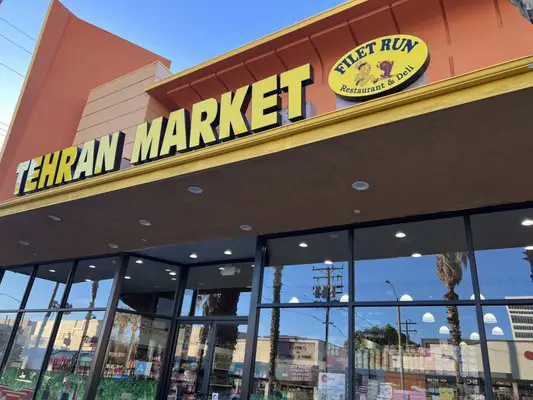
Tehran Market – Wilshire Blvd
Business Description
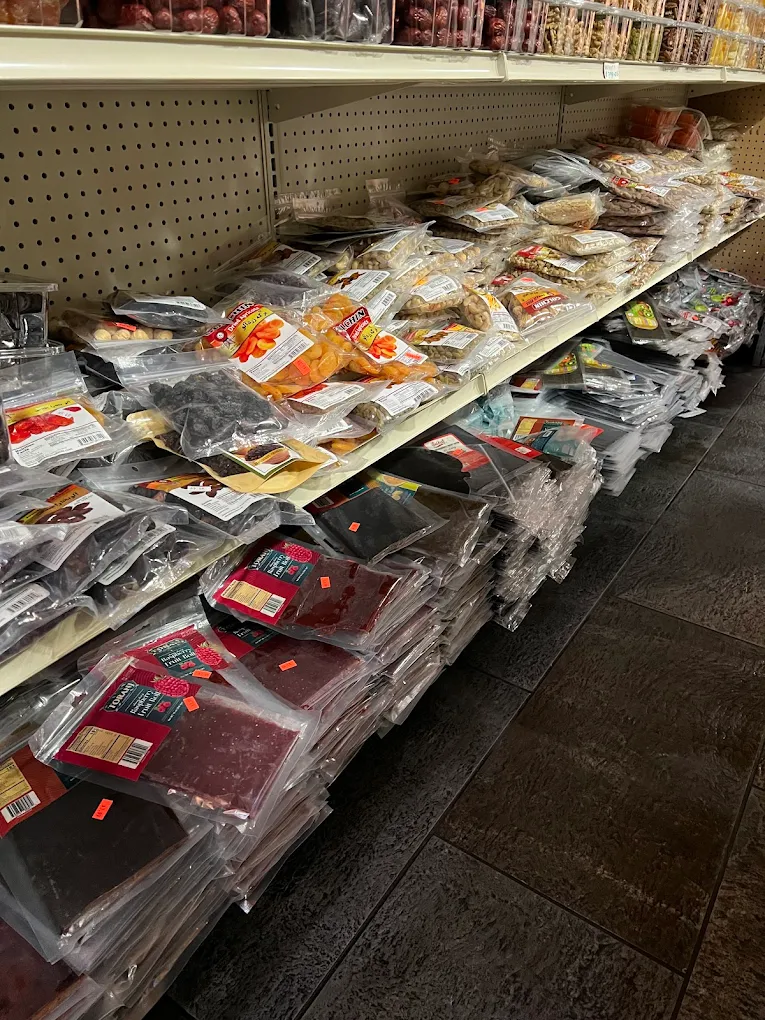
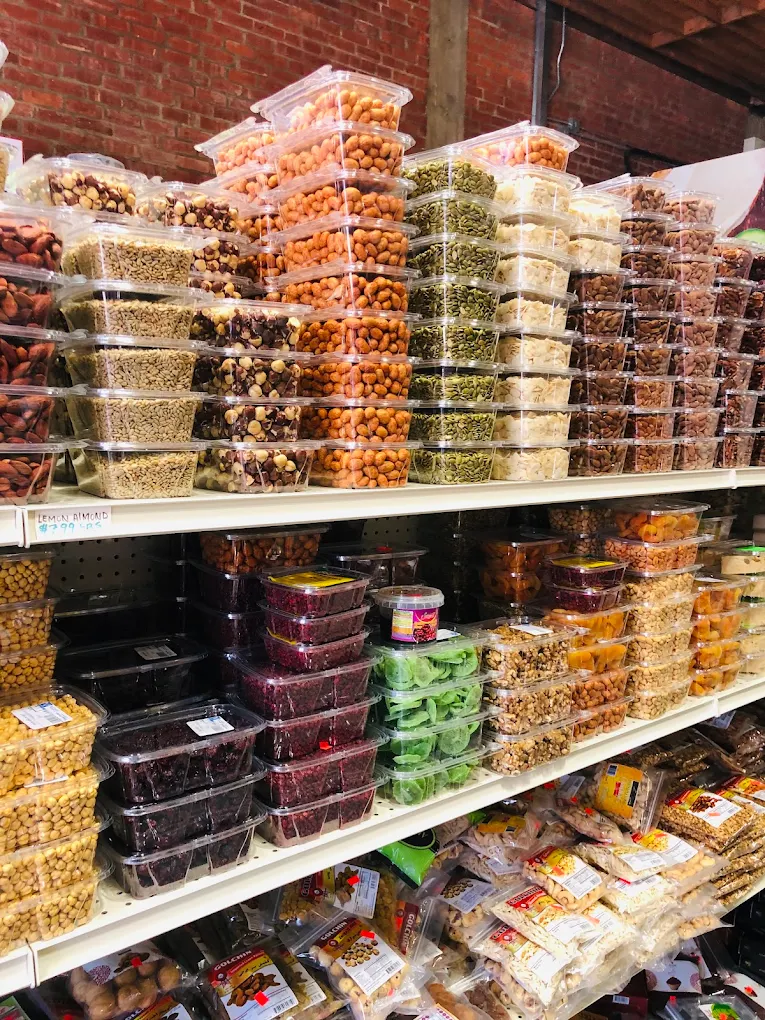
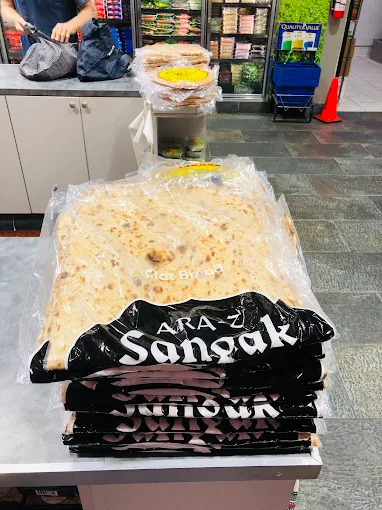
Another place you can go to fill your kitchen with Persian food products and snacks like the delicious Lavashak rolls. But it’s not just a market where you can buy pantry items. You can also order authentic Persian dishes like Kebab, Koobideh, and Joojeh. Fresh Noon Sangak is also in stock for your Iranian breakfast table.

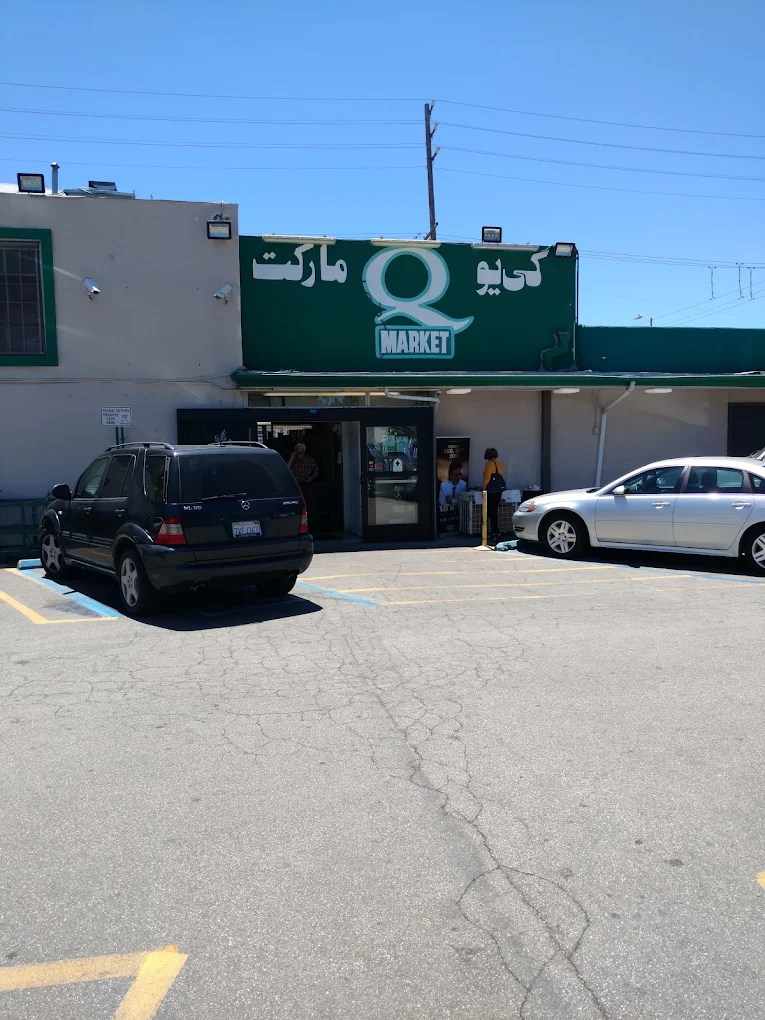
Q Market
Business Description
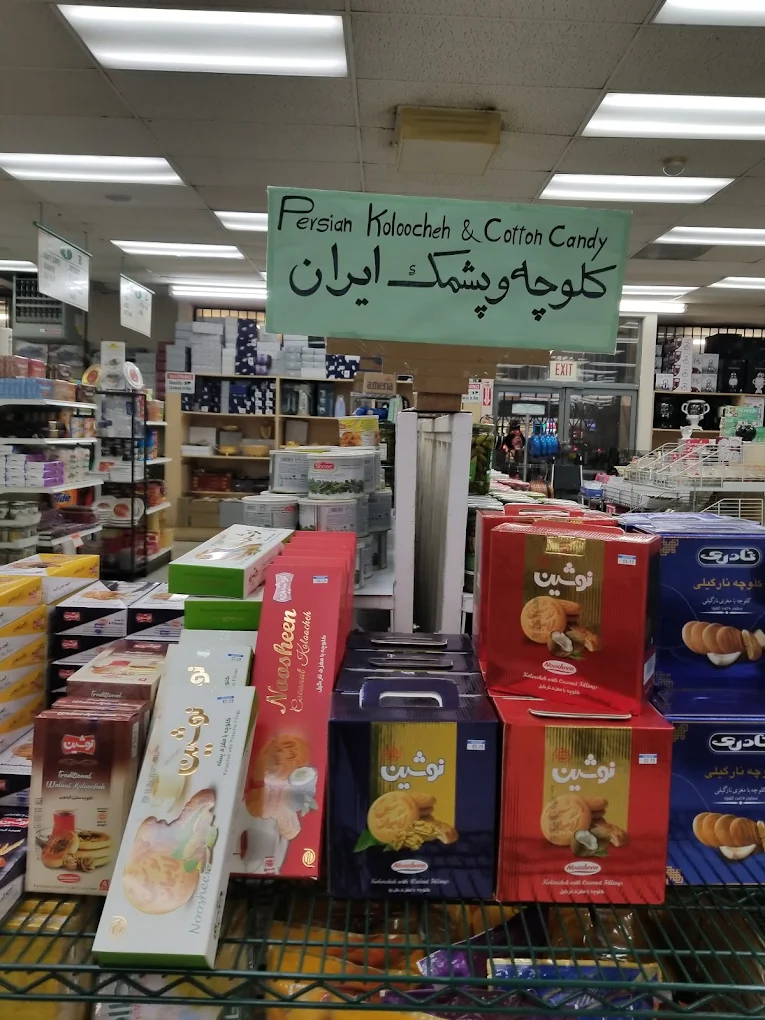
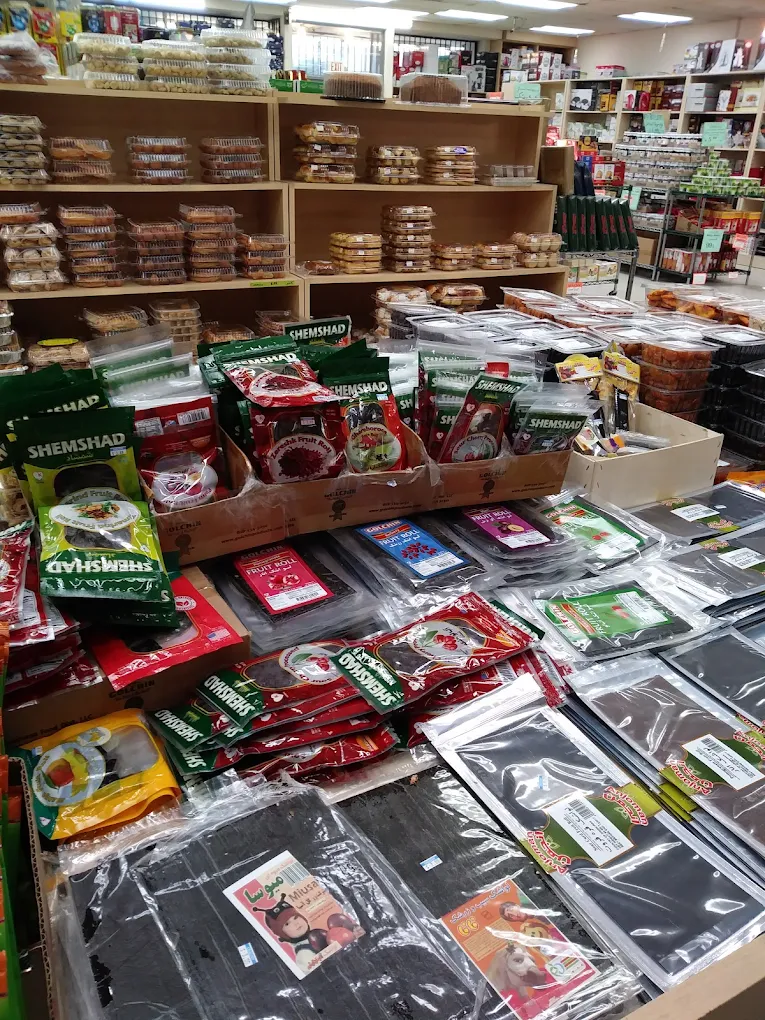
In Q market, three shelves in a row is dedicated to Lavashak and other sour snacks. If you don’t find your favorite flavor of Lavashak in Q Market in Los Angeles, you probably won’t find it anywhere else. In a word, the range of Persian products in Q market is wider than an average supermarket in Iran.

Sabzee Market
Business Description
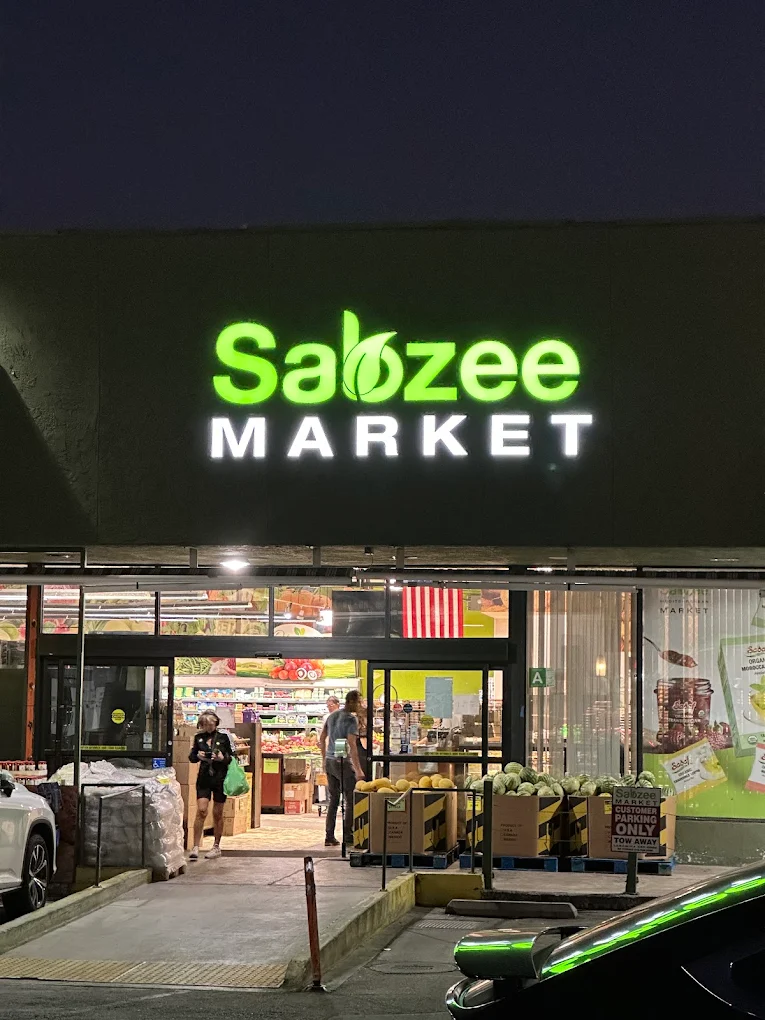
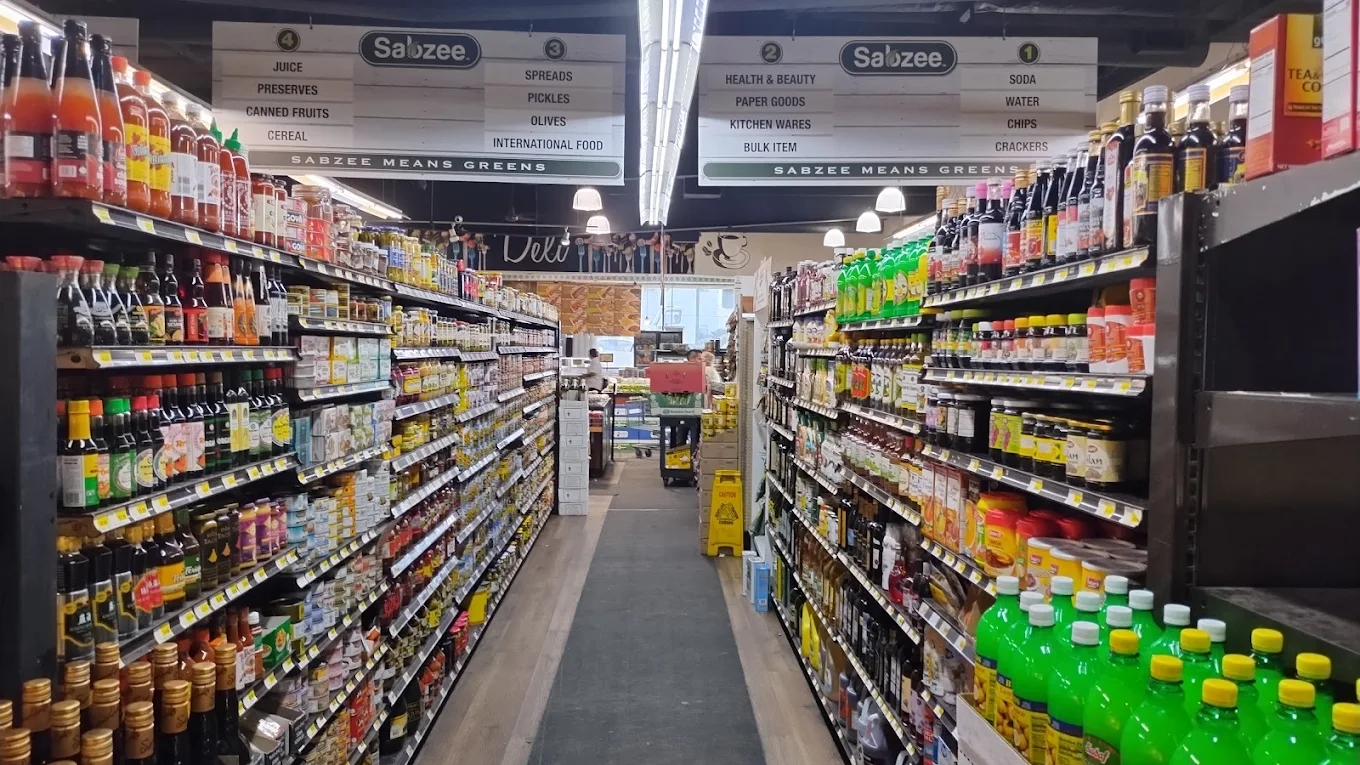
Sabzee supermarket is the whole package. Meats, fruits, vegetables, spices, pastries, you name it. When you go there, don’t forget to try some of the fresh and mouth-watering Lavashak rolls or sheets. It’s a supermarket you won’t mind traveling a long way to get to.

Super Sun Market
Business Description
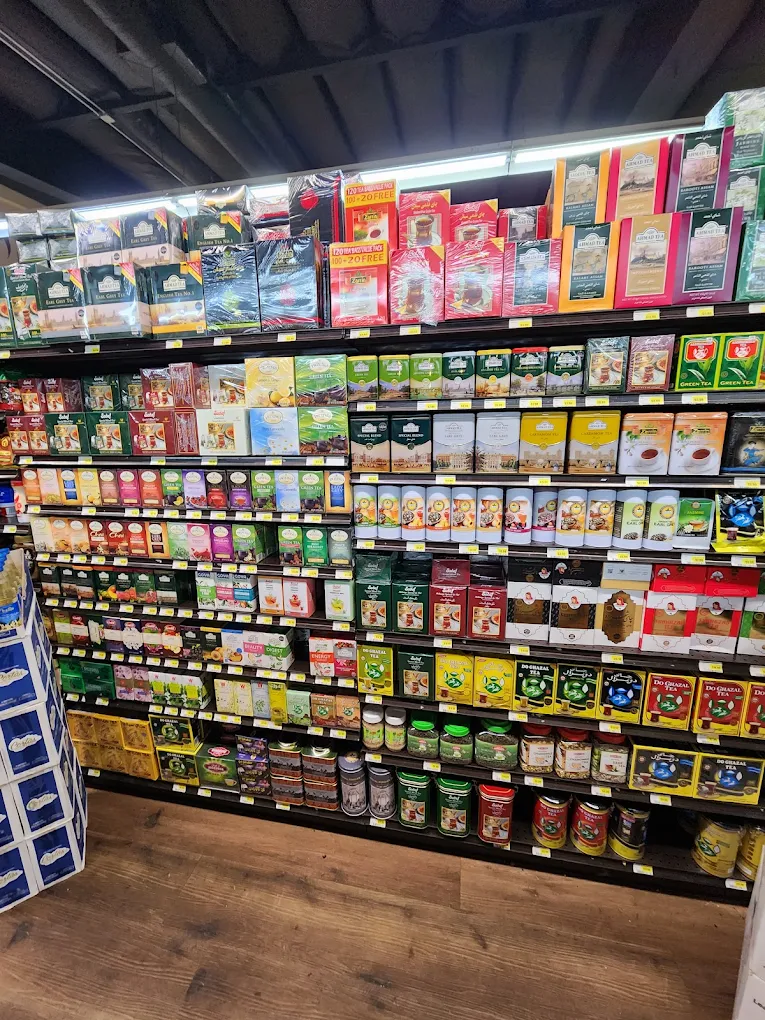
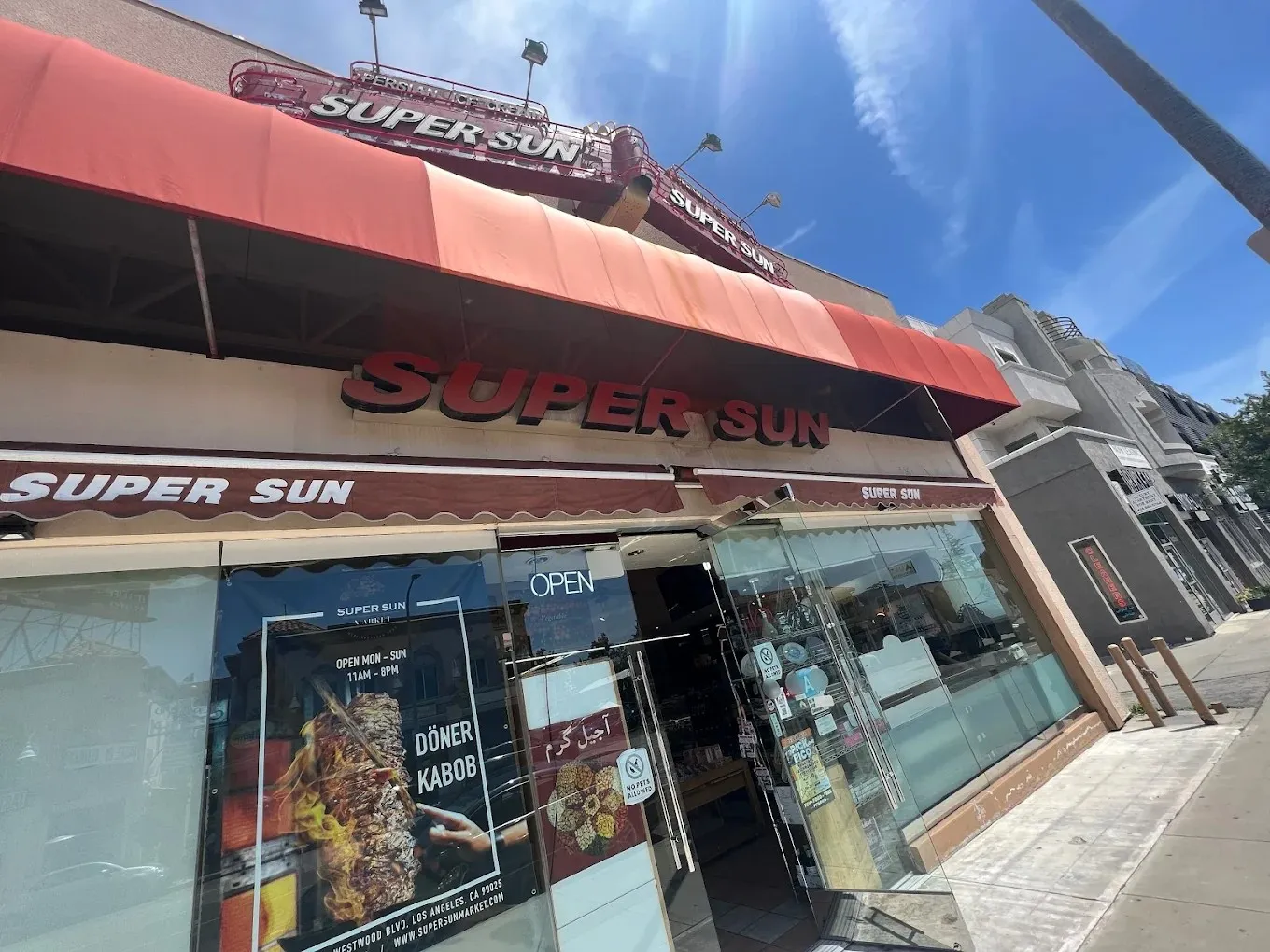
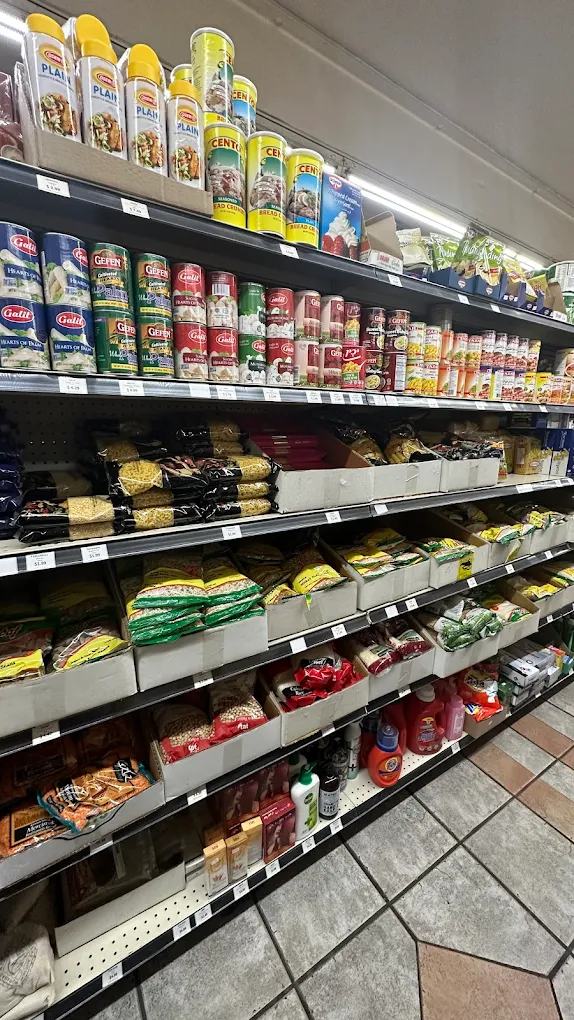
Super Sun Market was established in 2008 and recently expanded through a partnership with Parlar Market from Istanbul. It has evolved into a premier destination for imported pantry goods such as saffron, zereshk, and Persian rice. The market is highly regarded for its wide array of traditional Persian sweets like baklava and kadayif, as well as an extensive selection of Turkish and Persian black teas. You can also find different types of kebab in Super Sun Market. Reviewers frequently praise the market for its unbeatable prices on fresh produce and meats, noting that quality often exceeds what is found at larger commercial grocery chains for a fraction of the cost.



What Is Zereshk (Persian Barberries)?
Zereshk is the Persian name for barberries, which are small, bright red berries with a pleasantly tart taste. In Persian cooking, zereshk is valued not for sweetness, but for contrast. It adds a gentle sour note that balances rich rice, saffron, butter, and slow-cooked stews.
Most of the zereshk used in Iranian cuisine comes from eastern Iran, especially the South Khorasan region near the city of Birjand. The dry climate there is ideal for growing barberries, and the harvesting and drying methods have been refined over generations. This is why “Persian zereshk” is considered distinct from barberries grown elsewhere, not just in flavor, but in texture, color, and how well it performs in cooking.
Types of Zereshk You’ll Find in Los Angeles
Not all zereshk looks or tastes the same. In Los Angeles, you’ll usually come across a few main types, each suited to slightly different uses. Knowing the difference helps you choose the right one. Especially if you care about appearance, texture, or authenticity.
| Type |
Quick profile |
|
Pofaki |
Air-dried • Bright/fluffy • Best for garnish & presentation |
| Anari |
Pressed • Dark/compact • Best for stews & mixed rice |
|
Organic |
Chemical-free • Varies • Best for health-focused cooking |
| Machine-dried |
Heat-dried • Dark/less aroma • Best for budget or bulk |
Pofaki zereshk is considered the highest grade. The berries stay separate and plump, which makes them especially beautiful when sprinkled over rice. Anari zereshk is more compact and slightly darker, but still very flavorful and commonly used for home cooking.
Where to Buy Zereshk in Los Angeles
In Los Angeles, zereshk is one of those ingredients that’s widely available once you know where to look. The best shopping spots tend to cluster around neighborhoods with established Persian and broader Middle Eastern communities, along with a few specialty markets that carry high-quality dried goods consistently.
Westwood (Tehrangeles) and West LA
If you’re shopping in Westwood and the surrounding West LA area, Persian grocery stores are usually the most reliable option for finding zereshk year-round and multiple grades to choose from. These stores are also more likely to label products in both English and Farsi and carry related essentials such as saffron and dried limes.
Glendale
Glendale is another high-probability area for finding zereshk, thanks to its strong Middle Eastern food retail presence. You’ll often see a good selection of dried fruits, nuts, and spices, and it can be a convenient alternative to crossing into West LA.
The San Fernando Valley (Tarzana, Encino, Northridge)
The Valley is a practical place to shop for zereshk, particularly around Tarzana, Encino, and Northridge, where Persian and Mediterranean markets are common. Many families stock up here because the selection tends to be consistent, and stores often carry both everyday and premium options.
Middle Eastern and specialty grocery stores
If you don’t live near Persian hubs, you can still find zereshk in well-stocked Middle Eastern markets and some specialty spice-focused grocery stores across LA. When shopping outside Persian stores, the key is to check the label carefully. Some products are sold simply as “barberries,” and the origin and quality can vary.
Online ordering of Persian Zereshk within Los Angeles
For convenience, zereshk can also be ordered online for delivery within LA. This is especially useful if you want a specific type (like pofaki) or prefer vacuum-packed, pre-cleaned options. When buying online, look for clear product photos, harvest or packaging dates if available, and transparent sourcing details.
How Much Does Zereshk Cost in Los Angeles?
The price of zereshk in Los Angeles can vary quite a bit depending on quality, type, and where you buy it. Because zereshk is mostly imported and carefully processed, it tends to be more expensive than common dried fruits. However, the difference between a basic and a high-grade product is usually noticeable.
|
Quantity |
Estimated Price Range | Common Brands/Source |
| 3 oz – 4 oz | $5.50 – $7.50 |
Sadaf, Shirin, Almas |
|
6 oz – 8 oz |
$8.00 – $11.00 | Kalamala, Bidmeshk, Salam |
| 1 lb (Bulk) | $12.00 – $17.50 |
Local Persian Grocers (bins) |
How to Choose High-Quality Zereshk
Good zereshk has a very distinct look and feel. Once you know what to pay attention to, it’s surprisingly easy to tell whether a bag of barberries is worth taking home. Here are the main things to look for when choosing zereshk in Los Angeles:
Dried Zereshk Color
High-quality zereshk is a bright, clear ruby red. It should look lively, not dull or brownish. Very dark berries often indicate age, over-drying, or lower-grade processing.
Dried Zereshk Texture
The berries should be light, dry, and separate easily. They shouldn’t feel sticky, wet, or clumped together. At the same time, they shouldn’t be so brittle that they crumble into dust.
Dried Zereshk Aroma
Good zereshk has a clean, faintly fruity scent. If it smells musty, sour in an unpleasant way, or like old packaging, it’s probably past its prime.
Dried Zereshk Taste
Zereshk should be brightly tart but not bitter. A harsh bitterness or flat, lifeless sourness usually means poor quality or improper storage.
Dried Zereshk Cleanliness
Look for berries that are free from excessive stems, dust, or debris. A few natural fragments are normal, but the majority should be intact berries.
Packaging and storage
If it’s packaged, check that the bag is well sealed and not foggy with moisture inside. Zereshk keeps best in cool, dry conditions — signs of heat or humidity usually show up as clumping, fading color, or loss of aroma.
Persian Guide to Cooking With Zereshk
Zereshk is simple to work with, but it benefits from a little care. A few small steps make a big difference in how it tastes and how it looks once it reaches the plate.
Preparing zereshk
Before using zereshk, it’s best to gently rinse it in cold water to remove dust or tiny particles that may have accumulated during drying and transport. Then let it drain well.
Most recipes call for a brief soak — about 5 to 10 minutes — which softens the berries slightly and tames their sharpness without dulling their flavor. If you prefer a slightly milder taste, you can add a pinch of sugar to the soaking water.
When cooking, zereshk is usually very lightly sautéed in butter or oil for just a few seconds, often with a touch of sugar or saffron water. This step brings out its aroma and deepens the color, but it’s important not to overcook it. Zereshk burns quickly and can turn bitter.
How zereshk is used in Persian cooking
Zereshk appears in Persian food as a bright accent rather than a main ingredient. It’s there to lift, contrast, and balance richer flavors. Some of the most common uses include:
- Sprinkled over rice dishes, especially zereshk polo ba morgh
- Mixed into layered rice dishes like tahchin
- Added to vegetable and herb-based dishes such as kuku sabzi
- Used as a garnish for salads, grain bowls, or roasted vegetables
- Occasionally infused into drinks or syrups for a tart note
Zereshk also works beautifully in modern and fusion cooking, anywhere a pop of acidity and color is welcome. Think of it as a Persian answer to lemon zest or pomegranate seeds: small, but transformative.
Health Benefits of Zereshk
Beyond its role in cooking, zereshk has long been valued in Persian tradition for its gentle health-supporting properties. While it’s not a medicine, it is a naturally nutrient-rich ingredient that fits well into a balanced, whole-food diet.
Zereshk is especially known for its high antioxidant content, including compounds such as berberine. Antioxidants help protect the body from oxidative stress, which is linked to aging and many chronic conditions.
Traditionally, zereshk has also been associated with:
- Supporting digestion, especially after rich or heavy meals
- Helping balance blood sugar when consumed as part of a varied diet
- Supporting liver function in traditional herbal practices
It’s also naturally low in calories and sugar, while still offering a strong, satisfying flavor. As with most traditional ingredients, zereshk’s value comes not from any single “superfood” claim, but from its place in a broader food culture that emphasizes balance, variety, and mindful preparation.
Storage & Shelf Life of Zereshk
Zereshk is delicate compared to many other dried ingredients. When stored well, it keeps its tart flavor and bright color for a long time. However, note that heat, moisture, and light can quickly dull it.
The best way to store zereshk
- Keep it sealed tightly. A zip bag inside an airtight container works well, especially once a package is opened.
- Store it away from heat and light. A cool cupboard is fine for short-term use, but avoid keeping it near the stove or in direct sunlight.
- For longer freshness, refrigerate or freeze. Many Persian cooks in LA store zereshk in the refrigerator to preserve color and aroma. Freezing is also an option, particularly if you buy in bulk.
How long does zereshk last?
Zereshk doesn’t “go bad” quickly, but it can lose quality over time. A good batch should stay enjoyable for months, and often longer, if kept cold and sealed. The first signs of aging are usually:
- a darker, duller color
- weaker aroma
- berries that become overly hard, dusty, or bland