
Pashmak is a delicate Persian sweet, light as a cloud and gently flavored with notes like saffron, rose, or cardamom. For many, it is tied to memories of tea, family visits, and celebrations such as Nowruz. If you are living in New York or New Jersey and wondering where to find authentic pashmak, this Nazdikia guide is here to help. Below, you’ll find where to buy it locally, how to recognize good quality, what flavors to look for, and how to order it online if you cannot find it nearby.

Caspian Market – Ridgewood
Business Description
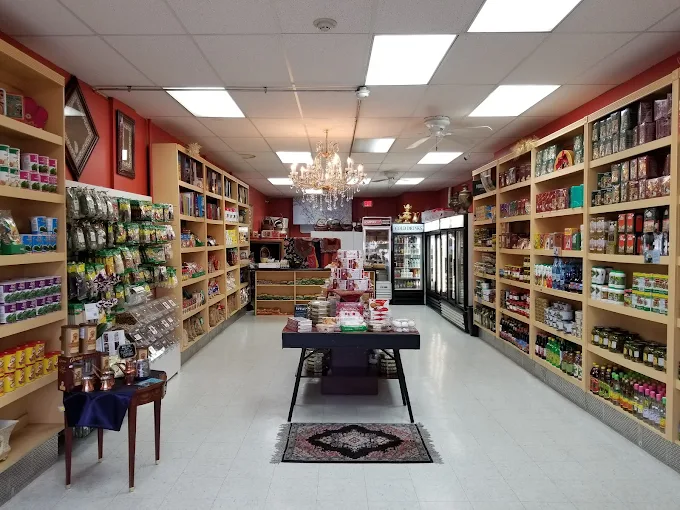
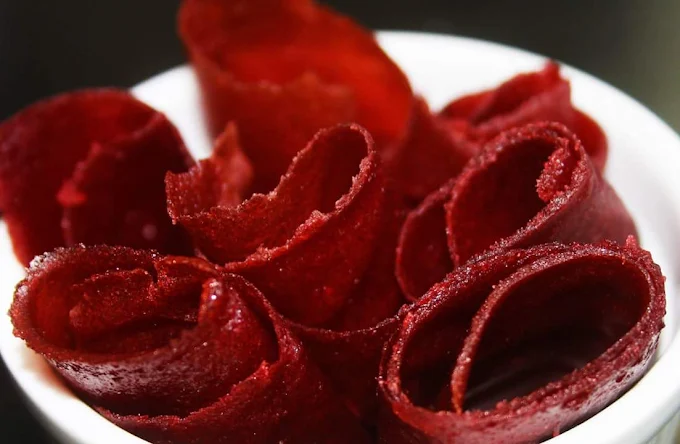
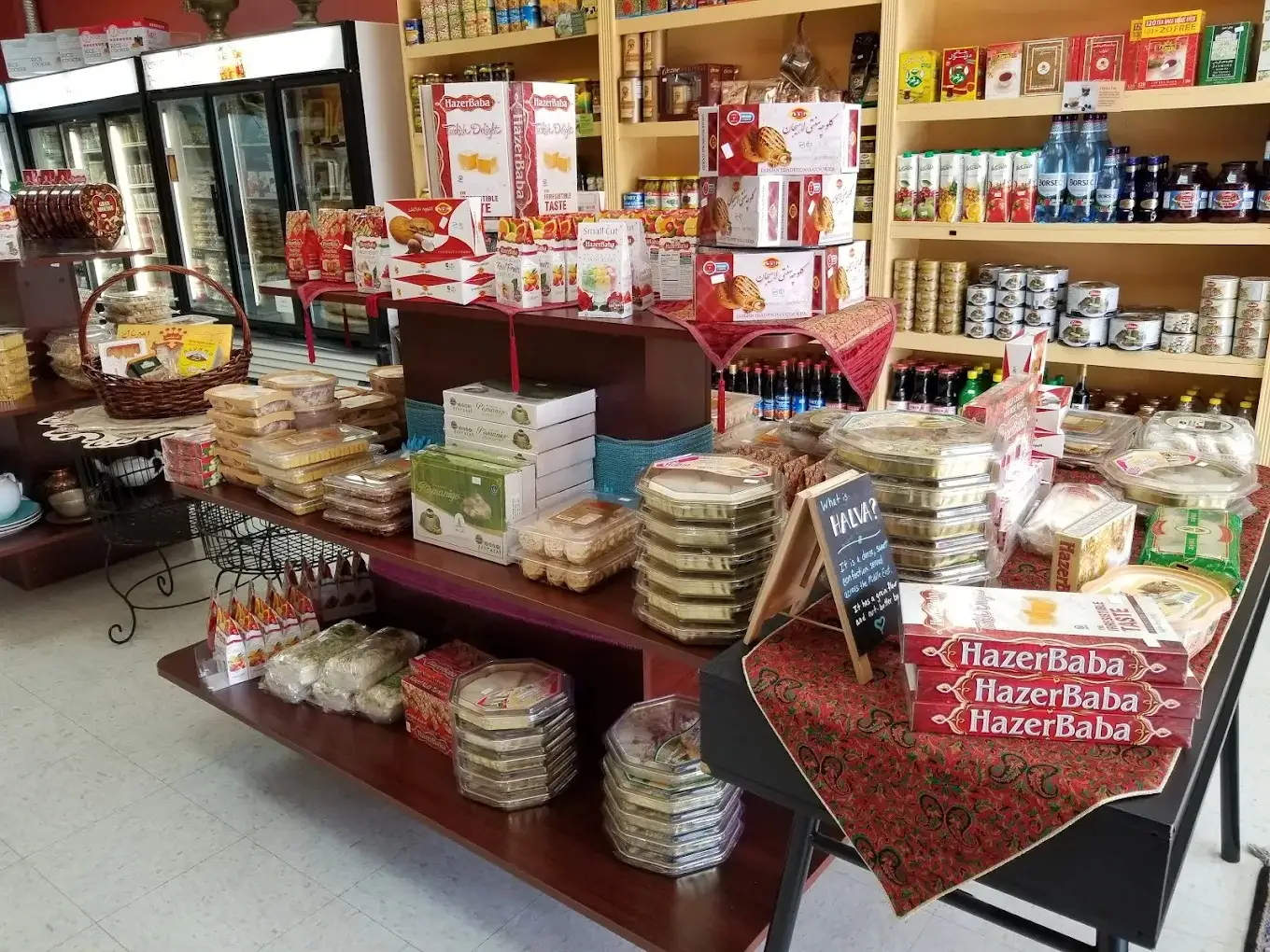
It’s a Persian supermarket filled with items needed in every Persian kitchen. In addition to the usual grocery items, this supermarket also offers nuts, sweets, and popular snacks like Lavashak and fruit rolls. That’s not all; you can find authentic Persian bakery products like Sangak bread and pastry products like Sohan and Gaz.


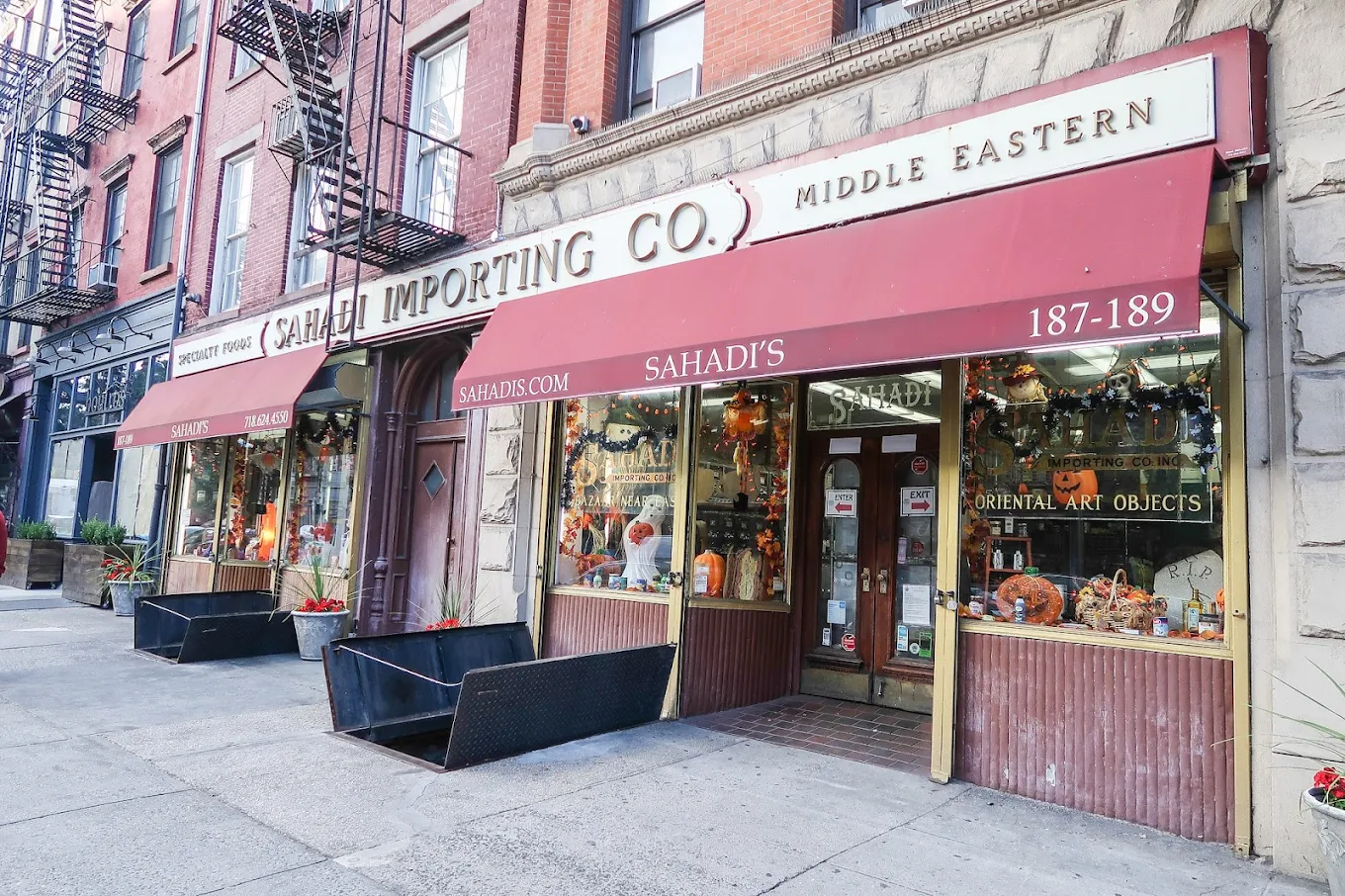
Sahadi’s – Brooklyn Heights
Business Description
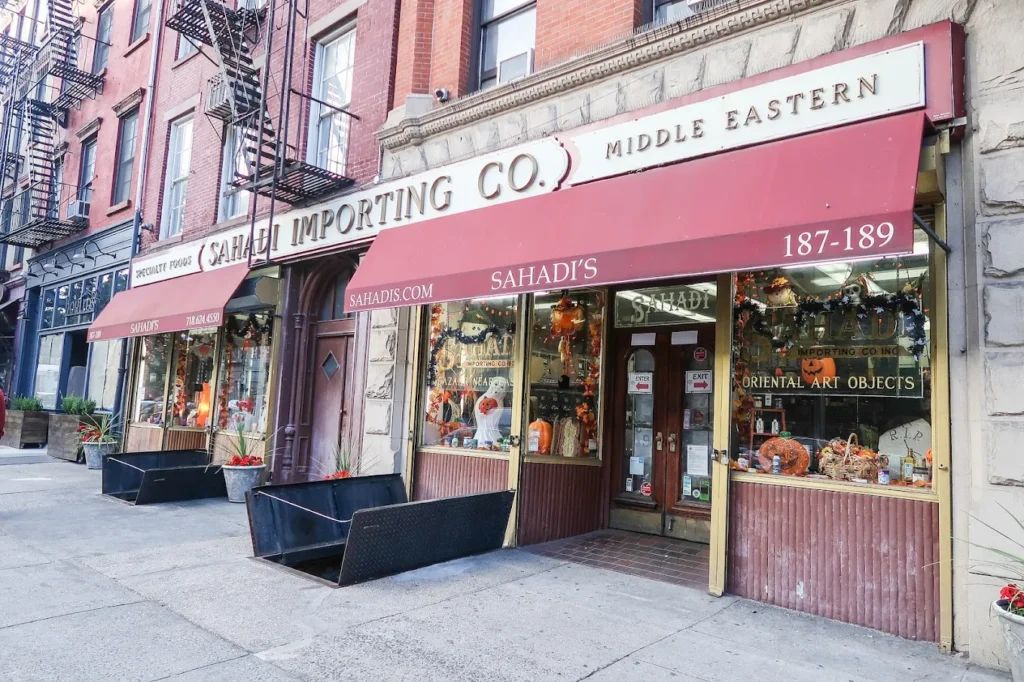
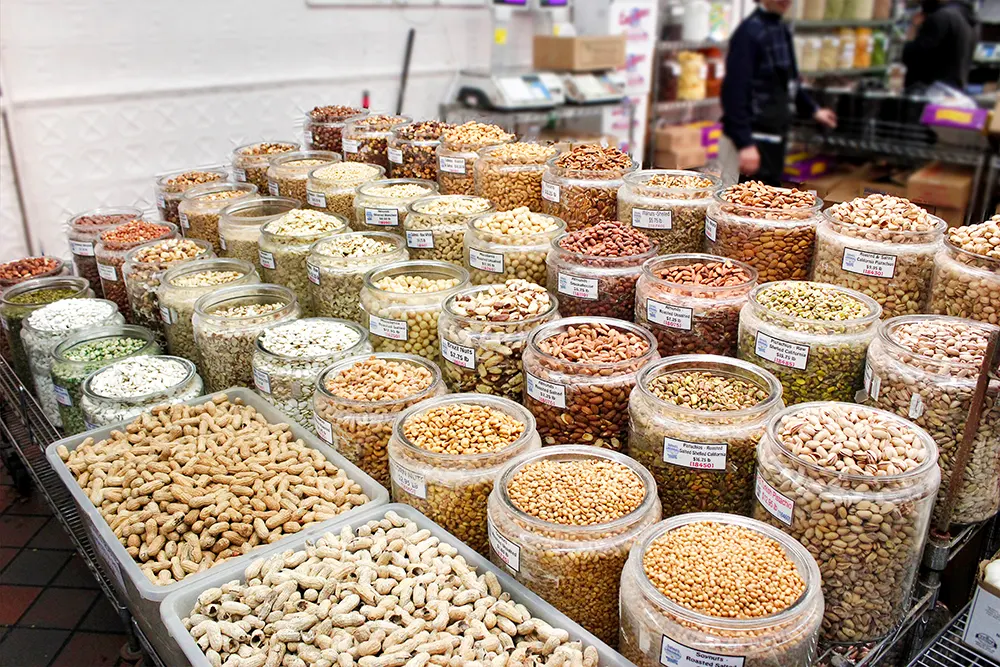
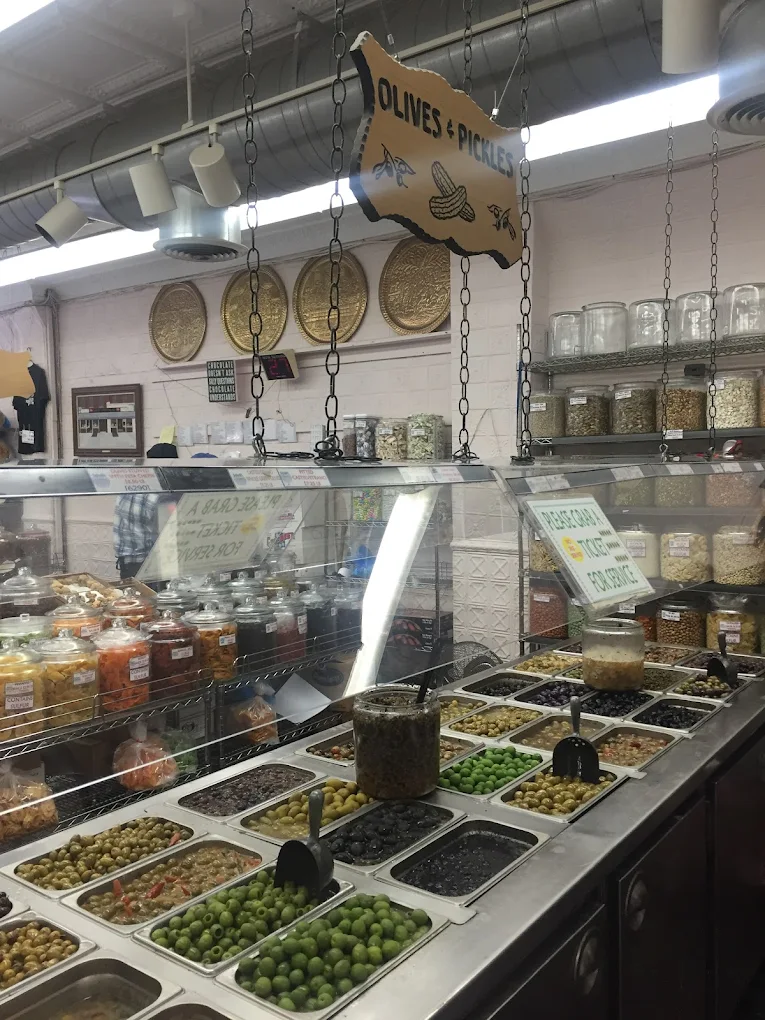
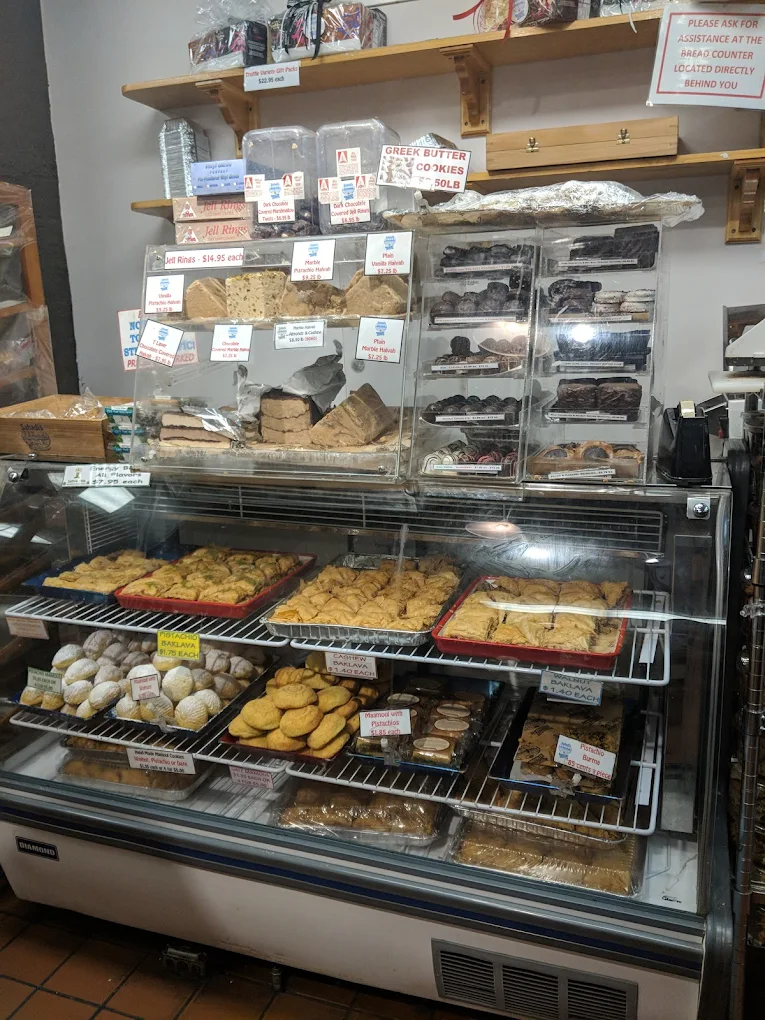
What makes this spot stand out is its warm, old-world charm paired with an incredible selection of Persian and Middle Eastern staples, specialty groceries, and fresh prepared foods. The staff knows their products well and makes the experience feel personal, whether you’re exploring spice blends or grabbing a quick lunch.
What Is Pashmak? (And Is It the Same as Cotton Candy?)
Pashmak is often described as Persian cotton candy, but that comparison only goes so far. While both are light and airy, pashmak has a much finer texture and a more delicate way of melting in your mouth. It is made by pulling thin strands of cooked sugar and flour into silky threads, which are then gently gathered into small clouds and packaged by hand.
The result is something softer and more subtle than the bright, sticky cotton candy you might know from fairs or carnivals. Pashmak is lightly sweet rather than sugary, and it is usually flavored with floral or warm notes like rose, saffron, cardamom, or vanilla. Good pashmak does not feel heavy on the tongue. It dissolves almost immediately, leaving behind a gentle aroma rather than a strong rush of sweetness.
Where pashmak comes from
Pashmak has its roots in Iran, particularly in the city of Yazd, which is known for its long tradition of fine sweets and confections. For generations, it has been made as a special treat for guests, holidays, and celebrations. It is commonly served with tea, offered alongside other Persian sweets, or given as a gift in decorative boxes during Nowruz, weddings, and family visits.
Pashmak, cotton candy, and pişmaniye
Although pashmak is sometimes compared to Turkish pişmaniye and Western cotton candy, it is its own thing. Cotton candy is spun sugar with a coarse, sticky texture and a very sweet taste. Pişmaniye is closer to pashmak in structure, but it is usually denser and richer, often containing butter or oil and feeling heavier on the palate. Pashmak sits at the lightest end of this family of sweets. It is dry, feathery, and intentionally restrained.
This is part of why people search for it specifically. Pashmak is not just about sweetness. It is about lightness, balance, and the small pleasure of something that disappears almost as soon as you taste it.
Different tastes of pashmak
Although pashmak always begins with the same simple base of sugar and flour, its character changes quietly with flavoring. Traditional versions tend to be light and restrained. Here are some popular Pasmak tastes in New York and New Jersey:
| Flavor | Taste profile |
| Saffron | Warm, lightly floral, slightly earthy |
| Rose | Soft, floral, aromatic |
| Cardamom | Gently spiced, warm, comforting |
| Vanilla | Mild, soft, familiar |
| Pistachio | Lightly nutty, slightly rich |
| Coconut | Soft, sweet, lightly tropical |
| Chocolate | Richer, sweeter, heavier |
Where to Buy Pashmak in New York City (NYC)
New York City does not have many stores that specialize only in Persian sweets, but pashmak is available if you know where to look. Your best chances are in Persian and Middle Eastern grocery stores, rather than in large general supermarkets.
Availability changes, so it helps to think in terms of neighborhoods and types of shops rather than fixed guarantees.
Queens: Astoria, Flushing, and nearby
Queens is often the most reliable place to start. Astoria and sthe urrounding areas have several Middle Eastern groceries that carry Persian products, including pashmak. It is usually found near halva, Turkish delight, or imported cookies. If you do not see it, ask. Some shops keep it behind the counter or bring it in only on request.
Brooklyn: Midwood, Sheepshead Bay, and nearby
Brooklyn has fewer options, but Midwood and Sheepshead Bay are worth checking. A small number of Middle Eastern and Mediterranean shops there carry pashmak, especially around Nowruz or before major holidays. It may not always be on the shelf, but shop owners can often tell you when it will arrive.
Manhattan: Specialty food and international shops
Manhattan is less consistent, but a few specialty and international food shops carry pashmak occasionally. These are convenient for quick purchases, though usually more expensive and with less variety.
Where to Buy Pashmak in New Jersey (Best North NJ Areas)
North Jersey is one of the most reliable places in the region to find pashmak. The area has a strong network of Persian and Middle Eastern grocery stores, and many of them carry imported sweets regularly.
Rather than focusing on a single store, it helps to think in terms of towns and shopping clusters.
Jersey City, Hoboken, and Weehawken
Jersey City is a strong starting point, with several Middle Eastern and international groceries that carry Persian products. Hoboken and Weehawken have fewer options, but they are close enough to Jersey City that many people shop there instead.
Paterson and Clifton
Paterson and Clifton are important shopping areas for Middle Eastern foods. These towns often have a wider selection of brands and flavors, and they are good places to look if you want variety or larger quantities.
Teaneck, Hackensack, and Fort Lee
These towns have well-known international grocery scenes. While not all shops are Persian, many carry Middle Eastern imports, and pashmak is sometimes among them, especially around holidays.
How Much Does Pashmak Cost in New York or New Jersey?
The price of pashmak in New York and New Jersey can vary quite a bit, depending on where you buy it, what brand you choose, and how it is packaged. In general, pashmak is not an expensive sweet, but imported versions and gift-style boxes do cost more than simple everyday packages. Here is what you can expect to pay for Iranian cotton candy in New York and New Jersey:
| Retailer Type | Weight | Approx. Price |
| Local Persian Grocery | 200g – 300g | $8.00 – $10.00 |
| Local Persian Grocery | 350g | $12.99 – $15.99 |
| Upscale Import Market | 350g+ | $18.00 – $24.00 |
| Online Specialty Store | 200g – 300g | $10.00 – $14.00 |
| Online Specialty Store | 350g | $15.00 – $18.00 |
How to Tell If Pashmak Is High Quality
A good pashmak experience is quiet and effortless. It feels light, tastes clean, and disappears almost as soon as you touch it. A disappointing one does the opposite. It feels heavy, sticky, or flat. When you know what to look for, it becomes easy to tell the difference at a glance. Here are a few simple signs that you are looking at high-quality pashmak:
Light, feathery texture
Good pashmak should feel airy and fine. The strands should separate easily and almost fall apart in your fingers. If it feels dense, sticky, or clumped together, it has likely absorbed moisture or is no longer fresh.
Soft, natural color
High-quality pashmak has gentle, muted tones. Saffron versions should be a pale yellow, not bright or artificial-looking. Very strong or neon colors often signal heavy flavoring or lower quality.
Subtle, clean aroma
Fresh pashmak smells light and pleasant. It should not have a sour, sharp, stale, or overly sweet smell.
Properly sealed packaging
The box should be well sealed and protected from air and humidity. Look for a clear expiration date and basic product information on the label.
Fresh stock turnover
Shops that sell pashmak regularly and restock often are more likely to have fresh product. Persian and Middle Eastern groceries with steady customers are usually a safer choice.
Simple ingredient list
Traditional pashmak is made with very simple ingredients. If the ingredient list is long or full of artificial additives, it is often a sign of lower quality.
How to Eat Pashmak
Pashmak is most often enjoyed simply, with a cup of tea and a quiet moment. That is how it has been eaten for generations, and there is a reason that tradition has lasted. The light sweetness of pashmak balances beautifully with the gentle bitterness of black tea, especially Persian-style tea brewed strong and clear.
To serve it this way, place a small portion on a plate or in a shallow bowl and let people take a few strands at a time. It is not a dessert meant to be eaten in large quantities. A little goes a long way, and part of its charm is in its restraint.
Pashmak also works well as a decorative and textural element in desserts. A small tuft on top of ice cream, pudding, or custard adds a soft sweetness and a delicate visual touch. It can be used to finish a cake, decorate cupcakes, or add something unexpected to a dessert table.
If you are serving pashmak at a gathering, keep it covered until the moment you bring it out. It absorbs moisture from the air very quickly, which can make it lose its lightness. A sealed container or a tightly wrapped box will keep it fresh longer and preserve its texture.