
Zereshk or Persian barberries, is one of those ingredients that quietly defines Persian cooking. Its bright, tangy flavour brings balance and depth to classic dishes like zereshk polo ba morgh, and once you’ve used it, it’s hard to imagine cooking without it. That’s why this Nazdikia guide is here to help you understand what zereshk is, how to recognise quality, and where to find authentic Persian zereshk across NYC and New Jersey.

Caspian Market – Ridgewood
Business Description
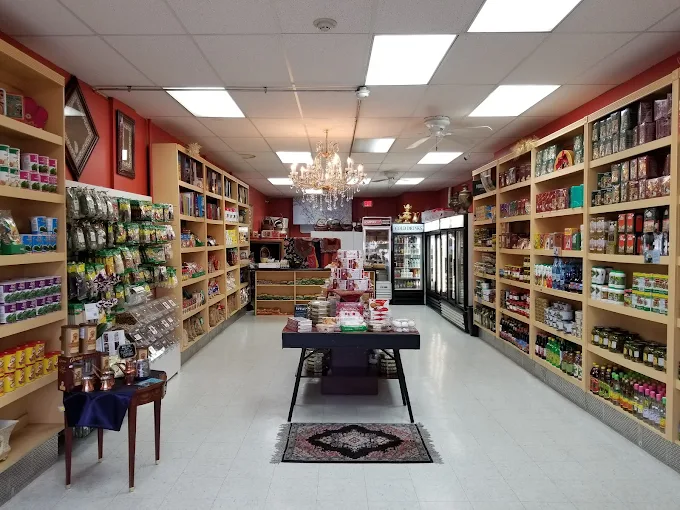
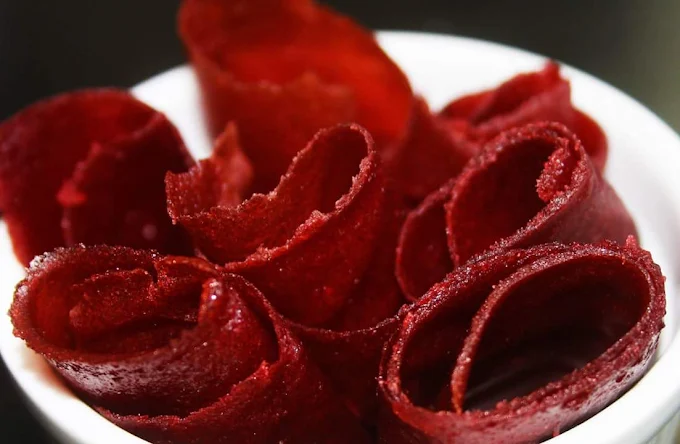
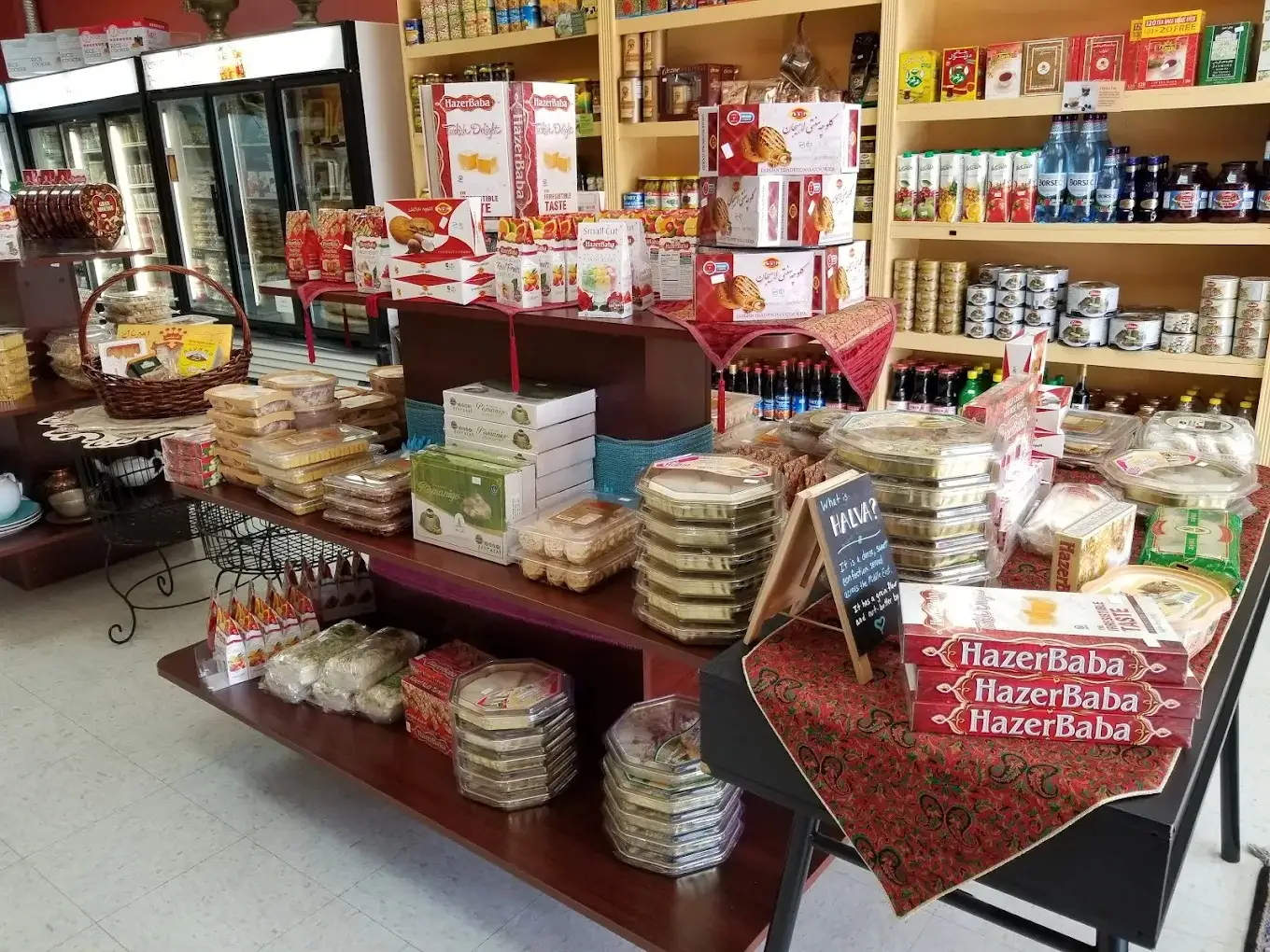
It’s a Persian supermarket filled with items needed in every Persian kitchen. In addition to the usual grocery items, this supermarket also offers nuts, sweets, and popular snacks like Lavashak and fruit rolls. That’s not all; you can find authentic Persian bakery products like Sangak bread and pastry products like Sohan and Gaz.


Kalustyan’s
Business Description
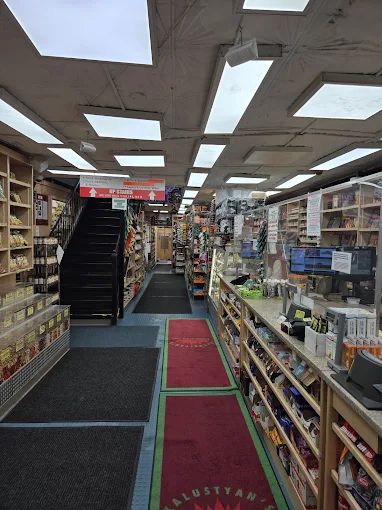
Let’s just say that any supermarket item you expect is stacked on some shelf in Kalustyan’s: Drinks, spices, beans, and other ingredients. There’s also a small section where you can find some kitchenware, like pots and food trays in different sizes.

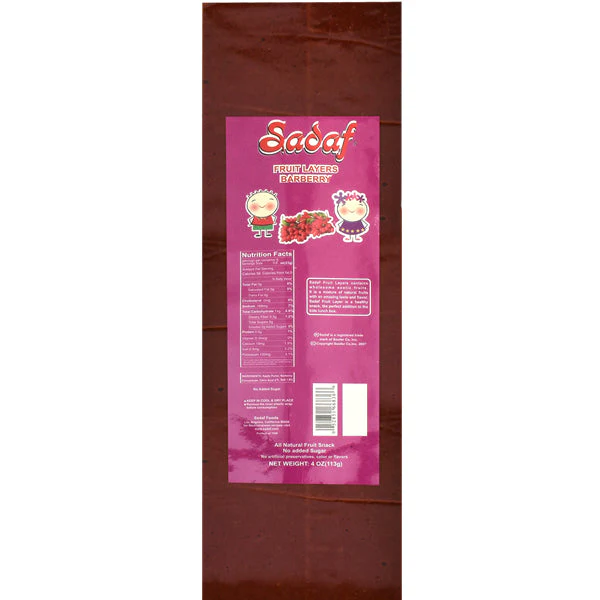
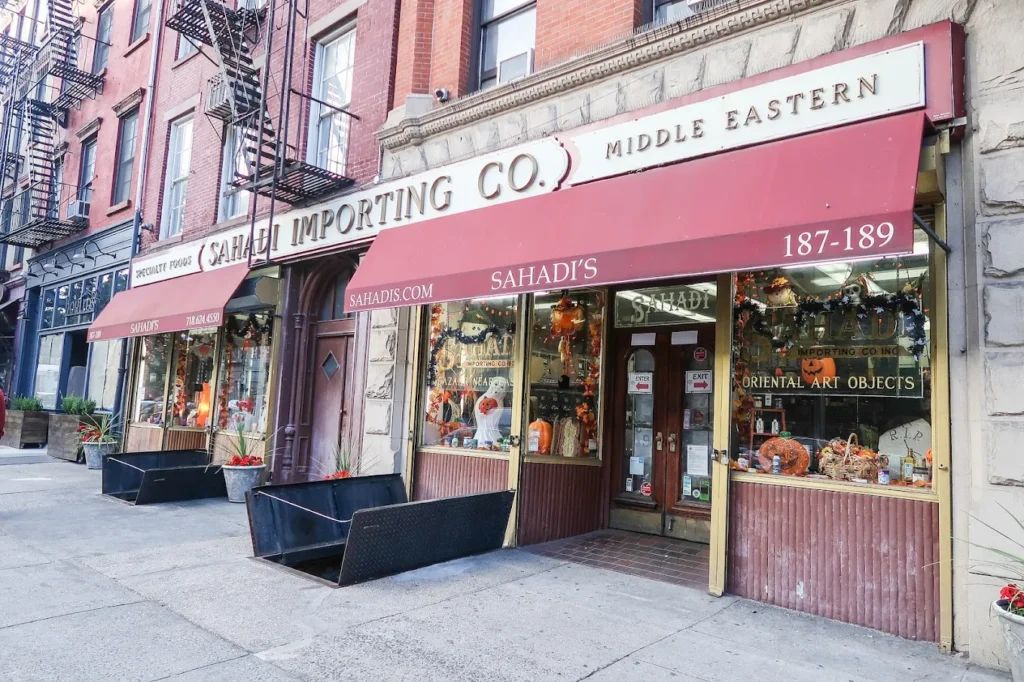
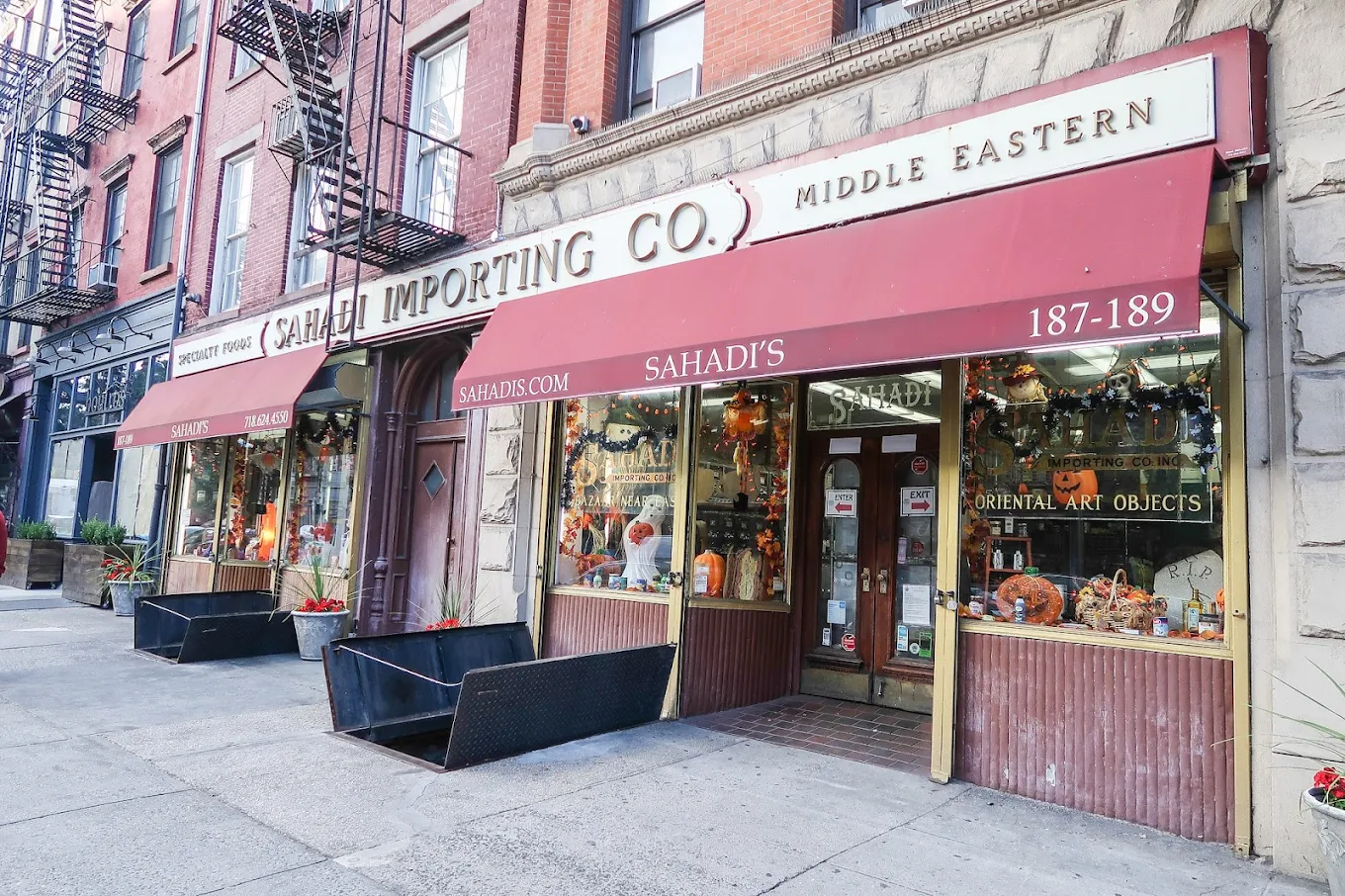
Sahadi’s – Brooklyn Heights
Business Description
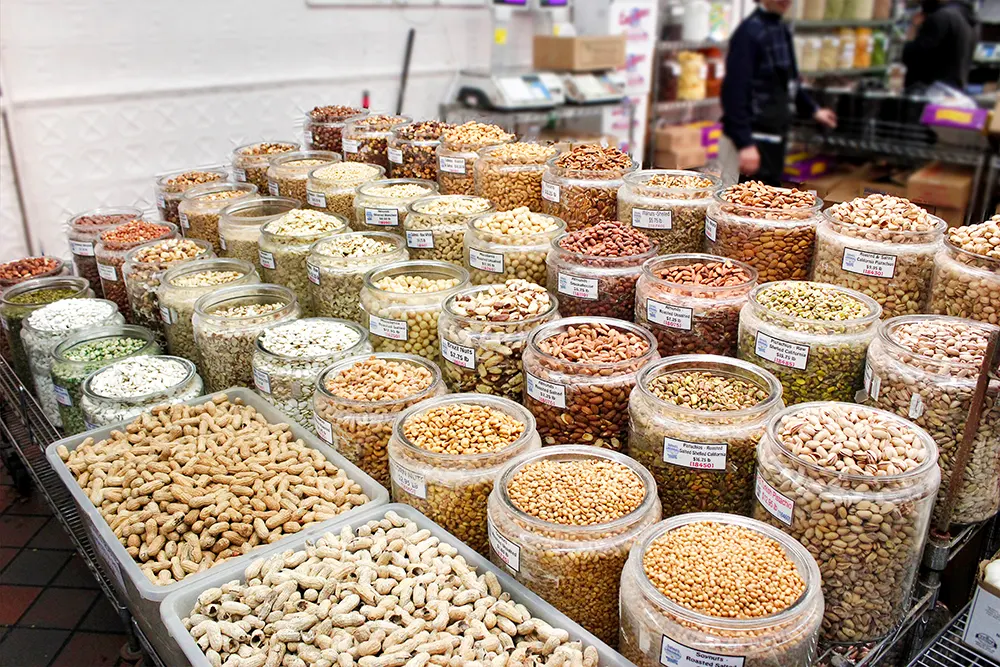
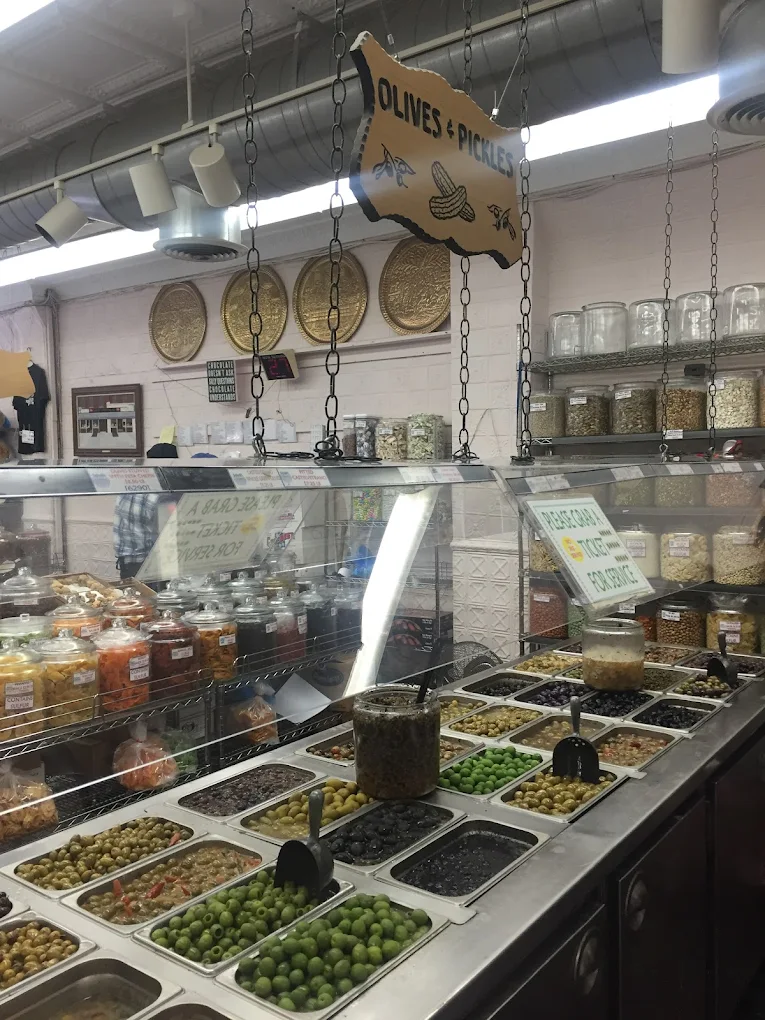
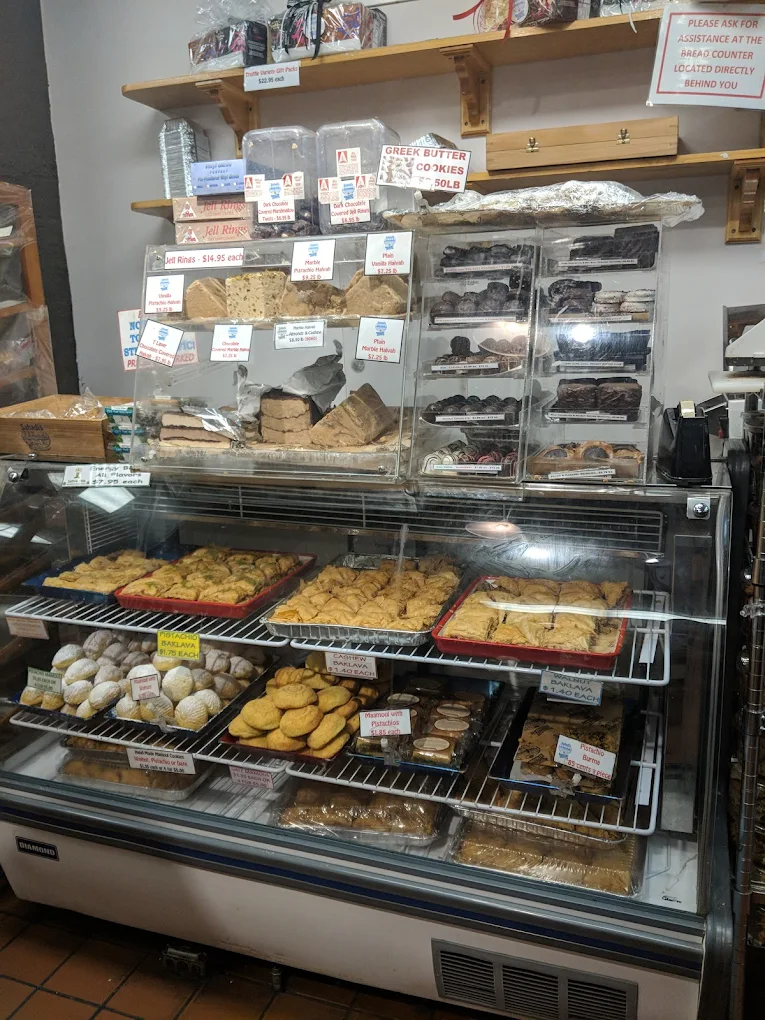
What makes this spot stand out is its warm, old-world charm paired with an incredible selection of Persian and Middle Eastern staples, specialty groceries, and fresh prepared foods. The staff knows their products well and makes the experience feel personal, whether you’re exploring spice blends or grabbing a quick lunch.
What Is Zereshk? (Persian Barberries Explained)
Zereshk is the Persian name for barberries, small red berries with a naturally sour, bright flavour. In Persian cooking, zereshk is not treated as a decoration added at the end. It is an ingredient that shapes the character of a dish, adding contrast, freshness, and a gentle sharpness that balances rich flavours.
Most of the zereshk people look for comes from Iran particularly from the South Khorasan region. The climate there allows the berries to develop their deep colour and distinctive taste before they are dried and prepared for sale. Good zereshk should look lively and red, not brown or greyish, and it should smell clean and lightly tangy, not dusty or flat.
It’s also worth knowing that not all barberries are the same. You may see barberries in European or health food shops, but these often come from different plant varieties and regions. Their flavour, size, and texture can be noticeably different. If you are trying to recreate a Persian dish and want it to taste the way it does in Iranian cooking, Persian zereshk is usually what you are looking for.
Why Zereshk Is Popular in Persian Cooking
There’s a reason zereshk shows up again and again in Persian food. Persian cooking is built on balance, not just heat or heaviness. Many dishes lean into richness from rice, butter, oil, nuts, or slow-cooked meats, and zereshk brings the kind of brightness that keeps everything awake. That gentle sourness doesn’t overpower the plate. It lifts it.
You taste this best in zereshk polo. The rice is soft and fragrant, often touched with saffron, and then those berries come in with a sharp, clean contrast. It’s the difference between a dish that is simply “good” and one that has that unmistakable Persian character. The same idea carries into tahchin, kuku sabzi, and even simple rice garnishes. A small handful of zereshk changes the mood of the food.
Another reason it’s loved is how flexible it is. In traditional cooking, it belongs in rice dishes and stews, but in a place like New York and New Jersey, it’s also found its way into modern home cooking. People sprinkle it over salads, mix it into grain bowls, or use it to add a tart note to roasted vegetables. It’s not only for Persian meals anymore, but Persian cuisine is still where it feels most at home.
Health benefits of Persian Zereshk
Among the reasons behind Zereshk’s popularity, you’ll find the health side, which matters to many shoppers today. Zereshk is often talked about for its natural compounds, especially berberine, and for its place in Persian traditional wellness practices. While it’s not a “miracle ingredient,” many people do value it as something that feels both flavourful and nourishing. In a region as diverse as the NY–NJ area, that mix of cultural familiarity and practical wellness is part of why it continues to stay popular.
Where to Buy Zereshk in New York
In New York, zereshk is easiest to find in neighborhoods where Persian and Middle Eastern communities already do their everyday shopping.
Queens is usually the best place to start, especially Forest Hills, which has one of the largest Iranian communities in the city. Persian and Middle Eastern grocery stores are more likely to carry authentic zereshk rather than generic barberries. You can also find it in parts of Flushing and Astoria, where international food markets tend to stock a wider range of regional ingredients.
In Manhattan, zereshk is more often found in specialty spice and gourmet food shops rather than neighborhood groceries. These stores usually have good turnover and clear labeling, which helps when buying dried ingredients.
In Brooklyn, look for established Middle Eastern markets rather than general supermarkets. They are more likely to carry zereshk that suits Persian cooking. Wherever you shop, choose berries that look bright red and clean, and avoid packages that look dusty, dark, or poorly sealed.
Where to Buy Zereshk in New Jersey
In New Jersey, zereshk is often easier to find than people expect, especially in towns with long-standing Iranian and Middle Eastern communities.
North Jersey is the main hub. Places like Fort Lee, Clifton, and Paterson have a strong concentration of Persian and Middle Eastern stores, and zereshk is a fairly standard item in many of them. You’ll usually find it near the rice, saffron, and dried herbs rather than in the general spice aisle.
Further south, Edison is another reliable area thanks to its large international food scene. While the stores there serve many cultures, Persian ingredients often overlap with South Asian and Middle Eastern imports, so zereshk is easier to come by than in smaller towns.
In Jersey City and Hoboken, the selection is more limited, but some specialty or organic-focused shops do carry barberries, and occasionally Persian zereshk specifically. It’s worth checking labels carefully in these areas to make sure you’re getting the variety you want.
Online Ordering & Delivery of Persian Zereshk in NY–NJ
Sometimes you don’t want to turn finding zereshk into a weekend mission. Maybe you need it for a dinner you’re cooking soon, maybe you’re restocking pantry basics, or maybe you just prefer ordering the ingredients you trust. In the NY–NJ area, online buying can actually work well, as long as you shop with a little awareness.
The most reliable option is usually ordering directly from Persian grocery stores that already serve the local community. These shops tend to carry the same brands and types that people buy in person, and when they offer local delivery, the product often arrives faster and in better condition than long-distance shipping. If a store has a steady customer base in NYC or New Jersey, that often means higher turnover, and that matters for dried ingredients like zereshk.
You’ll also find zereshk through bigger platforms like Amazon or Etsy, and these can be convenient, especially if you’re looking for specific packaging sizes or want to compare options quickly. The key is to look closely at details that signal freshness and authenticity: clear product photos, sealed packaging, recent reviews, and a seller that consistently carries Persian pantry items rather than a random assortment of unrelated goods.
How Much Does Zereshk Cost in NY and NJ?
The price of zereshk in the New York and New Jersey area can vary quite a bit. It depends on where it’s imported from, how it’s processed, whether it’s organic, and how it’s packaged. Location also plays a role. Specialty shops in Manhattan, for example, tend to be more expensive than larger markets in North Jersey. Here’s a general idea of what you can expect to see.
| Type of Zereshk | Typical Package Size | NYC Price Range | NJ Price Range |
|
Standard dried zereshk |
100–150 g | $6 – $10 |
$5 – $9 |
|
Premium pofaki zereshk |
100–150 g | $9 – $14 | $8 – $12 |
| Organic zereshk | 100–150 g | $10 – $15 |
$9 – $13 |
| Bulk zereshk | 500 g – 1 kg | $25 – $45 |
$22 – $40 |
These are approximate ranges, not fixed prices, but they reflect what many shoppers see across the region.
How to Choose High-Quality Zereshk
Choosing good zereshk doesn’t require expert knowledge, but a few small details make a big difference. When you know what to look for, it becomes easy to spot the better option on the shelf.
Look at the Colour
- Good zereshk usually has a bright, lively red colour.
- Avoid berries that look greyish, brown, or dull, as this often means they are old or poorly stored.
- Slight variation in shade is normal, but the overall impression should be fresh and vivid.
Check the Texture
- The berries should look mostly separate and dry, not wet or sticky.
- A little clumping is fine, especially in more pressed varieties, but heavy clumping can suggest moisture or improper storage.
Pay Attention to the Smell
- If you can smell the product, it should have a clean, lightly sour scent.
- Avoid anything that smells dusty, musty, or flat.
Examine the Packaging
- Choose packages that are well-sealed, ideally vacuum-sealed or tightly packed.
- Poorly sealed bags allow air and moisture in, which quickly reduces quality.
Know What You’re Buying
Pofaki (puffy) zereshk tends to be lighter in colour and texture and is often preferred for presentation and delicate dishes.
Pressed zereshk is darker and more compact and is often used in more traditional cooking.
If the origin is listed and it says Iran, that is usually a good sign for Persian cooking. With a little practice, these details become second nature, and you’ll start recognizing good zereshk almost at a glance.
How to Store and Use Zereshk at Home
Zereshk is simple to use, but it does benefit from a little care. Because the berries are small and delicate, how you store and handle them makes a noticeable difference in both flavour and appearance.
How to Store Zereshk
Keep zereshk in a cool, dry place, away from heat and direct sunlight. Once opened, transfer it to an airtight container to protect it from air and moisture. If you buy in bulk or don’t use it often, storing it in the refrigerator or freezer helps preserve colour and flavour for longer. Properly stored zereshk can last many months without losing its quality.
Does Zereshk Expire?
Zereshk doesn’t spoil quickly, but it can lose its brightness and taste over time. If the berries look very dark, smell stale, or have lost most of their tang, they’re past their best and won’t give you the result you want in cooking.
How to Prepare Zereshk for Cooking
- Rinse the berries gently in cold water to remove any dust.
- Let them drain well and pat them dry if needed.
Many cooks briefly sauté zereshk in a little butter or oil with a pinch of sugar to soften the sourness before adding it to rice or other dishes.
How Zereshk Is Commonly Used
- Mixed into or sprinkled over rice dishes like zereshk polo and tahchin
- Added to salads or grain bowls for a bright, tart note
- Used as a garnish for both savoury and lightly sweet dishes
Once you get used to using zereshk, it becomes one of those ingredients you reach for instinctively whenever a dish needs a bit of lift.