
For anyone who grew up with the scent of saffron and stewed fruits drifting from the kitchen, the search for authentic ingredients in the Bay Area can sometimes feel like a quest. If you have asked yourself: “Where can I actually buy Persian aloo bukhara here?” This Nazdikia guide is for you; we are going to show you where to find Persian aalu bukhara in San Francisco and how to know it’s authentic.

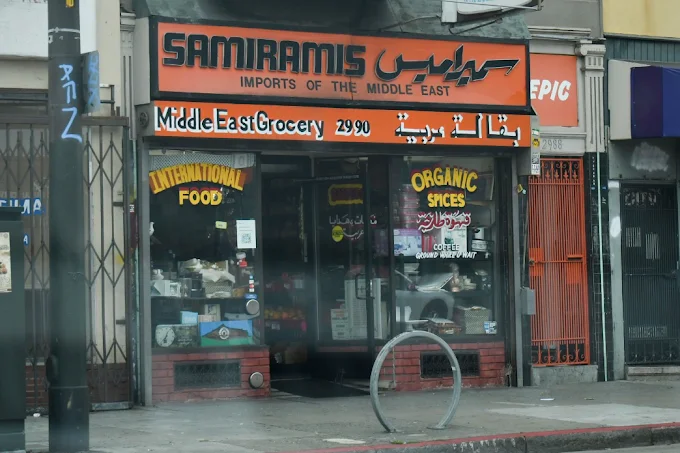
Samiramis Imports
Business Description
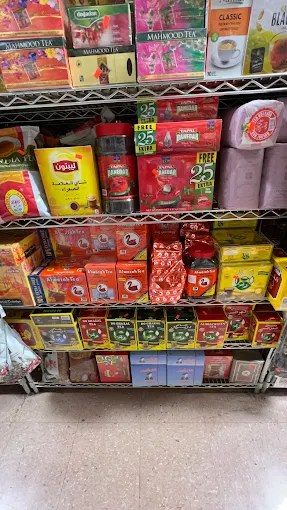
Samiramis Imports is the premier destination for all Middle Eastern and Mediterranean ingredients. So, it’s one of the best options for the Persian community to find essentials like zereshk, saffron, and, on occasion, fresh sangak bread. Samiramis Imports is renowned for its warm and knowledgeable staff. The atmosphere of the store is warm and friendly, and most of the time, they offer the best price in the city.


Persian Basket
Business Description
It’s an online shop for food and drinks. There’s no physical place, so you can only make an order on the website, and they will deliver it to you on the same day or the day after. Don’t worry about variety and options. It’s a one-stop online shop for all your grocery shopping. No matter where in the US you are, you can order your groceries online.

What Exactly is Aloo Bukhara?
If you have ever tried to make Khoresht Aloo using a bag of standard supermarket prunes, you likely noticed something was off. The stew probably turned too sweet, dark, and mushy. That is because while all Aloo Bukhara are plums, not all plums are Aloo Bukhara.
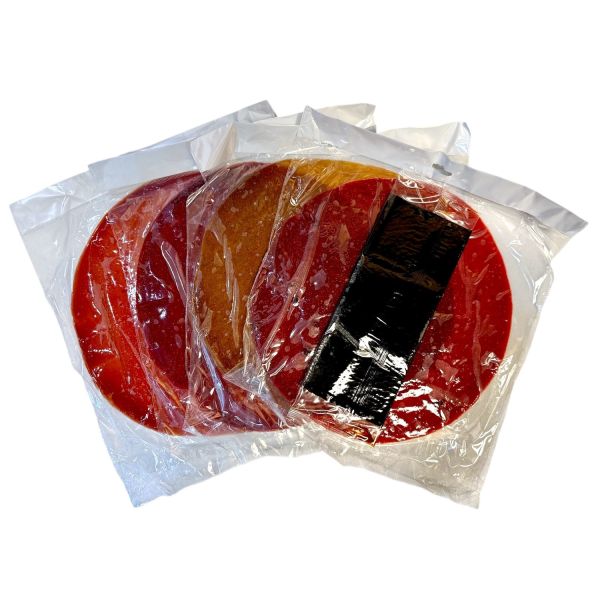
In the context of Persian and South Asian cooking, Aloo Bukhara refers to a specific variety of plum—often known as the Damson plum or golden plum—that is harvested and dried to preserve a unique balance of tartness and sweetness. Unlike the common black prunes found in American grocery stores, which are typically dried to be soft, sticky, and intensely sweet, authentic Aloo Bukhara holds a brighter, more complex flavor profile.
Visually, you can spot the difference immediately. Aloo Bukhara usually ranges from a deep amber to a rusty red color, rather than jet black. Texture-wise, it is firmer. This is crucial for cooking; when you drop these plums into a slow-simmering stew, they need to hold their shape and release their tangy flavor slowly, rather than dissolving into a sweet paste.
Different Types of Persian Aloo Bukhara
When you are standing in the aisle of a store like International Food Bazaar or browsing online, the variety of labels can be overwhelming. Is “dried plum” the same as “aloo bukhara”? Does the color matter? Understanding these distinctions is key to getting the right flavor for your dish.
The Golden Standard (Sun-Dried)
The most prized variety for Persian cooking is often referred to as “Aloo Bukhara Talaee” (Golden). These plums are typically sun-dried, which preserves a vibrant amber or reddish-gold color. The sun-drying process concentrates the flavor, resulting in a tart, tangy profile that cuts through rich, fatty meats in stews. If you are making Khoresht Aloo Esfenaj (spinach and plum stew), this is the variety you want.
Seeded vs. Seedless
In the US, we are used to everything being pitted for convenience. However, authentic Aloo Bukhara is frequently sold with the seed (pit) intact. Many traditional cooks argue that the pit helps the plum hold its shape during long hours of simmering, preventing it from dissolving into mush. It also forces you to slow down and savor the meal. If you prefer convenience, seedless versions are available. However, be careful because they often cook down much faster.
Black vs. Reddish Varieties
You might also see darker, almost black plums labeled as Aloo Bukhara. These are often sweeter and may have been processed differently or come from a different plum cultivar. While delicious for snacking or specific regional dishes, they lack the “sour kick” needed for traditional Persian stews. Always check the label or ask the grocer if the plum is “sour” (torsh) or “sweet” (shirin) before buying.
Organic or Processed
Given the Bay Area’s focus on health, you can also find organic Aloo Bukhara through premium sellers. These are grown without pesticides and, crucially, are often free of sulfur dioxide. Organic varieties might look darker and browner, but they offer a cleaner, more natural taste.
How Much Does Aloo Bukhara Cost in San Francisco
In San Francisco and the Bay Area, prices fluctuate based on the neighborhood and the packaging. You will generally pay a premium for pre-packaged, branded items in the city, while bulk bins in the East Bay or South Bay offer significant savings. Here is a breakdown of what you can expect to pay:
| Product Type | Typical Size | Price Range (Est.) |
| Branded Packs (e.g., Golchin, Sadaf) | 8 oz – 12 oz |
$6.00 – $10.00 |
|
Bulk Bins (Loose) |
Per Pound (lb) | $10.00 – $15.00/lb |
| Organic Bulk | Per Pound (lb) |
$12.00 – $18.00/lb |
|
Standard Prunes (US Domestic) |
16 oz (1 lb) |
$5.00 – $7.00 |
Cooking with Persian Aloo Bukhara
Buying the right plum is only half the battle; knowing how to use it is what turns a good meal into a memorable one. In Persian and South Asian cuisine, Aloo Bukhara isn’t just a garnish; it is a hardworking ingredient that balances the richness of meat and the aromatics of saffron.
Khoresh Aloo (Plum Stew)
The most famous application is undoubtedly Khoresh Aloo (often made with spinach or chicken). Here, the plums act as a natural tenderizer and acid. As they simmer, they release their tart flavor into the sauce, cutting through the fattiness of the meat and creating that signature sweet-and-sour (maloos) profile.
Biryani & Tahchin
If you have ever bitten into a forkful of savory Biryani or a crispy saffron Tahchin and been hit with a sudden, delightful burst of tartness, that was Aloo Bukhara. In these rice dishes, the plums are often steamed whole along with the rice. They act like little flavor bombs, providing a sharp contrast to the earthy spices like cardamom and cinnamon.
Snacking
You don’t always need a pot and a stove to enjoy them. High-quality Aloo Bukhara is delicious eaten straight out of the bag as a chewy, high-fiber snack. In some households, a few dried plums are tossed into brewing tea or herbal infusions to add a subtle fruity note, or stewed on their own for a simple dessert.
How to Spot Authentic, High-Quality Aloo Bukhara
Finding a bag labeled “Dried Plums” is easy, but finding fresh, high-quality Persian Aloo Bukhara in San Francisco requires a keen eye. Since this fruit is often imported or travels long distances to reach shelves, quality can vary from store to store. Here is how to make sure you are getting the best product for your money:
Check the Color
The first thing to look at is the color. Authentic, high-quality Aloo Bukhara should generally be a rich amber, golden-brown, or deep rusty red. Avoid any fruit that is pitch black or dull gray. While some black varieties exist (often smoked or aged), a dull black color on a standard plum can indicate it is old or over-processed.
The Squeeze Test (Texture)
If you are buying from a bulk bin, give the fruit a gentle squeeze. It should feel pliable and chewy—firm enough to hold its shape, but soft enough that you can imagine biting into it. However, a rock-hard Aloo Bukhara is likely old and dried out. Also, if it is mushy or sticky like jam, it may have been treated with too much syrup or moisture to increase its weight.
The Sweet-Sour Balance (Taste)
The hallmark of true Aloo Bukhara is its flavor profile, often described in Persian as malas (sweet and sour). Authentic Persian al bukhara fruit has a sharp, tangy kick immediately followed by natural sweetness. If it tastes purely of sugar or syrup (like a candy) or lacks that sour acidity, it is likely a standard prune or a lower-quality substitute that won’t give your Khoresh the right depth.
Where to Buy Aloo Bukhara in San Francisco
Finding Aloo Bukhara in the Bay Area is less about finding a single store and more about knowing which neighborhoods to visit. While San Francisco proper has its gems, the true treasure troves for Persian and South Asian ingredients often lie just across the bridges or down the peninsula. Here is where locals go to stock up.
If you are strictly staying within the city, your best bet is heading west to the Richmond or Sunset Districts. These neighborhoods have long been the multicultural pantries of San Francisco.
If you are in a pinch and can’t make it to a specialty market, Whole Foods and local co-ops often have excellent bulk sections. Look for “dried tart plums” or “Turkish dried plums,” which are the closest organic match to Persian aloo bukhara you will find in a general grocery store.