
There’s something quietly nostalgic about pashmak, a delicate Persian sweet often compared to cotton candy, but with a finer texture and a more complex flavor. If you’re searching for pashmak in San Francisco, the good news is that it is easier to find than you might think once you know where to look. In this Nazdikia guide, we’ll cover the best ways to buy pashmak in San Francisco and around the Bay Area, what to ask for when you’re shopping, how pricing usually works, and how to spot a high-quality option that tastes fresh and authentic.

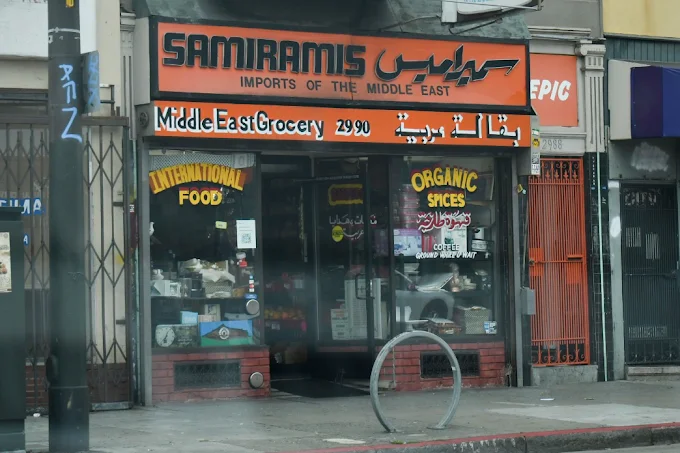
Samiramis Imports
Business Description
Samiramis Imports is the premier destination for all Middle Eastern and Mediterranean ingredients. So, it’s one of the best options for the Persian community to find essentials like zereshk, saffron, and, on occasion, fresh sangak bread. Samiramis Imports is renowned for its warm and knowledgeable staff. The atmosphere of the store is warm and friendly, and most of the time, they offer the best price in the city.

Persian Basket
Business Description
It’s an online shop for food and drinks. There’s no physical place, so you can only make an order on the website, and they will deliver it to you on the same day or the day after. Don’t worry about variety and options. It’s a one-stop online shop for all your grocery shopping. No matter where in the US you are, you can order your groceries online.

What Is Pashmak (Persian Cotton Candy)?
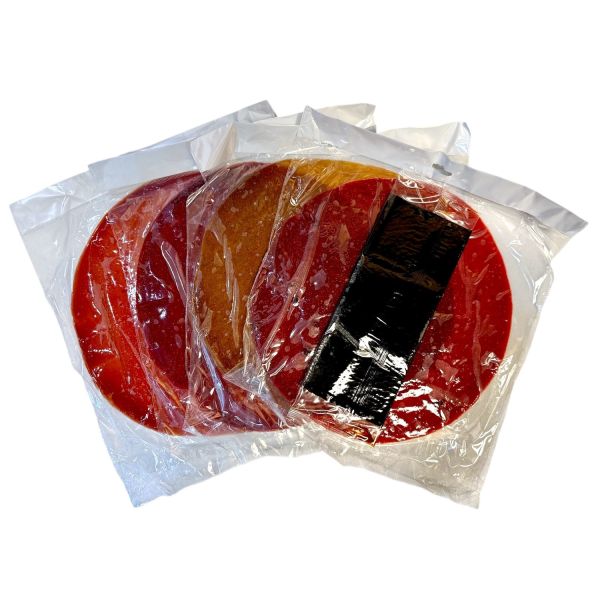
Pashmak (پشمک) is a beloved Persian sweet made of fine, airy strands that look a little like cotton candy, but feel softer and more “silky” when you eat it. Instead of disappearing instantly, it melts gently, leaving a light sweetness behind. In many Iranian homes, pashmak is served with tea, offered to guests, or placed on a dessert table during celebrations. It is simple, familiar, and quietly special all at once.
What makes pashmak so appealing is its balance. It’s sweet, but usually not overpowering. It’s delicate, but still satisfying. And because it comes in different flavors and styles, it can be enjoyed in an everyday way or presented as a gift, especially around holidays like Nowruz and Yalda.
Pashmak vs Cotton Candy (What’s the Difference?)
At first glance, pashmak and cotton candy can look similar. Both are light, fluffy, and made from sugar spun into fine strands. But once you taste them side by side, the difference becomes clear.
Cotton candy is usually simpler and more direct. It’s mostly pure spun sugar, often brightly colored, and it dissolves almost instantly on the tongue. The flavor is typically straightforward, usually vanilla or fruit-style sweetness, with more emphasis on the fun, airy texture than on depth.
Pashmak, on the other hand, is more refined in both texture and taste. The strands are finer and softer, and the sweetness tends to feel more balanced. Many pashmak varieties include ingredients that give it a richer structure, so it melts gently rather than vanishing all at once. It also comes in classic Persian flavors like saffron, rose, and cardamom, along with modern options such as pistachio, vanilla, and chocolate. That added flavor dimension is a big reason people seek it out, especially for tea-time or gifting.
Popular Pashmak Flavors to Look for in San Francisco
One of the nicest things about buying pashmak is that you can choose it the way you might choose tea. Some flavors feel classic and comforting, while others are playful and modern. If you’re shopping for pashmak in San Francisco, you’ll often see a small range of bestsellers that show up again and again.
Traditional favorites
These are the flavors many people associate with authentic Persian pashmak. They tend to pair beautifully with hot tea and are especially popular for holiday tables and gift boxes.
- Saffron: Fragrant, warm, and slightly floral. If you want a “true Persian” feel, start here.
- Rose: Light and aromatic, with a gentle sweetness that feels elegant rather than heavy.
- Cardamom: Soft spice and a cozy perfume-like note, often loved by people who enjoy Persian tea.
Modern and crowd-pleasing options
These are great if you’re buying pashmak for guests who may be trying it for the first time, or if you prefer richer dessert flavors.
- Vanilla: Simple, familiar, and usually a safe choice for first-timers.
- Pistachio: Nutty and slightly buttery, often associated with gift-style pashmak.
- Chocolate or cocoa: Deeper, dessert-like sweetness and a popular pick for kids and chocolate lovers.
- Coconut: Soft and mellow, with a pleasant fragrance.
Where to Buy Pashmak in San Francisco
Finding pashmak in San Francisco is less about one “perfect” store and more about knowing the right kinds of places to check. Here are the most reliable neighborhoods to look for Iranian cotton candy in San Francisco:
The Richmond District and Sunset District are worth checking first. These areas often have stronger access to international grocery shopping and the kinds of specialty items that include Persian sweets.
Downtown SF and tourist-heavy areas are your second options. If you’re trying to find pashmak closer to downtown, you may need to be a bit more flexible. Some specialty shops or international food stores carry Persian sweets, but they may stock pashmak only occasionally.
The same is true near places like Fisherman’s Wharf, where visitors often look for “specialty sweet shops.” You might see imported sweets and gift boxes, but pashmak is not guaranteed, so calling ahead matters.
How Much Does Pashmak Cost in San Francisco?
Pashmak is one of those sweets that can feel modest and luxurious at the same time. It looks light, almost weightless, but it’s often imported, carefully packaged, and sometimes flavored with premium ingredients. That’s why the price can vary a bit depending on where you buy it and what kind you choose. Here is what you can expect:
| Product Type | Typical Weight | Price Range |
| Standard Pack (Bag) | Small (200g – 250g) | $6.00 – $9.00 |
| Standard Tub | Medium (350g – 500g) | $12.00 – $16.00 |
| Gift Box / Assorted | Large (500g+) | $18.00 – $25.00+ |
| Chocolate Covered | Small Box (200g) | $10.00 – $14.00 |
How to Tell If Pashmak Is High Quality
Good pashmak is almost weightless in the hand and gentle on the tongue. When it’s fresh, it feels like fine threads that melt softly, leaving behind sweetness and aroma without turning sticky or heavy. When it’s old or poorly stored, the texture changes first, and the experience becomes flatter and less pleasant.
Here’s how to recognize high-quality pashmak when you’re shopping in San Francisco, the Bay Area, or ordering online.
Look at the texture before anything else
Pashmak should look fine and airy, not dense or clumped. A little settling is normal, but large, hard lumps can mean it absorbed moisture or sat too long on the shelf. If the package is clear, check for:
- thin, silky strands rather than chunky pieces
- a dry, light appearance (not wet or sticky)
Pay attention to aroma and flavor cues
Flavor is where pashmak shows its character. Classic varieties like saffron, rose, and cardamom should smell natural and balanced, not sharp or artificial. If you open a box and the scent feels overly perfumed or “chemical,” it’s usually a sign the flavoring isn’t great.
Check labeling and ingredients
A good pashmak package should have:
- a clear ingredient list
- a defined flavor (not vague wording)
- decent packaging that helps keep it dry and protected
If you’re shopping for guests with dietary needs, the brief also notes that buyers may look for claims like Halal, Organic, or Non-GMO when those certifications are available.
Best Ways to Eat Pashmak
Pashmak is one of those sweets that doesn’t demand attention, but it rewards it. It’s delicate enough to enjoy on its own, yet versatile enough to become part of a dessert spread. Whether you’re serving it for guests or keeping a box at home for quiet tea moments, there are a few classic ways to enjoy it that make it feel especially right.
- With tea: Serve a small handful on the side of hot tea for a gentle, traditional pairing.
- With coffee: A nice option if you prefer a slightly stronger, bitter contrast to the sweetness.
- On its own: Enjoy a small portion after a meal when you want something sweet but not heavy.
- With ice cream: Add pashmak right before serving so it stays airy (great on vanilla or saffron-style ice cream).
- For cakes and cupcakes: Place small tufts on top for an elegant look, especially for celebrations and dessert tables.
- On a holiday dessert platter: Serve alongside dates, nuts, cookies, and other Persian sweets for Nowruz or Yalda hosting.
Why Pashmak Matters
Pashmak isn’t only a sweet. For many people, it’s a familiar presence at the table, the kind of treat that quietly signals celebration, hospitality, and care. It shows up in the moments when families gather, when guests are expected, and when something small is offered to visit feel warmer. In Persian culture, sweets often carry meaning beyond taste. They suggest good wishes, abundance, and a gentle kind of generosity. Pashmak fits naturally into that tradition.
When people buy pashmak, most often
While pashmak can be enjoyed year-round, it becomes especially popular around major cultural occasions.
Nowruz (Persian New Year): Pashmak is commonly included in holiday shopping and served alongside tea and other Persian sweets. It also works well as a gift because it feels festive without being too heavy.
Yalda Night: This celebration is filled with fruit, nuts, tea, and sweets shared late into the night. Pashmak fits the mood perfectly, light and easy to serve on a table with other treats.
Hosting and family visits: Even outside holidays, pashmak is the kind of sweet people keep on hand for guests. It’s quick to serve, universally liked, and doesn’t require preparation.
Gift boxes and gatherings: Because it often comes in decorative packaging, pashmak can be a thoughtful, culturally meaningful gift, especially when paired with tea, dates, or other Persian sweets.