
Zereshk, also known as Persian barberries, is one of those ingredients that quietly define a cuisine. It is small, bright red, and pleasantly tart, and it brings life to many Persian dishes, especially classics like zereshk polo. Without it, the dish still exists, but it does not quite feel the same. If you are trying to find zereshk in San Francisco, this Nazdikia guide is meant to make that process easier.

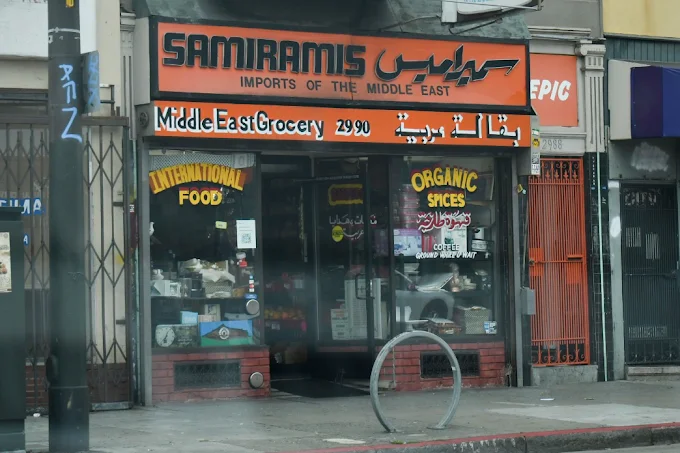
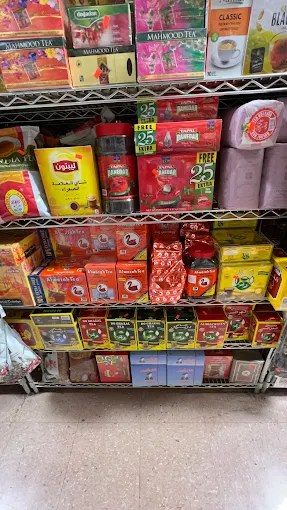
Samiramis Imports
Business Description
Samiramis Imports is the premier destination for all Middle Eastern and Mediterranean ingredients. So, it’s one of the best options for the Persian community to find essentials like zereshk, saffron, and, on occasion, fresh sangak bread. Samiramis Imports is renowned for its warm and knowledgeable staff. The atmosphere of the store is warm and friendly, and most of the time, they offer the best price in the city.

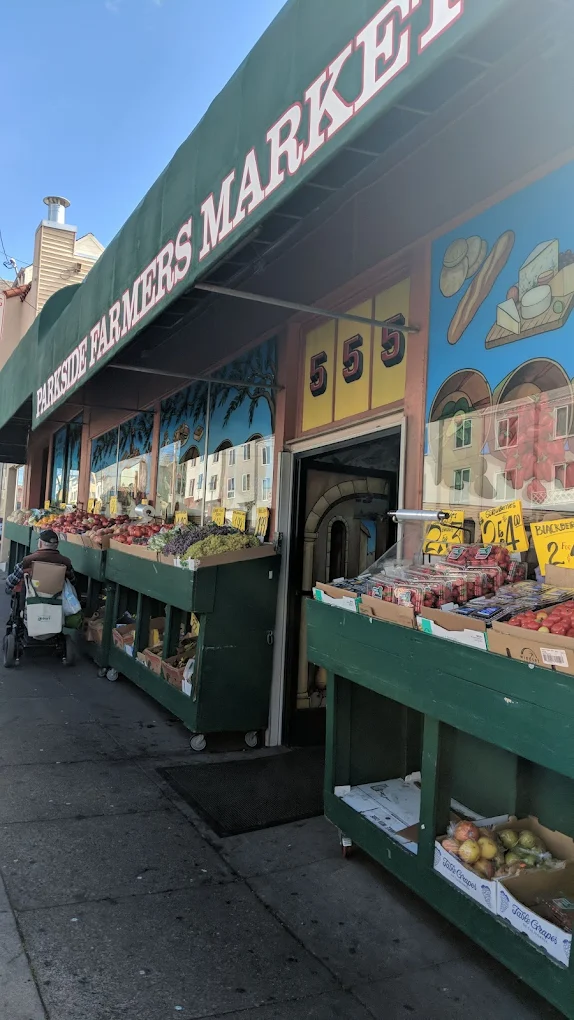
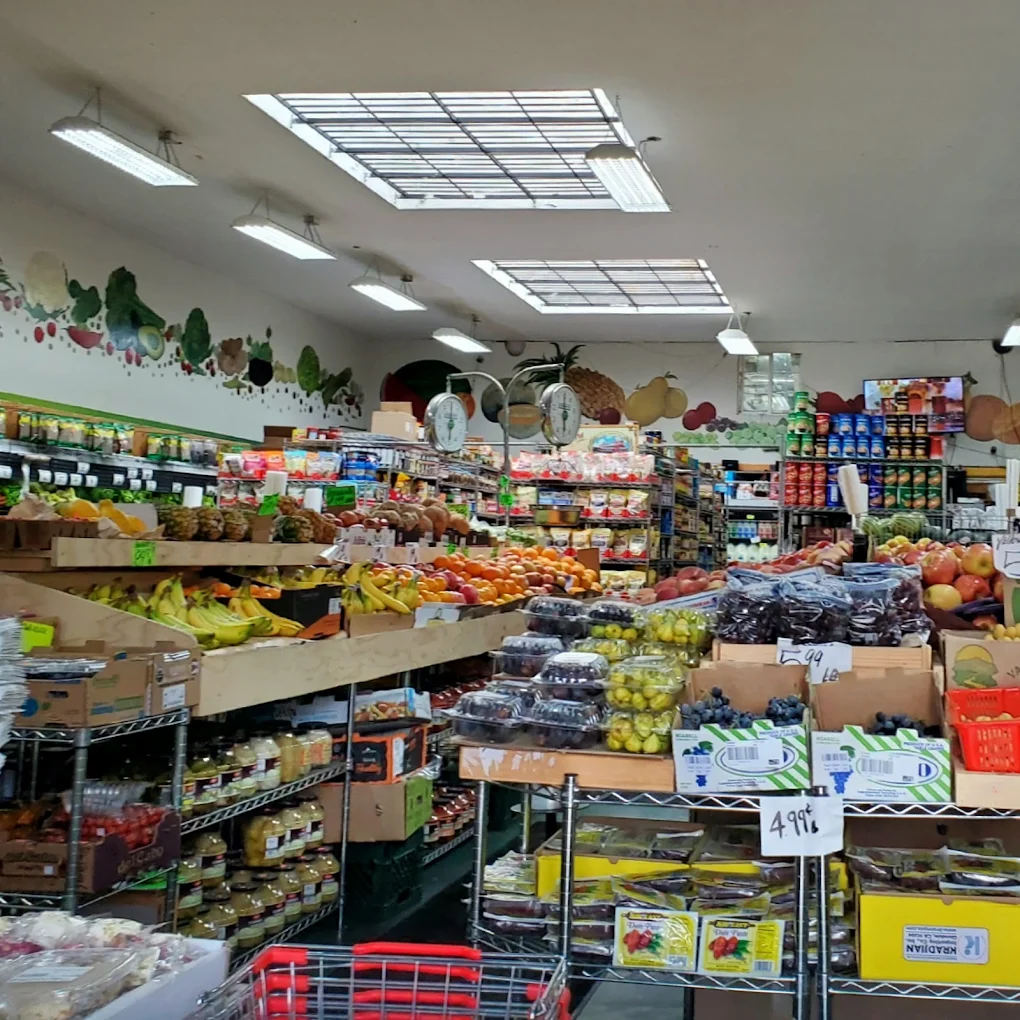
Parkside Farmers Market – Outer Sunset
Business Description
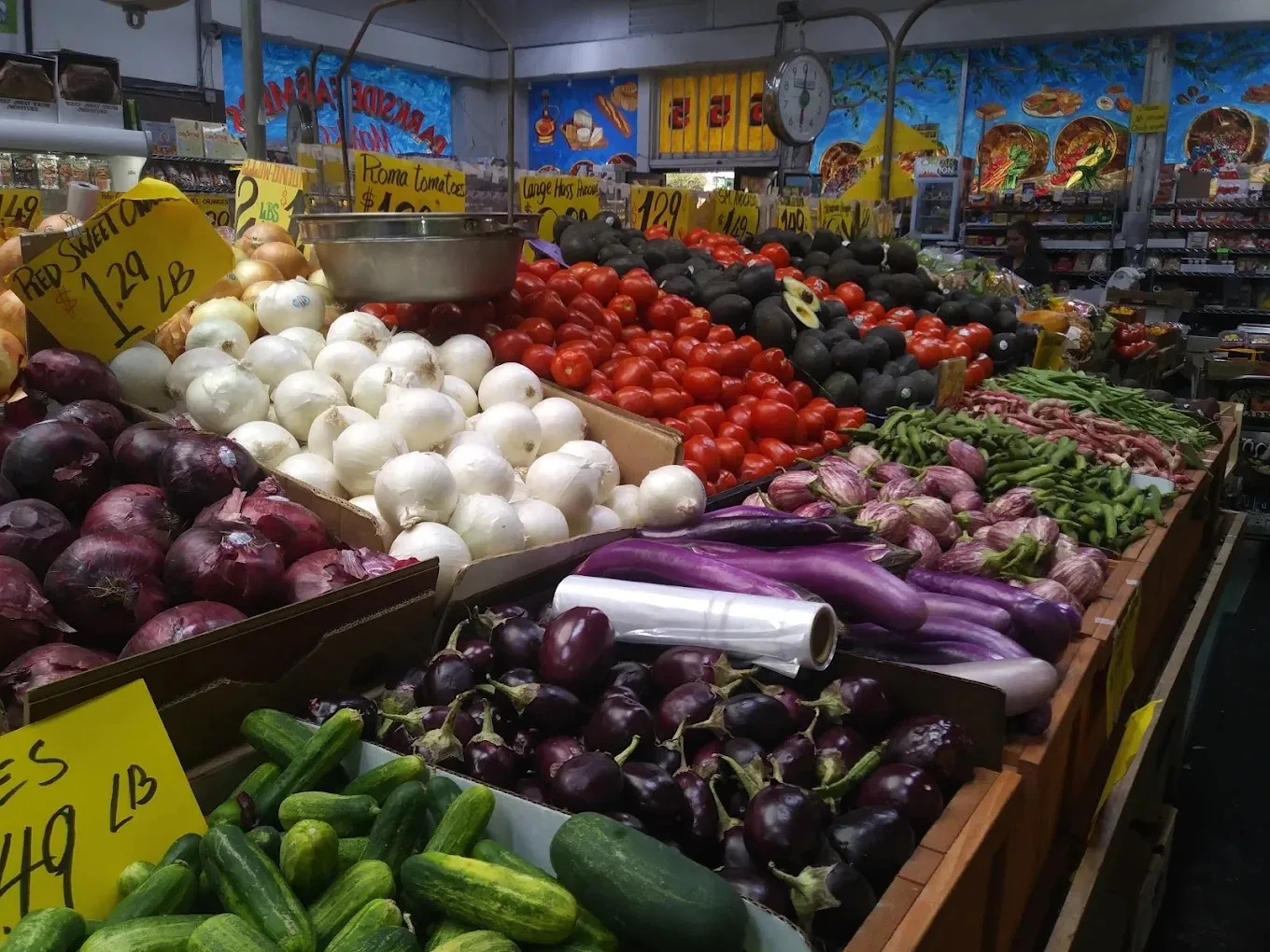
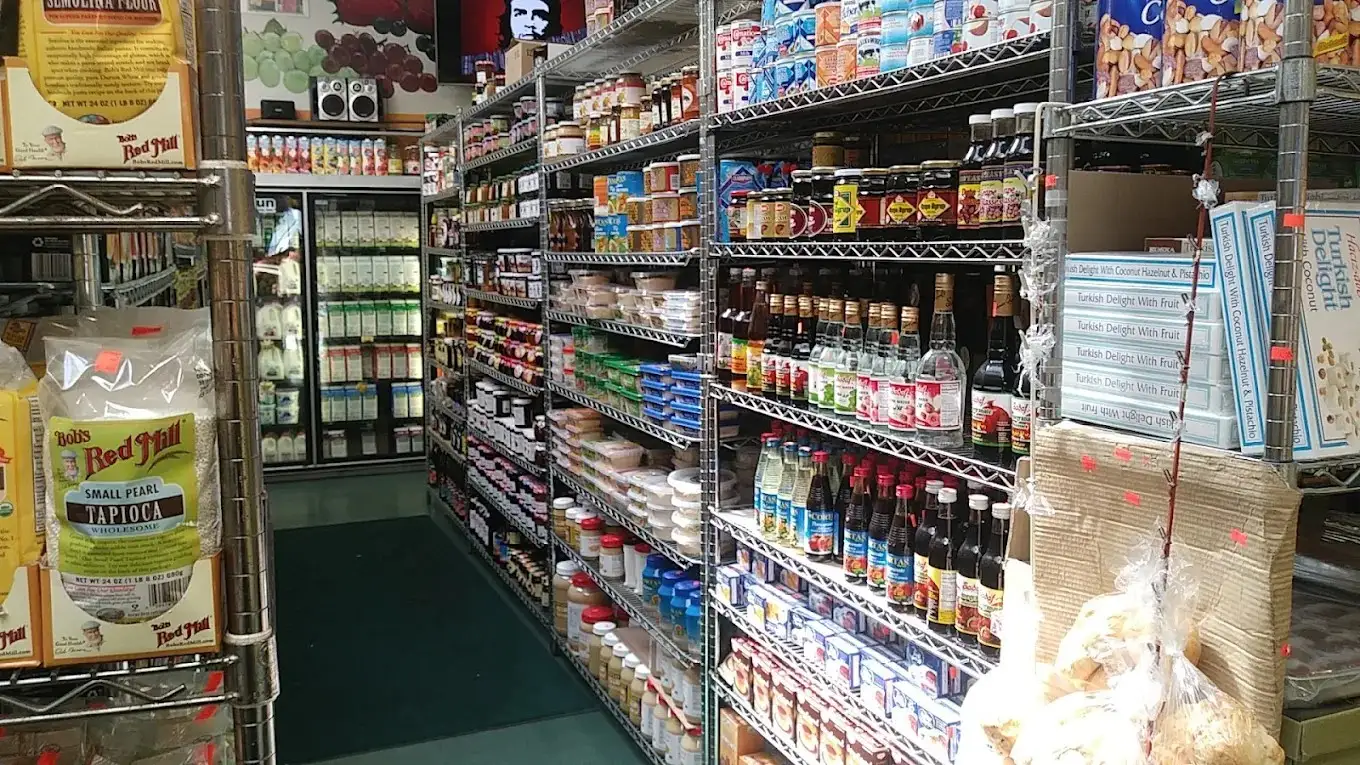
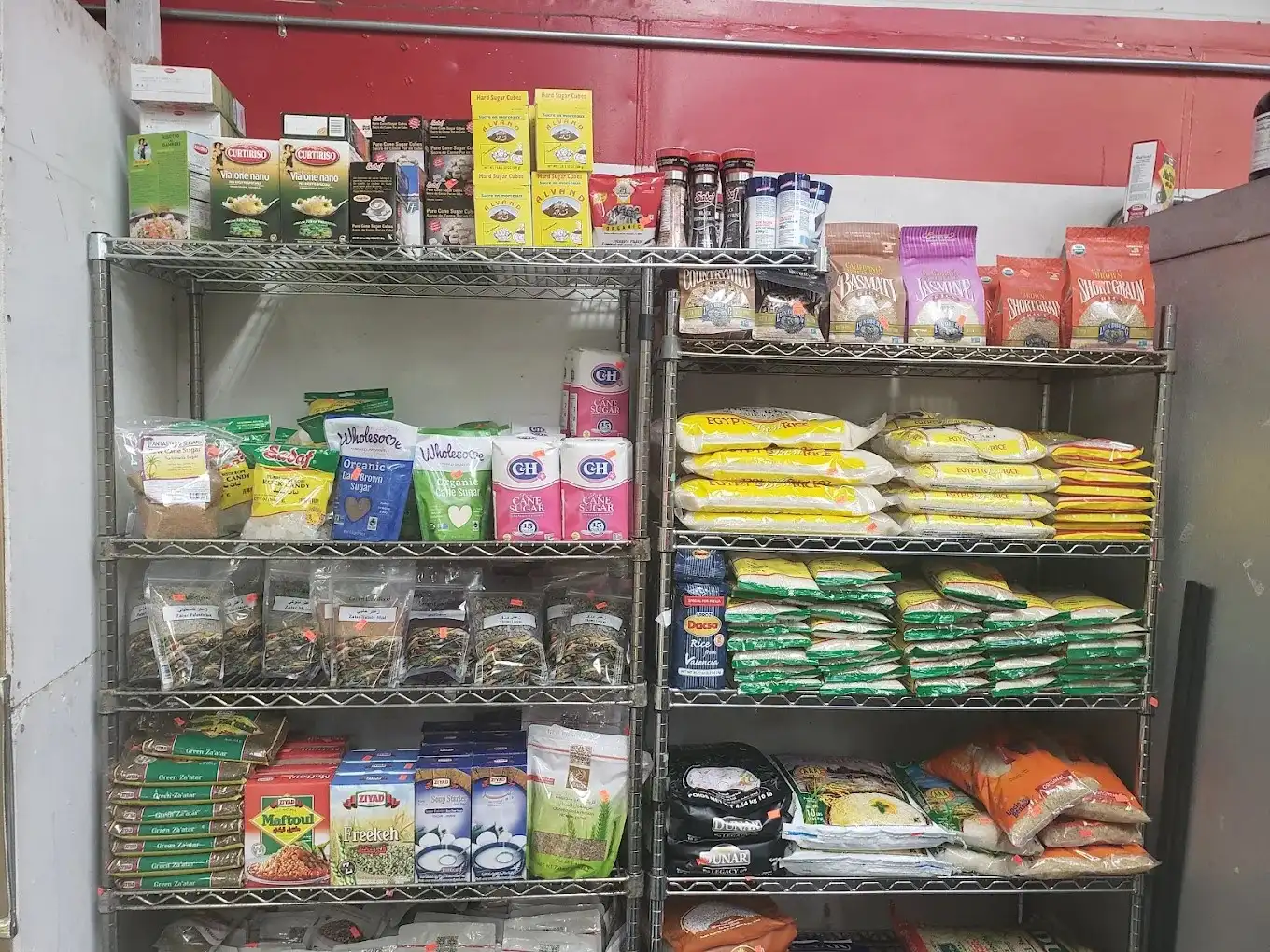
Parkside Farmers Market has been in San Francisco since 1993, and it continues to stand out as a family-run spot where quality and warmth go hand in hand. The market is known for its impressive selection of farm-fresh produce and a wide variety of Mediterranean, Persian, and international specialty items. Depending on the season, you may spot Iranian favorites like gojeh sabz and chagaleh badoom. The store also stocks brands like Sadaf, essential spices, frozen goods, and fresh Iranian breads such as sangak and lavash.
Persian Basket
Business Description
It’s an online shop for food and drinks. There’s no physical place, so you can only make an order on the website, and they will deliver it to you on the same day or the day after. Don’t worry about variety and options. It’s a one-stop online shop for all your grocery shopping. No matter where in the US you are, you can order your groceries online.

What Is Zereshk (زرشک)?
Zereshk (زرشک) is the Persian name for barberries: small dried berries with a naturally tart, almost citrus-like bite. They are most commonly used in Iranian cooking, where they bring a bright contrast to rich flavors like saffron, butter, lamb, chicken, and slow-cooked onions.
In many San Francisco stores, you may see zereshk labeled simply as “barberries” or “dried barberries.” When the label says Persian barberries, that is usually the clearest sign you are looking at the same ingredient used in Iranian recipes.
What makes zereshk special is not just its taste, but how it behaves in food. It does not melt into the dish like a spice. Instead, it stays distinct, adding small bursts of tartness and color. That is why it is often used as a finishing touch, scattered over rice or gently warmed in a pan for a few seconds before serving.
Types of Zereshk You’ll See in San Francisco Stores
If you stand in front of a shelf of zereshk for the first time, the differences may not be obvious. The packages are often small, the berries look similar at a glance, and the labels do not always explain much. Still, there are a few main types that show up in San Francisco and the Bay Area, and knowing them makes shopping much easier. Below is a simple overview to help you recognize what you are looking at.
|
Type |
Quick profile |
|
Pofaki |
Bright/airy • Mild tart • Rice & garnish |
| Anari |
Dark/flat • Sharper tart • Stews & everyday |
|
Organic |
Like pofaki/anari • Taste varies • Same uses |
| Pre-washed |
Cleaner look • Same taste • Faster prep |
| Unwashed |
Dust/stems possible • Same taste • Traditional prep |
Where to Buy Zereshk in San Francisco
Zereshk is not something you will usually find in large mainstream supermarkets, but San Francisco has enough cultural and culinary diversity that it is very possible to find it if you know where to look. The key is focusing on the right kinds of neighborhoods and stores rather than expecting them to be everywhere. Here are a few parts of San Francisco where you are more likely to find it.
The Richmond District
This neighborhood has a strong international food scene, including Middle Eastern and specialty grocers. It is a good place to start if you are looking for Persian ingredients without leaving the city.
The Sunset District
The Sunset has a wide mix of Asian, Middle Eastern, and specialty food stores. Some of them carry barberries or zereshk, especially shops that focus on Afghan or Iranian products.
Downtown and SoMa
In central areas, zereshk is less common, but you may still find it in gourmet or specialty food stores that focus on international or niche ingredients. The selection is usually smaller, but it is worth checking if you are nearby.
Bay Area Options Outside San Francisco
If you do not find zereshk inside the city, looking just outside San Francisco often solves the problem quickly. Several nearby areas have a higher concentration of Persian and Middle Eastern grocery stores, which makes specialty ingredients easier to find.
- Daly City and South San Francisco are close by and have a growing number of international markets.
- Berkeley and Oakland have many specialty and globally focused food shops that sometimes stock barberries or zereshk.
- Fremont is one of the most reliable places in the Bay Area for Persian ingredients, including zereshk.
- The South Bay, including San Jose, Sunnyvale, Mountain View, and Palo Alto, also offers good options through Persian and Middle Eastern markets.
How Much Does Zereshk Cost in San Francisco?
Zereshk is a specialty ingredient, so its price can vary quite a bit depending on where you buy it, the type you choose, and how it is packaged. The table below gives you a general sense of how price relates to type and buying method in the San Francisco and Bay Area market.
|
Quantity |
Typical Price Range |
Best For |
|
Small Pack (3–4 oz) |
$3.50 – $7.00 |
Single-use or trial recipes |
|
Medium Pack (8 oz) |
$10.00 – $13.00 |
Frequent home cooks |
| Large Pack (1 lb) |
$14.00 – $25.00 |
Bulk buying |
How to Tell If Zereshk Is Good Quality
When zereshk is fresh and well-prepared, it looks vibrant and tastes clean. When it is old or poorly stored, it loses color, picks up a dull smell, and can taste flat or even slightly bitter. Since packaging and labeling are not always consistent, it helps to rely on a few simple signs. Here is what to check before you buy.
Color that still feels alive
Good zereshk usually has a bright red to deep ruby tone. Some types are naturally darker, but they should still look rich and clear. If the berries look brownish, dusty, or faded, they may be old or poorly stored.
A dry, light texture
Zereshk should feel dry and loose, not wet or sticky. A little clumping can happen, especially with anari zereshk, but heavy clumping often suggests moisture exposure. Moisture is one of the fastest ways zereshk loses quality.
A clean, tart aroma
Even through packaging, good zereshk often has a faint tangy smell. If you notice a musty or stale scent when you open the pack at home, it is usually a sign that it has been sitting too long or stored in heat.
Minimal stems and debris
It is normal for zereshk to have a few tiny stems mixed in, but good-quality packs contain less of it. If the berries look like they need heavy sorting, that is often a sign of a lower-grade product.
Packaging that protects freshness
Resealable or vacuum-sealed packaging helps a lot, especially in a humid climate. If the bag is very thin, loosely sealed, or looks like it has been opened and re-tied, the zereshk may dry out unevenly or absorb odors.
Dried vs frozen
Most people buy dried zereshk because it is easier to store and use. Frozen zereshk can be excellent too, but only if it has been frozen well and kept consistently cold. If you see signs of freezer burn or ice crystals in the bag, that is usually a quality warning.
How to Store Zereshk After Buying It
Zereshk is small, but it is surprisingly sensitive. The two things that damage it fastest are moisture and strong odors. Stored well, it keeps its color and tart flavor for a long time. Stored poorly, it can turn dull, clump together, and pick up an off smell.
Short-term storage
If you cook with zereshk often, keep it in an airtight container in a cool, dark place. A cupboard away from the stove is better than a shelf near the heat. If the package is resealable and sturdy, you can keep it in the original bag, but make sure it is tightly closed and stored away from spices with strong aromas.
Longer storage
For longer keeping, the refrigerator or freezer is usually the safest choice, especially in a humid environment.
- Refrigerator: helps slow down the loss of aroma and prevents moisture issues.
- Freezer: best for preserving color and freshness for months.
If you freeze it, place the bag inside a second airtight container or freezer bag. This protects it from absorbing freezer odors and helps prevent condensation when you take it out.
How to Use Zereshk in Cooking
Zereshk is easy to use, but it benefits from a little care. Treated gently, it keeps its color and bright flavor. Handled roughly or cooked too long, it can turn dark and lose its pleasant tartness.
Preparing zereshk before cooking
Most zereshk needs a quick rinse before use, especially if it is unwashed.
- Place the zereshk in a small bowl.
- Cover it with cool water and gently swirl it with your fingers.
- Let it sit for a minute or two so any dust sinks to the bottom.
- Lift the berries out or pour them through a fine sieve and drain well.
If the zereshk is very dry, this short soak also helps soften it slightly.
How to warm it without damaging it
Zereshk should not be cooked for a long time. The classic method is to warm it gently:
- Heat a small pan on low heat.
- Add a little butter or oil.
- Add the drained zereshk and stir for 30 seconds to one minute.
- If the berries are very tart, a tiny pinch of sugar can soften the edge.
This keeps the berries bright and plump while mellowing the sharpness just enough.
Common ways to use zereshk
- Sprinkled over saffron rice or mixed into zereshk polo
- Folded into tahchin or other baked rice dishes
- Added at the end to stews or braises for a fresh contrast
- Mixed into salads or grain bowls for a tart accent